Outdoor Living in La Nucia
La Nucia is a modern inland town of 20,000 residents where 52% are expats — British, Dutch, and Scandinavian — attracted by affordable hillside properties, world-class sports facilities, and a thriving Sunday rastro market.
La Nucia has reinvented itself over the past two decades. Once a sleepy agricultural village behind Benidorm, it is now one of the most forward-thinking municipalities on the Costa Blanca, with a nationally recognised sports complex and infrastructure that rivals towns three times its size. The Sunday rastro market draws thousands weekly as one of the largest fresh-produce markets in the Alicante province.
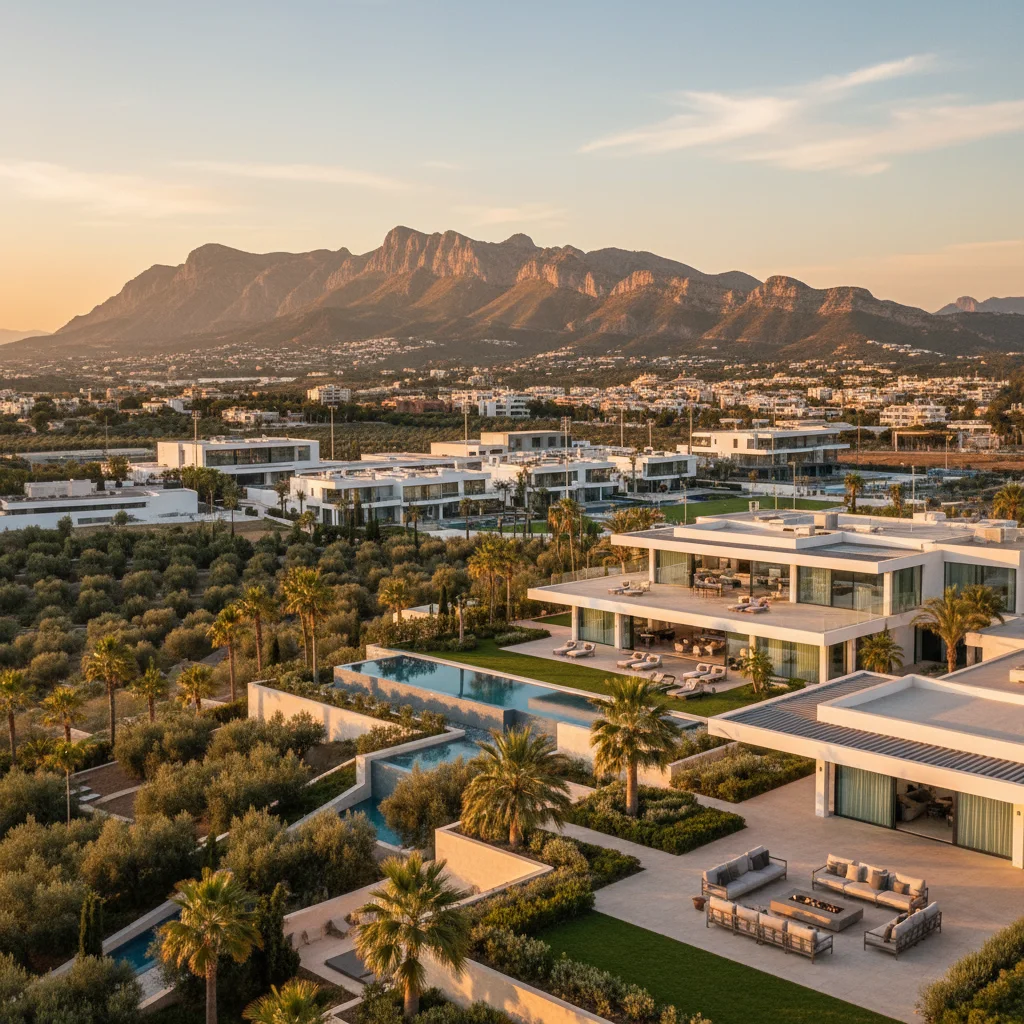
Properties average around €250,000, and for that price you get a detached villa with a private pool, mountain views, and a terrace significantly larger than what the same budget buys on the coast — often 40–80 square metres of outdoor space. At roughly 200 metres elevation, summer evenings are cooler than the seafront and winter days are crisp and sunny — perfect for a long kamado cook.
The community is active and outdoorsy. Hiking, cycling, and using the town’s Olympic-grade sports facilities are all part of daily life. That culture feeds directly into outdoor cooking — residents here treat grilling as fuel for an active lifestyle, not just a weekend novelty.
La Nucia offers hillside villas with 40–80m² outdoor spaces averaging €250,000, cooler summer evenings than the coast, and an active expat community of 10,000+ who cook outdoors year-round.
Choosing Your Setup in La Nucia
La Nucia’s spacious hillside terraces and mild inland climate make it ideal for versatile setups combining gas BBQs for convenience with kamado grills or pizza ovens for weekend cooking projects.
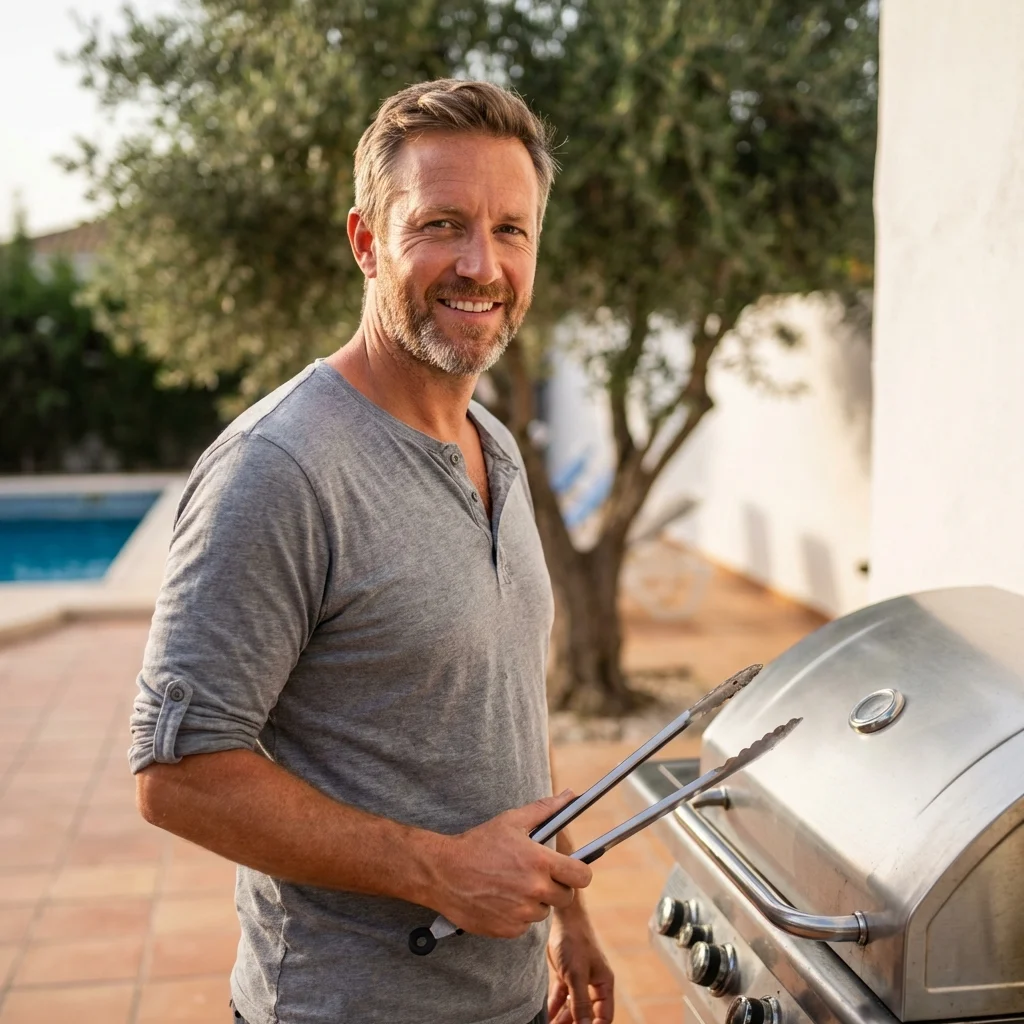
The typical La Nucia property has enough space for a multi-piece outdoor cooking setup without feeling crowded. A common configuration we install here is a gas BBQ for weeknight speed paired with a kamado grill for weekend slow-cooking — positioned apart on the terrace so both can run simultaneously when entertaining.
Costa Blanca Outdoors recommends considering the slightly cooler inland evenings when choosing equipment. A kamado grill retains heat brilliantly and performs just as well at 12°C in January as it does at 35°C in July — making it arguably the best single-piece investment for La Nucia’s year-round cooking season. The ceramic insulation also means fuel efficiency, using roughly half the charcoal of an open grill for the same cooking time.
Wood-fired pizza ovens are a natural fit. La Nucia’s inland position means firewood is more accessible and affordable than on the coast. Orange groves and almond orchards surround the town, and suppliers sell seasoned wood by the sack or trailer load. The Sunday rastro itself is a reliable source for firewood and charcoal.
Costa Blanca Outdoors recommends kamado grills as the best single-piece investment for La Nucia, with ceramic insulation performing equally well in January at 12°C and July at 35°C while using half the charcoal of open grills.
Delivery to La Nucia
We deliver to La Nucia on our central inland route weekly, with experience navigating the town’s hillside residential streets and gated urbanisations.
La Nucia sits just inland from our Benidorm–Alfaz del Pi coastal route, making it a natural addition to our central delivery schedule. Most residential areas have wide roads, though some older hillside urbanisations require smaller vehicles for heavy items.
Every delivery includes full setup: unpacking, assembly, placement on your terrace or in your garden, and a walkthrough of your new equipment. For built-in outdoor kitchen projects, we work with local builders who understand La Nucia’s municipal building guidelines and community regulations.
Alfaz del Pi and Benidorm are on the same delivery corridor, and we also reach Altea and the northern coast from here. Expect 5–10 working days for in-stock items, or 3–4 weeks for custom kitchen installations including design, fabrication, and professional fitting.
Choosing Durable Outdoor Cushions and Textiles in La Nucía
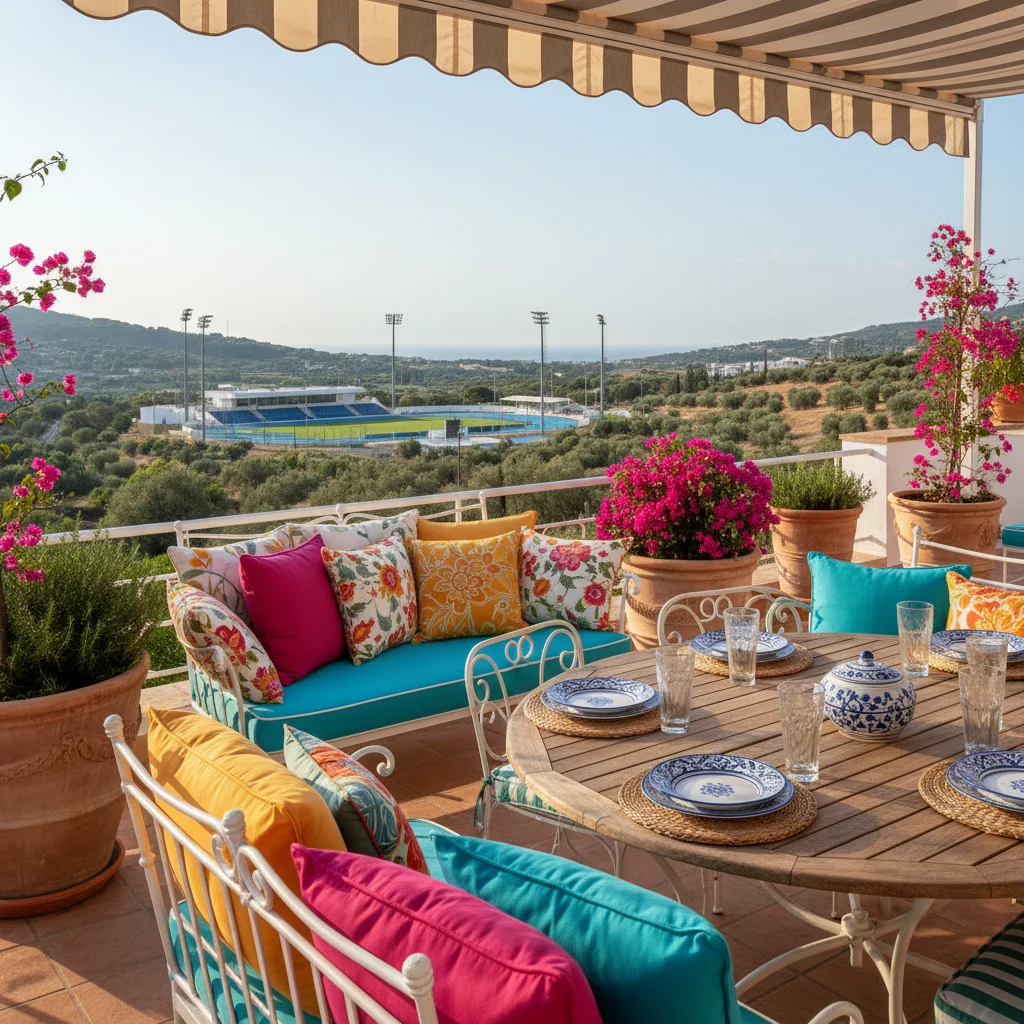
La Nucía occupies a unique position on the Costa Blanca, perched between the Mediterranean and the dramatic mountain backdrop that defines our local skyline. With international residents making up over 52% of the population, including many British, Dutch, and Norwegian families, the way we use our terraces here is incredibly diverse. Whether you are returning from a session at the Ciutat Esportiva or spending a quiet afternoon after visiting the Sunday Market, your outdoor space serves as the primary living room for eight months of the year. The property stock here ranges from compact apartments with balconies to sprawling villas valued around the €230,000 mark, but they all share one common challenge: the textiles you choose must work as hard as the construction of the house itself to survive the local environment.
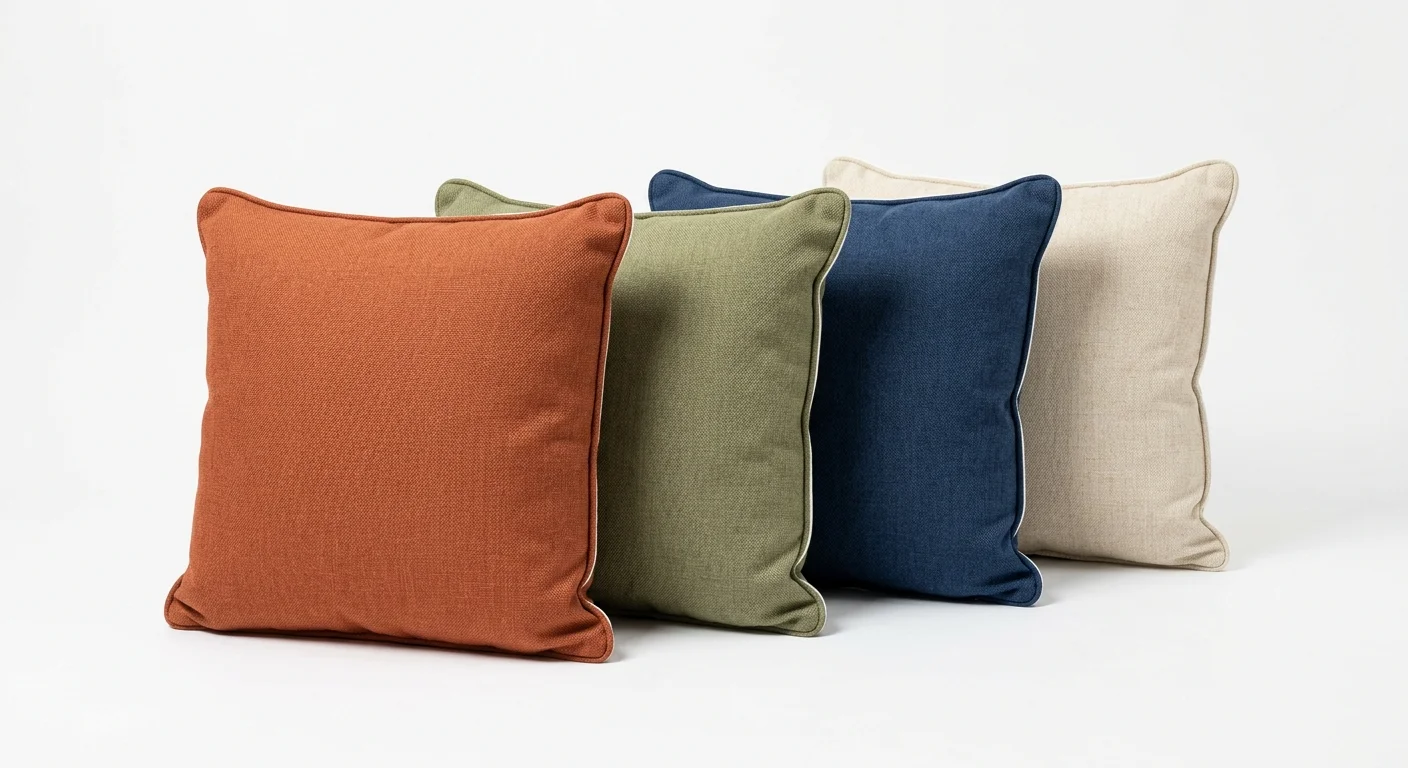
The environmental pressures in this specific part of the Marina Baixa are often underestimated by newcomers. While we sit slightly inland, the town remains an exposed coastal position where the dual threats of the Levante and Poniente winds dictate the lifespan of your soft furnishings. The Levante brings humid, salt-laden air that can penetrate even 2km inland, leading to mildew if your cushion cores are not high-quality reticulated foam. Conversely, the dry Poniente wind carries heat and dust that can bake inferior fabrics until they become brittle. In my experience helping over 200 families locally, I have seen standard high-street cushions fade within a single summer because they lack a high UV-stability rating. For this climate, you should look for solution-dyed acrylics or Olefin fabrics which carry a light-fastness grade of 7 or 8. A premium outdoor throw pillow in these materials typically starts around €45, but the investment saves you from replacing the entire set annually.
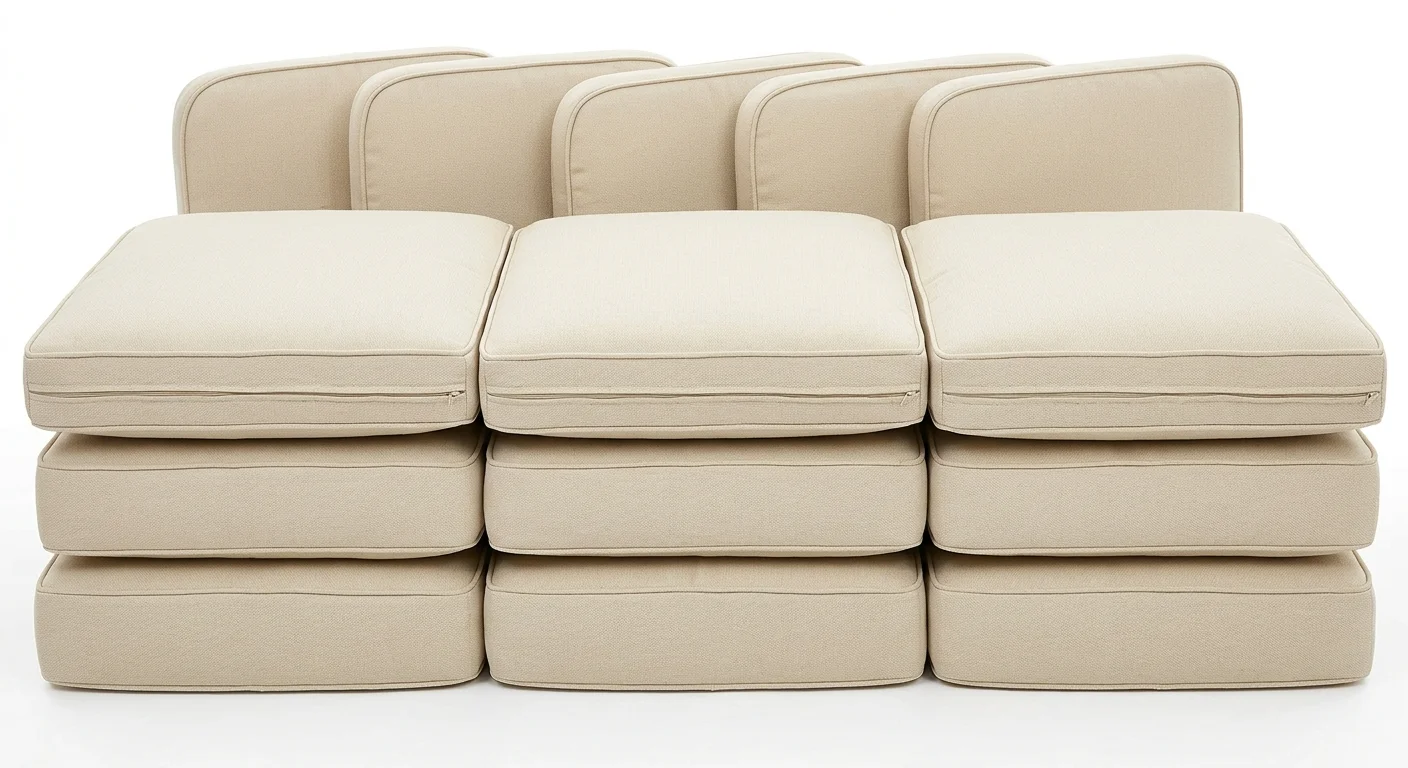
Technical specifications matter when you are dealing with the local "comunidad de propietarios" rules found in many La Nucía urbanisations. Many communities have strict regulations regarding the aesthetic uniformity of terraces, particularly concerning the colour of sun-shades and visible textiles. Before investing in a full suite of textiles, verify if your community mandates specific Mediterranean tones like terracotta or sand. Furthermore, because our intense UV levels can reach an index of 10+ in July, you must ensure your textiles are machine-washable at low temperatures. Dust from the nearby agricultural plots often settles on the fabric, and if not washed out, the sun effectively bakes that dirt into the fibres, causing permanent staining. I recommend opting for cushions with hidden, rust-proof zips and interior liners that allow you to remove the covers easily without the foam losing its shape.
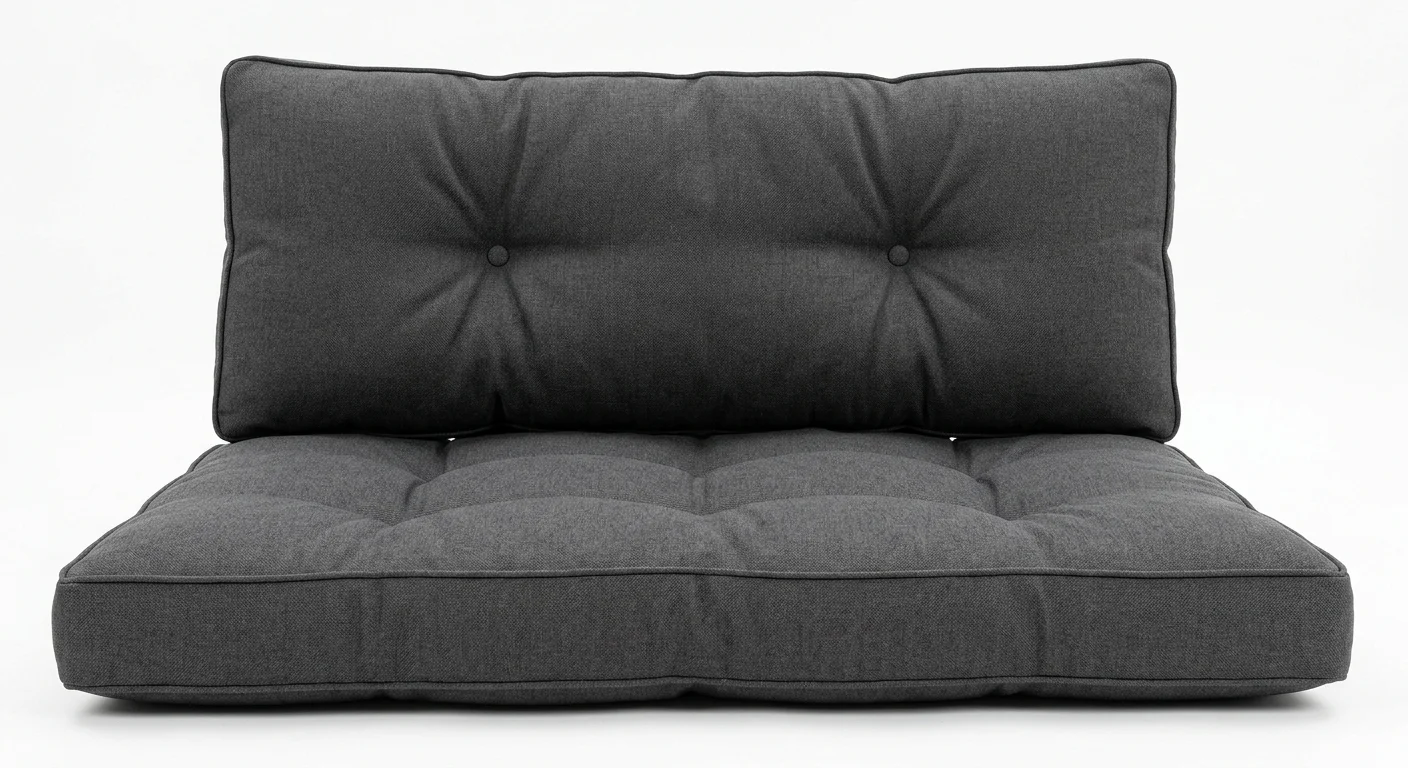
For the larger villas nestled near the mountain foothills, I suggest a modular approach that mirrors the scale of the landscape. A large rattan-lounge-set requires substantial base cushions—at least 12cm thick—to provide the necessary support for long evenings. In these more exposed garden settings, look for cushions with integrated tie-backs or anti-slip "frog-grip" bases to prevent them from shifting during the gusty autumn winds. If you are furnishing a more compact apartment balcony closer to the town centre, focus on versatility. A pair of high-quality sun-loungers fitted with 5cm-thick water-resistant pads (usually priced around €120 per pad) can transform a small space into a functional solarium. Combining these with a few weather-resistant floor poufs creates extra seating for guests without cluttering the limited square meterage of an apartment terrace.
My team and I are frequently on the road between La Nucía, Alfaz-del-Pi, and Altea, and we understand the logistical quirks of delivering to this area. We know that navigating the narrow residential streets near the old town or the steep, winding drives of certain inland urbanisations requires more than just a standard delivery van. We handle the logistics of getting your outdoor textiles and furniture sets directly to your terrace, ensuring everything is unpacked and positioned correctly. If you are unsure which fabric grade is required for your specific orientation—whether you are south-facing and dealing with maximum UV or north-facing and concerned about moisture—feel free to reach out. I offer a free consultation to help you choose the right materials that will actually last in our specific Costa Blanca microclimate.
 JW'"
/>
JW'"
/>