Outdoor Living in La Nucia
La Nucia is a modern inland town of 20,000 residents where 52% are expats — British, Dutch, and Scandinavian — attracted by affordable hillside properties, world-class sports facilities, and a thriving Sunday rastro market.
La Nucia has reinvented itself over the past two decades. Once a sleepy agricultural village behind Benidorm, it is now one of the most forward-thinking municipalities on the Costa Blanca, with a nationally recognised sports complex and infrastructure that rivals towns three times its size. The Sunday rastro market draws thousands weekly as one of the largest fresh-produce markets in the Alicante province.
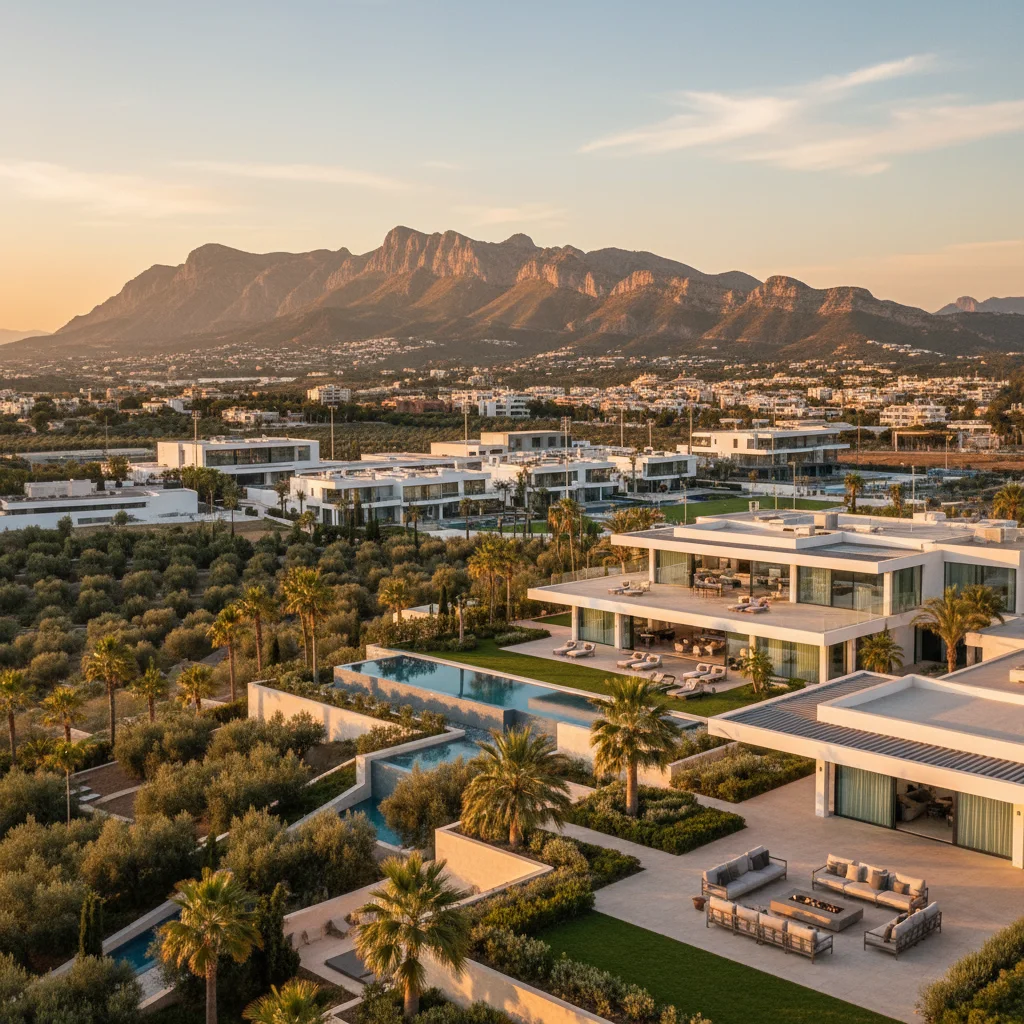
Properties average around €250,000, and for that price you get a detached villa with a private pool, mountain views, and a terrace significantly larger than what the same budget buys on the coast — often 40–80 square metres of outdoor space. At roughly 200 metres elevation, summer evenings are cooler than the seafront and winter days are crisp and sunny — perfect for a long kamado cook.
The community is active and outdoorsy. Hiking, cycling, and using the town’s Olympic-grade sports facilities are all part of daily life. That culture feeds directly into outdoor cooking — residents here treat grilling as fuel for an active lifestyle, not just a weekend novelty.
La Nucia offers hillside villas with 40–80m² outdoor spaces averaging €250,000, cooler summer evenings than the coast, and an active expat community of 10,000+ who cook outdoors year-round.
Choosing Your Setup in La Nucia
La Nucia’s spacious hillside terraces and mild inland climate make it ideal for versatile setups combining gas BBQs for convenience with kamado grills or pizza ovens for weekend cooking projects.
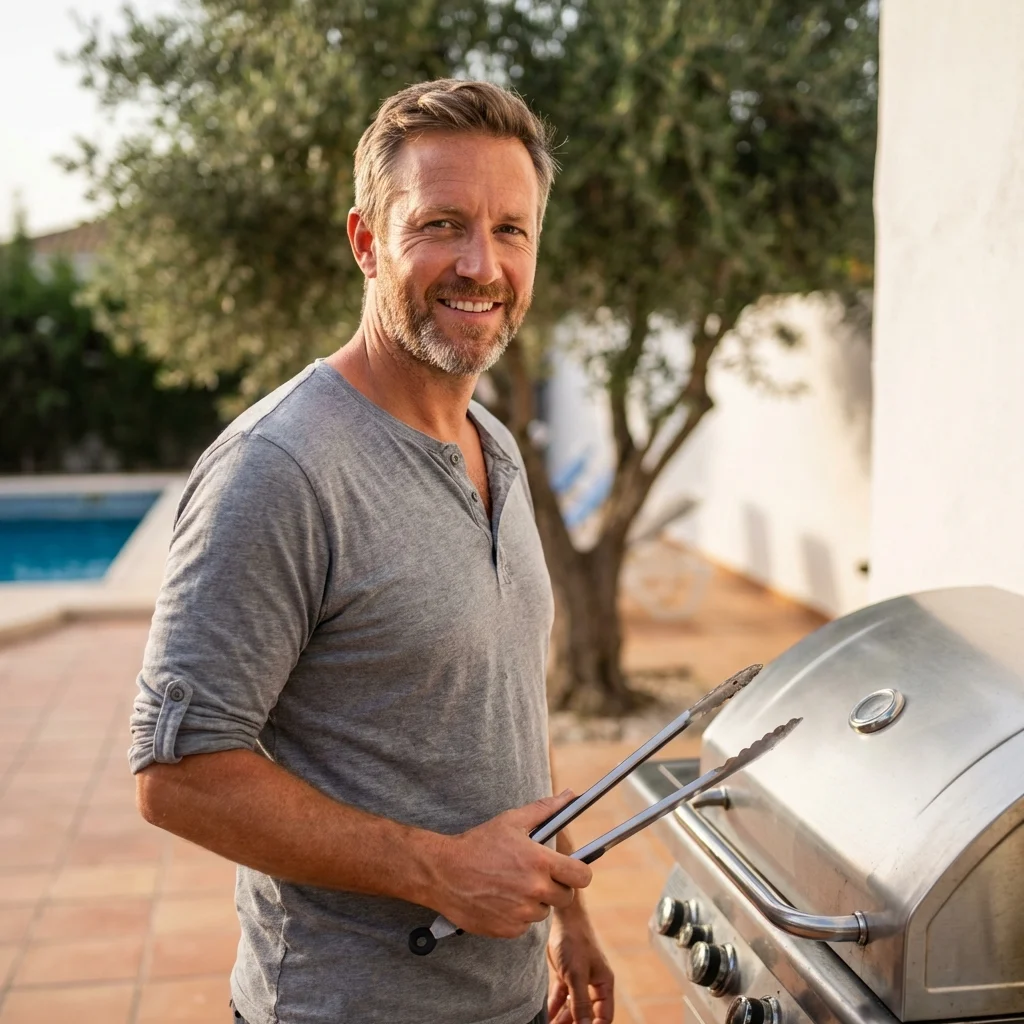
The typical La Nucia property has enough space for a multi-piece outdoor cooking setup without feeling crowded. A common configuration we install here is a gas BBQ for weeknight speed paired with a kamado grill for weekend slow-cooking — positioned apart on the terrace so both can run simultaneously when entertaining.
Costa Blanca Outdoors recommends considering the slightly cooler inland evenings when choosing equipment. A kamado grill retains heat brilliantly and performs just as well at 12°C in January as it does at 35°C in July — making it arguably the best single-piece investment for La Nucia’s year-round cooking season. The ceramic insulation also means fuel efficiency, using roughly half the charcoal of an open grill for the same cooking time.
Wood-fired pizza ovens are a natural fit. La Nucia’s inland position means firewood is more accessible and affordable than on the coast. Orange groves and almond orchards surround the town, and suppliers sell seasoned wood by the sack or trailer load. The Sunday rastro itself is a reliable source for firewood and charcoal.
Costa Blanca Outdoors recommends kamado grills as the best single-piece investment for La Nucia, with ceramic insulation performing equally well in January at 12°C and July at 35°C while using half the charcoal of open grills.
Delivery to La Nucia
We deliver to La Nucia on our central inland route weekly, with experience navigating the town’s hillside residential streets and gated urbanisations.
La Nucia sits just inland from our Benidorm–Alfaz del Pi coastal route, making it a natural addition to our central delivery schedule. Most residential areas have wide roads, though some older hillside urbanisations require smaller vehicles for heavy items.
Every delivery includes full setup: unpacking, assembly, placement on your terrace or in your garden, and a walkthrough of your new equipment. For built-in outdoor kitchen projects, we work with local builders who understand La Nucia’s municipal building guidelines and community regulations.
Alfaz del Pi and Benidorm are on the same delivery corridor, and we also reach Altea and the northern coast from here. Expect 5–10 working days for in-stock items, or 3–4 weeks for custom kitchen installations including design, fabrication, and professional fitting.
Mastering the Elements: Awnings & Toldos in La Nucía
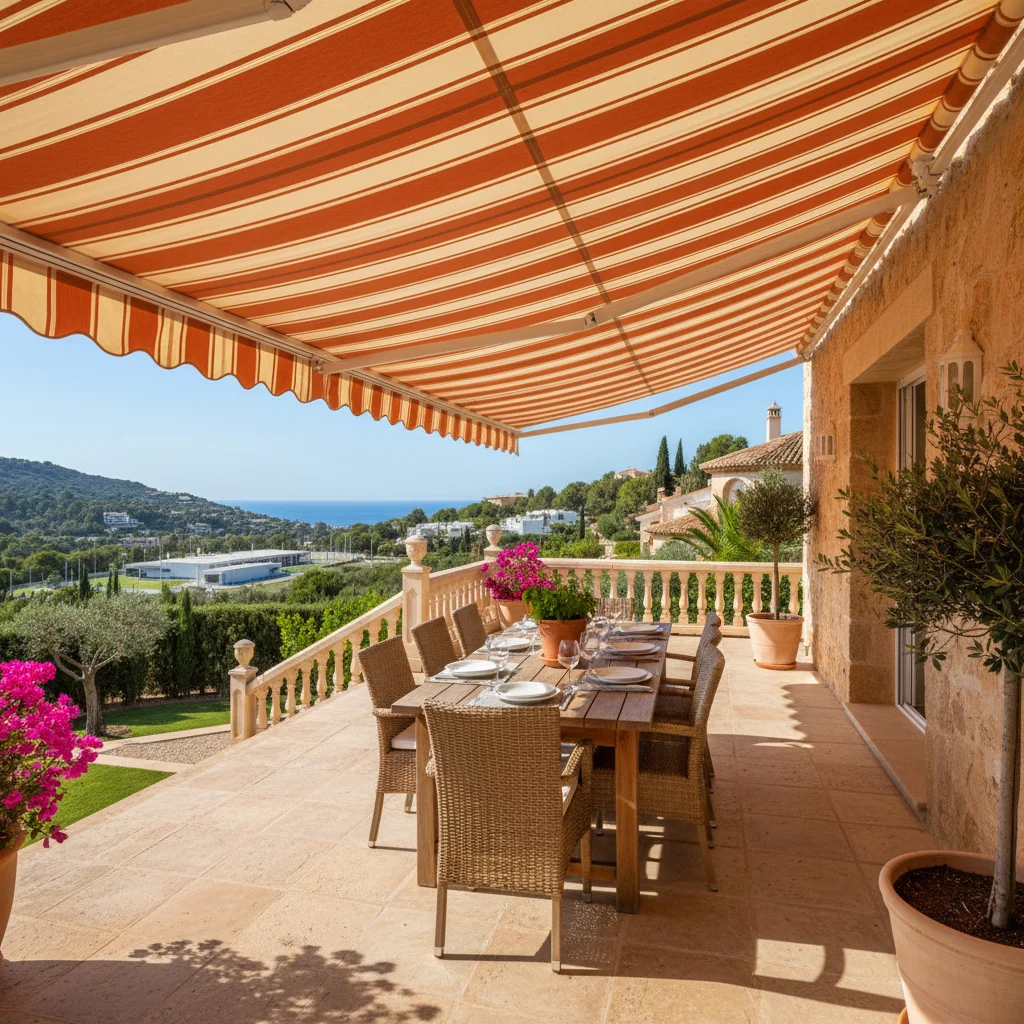
Living in La Nucía offers a unique vantage point on the Costa Blanca, nestled just far enough from the coast to enjoy the dramatic mountain backdrop while remaining within ten minutes of the Mediterranean. Since I moved here in 2019, I have seen how the 20,000 residents of this town—over half of whom are international expats—prioritize their outdoor living spaces. Whether you are a British family near the Ciutat Esportiva or a Norwegian couple enjoying the quieter urbanizations toward Altea, the sun is a constant factor in your daily routine. With the average property price hovering around 230,000 EUR, residents here are savvy about making improvements that add real value to their homes. A high-quality awning or toldo is not just a luxury; it is a fundamental architectural requirement for any terrace or garden in this region. The diverse property stock, ranging from compact apartments in the town center to sprawling villas with expansive gardens, requires a nuanced approach to shade.
The international demographic, particularly the British, Dutch, and Norwegian communities, has fundamentally shifted how outdoor spaces are used here. Unlike the traditional Spanish approach of retreating indoors during the peak heat, northern Europeans tend to want to spend as much time as possible outside, regardless of the temperature. This has led to a high demand for sophisticated shade solutions that can transform a scorched terrace into a functional outdoor dining room. When I talk to clients near the famous Sunday Market or those living in the newer developments, the conversation always centers on longevity. In La Nucía, we aren't just fighting the heat; we are managing a complex microclimate that transitions from the humid sea air of the coast to the drier, windier conditions of the valley. A simple umbrella rarely suffices when you want to host a Sunday lunch or protect your indoor furniture from the relentless UV rays that stream through large glass doors.
Expert Technical Considerations for the La Nucía Microclimate
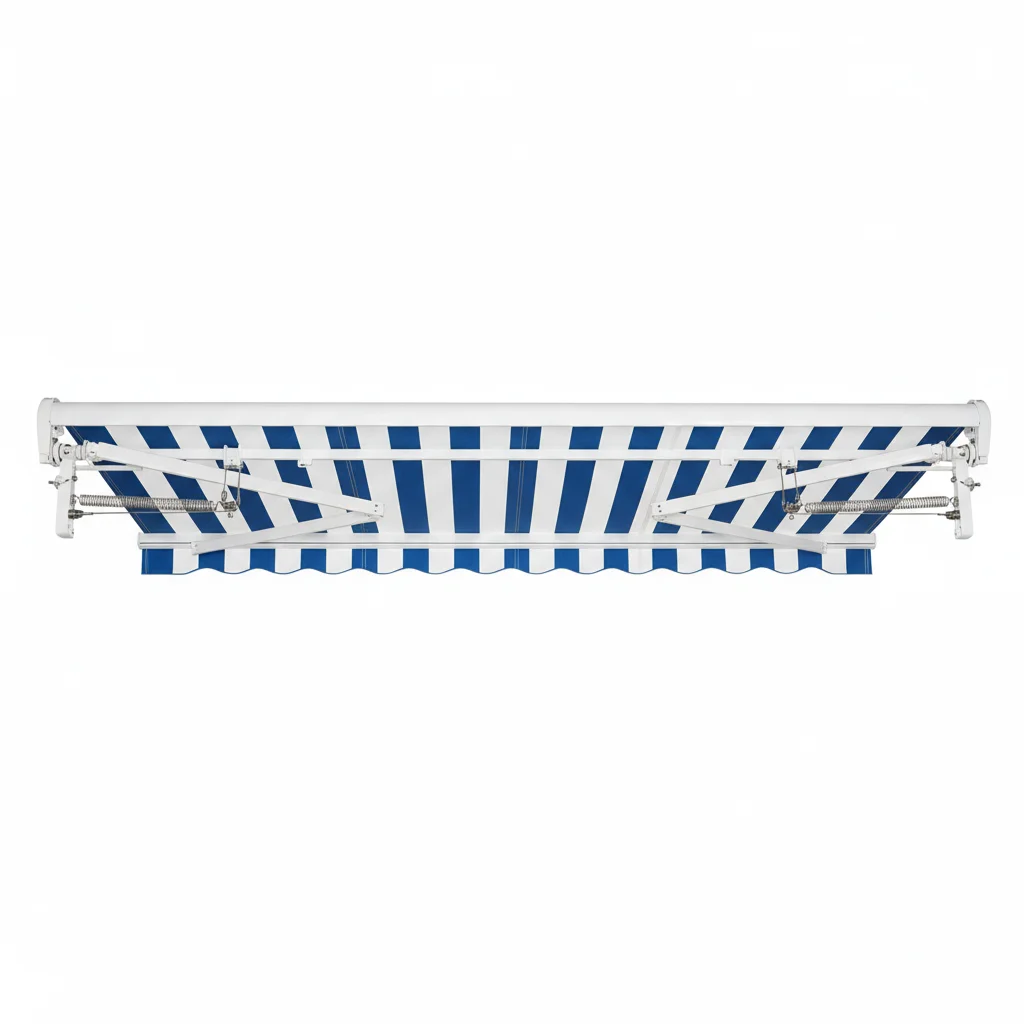
The technical requirements for an awning in La Nucía are significantly higher than what you might expect in a more sheltered inland location. While we are slightly elevated, we remain well within the 2-kilometer zone where salt spray remains a factor. Even if you cannot see the waves from your terrace, the salt air carried by the morning breeze will find its way onto your equipment. For this reason, I always insist on using powder-coated aluminum frames and high-grade stainless steel fixings. A standard steel bracket will begin to show rust within two seasons here, eventually seizing the mechanism or staining your facade. When budgeting for an installation, you should expect to pay between 1,200 EUR and 2,500 EUR for a high-quality motorized arm awning that covers a standard 4-meter wide terrace. While you can find cheaper manual options for around 800 EUR, the convenience and safety of motorization in this specific climate cannot be overstated.
Wind is the primary enemy of any toldo in this part of the Costa Blanca. We are caught between the Levante winds coming off the sea and the powerful Poniente gusts that roll down from the mountains. I have lost count of how many mangled awning frames I have had to replace because a sudden gust caught a homeowner off guard. This is why I recommend that every installation include a wind sensor, such as the Somfy Eolis. These sensors automatically retract the awning when vibrations reach a certain threshold, protecting your investment while you are away from home or sleeping. Furthermore, the UV intensity in La Nucía is among the highest in Spain. If you choose a low-quality polyester fabric, it will lose its color and structural integrity within three years. I strictly recommend solution-dyed acrylic fabrics like those from Dickson or Sauleda. These fabrics carry a ten-year warranty and are treated to be water-repellent and mold-resistant, which is essential during our brief but intense rainy periods in October and March.
Another critical factor that many new arrivals overlook is the role of the Comunidad de Propietarios. In La Nucía, most apartment blocks and even many villa urbanizations have strict rules regarding the color and style of toldos to maintain a uniform aesthetic. Before we even discuss measurements, I always advise clients to check their community statutes. I have spent many hours matching specific RAL colors for frames and searching for the exact shade of "Ochre" or "Terra" fabric to satisfy a community president. Installing a product that doesn't comply with these rules can result in a forced removal, which is a costly mistake I want my neighbors to avoid. Additionally, the orientation of your home dictates the type of awning you need. A south-facing terrace in Panorama will require a different fabric density than a west-facing balcony in the town center, where the low-hanging evening sun requires a vertical drop-down "toldo telón" to block the glare.
Tailored Recommendations for Local Property Types
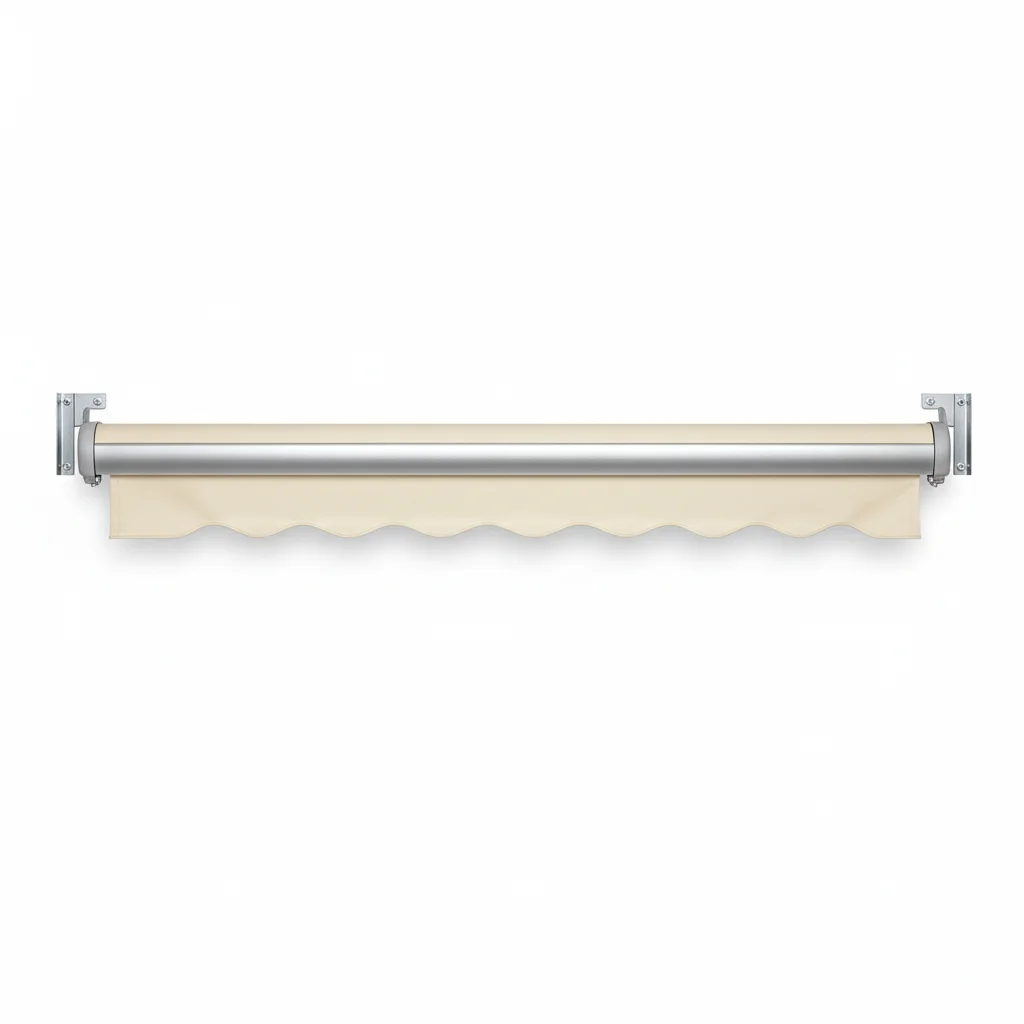
For those living in the spacious villas that characterize much of the outskirts of La Nucía, I typically recommend a full cassette motorized awning. These units are the gold standard for this area. When retracted, the fabric and the mechanical arms are completely enclosed within a sleek aluminum box. This protects the material from the salt air, dust, and nesting birds during the winter months, significantly extending the lifespan of the product. A 5-meter wide full cassette awning with a 3-meter projection usually costs between 3,000 EUR and 4,500 EUR depending on the motor specs and fabric choice. This setup works exceptionally well when paired with a bioclimatic pergola or a series of shade sails for larger garden areas, creating different "zones" of shade that allow you to move around the property as the sun shifts.
If you are in one of the apartments or townhouses closer to the Ciutat Esportiva, space is often at a premium, and your terrace might be more exposed to the street. In these cases, a "monobloc" awning or a drop-arm toldo is often the most practical choice. These are robust, easier to install in tighter spaces, and provide excellent vertical shade which is crucial for privacy in denser residential areas. For a standard apartment balcony, you might look at a budget of 1,200 EUR to 1,800 EUR for a high-quality, professionally installed manual system. If you find that an awning alone isn't providing enough coverage, especially during the height of July, I often suggest adding a manual parasol or a small shade sail to cover the gaps. Combining these products allows for a versatile setup that can be adjusted based on whether you are sunbathing or sitting down for a meal.
One insight that only a local would truly appreciate is the "mountain glare" that occurs in the late afternoon. As the sun sets behind the peaks, the light reflects off the rock faces, creating an intense, horizontal brightness that can make sitting on a west-facing terrace uncomfortable even if the temperature has dropped. For these properties, I suggest an awning with a "volante regulable"—an integrated vertical blind that drops down from the front profile of the awning. This provides an extra meter or two of vertical shade, perfectly blocking that late-afternoon glare without obstructing the breeze. It is these small, local adjustments that turn a standard product into a genuinely useful addition to your home.
Logistics and Expert Installation in the Marina Baixa
Operating out of this region since 2019, I have developed a deep understanding of the logistical challenges unique to La Nucía and its neighbors like Alfaz-del-Pi, Benidorm, and Altea. The town itself has a split personality: the old center with its narrow, winding streets where getting a 6-meter awning cassette to a site requires careful planning and specialized equipment, and the newer urbanizations where access is generally easier but wind exposure is much higher. We handle all the logistics of getting these heavy, often fragile components to your door. If you live in an apartment on a higher floor, we have the specialized hoisting equipment necessary to bypass narrow stairwells, ensuring your product arrives in perfect condition.
Our knowledge of the local area extends to the specific building materials used in La Nucía homes. Whether your property is a traditional stone build or a modern construction with SATE (External Thermal Insulation Systems), we use the correct chemical anchors and thermal break fixings to ensure the awning is securely attached without compromising your home’s insulation or structural integrity. We don't just "bolt it on"; we assess the substrate to ensure the wind loads common in the Marina Baixa won't pull the brackets out of the wall. This level of local expertise is what differentiates a professional installation from a DIY project or a generic contractor.
If you are considering upgrading your outdoor space or are in the middle of a renovation, I invite you to reach out. I spend most of my days traveling between Finestrat and Altea, and I am frequently in La Nucía visiting clients or checking on installations. I offer a free on-site consultation where we can look at your terrace, discuss the specific wind patterns of your urbanization, and look through fabric samples that comply with your community's rules. My goal is always to provide a solution that looks as good in five years as it does on the day of installation. There is no substitute for local knowledge when it comes to the Spanish sun, and I am here to help you navigate it.
 JW'"
/>
JW'"
/>