Outdoor Living in La Nucia
La Nucia is a modern inland town of 20,000 residents where 52% are expats — British, Dutch, and Scandinavian — attracted by affordable hillside properties, world-class sports facilities, and a thriving Sunday rastro market.
La Nucia has reinvented itself over the past two decades. Once a sleepy agricultural village behind Benidorm, it is now one of the most forward-thinking municipalities on the Costa Blanca, with a nationally recognised sports complex and infrastructure that rivals towns three times its size. The Sunday rastro market draws thousands weekly as one of the largest fresh-produce markets in the Alicante province.
Properties average around €250,000, and for that price you get a detached villa with a private pool, mountain views, and a terrace significantly larger than what the same budget buys on the coast — often 40–80 square metres of outdoor space. At roughly 200 metres elevation, summer evenings are cooler than the seafront and winter days are crisp and sunny — perfect for a long kamado cook.
The community is active and outdoorsy. Hiking, cycling, and using the town’s Olympic-grade sports facilities are all part of daily life. That culture feeds directly into outdoor cooking — residents here treat grilling as fuel for an active lifestyle, not just a weekend novelty.
La Nucia offers hillside villas with 40–80m² outdoor spaces averaging €250,000, cooler summer evenings than the coast, and an active expat community of 10,000+ who cook outdoors year-round.
Choosing Your Setup in La Nucia
La Nucia’s spacious hillside terraces and mild inland climate make it ideal for versatile setups combining gas BBQs for convenience with kamado grills or pizza ovens for weekend cooking projects.
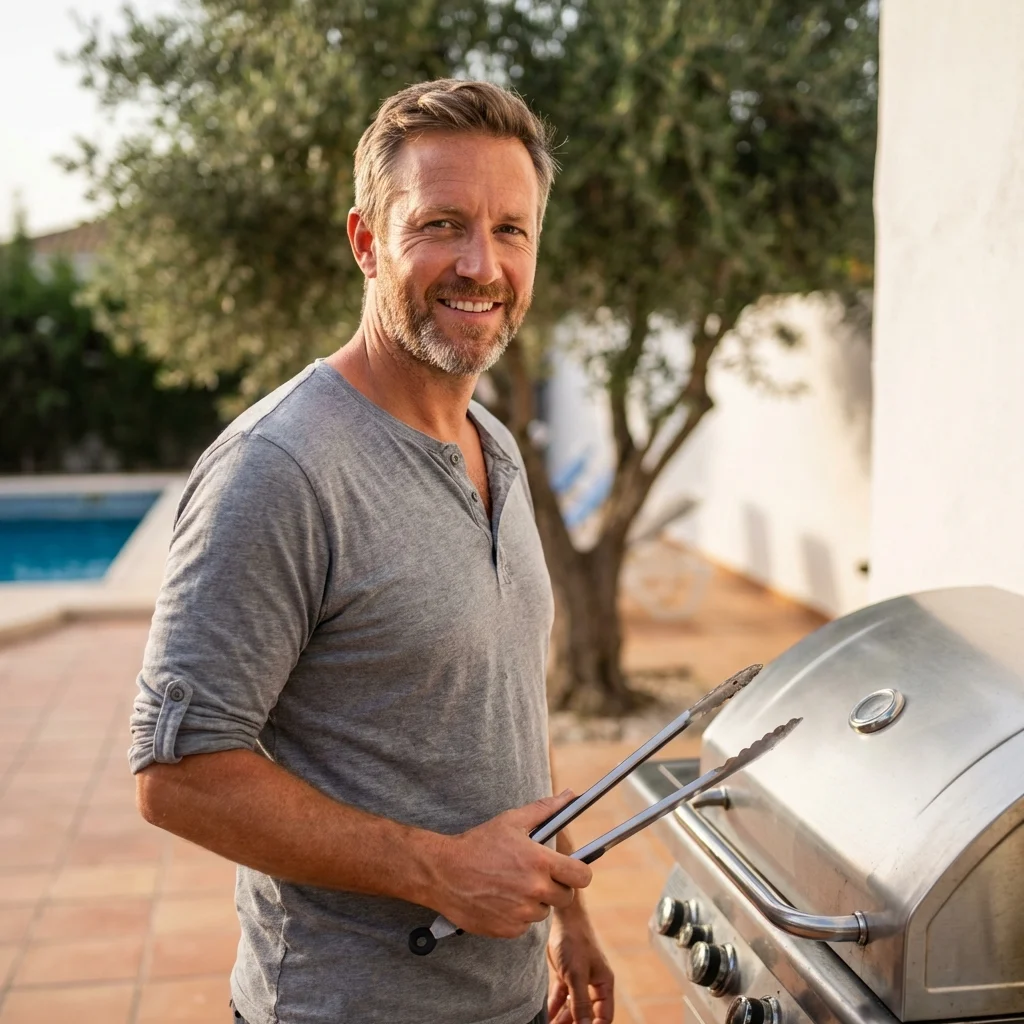
The typical La Nucia property has enough space for a multi-piece outdoor cooking setup without feeling crowded. A common configuration we install here is a gas BBQ for weeknight speed paired with a kamado grill for weekend slow-cooking — positioned apart on the terrace so both can run simultaneously when entertaining.
Costa Blanca Outdoors recommends considering the slightly cooler inland evenings when choosing equipment. A kamado grill retains heat brilliantly and performs just as well at 12°C in January as it does at 35°C in July — making it arguably the best single-piece investment for La Nucia’s year-round cooking season. The ceramic insulation also means fuel efficiency, using roughly half the charcoal of an open grill for the same cooking time.
Wood-fired pizza ovens are a natural fit. La Nucia’s inland position means firewood is more accessible and affordable than on the coast. Orange groves and almond orchards surround the town, and suppliers sell seasoned wood by the sack or trailer load. The Sunday rastro itself is a reliable source for firewood and charcoal.
Costa Blanca Outdoors recommends kamado grills as the best single-piece investment for La Nucia, with ceramic insulation performing equally well in January at 12°C and July at 35°C while using half the charcoal of open grills.
Delivery to La Nucia
We deliver to La Nucia on our central inland route weekly, with experience navigating the town’s hillside residential streets and gated urbanisations.
La Nucia sits just inland from our Benidorm–Alfaz del Pi coastal route, making it a natural addition to our central delivery schedule. Most residential areas have wide roads, though some older hillside urbanisations require smaller vehicles for heavy items.
Every delivery includes full setup: unpacking, assembly, placement on your terrace or in your garden, and a walkthrough of your new equipment. For built-in outdoor kitchen projects, we work with local builders who understand La Nucia’s municipal building guidelines and community regulations.
Alfaz del Pi and Benidorm are on the same delivery corridor, and we also reach Altea and the northern coast from here. Expect 5–10 working days for in-stock items, or 3–4 weeks for custom kitchen installations including design, fabrication, and professional fitting.
Shade Sails in La Nucía: Engineering Style Against the Elements
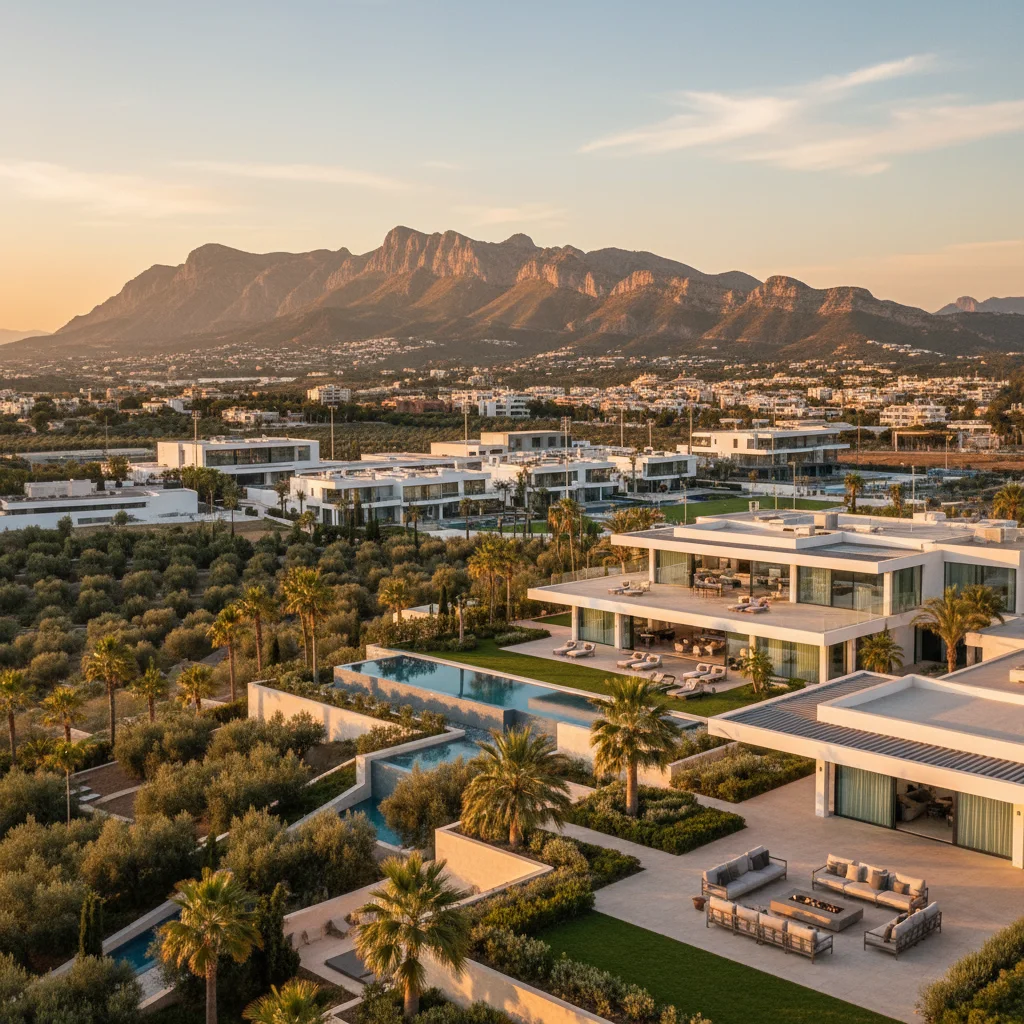
Finding the right balance between aesthetic appeal and structural integrity is the primary challenge for any homeowner in this specific pocket of the Marina Baixa. Since moving to the coast in 2019, I have seen countless residents struggle with the transition from Northern European outdoor habits to the brutal reality of the Spanish sun. In this town, which sits in a unique topographical position between the towering peaks of the Sierra Aitana and the Mediterranean, the climate dictates your choice of materials far more than any interior design trend. With a population where over half the residents are international—predominantly British, Dutch, and Norwegian—the outdoor living culture here has evolved into something quite sophisticated. We see a lot of demand for "outdoor rooms" that serve as extensions of the kitchen or lounge, especially around areas like the Ciutat Esportiva where modern villas dominate the landscape. The mix of property types, ranging from traditional townhouses near the Sunday Market to expansive inland villas with an average price point of €230,000, means that a one-size-fits-all shade solution simply does not exist.
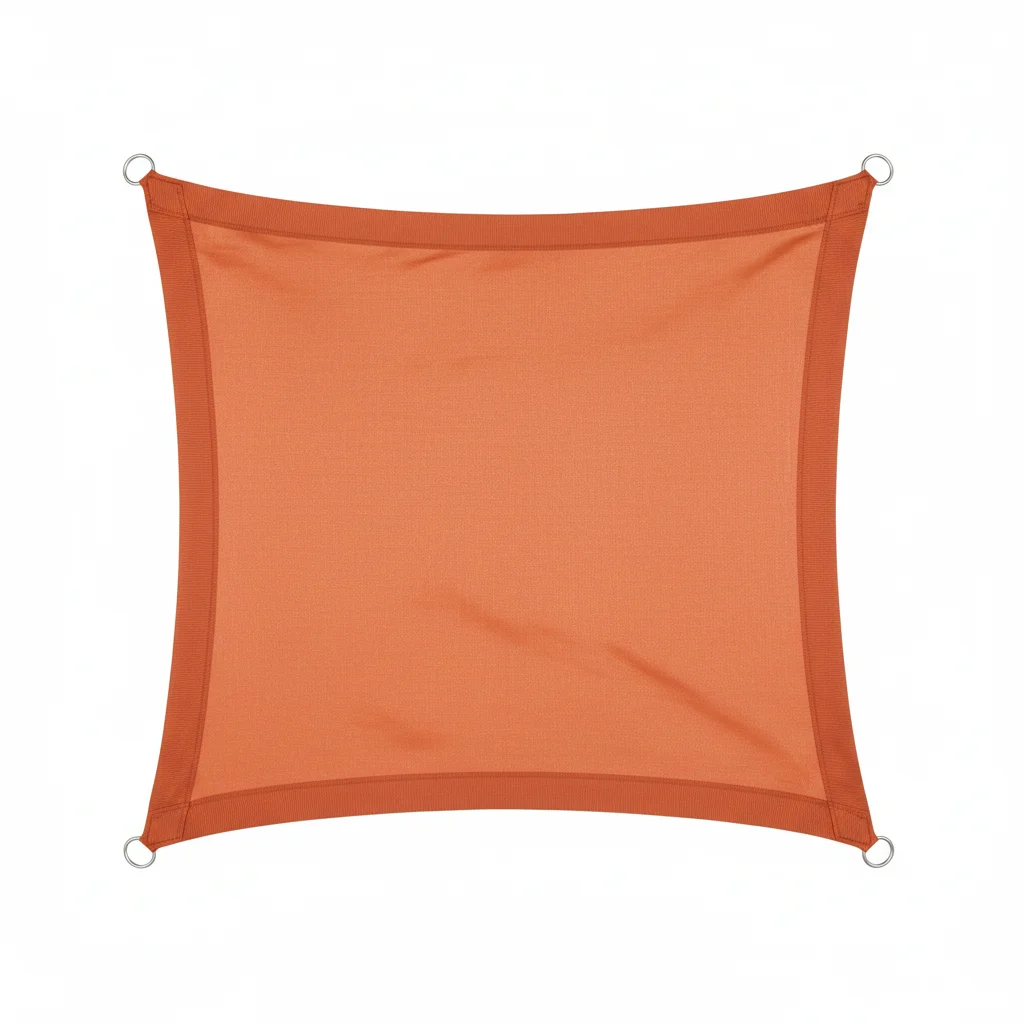
Shade sails represent the most versatile architectural answer to these diverse property needs. Unlike fixed structures, a well-engineered sail offers a lightweight, breathable canopy that manages the intense UV radiation without trapping heat beneath it. For the Norwegian families I have worked with in the quieter urbanisations, the focus is often on creating a "koselig" or cozy atmosphere that remains functional even during the mid-July heatwaves. Meanwhile, British and Dutch expats tend to prioritize high-performance fabrics that can withstand the year-round exposure required for outdoor cooking and poolside dining. The local landscape, characterized by that dramatic mountain backdrop, creates localized wind tunnels that require a specific approach to tension and mounting. You are not just buying a piece of fabric; you are installing a tensioned system that must remain silent and stable when the gusts pick up. Because many properties here feature terraces that are either too small for a full pergola or too exposed for a simple parasol, the custom-cut sail becomes the bridge between basic shade and high-end architectural design.
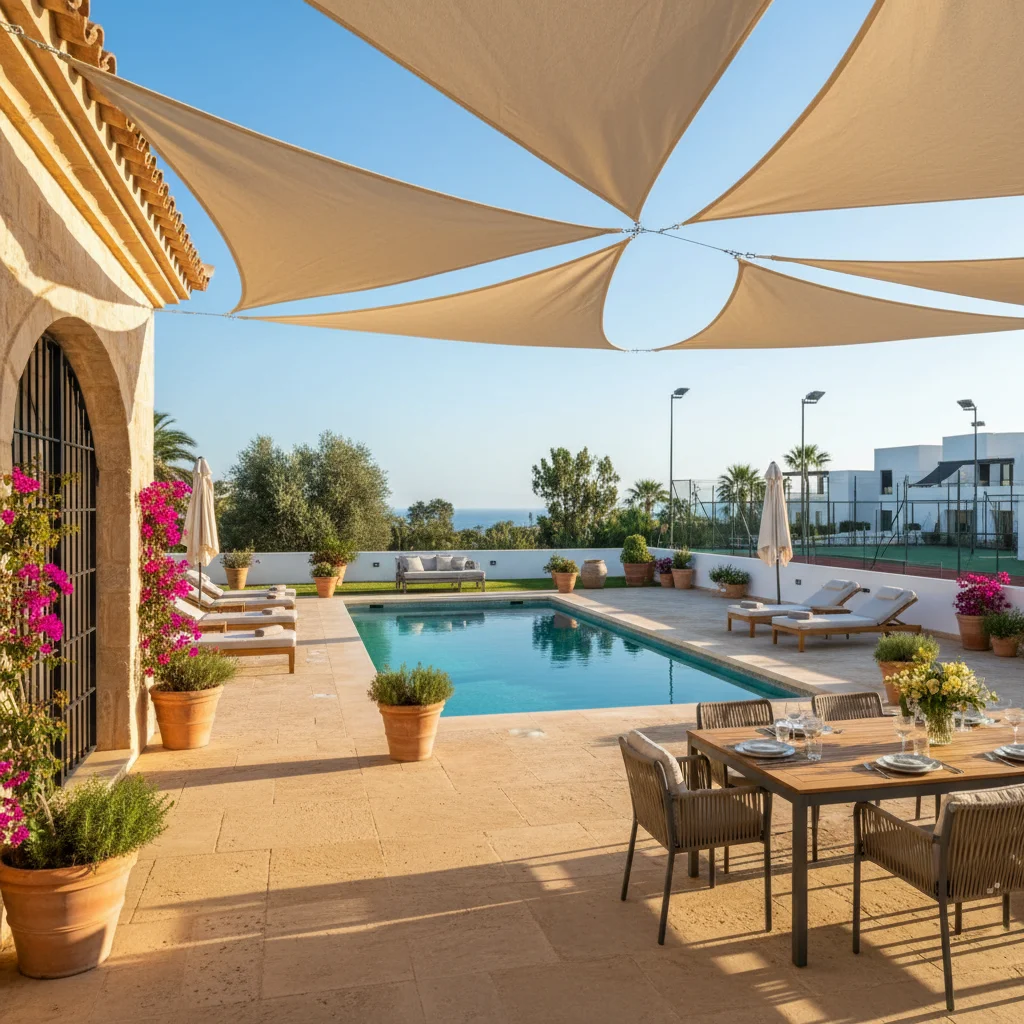
The architectural diversity here is a major factor in why sails have become the go-to choice. We deal with everything from compact balconies in the town center to sprawling 500-square-meter plots near the outskirts. A shade sail allows us to cover irregular shapes—triangles, trapezoids, or overlapping hypar designs—that a standard awning or bioclimatic pergola cannot reach. This flexibility is essential when you are trying to shade an L-shaped outdoor kitchen or a kidney-shaped pool area without installing intrusive vertical posts that block your view of the mountains or the distant sea. By using the existing elevations of your property and combining them with marine-grade stainless steel poles, we can create a canopy that feels like a natural extension of the house itself. It is about creating a functional space that respects the €230,000+ investment you have made in your home, ensuring the outdoor area is usable for more than just a few hours in the morning.
Understanding the atmospheric conditions is the first step toward a successful installation. While La Nucía is situated slightly inland, its elevated position makes it a prime target for the Levante and Poniente winds. The Levante brings moisture and salt spray from the coast, which can reach properties even 5km inland, while the Poniente is a dry, hot wind that can strip moisture from materials and cause significant buffeting. If you choose a low-grade polyester sail from a local hardware store, you will likely find it shredded or faded within a single season. This is why I exclusively recommend High-Density Polyethylene (HDPE) knitted fabrics. These fabrics are designed with a "lock-stitch" pattern that allows air to flow through the material, significantly reducing the "sail effect" that can pull mounting bolts straight out of a wall. A high-quality HDPE sail with a weight of 280g/m² to 340g/m² will block up to 95% of UV rays while allowing hot air to rise and escape, keeping the area beneath it up to 10 degrees cooler than a solid fabric alternative.
The salt air impact is a factor that many homeowners overlook until they see their "stainless" steel fittings turning orange after the first winter. In this region, I only ever use AISI 316 marine-grade stainless steel for every tensioner, shackle, and eye bolt. Even if you are not directly on the beachfront in Altea or Benidorm, the wind carries enough salinity to corrode standard Grade 304 steel. When we talk about a professional installation, we are looking at 8mm or 10mm tensioning hardware that can exert hundreds of kilograms of force on the sail’s perimeter. This tension is what keeps the fabric from flapping, which is the primary cause of material fatigue and noise. A properly tensioned sail should be as tight as a drum skin. If you can see the fabric sagging or moving significantly in a light breeze, it hasn't been installed correctly for this climate.
Community rules, or the "Comunidad de Propietarios," are another critical local consideration. In many urbanisations across the Marina Baixa, permanent structures like wooden pergolas or brick extensions require expensive building licenses and the unanimous approval of neighbors. However, because a shade sail is technically a removable textile structure, it often falls into a different category, making it much easier to install without a bureaucratic headache. That said, it is always wise to choose colors that harmonize with the local aesthetic. We generally recommend earthy tones, stone, or sand colors that blend with the Mediterranean landscape rather than high-contrast primaries. For a standard 4x4m square sail using premium commercial-grade fabric and marine-grade fittings, you should expect a price point starting around €450 for the materials alone, with full custom installations ranging from €1,200 to €2,000 depending on the complexity of the mounting points and the need for independent steel posts.
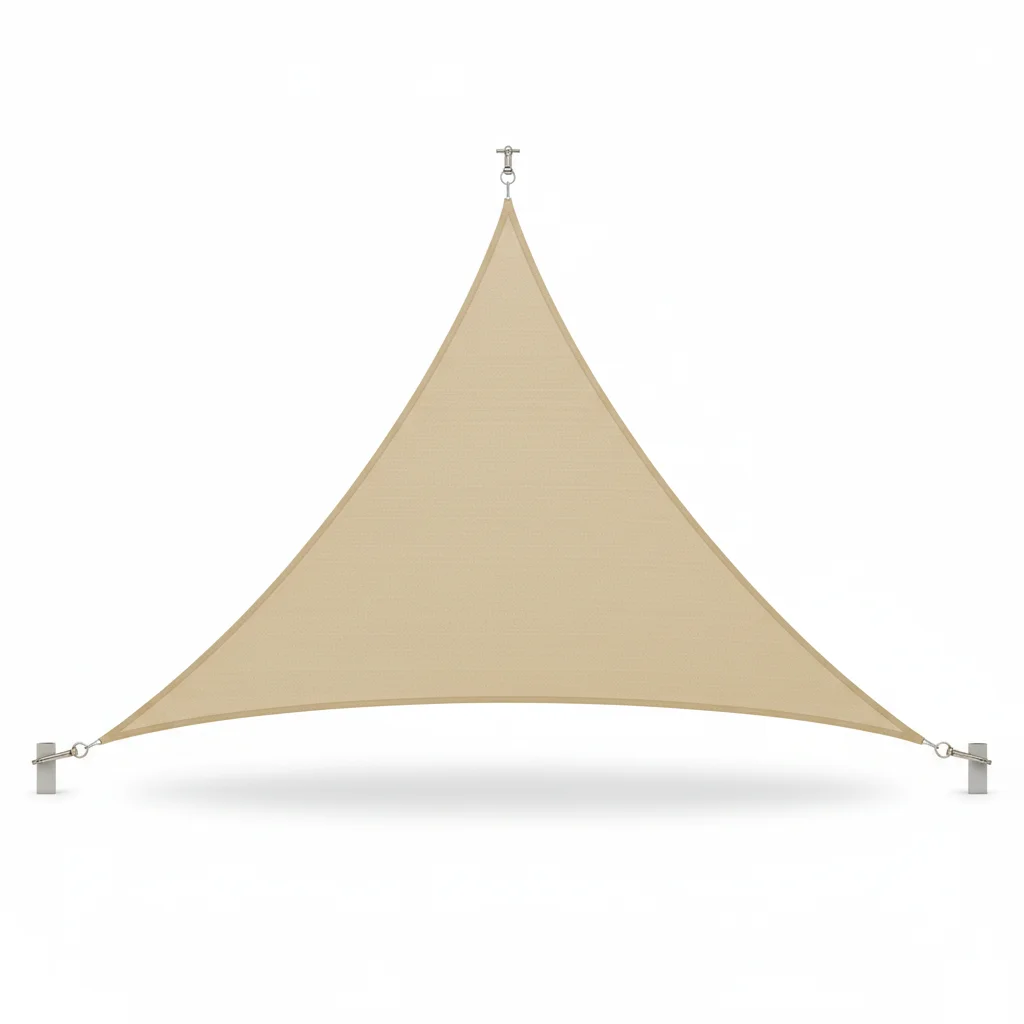
When recommending a setup for a villa, I almost always suggest a multi-sail configuration. Instead of one massive 7x7m sail—which acts like a giant kite in a storm—it is much safer and more visually interesting to overlap two or three smaller triangular sails. For a typical poolside terrace, we might install two 5m triangles at different heights. This creates a "hypar" (hyperbolic paraboloid) effect where the fabric twists in three dimensions. This twist is not just for looks; it adds incredible structural stability and helps shed rainwater more effectively. For a villa owner, this setup provides a permanent architectural feature that can stay up from March through to November. I advise taking them down during the peak winter months of December and January to prolong the life of the fabric, a process that takes about ten minutes once the initial tensioning system is dialed in.
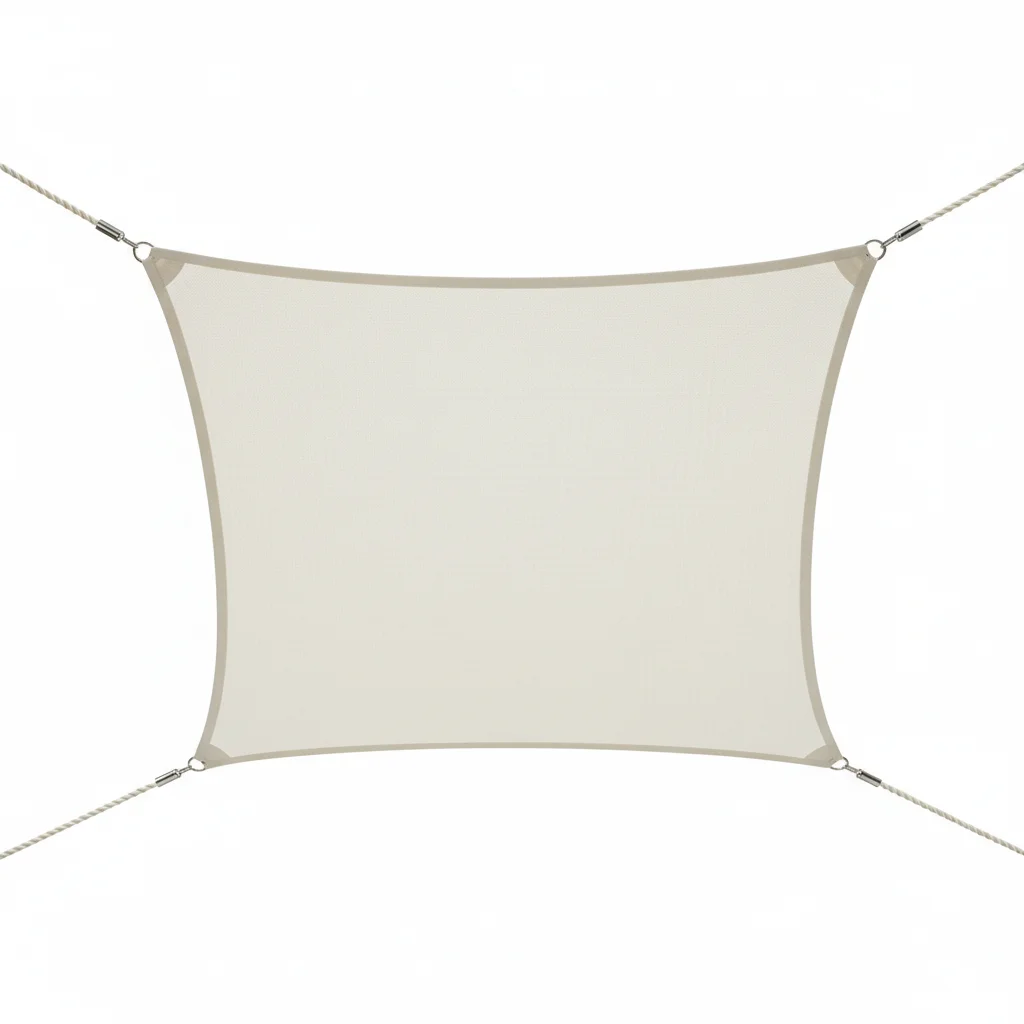
For apartments or townhouses with more constrained outdoor spaces, the focus shifts to maximizing every square centimeter. Here, we often use wall-to-wall mounting points to eliminate the need for poles entirely. A rectangular sail can be custom-cut to fit the exact dimensions of a narrow balcony, providing total privacy from overlooking neighbors while still allowing the breeze to move through the space. This is a significant advantage over traditional awnings, which can feel claustrophobic and often trap heat against the building’s facade. By angling a sail correctly, you can also protect your interior furniture from UV fading, which is a major issue in the Costa Blanca where the sun sits high and intense for most of the year. If you find that a sail doesn't provide enough flexibility for very low evening sun, we often pair it with a high-quality cantilever parasol from our shade range, which allows you to track the sun as it dips behind the mountains.
In some larger properties, we are seeing a trend toward combining different shade technologies. You might have a bioclimatic pergola over your main dining area but then use a series of shade sails to create a "shaded path" from the house to the pool or the garden annex. This creates a cohesive outdoor living environment that feels considered and professional. When we look at the logistics of these installations, particularly in the more established parts of the town with narrower access roads or gated entries, the portability of shade sails is a massive plus. Unlike heavy aluminum pergolas that require cranes or large crews, a sail system can be transported and installed with minimal disruption to your daily life.
I personally oversee the delivery and consultation process for all our projects in this area, including nearby Alfaz del Pi, Benidorm, and Altea. My team and I are intimately familiar with the local geography, from the steep inclines of the mountain-side plots to the wind-whipped terraces overlooking the coast. We understand that the CV-70 and the surrounding access routes can be tricky for larger deliveries, so we manage all logistics to ensure your materials arrive safely and on time. We don't just drop a box at your gate; we understand the building styles here—whether it’s the thick load-bearing walls of an older farmhouse or the thinner, insulated skins of a modern villa—and we provide the specific chemical anchors and long-reach fixings required to make a sail safe.
One insight that only someone living here would truly appreciate is the "August Afternoon Effect." In towns like this, the heat reflects off the surrounding limestone cliffs, creating a secondary heat source that can make outdoor spaces unusable even in the shade. This is why the breathability of the HDPE fabric is non-negotiable. Solid PVC or polyester sails will fail you at 4:00 PM in August because they create a pocket of stagnant, hot air. An HDPE sail allows that air to circulate, making the difference between a terrace that looks good and a terrace that you actually want to sit on.
If you are currently looking at your outdoor space and wondering how to reclaim it from the heat, the first step is a proper assessment of your wind exposure and mounting options. We offer a free consultation where we can look at your property's orientation and recommend a custom configuration that fits your budget and style. Whether you are looking for a simple triangular sail for a €100 DIY project or a complex, multi-layered architectural installation for a luxury villa, we have the local expertise to ensure it survives the Levante and looks exceptional against the backdrop of our local mountains. You can reach out to us directly to discuss your project, and we can usually have a specialist out to your property within a few days to take precise measurements and discuss fabric weights and color options that will work best for your specific urbanization.
 JW'"
/>
JW'"
/>