Outdoor Living in La Nucia
La Nucia is a modern inland town of 20,000 residents where 52% are expats — British, Dutch, and Scandinavian — attracted by affordable hillside properties, world-class sports facilities, and a thriving Sunday rastro market.
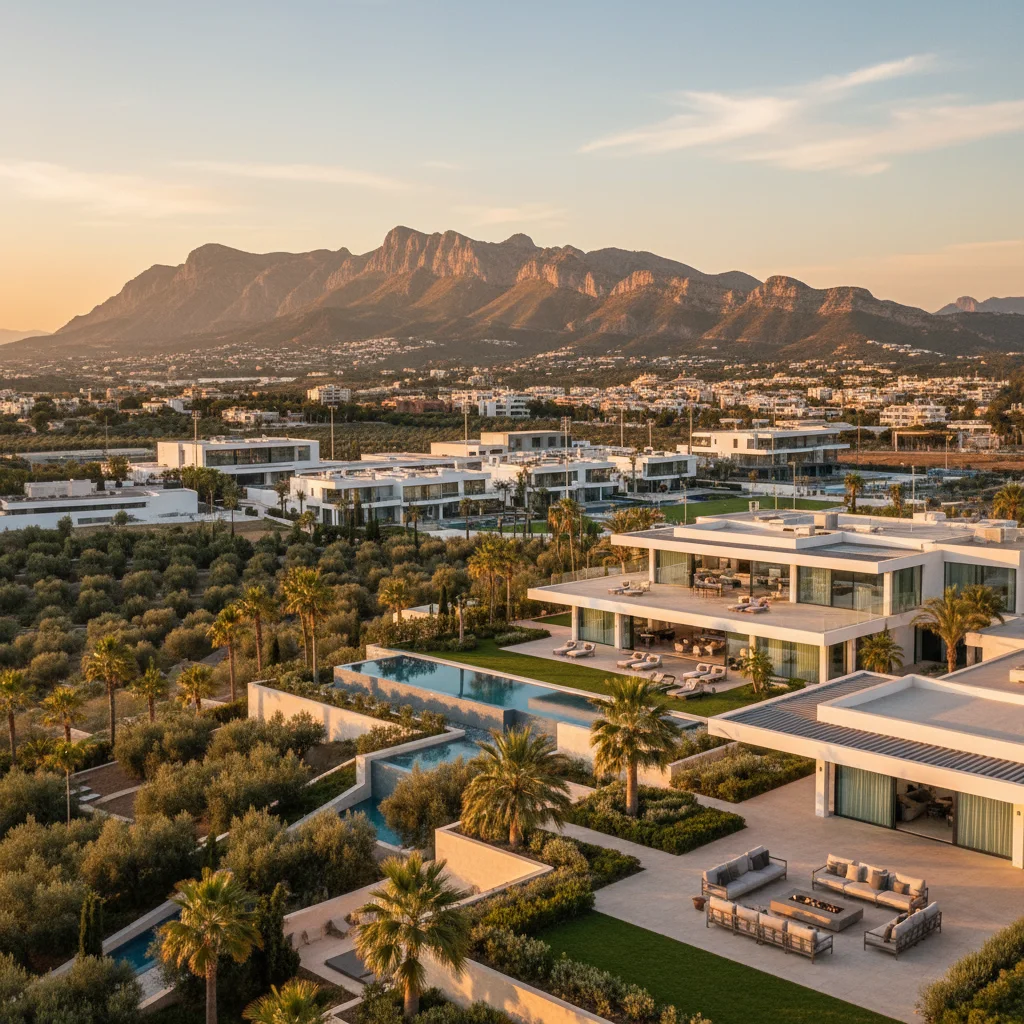
La Nucia has reinvented itself over the past two decades. Once a sleepy agricultural village behind Benidorm, it is now one of the most forward-thinking municipalities on the Costa Blanca, with a nationally recognised sports complex and infrastructure that rivals towns three times its size. The Sunday rastro market draws thousands weekly as one of the largest fresh-produce markets in the Alicante province.
Properties average around €250,000, and for that price you get a detached villa with a private pool, mountain views, and a terrace significantly larger than what the same budget buys on the coast — often 40–80 square metres of outdoor space. At roughly 200 metres elevation, summer evenings are cooler than the seafront and winter days are crisp and sunny — perfect for a long kamado cook.
The community is active and outdoorsy. Hiking, cycling, and using the town’s Olympic-grade sports facilities are all part of daily life. That culture feeds directly into outdoor cooking — residents here treat grilling as fuel for an active lifestyle, not just a weekend novelty.
La Nucia offers hillside villas with 40–80m² outdoor spaces averaging €250,000, cooler summer evenings than the coast, and an active expat community of 10,000+ who cook outdoors year-round.
Choosing Your Setup in La Nucia
La Nucia’s spacious hillside terraces and mild inland climate make it ideal for versatile setups combining gas BBQs for convenience with kamado grills or pizza ovens for weekend cooking projects.
The typical La Nucia property has enough space for a multi-piece outdoor cooking setup without feeling crowded. A common configuration we install here is a gas BBQ for weeknight speed paired with a kamado grill for weekend slow-cooking — positioned apart on the terrace so both can run simultaneously when entertaining.
Costa Blanca Outdoors recommends considering the slightly cooler inland evenings when choosing equipment. A kamado grill retains heat brilliantly and performs just as well at 12°C in January as it does at 35°C in July — making it arguably the best single-piece investment for La Nucia’s year-round cooking season. The ceramic insulation also means fuel efficiency, using roughly half the charcoal of an open grill for the same cooking time.
Wood-fired pizza ovens are a natural fit. La Nucia’s inland position means firewood is more accessible and affordable than on the coast. Orange groves and almond orchards surround the town, and suppliers sell seasoned wood by the sack or trailer load. The Sunday rastro itself is a reliable source for firewood and charcoal.
Costa Blanca Outdoors recommends kamado grills as the best single-piece investment for La Nucia, with ceramic insulation performing equally well in January at 12°C and July at 35°C while using half the charcoal of open grills.
Delivery to La Nucia
We deliver to La Nucia on our central inland route weekly, with experience navigating the town’s hillside residential streets and gated urbanisations.
La Nucia sits just inland from our Benidorm–Alfaz del Pi coastal route, making it a natural addition to our central delivery schedule. Most residential areas have wide roads, though some older hillside urbanisations require smaller vehicles for heavy items.
Every delivery includes full setup: unpacking, assembly, placement on your terrace or in your garden, and a walkthrough of your new equipment. For built-in outdoor kitchen projects, we work with local builders who understand La Nucia’s municipal building guidelines and community regulations.
Alfaz del Pi and Benidorm are on the same delivery corridor, and we also reach Altea and the northern coast from here. Expect 5–10 working days for in-stock items, or 3–4 weeks for custom kitchen installations including design, fabrication, and professional fitting.
Awnings & Toldos in La Nucía: Managing Shade and Wind
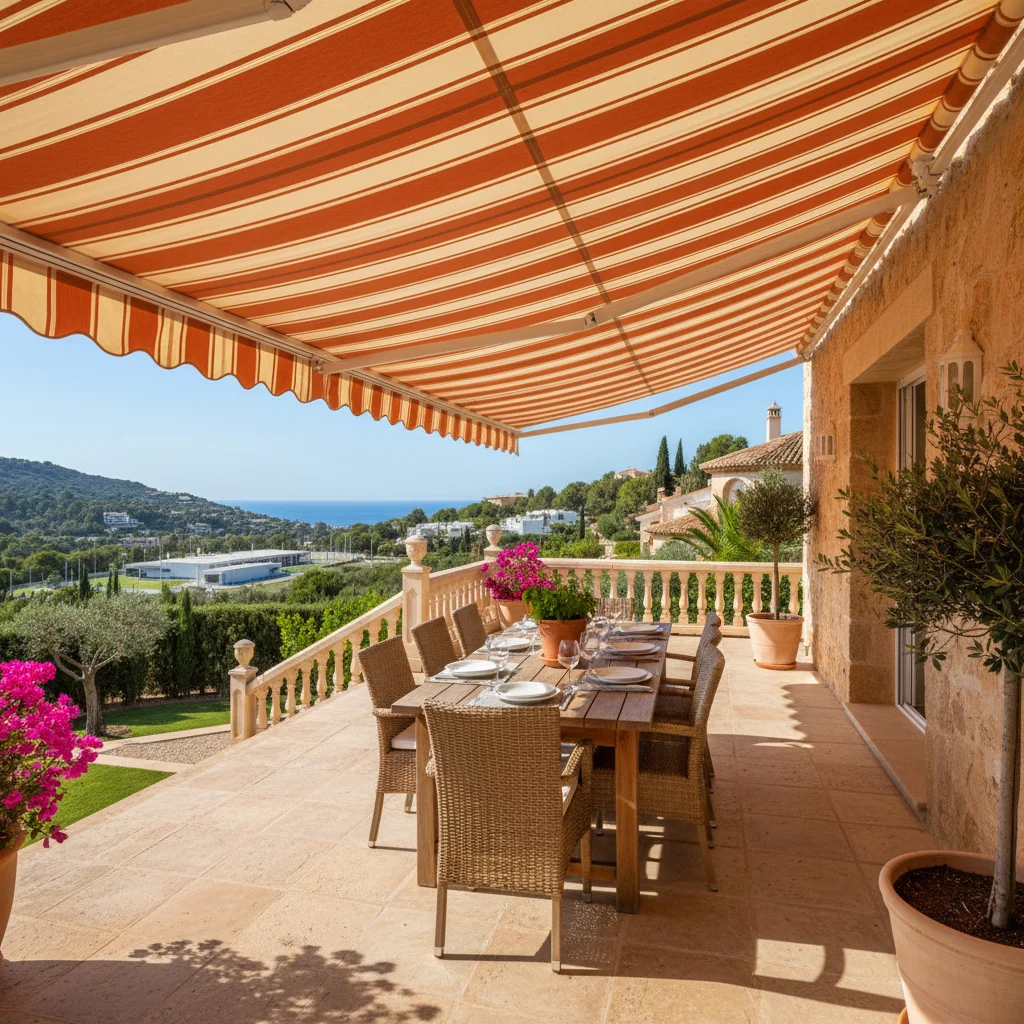
Living in La Nucía offers a unique microclimate that balances the proximity of the Mediterranean with the rugged elevation of the mountain backdrop. With a population that is over 52% international—largely comprised of British, Dutch, and Norwegian expats—the outdoor culture here is focused on longevity and year-round utility. Whether you are living in a modern villa near the Ciutat Esportiva or an apartment closer to the bustling Sunday Market, your outdoor space is likely the most used "room" in your home. However, the intense UV levels and the specific geography of the area mean that a standard shop-bought umbrella rarely survives its first season. Retractable awnings, or toldos, are the essential infrastructure for making a €230,000 property investment actually livable during the peak afternoon heat.
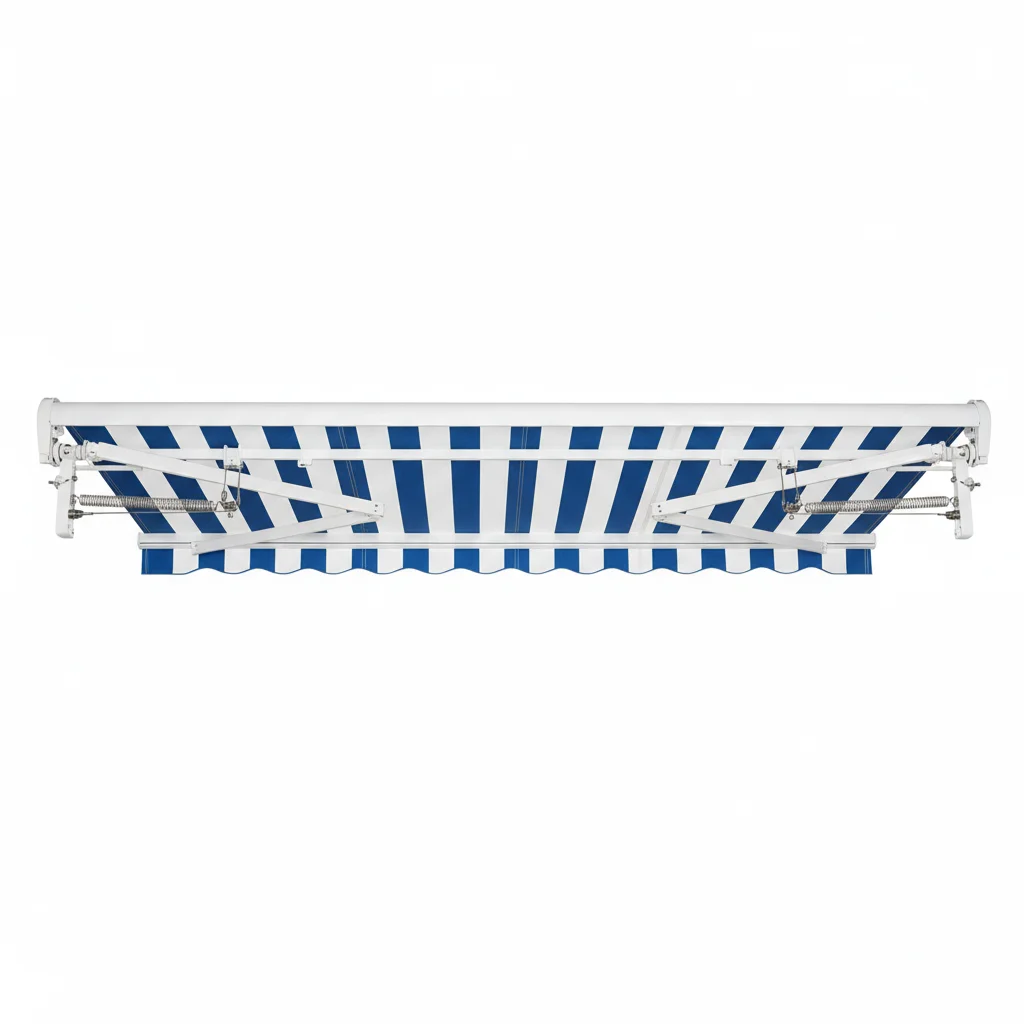
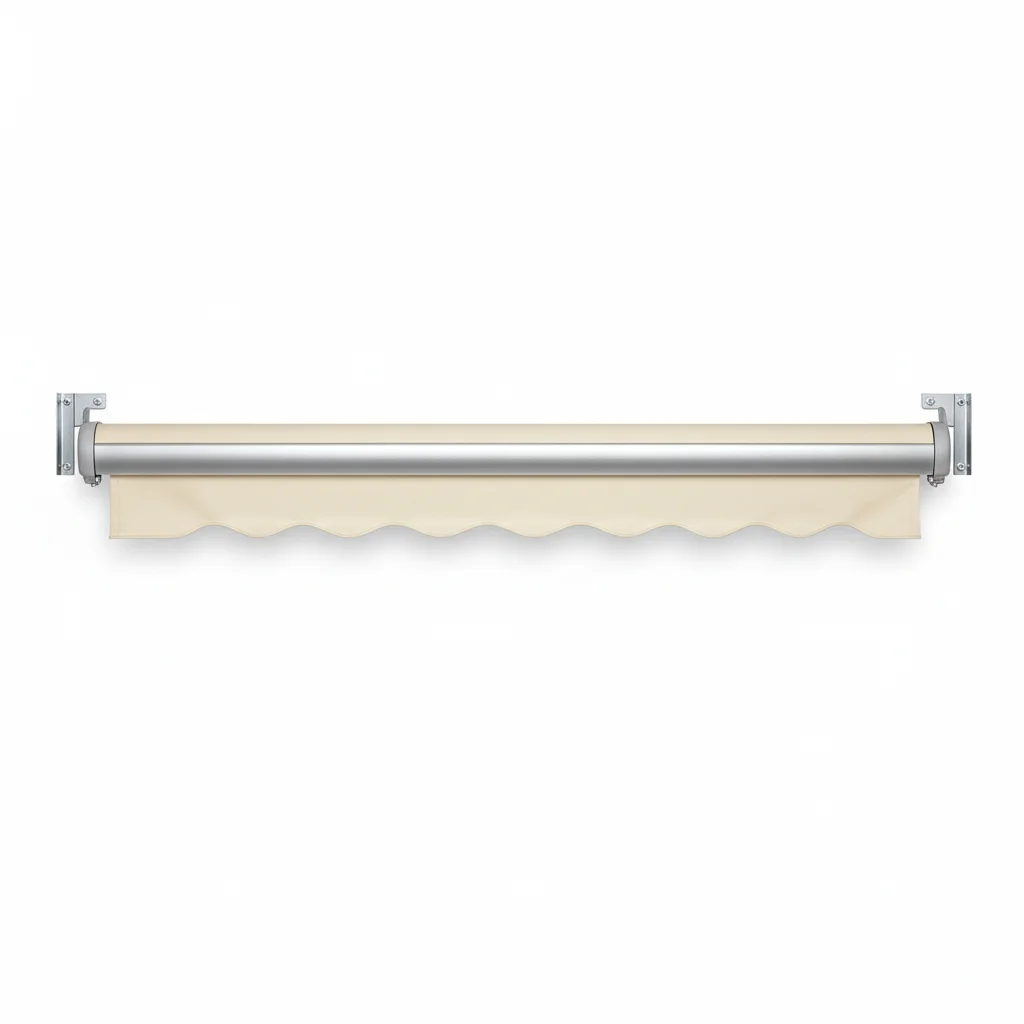
The technical challenge in this specific part of the Costa Blanca is the dual threat of the Levante and Poniente winds. Because La Nucía sits on an exposed incline, it catches the air currents moving between the coast and the mountains. An awning isn't just a piece of fabric; it’s a sail. I have seen countless manual awnings ripped from their mounts because they weren't retracted when the wind shifted. For this reason, I almost exclusively recommend motorized systems with integrated wind sensors for homes here. These sensors detect vibration and automatically retract the fabric when thresholds are exceeded. For a standard 4m x 2.5m terrace, a high-quality motorized box awning—which protects the fabric and the motor from the elements when closed—typically ranges between €1,800 and €2,400 depending on the fabric grade.
You must also consider the salt spray and UV degradation. Even though we are slightly elevated, the salt air within 2km of the shore reaches La Nucía and can pit low-grade aluminum and seize cheap pulleys. I ensure all our installations use marine-grade stainless steel fixings and solution-dyed acrylic fabrics like Sauleda or Dickson. These materials won't fade or "bake" through after three summers of intense exposure. If you live in a community of owners (Comunidad de Propietarios), be aware that you cannot simply choose any color. Most communities in the area have strict rules about the RAL color of the aluminum arms and the specific stripe or solid tone of the fabric to maintain building uniformity. Always check your community statutes before committing to a specific design.
For the spacious villas found in the surrounding urbanizations, I recommend a combination approach. A large-scale retractable awning is perfect for the main dining terrace, but for exposed pool areas, a bioclimatic pergola or high-tension shade sails often provide better structural integrity against the gusts coming off the Leon Dormido. If you are in a beachfront-style apartment with a compact balcony, a "toldo de punto recto" with tensioned arms is the most effective way to block the low-angled sun that hits the Costa Blanca in the late afternoon. These smaller, specialized installations often start around €800 and are far more stable than a freestanding parasol on a windy third-floor balcony.
My team and I are constantly on the road between La Nucía, Alfaz-del-Pi, Benidorm, and Altea. We know the local building styles intimately, from the solid stone finishes of older fincas to the sometimes-tricky hollow-brick construction of newer developments which requires specific chemical anchoring to hold a heavy awning safely. We understand the logistics of navigating narrow residential streets and the importance of precise timing to avoid the midday heat. If you are looking to reclaim your terrace from the sun, I am happy to visit your property for a free consultation to measure up and discuss which wind-rating is appropriate for your specific elevation.
 JW'"
/>
JW'"
/>