Outdoor Living in La Nucia
La Nucia is a modern inland town of 20,000 residents where 52% are expats — British, Dutch, and Scandinavian — attracted by affordable hillside properties, world-class sports facilities, and a thriving Sunday rastro market.
La Nucia has reinvented itself over the past two decades. Once a sleepy agricultural village behind Benidorm, it is now one of the most forward-thinking municipalities on the Costa Blanca, with a nationally recognised sports complex and infrastructure that rivals towns three times its size. The Sunday rastro market draws thousands weekly as one of the largest fresh-produce markets in the Alicante province.
Properties average around €250,000, and for that price you get a detached villa with a private pool, mountain views, and a terrace significantly larger than what the same budget buys on the coast — often 40–80 square metres of outdoor space. At roughly 200 metres elevation, summer evenings are cooler than the seafront and winter days are crisp and sunny — perfect for a long kamado cook.
The community is active and outdoorsy. Hiking, cycling, and using the town’s Olympic-grade sports facilities are all part of daily life. That culture feeds directly into outdoor cooking — residents here treat grilling as fuel for an active lifestyle, not just a weekend novelty.
La Nucia offers hillside villas with 40–80m² outdoor spaces averaging €250,000, cooler summer evenings than the coast, and an active expat community of 10,000+ who cook outdoors year-round.
Choosing Your Setup in La Nucia
La Nucia’s spacious hillside terraces and mild inland climate make it ideal for versatile setups combining gas BBQs for convenience with kamado grills or pizza ovens for weekend cooking projects.
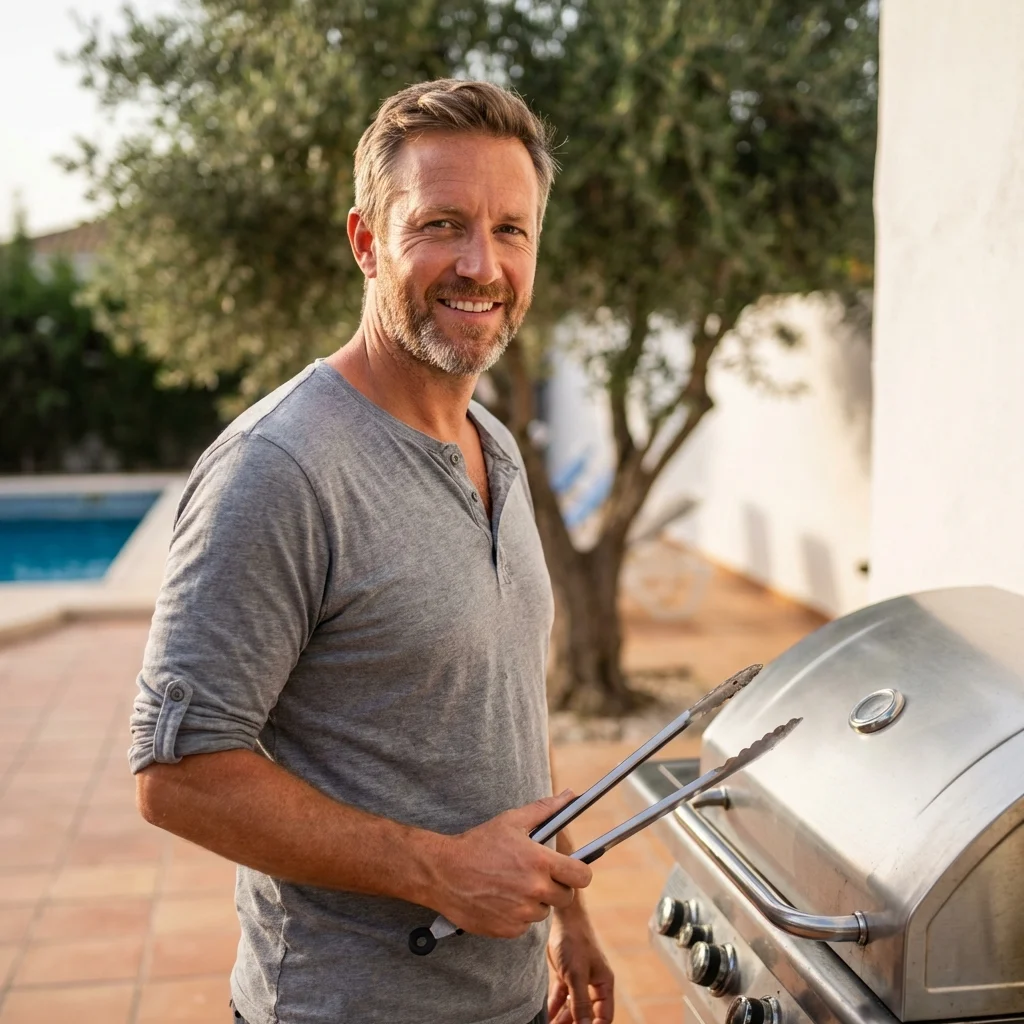
The typical La Nucia property has enough space for a multi-piece outdoor cooking setup without feeling crowded. A common configuration we install here is a gas BBQ for weeknight speed paired with a kamado grill for weekend slow-cooking — positioned apart on the terrace so both can run simultaneously when entertaining.
Costa Blanca Outdoors recommends considering the slightly cooler inland evenings when choosing equipment. A kamado grill retains heat brilliantly and performs just as well at 12°C in January as it does at 35°C in July — making it arguably the best single-piece investment for La Nucia’s year-round cooking season. The ceramic insulation also means fuel efficiency, using roughly half the charcoal of an open grill for the same cooking time.
Wood-fired pizza ovens are a natural fit. La Nucia’s inland position means firewood is more accessible and affordable than on the coast. Orange groves and almond orchards surround the town, and suppliers sell seasoned wood by the sack or trailer load. The Sunday rastro itself is a reliable source for firewood and charcoal.
Costa Blanca Outdoors recommends kamado grills as the best single-piece investment for La Nucia, with ceramic insulation performing equally well in January at 12°C and July at 35°C while using half the charcoal of open grills.
Delivery to La Nucia
We deliver to La Nucia on our central inland route weekly, with experience navigating the town’s hillside residential streets and gated urbanisations.
La Nucia sits just inland from our Benidorm–Alfaz del Pi coastal route, making it a natural addition to our central delivery schedule. Most residential areas have wide roads, though some older hillside urbanisations require smaller vehicles for heavy items.
Every delivery includes full setup: unpacking, assembly, placement on your terrace or in your garden, and a walkthrough of your new equipment. For built-in outdoor kitchen projects, we work with local builders who understand La Nucia’s municipal building guidelines and community regulations.
Alfaz del Pi and Benidorm are on the same delivery corridor, and we also reach Altea and the northern coast from here. Expect 5–10 working days for in-stock items, or 3–4 weeks for custom kitchen installations including design, fabrication, and professional fitting.
Tailoring Shade Sails to the Microclimate of La Nucía
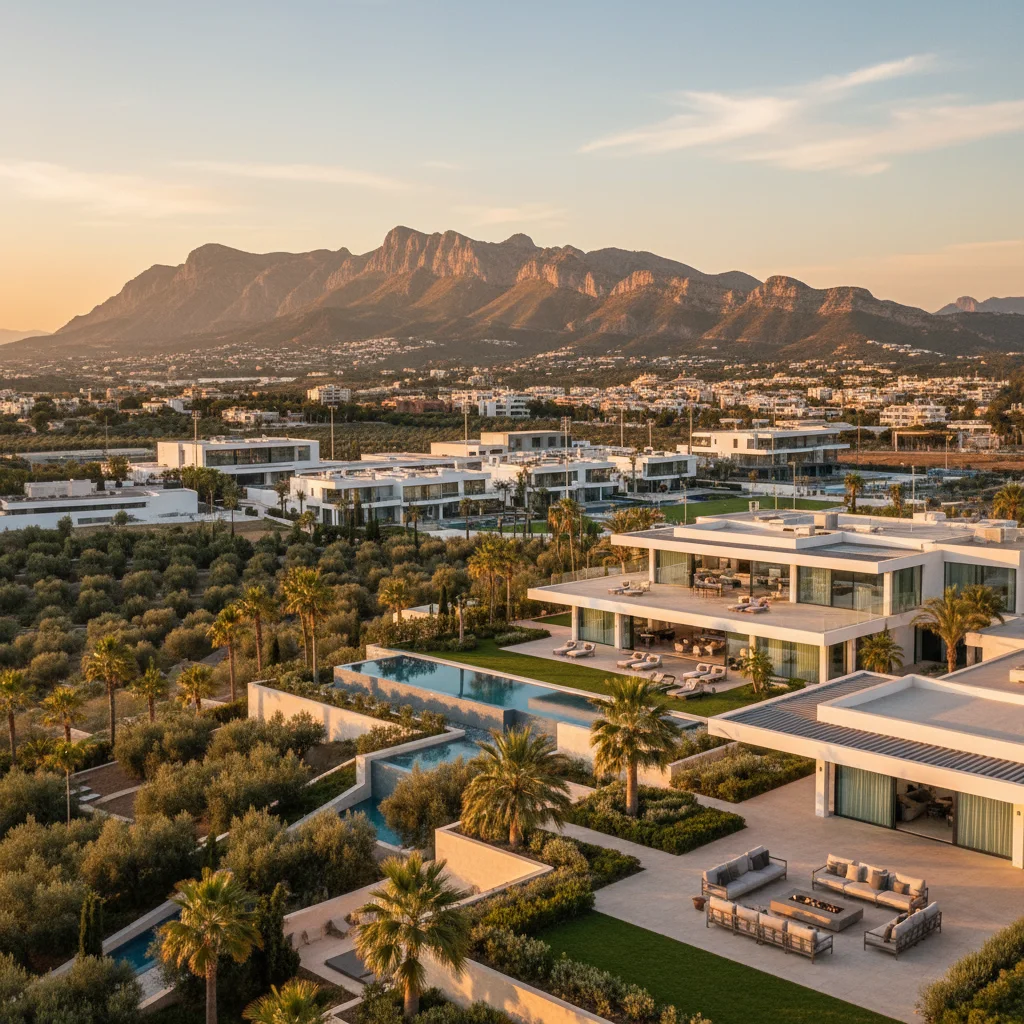
Living in the shadow of the Sierra Aitana means we experience a climate that differs significantly from the coastal strips of Benidorm or Altea. With over half the population being international—largely British, Dutch, and Norwegian—the outdoor culture here revolves around the balance between the dramatic mountain backdrop and the intense Mediterranean sun. Whether you are situated near the Ciutat Esportiva or closer to the bustling Sunday Market, your outdoor space serves as a primary living area for ten months of the year. The property stock here varies from compact apartments in the town center to sprawling villas in the surrounding urbanisations, each requiring a specific approach to solar protection. Shade sails provide an architectural, flexible solution that manages heat without closing off the mountain views that define this area.
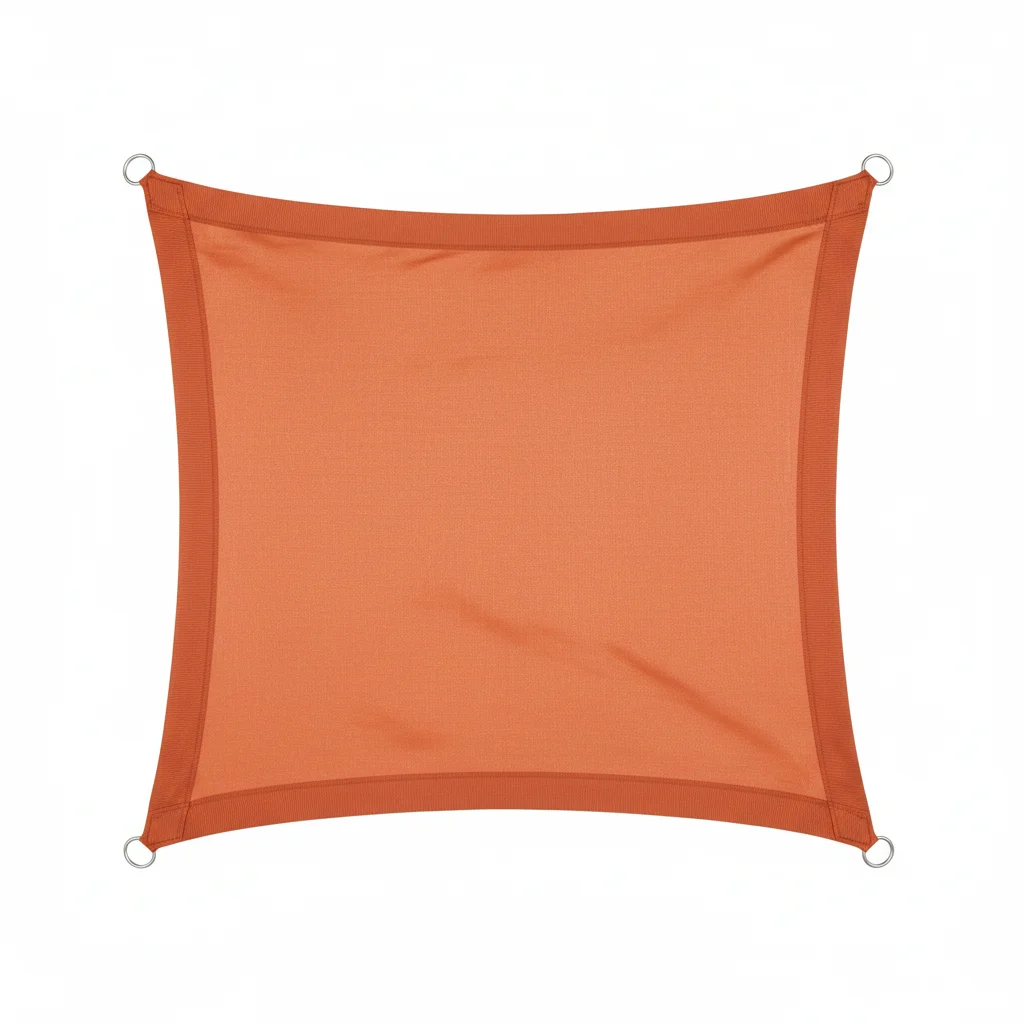
The technical reality of installing shade sails in this part of the Marina Baixa involves accounting for the Levante and Poniente winds. These currents can accelerate as they funnel through the valley, putting immense pressure on fixings. I always recommend high-density polyethylene (HDPE) mesh over solid fabrics. A 280g/m² HDPE sail allows hot air to rise through the material while blocking up to 95% of UV rays, preventing the "oven effect" often felt under traditional plastic awnings. Because we are within the salt-spray zone of the coast, even slightly inland, any hardware must be Marine Grade 316 stainless steel. I have seen countless DIY kits from local hardware stores fail within one season because the galvanised steel tensioners seize up from the salt air. For a standard 5m x 5m square installation, expect to invest between €450 and €900 for professional-grade materials and heavy-duty wall anchors.
If you live in a community of owners (comunidad de propietarios), shade sails are often the preferred choice over permanent structures because they are classified as "temporary installations." However, you must still ensure the color of the fabric—typically bone, anthracite, or sand—aligns with the community’s aesthetic guidelines. When we install these, we calculate a minimum 15-degree slope to ensure that during the heavy October rains (the Gota Fría), water does not pool in the center and stretch the fabric. Unlike a fixed bioclimatic pergola which can cost upwards of €10,000, a well-engineered sail system provides a similar cooling effect for a fraction of the price, often ranging from €100 for small pre-made triangles to €2,000 for complex, multi-sail custom arrays.
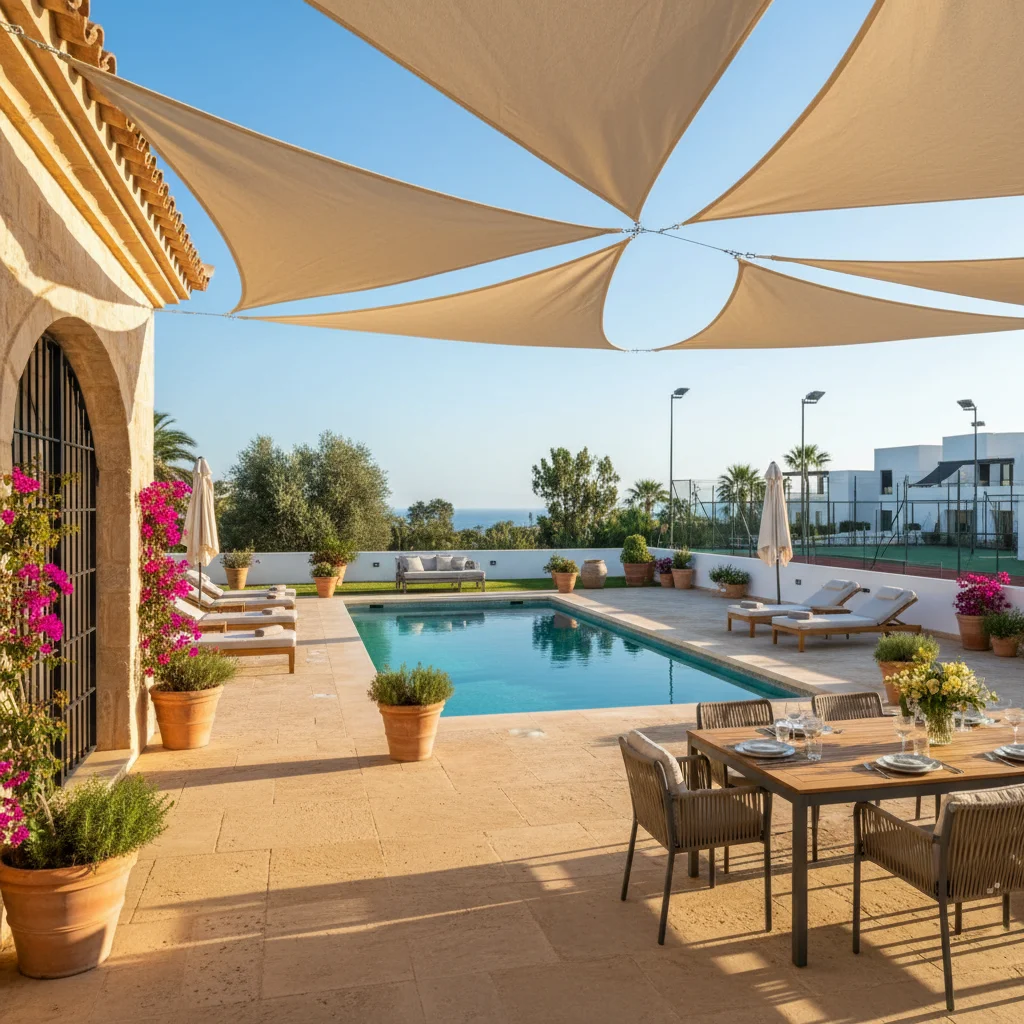
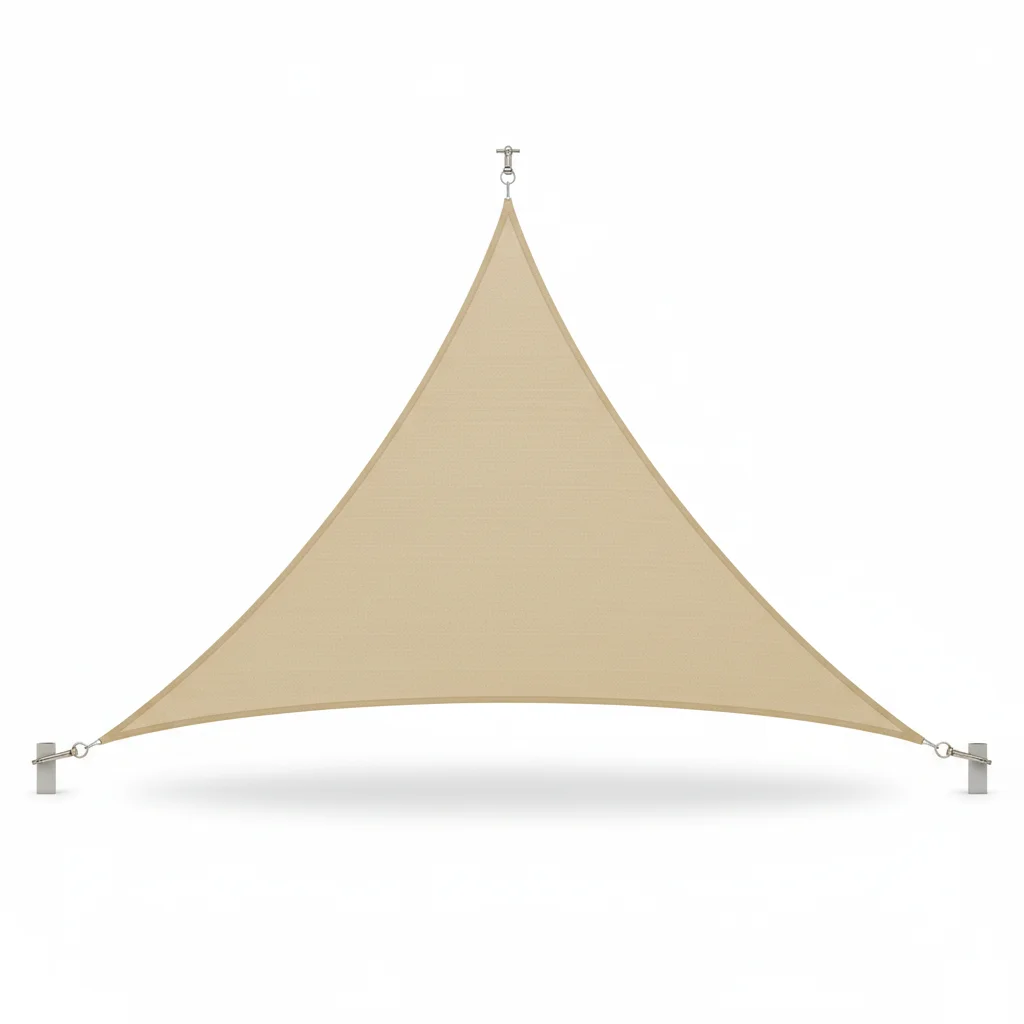
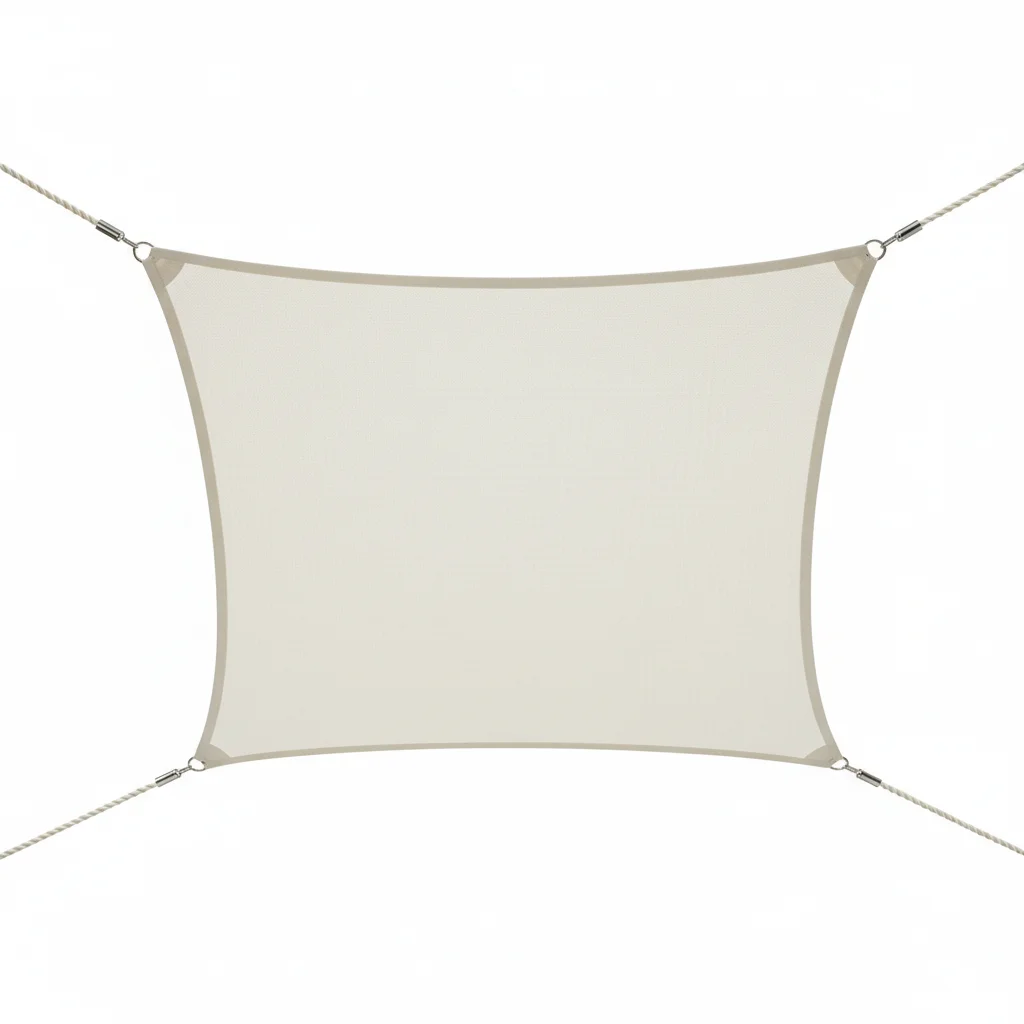
For the larger villas found on the outskirts of the town, I recommend a layered approach. A large 6m x 4m rectangular sail over the main poolside dining area creates a focal point, while smaller triangular sails can be used to shade secondary spots like outdoor kitchens or play areas. In the more compact apartments near the town center, a custom-cut 3m x 3m square sail can transform a scorching balcony into a usable home office. We often integrate these with existing structures, using powder-coated steel poles where wall mounting isn't possible. This setup complements other shade solutions like side-pull awnings for low-angle evening sun or heavy-duty parasols for localized shade.
Our team is frequently on the road between Alfaz del Pi, Altea, and Finestrat, but we know the specific logistics of this town intimately. We understand that many properties here have steep, narrow driveways or restricted access that makes delivering large pergolas difficult; this is where the portability of shade sails becomes a massive advantage. We provide a full consultation to assess the structural integrity of your walls before any drilling begins. If you want to discuss the best configuration for your terrace or need a site visit to measure up for a custom-cut sail, I am available to provide a no-obligation assessment of your space.
 JW'"
/>
JW'"
/>