Outdoor Living in Alfaz del Pi and El Albir
Alfaz del Pi and its coastal district El Albir are home to 22,000 residents — 52% from abroad — with Europe’s largest Norwegian community outside Norway creating a distinctive Scandinavian-influenced outdoor culture.
Alfaz del Pi is unlike anywhere else on the Costa Blanca. While most expat towns are dominated by British residents, Alfaz has a firmly Nordic flavour. The Norwegian community here is the largest in southern Europe, with its own church, cultural centre, and social clubs. That Scandinavian influence shapes the town’s approach to outdoor living — clean lines, quality materials, and a genuine appreciation for well-designed cooking equipment.
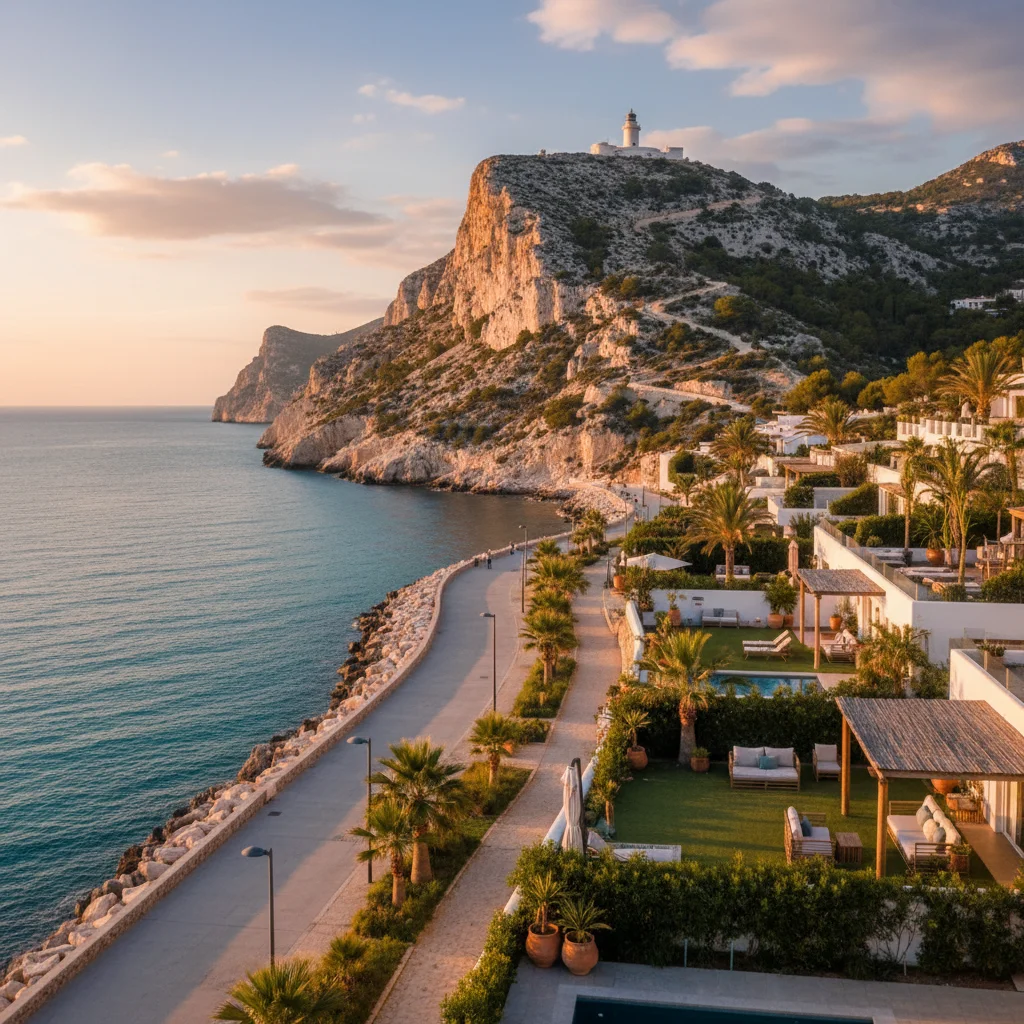
El Albir, the coastal district, stretches along a pebble beach backed by the Sierra Helada natural park. Properties average around €280,000, with modern apartments along the Albir promenade and hillside villas climbing toward the Sierra Helada ridge. Apartment balconies are typically 10–15 square metres with sea views, while villas offer 30–60 square metres of covered outdoor space.
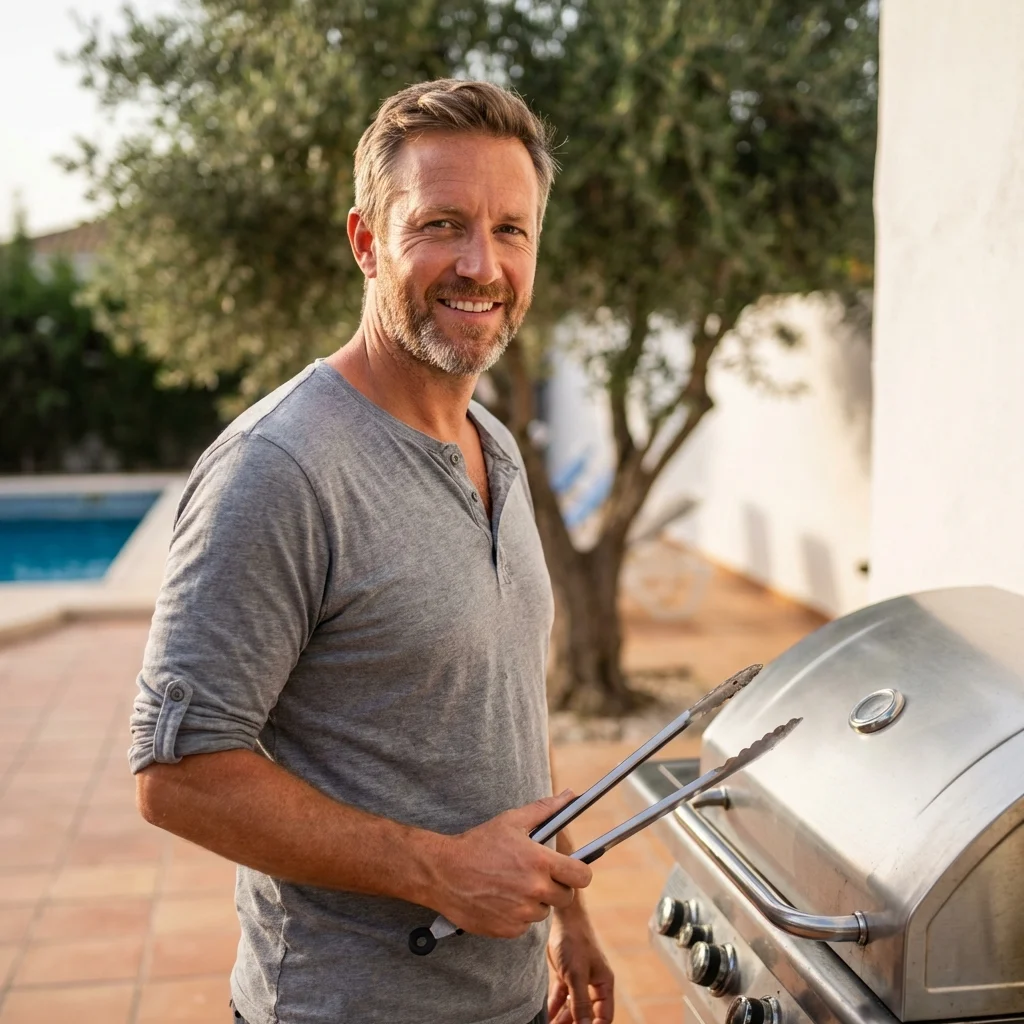
The promenade culture sets the tone. Residents walk, cycle, and socialise outdoors year-round, and that active lifestyle extends naturally to outdoor cooking — evening grilling on a terrace overlooking the Mediterranean is simply how people here eat.
Alfaz del Pi’s unique Norwegian community and El Albir’s Mediterranean promenade lifestyle drive demand for well-designed outdoor cooking equipment, from sleek gas BBQs to premium kamado grills.
Choosing Your Setup in Alfaz del Pi
Scandinavian residents favour clean-burning gas BBQs and precision kamado grills, while El Albir’s compact apartment terraces call for space-efficient designs that maximise cooking power per square metre.
The Scandinavian community gravitates toward gas and kamado — fuel types that offer control and clean operation. Norwegian and Dutch residents consistently choose higher-specification gas BBQs with features like infrared searing zones, rotisserie attachments, and stainless-steel construction that withstands the coastal salt air. Costa Blanca Outdoors recommends marine-grade stainless models for any property within 500 metres of the El Albir seafront, where salt corrosion is a genuine consideration.
For El Albir apartment owners, a compact kamado grill (38cm) or a two-burner gas BBQ fits most balcony terraces without sacrificing serious cooking capability. Hillside villa owners between Alfaz and the Sierra Helada have space for more elaborate setups — a built-in gas station paired with a wood-fired pizza oven is a popular combination here.
Pizza ovens appeal to the area’s food-conscious residents. The Sierra Helada hiking community overlaps heavily with the outdoor cooking community, and post-hike pizza nights are a genuine social tradition in the hillside urbanisaciones. Almond and citrus wood from inland suppliers in La Nucia and the Guadalest valley burn beautifully in compact ovens.
Costa Blanca Outdoors recommends marine-grade stainless-steel BBQs for El Albir seafront properties, where salt air corrosion can damage standard equipment within two to three seasons.
Delivery to Alfaz del Pi and El Albir
We deliver throughout Alfaz del Pi, El Albir, and the Sierra Helada hillside weekly on our central Costa Blanca route, covering both seafront apartments and inland villas.
Alfaz and El Albir sit at the heart of our central delivery zone. The Albir promenade area and town centre are straightforward, with good road access and parking. Hillside properties closer to the Sierra Helada require more careful planning — we use appropriately sized vehicles and always confirm terrace access before scheduling heavy deliveries.
For apartment deliveries along the Albir seafront, we coordinate lift access and building entry in advance. Our team handles everything from unpacking to assembly and final placement, with a full walkthrough of your equipment included as standard.
Neighbouring Benidorm and La Nucia are on the same delivery routes, and we also serve Altea just up the coast. In-stock items ship within 5–10 working days, while custom outdoor kitchen projects require 3–4 weeks for design, fabrication, and professional installation.
Glass Curtains & Glass Rooms in Alfaz del Pi: Protecting Your View and Living Space
Living in this specific corner of the Marina Baixa offers a lifestyle that revolves almost entirely around the horizon. Whether you are situated in a front-line apartment in Albir or a detached villa higher up towards the edges of the Serra Gelada, your terrace is likely the most valuable square meterage in your home. However, as many of the five thousand Norwegian residents and a significant British and Dutch population have discovered, the Mediterranean climate is not always as Mediterranean as the brochures suggest. The local environment presents a unique set of challenges that make glass curtains and enclosed glass rooms a practical necessity rather than a luxury addition. I have spent years observing how properties here transition from summer heat to the biting winds of the winter months, and I have found that the right glass system is the only way to truly reclaim a terrace for twelve-month usage.
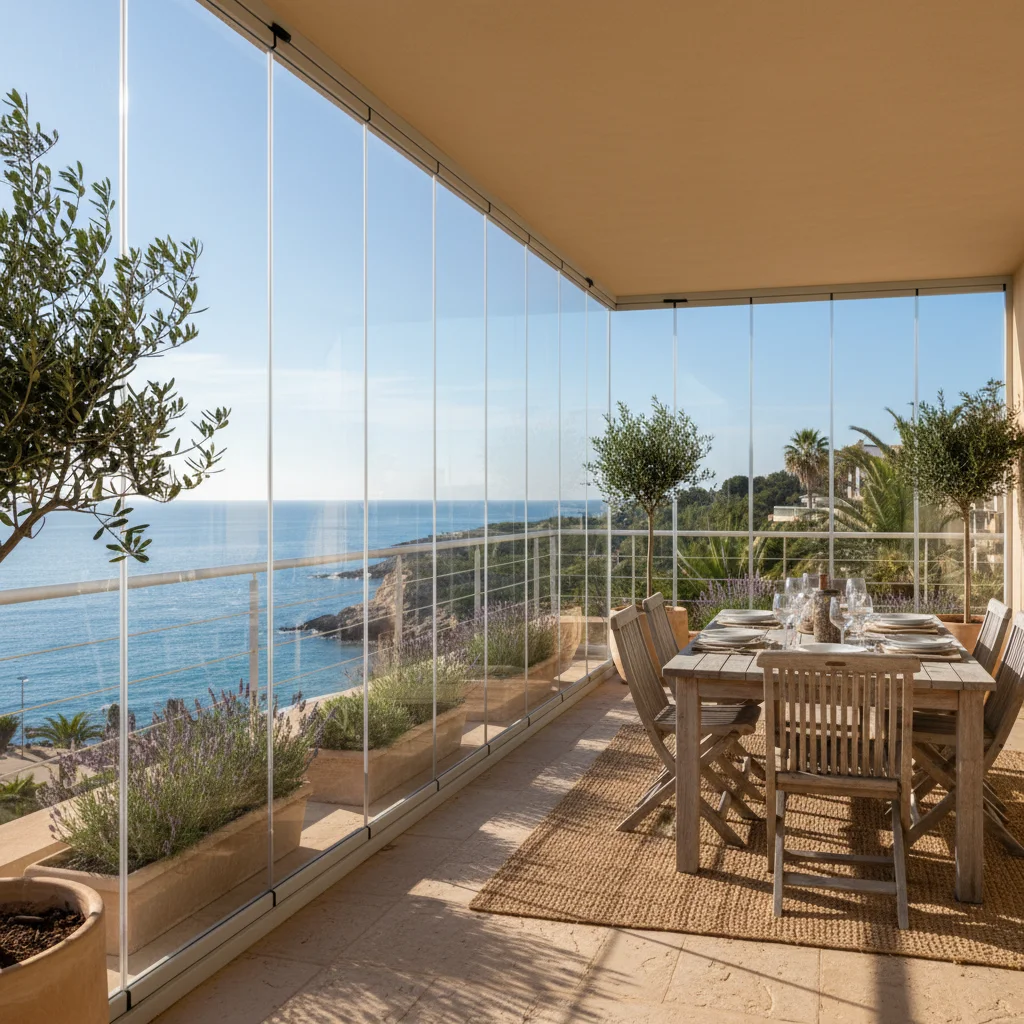
The property stock in the area is remarkably diverse, ranging from compact 15-square-meter balconies overlooking the promenade to expansive 40-square-meter garden terraces in the quieter urbanisations near the Albir Lighthouse trail. In the more densely populated apartment blocks, the primary goal is often wind protection and noise reduction, whereas villa owners usually seek to create a "winter garden" or a Solstue, a concept very familiar to our Scandinavian neighbors. This international mix has heavily influenced the local architecture; you will see that outdoor kitchens and lounge areas are central to daily life here. A frameless glass curtain system allows you to maintain that connection to the outdoors without the drawback of the relentless Levante wind that frequently whips across the bay from the direction of Calpe.
Integrating a glass room into an Alfaz del Pi residence requires an understanding of how we use our homes throughout the seasons. During the height of summer, the intense UV radiation can make an open terrace unbearable, while in the winter, the temperature drops significantly the moment the sun dips behind the mountains. By installing a retractable glass system, you create a thermal buffer. I often see residents struggling with traditional toldos or plastic screens that rattle in the wind and obscure the view of the coastline. A professional glass installation removes these barriers, providing a clear, panoramic view of the Mediterranean while sealing out the elements. This is particularly relevant for those living near the Camino del Faro, where the elevation provides incredible vistas but also leaves properties highly exposed to the changing weather patterns of the coast.
Technical Considerations for the Local Environment
When planning a glass installation in this specific locality, the first thing we must address is the environmental impact of our proximity to the sea. If your property is within two kilometers of the shore—which encompasses almost all of Albir and much of the lower town—salt spray is a constant factor. Standard aluminum tracks and hinges will corrode or seize within a few seasons if they are not treated correctly. For our installations here, I always specify marine-grade powder coating for all visible profiles and stainless steel components for the internal moving parts. The salt air acts like an abrasive, and without high-quality hardware, the sliding mechanism of your glass curtains will eventually become stiff and noisy.
Wind load is the second critical factor. The geography of the Serra Gelada creates specific wind tunnels, especially when the Poniente blows from inland or the Levante surges from the sea. A standard 8mm glass pane is often insufficient for larger openings in this area. I generally recommend 10mm tempered safety glass for any panel exceeding 2.2 meters in height. This added thickness provides the necessary rigidity to prevent the "glass flex" that can be unnerving during a winter storm. For a typical six-meter balcony span, a 10mm frameless system usually costs between 4,500 and 5,800 EUR depending on the height and the complexity of the track configuration. This investment ensures the system remains stable and silent even when the gusts reach sixty kilometers per hour.
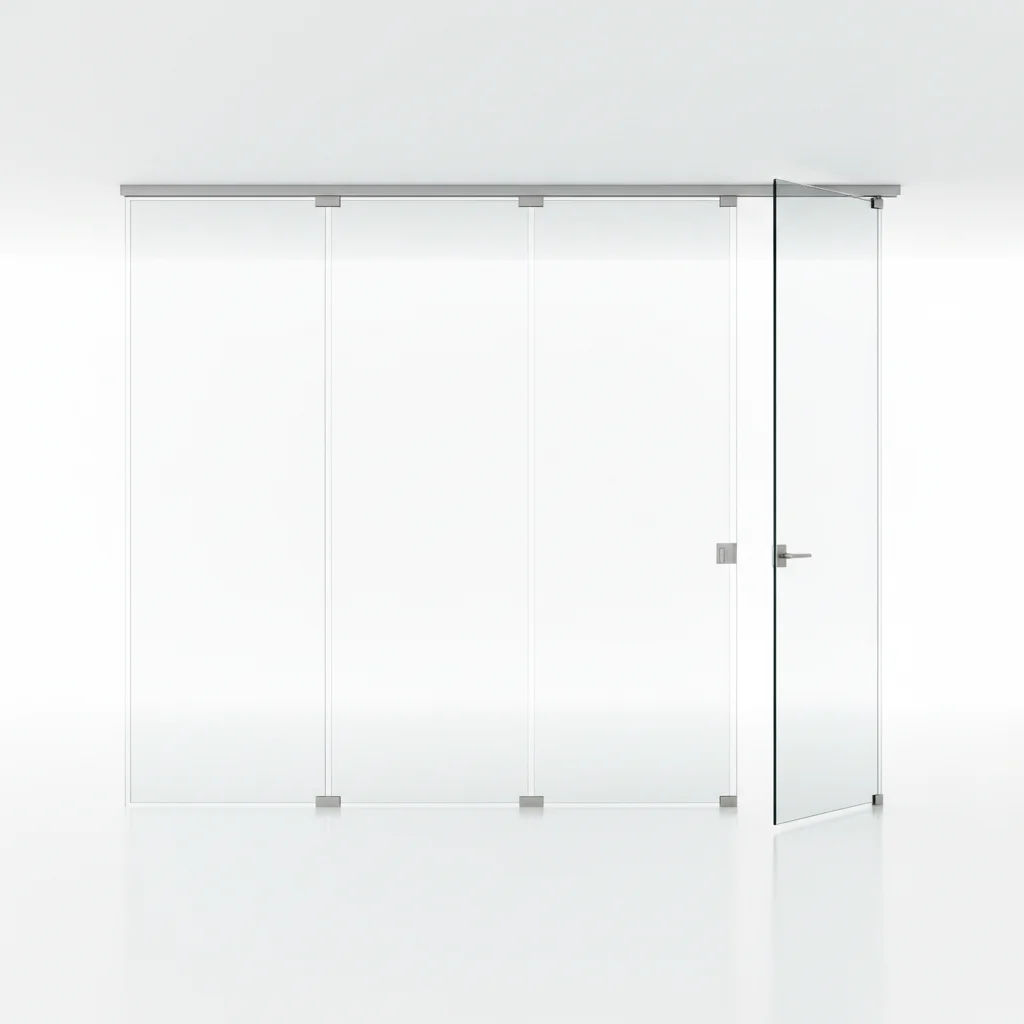
Furthermore, we must navigate the regulations of the Comunidad de Propietarios. In many apartment complexes along the main avenues and near the promenade, the community of owners has strict rules regarding the aesthetic uniformity of the building. Because our glass curtains are frameless, they are often the only enclosure system permitted by these committees, as they do not alter the architectural profile of the facade. I always advise my clients to check their specific community statutes before proceeding, though in my experience, the discreet nature of a bottom-weighted glass system makes it a favored choice for maintaining property values. Maintenance is also a local concern; the "Calima" or Saharan dust rains occur several times a year here, leaving a fine orange film on every surface. A well-designed glass room allows you to keep your interior terrace furniture clean, saving hours of scrubbing and protecting expensive outdoor fabrics from premature degradation.
Tailored Configurations for Local Property Types
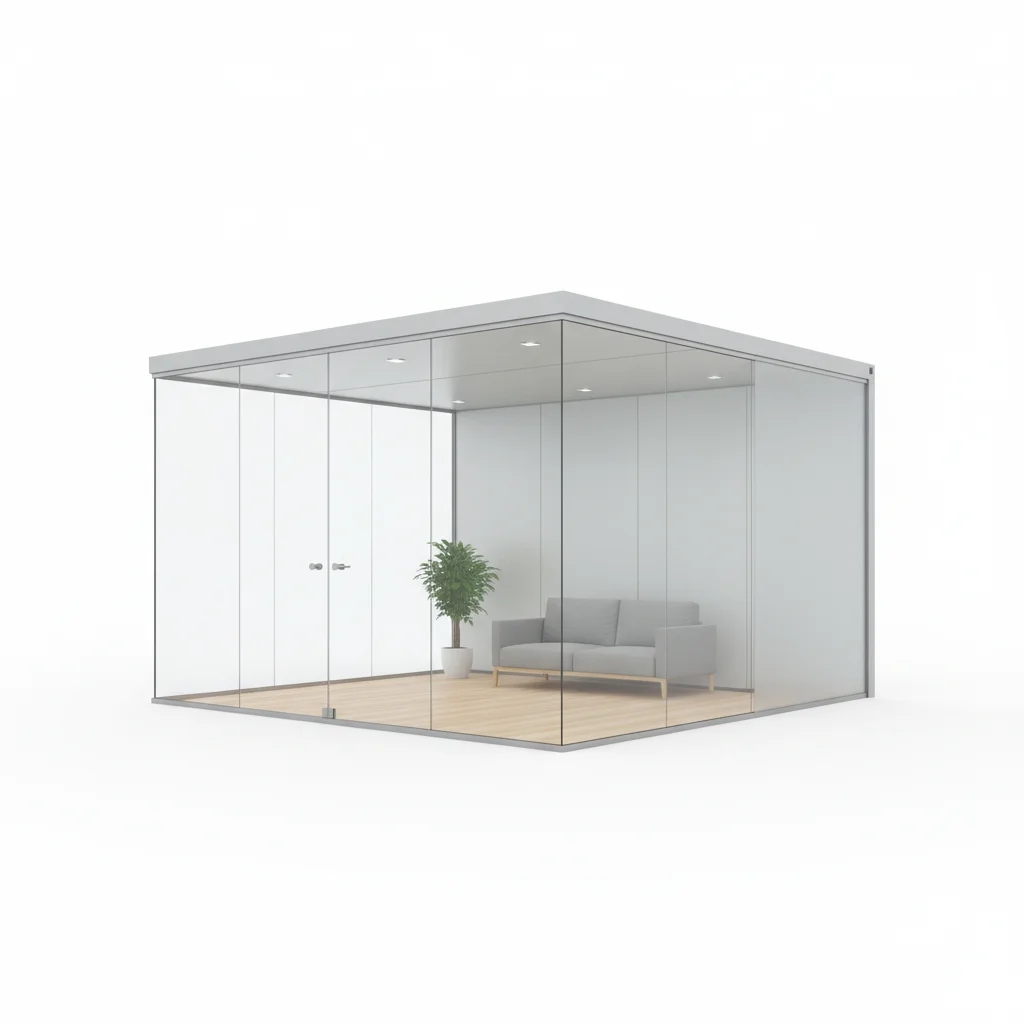
The recommendation I provide for a property depends entirely on its layout and exposure. For the detached villas found in the quieter residential zones heading towards La Nucia or Altea, I frequently suggest a full glass room configuration. This typically involves a fixed-roof structure—either a high-performance sandwich panel or a glass roof—combined with perimeter glass curtains. This setup essentially adds a new room to the house without the need for traditional planning permission, as it is considered a non-permanent structure. For a 25-square-meter terrace, a full glass room setup can range from 12,000 to 15,000 EUR. This space then becomes the primary dining or lounging area during the cooler months, often integrated with a bioclimatic pergola to allow for adjustable shade and ventilation during the summer.
In contrast, for the apartments closer to the beach, the approach is more about versatility and space optimization. On a compact balcony, a top-hung glass curtain system is often the best choice. This allows the glass panels to slide and fold away completely against a side wall, taking up very little footprint and leaving the balcony entirely open when the weather is calm. If you have a south-facing balcony, I recommend pairing these glass curtains with high-quality vertical awnings or interior blinds. The glass will protect you from the wind, but it can also trap heat; having an integrated shade system allows you to control the internal temperature effectively. This combination is particularly popular among our Dutch and British clients who want to enjoy the winter sun without the discomfort of the wind chill.
We also see many homes with large, arched "naya" style terraces. These are beautiful but notoriously difficult to use in the winter. We can install custom-curved tracks or segmented glass panels that follow the line of the arches, preserving the character of the Spanish architecture while sealing the space. When we combine these installations with infrared heating elements or low-profile floor heating, the terrace transforms into a year-round living area. For those with larger garden spaces, integrating a fixed pergola with glass sliding doors creates a standalone garden room that serves as a perfect home office or hobby space, separated from the main house but still connected to the garden environment.
Logistics and Local Expertise in the Marina Baixa
Operating in Alfaz del Pi and the surrounding areas like Altea, Benidorm, and La Nucia requires specific logistical knowledge. Many of the streets in the older parts of the town or the winding roads leading up the hillside are narrow and difficult to navigate with large delivery vehicles. We manage the entire process, including the coordination of cranes if you are located on a high floor of an apartment block in Albir. Delivering five-meter lengths of aluminum track and heavy 10mm glass sheets requires precision and an understanding of local access restrictions. We are familiar with the municipal requirements for loading zones and can ensure that the installation process is as non-disruptive as possible for you and your neighbors.
My team and I have spent years working on these specific streets, and we understand the nuances of the local construction styles. Whether your terrace has a traditional stone balustrade or a modern steel railing, we know how to secure the tracks to ensure a watertight and wind-resistant seal. We also take into account the "settling" of buildings, which is common in some of the older coastal developments; we use adjustable profiles to ensure that the glass panels remain perfectly aligned even if the floor or ceiling is not entirely level. This attention to detail is what separates a long-lasting installation from one that develops leaks or alignment issues after a single season.
If you are considering enhancing your outdoor space, the best starting point is a conversation on-site. I provide a free consultation where we can look at your terrace, measure the openings, and discuss which glass thickness and track system will best suit your specific location and property type. We can talk through the pricing options, ranging from basic 3,000 EUR balcony enclosures to complex 15,000 EUR glass rooms. My goal is to help you make an informed decision based on the reality of living on the Costa Blanca, ensuring that your investment provides genuine comfort and adds lasting value to your home. Contact me today to arrange a visit and let’s look at how we can make your terrace a space you can use every single day of the year.
 JW'"
/>
JW'"
/>