Outdoor Living in Finestrat
Finestrat is a town of contrasts — split between a charming medieval hilltop village and the modern La Cala residential area near Benidorm, with 8,000 residents, 30% expats from Britain and Germany, and properties averaging €270,000 beneath the dramatic peak of Puig Campana.
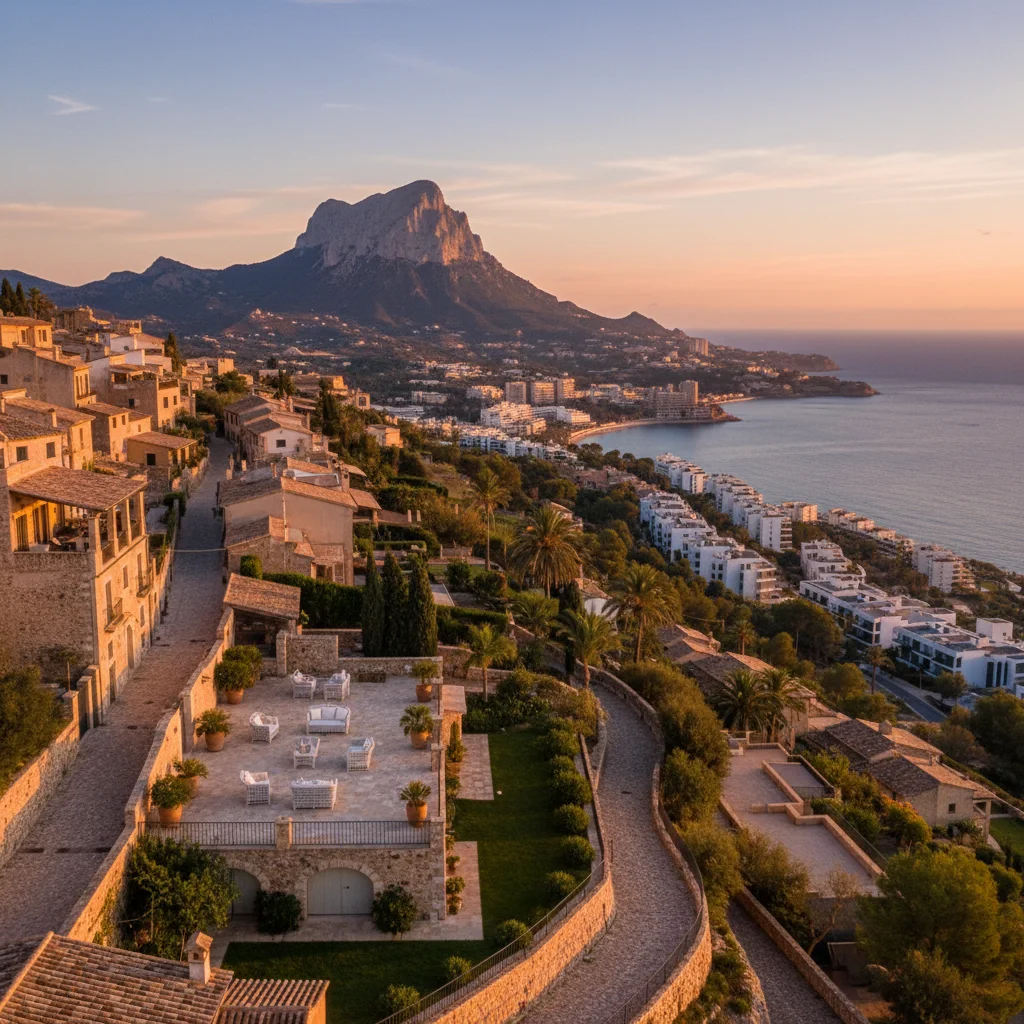
Few towns on the Costa Blanca offer such a striking setting. Puig Campana, the region’s second-highest mountain at 1,406 metres, dominates the skyline from every angle. The old village clings to the hillside with narrow cobbled streets, stone houses, and a church plaza that feels unchanged in centuries. Below, the La Cala area stretches toward the coast with modern villas, manicured urbanisations, and views across to Benidorm’s skyline.
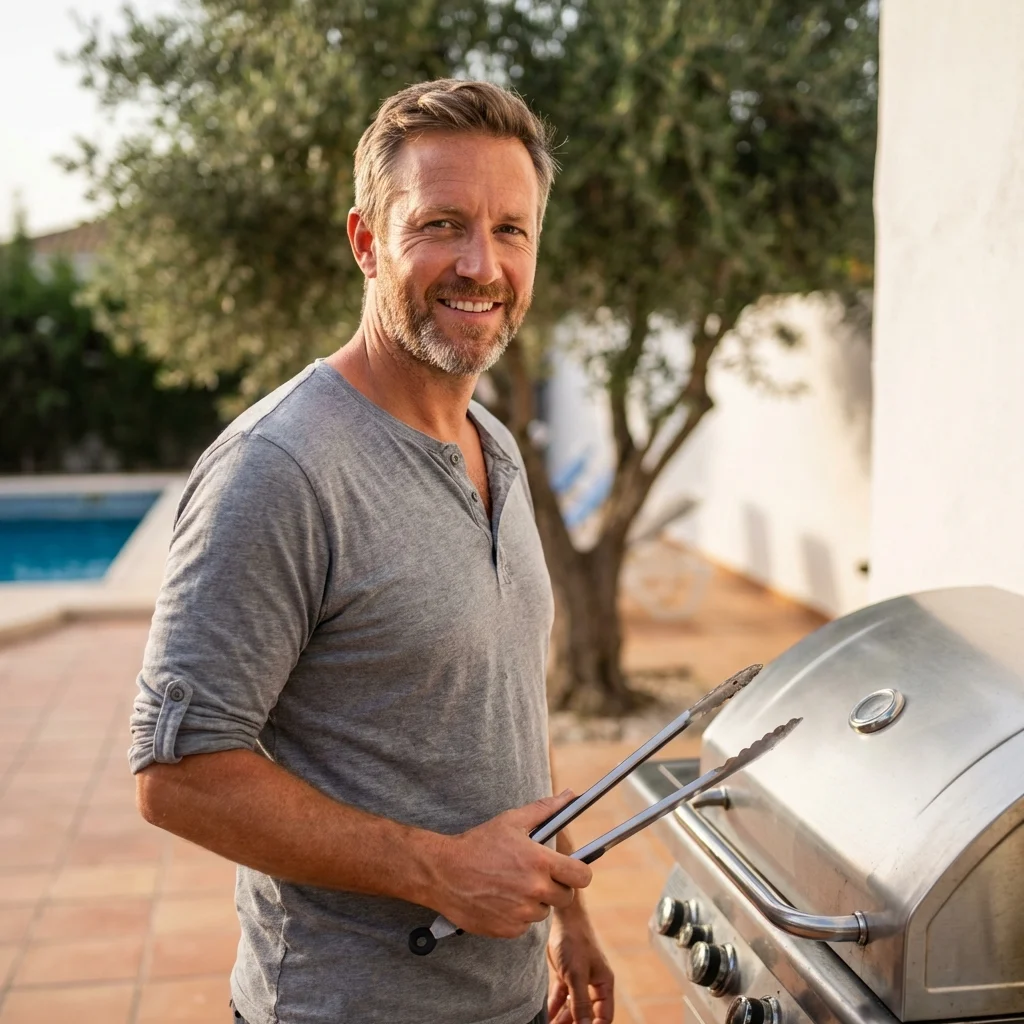
This duality creates two distinct property markets. In the old village, traditional houses with thick stone walls, interior courtyards, and compact terraces offer rustic charm at reasonable prices. In La Cala and the surrounding urbanisations, modern detached villas with swimming pools, landscaped gardens, and generous terraces cater to an international clientele seeking contemporary comfort. Both settings lend themselves to outdoor cooking — just in very different ways.
The expat community is well-established, with British and German residents dominating. Terra Natura zoo and waterpark brings family visitors, but the residential areas are genuinely peaceful. Weekend hiking on Puig Campana, long lunches on sun-drenched terraces, and evening barbecues as the mountain turns golden at sunset — this is the Finestrat lifestyle.
Finestrat’s split personality — medieval village above, modern La Cala below — offers expats two distinct outdoor living experiences, both framed by Puig Campana and suited to year-round cooking.
Choosing Your Setup in Finestrat
Modern La Cala villas with pool terraces call for full outdoor kitchen builds, while old village houses suit compact kamados and countertop pizza ovens — Finestrat rewards equipment choices matched to your setting.
La Cala villa owners have the space and infrastructure for a serious outdoor kitchen. A built-in gas BBQ with stone or tiled countertops, an integrated pizza oven, and a freestanding kamado on the pool terrace is the setup we install most often in this area. Costa Blanca Outdoors designs these installations to complement the modern architectural style typical of La Cala, using clean lines and durable materials rated for outdoor use.
For old village properties, the approach is different. Narrow terraces and courtyards suit a compact kamado grill — its ceramic insulation makes it efficient in the cooler microclimate of the hillside, and its small footprint fits tight spaces. A tabletop pizza oven adds variety without demanding floor space. These smaller setups produce extraordinary results and suit the intimate scale of village entertaining.
Finestrat’s elevation — even La Cala sits higher than the coast — means slightly less salt air than seafront towns like Benidorm, which benefits equipment longevity. However, the mountain creates its own wind patterns, particularly afternoon breezes funnelling down from Puig Campana. Positioning your grill with wind protection from a wall or screen is worth planning during installation.
Gas supply is straightforward. Butane is available from local shops and delivered by truck. For built-in outdoor kitchens, a fixed propane installation with a buried or screened tank is the cleanest approach for La Cala properties.
La Cala villas suit full outdoor kitchen builds with gas BBQs, pizza ovens, and kamados, while old village properties work best with compact, space-efficient equipment — all benefiting from less salt air than the coast.
Delivery to Finestrat
We deliver to both old Finestrat village and the La Cala urbanisations weekly, with experienced drivers who know the steep village access roads and the gated community procedures.
Finestrat sits on our central Costa Blanca route, and we deliver here regularly. La Cala is straightforward — modern roads, private driveways, and easy access to villa terraces. The old village requires more care. Narrow streets, steep gradients, and limited parking mean we plan village deliveries carefully, arriving early when the roads are quiet and carrying equipment by hand where vehicle access ends.
Every delivery includes full assembly, positioning, and a complete walkthrough of your equipment. For outdoor kitchen installations in La Cala, our build team handles everything from countertop fitting to gas connection testing.
Finestrat connects naturally to our wider central route. Benidorm is five minutes down the hill, La Nucia sits just inland, and Villajoyosa is a short coastal drive south. We regularly combine deliveries across these towns.
Standard delivery for in-stock items is 5–10 working days. Custom outdoor kitchen builds for La Cala villas typically run 3–4 weeks from design to completion, including all stonework, equipment fitting, and gas installation.
Glass Curtains & Glass Rooms in Finestrat: What You Need to Know
Living in this corner of the Costa Blanca since 2019 has taught me that the local geography dictates how we use our homes far more than any architectural trend. This municipality is unique because it spans from the high-altitude shadows of Puig Campana all the way down to a compact, bustling stretch of coastline. When you reside here, you are part of a community where 30% of your neighbors come from international backgrounds, predominantly from the UK and Germany. These residents bring a specific expectation for their homes: they want the light of Spain but the comfort of a regulated indoor environment. Whether you own a traditional townhouse in the Old Village or one of the modern villas in the hills overlooking Terra Natura, the challenge is always the same. You have a terrace that is unusable for four months of the year due to the biting wind or the intense winter dampness that rolls off the mountain.
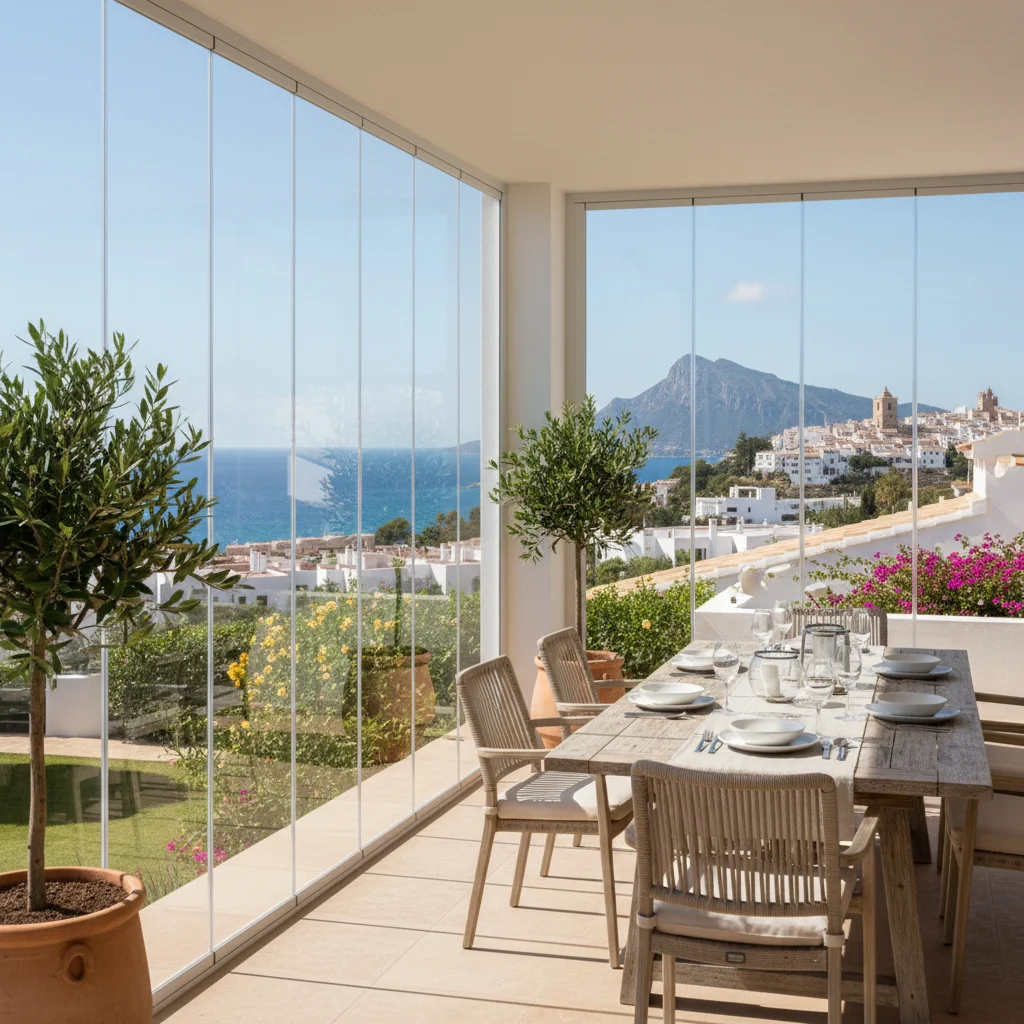
The property landscape here is incredibly diverse, with an average entry point around €270,000, but the way we approach outdoor living remains consistent across different budgets. In the higher elevations, such as the developments near Sierra Cortina, the views are expansive, often taking in the entire skyline of the neighboring coastline. However, those views come at a price. The elevation means your outdoor space is an easy target for the elements. Glass curtains and enclosed glass rooms have become the standard solution for residents who want to extend their living area without the bureaucratic headache of a traditional brick-and-mortar extension. Because these systems are technically removable and do not change the footprint of the building, they usually bypass the complex planning permissions that stop most renovation projects in their tracks.
The outdoor culture here revolves around long afternoons and late dinners, often influenced by the British and German preference for outdoor kitchens and "al fresco" dining that lasts well into the evening. A frameless glass system allows you to maintain that connection to the landscape while providing a thermal barrier. I have helped over 200 families across the Costa Blanca, and I often see that the most successful installations are those that respect the local microclimate. You aren't just installing glass; you are creating a climate-controlled sanctuary that works in harmony with the sharp descent from the mountain peaks to the Mediterranean shore.
The physical reality of an exposed coastal position means that your terrace is constantly under fire from two primary forces: the Levante and the Poniente winds. The Levante brings humidity and salt, while the Poniente often brings dry heat or dust from the interior. If you live within two kilometers of the shore, particularly in the lower apartment blocks, salt spray is a relentless factor. It isn't enough to just have glass; you need a system where the mechanical components are designed for a marine environment. Most generic glass systems use standard alloys that will pit and corrode within three seasons in this specific area. I always insist on high-grade E6EV1 anodized aluminum profiles and stainless steel bearings. Without these, the sliding mechanism of your glass curtains will begin to grind and seize as the salt air penetrates the tracks.
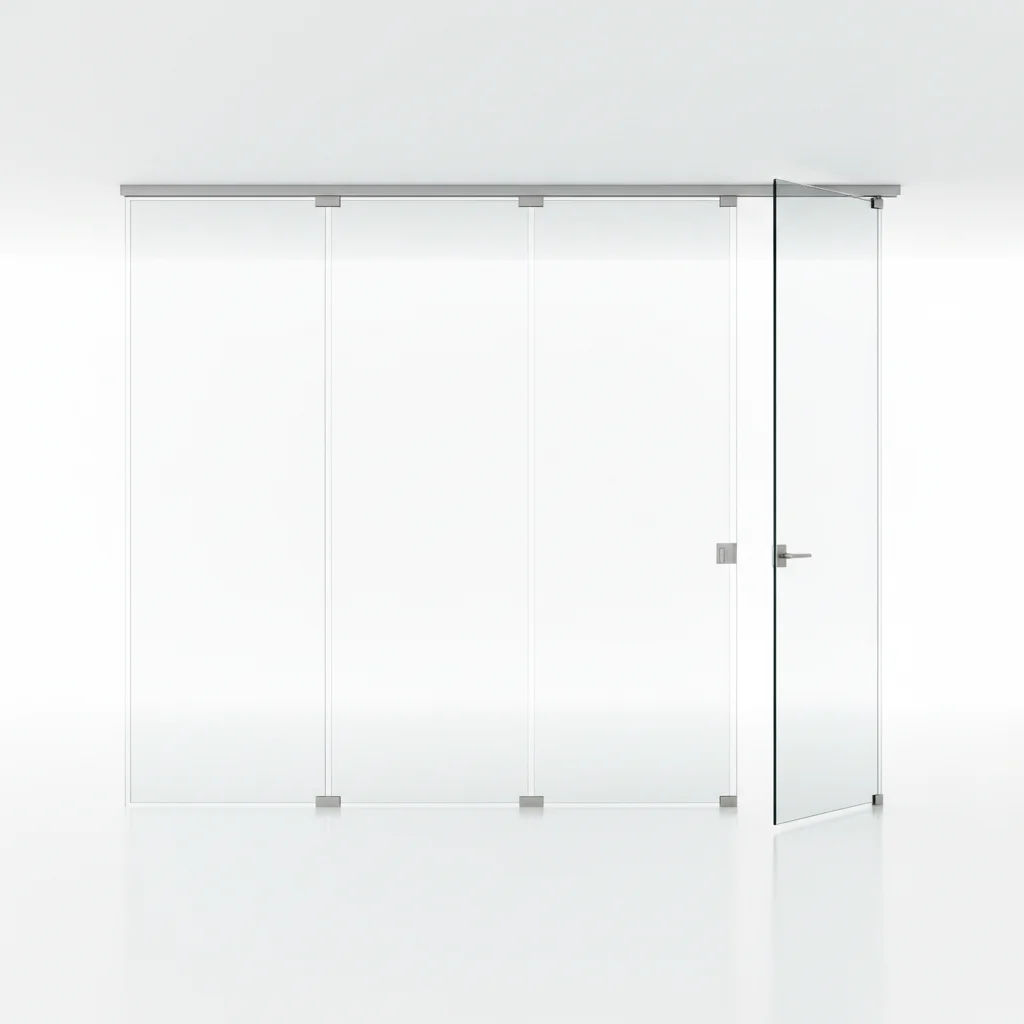
For the residents in the more vertical urbanizations, the "comunidad de propietarios" or community of owners plays a massive role in what you can and cannot do. In many modern complexes, there is a strict requirement for aesthetic uniformity. This is where frameless glass curtains excel. Because they lack vertical frames, they are virtually invisible from the street, which makes them much easier to get past a strict community president. If you are considering a 10mm tempered glass system for a standard 6-meter balcony, you should expect a price point in the region of €4,800 to €5,500. This includes the bottom-weighted track system which is essential for the high wind loads we experience here. We often see gusts exceeding 80km/h coming off the mountain, and a cheap 6mm or 8mm glass panel will simply rattle or, in worst-case scenarios, bow under the pressure.
Maintenance in this municipality is also specific. The intense UV radiation we experience year-round will degrade inferior seals and plastic components in a matter of months. I recommend high-density polyethylene (HDPE) seals between the glass panes rather than standard clear PVC, which tends to yellow and crack. If your property is inland near the village, the dust from the surrounding agricultural land and the mountain quarries can accumulate in the lower tracks. A simple tip I share with locals is to use a dry PTFE spray rather than oil-based lubricants, which only serve to trap the dust and create a grinding paste that destroys the rollers.
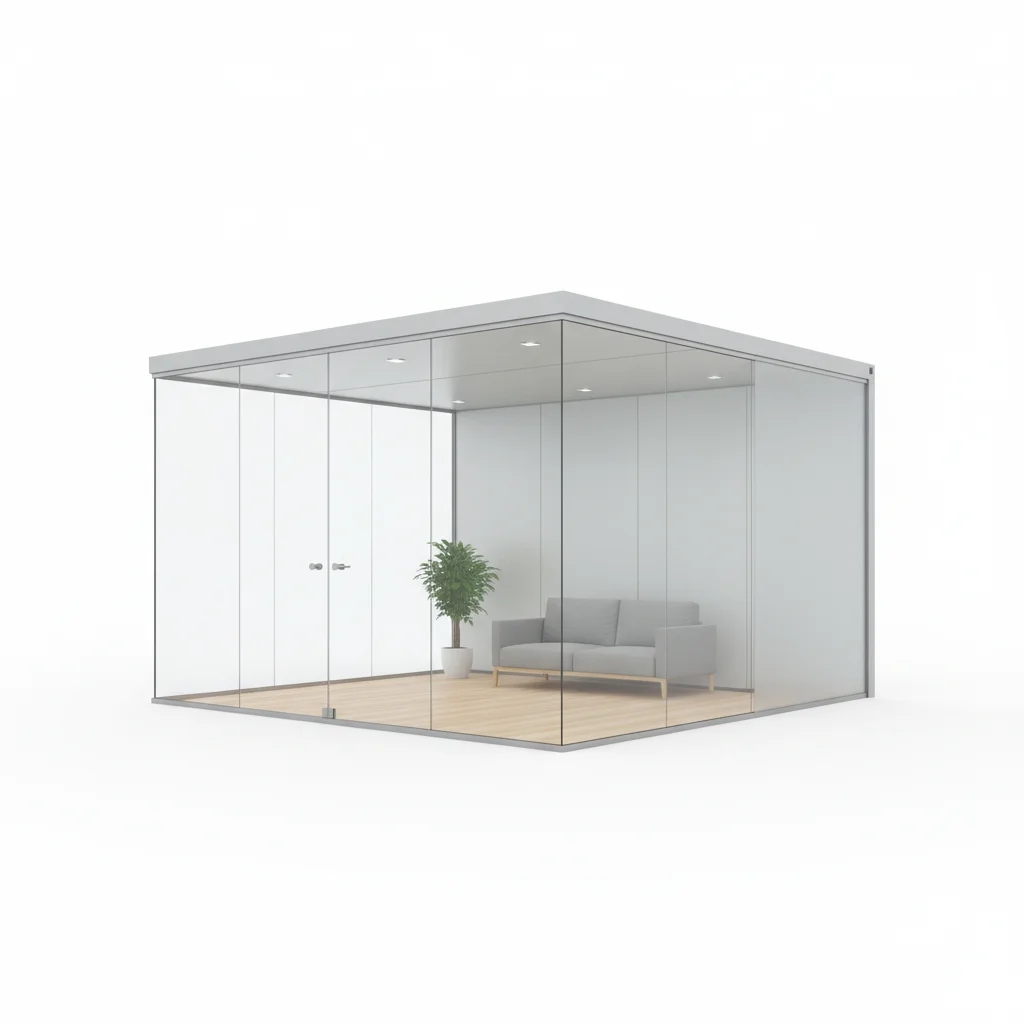
When recommending a setup for a villa, particularly those in the expanding developments on the hillsides, I typically suggest a full glass room configuration. This usually involves a fixed glass or sandwich-panel roof combined with sliding or folding glass walls. For a 15 square meter space, a high-quality glass room will range from €10,000 to €15,000 depending on the roof specifications. This creates a genuine "winter garden" effect. In these larger properties, we often integrate the glass with bioclimatic pergolas. This combination is the pinnacle of outdoor living on the Costa Blanca. You have the motor-driven slats of the pergola to manage the overhead sun, while the glass curtains block the crosswinds that make sitting outside in February uncomfortable. It essentially turns a seasonal terrace into a permanent, 365-day-a-year lounge.
For the apartments closer to the beach, space is at a premium. Here, we focus on maximizing the square meterage of the balcony. I recommend the folding-stacking system where the glass panels slide to one side and turn 90 degrees to sit flush against the wall. This allows you to have a 100% open space in the height of August when you want the sea breeze, and a fully sealed room in November when the humidity spikes. If your balcony faces south, I strongly suggest pairing the glass curtains with high-quality vertical awnings or "toldos." Glass is excellent at blocking wind and rain, but without a shading solution, the greenhouse effect can make an enclosed south-facing terrace uncomfortably hot by midday. Combining a €4,000 glass installation with a €1,200 automated awning creates a professional, versatile environment that adds significant resale value to the property.
Fixed pergolas are another excellent companion for glass systems in this region, especially for ground-floor apartments or bungalows with garden plots. By installing a fixed aluminum pergola and enclosing it with frameless glass, you create an independent structure that doesn't rely on the existing house walls for support. This is a common choice for our German clients who often use these spaces as hobby rooms or secondary dining areas. The technical requirement here is a solid foundation; the weight of the glass and the pergola together necessitates a reinforced concrete base or a structural deck, something we always verify before any installation begins.
Logistically, working in this part of the coast requires a deep understanding of the local terrain. I’ve spent years navigating the contrast between the narrow, winding access roads of the Old Village and the wide, steep avenues of the newer hillside urbanizations. Delivering large glass panels, which can weigh over 40kg each, requires precision. In the tighter parts of the municipality, we often have to coordinate with local authorities for temporary loading zones, especially when we are operating near the main thoroughfares that connect us to Benidorm or Villajoyosa. Our team is frequently in the neighboring towns of La Nucia and Alfaz del Pi, and we understand the specific wind patterns that affect this entire valley.
One insight that only a local would truly grasp is the impact of the "corridor effect" created by the valley. Even on a day that seems calm down by the water, the wind can be channeled between the ridges of the mountains, creating localized high-pressure zones. This is why we never use "one size fits all" glass thicknesses. We calculate the wind load based on your specific elevation and orientation. We are not just a delivery service; we are a local partner that understands why a home in this specific municipality needs a more robust solution than one in a sheltered valley elsewhere.
If you are looking to reclaim your terrace, we offer a free, no-obligation consultation where I personally visit your property to assess the structural requirements and communal rules. We provide detailed quotes that reflect the reality of installing high-performance glass in this unique environment. My goal is to ensure that your outdoor space becomes the most used room in your house, just as I have done for hundreds of your neighbors since I made this coast my home.
 JW'"
/>
JW'"
/>