Outdoor Living in Orihuela Costa
Orihuela Costa is the southern Costa Blanca’s largest expat corridor, with 30,000 residents spread across Playa Flamenca, La Zenia, Cabo Roig, Villamartín, and Campoamor — 60% of them British, Scandinavian, and Irish.
Orihuela Costa is not a single town but a string of purpose-built coastal urbanisations stretching from Punta Prima in the north to Dehesa de Campoamor in the south. Each has its own character, but they share a common thread: expat communities who have embraced outdoor living with an enthusiasm that surprises even the locals. On any given weekend between March and November, the scent of barbecue smoke drifts across rooftop solariums and poolside terraces from La Zenia to Cabo Roig.
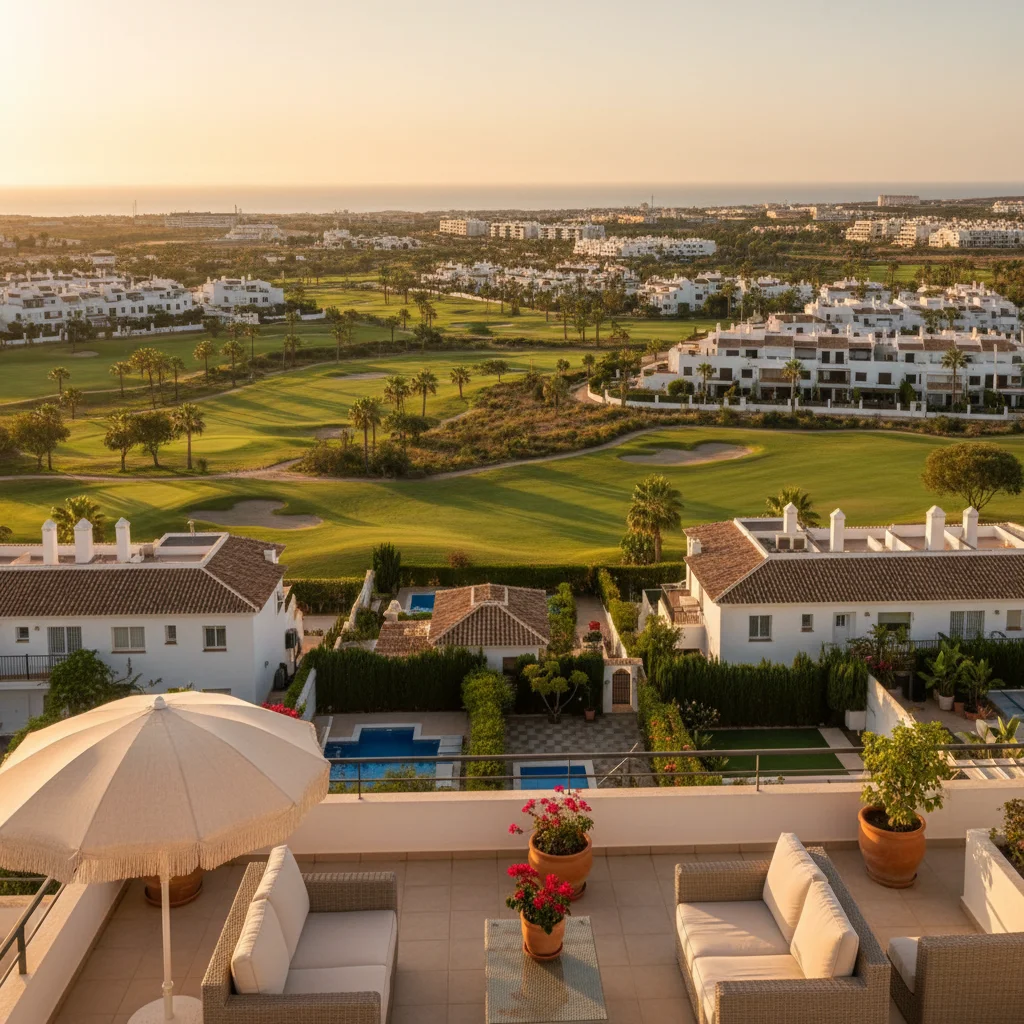
The property mix is diverse. Villamartín and Playa Flamenca lean toward apartments and townhouses with communal pools, where rooftop solariums of 15–30 square metres serve as outdoor kitchens, dining rooms, and sunbathing spots all in one. Cabo Roig and Dehesa de Campoamor offer more detached villas with private gardens and larger terraces. Average property prices sit around €200,000, though Campoamor stretches higher.
Social life revolves around the commercial centres — La Zenia Boulevard, the Cabo Roig strip, the Villamartín plaza — and the beach bars and restaurants that line the coast. The British pub culture here is strong, and many expats replicate that social atmosphere at home with regular barbecue gatherings.
Orihuela Costa’s diverse property mix — from Villamartín apartments with rooftop solariums to Cabo Roig villas with private gardens — supports outdoor cooking setups at every scale and budget.
Choosing Your Setup in Orihuela Costa
Whether you are grilling on a La Zenia solarium or building a full outdoor kitchen beside a Campoamor pool, Orihuela Costa’s year-round sunshine justifies serious investment in outdoor cooking equipment.
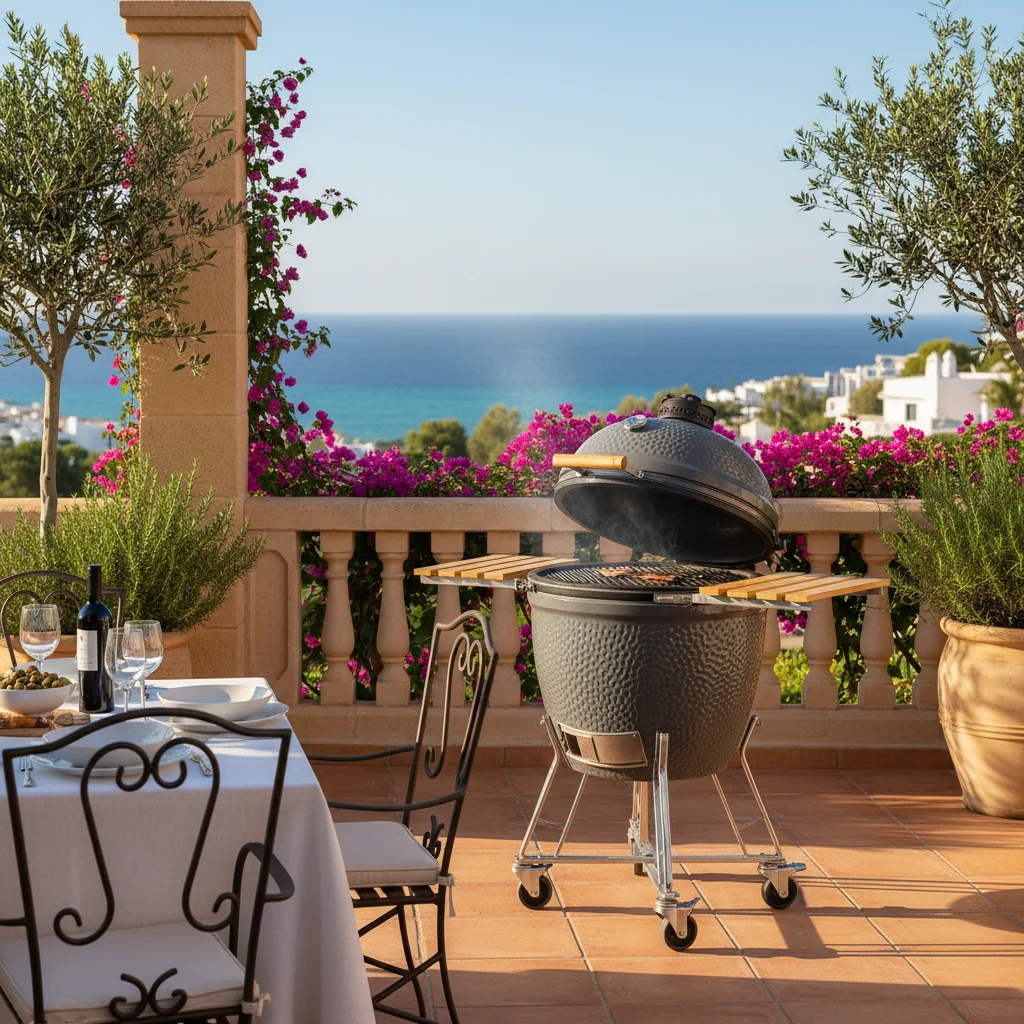
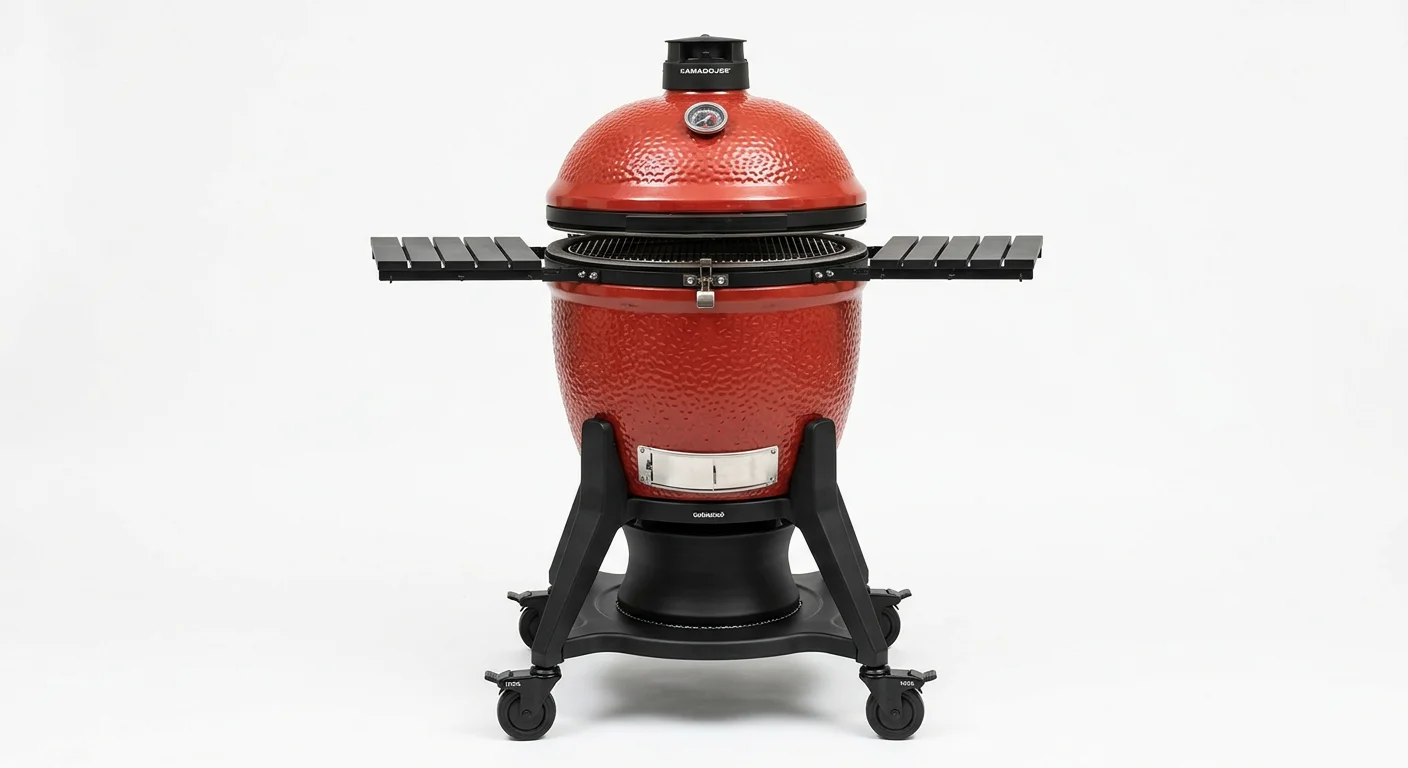
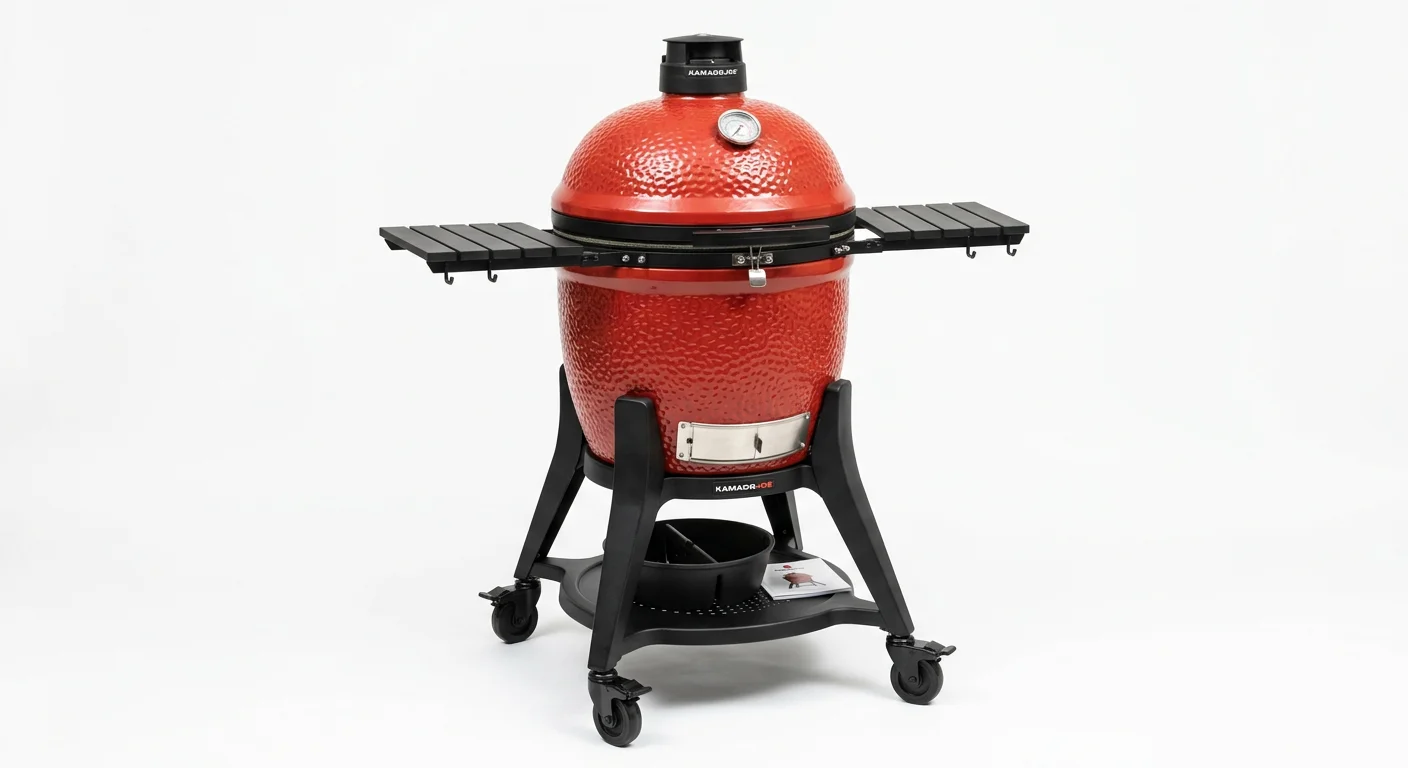
For apartment and townhouse owners in Playa Flamenca and Villamartín, space efficiency is everything. A compact kamado grill (around 38–47cm) fits comfortably on most solariums and delivers remarkable versatility — grilling, smoking, roasting, and even baking pizza. Pair it with a foldable prep cart and you have a complete cooking station that stores neatly when not in use.
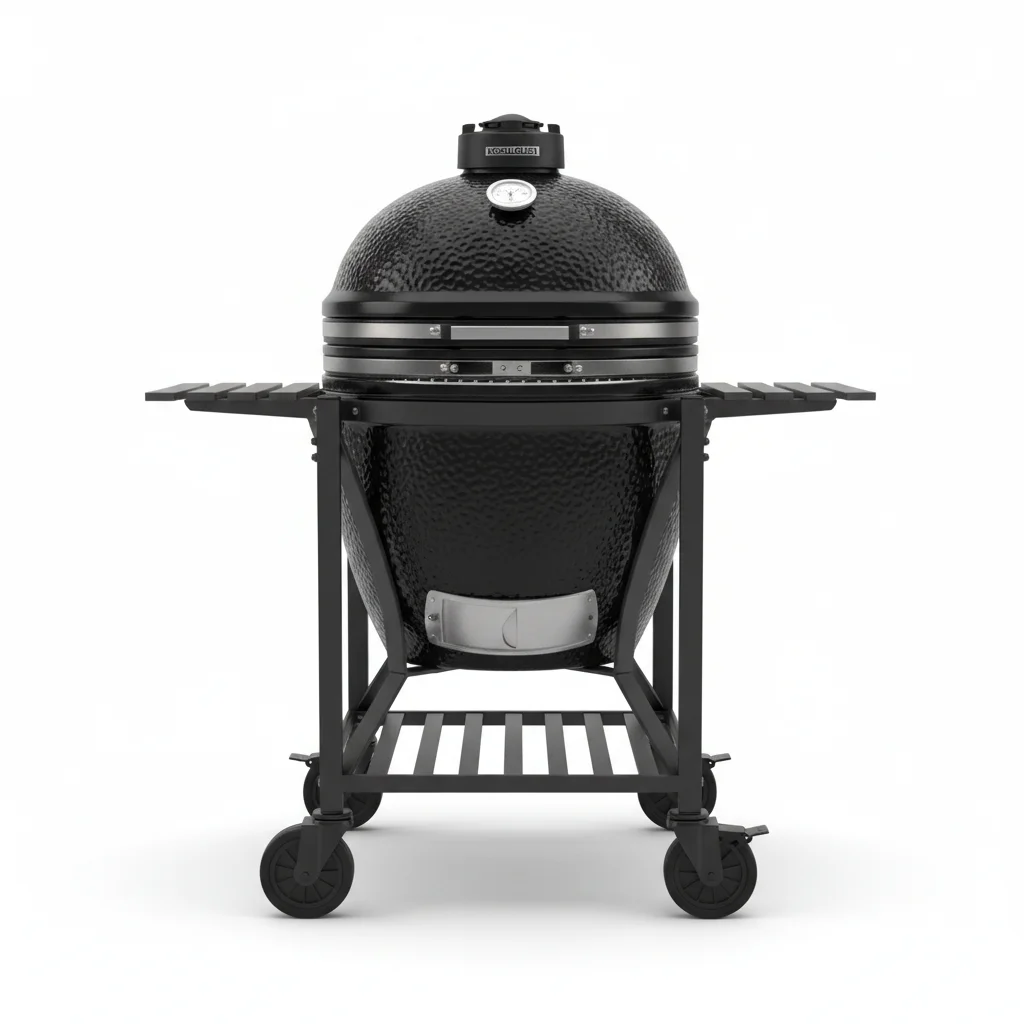
Villa owners in Cabo Roig, Campoamor, and Dehesa de Campoamor have room for more ambitious projects. Costa Blanca Outdoors recommends a built-in gas BBQ as the foundation, adding a pizza oven for weekend entertaining and a kamado for the dedicated cooks in the family. Natural stone or tiled countertops tie the setup into the existing terrace aesthetic.
Gas is the most popular fuel choice across Orihuela Costa. Butane bombonas are available at petrol stations and hardware stores throughout the area, and many properties have existing gas points. For charcoal and wood, local suppliers serve the corridor from Torrevieja through to Pilar de la Horadada.
Costa Blanca Outdoors recommends compact 38–47cm kamado grills for Orihuela Costa apartment solariums, and built-in gas BBQ foundations with pizza oven additions for villa owners in Cabo Roig and Campoamor.
Delivery to Orihuela Costa
We deliver across all Orihuela Costa urbanisations weekly, from Punta Prima to Dehesa de Campoamor, with experience navigating gated communities and apartment block access.
Orihuela Costa is our highest-volume delivery area on the southern Costa Blanca. We know the access points for gated communities, the parking restrictions near La Zenia Boulevard, and the best times to deliver to apartment complexes without disrupting communal areas. For solarium deliveries in Villamartín and Playa Flamenca, we confirm staircase and lift access in advance — getting a kamado grill to a fourth-floor rooftop requires planning.
Every delivery includes full setup and a walkthrough. For built-in kitchen projects, we coordinate with local contractors who specialise in terrace construction across the urbanisations and understand each community’s building regulations.
We serve neighbouring Torrevieja and Rojales on the same runs, and customers in San Miguel de Salinas are just inland. Standard delivery is 5–10 working days for stocked items.
Mastering the Ceramic Grill: Outdoor Cooking in Orihuela Costa
The transition from the traditional charcoal grills of the UK or the gas-heavy setups found in Northern Europe to a ceramic Kamado represents a significant shift in how we approach outdoor living in this specific part of the Mediterranean. Living here since 2019, I have seen the outdoor culture of the area evolve from basic social gatherings into a sophisticated culinary pursuit. This evolution is driven by our unique demographic mix. With around 30,000 residents, sixty percent of whom are international, we see a fascinating blend of British low-and-slow enthusiasts, German precision grillers, and Scandinavians who appreciate the high-end design and efficiency of ceramic insulation. Whether you are settling into a villa in the established leafy avenues of Villamartín or managing a more compact terrace in Playa Flamenca, the equipment you choose must stand up to a very specific set of environmental and social challenges.
Property dynamics in this region differ greatly from the northern Costa Blanca. While the north has more sprawling fincas, our local landscape is defined by high-density urbanisations and golf resort communities. The average property price of approximately 180,000 EUR often secures a well-located villa or a modern apartment with a generous terrace, but these spaces require smart planning. A Kamado BBQ is particularly suited to these environments because of its footprint. Unlike a sprawling four-burner gas station that might dominate a six-square-meter balcony, a medium-sized ceramic grill offers the ability to grill, smoke, roast, and bake within a seventy-centimeter diameter. In Cabo Roig, where the sea breeze is constant, the heavy ceramic walls of a Kamado provide a thermal stability that metal grills simply cannot match. When the wind picks up across the Mediterranean, a standard kettle BBQ loses heat rapidly, whereas a Kamado remains a pressurized oven, maintaining a steady 110°C for a twelve-hour brisket or a scorching 350°C for a three-minute Neapolitan pizza.
The lifestyle here revolves around the terrace. It is our primary living room for ten months of the year. Because many residents live in close proximity within these urbanisations, the efficiency of fuel is not just about cost—it is about being a good neighbor. A high-quality ceramic grill consumes about twenty-five percent of the charcoal used by a traditional open grill. It produces significantly less smoke once the charcoal is lit, which is vital when your terrace is positioned directly below a neighbor’s balcony. This efficiency also plays into the long-term cost-effectiveness. In a region where we cook outdoors three or four times a week, the fuel savings over a two-year period often bridge the price gap between a mid-range metal grill and a premium 1,200 EUR ceramic setup.
Technical Considerations for the Southern Costa Blanca Climate
Operating a high-end grill in this corner of Spain involves managing environmental factors that many manufacturers in cooler climates do not account for. The sun intensity here is among the highest in Europe. Between June and September, the afternoon sun can degrade inferior plastics and low-grade powder coatings within a single season. This is why I always emphasize the build quality of the hardware surrounding the ceramic. While the ceramic itself is nearly indestructible, the bands, hinges, and side shelves are vulnerable. I recommend looking for units with 304-grade stainless steel hardware or heavy-duty powder-coated galvanized steel. A specific recommendation for our local climate is the Monolith Classic Pro Series 2.0, typically retailing around 1,850 EUR. Its stainless steel bands and high-quality felt gaskets are designed to withstand the thermal expansion caused by the internal fire combined with the external heat of a 40°C August afternoon.
Salt air is another silent killer for outdoor equipment in this area. If you are living within two kilometers of the coast, specifically in areas like La Zenia or near the salt lakes towards Torrevieja, the humidity carries a high saline content. This accelerates corrosion on any exposed iron or low-grade steel. A Kamado is inherently superior here because the bulk of the unit is glazed ceramic, which is completely impervious to salt. However, you must be diligent with the metal components. I advise residents to apply a light coating of food-grade silicone spray to the exterior metal hinges every six months to prevent surface pitting. Furthermore, we must address the "Calima"—the Saharan dust storms that coat our terraces in fine orange silt. This dust is abrasive. When it mixes with the morning dew or high humidity, it creates a paste that can clog air vents and grind into moving parts. A heavy-duty, breathable cover is not an optional extra here; it is a necessity for protecting the top daisy wheel and the bottom slide vent from becoming jammed with calcified dust.
Community living rules, governed by the Ley de Propiedad Horizontal, are particularly relevant for residents in apartment blocks or shared urbanisations. Many communities have specific bylaws regarding smoke and fire safety. Because a Kamado is a closed-system cooker, the risk of stray sparks is virtually zero compared to an open fire pit or a basic charcoal grill. For those concerned about smoke complaints, using high-carbon restaurant-grade lump wood charcoal—such as Marabú, which is widely available in the Alicante province—ensures a clean burn with minimal particulate matter. This allows you to enjoy the flavor of charcoal cooking without infringing on the comfort of your neighbors in the shared garden areas. Additionally, for those on upper-floor apartments, the weight of a Kamado is a logistical factor. A large unit can weigh over 100 kilograms. Ensuring your terrace can handle the point-load and that you have a high-quality cart with locking casters is essential for safety during the high winds we occasionally experience during the "Gota Fría" season.
Tailored Recommendations for Local Property Types
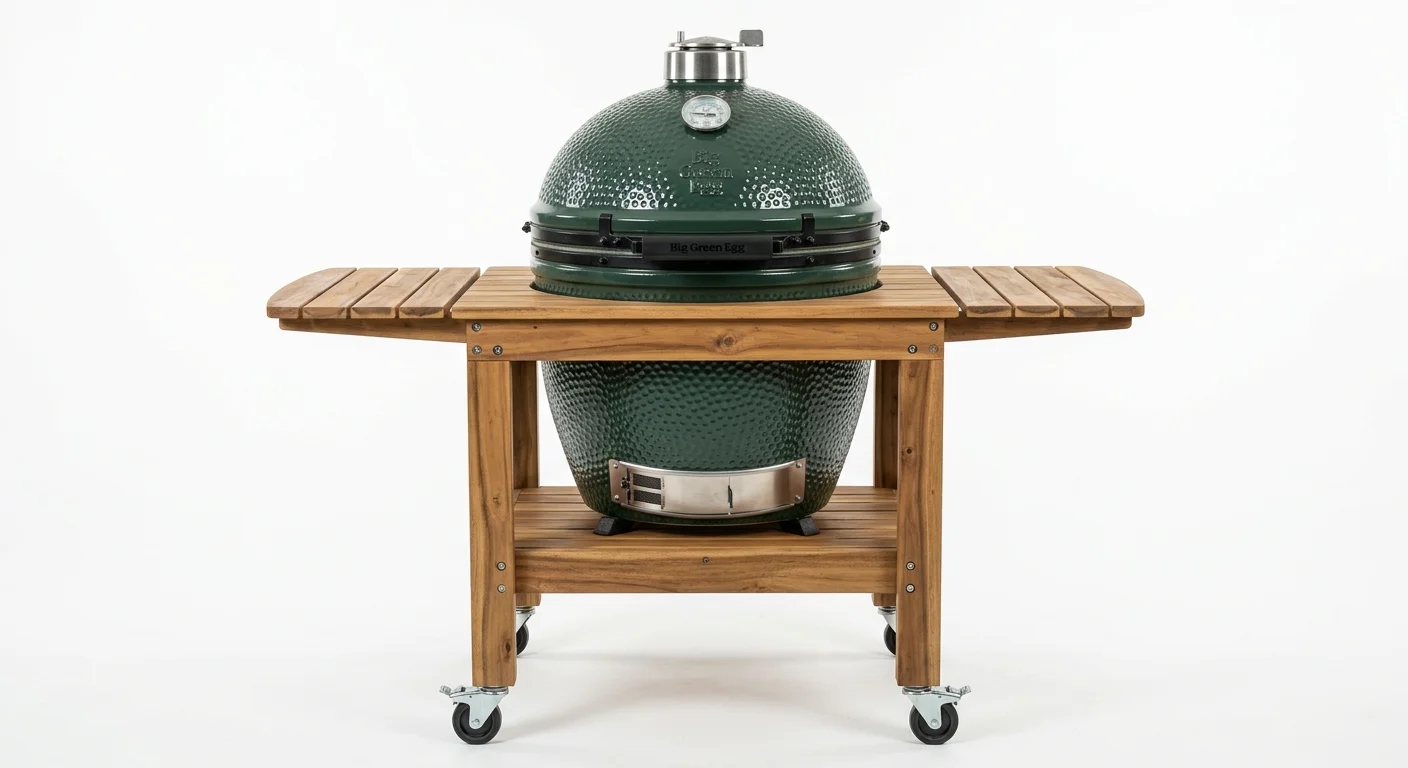
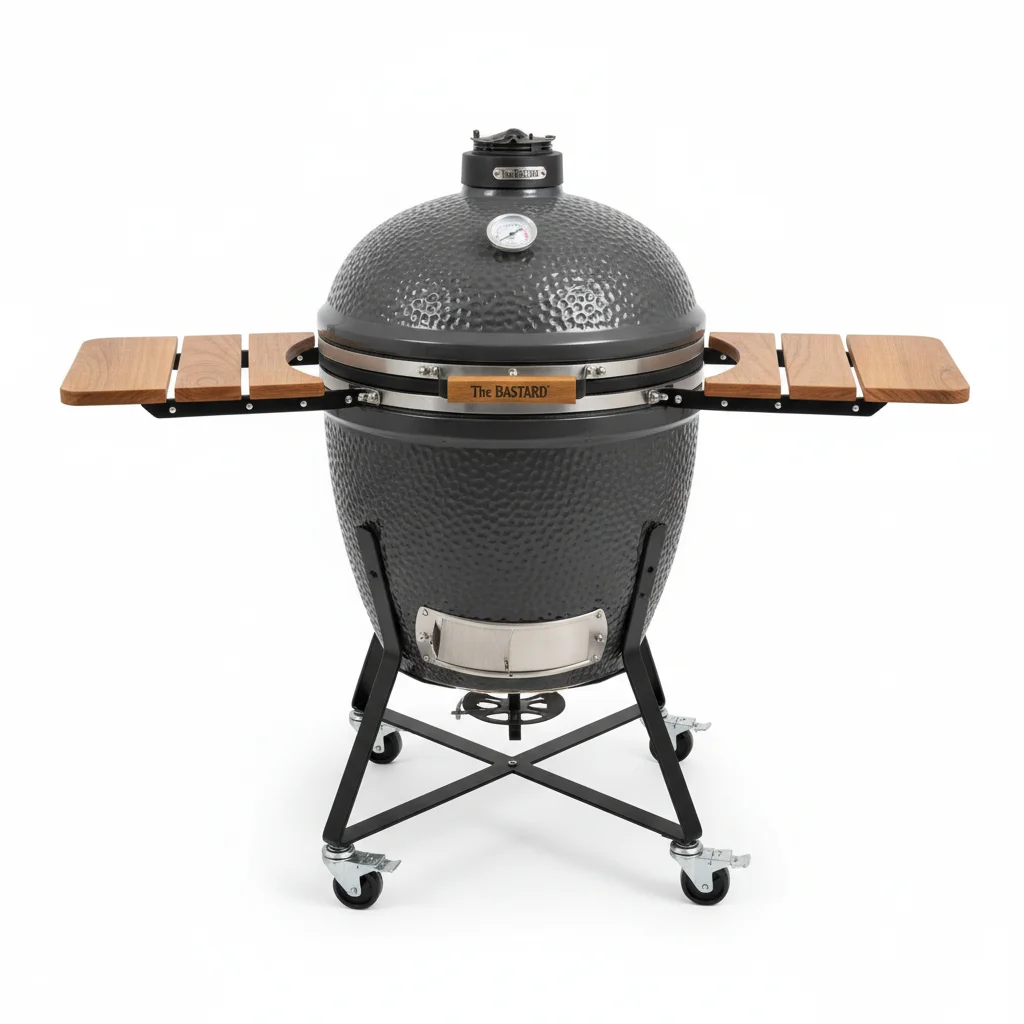
Choosing the right configuration depends entirely on your specific property layout. For the villas found in the quieter pockets of Villamartín or the detached homes in Cabo Roig, I almost always recommend a built-in configuration. If you have a dedicated outdoor space of twenty square meters or more, integrating a Kamado into a custom outdoor kitchen is the gold standard. This usually involves a "table-nest" setup where the ceramic body sits inside a granite or porcelain countertop. Pairing a Kamado with a premium gas-bbq provides the best of both worlds: the gas grill for quick mid-week searing of fish or vegetables, and the Kamado for the Sunday roast or slow-cooked ribs. This combination effectively replaces your indoor kitchen during the summer months, keeping the heat out of the house and reducing your air conditioning load. For a full-sized villa setup, a 24-inch model like the Big Green Egg L or the Kamado Joe Classic III, priced between 1,900 EUR and 2,600 EUR, provides the necessary surface area to host a group of eight to ten people.
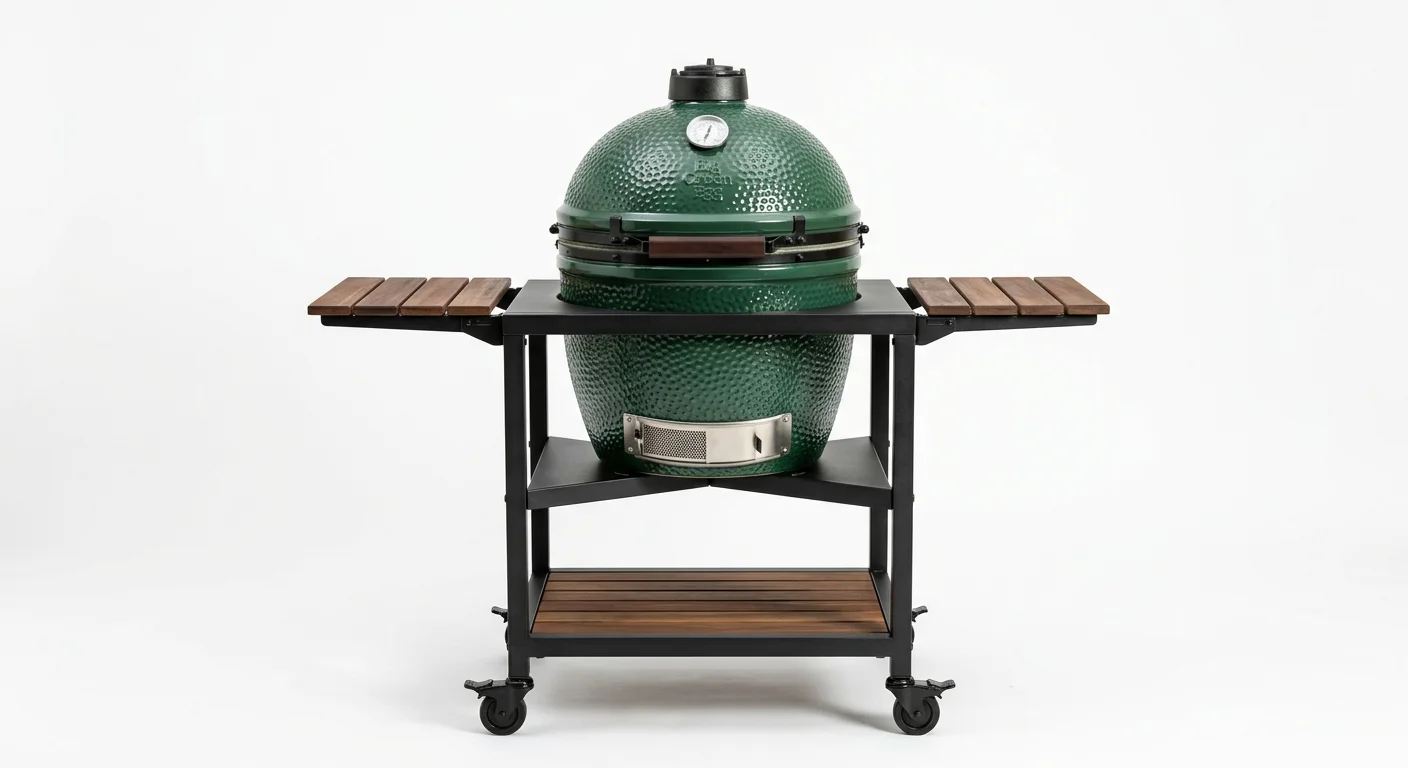
For residents in the modern apartment complexes or the smaller townhouses in Playa Flamenca, mobility and space-saving are the priorities. A medium-sized Kamado on a wheeled "nest" or cart allows you to move the grill into the corner of the terrace when not in use, protecting it from the direct path of the calima dust and sun. If your terrace is particularly narrow, perhaps around two meters deep, a 15-inch or 18-inch model is the most practical choice. These smaller units still offer the full range of cooking techniques but heat up faster—often ready to cook in fifteen minutes—making them more practical for daily use. Many of my clients in these property types also explore the addition of a dedicated pizza-oven. While a Kamado can bake a great pizza, a specialized stone oven reaches 450°C much faster, which is ideal if you are catering for children or larger family gatherings where you need to produce a pizza every ninety seconds.
Another consideration for the local expat community is the versatility of the accessories. Given the high cost of electricity in Spain, using the Kamado as a traditional oven is a smart move. I have helped many families set up their grills with heat deflectors, which are ceramic plates that sit between the coals and the food. This turns the unit into an indirect convection oven. You can bake bread, roast a whole chicken, or even cook a Sunday roast with all the trimmings. For those who enjoy the British tradition of a roast dinner but find the Spanish summer too hot to turn on the indoor oven, the Kamado becomes an essential appliance. The thick ceramic walls retain heat so efficiently that even after the food is done, the unit remains warm for hours, which is excellent for keeping plates warm or slowly proofing dough for the next day.
Delivery, Installation, and Local Expertise
Navigating the logistics of delivering a 100kg ceramic grill in this region requires more than just a van and a pallet jack. Having operated across the southern Costa Blanca for years, we understand the specific challenges of our local infrastructure. We regularly deliver to the established streets of Torrevieja, the newer developments in Pilar de la Horadada, and the hilltop properties in San Miguel de Salinas. We know that many urbanisations have narrow entrance gates or strictly timed access for delivery vehicles. We also understand that many properties, especially in the "Orihuela Costa" zone, have external spiral staircases or tight Mediterranean-style tiled entries that require a two-person team and specialized lifting equipment to avoid damaging the property or the grill itself.
Our service goes beyond just dropping a box at your gate. We provide a full "White Glove" assembly and positioning service. This is particularly important for Kamado grills because the internal ceramic firebox and rings must be aligned perfectly to ensure proper airflow and thermal efficiency. If the internal components are misaligned by even a few centimeters, you will struggle to control the temperature, leading to frustration and wasted fuel. We also take the time to explain the initial "seasoning" process and how to manage the vents during our specific humidity levels. For instance, in the humid evenings near the Rojales salt flats, the air density changes, and you need to adjust your bottom vent slightly differently than you would in the dry mountain air of the interior.
When you invest between 800 EUR and 3,500 EUR in an outdoor cooking system, you deserve advice that comes from someone who has actually cooked in this climate. I have personally tested every model we sell against the local elements. I know which covers will fade in the sun and which hinges will squeak after a salt-heavy sea mist. We are not just a warehouse; we are your neighbors who understand that outdoor cooking is the heart of life in Spain. If you are unsure which size fits your terrace or how to integrate a grill into your existing space, I offer a free consultation service. We can discuss your specific property layout, your cooking style, and help you choose a setup that will last for a decade, not just a couple of summers. Whether you are in the middle of a renovation or just looking to upgrade your current terrace, we have the local knowledge to ensure your outdoor kitchen becomes the most used part of your home.
 JW'"
/>
JW'"
/>