Outdoor Living in Orihuela Costa
Orihuela Costa is the southern Costa Blanca’s largest expat corridor, with 30,000 residents spread across Playa Flamenca, La Zenia, Cabo Roig, Villamartín, and Campoamor — 60% of them British, Scandinavian, and Irish.
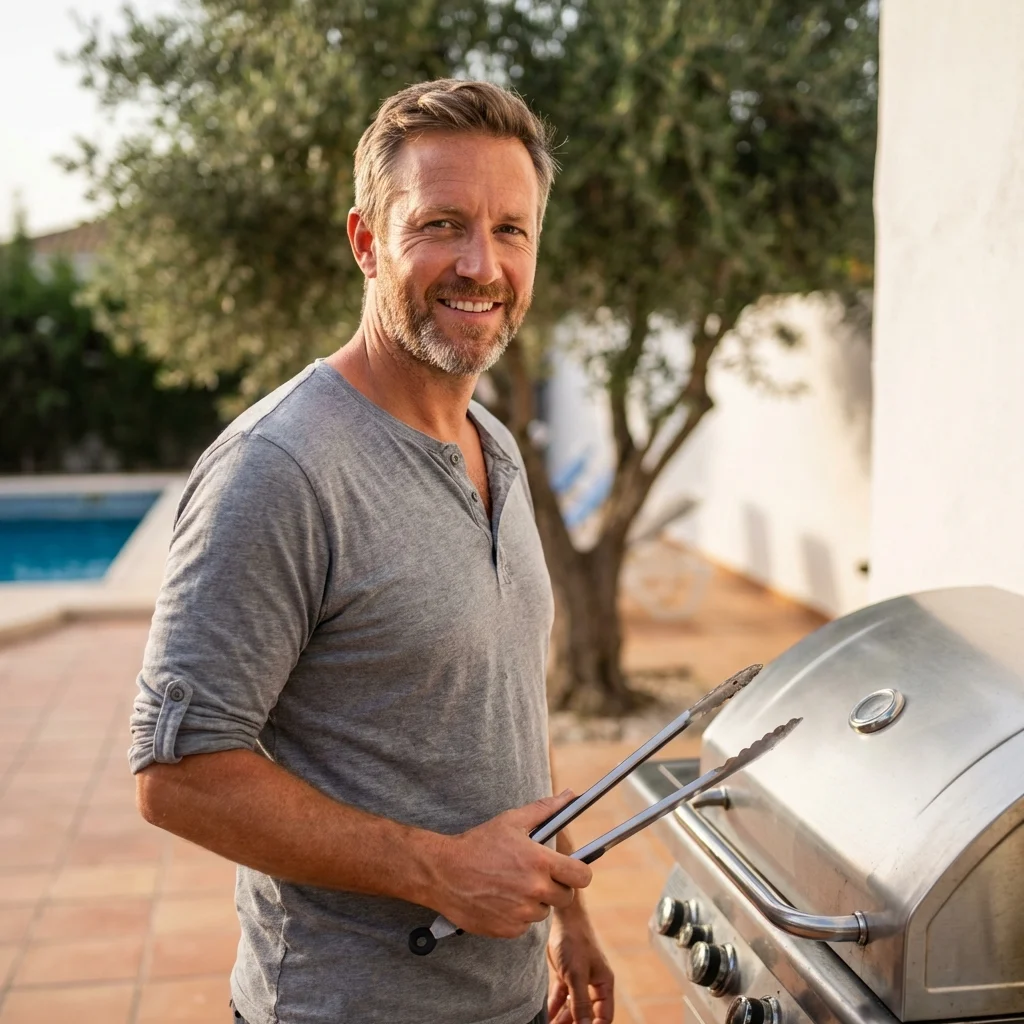
Orihuela Costa is not a single town but a string of purpose-built coastal urbanisations stretching from Punta Prima in the north to Dehesa de Campoamor in the south. Each has its own character, but they share a common thread: expat communities who have embraced outdoor living with an enthusiasm that surprises even the locals. On any given weekend between March and November, the scent of barbecue smoke drifts across rooftop solariums and poolside terraces from La Zenia to Cabo Roig.
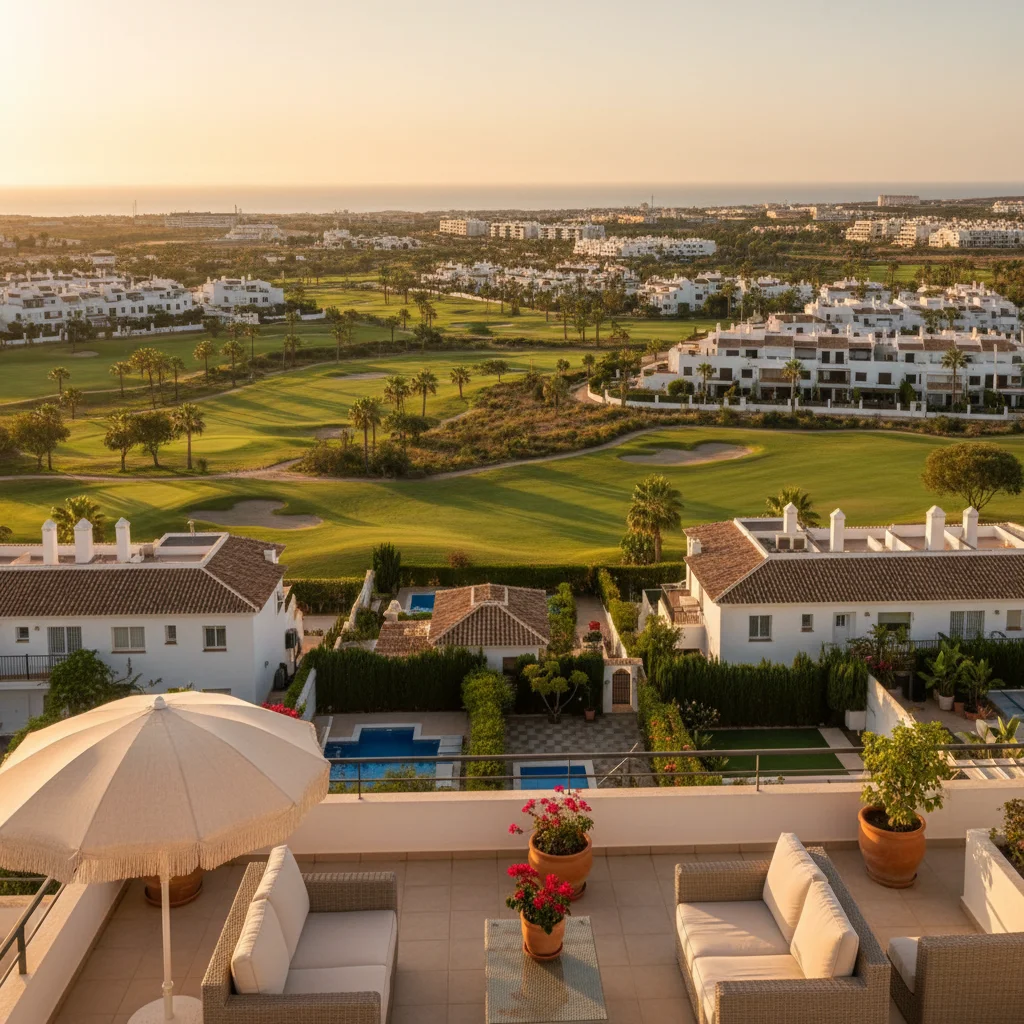
The property mix is diverse. Villamartín and Playa Flamenca lean toward apartments and townhouses with communal pools, where rooftop solariums of 15–30 square metres serve as outdoor kitchens, dining rooms, and sunbathing spots all in one. Cabo Roig and Dehesa de Campoamor offer more detached villas with private gardens and larger terraces. Average property prices sit around €200,000, though Campoamor stretches higher.
Social life revolves around the commercial centres — La Zenia Boulevard, the Cabo Roig strip, the Villamartín plaza — and the beach bars and restaurants that line the coast. The British pub culture here is strong, and many expats replicate that social atmosphere at home with regular barbecue gatherings.
Orihuela Costa’s diverse property mix — from Villamartín apartments with rooftop solariums to Cabo Roig villas with private gardens — supports outdoor cooking setups at every scale and budget.
Choosing Your Setup in Orihuela Costa
Whether you are grilling on a La Zenia solarium or building a full outdoor kitchen beside a Campoamor pool, Orihuela Costa’s year-round sunshine justifies serious investment in outdoor cooking equipment.
For apartment and townhouse owners in Playa Flamenca and Villamartín, space efficiency is everything. A compact kamado grill (around 38–47cm) fits comfortably on most solariums and delivers remarkable versatility — grilling, smoking, roasting, and even baking pizza. Pair it with a foldable prep cart and you have a complete cooking station that stores neatly when not in use.
Villa owners in Cabo Roig, Campoamor, and Dehesa de Campoamor have room for more ambitious projects. Costa Blanca Outdoors recommends a built-in gas BBQ as the foundation, adding a pizza oven for weekend entertaining and a kamado for the dedicated cooks in the family. Natural stone or tiled countertops tie the setup into the existing terrace aesthetic.
Gas is the most popular fuel choice across Orihuela Costa. Butane bombonas are available at petrol stations and hardware stores throughout the area, and many properties have existing gas points. For charcoal and wood, local suppliers serve the corridor from Torrevieja through to Pilar de la Horadada.
Costa Blanca Outdoors recommends compact 38–47cm kamado grills for Orihuela Costa apartment solariums, and built-in gas BBQ foundations with pizza oven additions for villa owners in Cabo Roig and Campoamor.
Delivery to Orihuela Costa
We deliver across all Orihuela Costa urbanisations weekly, from Punta Prima to Dehesa de Campoamor, with experience navigating gated communities and apartment block access.
Orihuela Costa is our highest-volume delivery area on the southern Costa Blanca. We know the access points for gated communities, the parking restrictions near La Zenia Boulevard, and the best times to deliver to apartment complexes without disrupting communal areas. For solarium deliveries in Villamartín and Playa Flamenca, we confirm staircase and lift access in advance — getting a kamado grill to a fourth-floor rooftop requires planning.
Every delivery includes full setup and a walkthrough. For built-in kitchen projects, we coordinate with local contractors who specialise in terrace construction across the urbanisations and understand each community’s building regulations.
We serve neighbouring Torrevieja and Rojales on the same runs, and customers in San Miguel de Salinas are just inland. Standard delivery is 5–10 working days for stocked items.
Managing the Intense Exposure of Orihuela Costa Terraces
Living on the Orihuela Costa offers a lifestyle that revolves almost entirely around the terrace, but the geographical reality of this region presents unique challenges for outdoor comfort. With a resident population of roughly 30,000 people, about 60% of whom are international expats, the way we use our outdoor spaces is distinct from the northern parts of the province. Whether you are settled in a golf resort community in Villamartín or an apartment closer to the coast in Playa Flamenca, the sun here is objectively more aggressive. Because we are further south and sit in a drier, hotter pocket of the Costa Blanca, the traditional Spanish "siesta" hours are not just a cultural quirk but a necessity. The average property price here sits around €180,000, which typically secures a well-sized urbanization villa or a modern apartment with a generous balcony. However, those spaces are often unusable from June through September without professional-grade shading. The British, Scandinavian, and German residents who make up the bulk of our community tend to prioritize outdoor dining and lounging, often investing heavily in high-quality dining-sets and rattan-lounge-sets, only to find they cannot sit at them after 11:00 AM.
The architecture in areas like La Zenia and Cabo Roig often features south or west-facing terraces designed to capture maximum light, which is wonderful in January but brutal in July. I have seen hundreds of homeowners struggle with cheap, supermarket-grade umbrellas that last exactly one season before the fabric fades to a dull grey or the mechanism snaps during a sudden afternoon gust. In this part of the coast, shade is an architectural requirement. A well-placed cantilever parasol or a custom-tensioned shade sail does more than just block light; it lowers the ambient temperature of your external walls, which in turn reduces your air conditioning costs inside. We are dealing with a climate that is noticeably drier than the Marina Alta to the north, meaning the heat is more radiant and the UV index consistently hits the extreme range. When you are planning your outdoor layout, you have to think about the trajectory of the sun over the Mediterranean and how it interacts with the specific footprint of your urbanization plot.
Technical Considerations for the Southern Costa Blanca Climate
When choosing between a parasol and a shade sail for a home in this specific area, you have to account for the environmental factors that are unique to the southern tip of the province. The first major factor is the proximity to the Torrevieja and La Mata salt lakes. This creates a specific type of humidity that, when mixed with the salt air from the coast, is incredibly corrosive to low-grade metals. If you buy a parasol with a powder-coated steel frame for a property in Cabo Roig, you will likely see rust spots appearing within eighteen months. For this reason, I always steer my clients toward high-gauge aluminum frames or marine-grade stainless steel fixings. Aluminum does not rust, and in our salt-rich environment, it is the only sensible choice for longevity. Furthermore, the fabric choice is non-negotiable. I recommend solution-dyed acrylic fabrics, such as Sunbrella or similar high-spec textiles. Unlike polyester, which is essentially painted with color, solution-dyed fibers have the pigment locked into the material itself. This prevents the "Calima" dust—that fine red sand that blows over from the Sahara—from grinding into the fibers and causing permanent staining. A quick hose down after a Calima event is usually enough to keep a high-quality fabric looking new, whereas cheaper materials will hold that red tint forever.
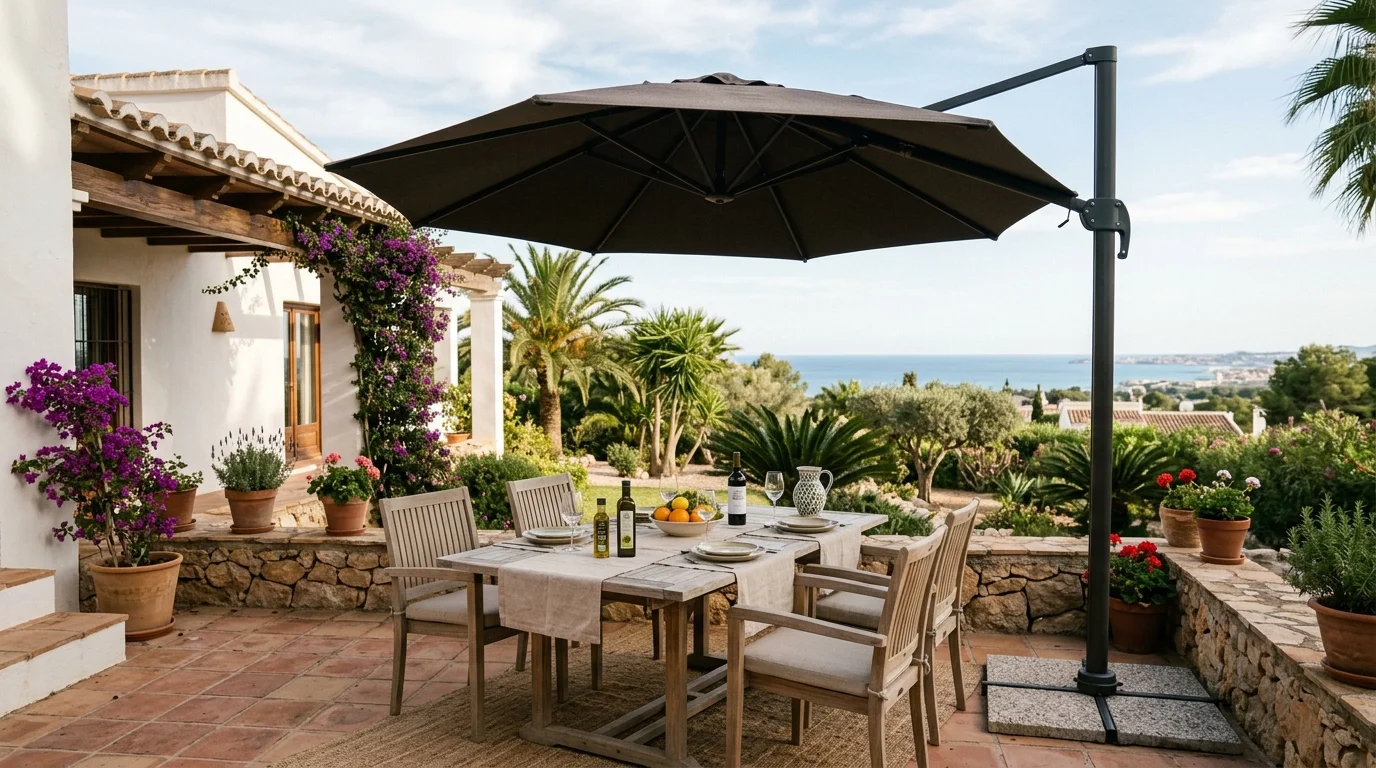
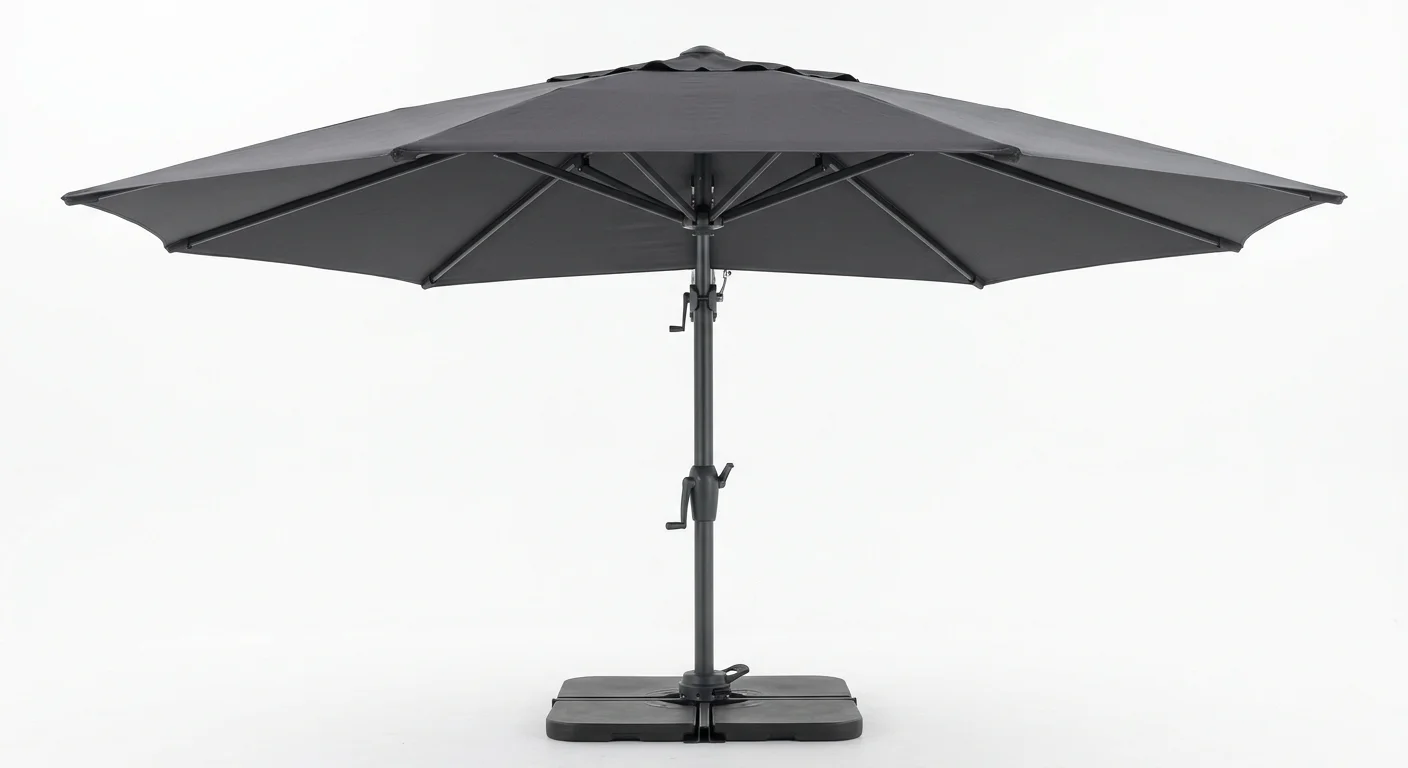
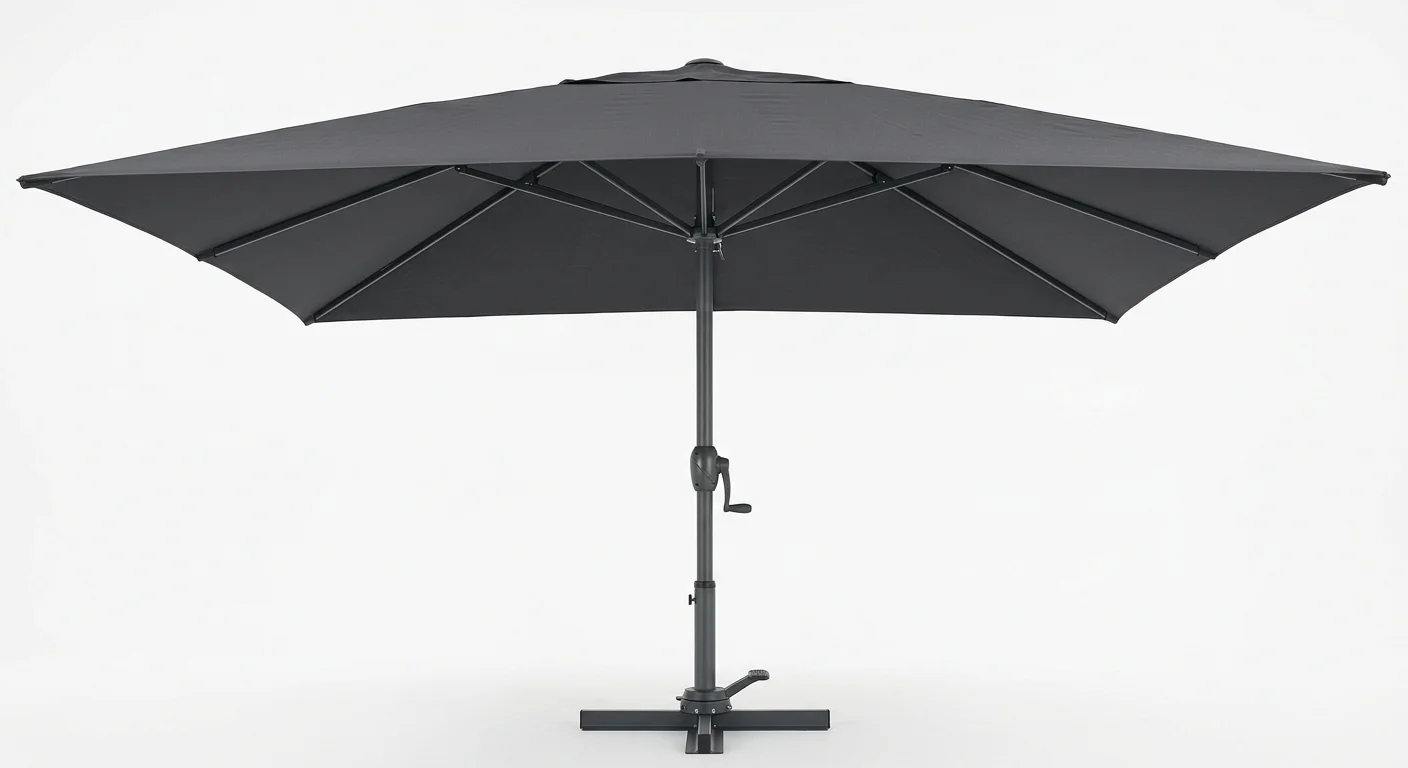
Wind is the second critical factor. The afternoon "Levante" breeze can pick up quickly across the flat plains of the Orihuela Costa. A standard 3-meter market umbrella with a 15kg base is a projectile waiting to happen. For a cantilever parasol, which hangs the canopy from a side arm, you need a minimum base weight of 90kg to 120kg depending on the canopy size. We often recommend a 3x3 meter square cantilever with a 360-degree rotation feature, priced around €650 to €950 for a mid-range, wind-rated model. This allows you to track the sun from its midday peak until it drops behind the buildings in the late afternoon without moving the heavy base. Additionally, you must be aware of the "Comunidad de Propietarios" or community rules. Many urbanizations in this area have strict bylaws regarding the color of external sunshades to maintain a uniform aesthetic. Before you commit to a bright blue or striped canopy, check your community statutes. Most allow neutral tones like sand, anthracite, or ecru, which fortunately are the most effective at reflecting heat and hiding the occasional layer of Mediterranean dust.
Tailoring Shade Solutions to Your Property Type
The best shade configuration depends heavily on whether you are occupying a detached villa in a golf community or a coastal apartment. For those living in the larger villas of Villamartín or the older, established plots of Cabo Roig, space is less of a constraint, but wind exposure is higher. In these settings, a large-format cantilever parasol is usually the superior choice. It provides a clean, unobstructed space beneath the canopy, which is ideal for covering large dining-sets or integrated outdoor kitchens. If you have a dedicated sun-lounger area by a private pool, a cantilever allows you to swing the shade over the water or over the deck as needed. For a high-end villa setup, a heavy-duty 4x4 meter parasol with integrated LED lighting and a wind-vented canopy can cost upwards of €1,800, but it functions as a permanent architectural feature rather than a temporary accessory. This type of investment pays off because the frames are built to withstand the intense thermal expansion that occurs when metal sits in the 40-degree Spanish sun all day.
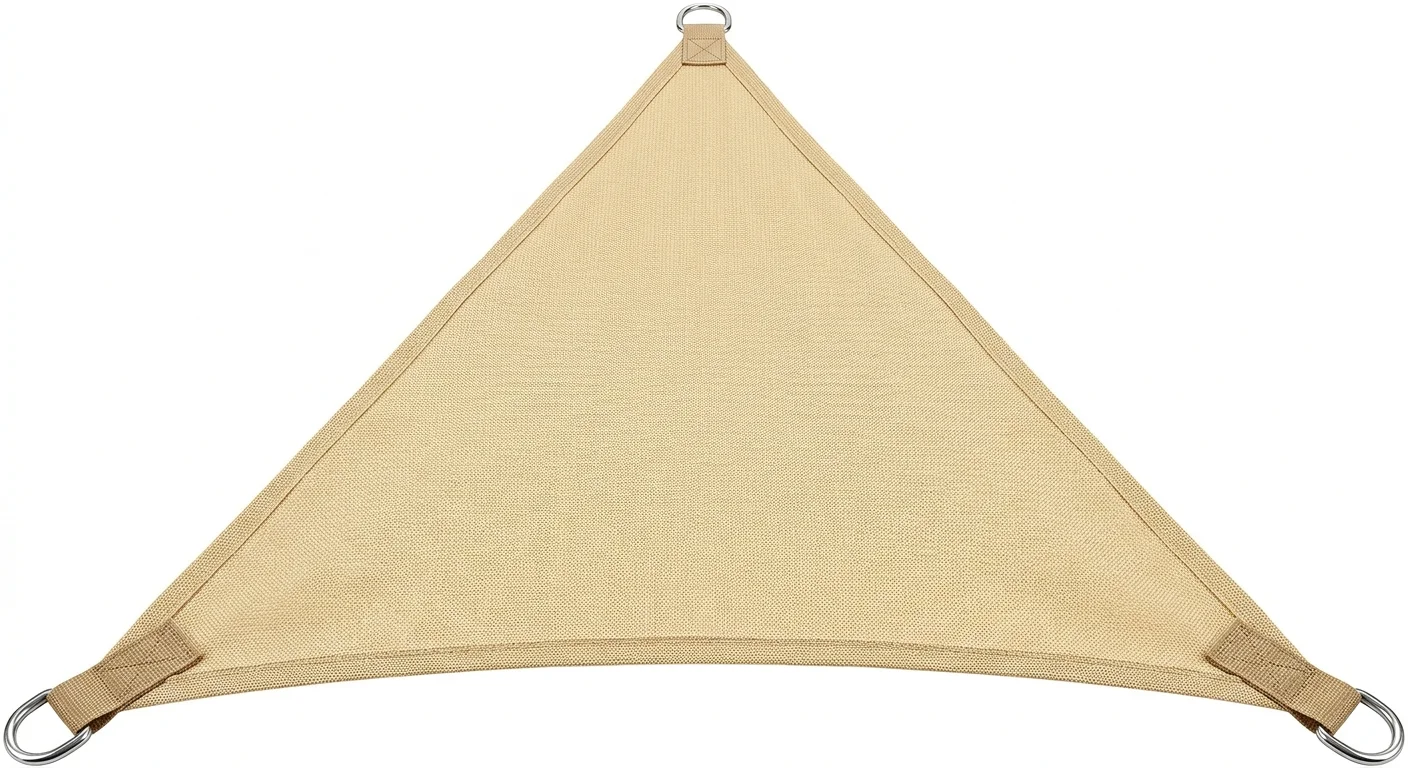
Conversely, for apartments in Playa Flamenca or La Zenia, the challenges are usually floor space and mounting restrictions. You may not have the room for a 100kg granite parasol base. In these cases, we often look at shade sails or wall-mounted parasols. A high-tension shade sail can be a brilliant solution for a penthouse terrace, but it must be installed correctly. I have seen too many "DIY" sails attached to chimney stacks or weak railings, which can cause structural damage during a storm. A professional installation involves marine-grade 316 stainless steel eyelets and turnbuckles, ensuring the sail is taut enough to prevent "pooling" during the rare but heavy Mediterranean downpours. A custom-cut, UV-stabilized shade sail for a standard apartment terrace typically ranges from €300 to €700 including hardware. If you prefer a more flexible option, a half-parasol—designed to sit flush against a wall—is a practical way to shade a narrow balcony while still leaving room for a small bistro set or a couple of sun-loungers. Integrating these shade solutions with your existing furniture is key; a parasol should feel like an extension of your rattan-lounge-sets, creating a defined "outdoor room" that remains cool even when the stone tiles underfoot are hot enough to burn.
Local Logistics and Expert Delivery in the Region
Navigating the logistics of the Orihuela Costa requires more than just a GPS. After years of delivering to this area, I know that the narrow, winding streets of the older urbanizations in Cabo Roig or the gated entries of certain golf resorts in Villamartín require specific planning. We don't just drop a box at your gate. When we deliver a 120kg parasol base or a large-format shade sail, we understand the physical reality of the property. This often means navigating external spiral staircases to reach solariums or coordinating with community security to gain access for our delivery vehicles. We serve the entire Orihuela Costa corridor, including neighboring Torrevieja, Pilar de la Horadada, San Miguel de Salinas, and Rojales. Each of these towns has its own micro-climate and architectural quirks. For example, homes in San Miguel de Salinas often sit higher and face more direct wind from the inland plains, requiring even more robust anchoring systems than those in the sheltered coves of the coast.
Our local knowledge extends to the practicalities of Spanish living that a generic retailer simply won't mention. We know which way the wind typically blows on a summer evening in Playa Flamenca and which urbanizations have the strictest rules about permanent awnings. When we provide a consultation, we aren't just looking at the square footage; we are looking at the orientation of your terrace relative to the salt lakes and the sea. We understand that a delivery to a third-floor apartment near La Zenia Boulevard is a different operation than a delivery to a sprawling villa near the Campoamor golf course. This expertise ensures that the product you buy is actually fit for purpose and won't be destroyed by the first "Gota Fría" of the autumn. If you are unsure about which fabric will best resist the calima or which base weight is necessary for your specific wind exposure, I am always available for a professional assessment. We offer free consultations to help you navigate the price range of €100 to €2,000, ensuring you invest in a shade solution that makes your outdoor space the sanctuary it was intended to be. Whether you need to shade a single lounger or a full dining area, we have the local experience to get it right the first time.
 JW'"
/>
JW'"
/>