Outdoor Living in San Miguel de Salinas
San Miguel de Salinas is a genuine Spanish market town where 55% of its 7,500 residents are expats — British, German, and Scandinavian — who enjoy affordable properties with outdoor spaces and an authentic local atmosphere.
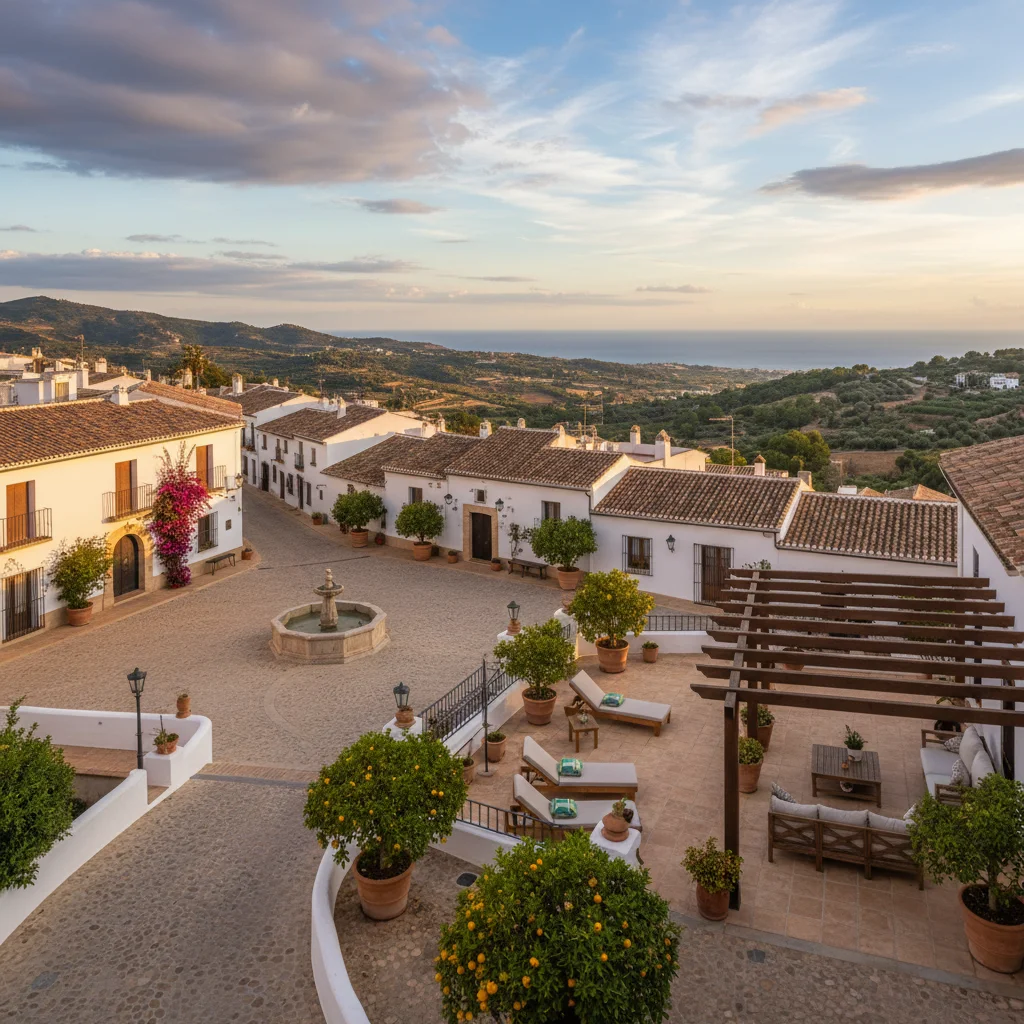
San Miguel de Salinas occupies a unique position on the southern Costa Blanca. It is not a purpose-built resort or a coastal strip — it is a working Spanish town with a church square, a weekly Saturday market, and tapas bars where expats and locals mix naturally. That authenticity is exactly what draws people here.
Properties average around €160,000, typically offering detached or semi-detached villas with private gardens, pools, and terraces of 20–40 square metres. These homes were built for the Mediterranean climate, with covered outdoor areas designed for dining through the long summer and mild winter.
The Saturday market is the social heartbeat. Stalls selling fresh produce, local cheeses, and cured meats spill through the streets, and many expats time their weekly barbecue shop around the market — picking up marinated chicken, chorizo, and bags of local charcoal all in one trip.
San Miguel de Salinas blends authentic Spanish market-town culture with affordable expat-friendly villas averaging €160,000, offering terraces and gardens ideal for outdoor cooking setups.
Choosing Your Setup in San Miguel de Salinas
Affordable property prices and generous outdoor spaces make San Miguel de Salinas an excellent location for value-conscious expats to invest in quality outdoor cooking equipment.
Gas BBQs are the workhorse of San Miguel kitchens. A solid three-burner gas grill covers weeknight dinners and weekend entertaining alike, and butane is easy to source from the town’s hardware stores and petrol stations. Many residents start with a gas BBQ and add to their setup over time — a pattern we see more here than in any other town we serve.
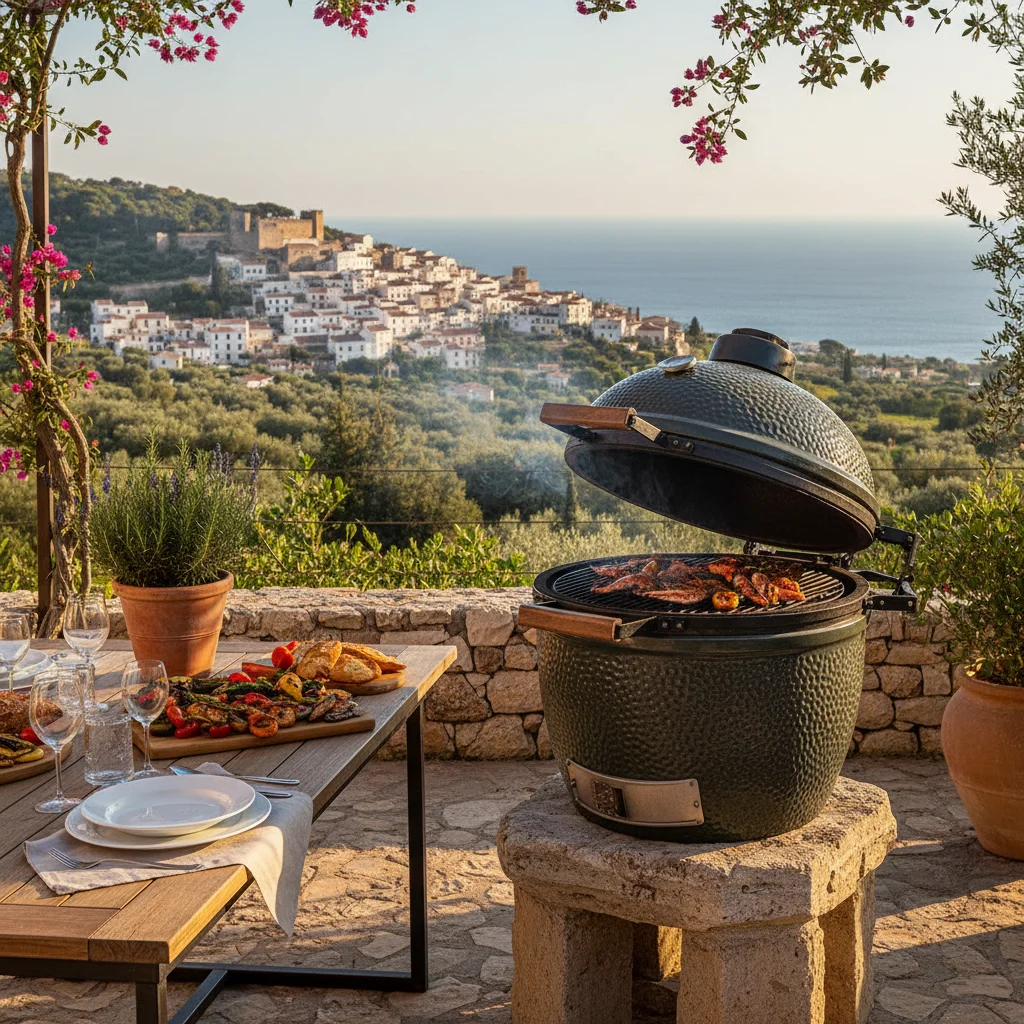
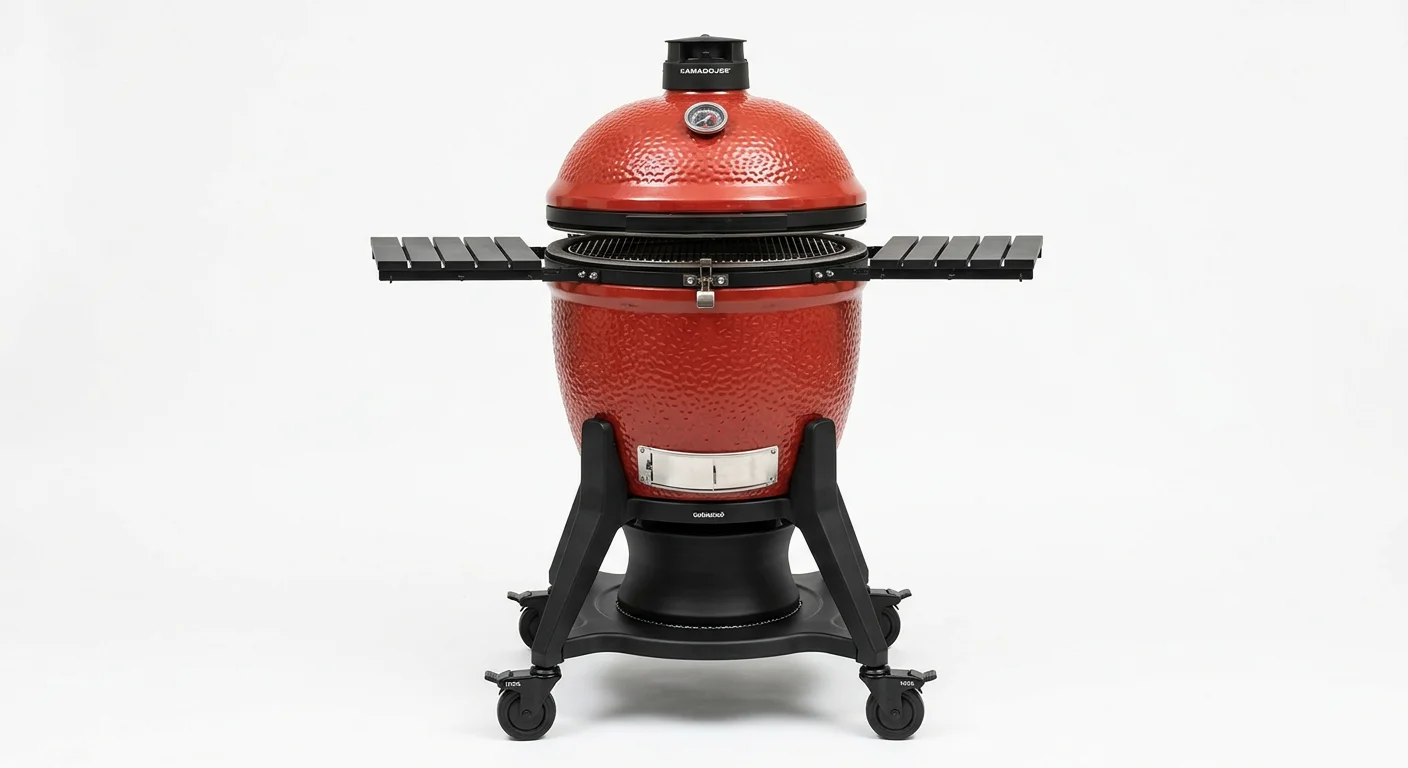
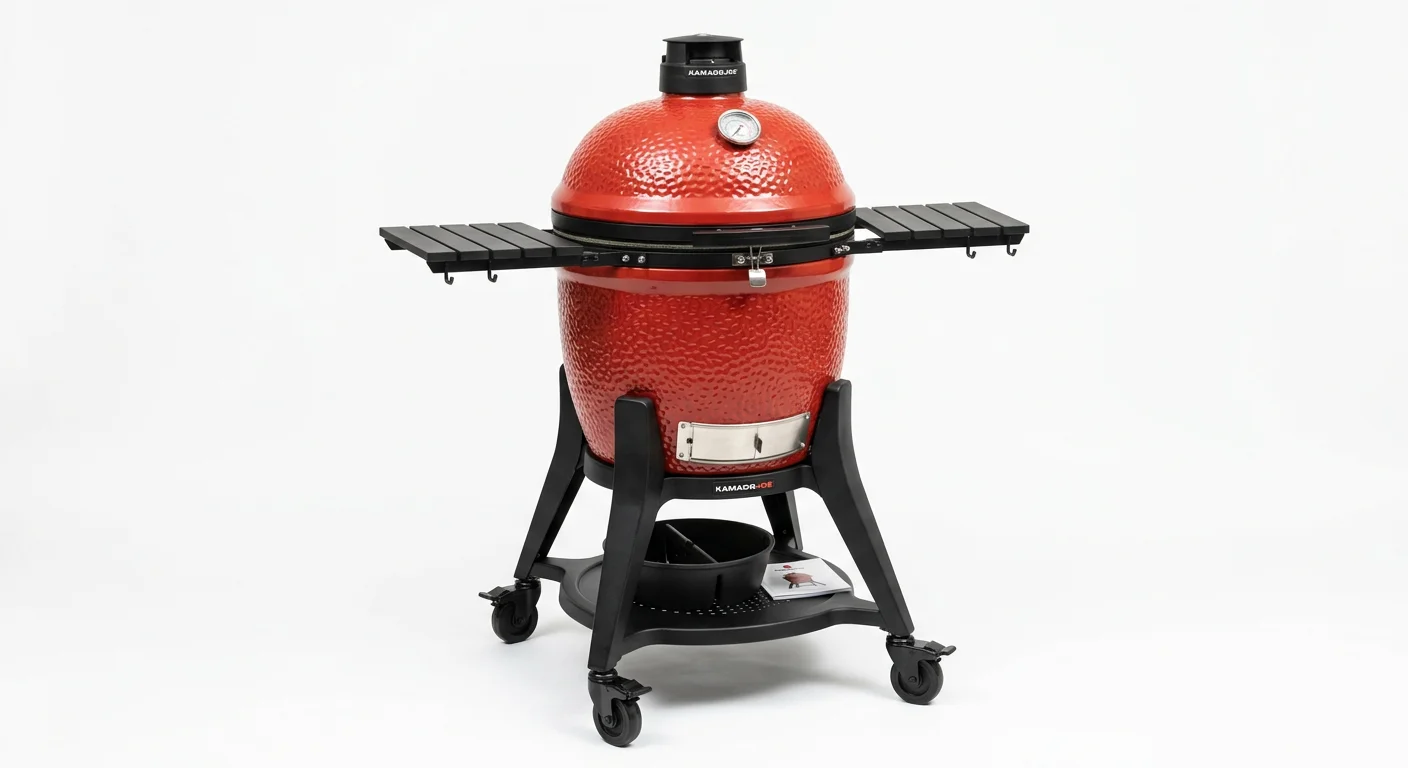
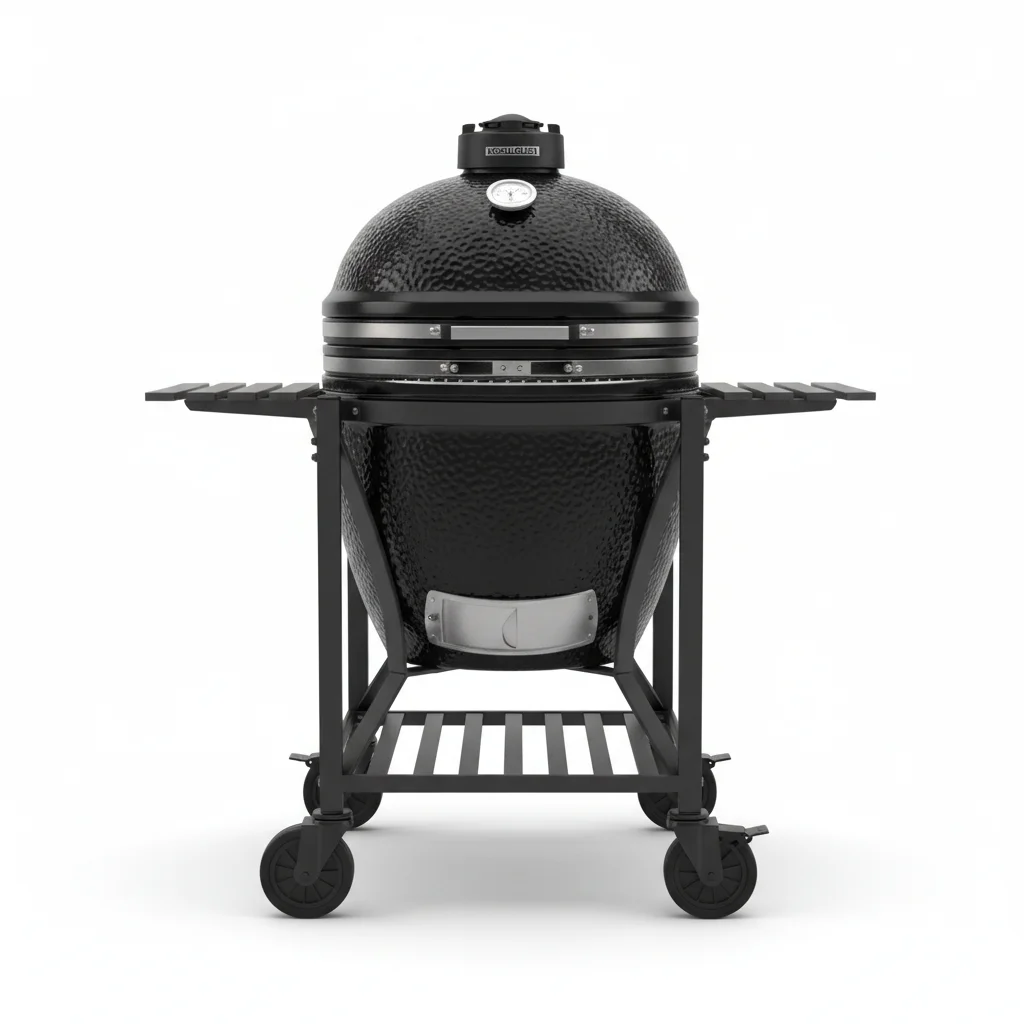
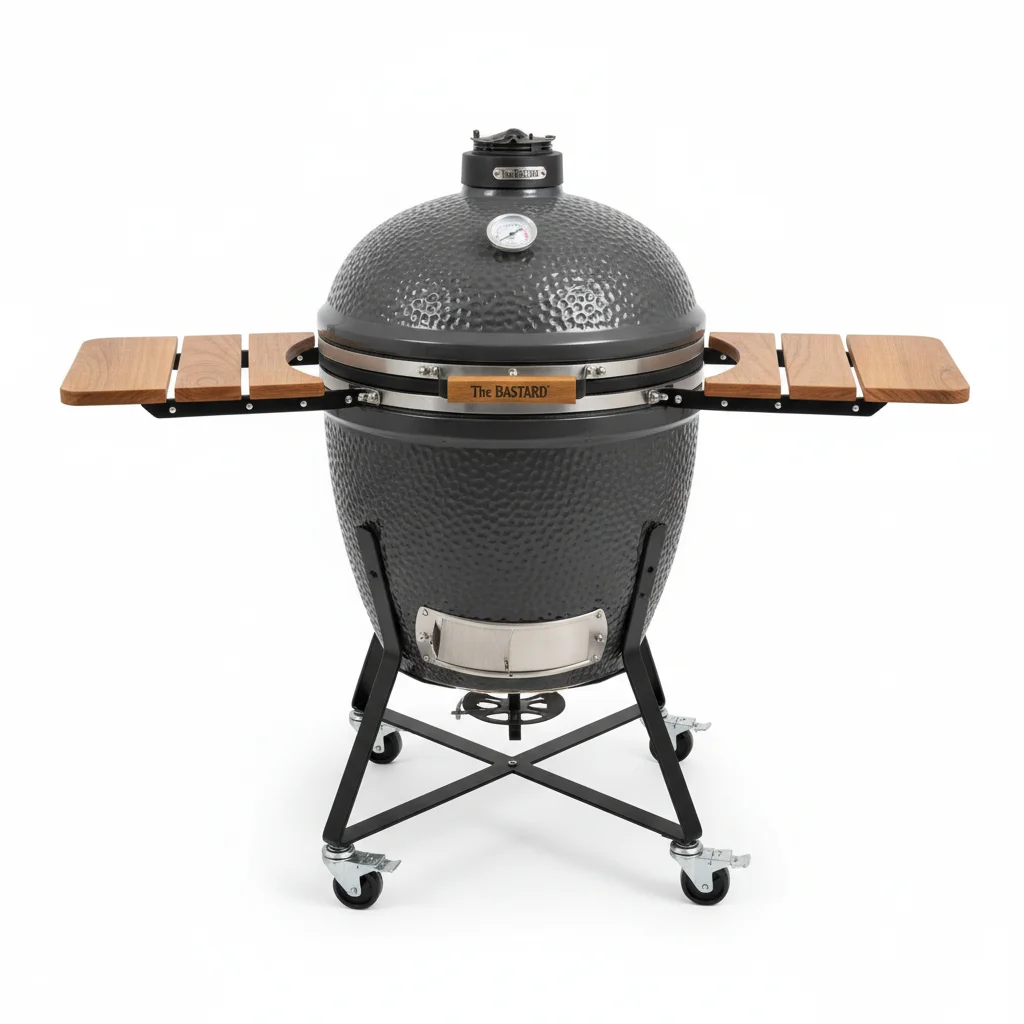
Kamado grills appeal to the growing number of residents who want to go beyond basic grilling. The ability to smoke brisket low and slow on a Saturday morning, then crank the temperature for pizza that evening, makes the kamado a genuine all-in-one solution. Costa Blanca Outdoors recommends the kamado as a second piece for San Miguel customers who already own a gas BBQ and want to expand their repertoire.
Wood-fired pizza ovens fit naturally into the surrounding landscape. The agricultural character of the area means firewood — almond and olive — is available directly from local farmers at prices well below coastal retail. A countertop pizza oven on a sturdy stand is the most popular configuration here, offering authentic wood-fired results without requiring a permanent stone installation.
Costa Blanca Outdoors recommends the kamado grill as an ideal second piece for San Miguel de Salinas residents who already own a gas BBQ and want to expand into smoking, roasting, and pizza.
Delivery to San Miguel de Salinas
We deliver to San Miguel de Salinas and its surrounding urbanisaciones on our regular southern inland route, with straightforward access to the area’s residential properties.
San Miguel de Salinas is well connected to our southern delivery network. The town sits at a crossroads between the coast and the inland communities, making it a natural stop on routes that also serve Orihuela Costa, Algorfa, and Torrevieja. Residential roads are wide and access is rarely an issue — a welcome simplicity for delivering heavy equipment.
Every delivery includes unpacking, full assembly, terrace or garden placement, and a hands-on walkthrough of your new grill, oven, or kitchen setup. For built-in projects, we work with local contractors familiar with the construction standards across San Miguel’s urbanisaciones.
Standard delivery takes 5–10 working days for in-stock items. Custom outdoor kitchen projects typically run 3–4 weeks including design and installation.
Kamado BBQs in San Miguel de Salinas: Expert Advice for the Southern Costa Blanca
Perched on the ridge overlooking the salt lakes, this town occupies a unique position on the Costa Blanca. It acts as a bridge between the coastal energy of the Orihuela Costa and the traditional agricultural heartland of the Vega Baja. Because the town sits slightly higher than its neighbors, the environmental factors affecting outdoor cooking are distinct. When you are looking across the expanse toward the Mediterranean, you are dealing with a specific microclimate defined by the Sierra Escalona to the south and the intense humidity generated by the Torrevieja salt lagoons. For the 54.6% of residents who have moved here from abroad—largely from the UK, Scandinavia, and Germany—the transition to outdoor living often centers around the terrace. Whether you are living in a traditional townhouse near the church or a modern villa within one of the nearby golf resort communities, the choice of a grill is rarely just about food. It is about finding equipment that can withstand the aggressive Spanish elements while delivering a level of culinary versatility that a standard gas grill simply cannot match.
The property landscape here is diverse, ranging from compact apartments in the center to sprawling villas on the outskirts where the average property price sits around EUR 150,000. This affordability has drawn a demographic that values quality of life, often spending the majority of their time outdoors between May and October. In this environment, the Kamado BBQ has become a standout choice. Unlike thin-walled metal grills that radiate heat and struggle to maintain a consistent internal temperature when the afternoon breeze kicks up from the coast, a ceramic Kamado utilizes high-grade thermal mass. This is particularly relevant for the local international community. Our Scandinavian neighbors often look for the low-and-slow smoking capabilities for fish and game, while British expats tend to prioritize the ability to roast a full Sunday lunch without heating up the kitchen inside the house. The Saturday market is a local institution, and bringing home high-quality local lamb or fresh vegetables requires a cooking vessel that respects the ingredients. A ceramic grill, with its ability to lock in moisture through its airtight seal, is the only tool that truly does justice to the local produce found in this part of the province.
Living on the edge of the Sierra Escalona provides a beautiful backdrop, but it also means dealing with specific environmental challenges. The primary concern for any outdoor investment here is the combination of intense UV radiation and the salt-laden air. Even though the town is situated inland, the moisture coming off the salt lakes is corrosive. I have seen countless mid-range stainless steel grills pitted with rust after just two seasons because the grade of metal used for the hinges and carts was insufficient. A Kamado solves the primary issue of body degradation because the main structure is glazed ceramic, which is virtually impervious to salt and sun. However, not all ceramic grills are built the same. When I help families set up their outdoor spaces, I emphasize the importance of the hardware. You want 304-grade stainless steel or powder-coated galvanized steel for the bands and hinges. Anything less will succumb to the humidity.
The "Calima" is another factor that local residents know all too well. That fine, reddish Saharan dust settles on everything and, when mixed with a light morning dew, creates a mildly acidic paste. On a standard BBQ, this can ruin the finish or clog burners. With a Kamado, a simple wipe-down of the glazed exterior is all that is required. Internally, a high-heat burn-off—taking the unit up to 300°C for twenty minutes—will clean the interior ceramics more effectively than any chemical cleaner. This ease of maintenance is vital for those who want to spend their time enjoying the Sierra Escalona views rather than scrubbing grates. Furthermore, for those living in communities with a "comunidad de propietarios," smoke management is a frequent concern. A common misconception is that charcoal grills are antisocial due to smoke. In reality, a Kamado is much more efficient than an open grill. Because you control the oxygen flow so precisely, you can achieve a clean, blue smoke within ten minutes of lighting. This is far more neighbor-friendly than the billowing white smoke produced by cheaper charcoal basins found in local hardware stores.
For those considering a specific entry point into this world, I often point toward the Kamado Joe Classic II, which typically retails around EUR 1,590. This model is a benchmark for this region because it includes a wire mesh fiberglass gasket rather than the traditional felt one. In our dry, hot climate, felt gaskets tend to brittle and fail within a single season. The fiberglass version handles the intense heat of a July afternoon much more effectively. Additionally, the air-lift hinge is a lifesaver. Ceramic lids are heavy, often exceeding 20kg, and the spring-loaded mechanism allows you to open the grill with a single finger—a small detail that matters when you are multitasking on a busy terrace.
When it comes to fuel, I strictly recommend high-density hardwood lump charcoal, such as Quebracho or Marabú. Avoid the briquettes found in supermarkets near the coast. They contain fillers and binders that produce excessive ash and can give your food a chemical aftertaste. Because the ceramic walls are so efficient at retaining heat, you will find that a 10kg bag of quality charcoal lasts significantly longer than it would in a metal kettle grill. In the height of summer, when the ambient temperature is already 35°C, the insulation of the Kamado means you aren't fighting the exterior heat to maintain your internal cooking temperature. This precision is what allows you to bake bread or even cook a Neapolitan-style pizza at 400°C in the middle of August without breaking a sweat.
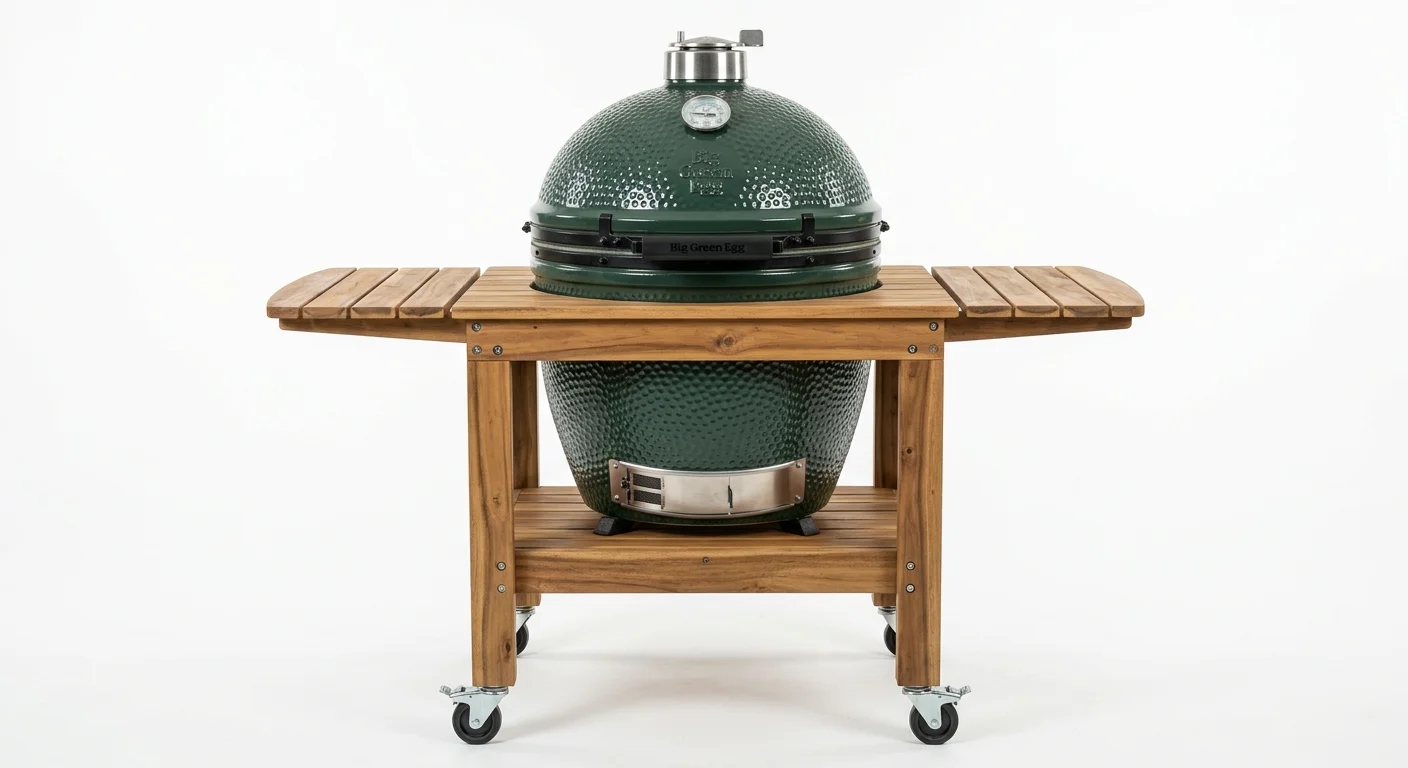
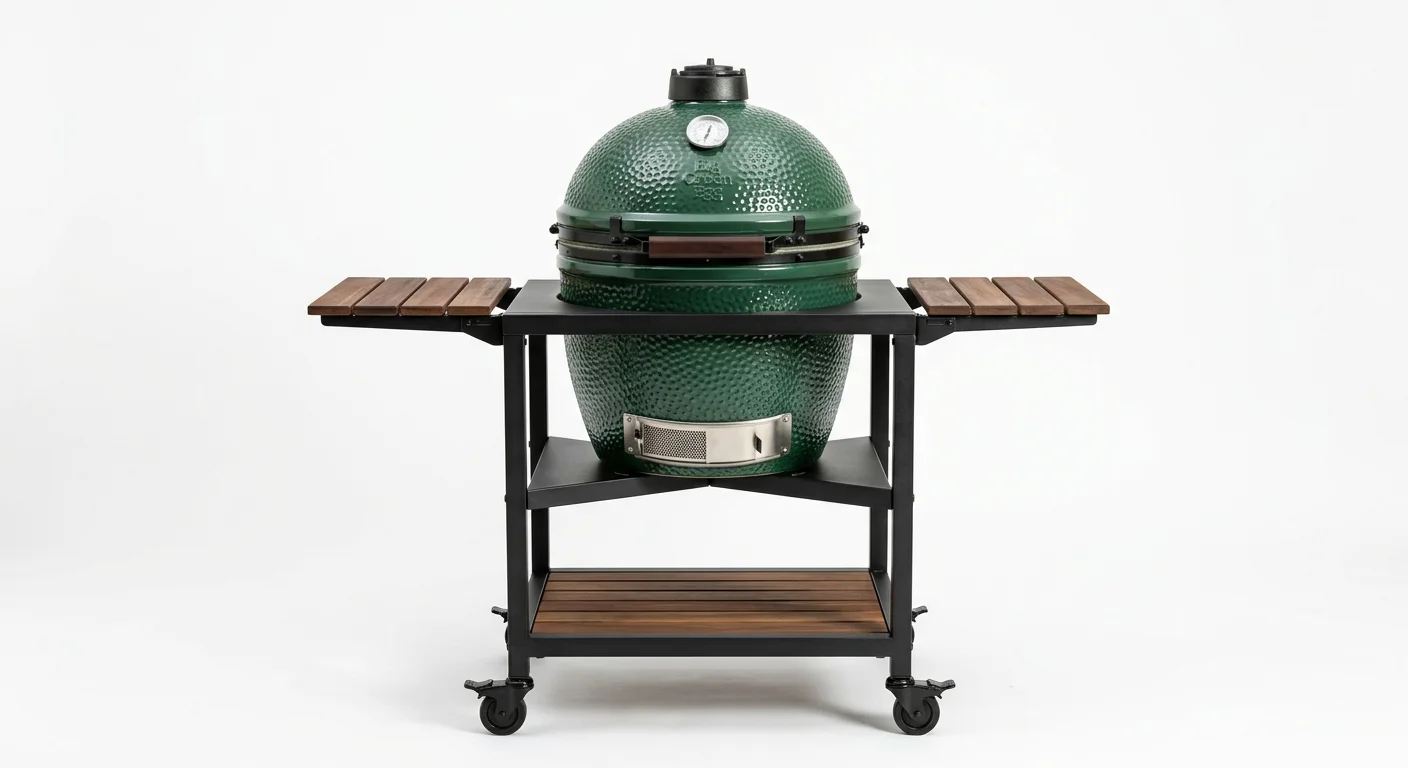
Recommendations for your specific property type are essential to ensure the grill is an asset rather than an obstacle. For those residing in the villas around the golf courses or the larger detached homes near the town center, a built-in configuration is often the best route. If you have a terrace larger than 25m², integrating a Big Green Egg Large (approximately EUR 1,950 for the unit alone) into a custom outdoor kitchen provides a permanent cooking station. I often suggest pairing this with a small gas-bbq for those times when you simply want to sear a steak in five minutes. However, for the core of your cooking—the roasts, the slow-cooked ribs, and the sourdough—the Kamado is the centerpiece. When building these into a station, you must ensure a "nest" or a concrete plinth is used to provide an air gap underneath the base. Placing the ceramic directly on a stone or tiled surface can lead to heat transfer issues and potentially crack the tile.
If you are living in one of the apartments or smaller townhouses, perhaps with a balcony or a shared garden space, I suggest the Monolith Junior or the Kamado Joe Junior, which can be found for roughly EUR 800 to EUR 950. These units have a cooking diameter of around 33cm to 35cm. While smaller, they offer the exact same thermal properties as their larger siblings. The advantage here is portability and weight. A full-sized Kamado can weigh upwards of 100kg, which is a significant consideration for balcony load-bearing and general maneuverability. The Junior models are perfect for a couple or a small family, and they are incredibly efficient with fuel. You can also easily pair these with a dedicated pizza-oven if you have the space, though many of my clients find the Kamado's ability to hit high temperatures makes a standalone pizza oven redundant unless they are hosting large parties.
Integration with other outdoor elements is where the true value lies. Many residents are moving toward full outdoor-kitchen setups to avoid heating the interior of their homes during the punishing summer months. A Kamado works perfectly as the "heavy lifter" in these setups. Because it functions as an oven, a grill, and a smoker, it replaces three different appliances. I have worked with many families who have moved away from traditional Mediterranean "barbacoas" built of brick. While those look traditional, they are notoriously difficult to control and consume vast amounts of wood. A ceramic grill gives you that same wood-fired flavor but with the precision of an indoor electric oven. This level of control is what allows you to experiment with more complex recipes that the local Saturday market ingredients deserve.
My team and I are frequently in the area, delivering to the town center as well as neighboring orihuela-costa, torrevieja, and algorfa. Logistics in this part of the Costa Blanca can be tricky. Some of the older streets in the village center are narrow, and some of the newer urbanizations have steep, winding driveways that can be a challenge for standard delivery trucks. This is why we don't just "drop and go." When we deliver a Kamado, we handle the assembly and the positioning. These units are fragile until they are fully assembled and placed, and the last thing you want is a cracked firebox because a delivery driver was in a rush. We also provide an initial walkthrough on air-flow management—showing you exactly how to set the top and bottom vents to hit that perfect 110°C for a slow roast or 300°C for searing.
Understanding the local wind patterns is another piece of "local-only" knowledge I share with my clients. In the late afternoon, the thermal winds coming off the Sierra Escalona can create a localized draft. If your Kamado is positioned with the bottom vent facing directly into this wind, your temperatures can spike unexpectedly. Positioning the grill so it is shielded or perpendicular to the prevailing breeze is a small adjustment that makes a massive difference in your cooking consistency. It is these small, site-specific details that ensure your outdoor cooking experience is a success from day one.
If you are considering upgrading your outdoor space or are frustrated with the lifespan of your current metal grill, I am happy to offer a free consultation. I can visit your property to look at the space, check the floor load-capacity for the heavier ceramic models, and discuss which size and brand would best suit your cooking style and your community's regulations. Living here is about making the most of the 300+ days of sunshine we get every year, and there is no better way to do that than by mastering the art of ceramic cooking. Whether you are in a modern apartment or a traditional villa, there is a configuration that will turn your terrace into the best restaurant in town. Reach out to me directly, and let’s ensure your outdoor kitchen is built to last in this beautiful, but demanding, corner of the Costa Blanca.
 JW'"
/>
JW'"
/>