Outdoor Living in Pilar de la Horadada
Pilar de la Horadada is the southernmost town in Alicante province, home to 25,000 residents with roughly 30% expats — British, German, and Nordic — spread between the traditional town centre and the popular coastal developments at Mil Palmeras and Torre de la Horadada.
Pilar de la Horadada sits right on the border with Murcia, giving it a character that blends Costa Blanca lifestyle with the slightly rawer, less developed feel of the coast further south. The town itself is a working Spanish agricultural centre — citrus and artichoke fields stretch inland — while the coast at Mil Palmeras and Torre de la Horadada has developed into a thriving expat community with modern apartment complexes, beachfront restaurants, and a Saturday morning market that draws crowds from across the southern Costa Blanca.
Mil Palmeras takes its name from the thousand palm trees planted along its beachfront promenade, and the area has grown into one of the south coast’s most popular residential zones. Modern villas and low-rise apartment buildings line the streets behind the beach, many with communal pools and gardens. Torre de la Horadada, centred on its sixteenth-century watchtower and small marina, has a more established feel with a mix of Spanish and expat residents.
Property prices average around €190,000, with modern two-bedroom apartments near the beach from €120,000 and detached villas with pools from €250,000 upwards. Lo Romero Golf, inland from the town centre, adds another residential cluster where golfers and retirees enjoy larger properties with open views across the countryside.
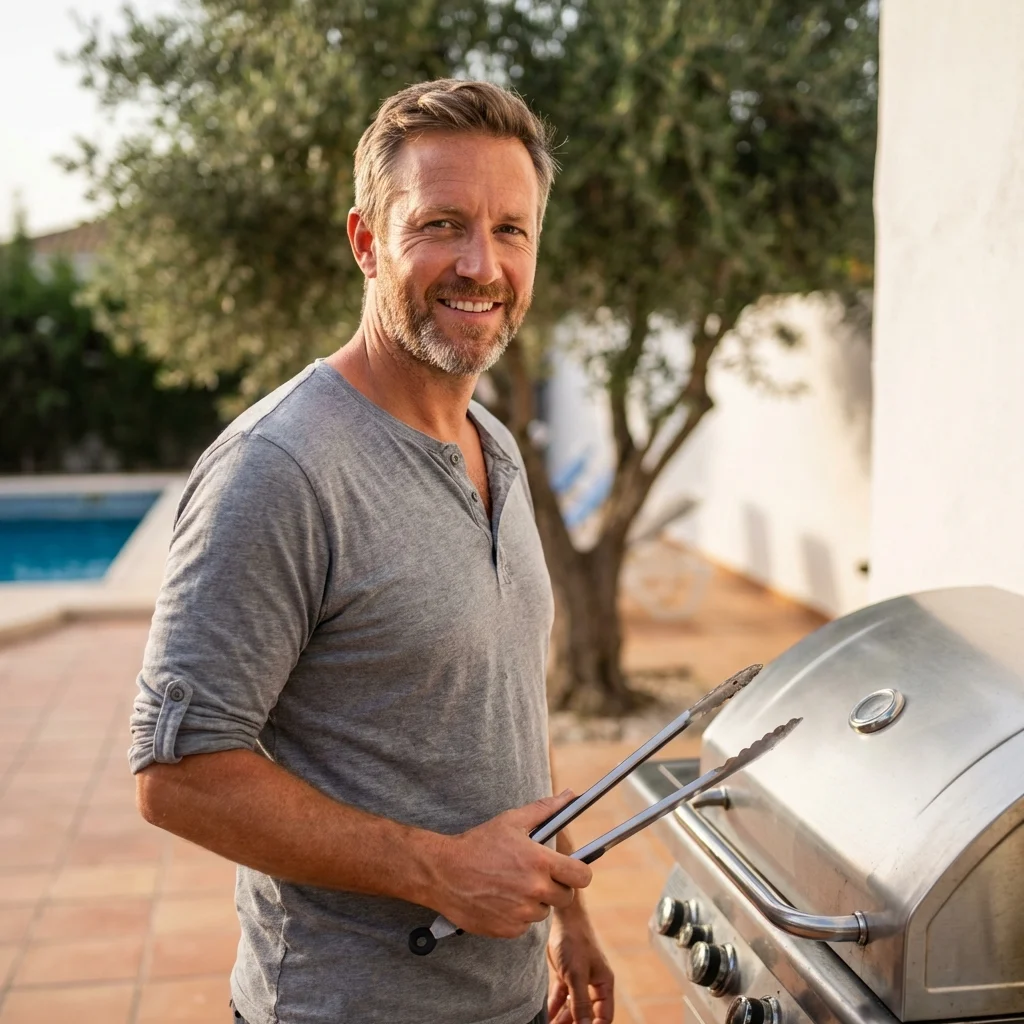
Pilar de la Horadada offers a mix of modern coastal living at Mil Palmeras and Torre de la Horadada, traditional Spanish town life inland, and spacious golf properties at Lo Romero — each presenting different outdoor cooking opportunities.
Choosing Your Setup in Pilar de la Horadada
The split between coastal apartments and inland villas in Pilar de la Horadada means equipment recommendations vary significantly depending on which part of town you call home.
Apartment owners at Mil Palmeras and Torre de la Horadada typically have terraces of 10 to 20 square metres, often with sea views that make outdoor dining a daily pleasure. For these spaces, Costa Blanca Outdoors recommends a compact gas BBQ — a quality 2-burner unit on a wheeled cart that can roll to the railing for cooking and tuck against the wall when not in use. Alternatively, an 18-inch kamado on a sturdy table offers smoking, grilling, and baking in a single compact unit.
Villa owners around Lo Romero Golf and the residential streets between the town centre and the coast have considerably more room to work with. A built-in gas BBQ with a stone or tile surround is the backbone of most installations we complete here. The modern construction of these properties — concrete block walls, tiled terraces, flat garden areas — makes outdoor kitchen installation straightforward compared to older traditional builds.
For the growing number of homeowners who want a complete outdoor cooking station, we recommend pairing the built-in BBQ with a wood-fired pizza oven. The coastal breeze at Mil Palmeras disperses smoke quickly, and the flat rooftop terraces on some of the newer villa developments are ideal elevated locations for a pizza oven with panoramic views.
Costa Blanca Outdoors recommends compact gas BBQs or small kamados for Mil Palmeras apartments, and built-in BBQ islands paired with pizza ovens for the larger villa properties around Lo Romero and inland Pilar.
Delivery to Pilar de la Horadada
We deliver across Pilar de la Horadada, Mil Palmeras, Torre de la Horadada, and Lo Romero Golf on our regular southern coastal route — the southernmost point of our Alicante delivery area.
As the last town before the Murcia border, Pilar de la Horadada marks the southern edge of our standard delivery zone. We cover the area regularly, combining runs with nearby Orihuela Costa and San Miguel de Salinas, making the trip down the AP-7 motorway straightforward.
For coastal apartment deliveries at Mil Palmeras and Torre de la Horadada, we confirm lift access and terrace dimensions in advance. Most of the modern blocks here have goods lifts, but we check every time to avoid surprises on delivery day. Villa deliveries at Lo Romero and the inland residential areas are simpler — wide streets, open driveways, and direct garden access.
Every delivery includes full white-glove service: unpacking, assembly, positioning, and a complete equipment demonstration. Torrevieja is twenty minutes north on the same route, and we regularly combine deliveries across all three areas. Standard delivery takes 5–10 working days for in-stock products, with custom outdoor kitchen builds requiring 3–4 weeks including design and installation.
Extending the Season in the Southern Costa Blanca: A Local Guide to Glass Curtains and Glass Rooms
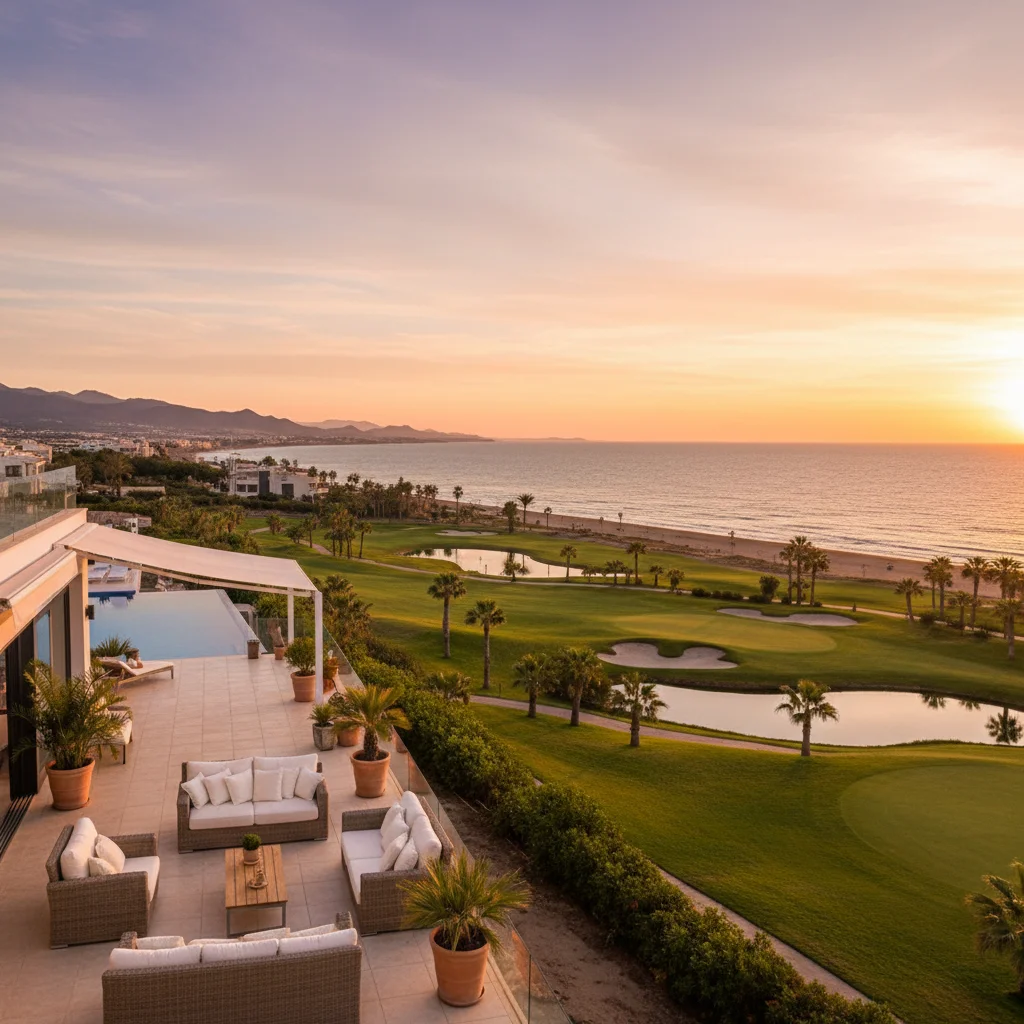
Living in this specific corner of the Vega Baja provides a lifestyle that is hard to replicate elsewhere in Spain. Being at the southernmost tip of the Valencian Community, the environment here is subtly different from the rugged cliffs of the northern coast. The landscape is flatter and more expansive, stretching from the sandy stretches of Mil Palmeras up toward the undulating greens of Lo Romero Golf. This geography dictates how we use our outdoor spaces. Because there are fewer natural windbreaks compared to the mountainous north, the breeze coming off the Mediterranean or across the salt lakes can be relentless. While that wind is a relief in August, it makes a standard terrace or balcony unusable for a significant portion of the year. This is why glass curtains and enclosed glass rooms have become the standard for residents who want to actually use the square meterage they paid for.
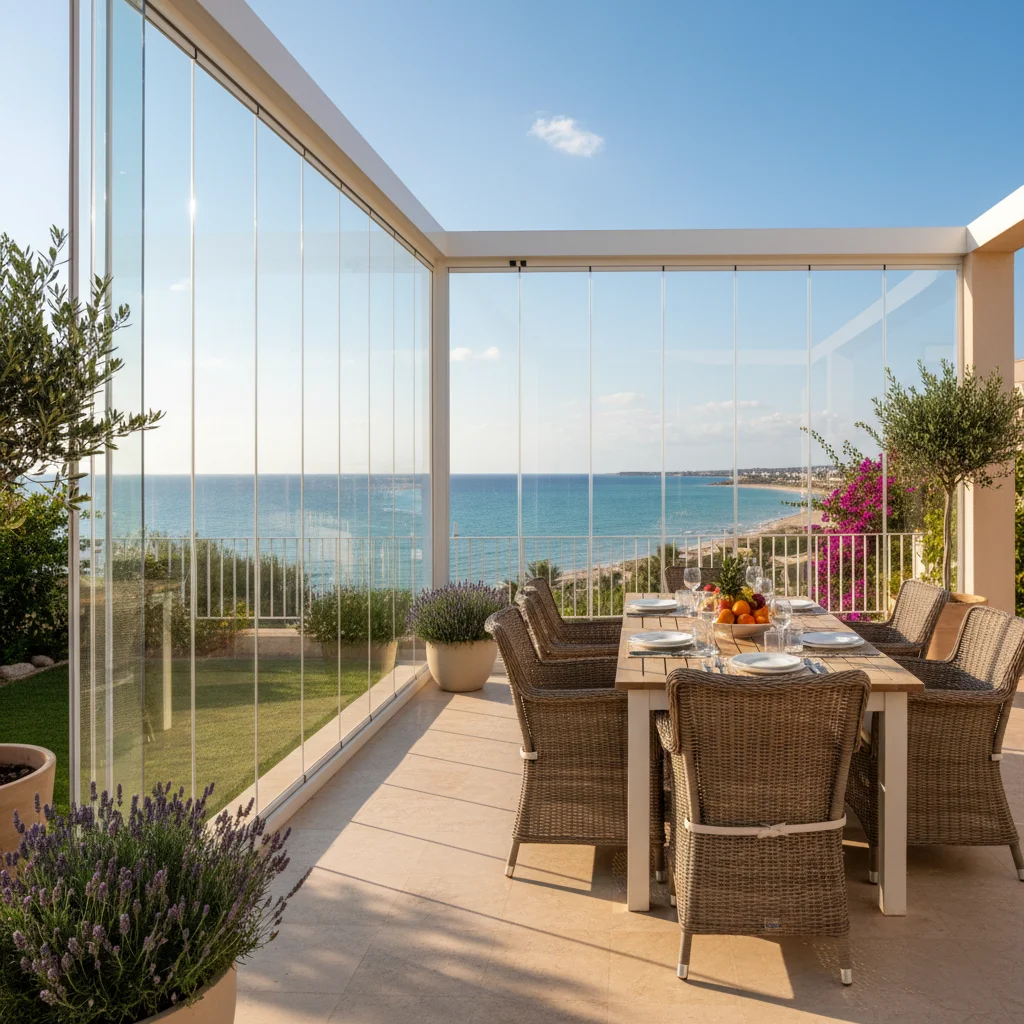
The demographic here is a unique blend of local Spanish families and a significant international community, which makes up about thirty percent of the local population. British, German, and Nordic residents have brought a specific culture of outdoor living that demands functionality. You likely moved here to enjoy the sun, but you soon realized that the "outdoor lifestyle" often involves fighting against the elements. Whether you are in a modern apartment overlooking the marina at Torre de la Horadada or a villa within a golf resort, your terrace is your most valuable asset. However, without a way to seal that space, it becomes a collector for dust and a wind tunnel during the winter months. Glass curtains act as a transparent skin for your home. They allow you to maintain that panoramic view toward the horizon while creating a thermal barrier that keeps the interior of your home warmer in winter and protects your outdoor furniture from the harsh environment.
In the various urbanisations spread across the municipality, property styles vary from compact apartments to sprawling villas. In areas like Lo Romero, the homes are often designed with large terraces to capitalize on the golf course views. The challenge I see most often is that these spaces are either too hot or too exposed. A glass room setup provides a solution that traditional construction cannot. Because these systems are frameless and technically classified as temporary or removable structures, they generally do not require the complex planning permission that a brick-and-mortar extension would. This is a massive advantage for international residents who want to expand their living area without navigating the bureaucratic labyrinth of the local Ayuntamiento for a major building license. It allows you to create a dining room, a home office, or a second lounge that feels like it is part of the garden while remaining entirely protected.
When we look at the practicalities of installing glass systems in this specific region, the climate is the primary driver of every decision. We are situated in a zone that is statistically hotter and drier than the northern half of the province. The afternoon sun here is incredibly intense. If you have a south-facing terrace in one of the newer developments, installing glass curtains alone can sometimes create a greenhouse effect. This is why I always discuss the integration of solar protection. For a standard four-meter balcony, a glass curtain installation might cost in the region of 3,500 EUR to 4,500 EUR, but the investment is incomplete without considering how you will manage the heat gain in July. I often recommend pairing the glass with internal pleated blinds or external awnings. This combination gives you total control. You can slide the glass panels open to catch the sea breeze in the evening or seal them shut and drop the blinds when the sun is at its peak.
The proximity to the salt lakes and the coast introduces another factor: humidity and salt air. If you are living near Torre de la Horadada, the salt content in the air is surprisingly corrosive. I have seen inferior glass systems where the rollers and tracks begin to pit and seize within just two years because they weren't rated for marine environments. For this area, I only recommend high-grade anodized aluminum tracks and stainless steel bearings. The "calima" is another local reality that many newcomers are unprepared for. These Saharan dust storms can turn a clean terrace into an orange mud pit in a matter of hours. With a sealed glass room or a set of glass curtains, you can simply close the system when the sky starts to turn that tell-tale shade of yellow. Instead of spending your Saturday scrubbing the floor tiles and washing your outdoor cushions, you simply hose down the exterior of the glass once the storm passes.
The rules of your Comunidad de Propietarios are the final hurdle. This is something I deal with daily. In many urbanisations, there are strict rules regarding the external appearance of the building. Because glass curtains are frameless, they are usually the only form of enclosure permitted by communities because they do not "break" the aesthetic of the facade. However, you must ensure that the profile color matches the existing carpentry of your building. If your neighbors have dark grey window frames, your glass curtain tracks must match. I have seen cases where owners had to remove expensive installations because they didn't match the community-approved RAL color code. For a mid-range villa, a full glass room enclosure—perhaps using a fixed roof or a bioclimatic system—might range from 8,000 EUR to 15,000 EUR, and in these cases, we always ensure the design sits below the wall line to stay within the community guidelines.
For those living in villas, particularly the detached properties found in the outskirts or near the golf courses, I usually recommend a more robust glass room configuration. These properties often have large, open "porches" or pergolas that are beautiful but impractical during the windy winter months. By installing a combination of fixed glass panels and sliding glass curtains, you can create a hybrid space. One of my favorite setups involves installing a bioclimatic pergola with integrated glass walls. This allows you to rotate the roof slats for ventilation and light control while the glass walls block the wind. This setup is perfect for the larger plots where you have the space to create a dedicated outdoor kitchen and lounge area. It effectively adds thirty or forty square meters of usable space to your home for a fraction of the cost of a traditional extension, and it adds significant value to the property, which is an important consideration given the average property price in the area is around 190,000 EUR.
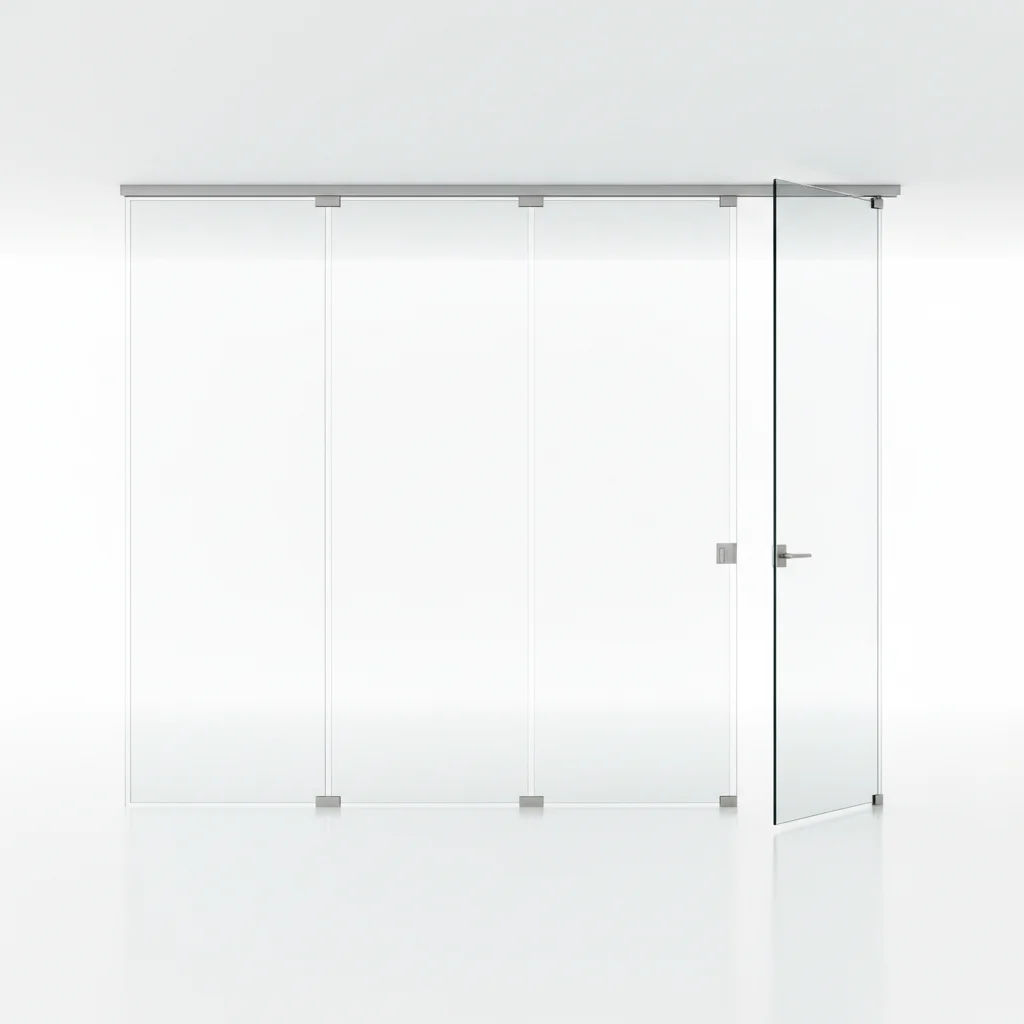
Apartment living requires a different approach. Space is at a premium, and the goal is usually to make the balcony feel like an extension of the living room. For an apartment balcony, I recommend the 10mm tempered glass "fold and slide" system. These panels slide along a single track and then pivot ninety degrees to stack neatly against the wall. This means that on a perfect spring day, you still have a completely open balcony with no vertical frames blocking your view. When the wind picks up, you can close just one or two panels to create a windbreak while keeping the rest of the space open. If you are on a higher floor with significant wind exposure, we sometimes move to 12mm glass for added rigidity and to prevent the "whistling" sound that can occur with thinner glass during a strong Levante wind.
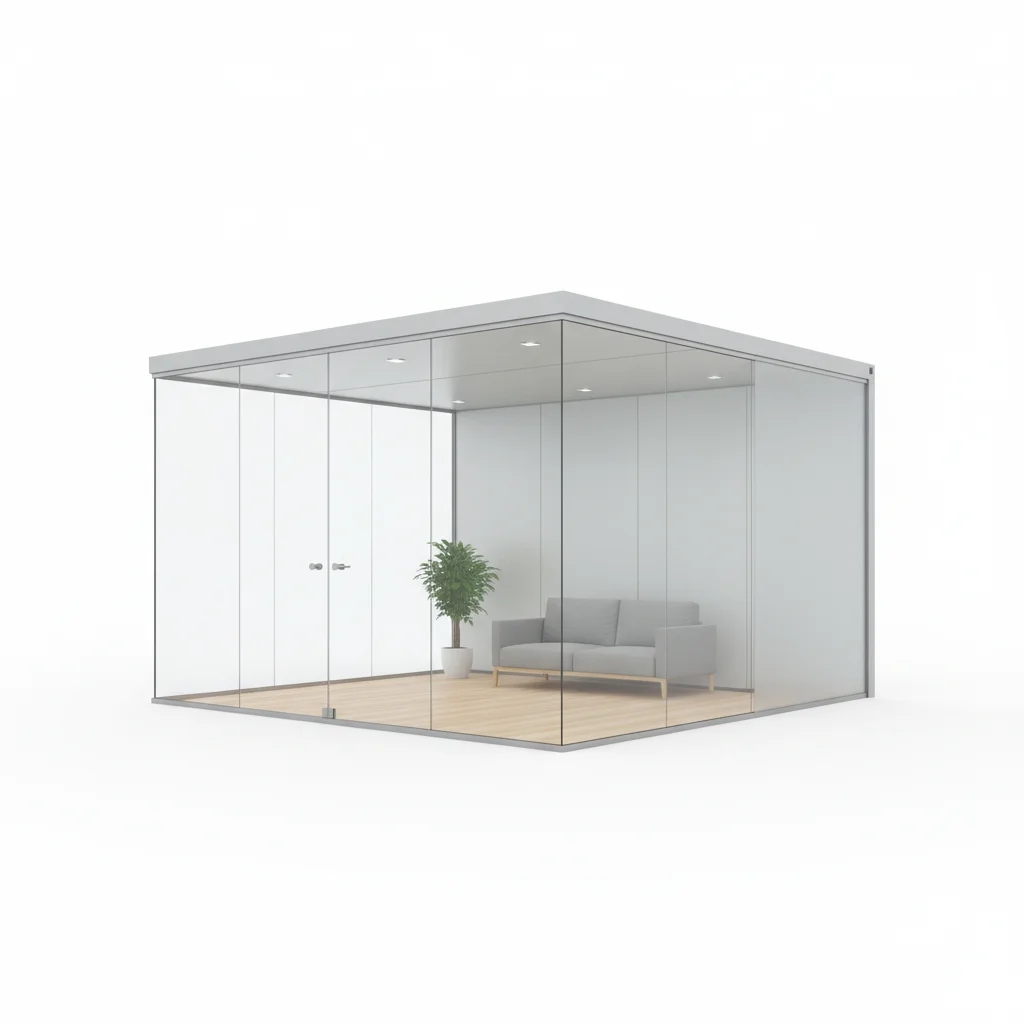
In addition to glass curtains, many residents find that adding a fixed-roof glass room is the best way to utilize a dead corner of a garden or a large solarium. On a rooftop solarium, the sun and wind are magnified. A glass room up there can become a sanctuary. You can install a small gym, an office, or even a bar area. Because the sun is so dominant here, we often use "Sun Guard" or reflective coatings on the glass for these rooftop installations. This technology filters out a large percentage of infrared heat while allowing the light to pass through. It is a more expensive option, usually adding about 15% to the total cost, but in the height of a Spanish summer, it is the difference between a room you can use and a room that is essentially an oven.
Maintaining these systems in this environment is relatively straightforward, but it requires consistency. The salt and dust I mentioned earlier can build up in the bottom tracks. If you don't vacuum out the tracks and spray the rollers with a dry silicone lubricant every few months, the panels won't glide as smoothly. I always tell my clients to avoid oil-based lubricants like WD-40, as these actually attract the calima dust and turn it into a thick paste that will eventually ruin the bearings. A quick rinse with fresh water to remove the salt spray is usually all the aluminum needs to stay looking new for a decade or more.
Our team is frequently working in the area, moving between the coastal stretches and the inland developments. We understand the logistical nuances of delivering to this region. For example, the older streets near the center of town can be quite narrow, making the delivery of large 3-meter glass panels a challenge that requires specialized transport and sometimes a crane lift. Conversely, the wide boulevards of the newer golf developments allow for much easier access but often have stricter rules regarding work hours and noise. We also regularly serve the surrounding areas like Orihuela Costa, San Miguel de Salinas, and Torrevieja, so we are well-versed in the different local community standards and micro-climates of the southern Costa Blanca.
When we plan an installation, we take into account the specific orientation of your home. A terrace facing the salt lakes will deal with different humidity levels than one facing the open sea. This local knowledge is what prevents a project from becoming a headache six months down the line. We don't just sell a product; we design a solution that fits the specific geography of your street and the way the sun hits your building. Whether you are looking to enclose a small balcony to keep the dust out or you want to build a grand glass-enclosed dining area in your garden, the goal is to make your outdoor space as comfortable as your indoor space.
If you are considering how to better utilize your terrace or garden, the best starting point is a conversation on-site. I can walk through your property with you, look at the orientation, check the community requirements, and give you a realistic idea of what is possible within your budget. There is no substitute for standing on the terrace and seeing exactly how the wind and light affect the space. We offer a free consultation where we can provide technical advice and a detailed quote based on the specific dimensions of your home. My aim is to ensure that every family I work with can enjoy the Spanish sunshine without being at the mercy of the Spanish weather.
 JW'"
/>
JW'"
/>