Outdoor Living in Torrevieja
Torrevieja is the Costa Blanca’s largest expat city, with 90,000 residents — 35% from abroad including British, Scandinavian, Russian, and German communities — and a property market offering outdoor cooking setups for every budget starting from €160,000.
Torrevieja operates at a different scale to every other town on the Costa Blanca. This is a proper city with year-round services, a full hospital, and an international population that creates a genuinely cosmopolitan atmosphere. The famous pink salt lakes, the beaches at La Mata and Los Locos, and the Habaneras commercial centre give the city an energy that smaller towns cannot replicate.
The property market is the most varied in the region. Seafront apartments with compact balconies sit alongside detached villas in the outskirts. La Mata has a more relaxed feel, while the centre around Los Locos beach buzzes with street life. Average prices around €160,000 make Torrevieja one of the most accessible entry points for expats on the Costa Blanca.
Over 30,000 foreign residents means every outdoor cooking culture is represented. British barbecue traditions, Scandinavian grilling techniques, Russian shashlik culture, and German Bratwurst expertise all coexist within a few square kilometres — a vibrant scene with no single dominant style.
Torrevieja’s 90,000 residents and 35% expat population make it the Costa Blanca’s largest international city, with diverse property types and outdoor cooking cultures from British, Scandinavian, Russian, and German communities.
Choosing Your Setup in Torrevieja
From compact balcony grills for seafront apartments to full outdoor kitchen builds for La Mata villas, Torrevieja’s varied property stock demands flexible equipment recommendations.
Apartment owners — and there are many in Torrevieja — need equipment that works within building community rules. Many apartment complexes have regulations about open-flame cooking on balconies, making electric grills or gas plancha units the safest choice. Costa Blanca Outdoors recommends checking your community’s normas before purchasing, and we are happy to advise on compliant options for any specific building.
For townhouse and villa owners in the residential areas behind Los Locos, along the La Mata strip, or in the urbanisaciones toward San Luis, the full range of options opens up. A gas BBQ is the essential starting point — reliable, fast, and perfect for the spontaneous midweek grilling that Torrevieja’s social calendar demands. Add a kamado grill for weekend projects, or a countertop pizza oven for something different.
Torrevieja’s coastal position means salt air is a factor for any metal equipment. Stainless-steel construction or properly rated powder-coat finishes will outlast cheaper alternatives by years. Consider this an investment in longevity — replacing a corroded budget grill every two seasons costs more than buying quality once.
Costa Blanca Outdoors recommends checking apartment community rules before purchasing balcony grills in Torrevieja, and investing in stainless-steel or marine-rated finishes to combat coastal salt air corrosion.
Delivery to Torrevieja
We deliver across all Torrevieja neighbourhoods weekly — from La Mata in the north to the city centre and southern residential areas — as the hub of our southern Costa Blanca route.
Torrevieja is the anchor point for our southern delivery operation. We know the city thoroughly — the one-way systems in the centre, the loading restrictions along the seafront, the access routes for apartment blocks near Los Locos, and the quieter streets of La Mata.
For apartment deliveries, we coordinate building access, lift capacity, and timing with building administrators in advance. Villa deliveries in the outskirts and urbanisaciones are straightforward, with wide roads and private driveways. Every delivery includes full unpacking, assembly, placement, and a walkthrough of your equipment.
Torrevieja connects naturally to our wider southern network. Orihuela Costa starts immediately to the south, Rojales and Ciudad Quesada are a ten-minute drive inland, and San Fulgencio sits just to the north. Standard delivery is 5–10 working days for in-stock items, with custom outdoor kitchen builds running 3–4 weeks from design to installation.
Maximising Outdoor Living with Glass Curtains and Glass Rooms in the Vega Baja
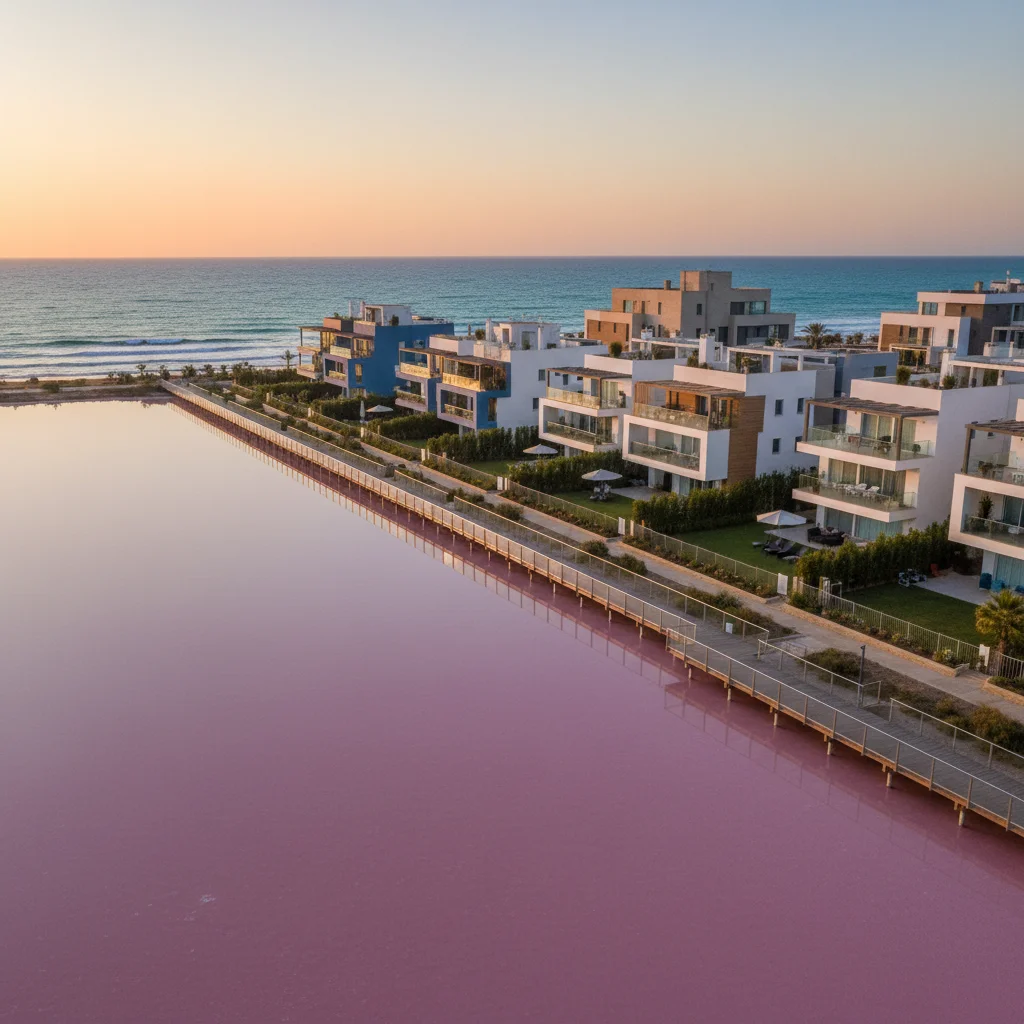
Creating a functional outdoor space in this part of the coast requires an understanding of how the environment shifts throughout the year. While many new arrivals focus on the summer heat, long-term residents know that the real challenge lies in the shoulder seasons and the peculiar microclimate created by the proximity to the Pink Salt Lake and the Mediterranean. With a permanent population of around 90,000 people, the local property market is defined by a mix of affordable urbanisation villas and high-density apartment blocks. About 35% of these residents are international, with a significant presence of British, Scandinavian, German, and Russian households. This demographic diversity has fundamentally changed how we view terrace culture. For a Scandinavian family, a glass room is a light-trap that extends the short winter days. For a British expat, it is a shield against the biting winter winds that whip across the Paseo Marítimo or the open fairways of nearby golf resort communities.
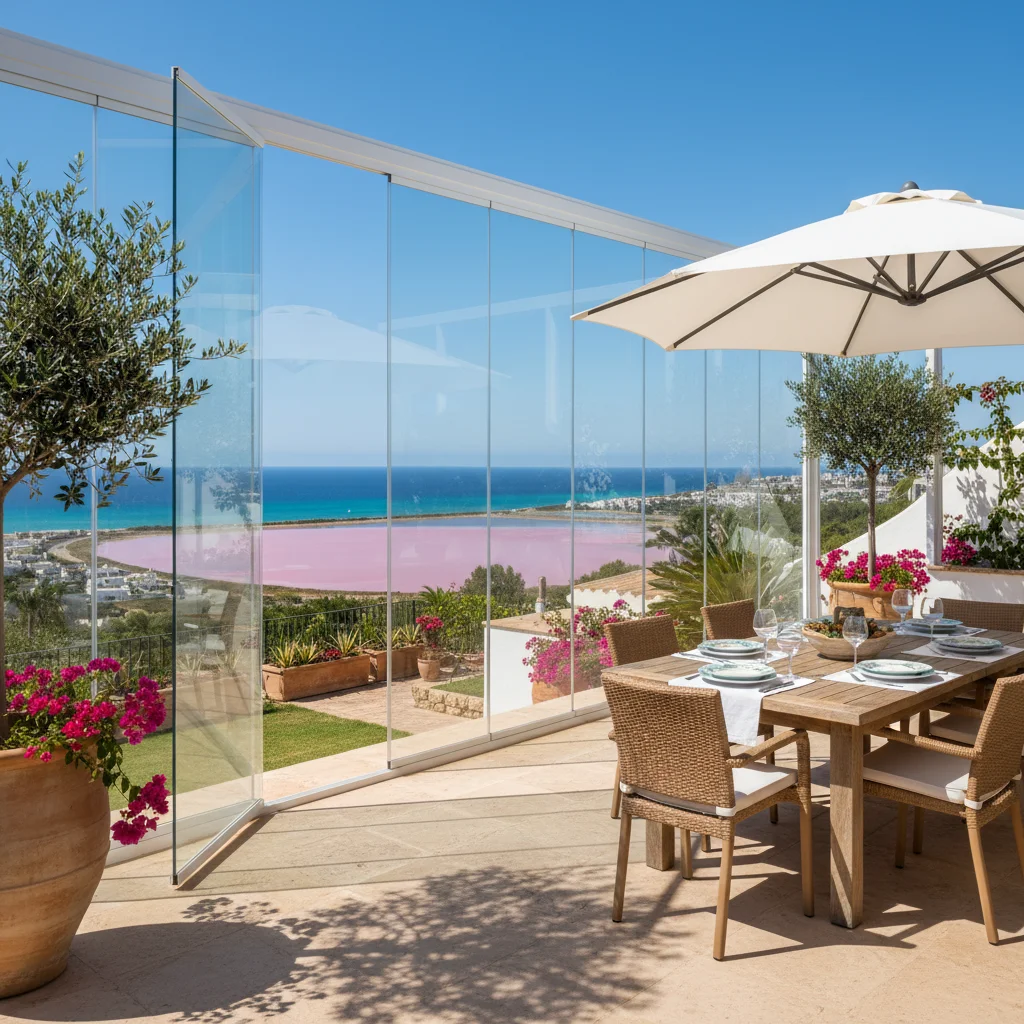
Most properties here, which average around 170,000 EUR, feature terraces that were originally designed for occasional summer use. However, as more people transition to full-time living, those 15 to 25 square metre spaces become essential square footage for dining and working. The local architecture often features recessed terraces in apartments or wrap-around porches in villas, both of which are ideal candidates for frameless glass curtain systems. These systems allow you to enclose the space without losing the panoramic views that define life in this coastal hub. By installing a retractable glass wall, you effectively convert an exposed balcony into a year-round conservatory. This transition is particularly valuable in areas near La Mata, where the sea breeze can turn a pleasant lunch into a battle with flying napkins and cooling food. I have helped over 200 families navigate this transition, and the most common feedback is that they use their terrace more in the three months following installation than they did in the previous three years combined.
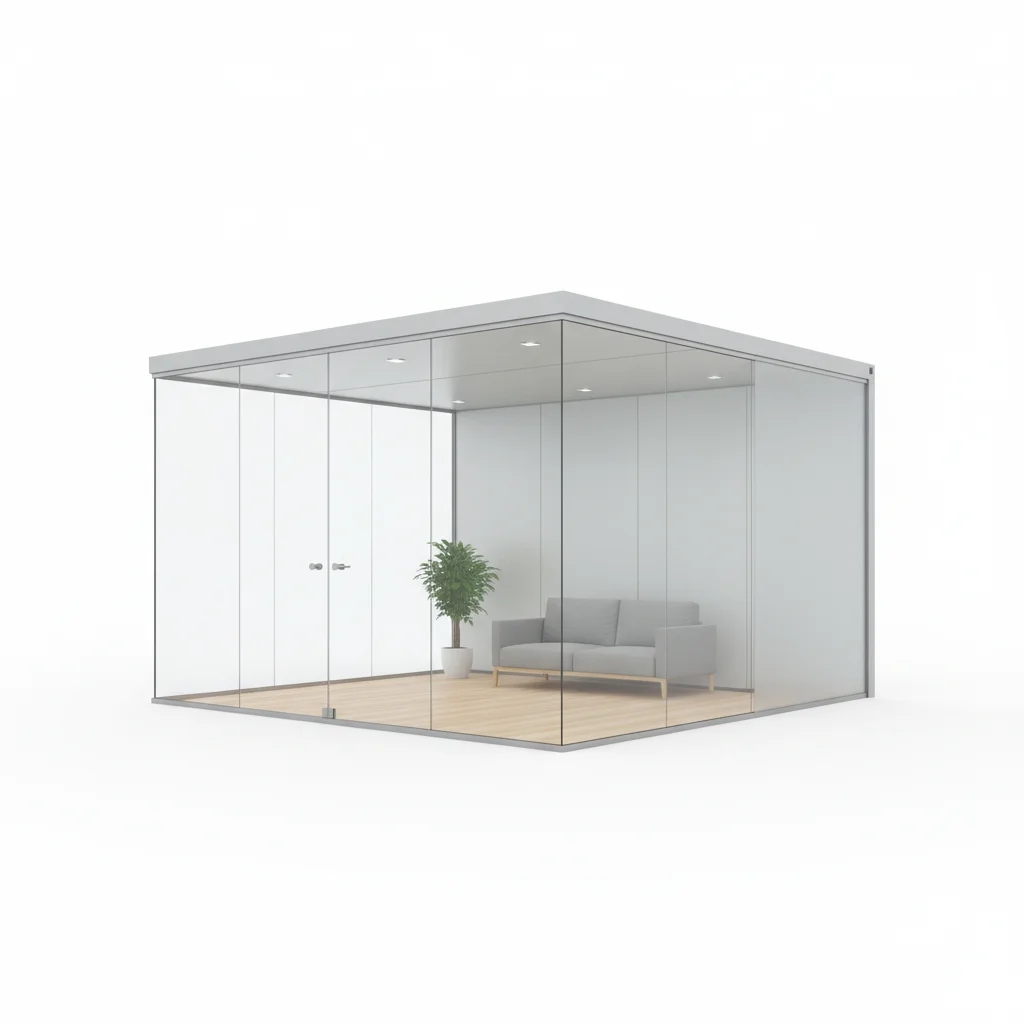
The shift toward glass rooms—fully enclosed structures often involving a fixed roof or a bioclimatic pergola integrated with glass walls—is also gaining momentum. This is especially true for the villas found in the surrounding golf communities where garden space is shared but privacy and weather protection are prized. A glass room provides a dedicated sanctuary that feels like an indoor extension but maintains the visual connection to the outdoor landscape. Because these systems are generally considered demountable and do not involve fixed brickwork or mortar, they often bypass the complex planning permission requirements that plague traditional extensions, provided they adhere to the specific bylaws of your local urbanisation.
Technical Considerations for the Local Climate and Environment
Living near one of Europe’s largest salt lakes provides a unique microclimate that is generally healthier but can be brutal on building materials. The salt lake humidity, combined with the "calima" dust storms that blow over from the Sahara, creates a specific set of maintenance challenges. When I specify a glass curtain system for a property here, the first thing I look at is the quality of the tracks and the grade of the aluminium. Standard powder coating might suffice inland, but near the coast, you want marine-grade anodized aluminium to prevent the "pitting" and corrosion that salt air causes. I typically recommend a 10mm toughened glass panel for any installation above the third floor or in villas with significant wind exposure. While 8mm glass is cheaper, the 10mm variant offers a more solid feel and better acoustic insulation, which is vital if your property faces a busy area like the Habaneras shopping district or a main thoroughfare.
The afternoon sun in the south of the Costa Blanca is notoriously intense, often hitting harder and staying longer than in the northern parts of the province. A south-facing glass room can quickly become an oven if you do not plan for ventilation and shading. I always advise my clients to look at the combination of glass curtains with integrated sun protection. This might involve solar-control glass, which has a microscopic coating to reflect heat, or more commonly, the addition of internal pleated blinds or external vertical awnings. A standard 5-metre run of glass curtains will typically cost between 4,500 EUR and 6,000 EUR depending on the height and glass thickness. If you are looking at a full glass room with a high-quality insulated roof, prices usually start around 12,000 EUR and can rise significantly based on the complexity of the structure.
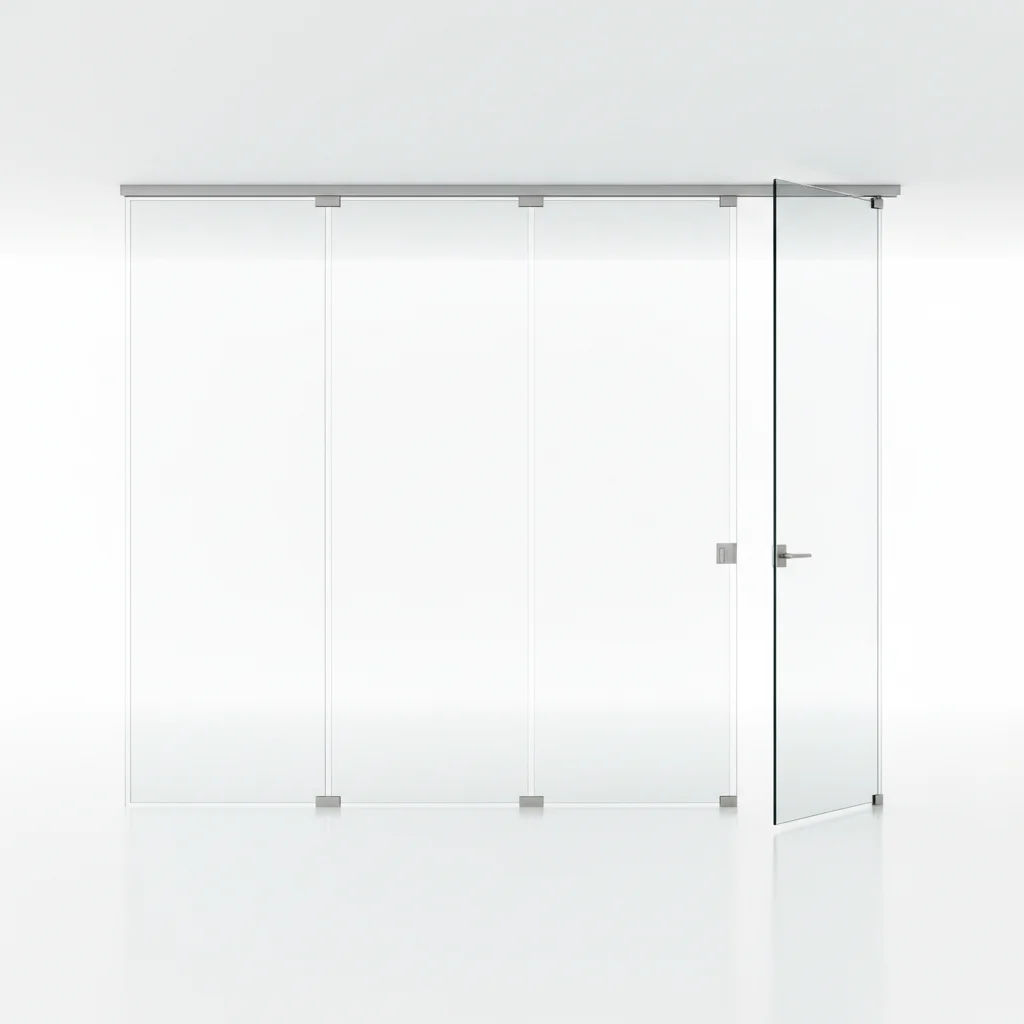
Another crucial factor is the Comunidad de Propietarios, or the community of owners. In this municipality, community rules are often strict regarding the aesthetic uniformity of a building. Frameless glass curtains are usually the only permissible way to enclose a balcony because they have no vertical profiles, meaning the visual impact on the building’s facade is negligible when they are closed and non-existent when they are folded open. Before you spend a single Euro, it is imperative to check your community's "actas" or minutes from previous meetings. I have seen cases where residents were forced to remove framed sliding doors because they deviated from the community-approved look. Frameless systems circumvent this issue almost entirely, making them the gold standard for apartment living in high-density areas. Maintenance is another local reality. The calima dust will settle in the bottom tracks of your system. You need a system with "side-drainage" technology that allows water and fine silt to exit the track rather than pooling and grinding down the stainless-steel bearings. I recommend a quick vacuum of the tracks once a month and a spray of dry silicone lubricant to keep the panels gliding smoothly.
Strategic Configurations for Villas and Apartments
The way you configure a glass system should depend entirely on the footprint of your property and how you intend to use the space. For the many urbanisation villas found in this region, the most effective setup is often a glass room that serves as a transition between the main lounge and the garden. In these larger properties, I often recommend a system that combines a bioclimatic pergola with glass curtain walls. This allows you to rotate the ceiling slats for ventilation and light control while keeping the sides sealed against the wind. For a typical 4x3 metre villa terrace, this configuration creates a 12 square metre "indoor-outdoor" lounge that works perfectly for the Christmas dinner or a sheltered evening of cards. In these scenarios, I suggest choosing a "bottom-weighted" system where the weight of the glass sits on the floor track rather than hanging from the ceiling. This is often necessary because the overhangs on older villas were not engineered to support the 400kg to 600kg weight of a full glass installation.
Apartment dwellers, particularly those near the Paseo Marítimo or in the urban heart of the town, face different challenges. Space is a premium, and the goal is usually to reclaim the balcony for use during the windy winter months. For an apartment balcony of roughly 6 to 8 metres in length, a top-hung system is usually preferred as it keeps the floor track low-profile, preventing a trip hazard. The panels should be designed to fold inward against a side wall, taking up very little space when open. I often suggest integrating these with a high-quality awning. This dual-layer approach allows you to use the awning for shade during the peak summer hours and the glass curtains for warmth and wind protection during the rest of the year. This combination effectively creates a thermal buffer for your main living room, significantly reducing your air conditioning and heating bills.
For those living in the more elevated parts of the municipality or in the open expanses of the nearby golf resorts, wind load is the primary concern. In these areas, the wind doesn't just blow; it gust. I recommend systems with reinforced "interlock" profiles that provide extra stability when the panels are closed. You want a system that has been tested to withstand wind speeds of at least 150 km/h. When we talk about glass rooms in these windy spots, the roof material becomes the focal point. A sandwich panel roof with 30mm of high-density insulation is the most practical choice. It provides excellent thermal properties and is much quieter during the rare but heavy Mediterranean downpours than a simple polycarbonate or glass roof. A well-installed 15 square metre glass room with an insulated roof and 10mm glass curtains will transform the utility of a villa, turning a seasonal porch into the most-used room in the house.
Expert Logistics and Local Knowledge for a Seamless Installation
Delivering and installing high-end glass systems in this region requires more than just technical skill; it requires a deep understanding of the local geography and infrastructure. We serve the entire municipality and the surrounding areas including Orihuela Costa, Guardamar, Rojales, San Miguel de Salinas, and Los Montesinos. Each of these areas has its own logistical quirks. For instance, the older parts of the town centre have narrow streets that make the delivery of large 2.5-metre glass panels incredibly difficult without a dedicated crane or a high-reach lift. We have to coordinate these deliveries with the local police to ensure we don't block traffic or violate any municipal transport rules, something a non-local company might overlook.
In many of the urbanisations near the salt lakes, the ground can be softer or more prone to movement than in the rocky north of the Costa Blanca. This means that for any ground-level glass room installation, we must first assess the stability of the existing terrace. If the tiles were laid on a thin bed of sand and cement years ago, they might not support the weight of a new glass structure. I’ve often had to advise clients on reinforcing their terrace base before we can safely install a heavy glass room. This is the kind of local insight that prevents a 10,000 EUR investment from cracking or becoming unaligned within twelve months.
Furthermore, we understand the specific "working hours" and noise restrictions enforced by various local communities. Most urbanisations prohibit loud construction work during the peak summer months of July and August or during the afternoon siesta hours. We plan our installation schedules around these local realities to ensure your project doesn't start with a fine from your community president. Our team knows the access roads into the various phases of the larger resorts, meaning we don't get lost looking for your "Manzana" or "Sector." If you are considering upgrading your outdoor space, I am happy to offer a free consultation where we can look at your specific terrace, measure the wind exposure, and check your community rules. My goal is to ensure that whatever we build for you is a permanent, value-adding part of your home that stands up to the unique environmental pressures of this beautiful part of the coast. We provide a clear, fixed-price quote that includes all the necessary logistics and high-grade materials required for a long-lasting installation.
 JW'"
/>
JW'"
/>