Outdoor Living in San Fulgencio
San Fulgencio’s La Marina urbanización and surrounding residential estates house 67% expat residents — predominantly British, German, and Dutch — who enjoy one of the Costa Blanca’s sunniest microclimates for year-round outdoor cooking.
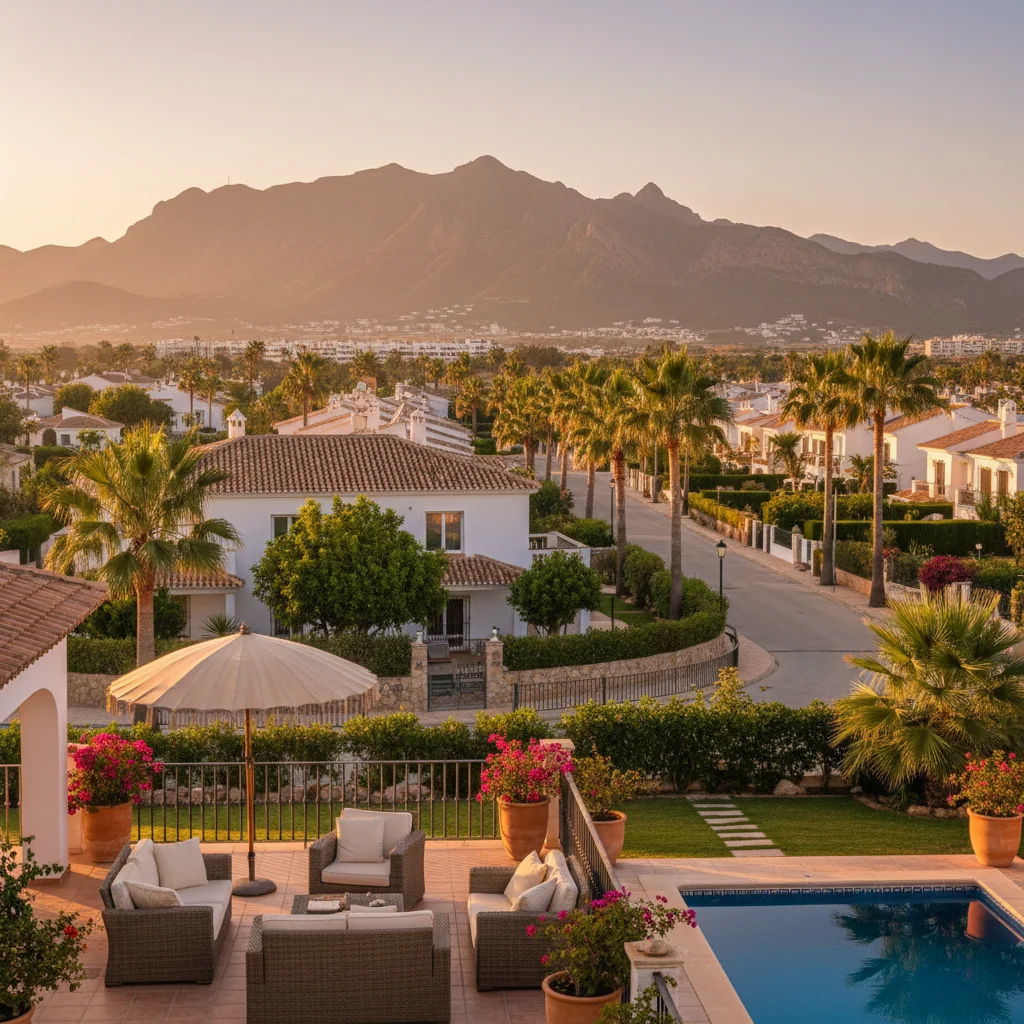
San Fulgencio is a tale of two places. The original Spanish village sits quietly on a hillside with views toward the salt lakes and the Segura river valley. A few kilometres east, La Marina urbanización sprawls across flat, sun-drenched terrain in one of the most established expat residential developments on the southern Costa Blanca. It is in La Marina where most of the demand for outdoor cooking equipment originates.
Properties here are predominantly detached and semi-detached villas priced around €150,000, nearly all with private gardens, pools, and terraces built for the outdoor lifestyle. The flat terrain and wide residential streets mean that garden spaces are generous compared to hillside towns further north. Many homes feature covered terraces — locally called porches — that extend the cooking season comfortably into the cooler months.
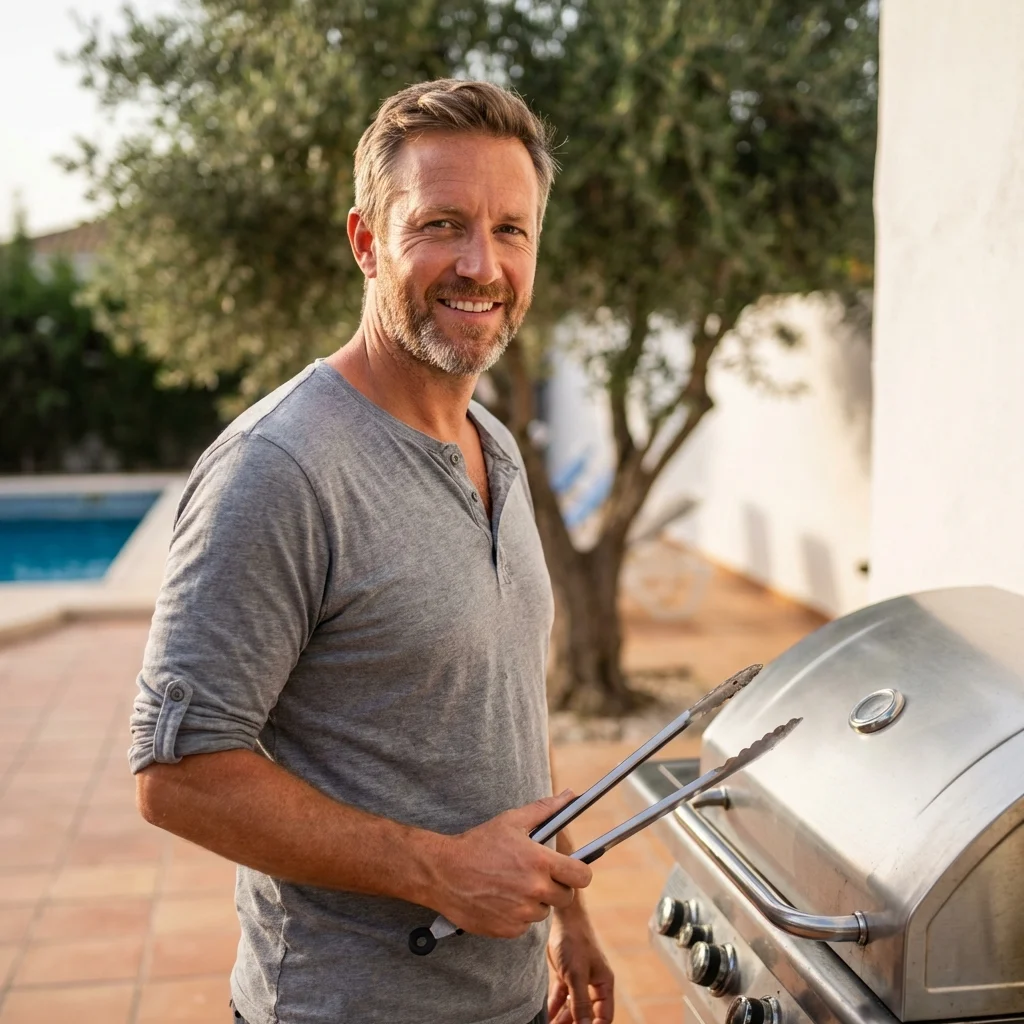
The community is tight-knit and social. British residents organise barbecue gatherings through local clubs and Facebook groups, while the German and Dutch communities bring their own grilling traditions — from currywurst on the plancha to Indonesian-style satay on portable charcoal grills. San Fulgencio averages 320 sunny days per year, making an outdoor kitchen investment one that genuinely pays for itself through daily use.
San Fulgencio’s La Marina urbanisation offers flat, spacious garden properties averaging €150,000, with covered terraces ideal for gas BBQs, kamado grills, and pizza ovens used year-round.
Choosing Your Setup in San Fulgencio
Generous garden spaces and covered porches across La Marina make San Fulgencio suited to both standalone grills and complete outdoor kitchen builds at accessible price points.
Gas BBQs dominate here, and for good reason. The convenience matches the relaxed pace of life — fire it up in ten minutes and you are cooking. Butane bombonas are easy to source locally, and several La Marina properties already have gas connections fitted during construction. For everyday grilling, a three- or four-burner gas BBQ with a side burner covers most needs.
Kamado grills have a growing following among San Fulgencio’s more dedicated outdoor cooks. The versatility — smoking, roasting, baking, and grilling in a single unit — appeals to retirees who have the time to experiment with low-and-slow techniques. Costa Blanca Outdoors recommends a medium kamado (around 47cm) for couples, or a large (around 60cm) for those who regularly entertain.
Wood-fired pizza ovens work brilliantly in La Marina’s generous gardens. Unlike apartment-heavy coastal towns, most San Fulgencio properties have enough space to position an oven safely away from walls and furniture. Almond wood from local agricultural suppliers burns hot and clean, delivering authentic results.
Costa Blanca Outdoors recommends medium kamado grills for couples in San Fulgencio and large models for regular entertainers, paired with locally sourced almond wood for pizza oven fuel.
Delivery to San Fulgencio
We deliver to San Fulgencio and La Marina weekly as part of our southern Costa Blanca route, with easy access across the urbanisation’s wide residential streets.
San Fulgencio is one of the most delivery-friendly towns we serve. La Marina’s flat layout and broad roads mean we can bring in heavy equipment — 150kg kamado grills, stone pizza ovens, full kitchen island components — without the access challenges common in hillside areas. Every delivery includes unpacking, full assembly, terrace or garden placement, and a walkthrough so you are confident using your new equipment from day one.
We also serve the surrounding area on the same runs. Rojales and Ciudad Quesada are just five minutes up the road, and Guardamar is a short drive south along the coast. Customers in Torrevieja are also on our regular southern schedule. Standard delivery is 5–10 working days for stocked items, with custom outdoor kitchen projects typically taking 3–4 weeks.
Designing Shade for the Specific Microclimate of San Fulgencio
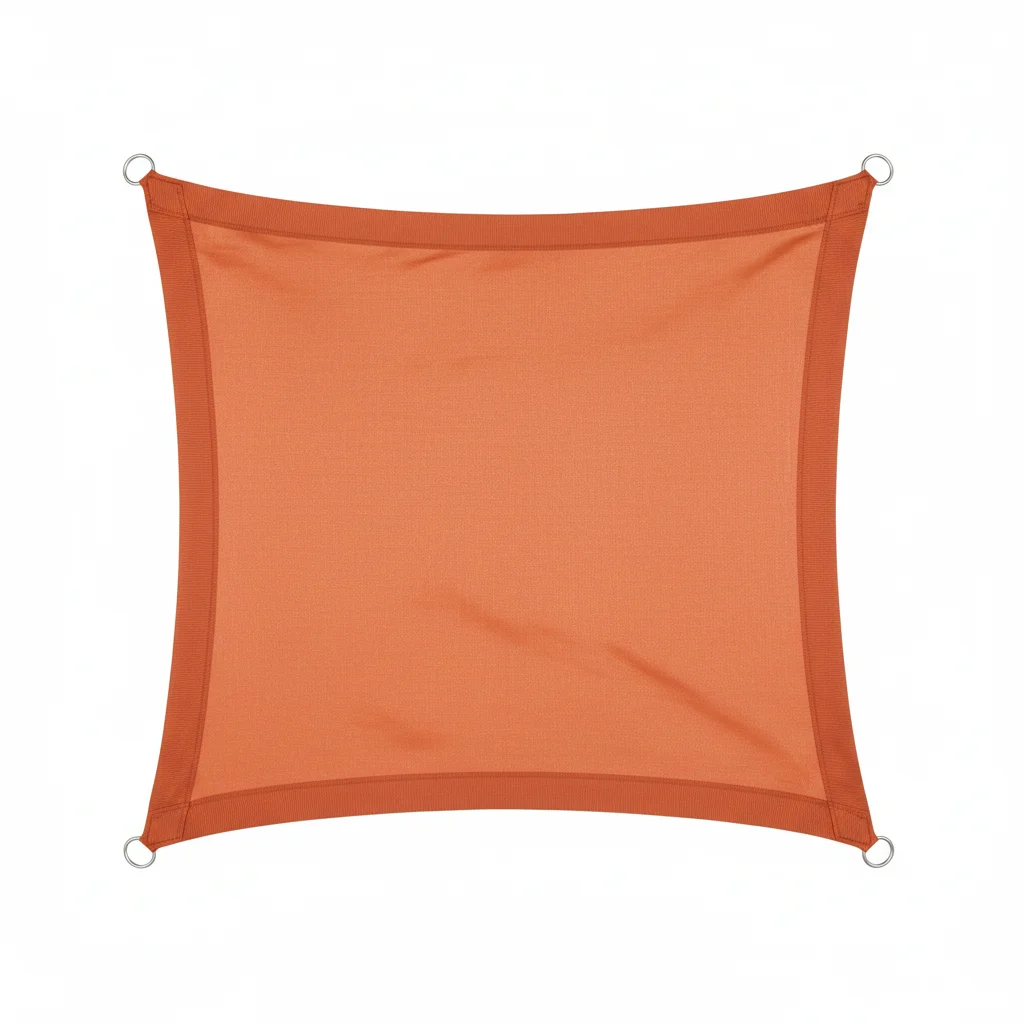
San Fulgencio stands out on the Costa Blanca as a distinct international hub, with nearly 70% of the population arriving from the UK, Germany, and the Netherlands. Most residents live within the expansive La Marina Urbanization, where property layouts often prioritize terrace space over large garden plots. These homes, typically priced around 150,000 EUR, feature south-facing orientations that become incredibly high-temperature zones from June through September. Because the landscape near the Segura River and the local market is relatively flat and arid, there is very little natural shade provided by the geography. A high-density polyethylene (HDPE) shade sail is the most effective way to reclaim these outdoor spaces. Unlike the northern parts of the coast, this area requires architectural shade that can handle the intense, direct heat while allowing the afternoon breeze to pass through the fabric.
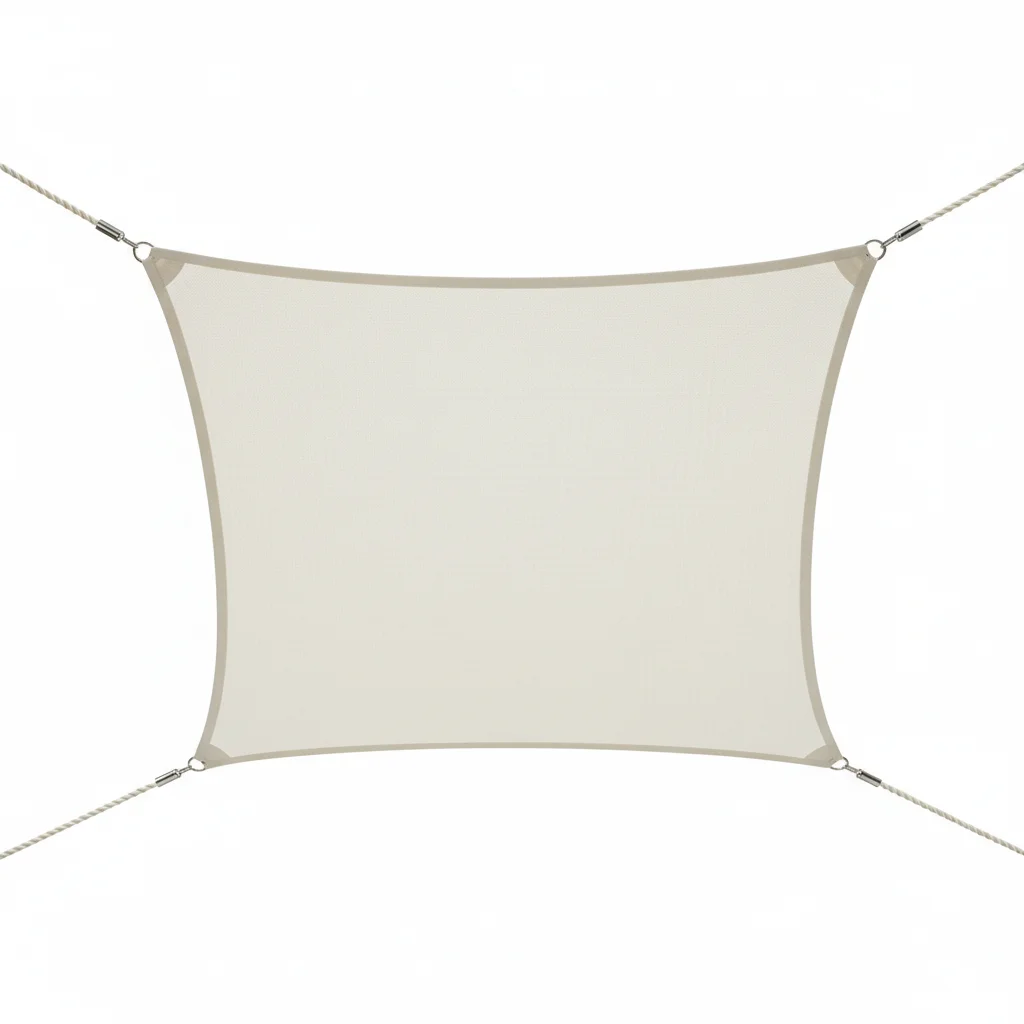
Living here requires a specific understanding of the local environment that goes beyond simple sun protection. San Fulgencio is particularly susceptible to the "calima" – the fine Saharan dust that occasionally coats the region in orange silt. If you install a standard waterproof PVC awning, the dust sits on top and turns into a heavy mud the moment it rains. I always recommend 340g/m² breathable HDPE fabric sails for this reason. These sails allow the dust to be easily hosed through the mesh rather than accumulating on the surface. Furthermore, the proximity to the salt lakes near Guardamar means the air carries a higher salt content than you might find inland. This humidity can quickly corrode standard steel fittings. For a long-term installation, you must use Grade 316 stainless steel tensioners and wall plates to avoid rust streaks ruining your white Mediterranean facade. A professional-grade 5m x 5m square sail setup with these high-spec fixings typically ranges between 450 EUR and 800 EUR, depending on the mounting requirements.
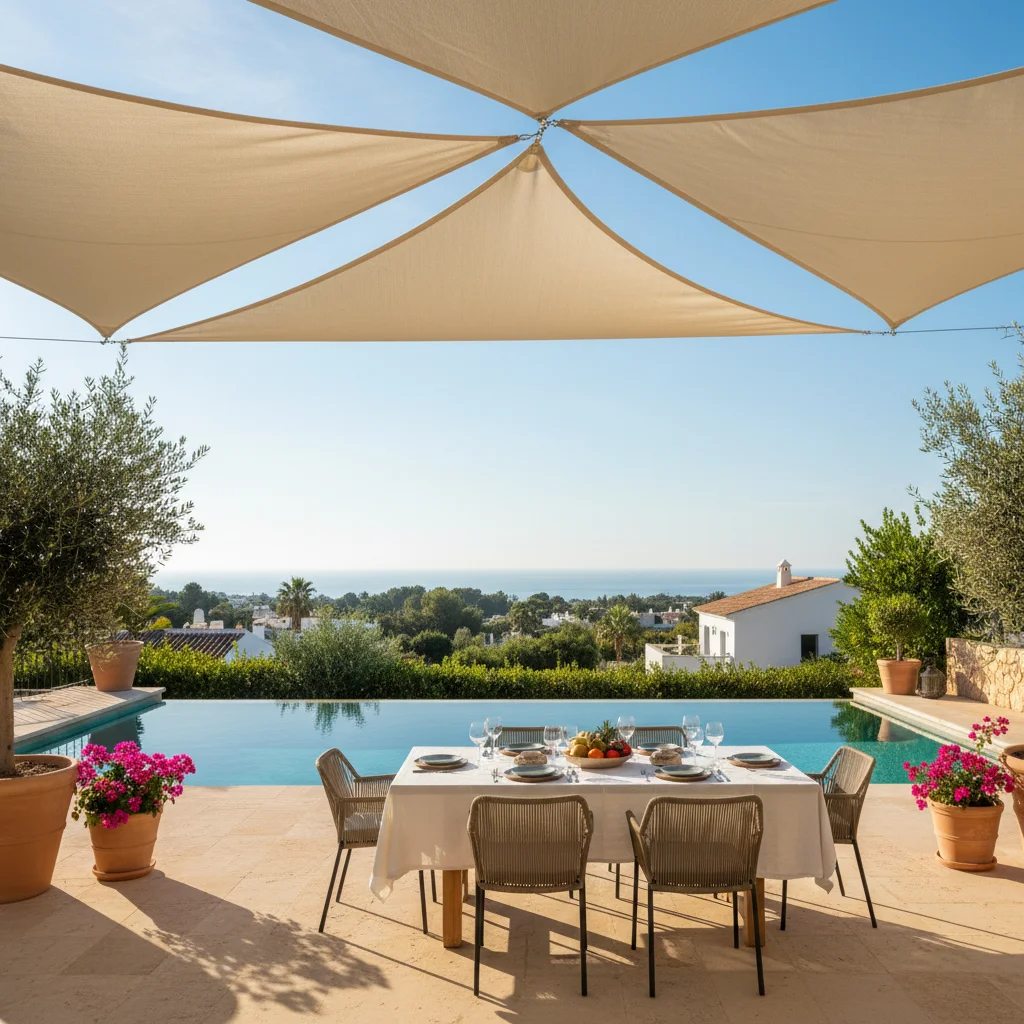
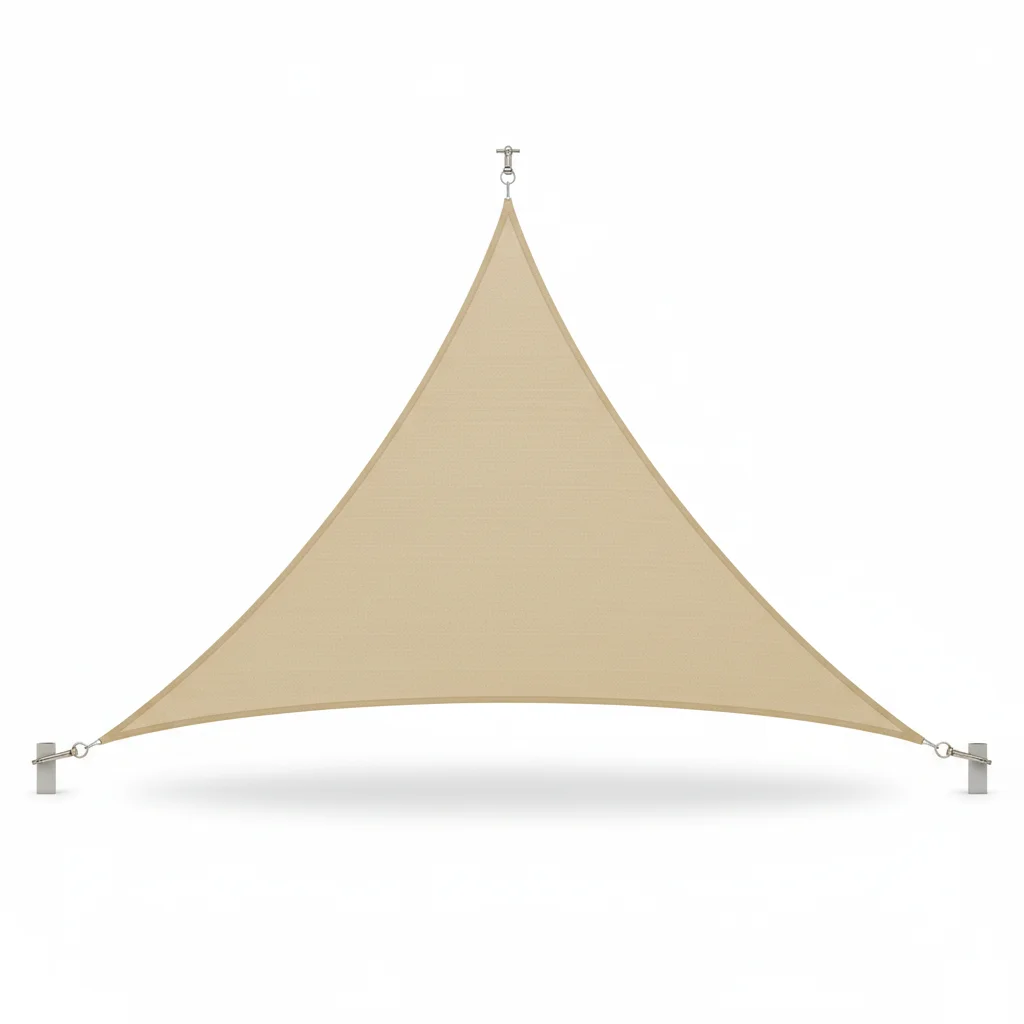
For the detached villas common in the area, a "hypar" or hyperbolic paraboloid configuration is the gold standard. By mounting a four-sided sail with two high points and two low points, you create a structural twist that prevents the fabric from flapping in the afternoon winds that sweep across the Vega Baja plains. This setup also creates a natural "chimney effect," drawing hot air upwards and away from your dining table. If you are in a smaller apartment or a townhouse within a golf resort community, space is at a premium. In these instances, a triangular 4m x 4m x 4m sail is often the best choice, as it requires fewer mounting points and can be angled to block the low winter sun without infringing on your neighbor’s view. It is also important to note that while "comunidad de propietarios" rules vary, shade sails are generally viewed as temporary structures, making them a much simpler alternative to the bureaucratic hurdles of installing fixed bioclimatic pergolas or permanent roofing.
Our team is regularly on the ground throughout the local grid, delivering and advising on installations from the main commercial zones to the quieter residential pockets near Rojales and Algorfa. We understand the logistics of navigating these urbanisations, including the specific wind load requirements needed for the flat, exposed plots toward Los Montesinos. We often see residents try to use cheap, store-bought parasols that end up breaking in the first gust of wind off the coast. By investing in a tensioned sail system, you are creating a semi-permanent outdoor room that significantly reduces the internal temperature of your home. If you want to discuss which configuration best suits your specific terrace orientation, we offer free consultations to ensure you get the right tension and UV protection for your property.
 JW'"
/>
JW'"
/>