Outdoor Living in San Fulgencio
San Fulgencio’s La Marina urbanización and surrounding residential estates house 67% expat residents — predominantly British, German, and Dutch — who enjoy one of the Costa Blanca’s sunniest microclimates for year-round outdoor cooking.
San Fulgencio is a tale of two places. The original Spanish village sits quietly on a hillside with views toward the salt lakes and the Segura river valley. A few kilometres east, La Marina urbanización sprawls across flat, sun-drenched terrain in one of the most established expat residential developments on the southern Costa Blanca. It is in La Marina where most of the demand for outdoor cooking equipment originates.
Properties here are predominantly detached and semi-detached villas priced around €150,000, nearly all with private gardens, pools, and terraces built for the outdoor lifestyle. The flat terrain and wide residential streets mean that garden spaces are generous compared to hillside towns further north. Many homes feature covered terraces — locally called porches — that extend the cooking season comfortably into the cooler months.
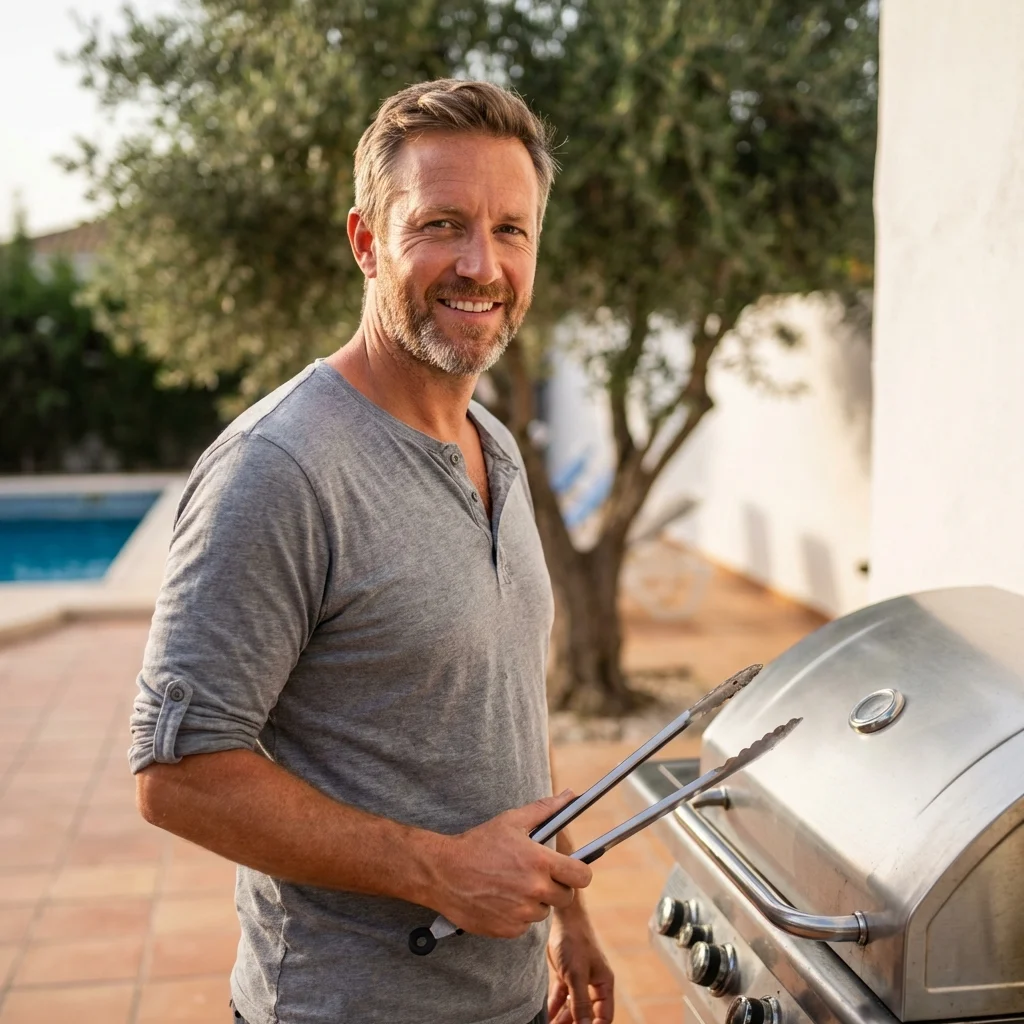
The community is tight-knit and social. British residents organise barbecue gatherings through local clubs and Facebook groups, while the German and Dutch communities bring their own grilling traditions — from currywurst on the plancha to Indonesian-style satay on portable charcoal grills. San Fulgencio averages 320 sunny days per year, making an outdoor kitchen investment one that genuinely pays for itself through daily use.
San Fulgencio’s La Marina urbanisation offers flat, spacious garden properties averaging €150,000, with covered terraces ideal for gas BBQs, kamado grills, and pizza ovens used year-round.
Choosing Your Setup in San Fulgencio
Generous garden spaces and covered porches across La Marina make San Fulgencio suited to both standalone grills and complete outdoor kitchen builds at accessible price points.
Gas BBQs dominate here, and for good reason. The convenience matches the relaxed pace of life — fire it up in ten minutes and you are cooking. Butane bombonas are easy to source locally, and several La Marina properties already have gas connections fitted during construction. For everyday grilling, a three- or four-burner gas BBQ with a side burner covers most needs.
Kamado grills have a growing following among San Fulgencio’s more dedicated outdoor cooks. The versatility — smoking, roasting, baking, and grilling in a single unit — appeals to retirees who have the time to experiment with low-and-slow techniques. Costa Blanca Outdoors recommends a medium kamado (around 47cm) for couples, or a large (around 60cm) for those who regularly entertain.
Wood-fired pizza ovens work brilliantly in La Marina’s generous gardens. Unlike apartment-heavy coastal towns, most San Fulgencio properties have enough space to position an oven safely away from walls and furniture. Almond wood from local agricultural suppliers burns hot and clean, delivering authentic results.
Costa Blanca Outdoors recommends medium kamado grills for couples in San Fulgencio and large models for regular entertainers, paired with locally sourced almond wood for pizza oven fuel.
Delivery to San Fulgencio
We deliver to San Fulgencio and La Marina weekly as part of our southern Costa Blanca route, with easy access across the urbanisation’s wide residential streets.
San Fulgencio is one of the most delivery-friendly towns we serve. La Marina’s flat layout and broad roads mean we can bring in heavy equipment — 150kg kamado grills, stone pizza ovens, full kitchen island components — without the access challenges common in hillside areas. Every delivery includes unpacking, full assembly, terrace or garden placement, and a walkthrough so you are confident using your new equipment from day one.
We also serve the surrounding area on the same runs. Rojales and Ciudad Quesada are just five minutes up the road, and Guardamar is a short drive south along the coast. Customers in Torrevieja are also on our regular southern schedule. Standard delivery is 5–10 working days for stocked items, with custom outdoor kitchen projects typically taking 3–4 weeks.
Securing Privacy and Durability in San Fulgencio Gardens
Living in this corner of the Vega Baja del Segura offers a lifestyle that revolves almost entirely around the terrace. Since I moved to the coast in 2019, I have noticed that the international community here—which makes up nearly seventy percent of the local population—treats their outdoor space as the primary living room. Whether you are situated in the heart of the village or within the sprawling blocks of the La Marina Urbanization, the proximity of neighbors is a defining characteristic of local property layouts. Most villas and semi-detached homes were built with low boundary walls that offer great views of the sky but very little seclusion when you are trying to enjoy a quiet lunch or a dip in the pool. This high density of international residents, particularly the British, Dutch, and German expats, has created a specific demand for high-quality screening that balances aesthetics with the need for a personal sanctuary.
The property landscape here is dominated by affordable villas and golf resort communities where shared gardens are common. Unlike the north of the province, where properties are often tiered on hillsides, the terrain near the Segura River is relatively flat. This flatness means that line-of-sight issues are a constant challenge. If you are sitting on your terrace, you are likely visible to three or four other households. Creating a private retreat is not just about vanity; it is about making your outdoor space functional. I have spent years helping families transition from feeling like they are on a stage to having a private courtyard feel. This transition is essential because the culture here is built on outdoor cooking and long evenings on the patio. When your neighbors are only a few meters away, a well-placed privacy screen becomes the most important piece of furniture you own.
In the residential pockets near the local market and surrounding commercial centers, the wind can be surprisingly persistent. Because the land is open and lacks the natural windbreaks of the northern mountains, a solid fence can act like a sail. This is why I always emphasize the structural integrity of any screening project in this area. We aren't just looking for something that hides the neighbors; we are looking for a solution that won't end up in the next street after a strong autumn gota fría. The goal is to create a barrier that feels like a natural extension of the architecture, providing a backdrop for your Mediterranean plants while ensuring you can walk from your kitchen to your sun lounger in complete privacy.
Technical Requirements for the Vega Baja Climate
The environment in this specific part of the Costa Blanca is significantly harsher on building materials than most people realize. We are positioned in a pocket that is hotter and drier than the areas north of Alicante, and we face a unique combination of salt lake humidity and the frequent arrival of calima dust. If you choose the wrong material for your fencing, the sun will bleach it within two seasons, or the salt air from the nearby lagoons will begin to corrode the fixings. When I evaluate a garden in this area, the first thing I look at is the orientation to the afternoon sun. The UV index here is relentless, often reaching levels that cause standard PVC or low-grade timber to warp and crack.
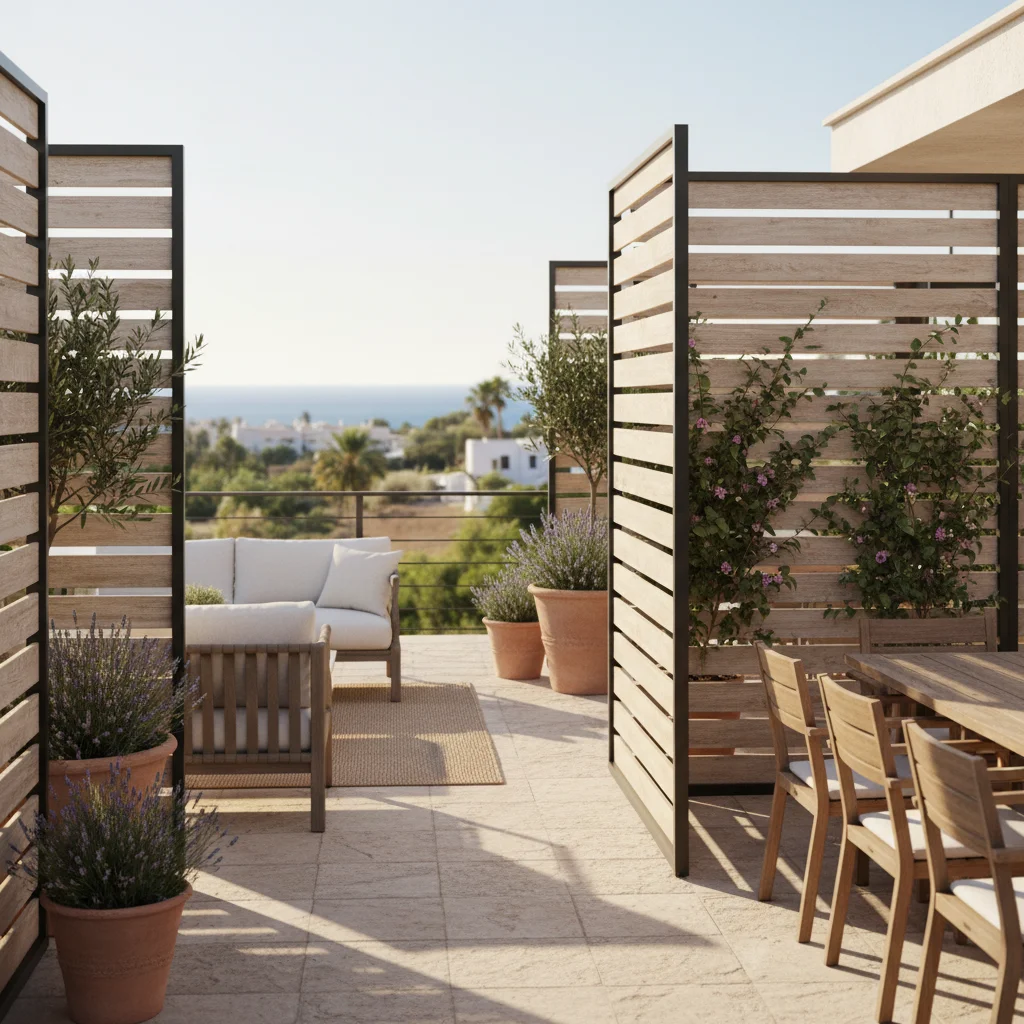
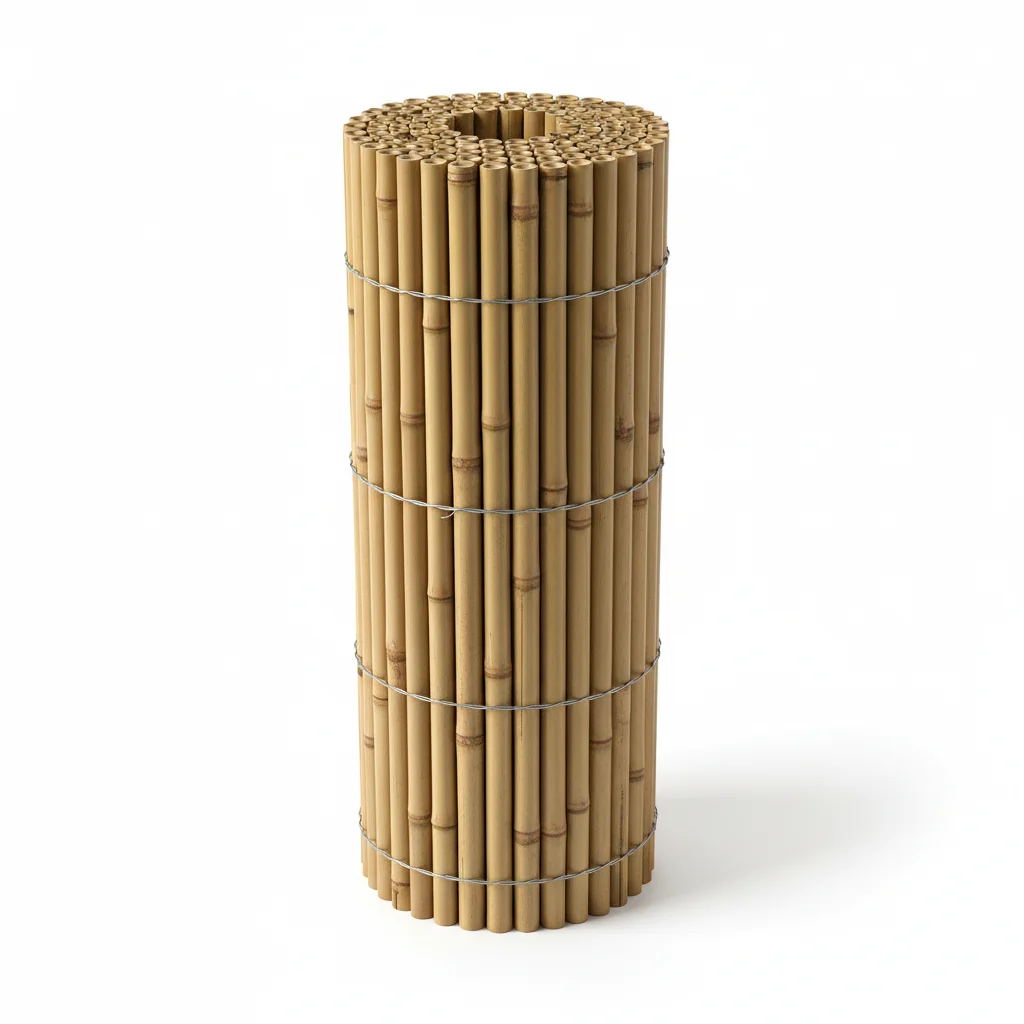
For long-term durability, I almost exclusively recommend powder-coated aluminium or high-grade Wood Plastic Composite (WPC). Aluminium slat fencing is particularly effective here because it allows for a "hit-and-miss" configuration. This means small gaps are left between the slats to allow wind to pass through, reducing the pressure on the posts while still blocking the view from the street. A typical installation for a 10-meter boundary might cost between EUR 2,200 and EUR 3,500 depending on the height and the complexity of the ground fixings. This is a significant investment, but when you consider that cheap reed screening needs replacing every two years at a cost of EUR 200 a time plus labor, the long-term value of aluminium becomes clear.
Community rules, or the comunidad de propietarios, are another critical factor that I always discuss with residents. In many of the local urbanizations, there are strict bylaws regarding the height and color of boundary fences. You cannot simply install a two-meter solid black wall if the community standard is white or cream at a height of 1.5 meters. I have seen homeowners forced to tear down expensive installations because they didn't check the community statutes first. My advice is to always opt for modular systems that can be adjusted. If the wall height is capped at 1.2 meters, we can often add a 40cm decorative topper in a permeable material like laser-cut metal or composite lattice, which provides the extra privacy you need without violating the visual harmony of the street.
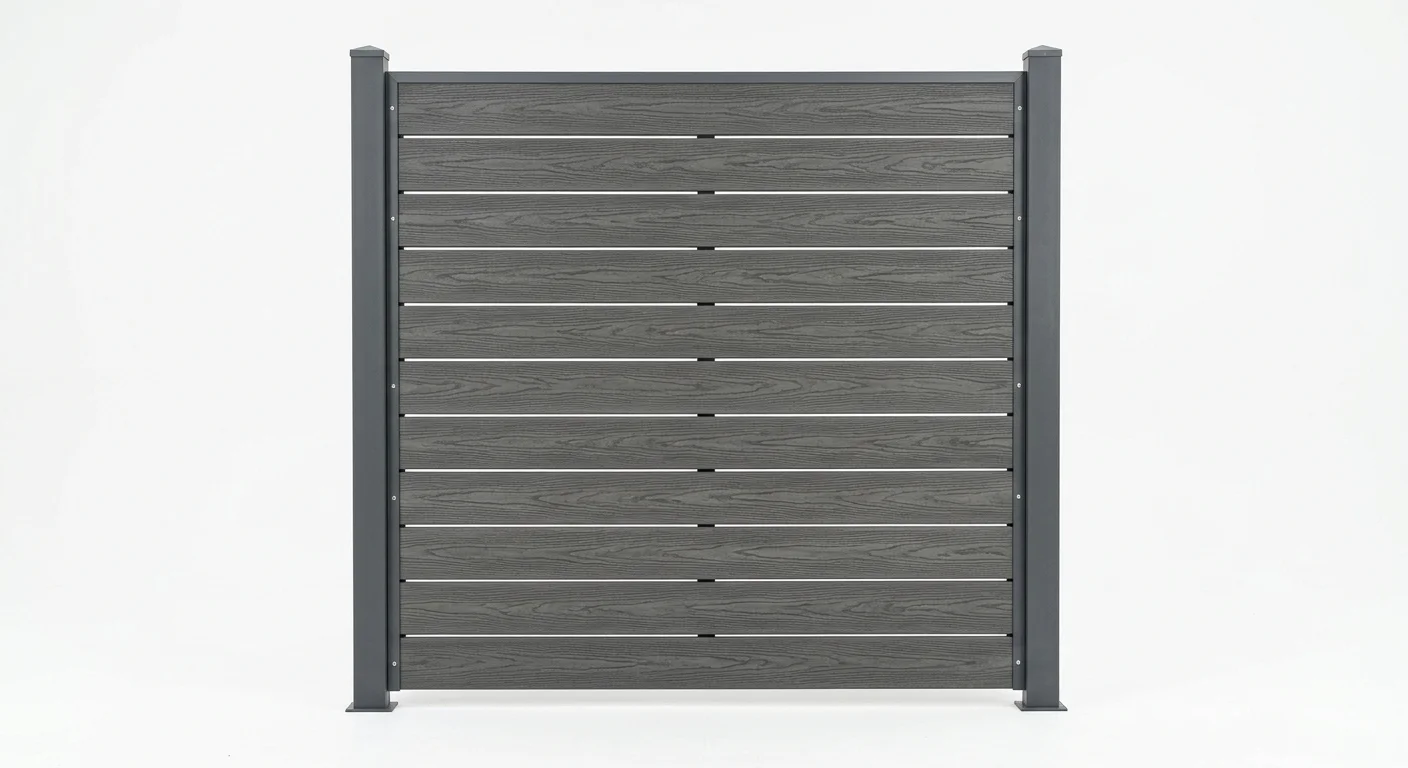
Maintenance is the final practical hurdle. The calima—that fine red dust from the Sahara—settles on everything. If you install horizontal slats with wide flat surfaces, you will be cleaning them constantly. I suggest vertical slat configurations or smooth-surfaced composite panels. A quick spray with a garden hose is usually enough to keep these looking new. For those looking for a more natural look without the maintenance of real wood, WPC panels are the gold standard. They don't require sanding or oiling, which is a massive relief when the mid-July heat makes physical labor impossible. A mid-range WPC screening setup usually starts around EUR 300 for a single 1.8m x 1.8m panel kit, providing a robust and attractive solution that handles the salt and sun without flinching.
Tailored Recommendations for Local Property Types
The strategy for privacy changes depending on whether you are in a detached villa or a more compact apartment. For the villas found in the popular residential clusters, I usually recommend a perimeter-wide approach. These properties often have a "goldfish bowl" effect where the garden is lower than the surrounding pavement. In these cases, a full-height composite fencing system works best. I suggest a dark grey or "antracita" finish because it provides a sharp contrast against the white-washed walls common in the area. This setup not only provides privacy but also acts as a security deterrent. When combined with artificial grass, which prevents the dust from blowing up against the base of the fence, you create a clean, low-maintenance border that stays pristine year-round.
Apartments and smaller townhouses require a different tactical approach. You often don't have the luxury of a large perimeter wall, so the focus shifts to "zonal privacy." This is where retractable side screens or localized aluminium slat panels come into play. If you have a terrace that is overlooked by a neighbor's balcony, a vertical louvre system allows you to tilt the slats to block the upward line of sight while still letting the sea breeze flow through your living area. I often see residents trying to use cheap green plastic mesh, but this tends to trap heat and looks weathered very quickly. Instead, a sleek aluminium partition costs roughly EUR 450 to EUR 800 and adds genuine resale value to the property.
Integration with other outdoor improvements is something I always encourage my clients to consider during the planning phase. If you are planning to install glass curtains in the future, your fencing needs to be positioned so it doesn't interfere with the track systems. Similarly, if you are laying artificial grass, the fencing posts should be installed first to ensure the turf can be neatly tucked and finished around the base of the structure. I have seen many DIY jobs where the sequence was wrong, leading to frayed turf edges or unstable fence posts that wobble because they weren't anchored into the sub-base correctly. A professional installation ensures that the screen is bolted into the concrete ring beam of the boundary wall using chemical anchors, which is the only way to guarantee it stays upright during a fierce Levanter wind.
For those in the resort-style communities, I recommend a blend of hard and soft landscaping. You can use a core structure of aluminium slats for the main privacy areas, such as the hot tub or outdoor dining space, and then transition into more open decorative panels for the rest of the garden. This keeps the space feeling open rather than boxed in. Integrating LED lighting into the fence posts is another trick I use to make the garden feel larger at night. By illuminating the boundaries, you push the visual limits of the property back, making a small Spanish courtyard feel like an expansive outdoor lounge.
Reliable Delivery and Local Installation Expertise
My team and I are regularly out on the roads between the local commercial centers and the surrounding districts like Rojales, Guardamar, and Algorfa. We know the logistics of this area inside out, which is more important than most people realize. Delivering five-meter lengths of aluminium or heavy composite panels into the narrow streets of the old village requires a different approach than a delivery to a wide-access villa in the newer parts of the urbanization. We coordinate our schedules to avoid the peak traffic of the Wednesday market days, ensuring that our delivery trucks aren't blocked and that your installation starts on time without frustrating the neighbors.
Our deep local knowledge extends to the building materials used in the original construction of these homes. Many walls in this region are built with hollow "termoarcilla" blocks or thin bricks that don't hold standard screws well. When we install a privacy screen, we use specific fixings designed for these Mediterranean building styles. We don't just guess; we know exactly what is behind the render. This expertise prevents the common issue of cracked walls or loose panels that I often see when homeowners try to use standard kits from the big-box retailers. We also understand the local drainage patterns; we ensure that any new fencing doesn't inadvertently create a dam that causes water to pool on your terrace during the heavy autumn rains.
I believe in being an expert neighbor rather than a salesperson. I’ve seen too many people spend thousands on "tropical hardwood" that turns grey and splinters within twelve months because it simply cannot cope with the dry heat of the Vega Baja. My goal is to provide you with a solution that looks as good in five years as it does on the day of installation. If you are unsure about which material will suit your specific orientation or if you are worried about the community regulations in your street, I am always happy to chat.
We offer a free consultation where I can visit your property to measure the spans, check the wall integrity, and show you physical samples of the materials that actually work in this climate. From Los Montesinos to the coastal edges of Guardamar, we are here to help you reclaim your outdoor space. Whether you need a simple three-meter screen to block a neighbor's window or a full-scale perimeter overhaul for a large villa, we provide the technical skill and local insight to get it done right the first time. Reach out today, and let’s discuss how we can make your garden the private sanctuary you expected when you moved to the Costa Blanca.
 JW'"
/>
JW'"
/>