Outdoor Living in San Fulgencio
San Fulgencio’s La Marina urbanización and surrounding residential estates house 67% expat residents — predominantly British, German, and Dutch — who enjoy one of the Costa Blanca’s sunniest microclimates for year-round outdoor cooking.
San Fulgencio is a tale of two places. The original Spanish village sits quietly on a hillside with views toward the salt lakes and the Segura river valley. A few kilometres east, La Marina urbanización sprawls across flat, sun-drenched terrain in one of the most established expat residential developments on the southern Costa Blanca. It is in La Marina where most of the demand for outdoor cooking equipment originates.
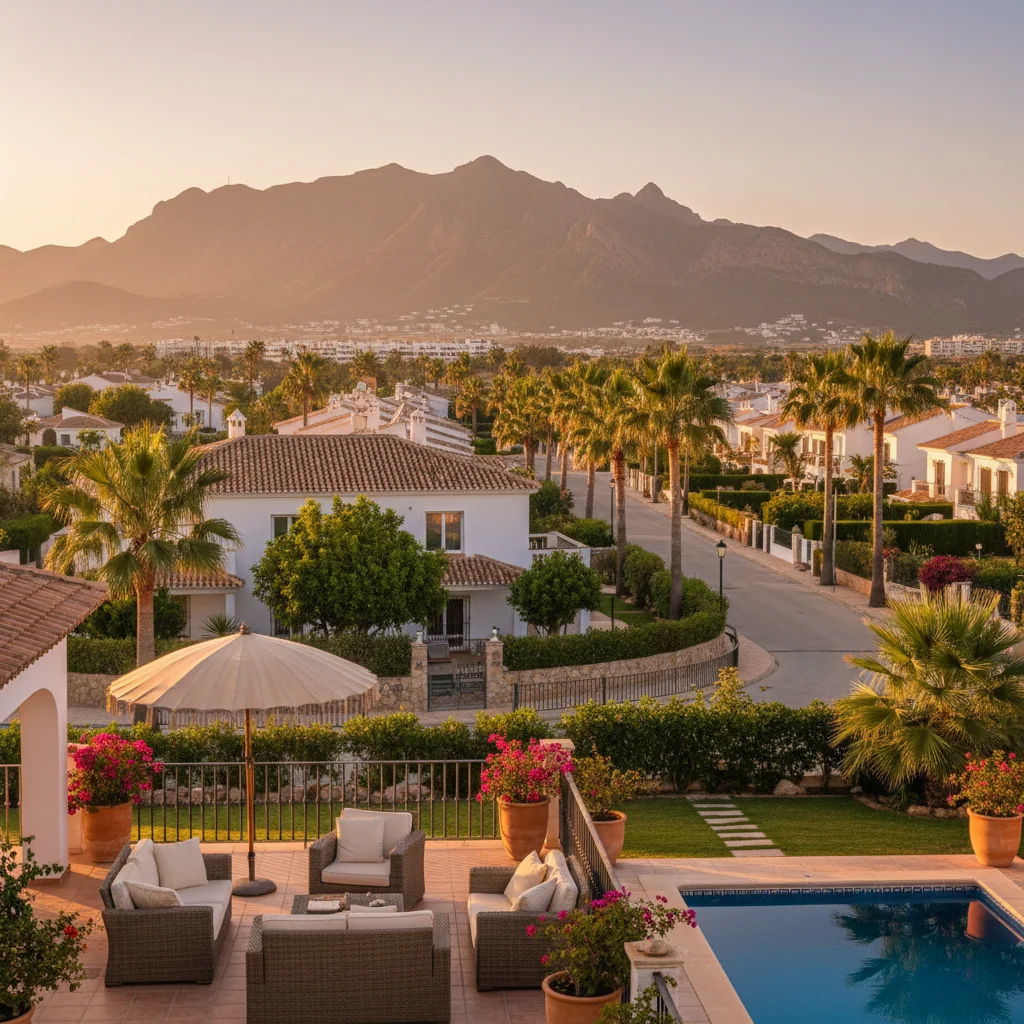
Properties here are predominantly detached and semi-detached villas priced around €150,000, nearly all with private gardens, pools, and terraces built for the outdoor lifestyle. The flat terrain and wide residential streets mean that garden spaces are generous compared to hillside towns further north. Many homes feature covered terraces — locally called porches — that extend the cooking season comfortably into the cooler months.
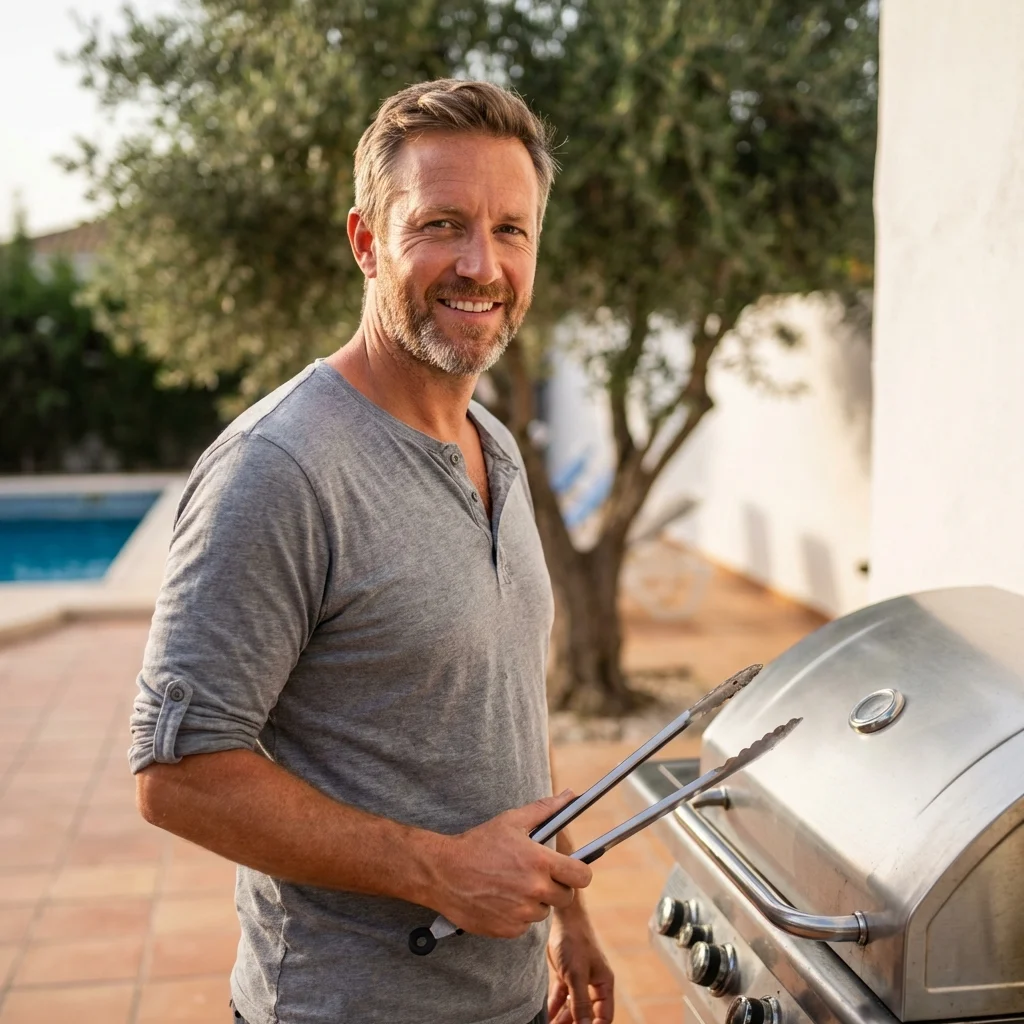
The community is tight-knit and social. British residents organise barbecue gatherings through local clubs and Facebook groups, while the German and Dutch communities bring their own grilling traditions — from currywurst on the plancha to Indonesian-style satay on portable charcoal grills. San Fulgencio averages 320 sunny days per year, making an outdoor kitchen investment one that genuinely pays for itself through daily use.
San Fulgencio’s La Marina urbanisation offers flat, spacious garden properties averaging €150,000, with covered terraces ideal for gas BBQs, kamado grills, and pizza ovens used year-round.
Choosing Your Setup in San Fulgencio
Generous garden spaces and covered porches across La Marina make San Fulgencio suited to both standalone grills and complete outdoor kitchen builds at accessible price points.
Gas BBQs dominate here, and for good reason. The convenience matches the relaxed pace of life — fire it up in ten minutes and you are cooking. Butane bombonas are easy to source locally, and several La Marina properties already have gas connections fitted during construction. For everyday grilling, a three- or four-burner gas BBQ with a side burner covers most needs.
Kamado grills have a growing following among San Fulgencio’s more dedicated outdoor cooks. The versatility — smoking, roasting, baking, and grilling in a single unit — appeals to retirees who have the time to experiment with low-and-slow techniques. Costa Blanca Outdoors recommends a medium kamado (around 47cm) for couples, or a large (around 60cm) for those who regularly entertain.
Wood-fired pizza ovens work brilliantly in La Marina’s generous gardens. Unlike apartment-heavy coastal towns, most San Fulgencio properties have enough space to position an oven safely away from walls and furniture. Almond wood from local agricultural suppliers burns hot and clean, delivering authentic results.
Costa Blanca Outdoors recommends medium kamado grills for couples in San Fulgencio and large models for regular entertainers, paired with locally sourced almond wood for pizza oven fuel.
Delivery to San Fulgencio
We deliver to San Fulgencio and La Marina weekly as part of our southern Costa Blanca route, with easy access across the urbanisation’s wide residential streets.
San Fulgencio is one of the most delivery-friendly towns we serve. La Marina’s flat layout and broad roads mean we can bring in heavy equipment — 150kg kamado grills, stone pizza ovens, full kitchen island components — without the access challenges common in hillside areas. Every delivery includes unpacking, full assembly, terrace or garden placement, and a walkthrough so you are confident using your new equipment from day one.
We also serve the surrounding area on the same runs. Rojales and Ciudad Quesada are just five minutes up the road, and Guardamar is a short drive south along the coast. Customers in Torrevieja are also on our regular southern schedule. Standard delivery is 5–10 working days for stocked items, with custom outdoor kitchen projects typically taking 3–4 weeks.
The Practical Reality of Shade in San Fulgencio
Living in this corner of the Vega Baja since 2019 has taught me that outdoor space is rarely a luxury and almost always a necessity for daily life. When I first started helping families here, I quickly realized that the international makeup of the community—which is nearly seventy percent foreign residents—dictates how we use our terraces. The British, German, and Dutch families who have settled in the various phases of the local urbanizations often come from climates where sun is a guest, whereas here, it is a permanent and sometimes overbearing resident. Our property landscape is dominated by affordable villas and quads, many of which are situated within golf resort communities or near the bustling market area. These homes typically feature terraces and solariums ranging from twelve to thirty square meters, spaces that become unusable by eleven in the morning without proper intervention. Because the terrain near the Segura River is flatter and more exposed than the mountainous north of the province, the heat settles in and stays.
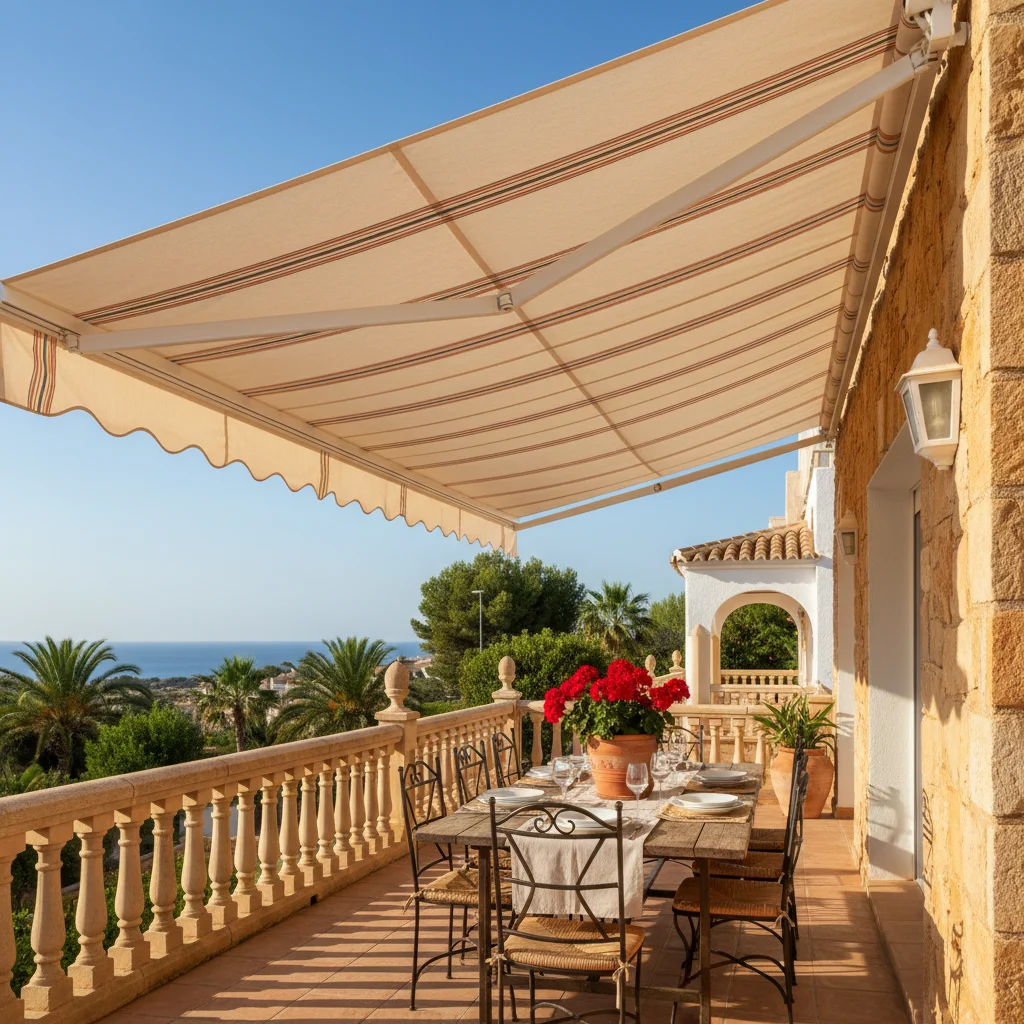
Installing a high-quality retractable awning or toldo is the most effective way to reclaim that square footage. I have walked through countless streets in the La Marina Urbanization where homeowners struggle with cheap, store-bought umbrellas that catch the wind and offer minimal UV protection. A professionally installed awning functions as a thermal barrier. When you extend a three-hundred-gram-per-square-meter acrylic fabric over your glass sliding doors, you aren't just shading the terrace; you are dropping the internal temperature of your living room by up to six degrees. This is vital in an area where the average property price of one hundred and fifty thousand Euros means many residents are looking for energy-efficient ways to manage their homes without running air conditioning twenty-four hours a day. The culture here revolves around the outdoor kitchen and the long afternoon lunch, but without a retractable shade solution, that lifestyle is restricted to the winter months or late evenings.
Engineering for the Vega Baja Climate and Calima
The environmental conditions in this specific part of the Costa Blanca demand a higher grade of hardware than what you might find further inland. We are situated in a unique geographic pocket where the dry heat of the Spanish interior meets the humidity of the Mediterranean and the nearby salt lakes. This proximity to the Salinas means there is a constant, albeit invisible, saline mist in the air that can wreak havoc on inferior metals. When I recommend an awning system here, I insist on powder-coated aluminum profiles and stainless steel components to prevent the pitting and corrosion that typically ruins budget systems within three years. A standard five-meter by three-meter motorized awning in this region should be an investment of approximately two thousand four hundred Euros, which covers the specialized fixings required for the hollow-brick construction common in local builds.
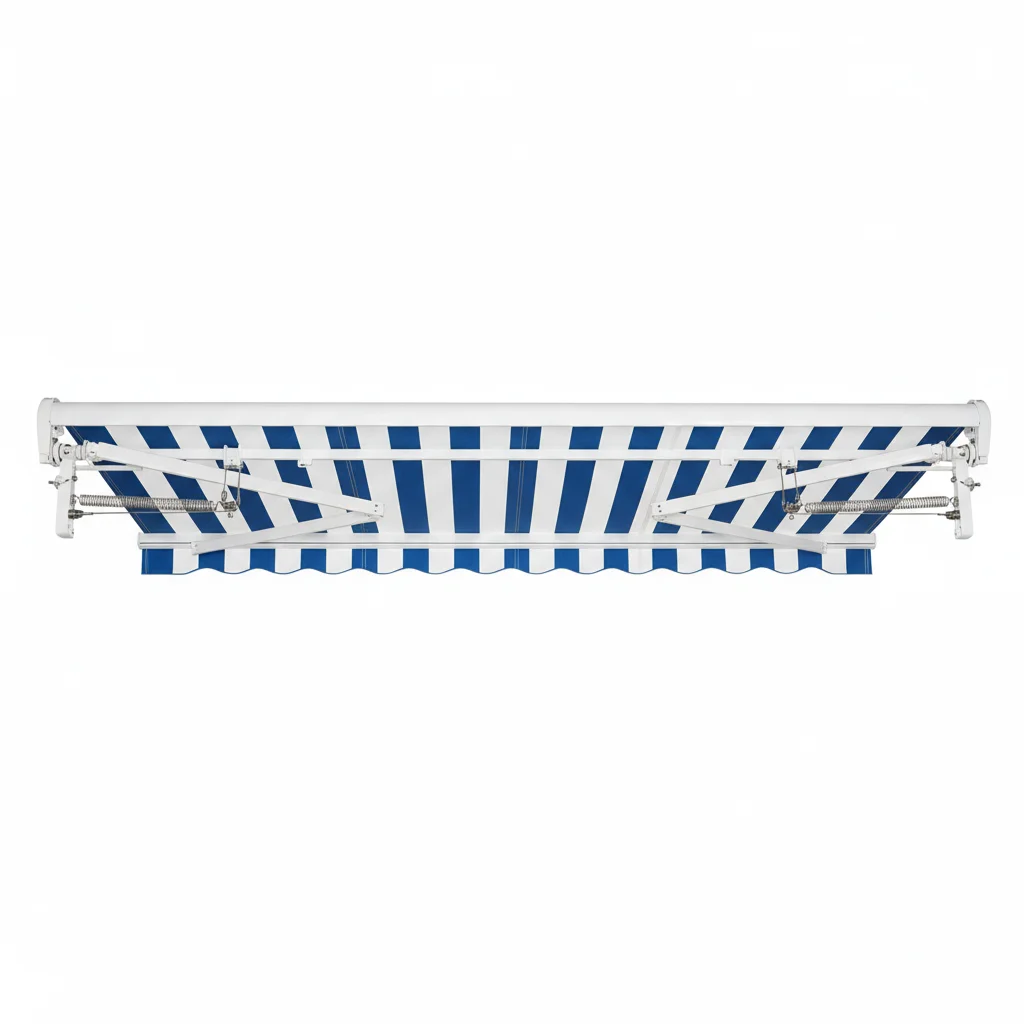
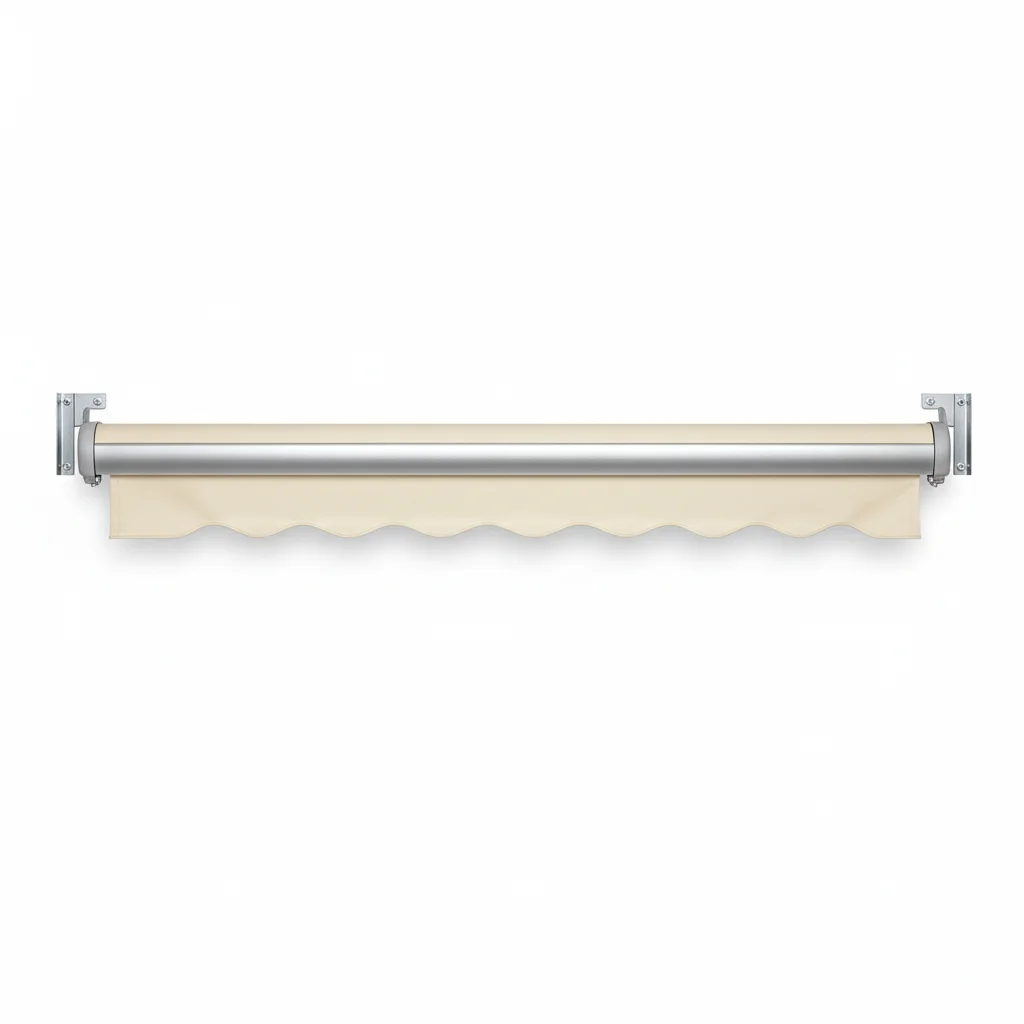
One factor that catches many new residents off guard is the Calima. These Saharan dust storms are more frequent and intense here than in the northern parts of the coast. If you choose a manual awning without a protective housing, that fine orange silt will settle into the roll of the fabric. When the dew or a light rain hits it, it turns into a corrosive mud that stains light-colored fabrics permanently. For this reason, I almost exclusively recommend full-cassette systems for homes near the Segura River and the surrounding plains. A full cassette completely encloses the fabric and the mechanical arms when retracted, keeping the material pristine during a dust event. Furthermore, the wind patterns here are unpredictable. The afternoon thermal breezes can kick up suddenly, which is why a Somfy Eolis wind sensor is a non-negotiable addition. It will automatically retract your awning when vibrations reach a certain threshold, protecting your one-thousand-eight-hundred-Euro investment from being ripped off the wall while you are out at the local market.
Before you commit to a specific color or style, you must consult your Comunidad de Propietarios. Many of the urbanizations in this municipality have strict bylaws regarding the external appearance of dwellings to maintain property values. It is common to see a specific shade of terracotta or a deep forest green mandated for all toldos. I have seen residents forced to take down brand-new installations because they chose a striped blue fabric that didn't match the community's master plan. Always check the "estatutos" of your community first. Additionally, the installation itself requires expertise in "taco químico" or chemical anchoring. The terracotta blocks used in local construction are often brittle; a standard expansion bolt will eventually wiggle loose under the constant leverage of a three-meter projection. We use a resin-based injection system that bonds the threaded rod to the internal structure of the wall, ensuring the awning remains a permanent part of the building.
Strategic Shade Configurations for Local Property Types
The strategy for shade depends entirely on the orientation of your property and the specific model of your home. For the detached villas common in the area, which often sit on plots of around four hundred square meters, I frequently recommend a combination of a large motorized awning for the main terrace and vertical "toldo curtain" systems for the sides. Because the sun sits so low in the sky during the late afternoon, a horizontal awning alone won't stop the glare from hitting your outdoor dining table. By adding a vertical drop-down screen—priced at around eight hundred Euros—you create a fully enclosed "outdoor room" that provides privacy from neighbors and blocks the horizontal rays. This setup works exceptionally well when paired with a bioclimatic pergola if you have a larger garden area, allowing for a permanent structural shade near the pool and a retractable solution against the house.
For the many quads and townhouses, space is at a premium and the terraces are often recessed. In these instances, a "punto recto" or drop-arm awning is often the most practical choice. These are simpler, more robust systems where the arms are fixed to the side walls or the front balustrade. They are particularly effective for north-facing balconies that only receive harsh sun for a few hours a day. If you are living in an apartment near the town center, you might find that a traditional retractable awning isn't feasible due to structural limitations or narrow walkways. In those cases, we look at high-tension shade sails or heavy-duty parasols that can be weighted down. However, for most residents, the sweet spot is a four-meter wide "monobloc" awning. This system uses a square steel bar to support the arms, allowing for more flexible mounting points, which is a lifesaver when we need to avoid the structural pillars or downpipes common in local architecture.
I often advise clients to consider the long-term maintenance of their shade systems. In this climate, even the best solution-dyed acrylic fabrics will eventually face the brunt of UV degradation. Choosing a fabric from a reputable manufacturer like Sauleda ensures that the color is impregnated into the fiber itself, rather than just printed on the surface. This prevents the "bleaching" effect that turns a vibrant red into a dull pink within two seasons. When we integrate these systems with other shade solutions, like a shade sail over a driveway or a cantilevered parasol by the barbecue area, we create a layered cooling effect. This holistic approach to shade is what separates a comfortable Mediterranean home from one that feels like a greenhouse for four months of the year.
Professional Installation and Local Logistic Expertise
Delivering and installing heavy-duty shade systems in this part of the Costa Blanca requires more than just a van and a ladder. I personally oversee the logistics for our projects in the surrounding areas of Rojales, Guardamar, and Algorfa, and I know that every urbanization has its quirks. In the older sections of the local developments, the streets can be narrow and the parking for the Thursday market can make access nearly impossible. We plan our installations around these local events to ensure we aren't blocking access for your neighbors or getting caught in traffic snarls near the CV-859. We also understand the specific building regulations and the wind loads associated with the Vega Baja valley, which is quite different from the coastal winds of Guardamar or the sheltered hills of Los Montesinos.
Our team is familiar with the specific structural layouts of the homes built here during the early 2000s boom. We know where the lintels are likely to be and how to avoid the integrated shutter housings that are hidden behind the brickwork. This local knowledge prevents costly mistakes—like drilling into a roller shutter motor—that a general contractor from outside the area might make. We provide a full service that includes the initial site survey to measure the exact millimetric requirements for your terrace, advice on fabric selection based on your home's orientation, and a clean, professional installation that respects your property.
If you are tired of retreating indoors by mid-morning or watching your outdoor furniture fade under the relentless sun, it is time to look at a permanent shade solution. We offer a free, no-obligation consultation where I can visit your home, show you fabric samples that comply with your community rules, and provide a fixed-price quote. Whether you are in a townhouse near the Segura River or a detached villa in the heart of the urbanization, we have the technical expertise to transform your terrace into a usable, cool, and comfortable living space. Don't let another summer pass where your outdoor area is just wasted space—invest in a system that is engineered for the unique challenges of our local environment.
 JW'"
/>
JW'"
/>