Outdoor Living in Los Montesinos
Los Montesinos is a compact inland town of 5,500 residents where roughly 45% are expats — predominantly British and Scandinavian retirees — attracted by affordable villas, Vistabella Golf, and a peaceful residential atmosphere just fifteen minutes from the coast.
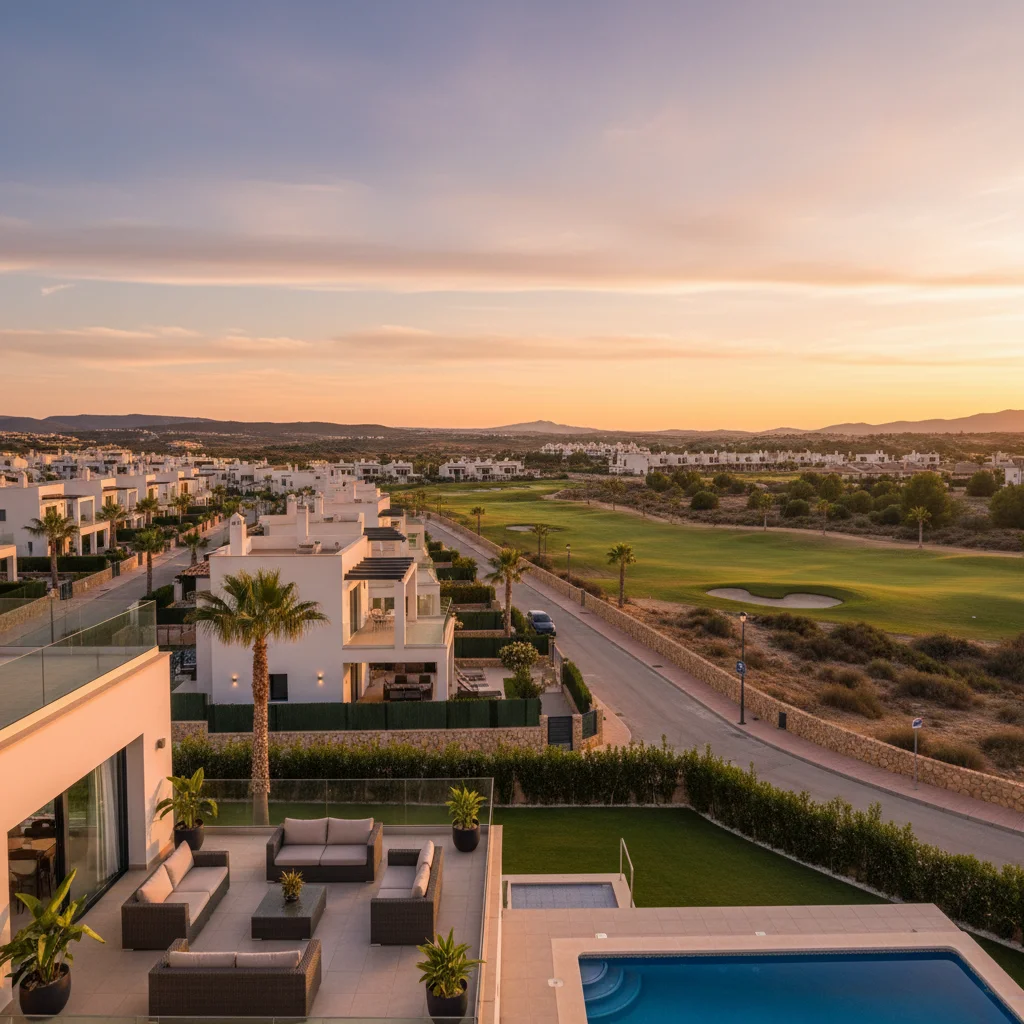
Los Montesinos sits on a gentle rise above the surrounding citrus groves and salt lakes, offering a quiet alternative to the busier coastal strip. The town centre retains a genuine Spanish feel with its weekly street market and traditional tapas bars, but step into the surrounding urbanisations — particularly La Herrada and the streets around Vistabella Golf — and the community is distinctly Northern European. Neighbours swap tips on gas bottle suppliers and argue over charcoal versus briquettes at weekend barbecues.
Property prices here average around €150,000, making it one of the most affordable expat destinations in Alicante province. For that budget you typically get a detached villa or a spacious bungalow with a private garden, a pool, and a covered terrace — exactly the kind of property that lends itself to serious outdoor cooking. The plots in La Herrada tend to be particularly generous, with mature gardens that offer both shade and space for a full outdoor kitchen installation.
The inland climate is marginally warmer in summer and cooler in winter than the immediate coast, but barbecue season here effectively runs year-round. Low humidity and clear skies mean you can fire up a kamado in January as comfortably as you can in July.
Los Montesinos offers some of the most affordable detached villas with large gardens on the Costa Blanca, making it an ideal location for premium outdoor cooking setups that would cost significantly more in coastal towns.
Choosing Your Setup in Los Montesinos
Most properties in Los Montesinos have enough garden space for multiple cooking stations — the challenge is choosing what to install first, not where to fit it.
The typical Los Montesinos villa comes with a garden of 80 to 150 square metres, often with an existing covered terrace or naya. Costa Blanca Outdoors recommends starting with a quality gas BBQ on the terrace for everyday grilling — quick to light, easy to control, and perfect for the midweek dinner you did not plan until five o’clock. A 4-burner model with a side burner handles everything from lamb chops to a full paella.
For the garden proper, a kamado grill is the natural next step. The Vistabella Golf community in particular has embraced kamado cooking, with several owners running informal smoking competitions during the cooler months. A large kamado — 24 inches or above — lets you smoke a full pork shoulder overnight, grill steaks at 300 degrees, or bake bread, all on the same unit.
If you have a dedicated corner with a solid base, a wood-fired pizza oven rounds out the setup. Olive and almond wood from nearby farms burns cleanly and adds a flavour you simply cannot replicate with gas. Several suppliers in neighbouring Rojales stock seasoned firewood by the trailer load.
Costa Blanca Outdoors recommends a three-zone approach for Los Montesinos gardens: gas BBQ on the terrace, kamado by the pool, and a wood-fired pizza oven on a stone plinth in a dedicated garden corner.
Delivery to Los Montesinos
We deliver throughout Los Montesinos, La Herrada, Vistabella Golf, and the surrounding countryside on our regular southern inland route.
Los Montesinos is one of the most straightforward towns on our delivery schedule. Wide residential streets, open driveways, and ground-floor properties mean even the heaviest items — stone pizza ovens, large kamado grills, built-in BBQ islands — can be placed directly in your garden without the stairwell and access challenges common in coastal apartment blocks.
Every delivery includes our full white-glove service: unpacking, assembly, placement in your preferred location, and a complete walkthrough of your new equipment. For custom outdoor kitchen projects, we work with local builders who know the construction methods and materials typical of Los Montesinos properties.
We cover Los Montesinos on the same runs as Algorfa, Rojales, and San Miguel de Salinas, with Torrevieja just ten minutes to the east. Standard delivery takes 5–10 working days for in-stock products, while custom outdoor kitchen builds typically require 3–4 weeks including design consultation and installation.
Shade Sails in Los Montesinos: Practical Solutions for the Vega Baja Climate
Living in this corner of the Vega Baja since 2019 has taught me that the sun here operates differently than it does in the northern parts of the Costa Blanca. While towns like Dénia get a bit more rainfall and humidity from the mountains, Los Montesinos sits in a unique topographical pocket. We are nestled right between the salt lakes of Torrevieja and the vast agricultural plains, which means we deal with a dry, intense heat that peaks mid-afternoon. For the 5,500 residents here, nearly half of whom are expats from Britain and Scandinavia, the outdoor terrace is the heart of the home. Whether you own a villa in the established streets of La Herrada or a modern apartment overlooking Vistabella Golf, managing that heat is the difference between enjoying your property and being trapped inside with the air conditioning running at full tilt. Shade sails have become the architectural solution of choice in this area because they offer a flexibility that traditional awnings or heavy pergolas simply cannot match, especially when dealing with the varied property layouts found in our local urbanisations.
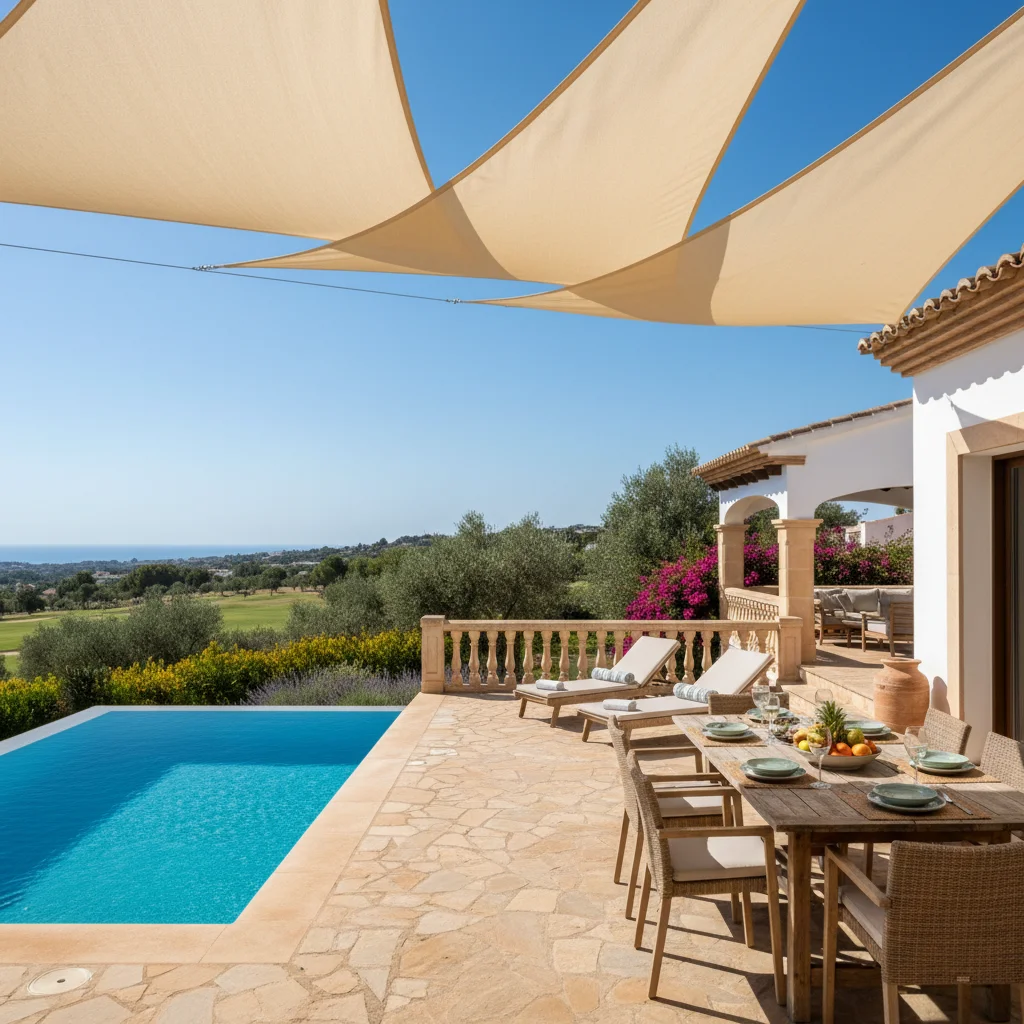
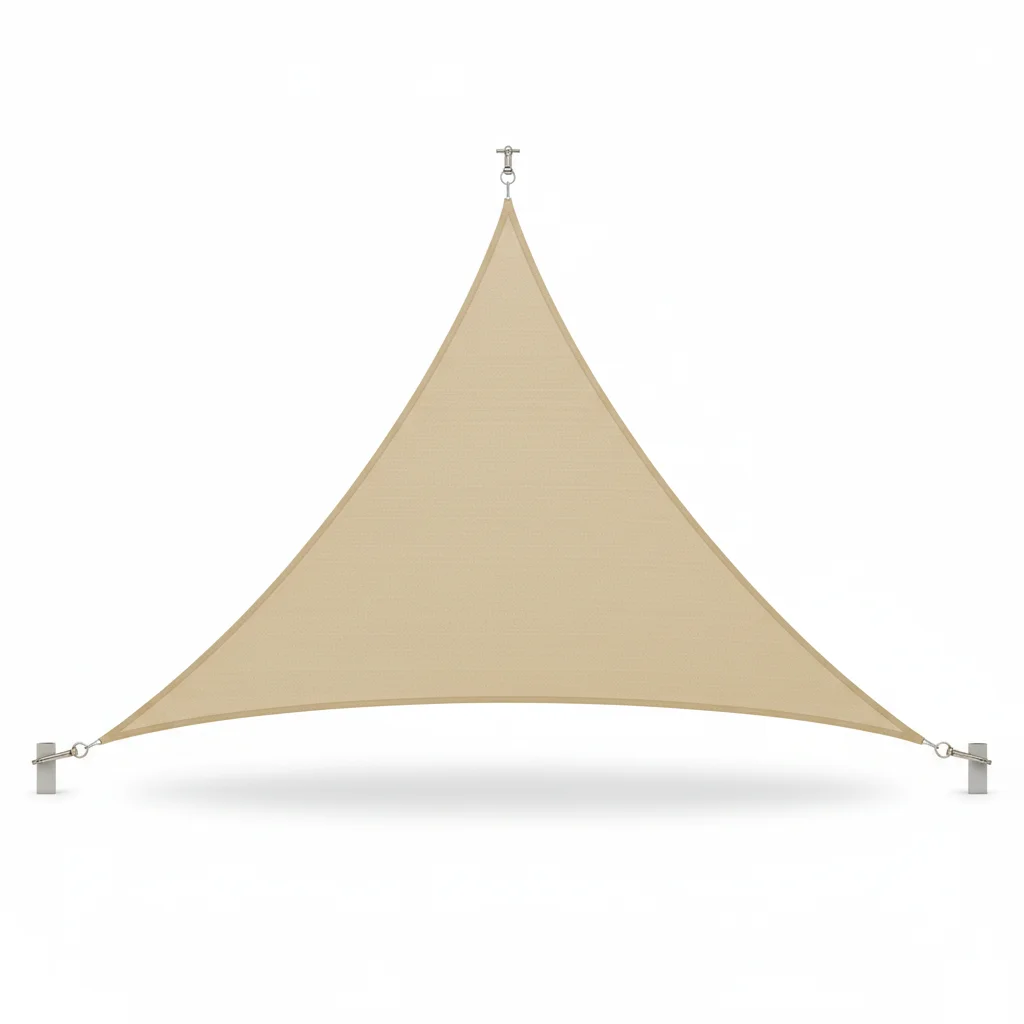
The property market here, where average prices hover around EUR 150,000, attracts a demographic that values practical, high-quality outdoor living without the excessive price tags found in the northern coastal towns. British and Scandinavian residents have brought a culture of outdoor kitchens and long, communal dining experiences that require large areas of shade. Unlike a standard parasol that covers a single table and constantly needs moving as the sun tracks across the sky, a well-tensioned shade sail creates a permanent "cool zone." In developments like La Herrada, where many villas feature compact plots with pools squeezed into side terraces, a triangular shade sail can be anchored directly to the house walls and a single stainless steel post. This saves precious floor space that a heavy parasol base would otherwise occupy. Furthermore, the aesthetic of the shade sail—clean lines and architectural angles—complements the modern white-wash finishes common in newer builds across this region.
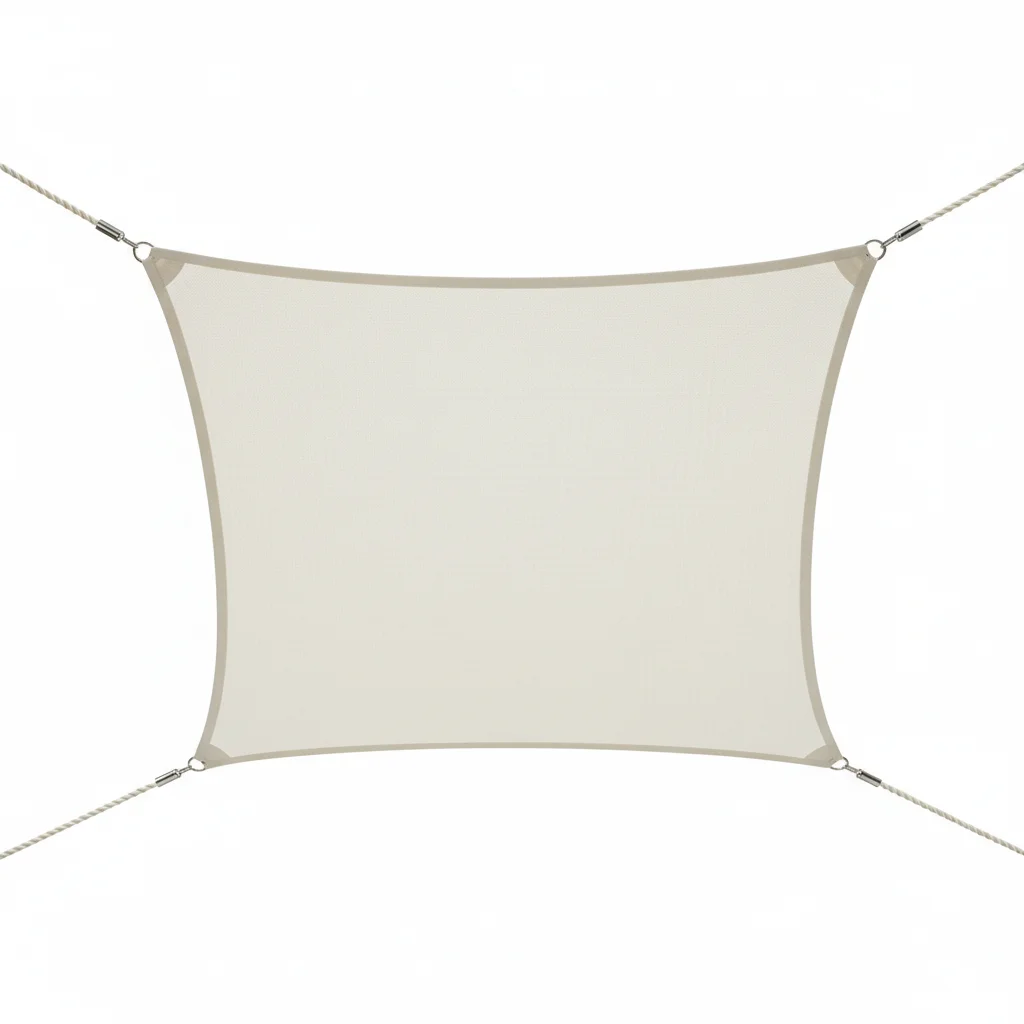
I have found that the specific wind patterns around the salt lakes also dictate why sails work so well here. We often get a stiff breeze coming off the water in the evenings. A traditional retractable awning acts like a giant sail in the wind, putting immense pressure on the wall brackets and often requiring a wind sensor to auto-retract. In contrast, high-quality HDPE (High-Density Polyethylene) fabric used in architectural shade sails is permeable. This means the air flows through the material, preventing the "parachute effect" and keeping the area underneath significantly cooler by allowing hot air to rise through the fabric. For a typical terrace in one of the golf resort communities, a custom-cut rectangular sail measuring 4m x 5m provides a massive 20 square meters of shade for a total investment of roughly EUR 600 to EUR 900, depending on the hardware requirements. This is a fraction of the cost of a bioclimatic pergola while providing nearly the same level of UV protection and temperature reduction.
Technical Considerations for the Salt Lake Environment
When I advise clients in this specific area, the first thing I mention is the salt lake humidity. While we aren't "front line" beach like Torrevieja, the air carries a significant amount of salt and moisture, particularly at night. This makes the choice of hardware critical. You should never settle for galvanized steel or low-grade stainless steel anchors. In this town, I only recommend Grade 316 stainless steel for every shackle, turnbuckle, and pad eye. Over time, the salt air will pit and corrode inferior metals, leading to unsightly rust streaks on your white villa walls. A high-tension sail needs to stay under constant pressure to look its best and prevent flapping; if your tensioning hardware fails due to corrosion, the sail will sag, collect water during the rare Vega Baja downpours, and eventually fail.
The second major factor is the calima. These Saharan dust storms hit the south of the Costa Blanca harder than anywhere else. If you choose a solid fabric or a low-quality canvas, that red dust becomes embedded in the fibers and is incredibly difficult to remove. The HDPE mesh sails we install are designed for this exact problem. Because the fabric is a knitted monofilament, the dust usually sits on the surface or falls through the holes. A simple blast with a garden hose once a month is usually enough to keep the colors vibrant. For those living in the more rural outskirts toward Algorfa or San Miguel de Salinas, where agricultural dust is also a factor, I recommend darker earth tones or "sand" colored fabrics which mask the dust better than the bright whites or blues.
Community rules, or the comunidad de propietarios, are another vital consideration in Los Montesinos, especially in the apartment blocks and shared garden communities. Many urbanisations have strict rules against permanent structures like wooden pergolas or brick extensions. However, shade sails often fall into a "grey area" because they are technically removable. Since they don't require a building license (obra menor) in most cases, they are an ideal way to circumvent the bureaucracy of the town hall. For an apartment owner with a solarium or a large balcony, a sail can be taken down in five minutes if the community management raises an issue, though most neighbors generally prefer the clean, modern look of a sail over a cluttered collection of mismatched umbrellas. A professionally installed 3m x 3m square sail for a balcony typically starts at around EUR 350, providing a sleek solution that respects the building’s aesthetic.
Recommended Configurations for Local Property Types
If you are living in a detached villa, perhaps in one of the quieter streets near the town center, you likely have a large tiled terrace or a pool area that gets hammered by the sun from 2:00 PM onwards. For these properties, I often recommend a "Hypar" design. This involves using four attachment points at different heights to create a twisted, 3D shape. Not only does this look incredibly modern, but it also allows for excellent water runoff. In a town where we can go months without rain followed by a sudden 20-minute torrential downpour, ensuring your sail doesn't "puddle" is essential. A dual-sail setup, overlapping two triangles of different colors (perhaps a charcoal grey and a silver), can cover a large 40m² area for approximately EUR 1,200 to EUR 1,500. This configuration provides different densities of shade as the sun moves, ensuring your outdoor dining table is protected during lunch, while your sun loungers get dappled light.
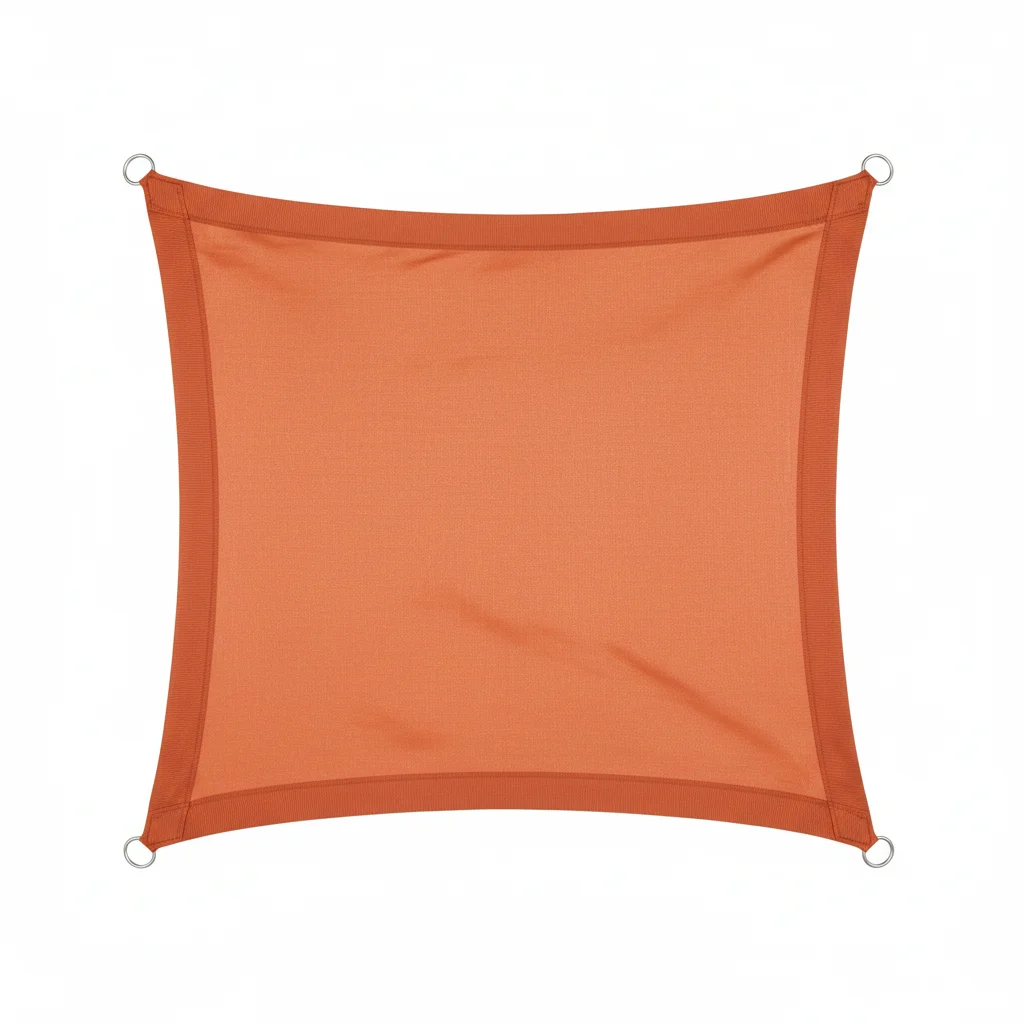
For the apartment dwellers and those in the golf communities like Vistabella, space is at a premium. Here, we often combine shade sails with other products like vertical awnings or high-quality parasols-shade solutions. If you have a south-facing balcony, the sun doesn't just come from above; it reflects off the floor and hits the glass doors, heating the interior of your home. A small, strategically angled rectangular sail can block the sun before it ever touches your glass, significantly reducing your cooling costs. I often see residents trying to use cheap, DIY kits from big-box retailers. These usually come in standard sizes like 3x3m with nylon ropes. My advice is to avoid these; they lack the "hollowed" or curved edges of a professional sail. A professional sail is cut with a concave curve on all sides so that when you pull the corners, the tension spreads evenly across the middle. Without this curve, the sail will always have a loose, messy center that flaps in the wind.
If your budget allows for a more permanent hybrid, you might consider a bioclimatic pergola for your main seating area, complemented by a shade sail extending over the pool or the outdoor kitchen. This creates a tiered outdoor living space. The pergola provides the heavy-duty, rain-proof shelter, while the sail adds a lighter, more organic feel to the garden. I’ve seen this work exceptionally well in the larger villas around the CV-945, where the gardens are big enough to accommodate multiple "zones." Using a 280g/m² weight fabric ensures that you get 95% UV blockage, which is a health necessity in this part of Spain, not just a luxury. The difference in temperature under a heavy-duty HDPE sail can be as much as 10 degrees Celsius compared to standing in direct sunlight.
Local Knowledge and Installation Logistics
Delivering and installing in Los Montesinos requires an understanding of the local layout that many national companies lack. Whether you are in the heart of the village or out in the newer developments, access can sometimes be a challenge. The narrow streets in the old center require smaller delivery vehicles and a bit more planning for ladder work. Conversely, in the open urbanisations like La Herrada, the challenge is often the "tramontana" or "poniente" winds that whip across the flat plains. We know the local building materials used in these homes—from the hollow ceramic bricks to the reinforced concrete pillars—and we use specific chemical anchoring systems to ensure that your sail stays put even during a heavy "Gota Fría" storm.
Our service extends beyond just the town limits; we frequently work in nearby Torrevieja, Rojales, and Algorfa, meaning we are constantly in the area. We understand the logistics of the CV-905 and the back roads through the lemon groves, ensuring we arrive on time and with the right equipment. For property owners who are only here for part of the year, we offer advice on how to quickly take the sails down for the winter months. While the fabric is designed to stay out year-round, removing them during the winter can extend their lifespan from 8 years to well over 12 years. It’s this kind of local, long-term thinking that has allowed me to help over 200 families across the Costa Blanca.
When you are ready to transform your terrace, the best way to start is with a site visit. I personally look at the orientation of your house relative to the afternoon sun and identify the strongest mounting points on your property’s structure. We don't believe in a one-size-fits-all approach because no two terraces in this town are identical. A custom consultation allows us to measure the exact millimetres of your space, ensuring a drum-tight finish that looks like a permanent part of the architecture. If you see me around the village or perhaps grabbing a coffee near the church square, feel free to stop me for a chat, or better yet, reach out for a formal consultation. I can show you fabric samples that have been tested against the specific UV levels and salt air we experience here, ensuring your investment stands up to the unique demands of life in the Vega Baja.
 JW'"
/>
JW'"
/>