Outdoor Living in Pilar de la Horadada
Pilar de la Horadada is the southernmost town in Alicante province, home to 25,000 residents with roughly 30% expats — British, German, and Nordic — spread between the traditional town centre and the popular coastal developments at Mil Palmeras and Torre de la Horadada.
Pilar de la Horadada sits right on the border with Murcia, giving it a character that blends Costa Blanca lifestyle with the slightly rawer, less developed feel of the coast further south. The town itself is a working Spanish agricultural centre — citrus and artichoke fields stretch inland — while the coast at Mil Palmeras and Torre de la Horadada has developed into a thriving expat community with modern apartment complexes, beachfront restaurants, and a Saturday morning market that draws crowds from across the southern Costa Blanca.
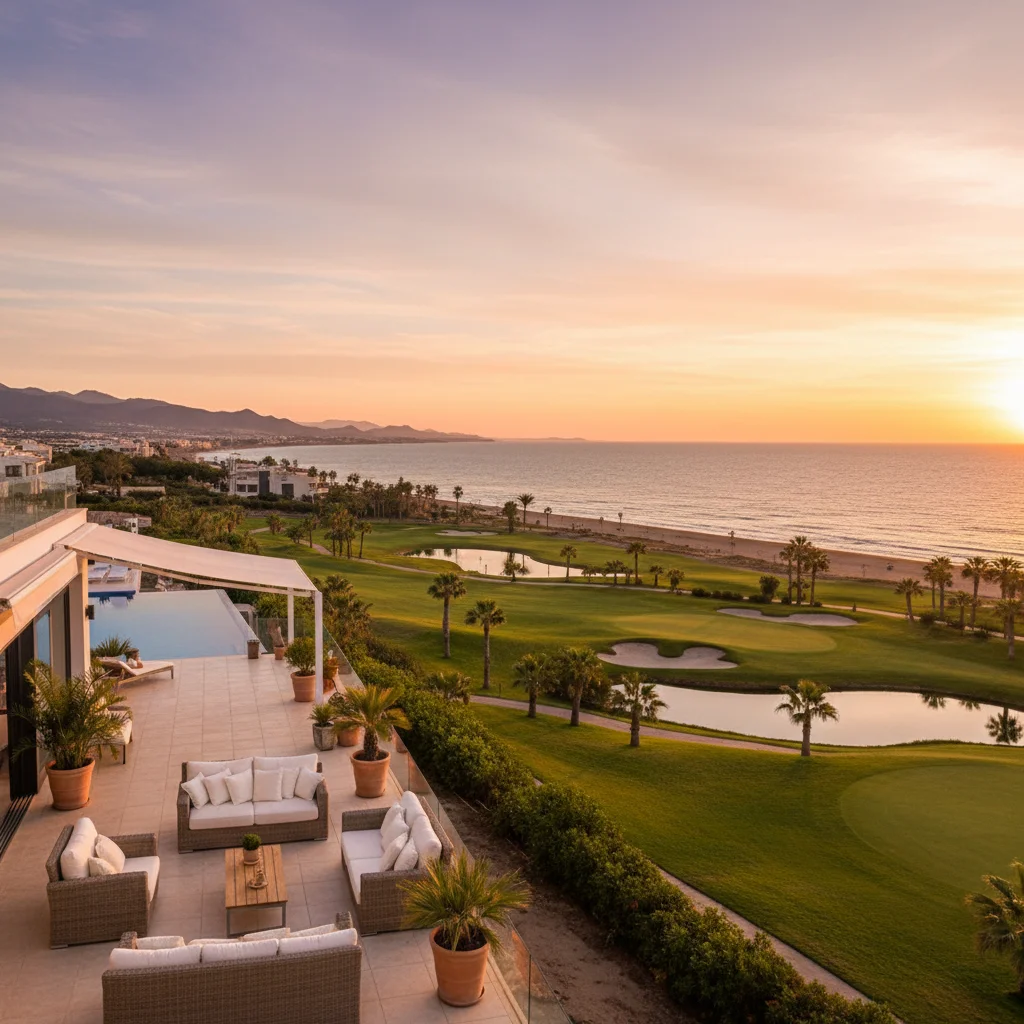
Mil Palmeras takes its name from the thousand palm trees planted along its beachfront promenade, and the area has grown into one of the south coast’s most popular residential zones. Modern villas and low-rise apartment buildings line the streets behind the beach, many with communal pools and gardens. Torre de la Horadada, centred on its sixteenth-century watchtower and small marina, has a more established feel with a mix of Spanish and expat residents.
Property prices average around €190,000, with modern two-bedroom apartments near the beach from €120,000 and detached villas with pools from €250,000 upwards. Lo Romero Golf, inland from the town centre, adds another residential cluster where golfers and retirees enjoy larger properties with open views across the countryside.
Pilar de la Horadada offers a mix of modern coastal living at Mil Palmeras and Torre de la Horadada, traditional Spanish town life inland, and spacious golf properties at Lo Romero — each presenting different outdoor cooking opportunities.
Choosing Your Setup in Pilar de la Horadada
The split between coastal apartments and inland villas in Pilar de la Horadada means equipment recommendations vary significantly depending on which part of town you call home.
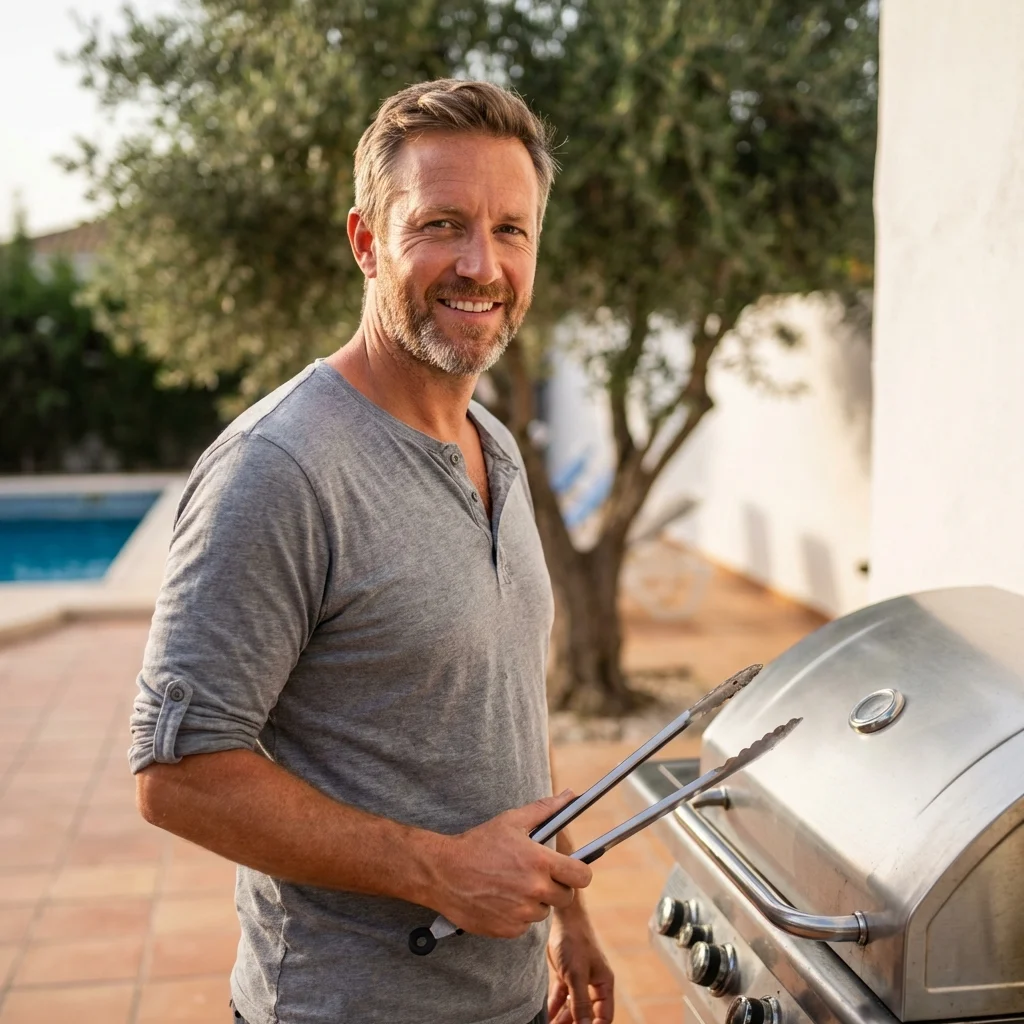
Apartment owners at Mil Palmeras and Torre de la Horadada typically have terraces of 10 to 20 square metres, often with sea views that make outdoor dining a daily pleasure. For these spaces, Costa Blanca Outdoors recommends a compact gas BBQ — a quality 2-burner unit on a wheeled cart that can roll to the railing for cooking and tuck against the wall when not in use. Alternatively, an 18-inch kamado on a sturdy table offers smoking, grilling, and baking in a single compact unit.
Villa owners around Lo Romero Golf and the residential streets between the town centre and the coast have considerably more room to work with. A built-in gas BBQ with a stone or tile surround is the backbone of most installations we complete here. The modern construction of these properties — concrete block walls, tiled terraces, flat garden areas — makes outdoor kitchen installation straightforward compared to older traditional builds.
For the growing number of homeowners who want a complete outdoor cooking station, we recommend pairing the built-in BBQ with a wood-fired pizza oven. The coastal breeze at Mil Palmeras disperses smoke quickly, and the flat rooftop terraces on some of the newer villa developments are ideal elevated locations for a pizza oven with panoramic views.
Costa Blanca Outdoors recommends compact gas BBQs or small kamados for Mil Palmeras apartments, and built-in BBQ islands paired with pizza ovens for the larger villa properties around Lo Romero and inland Pilar.
Delivery to Pilar de la Horadada
We deliver across Pilar de la Horadada, Mil Palmeras, Torre de la Horadada, and Lo Romero Golf on our regular southern coastal route — the southernmost point of our Alicante delivery area.
As the last town before the Murcia border, Pilar de la Horadada marks the southern edge of our standard delivery zone. We cover the area regularly, combining runs with nearby Orihuela Costa and San Miguel de Salinas, making the trip down the AP-7 motorway straightforward.
For coastal apartment deliveries at Mil Palmeras and Torre de la Horadada, we confirm lift access and terrace dimensions in advance. Most of the modern blocks here have goods lifts, but we check every time to avoid surprises on delivery day. Villa deliveries at Lo Romero and the inland residential areas are simpler — wide streets, open driveways, and direct garden access.
Every delivery includes full white-glove service: unpacking, assembly, positioning, and a complete equipment demonstration. Torrevieja is twenty minutes north on the same route, and we regularly combine deliveries across all three areas. Standard delivery takes 5–10 working days for in-stock products, with custom outdoor kitchen builds requiring 3–4 weeks including design and installation.
Effective Shade Sail Solutions in Pilar de la Horadada
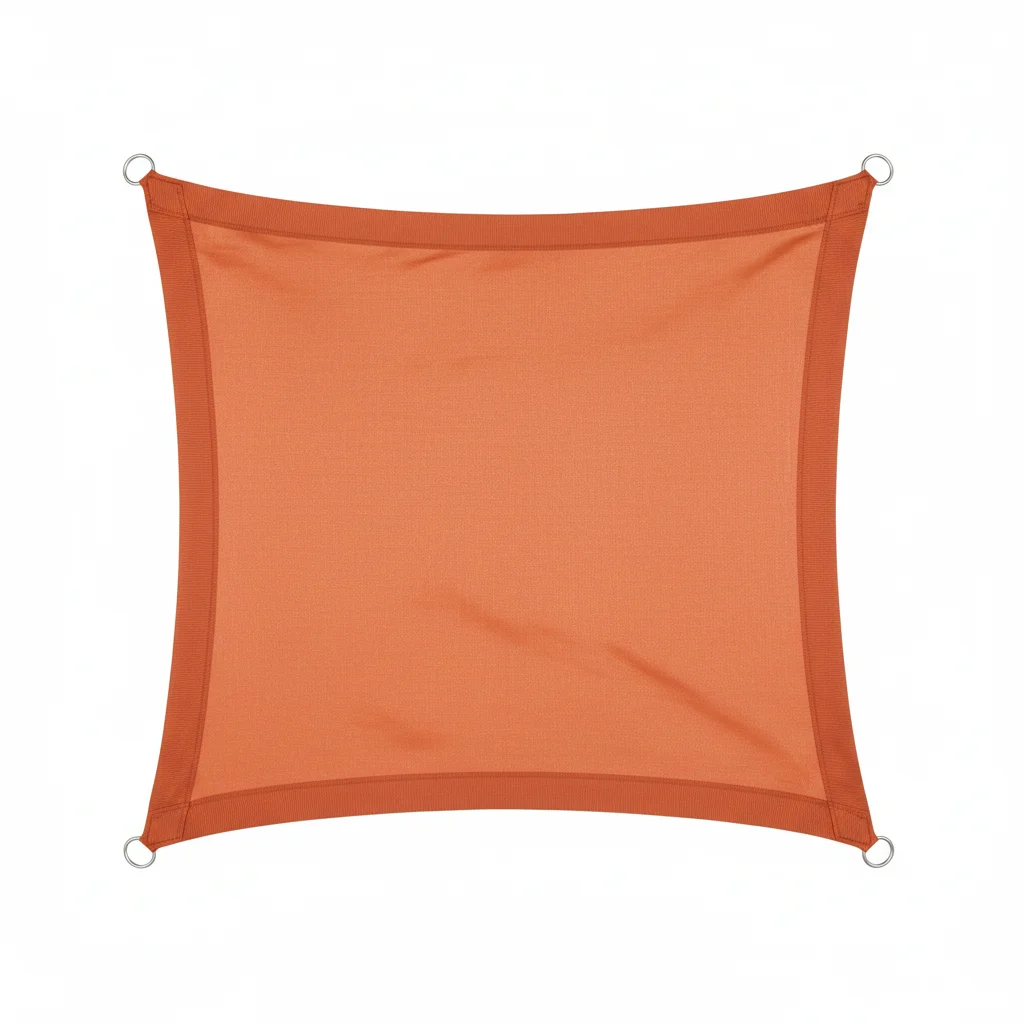
Living in this southern corner of the Costa Blanca requires a different approach to outdoor shade than the northern regions. With a population of 25,000, of which 30% are international residents, the local culture revolves heavily around the terrace. Whether you are a British expat hosting a Sunday roast or a Nordic resident enjoying the winter sun, the orientation of your property dictates your comfort. The housing stock here ranges from affordable urbanisation villas to modern apartments near the beachfront of Mil Palmeras and the greens of Lo Romero Golf. In these settings, space is often at a premium, making traditional bulky structures like wooden gazebos impractical. Shade sails offer a high-tension, architectural alternative that provides essential UV protection while maintaining an airy, open feel that suits the local Mediterranean aesthetic.
The climate in this specific area is notably hotter and drier than the northern Costa Blanca. We experience a unique intersection of intense afternoon sun and high humidity levels, particularly for properties closer to the salt lakes. This humidity, combined with the salt-laden air near Torre de la Horadada, is brutal on inferior materials. When I specify a shade sail for a client here, I insist on High-Density Polyethylene (HDPE) fabric. Unlike solid canvas, HDPE is breathable; its porous weave allows hot air to escape upwards, which can lower the temperature underneath by up to 10 degrees. Furthermore, it handles the frequent "Calima" dust storms far better than traditional awnings. Instead of the fine Saharan sand getting trapped in a mechanical roller, it can simply be hosed off the tensioned fabric without risk of staining or jamming.
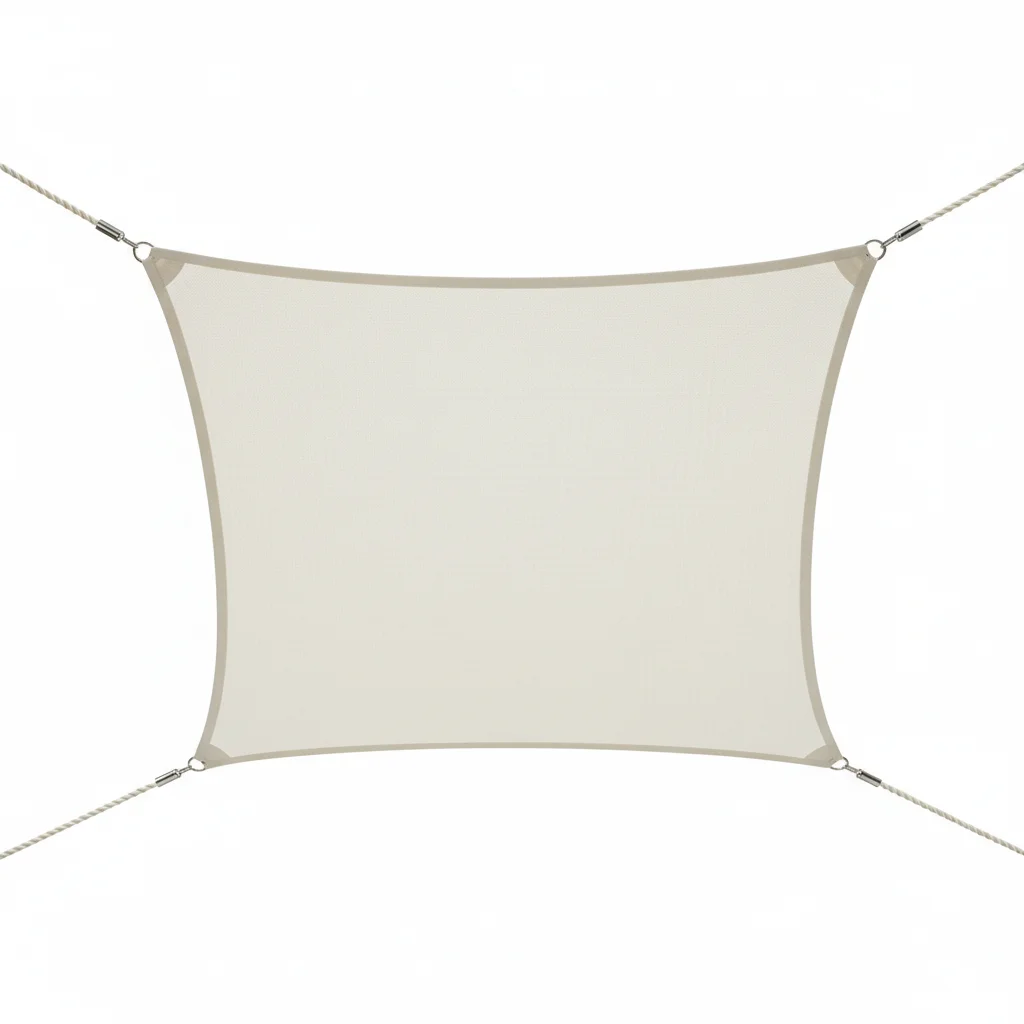
From a practical installation standpoint, you must consider the "comunidad de propietarios" regulations which govern most urbanisations in the area. Many communities are restrictive regarding fixed structures like bioclimatic pergolas, which can cost upwards of €10,000 and may require building permits. Shade sails are often categorized as temporary or semi-permanent installations, making them a much easier sell to a community president. For a standard 4m x 4m square sail using 280g/m² fabric and marine-grade AISI 316 stainless steel fittings, you can expect to invest between €450 and €800. The use of 316-grade steel is a non-negotiable local requirement; the standard 304-grade will begin to show tea-staining and rust within a single season due to the coastal proximity.
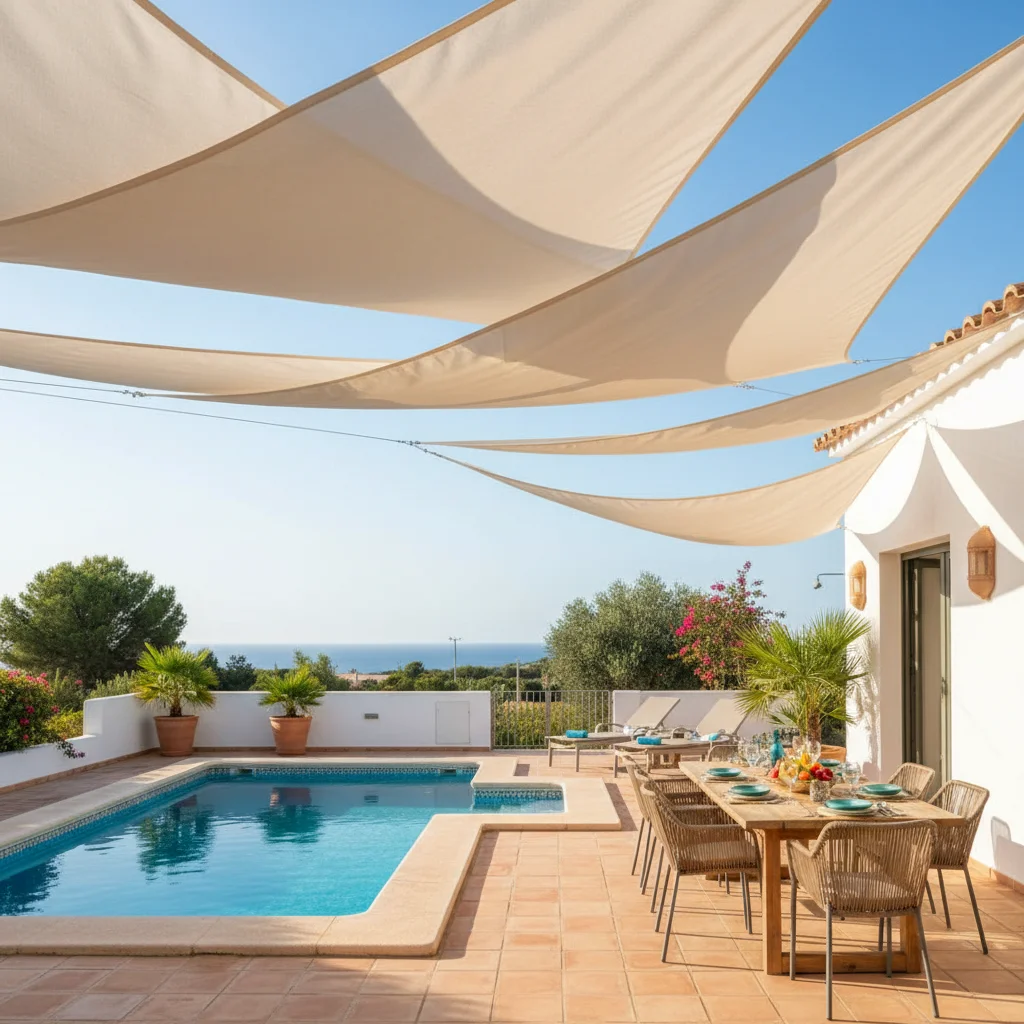
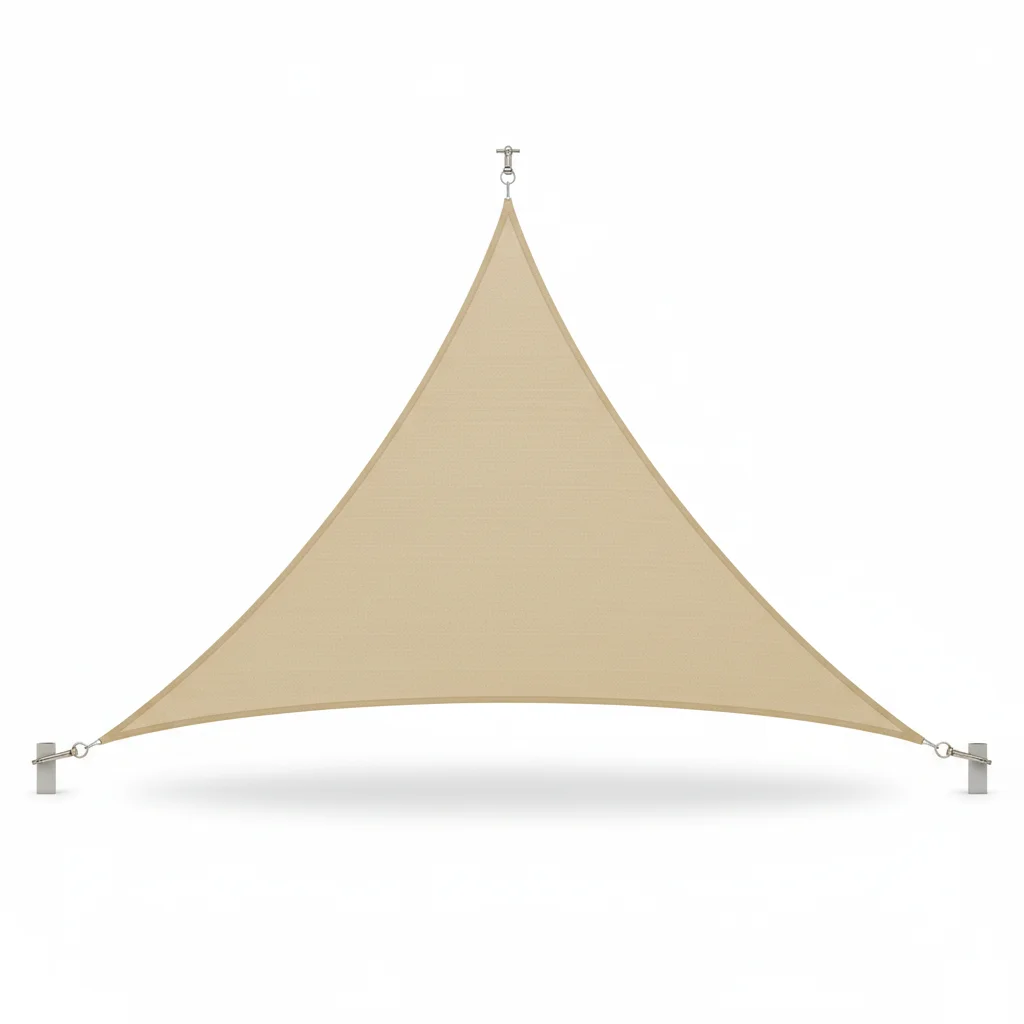
For owners of villas in the local golf resort communities, I typically recommend a dual-sail configuration. By overlapping two triangular sails at different heights—for instance, a 5m and a 3m sail—you create a dynamic shade pattern that covers both the outdoor dining area and a portion of the pool deck. This setup allows for "wind spill," where the gap between the sails prevents the fabric from acting like a parachute during the gusty "Levante" winds. For those in apartments with smaller 15m² balconies, a single 3.6m triangular sail is the most efficient choice. It provides focused shade for a bistro set without obstructing the view. If you find the late afternoon sun still hits the terrace at a low angle, we often combine these sails with a side-mounted vertical awning or a high-quality cantilever parasol to create a total shade solution.
My team and I are frequently on the road between nearby Orihuela Costa, San Miguel de Salinas, and Torrevieja. We know the local building logistics well, particularly the challenges of anchoring heavy-tension sails into the hollow "ladrillo" bricks common in Spanish construction. We use chemical anchoring systems to ensure that even under high tension, your sail remains secure. If you are looking to reclaim your terrace from the heat, I can provide a site visit to assess your wall heights and orientation. Let’s sit down for a free consultation to design a layout that works for your specific plot and budget.
 JW'"
/>
JW'"
/>