Outdoor Living in Alicante
Alicante is the provincial capital with 340,000 residents and a 12% expat population — a vibrant Mediterranean city where castle-top views, beachfront promenades, and year-round sunshine fuel one of the Costa Blanca’s most dynamic outdoor living scenes.
Alicante is where urban energy meets coastal lifestyle. The city rises from the sweeping Explanada promenade up through the narrow streets of the Barrio de Santa Cruz to Santa Bárbara Castle perched on Mount Benacantil. It is a proper Mediterranean city — not a resort — with international schools, a major airport, excellent healthcare, and a cultural calendar that keeps terraces busy twelve months a year.
The expat community is cosmopolitan: British, French, Italian, and increasingly Nordic and Eastern European residents mix with a large Spanish population. Property prices average around €250,000, ranging from compact city centre apartments near the Mercado Central to spacious penthouses with wraparound terraces in the Cabo de las Huertas headland. The San Juan corridor running north toward San Juan de Alicante offers suburban villas with private gardens, while areas like Vistahermosa and Albufereta provide hillside homes with panoramic sea views.
Outdoor cooking is not seasonal here — it is a way of life. Alicante’s mild winters (average January highs of 17°C) mean that a well-equipped terrace functions as an extension of the kitchen year-round. From tapas evenings on a penthouse rooftop overlooking the harbour to Sunday paellas in a San Juan garden, the demand for quality outdoor cooking equipment is constant.
Alicante’s combination of cosmopolitan city life, diverse property types, and year-round mild climate makes it one of the strongest markets on the Costa Blanca for premium outdoor cooking equipment.
Choosing Your Setup in Alicante
Property type drives equipment choice in Alicante — compact gas BBQs for city centre penthouses, full outdoor kitchens for suburban villas, and salt-resistant materials for anything near the coast.
City centre apartments in the Barrio de Santa Cruz and around the Plaza de los Luceros typically have smaller terraces of 8–12 square metres. A two-burner gas BBQ or a compact kamado (38cm) fits these spaces perfectly while delivering serious cooking performance. Penthouse terraces in newer developments along the Playa de San Juan or in Cabo de las Huertas offer 15–30 square metres — enough for a three- or four-burner gas station with side burner, ideal for entertaining.
Suburban villa owners in the San Juan corridor and Vistahermosa have space for the full treatment. Costa Blanca Outdoors designs built-in outdoor kitchens with gas grills, preparation counters, pizza ovens, and storage — turning a poolside terrace into a complete cooking and entertaining area. These setups are particularly popular with British and French residents who host regularly.
Salt air is a real factor in Alicante. Any property within a kilometre of the coast — and that includes most of the city — benefits from marine-grade stainless steel construction. Costa Blanca Outdoors stocks 304 and 316 stainless-steel models specifically for coastal installations, ensuring your investment lasts well beyond the standard three-season lifespan of cheaper alternatives.
For Alicante properties, Costa Blanca Outdoors recommends marine-grade stainless-steel equipment as standard, with setup size matched to your terrace footprint — from compact two-burner units to full built-in outdoor kitchens.
Delivery to Alicante
We deliver throughout Alicante city, from the harbour district to Cabo de las Huertas, Vistahermosa, and the San Juan beach corridor, on our weekly greater Alicante route.
As the provincial capital, Alicante is the hub of our delivery network. The city centre has some traffic restrictions and limited-access streets, particularly in the Old Quarter around the Mercado Central and Santa Cruz — we schedule these deliveries during permitted hours and coordinate building access in advance. Beachfront and Cabo de las Huertas deliveries are straightforward with good parking and lift access in most modern buildings.
For apartment deliveries, our team handles everything from ground-floor unloading to terrace placement, including unpacking, assembly, and a full equipment walkthrough. Villa deliveries in the suburban areas around Vistahermosa and the San Juan corridor are typically the simplest, with direct driveway access.
Neighbouring San Juan de Alicante and El Campello are on the same northern route, while Elche and Gran Alacant connect on our southern schedule. In-stock items ship within 5–10 working days, while custom outdoor kitchen projects require 3–4 weeks for design, fabrication, and professional installation.
Elevating the Social Experience with Outdoor Bar Furniture in the Provincial Capital
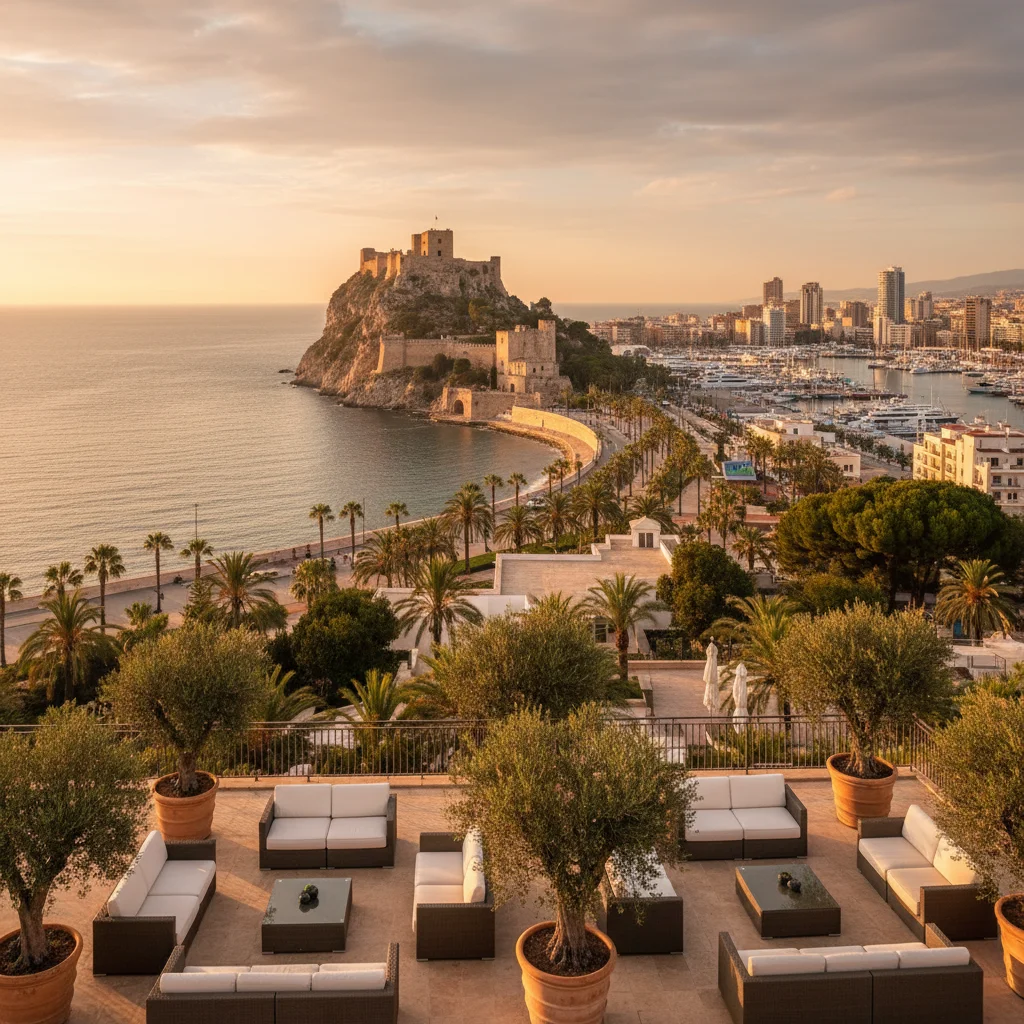
Living in this corner of the Mediterranean since 2019 has taught me that outdoor space is rarely just a luxury; it is the primary living room for most of the year. In a city of 340,000 residents, the diversity of property types creates a unique challenge for furnishing. You might be looking out over the Mediterranean from a high-rise apartment on San Juan Beach or hosting a large Sunday lunch in a villa tucked away in the quieter residential pockets near Vistahermosa. The international makeup of our community, which includes a significant 12% of residents from the UK, France, and Italy, has fundamentally shifted how we design our terraces. We are seeing a move away from the traditional low-slung lounge towards elevated bar seating that mirrors the social atmosphere of the Explanada or the vibrant bars in the Old Quarter.
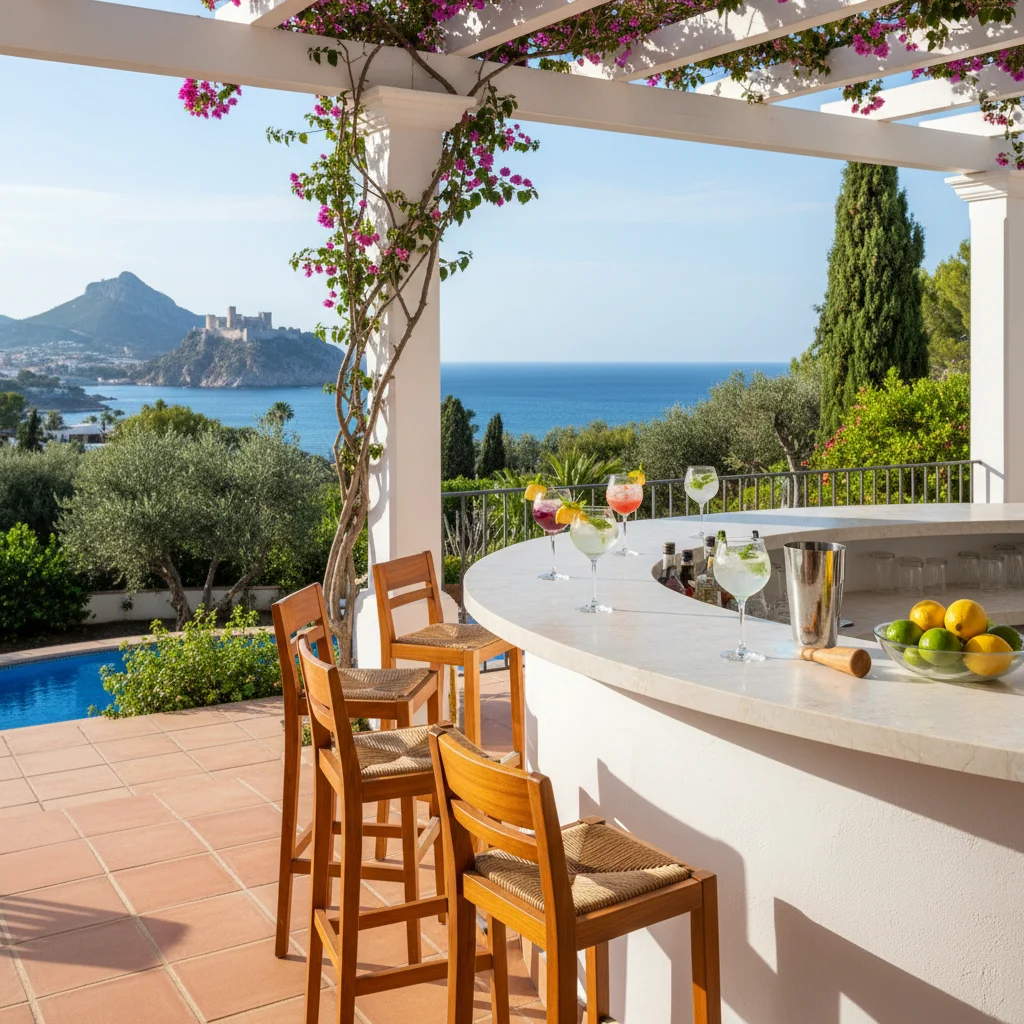
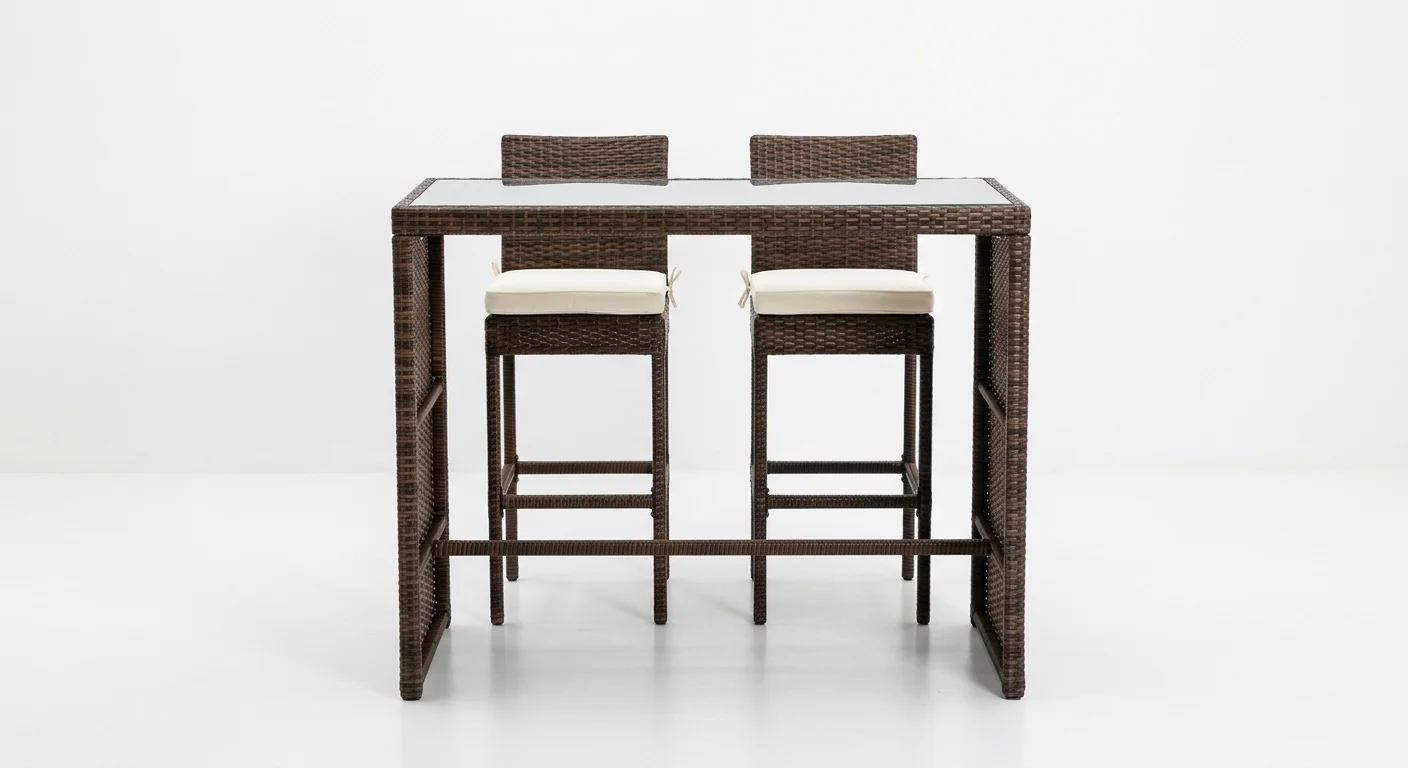
Outdoor bar furniture serves a very specific purpose in our local architecture. Many of the properties here, particularly the more established apartments with an average price point around EUR 250,000, feature relatively narrow balconies where a full dining set would feel cramped. By opting for bar-height tables and stools, you effectively reclaim floor space while elevating your line of sight. If you are sitting on a standard chair, your view of the Santa Bárbara Castle or the coastline is often obscured by the terrace railing. Raising that seat height by just 30 centimeters changes the entire perspective of your property. This elevation also caters perfectly to the European tradition of the aperitivo or the late-evening cocktail, which is a staple of the lifestyle for the French and Italian expats who have settled here. They prioritize fluid movement and social interaction over the formal, static seating arrangements of the past.
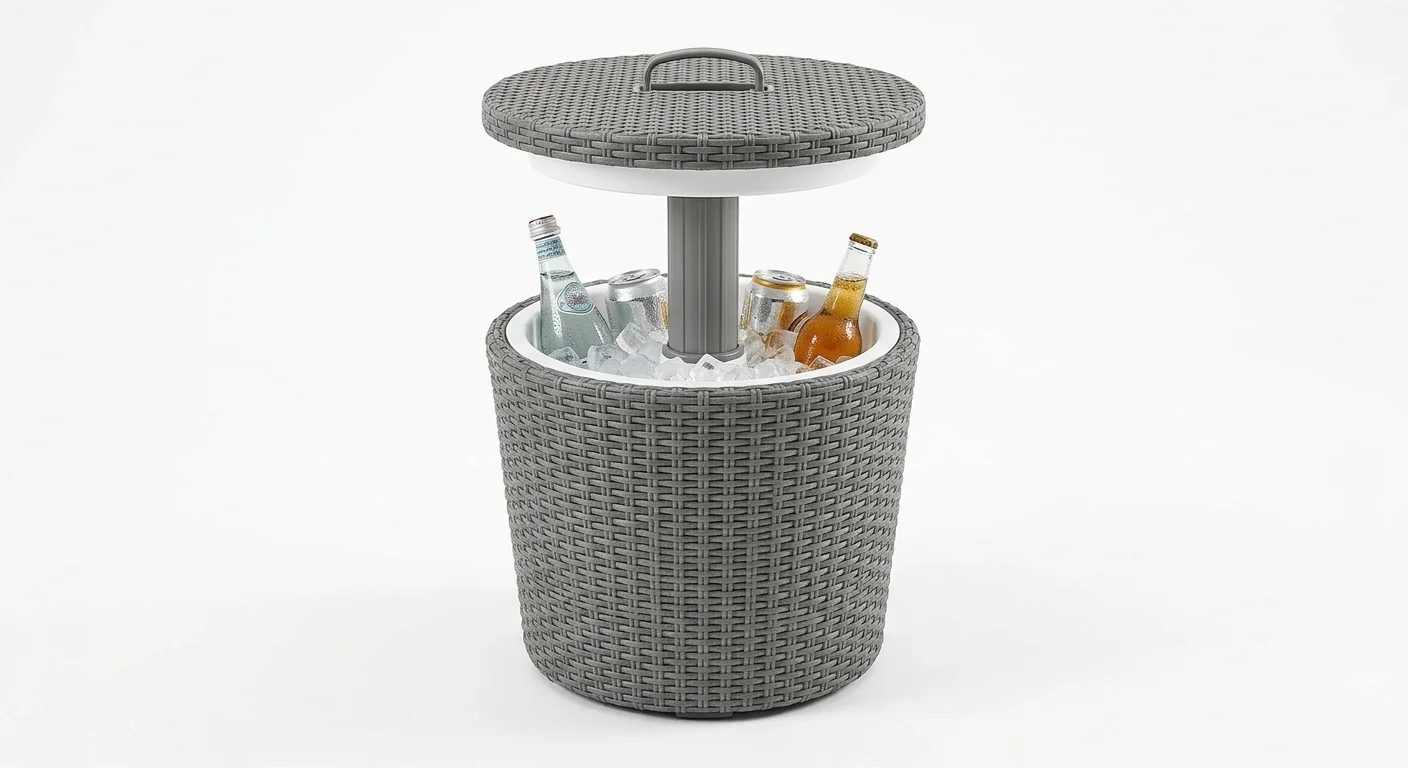
The shift toward bar-height setups also reflects the way we entertain now. Unlike a formal dining set, bar furniture encourages a "drop-in" culture. In my experience helping over 200 families set up their homes, I have found that a well-placed bar station becomes the natural hub of the home. Whether it is a sleek aluminum table for four or a comprehensive serving station equipped with integrated ice buckets, these pieces act as a bridge between the indoor kitchen and the outdoor grill area. This is particularly relevant for those living in the more spacious urbanizations where the outdoor footprint allows for distinct zones: one for lounging, one for dining, and a dedicated high-level area for drinks and snacks.
Technical Considerations for the Local Climate and Environment
When you are selecting furniture for a home within two kilometers of the Postiguet or San Juan shoreline, the environmental factors are unforgiving. We deal with a specific combination of intense UV radiation, high humidity, and the constant presence of salt spray. The Levante and Poniente winds are the two biggest practical concerns that many newcomers overlook. The Levante brings moisture and salt from the east, which can settle on your furniture and begin a corrosive process on any exposed steel in weeks, not years. The Poniente, coming from the west, is a dry, hot wind that can reach high speeds, easily toppling lightweight furniture. For bar stools specifically, which have a higher center of gravity and more surface area for the wind to catch, stability is non-negotiable. I always advise against hollow-frame plastic or light-gauge steel stools unless they are weighted or tucked into a very sheltered corner.
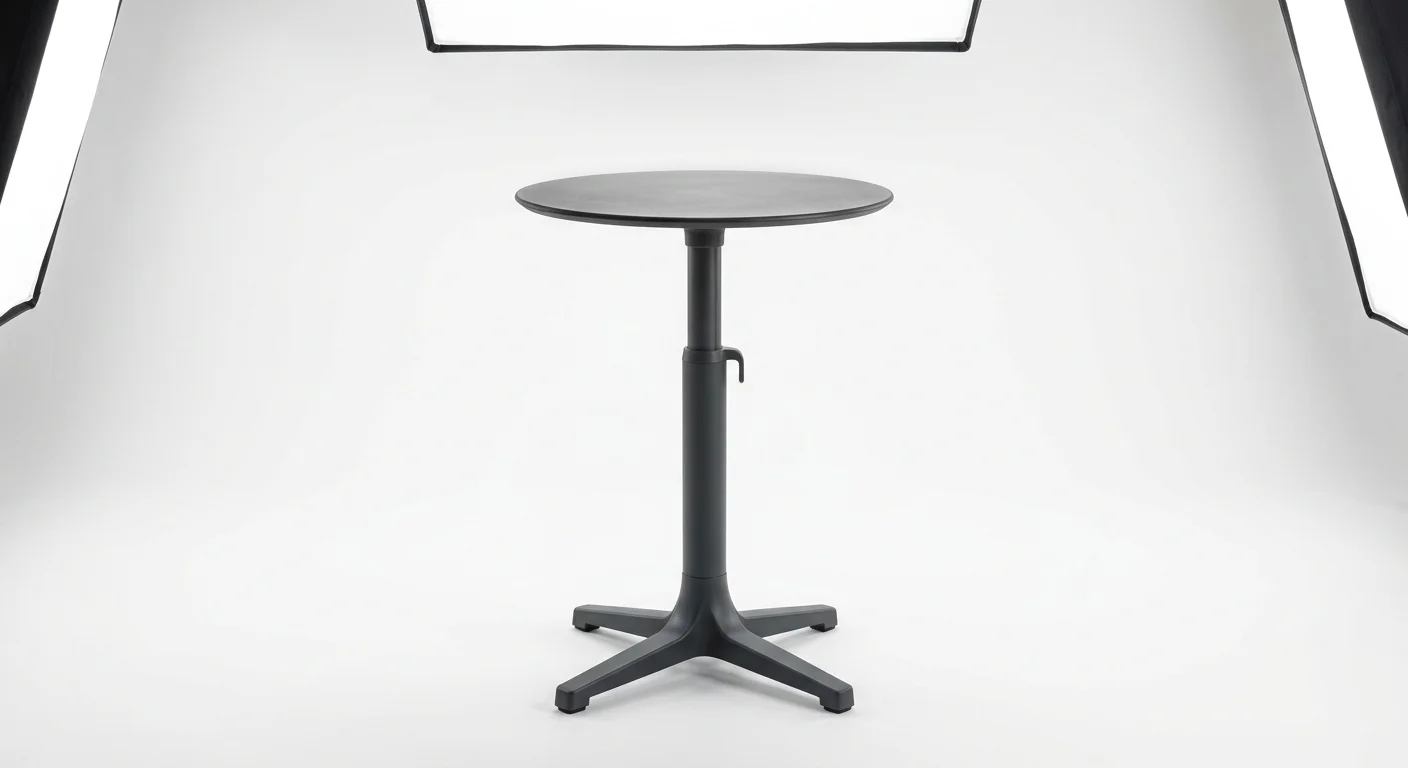
Materials are the most important investment decision you will make. For a mid-range budget, high-quality powder-coated aluminum is the industry standard here. It is resistant to the salt air and won’t rust like traditional wrought iron. A sturdy aluminum bar table with a tempered glass or HPL (High-Pressure Laminate) top, priced around EUR 850, typically offers the best longevity. If you prefer a more natural look, Grade-A teak is excellent because its high oil content protects it from the drying effects of the sun, though it will require an annual oiling to maintain its color. Regarding the "Comunidad de Propietarios," or community rules, it is vital to check if there are restrictions on the height of furniture that can be seen from the street. Some modern developments on the beachfront have strict regulations to ensure the facade remains uniform, though generally, bar furniture that doesn't exceed the height of the balcony railing when nobody is seated is rarely an issue.
Maintenance in this environment is more about prevention than repair. I recommend a simple weekly wash with fresh water to remove the salt crust that builds up. Even if you don't live on the front line of the beach, the salt carries. If you are choosing pieces with integrated fabric, ensure they use solution-dyed acrylics like Sunbrella. These fabrics are UV-rated to prevent fading under our 300+ days of annual sunshine. A common mistake I see is people buying "outdoor" cushions that are merely water-resistant; these will succumb to the UV rays in a single summer, becoming brittle and losing their color. Investing in cushions with a high UV rating and quick-dry foam is essential, as the humidity at night can often leave furniture damp even without rain. Expect to pay between EUR 400 and EUR 700 for a set of high-quality, weather-resistant bar stool cushions if they aren't included with your set.
Tailoring Your Setup to Local Property Types
For those living in the compact, character-filled apartments of the Casco Antiguo or the newer developments in San Juan, space is the primary constraint. In these settings, I recommend a "slimline" bar configuration. A narrow bar table, typically measuring 60cm in width and 120cm in length, can be placed directly against a balcony railing. This creates a breakfast bar effect that takes up less than 1.5m² of floor space but provides seating for three people. This setup pairs exceptionally well with our range of outdoor cushions, which can be stored easily when not in use. By using bar furniture in these smaller spaces, you maintain a clear walkway, which is crucial for safety and flow on a narrow terrace.
In contrast, if you own a villa in areas like Gran Alacant or the outskirts toward Elche, you likely have a much larger terrace or a poolside area that demands a more substantial presence. In these larger plots, a standalone bar station or a U-shaped bar set becomes the focal point of the outdoor space. You can create a professional-grade entertaining area by combining a heavy-duty bar table—costing upwards of EUR 2,200 for a full six-seater set—with matching rattan lounge sets. The key here is "zoning." You use the bar furniture to define the "active" zone near the pool or BBQ, while the lounge sets define the "passive" zone for relaxation. Adding a serving station with a stone or ceramic top provides a durable surface for food prep that won't be damaged by the heat of the sun.
I often suggest integrating different furniture styles to create a cohesive look. For example, if you have a large dining set, choose bar stools that share the same frame color or weave pattern. This visual continuity makes the outdoor space feel like a thought-out extension of the interior design. Many of my clients also find that bar-height seating is a great solution for "dead corners" of a garden. A small bar table and two stools tucked under a pergola can create a secondary retreat for morning coffee or a quiet workspace. Given the rise in remote work among the expat population, these "outdoor offices" are becoming increasingly popular, and the higher seating position of a bar chair is often more ergonomic for laptop use than a low lounge chair.
Expert Delivery and Logistics for the Alicante Region
Navigating the delivery of furniture in this part of Spain requires more than just a GPS; it requires local knowledge of the infrastructure. We regularly deliver to the city center, as well as the surrounding hubs of San Juan, Campello, and Elche. Each area presents its own logistical hurdles. For instance, the narrow, winding streets of the Old Quarter often require smaller delivery vehicles or even manual portage if a truck cannot gain access. In contrast, the modern apartment blocks in San Juan usually have large service lifts, but we often have to coordinate with the building's "portero" or concierge to ensure we have the necessary clearance for larger serving stations or fully assembled bar tables.
When we deliver to the more rural properties in Gran Alacant or the hillside villas in Campello, we have to account for steep driveways and uneven terrain. My team is experienced in the "final mile" logistics that many national retailers simply won't handle. We don't just drop a box at your gate. We understand that your EUR 3,000 investment needs to be placed exactly where it will be used, leveled on your terrace tiles, and checked against the wind conditions of your specific plot. If you are in an exposed coastal position, we can provide advice on anchoring systems or weighted bases during the delivery process. We also take all the packaging away—something that is surprisingly difficult to dispose of in local community bins.
Understanding the local "ritmos" is also part of our service. We know when the roads are congested during the summer months and how to time our deliveries to avoid the peak heat and the busiest traffic hours. Our knowledge extends to the building materials common in the area; we know which types of tiles are prone to scratching and how to protect your terrace during the installation of heavier items. If you are unsure which configuration will work best for your specific orientation or terrace size, I offer a free consultation where we can look at your space and the local micro-climate together. My goal is to ensure that the furniture you buy today is still serving you well five years from now, regardless of the salt, the wind, or the sun.
 JW'"
/>
JW'"
/>