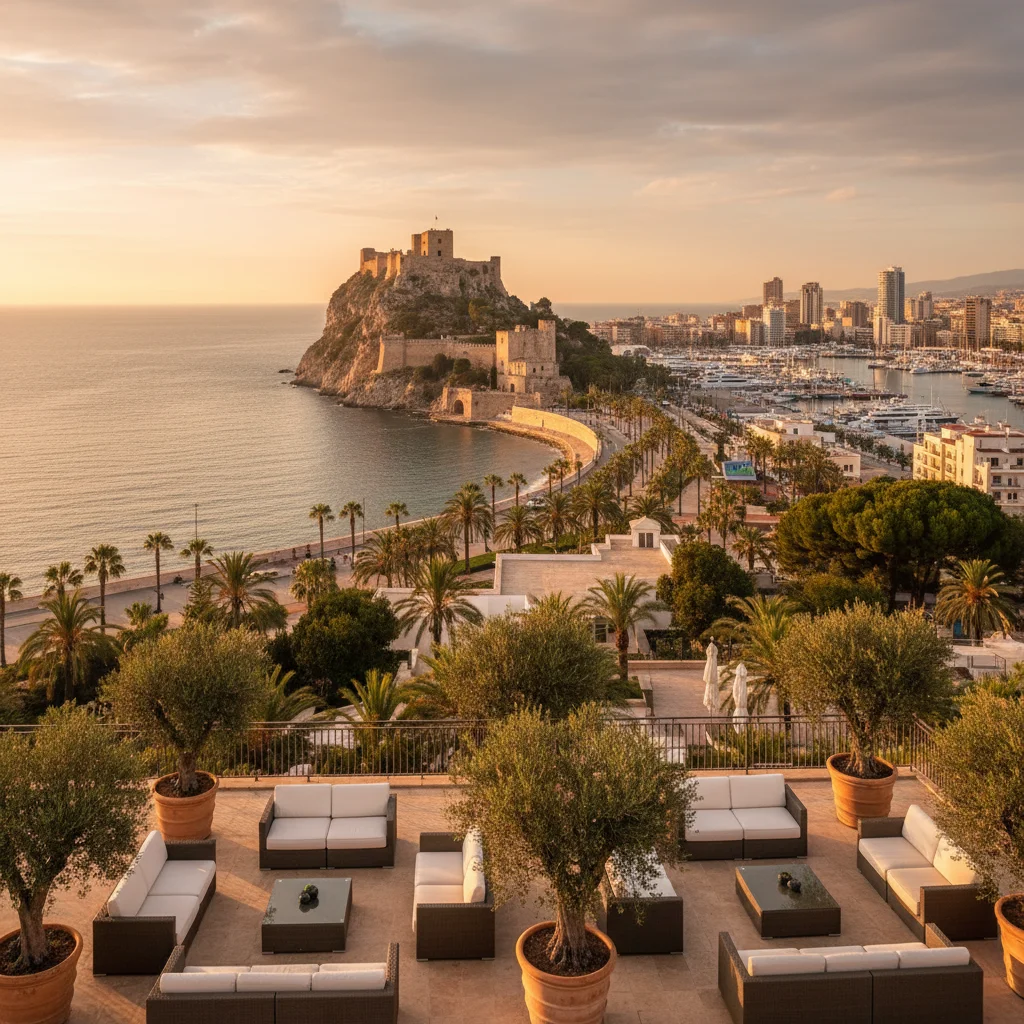
Alicante is where urban energy meets coastal lifestyle. The city rises from the sweeping Explanada promenade up through the narrow streets of the Barrio de Santa Cruz to Santa Bárbara Castle perched on Mount Benacantil. It is a proper Mediterranean city — not a resort — with international schools, a major airport, excellent healthcare, and a cultural calendar that keeps terraces busy twelve months a year.
The expat community is cosmopolitan: British, French, Italian, and increasingly Nordic and Eastern European residents mix with a large Spanish population. Property prices average around €250,000, ranging from compact city centre apartments near the Mercado Central to spacious penthouses with wraparound terraces in the Cabo de las Huertas headland. The San Juan corridor running north toward San Juan de Alicante offers suburban villas with private gardens, while areas like Vistahermosa and Albufereta provide hillside homes with panoramic sea views.
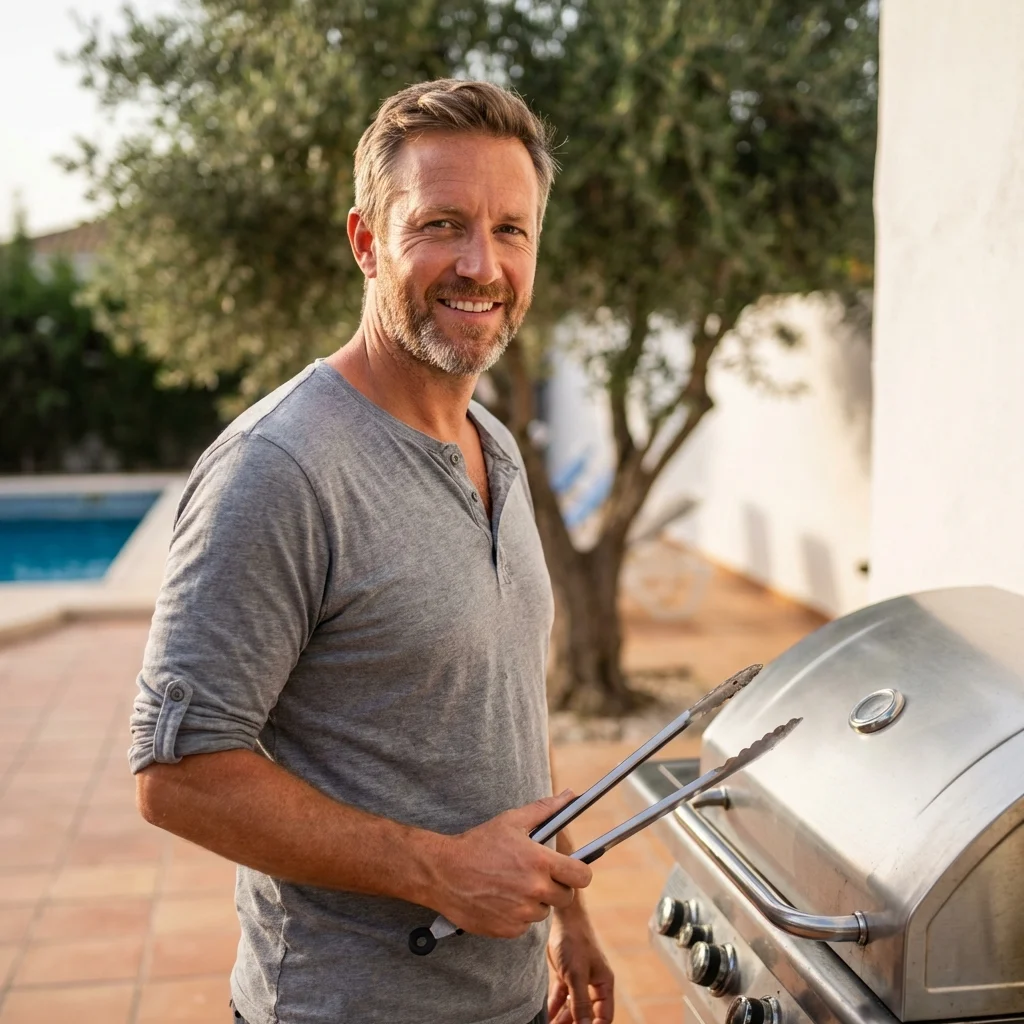
Outdoor cooking is not seasonal here — it is a way of life. Alicante’s mild winters (average January highs of 17°C) mean that a well-equipped terrace functions as an extension of the kitchen year-round. From tapas evenings on a penthouse rooftop overlooking the harbour to Sunday paellas in a San Juan garden, the demand for quality outdoor cooking equipment is constant.
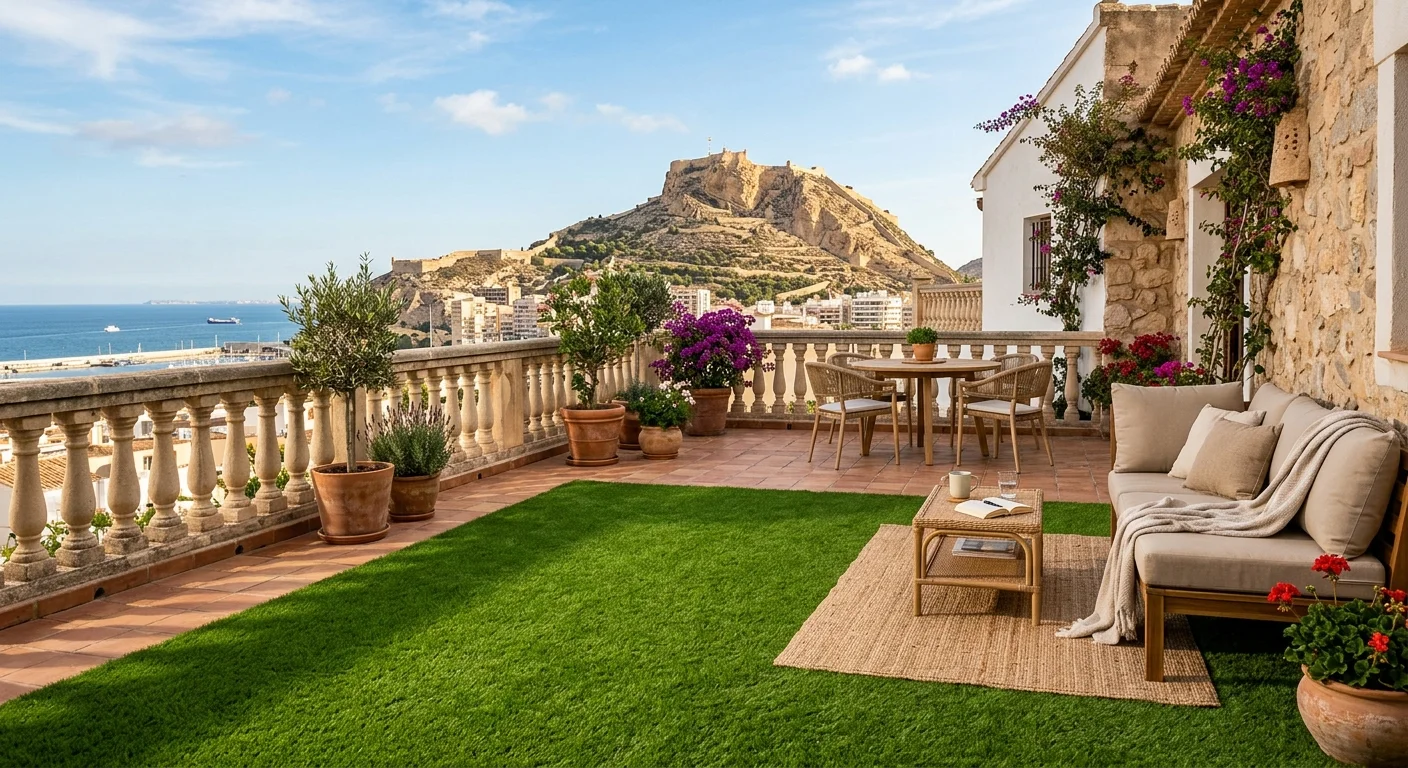
City centre apartments in the Barrio de Santa Cruz and around the Plaza de los Luceros typically have smaller terraces of 8–12 square metres. A two-burner gas BBQ or a compact kamado (38cm) fits these spaces perfectly while delivering serious cooking performance. Penthouse terraces in newer developments along the Playa de San Juan or in Cabo de las Huertas offer 15–30 square metres — enough for a three- or four-burner gas station with side burner, ideal for entertaining.
Suburban villa owners in the San Juan corridor and Vistahermosa have space for the full treatment. Costa Blanca Outdoors designs built-in outdoor kitchens with gas grills, preparation counters, pizza ovens, and storage — turning a poolside terrace into a complete cooking and entertaining area. These setups are particularly popular with British and French residents who host regularly.
Salt air is a real factor in Alicante. Any property within a kilometre of the coast — and that includes most of the city — benefits from marine-grade stainless steel construction. Costa Blanca Outdoors stocks 304 and 316 stainless-steel models specifically for coastal installations, ensuring your investment lasts well beyond the standard three-season lifespan of cheaper alternatives.
As the provincial capital, Alicante is the hub of our delivery network. The city centre has some traffic restrictions and limited-access streets, particularly in the Old Quarter around the Mercado Central and Santa Cruz — we schedule these deliveries during permitted hours and coordinate building access in advance. Beachfront and Cabo de las Huertas deliveries are straightforward with good parking and lift access in most modern buildings.
For apartment deliveries, our team handles everything from ground-floor unloading to terrace placement, including unpacking, assembly, and a full equipment walkthrough. Villa deliveries in the suburban areas around Vistahermosa and the San Juan corridor are typically the simplest, with direct driveway access.
Professional Césped Artificial Installation in Alicante: The Definitive Local Guide
Alicante, the vibrant heart of the L'Alacantí comarca, is undergoing a major outdoor living transformation. With a growing population of 358,608 residents as of 2024, the city has evolved into a dynamic, multicultural provincial capital. Approximately 27% of Alicante's population is foreign-born, creating a diverse community where long-standing Spanish families live alongside a large Latin American community (particularly from Colombia and Argentina), North African residents (with a significant Algerian presence), and Northern European expats.
While these groups bring different cultural perspectives to the city, they all share a common goal: maximizing the use of their private outdoor spaces. From the sun-drenched terraces overlooking the marine reserve of Tabarca island to the spacious villa gardens nestled near the historic Santa Faz, the demand for low-maintenance landscaping has never been higher.
In a region where water is a scarce and precious resource, maintaining a natural lawn is both ecologically irresponsible and financially draining. Professional installation of high-grade artificial grass (césped artificial) has become the gold standard for Alicante homeowners. However, installing synthetic turf in this specific coastal environment requires deep local expertise. The unique combination of intense Mediterranean sun, high salt-air exposure, and distinct soil profiles across Alicante’s urbanizaciones means that off-the-shelf products and DIY installations often fail within a couple of seasons.
Alicante's Microclimates: UV, Salitre, and Wind Engineering
To design an artificial lawn that lasts for decades in Alicante, we must engineer it to withstand the city's intense coastal microclimate. Alicante enjoys roughly 3000 hours of sunshine per year, with summer high temperatures averaging 31°C. While these statistics paint a picture of paradise, they present severe challenges for synthetic materials.
High UV Index and Solar Reflection
During the peak summer months, the UV index in Alicante routinely hits very high levels of 9 to 10. This intense radiation is further amplified by environmental reflection. If your property is located near the coast, the Mediterranean Sea acts as a massive mirror, bouncing UV rays back onto your garden.
Even in urban areas, the reflection off highly polished surfaces—such as the white, red, and black marble tiles of the iconic Explanada de España or light-colored porcelain pool surrounds—creates localized "hot spots."
Without advanced UV-stabilized polymers, cheap artificial grass will quickly fade, become brittle, and shed its fibers. We only install turf manufactured with high-grade polyethylene fibers treated with UV inhibitors during the extrusion process, ensuring the grass retains its lush green hues even under constant solar bombardment.
The Challenge of Salitre (Sea-Salt Exposure)
Properties in coastal districts experience high exposure to salitre (sea-salt spray). Salt is highly corrosive; it penetrates the backing of low-quality synthetic turf, causing it to crack, delaminate, and rot. Furthermore, salt buildup can create a crusty, white layer on the grass fibers if they are not properly engineered.
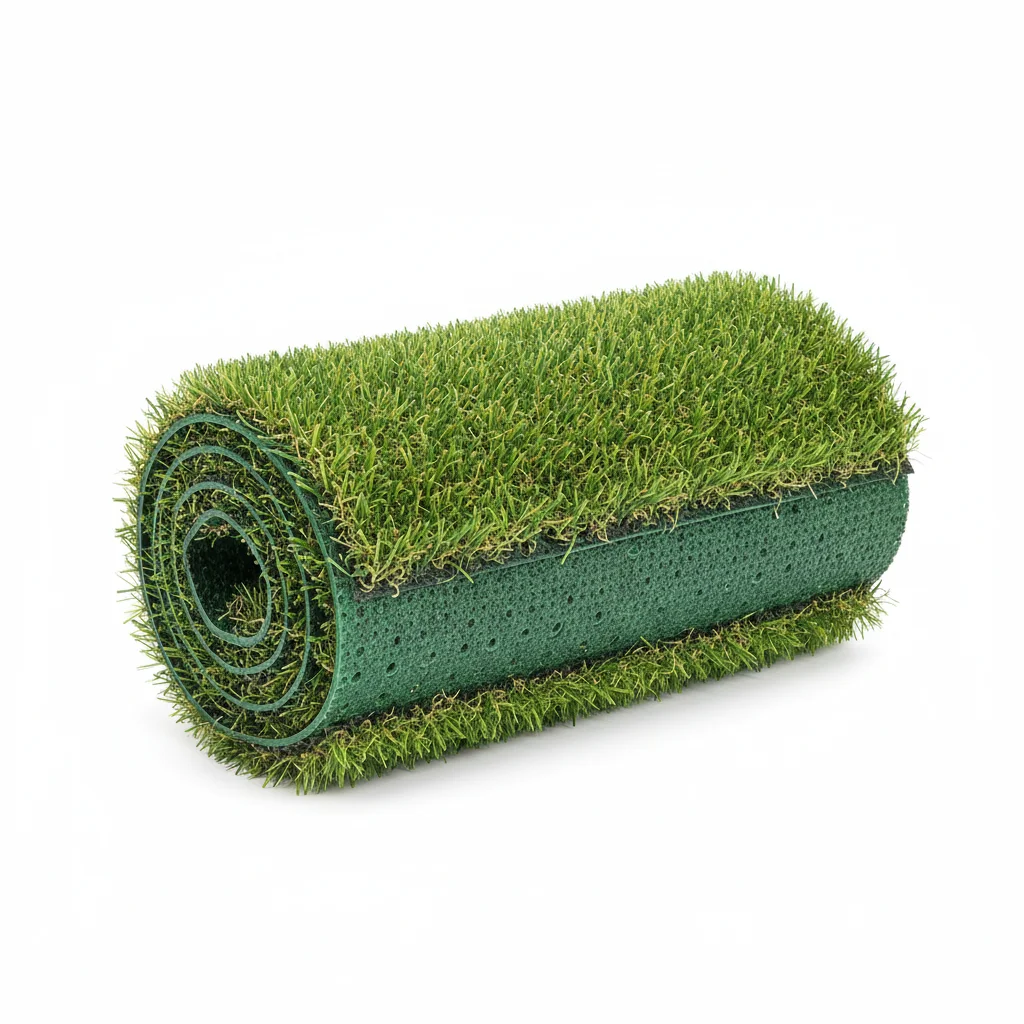
To combat this, we recommend polyurethane (PU) backing rather than traditional latex. Polyurethane does not absorb moisture, is completely unaffected by salt-air corrosion, and maintains its structural integrity in high-humidity environments.
Wind Dynamics: Levante and Poniente
Alicante’s weather is heavily influenced by two competing wind systems:
- The Levante (East): A humid, salt-laden sea breeze that blows regularly during the summer, keeping coastal areas slightly cooler but carrying high levels of moisture and salinity inland.
- The Poniente (West): An occasional, dry, hot wind blowing from the Iberian interior, which can raise temperatures rapidly and carry fine dust.
For open terraces, penthouses, and elevated gardens, these winds can lift poorly secured artificial grass. Our installation process utilizes heavy-duty non-woven geotextile jointing tapes and marine-grade polyurethane adhesives, combined with perimeter anchoring systems designed to withstand high-velocity gusts.
For clients integrating outdoor shade solutions alongside their new lawns, we supply and install bioclimatic pergolas. These structures are engineered to meet Clase 6 UNE-EN 13659 wind resistance standards, safely withstand wind speeds of up to 175 km/h, and cost between 300 and 800 EUR/m2 depending on customization and automation.
District-by-District Guide: Tailoring Installations Across Alicante
Alicante is a city of geographical contrasts, stretching from sandy beaches to rocky hillsides. The installation approach must be customized to suit the specific conditions of each zone.
Playa de San Juan and Albufereta
These premier coastal zones are characterized by high-rise apartment complexes, penthouses, and frontline villas.
- The Challenge: High salitre exposure, sandy subsoils for ground-level properties, and wind-swept concrete balconies for penthouses.
- The Solution: For terraces and balconies, we focus on lightweight, highly resilient turf with a pile height of 32 mm to 38 mm. This range offers a neat, manicured look that is easy to vacuum and clean. For villas with sandy soils, we excavate the sand, install a highly compacted sub-base of crushed aggregate, and lay a heavy-duty weed barrier to prevent coastal weeds from penetrating the backing.
Vistahermosa and Santa Faz
Located slightly inland, these prestigious residential areas feature large, luxury villas with expansive gardens, swimming pools, and mature trees.
- The Challenge: High-traffic pool surrounds, shade variations from large trees, and clay-heavy soils that retain water.
- The Solution: Here, we install premium, lush turf with a pile height of 40 mm to 47 mm. This range provides a luxurious, soft feel underfoot, mimicking natural Mediterranean lawns. Around swimming pools, we ensure the sub-base is graded away from the pool edge and integrate specialized drainage channels to handle chlorinated or salted pool splashback.
El Pla del Bon Repòs
A densely populated, traditional urban district with many low-rise apartments featuring interior patios, balconies, and communal areas.
- The Challenge: Limited sunlight in interior patios, high wear and tear from pets and children, and restricted access for heavy installation machinery.
- The Solution: We utilize compact, highly resilient 32 mm pile height turf. It bounce back quickly after foot traffic and is easy to maneuver through narrow urban stairwells during installation.
El Rebolledo
An inland, rural-suburban district characterized by dry, dusty conditions, hotter summer temperatures, and expansive country plots.
- The Challenge: Intense heat, dust accumulation, and highly expansive clay soils that crack in summer and swell during winter rains.
- The Solution: Ground stabilization is critical here. We excavate deeper than usual (up to 10-12 cm) and apply a dual-layer sub-base of coarse gravel and fine granite dust, compacted with heavy vibratory plates. We recommend a 35 mm to 40 mm pile height with a high density of curly thatch fibers to trap infill sand, preventing the turf from shifting under thermal expansion.
Technical Specifications for the Alicante Climate
When investing in synthetic turf, understanding the technical specifications ensures you choose a product capable of surviving the local climate.
+----------------------------------------------------------------------------------+
|                          TECHNICAL SPECIFICATIONS SUMMARY                        |
+--------------------------------------+-------------------------------------------+
| Parameter                            | Recommended Specification                 |
+--------------------------------------+-------------------------------------------+
| Pile Height Range                    | 32 mm to 47 mm                            |
| Drainage Capacity                    | Minimum 60 liters per minute per m2       |
| Backing Material                     | Polyurethane (PU) (highly recommended)    |
| Wind Resistance (Pergolas)           | Clase 6 UNE-EN 13659 (up to 175 km/h)     |
| UV Resistance                        | High-grade PE with UV inhibitors          |
+--------------------------------------+-------------------------------------------+
Pile Height (32 mm to 47 mm)
The height of the grass blades determines both the aesthetic appeal and performance of your lawn:
- 32 mm to 35 mm: Ideal for high-traffic areas, pet owners, and minimalist urban terraces. It is easy to clean, highly resilient, and offers a freshly mowed appearance.
- 38 mm to 40 mm: The versatile "sweet spot" for family gardens. It balances a plush, natural look with excellent recovery properties.
- 42 mm to 47 mm: The ultimate luxury option. Best suited for low-to-medium traffic ornamental gardens and premium villa landscaping where a dense, deep green meadow effect is desired.
Drainage Capacity (60 l/m2)
Alicante is famous for its dry climate, with an average annual rainfall of only 285 mm. However, this statistic is deceptive. The region is highly susceptible to the gota fría (cold drop) phenomenon during autumn. These torrential storms can dump months worth of rain in a matter of hours, leading to severe localized flooding.
To prevent your garden from turning into a swamp, your artificial grass must have a minimum drainage capacity of 60 liters per minute per square meter (60 l/m2). We achieve this by drilling precision drainage holes in the backing and, crucially, constructing a highly permeable sub-base consisting of clean, crushed limestone aggregate (not sand or dirt, which clogs over time).
Fiber Geometry and Memory Effect
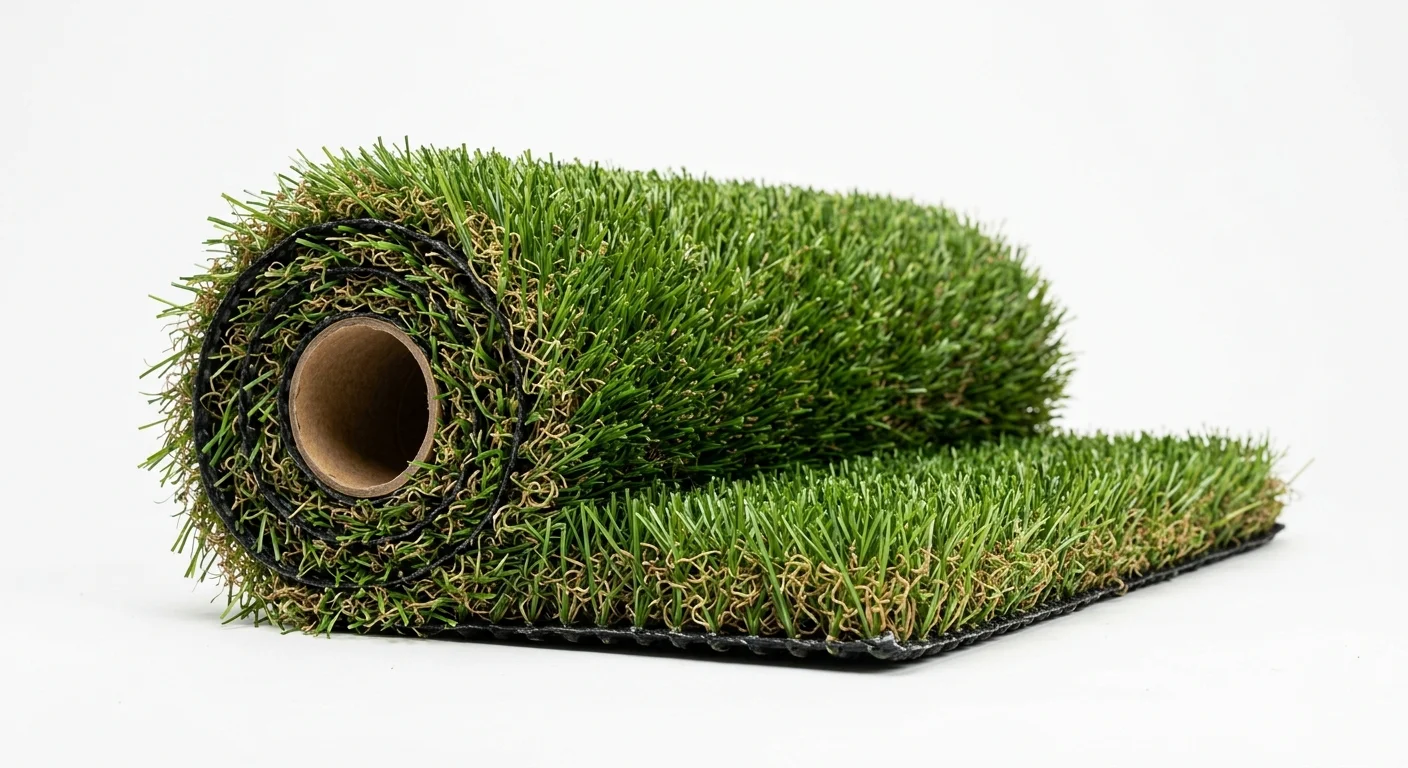
The shape of the synthetic grass blade determines how well it stands up after being walked on. We utilize advanced fiber shapes, such as C-shape, W-shape, or diamond-profile fibers. These geometries act as micro-springs, allowing the blades to bounce back to their vertical position naturally, reducing the need for constant brushing.
Regulations, Permits, and Ayuntamiento de Alicante Guidelines
Before starting any landscaping project in Alicante, it is essential to navigate the local regulatory landscape managed by the Ayuntamiento de Alicante (Ajuntament d'Alacant).
Historic and Protected Zones
If your property is located within the historic center (Casco Antiguo or Barrio de Santa Cruz) or lies within the protected environmental and cultural buffer zones surrounding Mount Benacantil (the majestic hill crowned by the Castillo de Santa Bárbara), strict aesthetic guidelines apply.
The Ayuntamiento restricts the use of highly synthetic-looking materials visible from public pathways to preserve the cultural heritage of these areas. In these historic zones, we work closely with clients to select ultra-realistic, matte-finish products that blend seamlessly with traditional stone and plaster architecture, ensuring compliance with local municipal ordinances.
Coastal Regulations (Ley de Costas)
For frontline properties along Playa de San Juan, Albufereta, or those facing the sea near El Palmeral park, installations are subject to the strict setbacks and regulations of the Spanish Coastal Law (Ley de Costas). Permanent concrete works are heavily restricted within these protection zones.
Because artificial grass is classified as a non-permanent, fully reversible landscaping installation, it is often the ideal legal solution for beachfront homeowners looking to beautify their properties without violating coastal protection laws.
Cost Estimates: Supply and Installation Prices in Alicante
Investing in professional artificial grass installation is a long-term asset for your property, significantly reducing water bills and maintenance costs. Below is an honest, transparent breakdown of the current market rates in the Alicante province.
+----------------------------------------------------------------------------------+
|                            ESTIMATED COST BREAKDOWN                              |
+--------------------------------------+-------------------------------------------+
| Service / Product                    | Price Range (EUR)                         |
+--------------------------------------+-------------------------------------------+
| Premium Grass Material (only)        | 10 to 40 EUR per m2                       |
| Professional Installation Service    | 25 to 60 EUR per m2                       |
| Bioclimatic Pergolas (installed)     | 300 to 800 EUR per m2                     |
+--------------------------------------+-------------------------------------------+
Grass Material: 10 to 40 EUR/m2
The cost of the turf itself varies based on density, pile height, fiber technology, and backing material. Entry-level, shorter pile options (32 mm) start around 10 to 18 EUR/m2, while ultra-dense, 47 mm luxury products featuring polyurethane backing and multi-tone natural fibers range from 25 to 40 EUR/m2.
Professional Installation: 25 to 60 EUR/m2
A professional installation is far more than just rolling out turf. This price range covers the comprehensive labor and raw materials required to build a permanent, high-performance base:
- Site clearance and disposal of existing soil/turf.
- Application of a weed-barrier membrane.
- Delivery, spreading, and compaction of the crushed aggregate sub-base.
- Precision cutting, seaming with high-strength adhesives, and perimeter anchoring.
- Application of washed kiln-dried silica sand infill, which adds ballast, keeps the lawn cool, and protects the fibers.
By choosing a professional installation tailored to Alicante’s unique environmental demands, you ensure your outdoor space remains a beautiful, low-maintenance sanctuary for years to come. Whether you are looking to renovate a coastal terrace in Albufereta or create a sprawling family garden in Vistahermosa, our team delivers the local expertise and technical precision your property deserves.
 JW'"
/>
JW'"
/>