Outdoor Living in Santa Pola
Santa Pola is a traditional Spanish fishing town of 35,000 residents with around 12% expats — British, German, and Dutch — offering a more authentically Spanish lifestyle than most Costa Blanca towns, centred on its working port, famous salt pans, and the ferry to Tabarca Island.
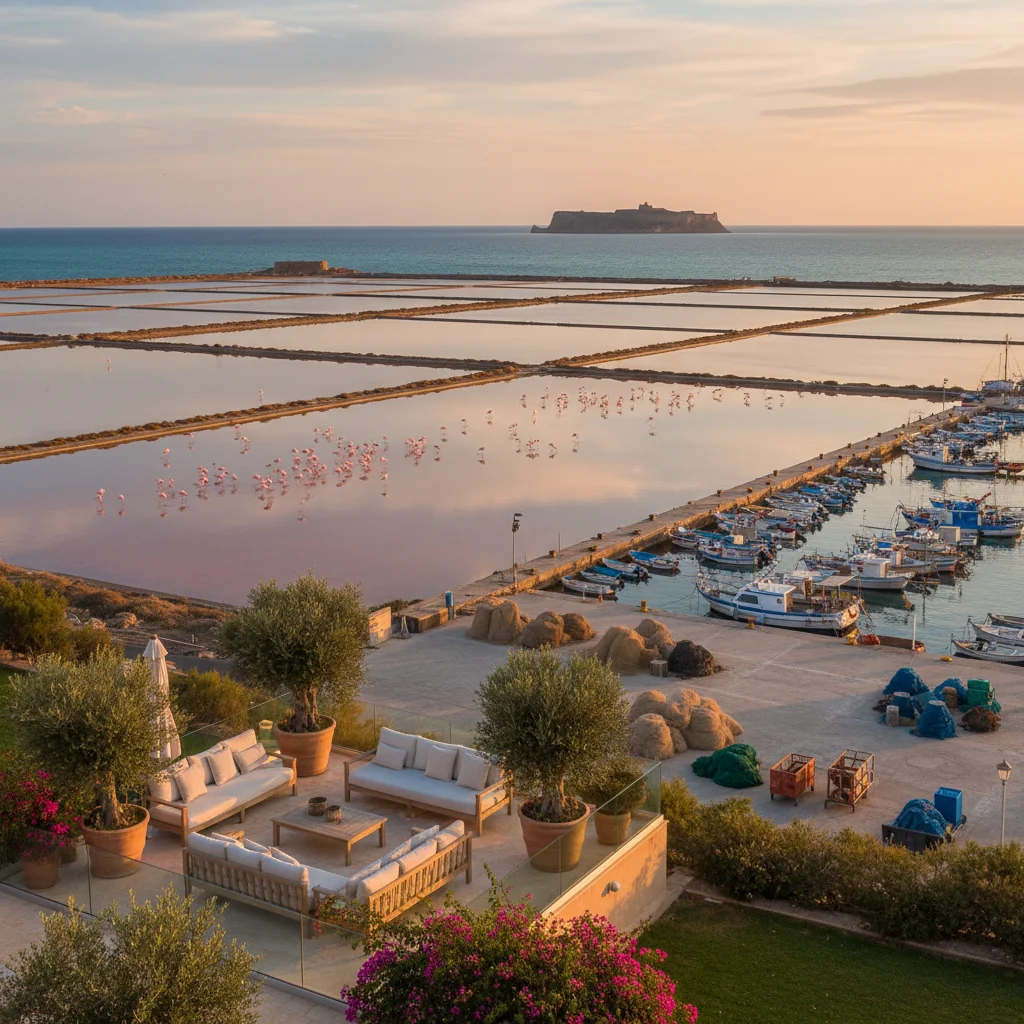
Santa Pola has resisted the full transformation that tourism brought to many of its neighbours. The fishing port still lands catches daily, the salt pans on the southern edge of town remain a working landscape that attracts flamingos and birdwatchers, and the town centre feels genuinely Spanish — busy with locals rather than expat-oriented businesses. The castle overlooking the port hosts a maritime museum, and the Cape Santa Pola lighthouse marks the dramatic cliffs that separate the town from neighbouring Gran Alacant.
The expat community here is smaller in proportion than towns further south, but it is well-established and tends to attract people who want a Spanish experience rather than a British enclave. Properties average around €200,000, with seafront apartments near the port from €150,000, townhouses in the streets behind the Paseo Marítimo from €180,000, and villas on the elevated ground near Cape Santa Pola from €300,000 upwards.
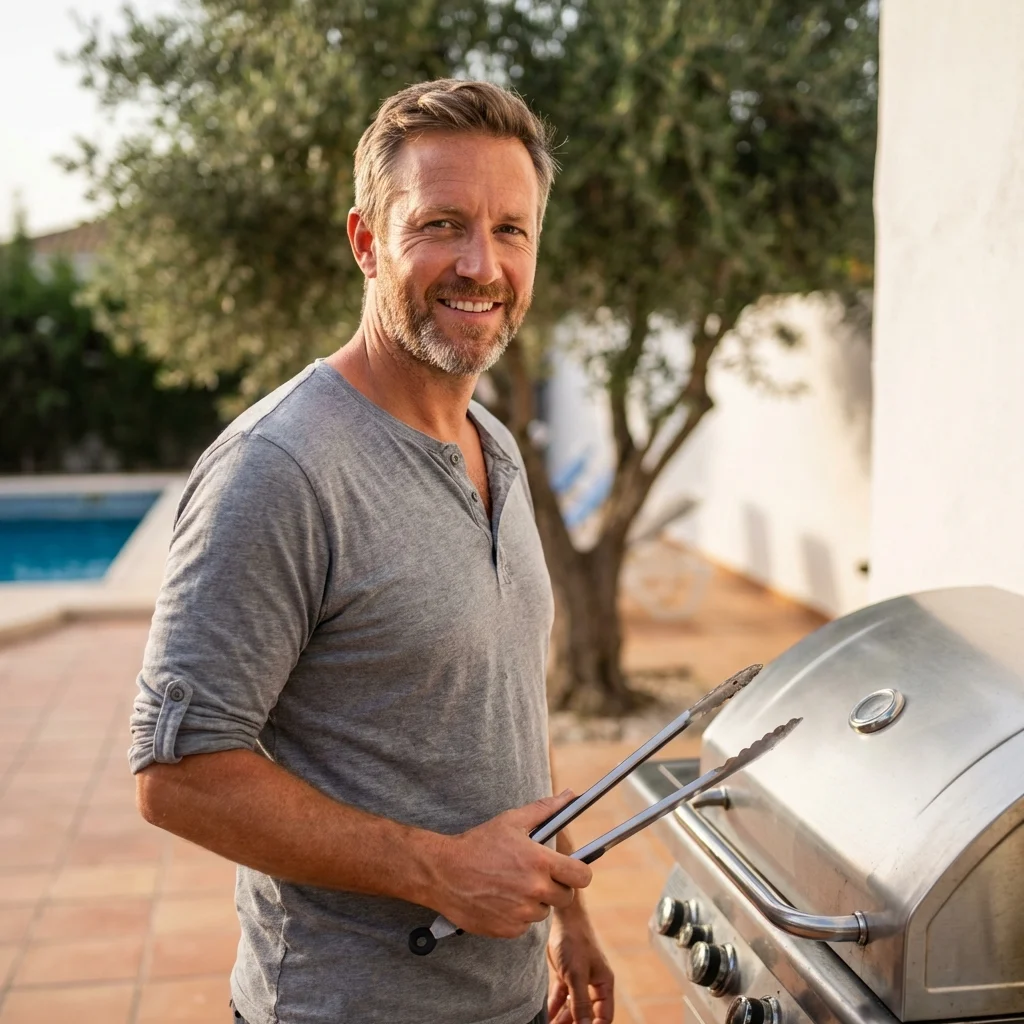
Outdoor cooking in Santa Pola carries a particular pleasure: the proximity of the fishing port means you can buy the morning’s catch and have it on the grill within the hour. Gambas from Santa Pola are renowned across Spain, and they are never better than cooked over charcoal within sight of the harbour where they were landed.
Santa Pola’s working fishing port, salt pan nature reserve, and traditional Spanish character set it apart from typical expat towns — with fresh seafood from the harbour to the grill making outdoor cooking here a genuinely local experience.
Choosing Your Setup in Santa Pola
Santa Pola’s property mix runs from compact port-side apartments to clifftop villas near the cape — your outdoor cooking setup should match both your space and your access to some of Spain’s best fresh seafood.
For the seafront apartments along the Paseo Marítimo and near the port, a compact gas BBQ or a small kamado is the practical choice. These properties often have terraces with sea views, and a 2-burner gas unit lets you grill those Santa Pola prawns without overwhelming the space. The salt air here is worth noting — Costa Blanca Outdoors recommends stainless steel construction for any equipment exposed to the coastal atmosphere, as painted steel corrodes noticeably faster this close to the water.
Townhouse owners in the residential streets behind the centre — particularly around the market area and towards the Gran Playa beach — typically have rear patios or rooftop terraces. A full-size gas BBQ with a protective cover works well here, and many of our customers in these properties add a tabletop pizza oven that stores indoors between uses.
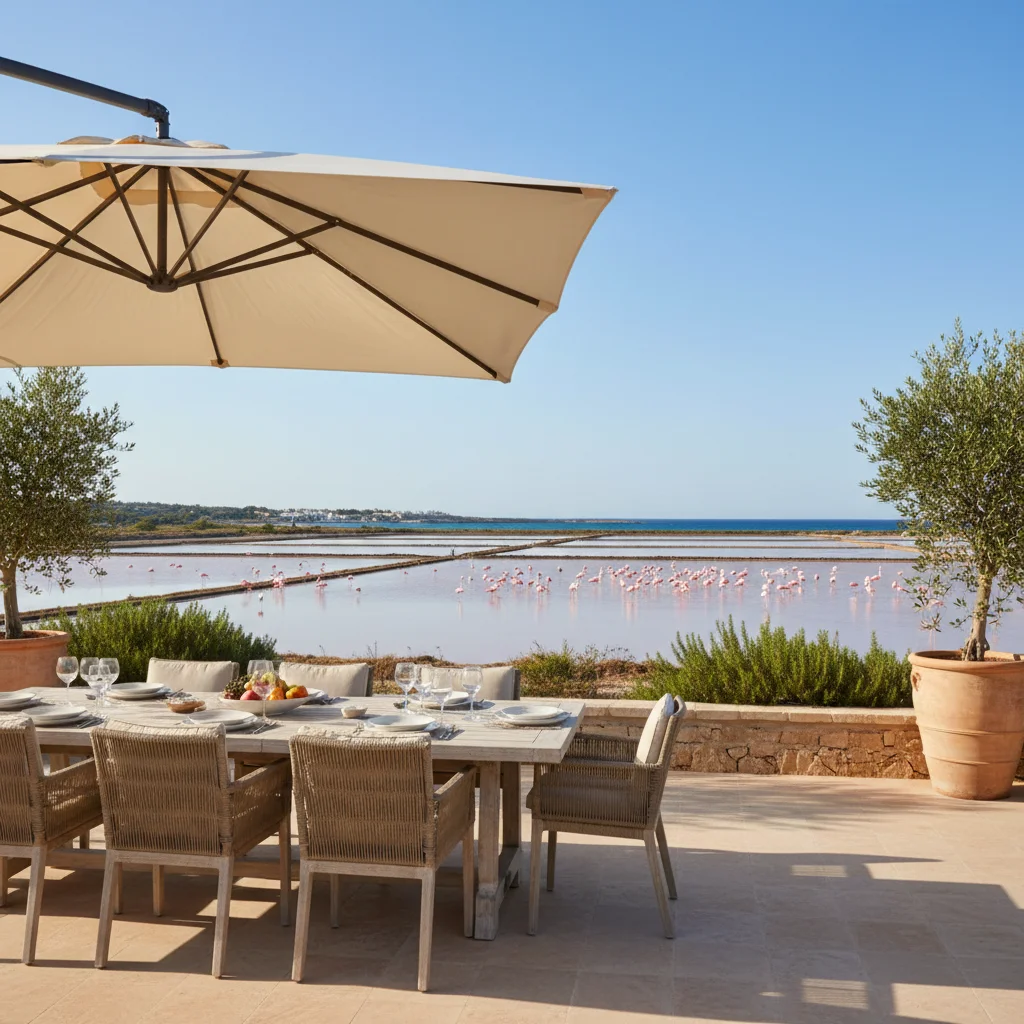
The villas on Cape Santa Pola and the elevated residential areas towards Elche offer the space for a complete outdoor kitchen. The views from these properties — across the salt pans to the south, or out to Tabarca Island — make them natural entertaining spaces. A built-in BBQ island with a large kamado and a wood-fired pizza oven turns these terraces into destination dining spots.
Costa Blanca Outdoors recommends stainless steel equipment for Santa Pola’s seafront properties due to salt air exposure, compact setups for port-side apartments, and full outdoor kitchen builds for the elevated villas near Cape Santa Pola.
Delivery to Santa Pola
We deliver throughout Santa Pola, from the port-side apartments and Paseo Marítimo to the cape villas and Gran Playa residential areas, on our central coastal route.
Santa Pola’s compact layout makes deliveries efficient. The town centre and port area are flat and well-connected, with most apartment buildings accessible from wide main roads. Cape Santa Pola deliveries involve the winding road up to the elevated residential areas, but our team knows the route and access points well.
For seafront apartment deliveries, we confirm lift access in advance — some of the older blocks near the port have narrow staircases that require planning for heavier items like kamado grills and stone pizza ovens. Newer buildings along Gran Playa typically have goods lifts that handle our largest products without difficulty.
Santa Pola sits on our route between Alicante to the north and Guardamar to the south, with Gran Alacant immediately adjacent around the cape. We combine deliveries across all four areas regularly. Standard delivery is 5–10 working days for in-stock products, with custom outdoor kitchen projects taking 3–4 weeks from initial design consultation to completed installation.
Choosing Parasols and Shade Sails for Your Santa Pola Property
Living on this stretch of the coast since 2019 has taught me that Santa Pola presents a very specific set of environmental challenges for anyone trying to create a comfortable outdoor space. While the northern towns of the Costa Blanca enjoy more greenery and slightly softer light, our corner of the region is defined by its intensity. We are situated in one of the driest and hottest pockets of the province, where the sun beats down on the flat landscape of the Salt Pans and reflects off the Mediterranean with a glare that can make an uncovered terrace unusable from 11:00 am until nearly 7:00 pm in July and August. With around 35,000 residents, about twelve percent of whom are international expats like us, there is a sophisticated outdoor culture here. Whether you are a British family in a villa on the outskirts or a Dutch couple in a penthouse near the fishing port, the requirement for shade is not a luxury but a fundamental necessity for making your home livable during the summer months.
The property landscape here is distinct. We see a high concentration of urbanisation villas and apartments, many of which are nestled into communities with shared gardens or located near the golf resorts toward the Elche border. These properties often feature generous terraces but are frequently overlooked or exposed to the unrelenting southern sun. The international community, particularly the British and Germans, has brought a specific "outdoor room" philosophy to the area. We don't just sit outside; we cook, dine, and work there. This shift in lifestyle means a small, flimsy umbrella from a local hardware store simply won't suffice. You need structures that can withstand the unique atmospheric conditions created by the proximity to the Salinas and the Cape.
When I talk to homeowners in the urbanisations near the Salt Pans or those looking out toward Tabarca Island, I emphasize that shade is about managing the microclimate of your specific terrace. A well-placed 3.5-meter cantilever parasol can drop the ambient temperature on a patio by up to eight degrees Celsius. In a town where the average property price sits around the EUR 200,000 mark, investing a few thousand euros in high-quality shade equipment significantly increases the functional square meterage of the home. It turns a scorching, bleached-out slab of tiles into a sophisticated lounge or dining area that feels like a natural extension of the interior.
The environmental factors in Santa Pola require a more rigorous approach to material selection than in other parts of the Costa Blanca. Because we are hotter and drier than the north, the UV degradation of fabrics happens at an accelerated rate. Furthermore, the salt lake humidity is a factor that many newcomers overlook. The air coming off the Salinas carries a high concentration of salt and minerals which, when combined with the morning dew, creates a corrosive film on outdoor furniture and shade structures. This is why I never recommend budget parasols with thin, powder-coated steel frames. Within two seasons, the salt air will find the tiniest scratch or imperfection in the coating, and the frame will begin to rust from the inside out. I always point my clients toward extruded aluminum frames with marine-grade finishes or high-quality stainless steel fittings for shade sails.
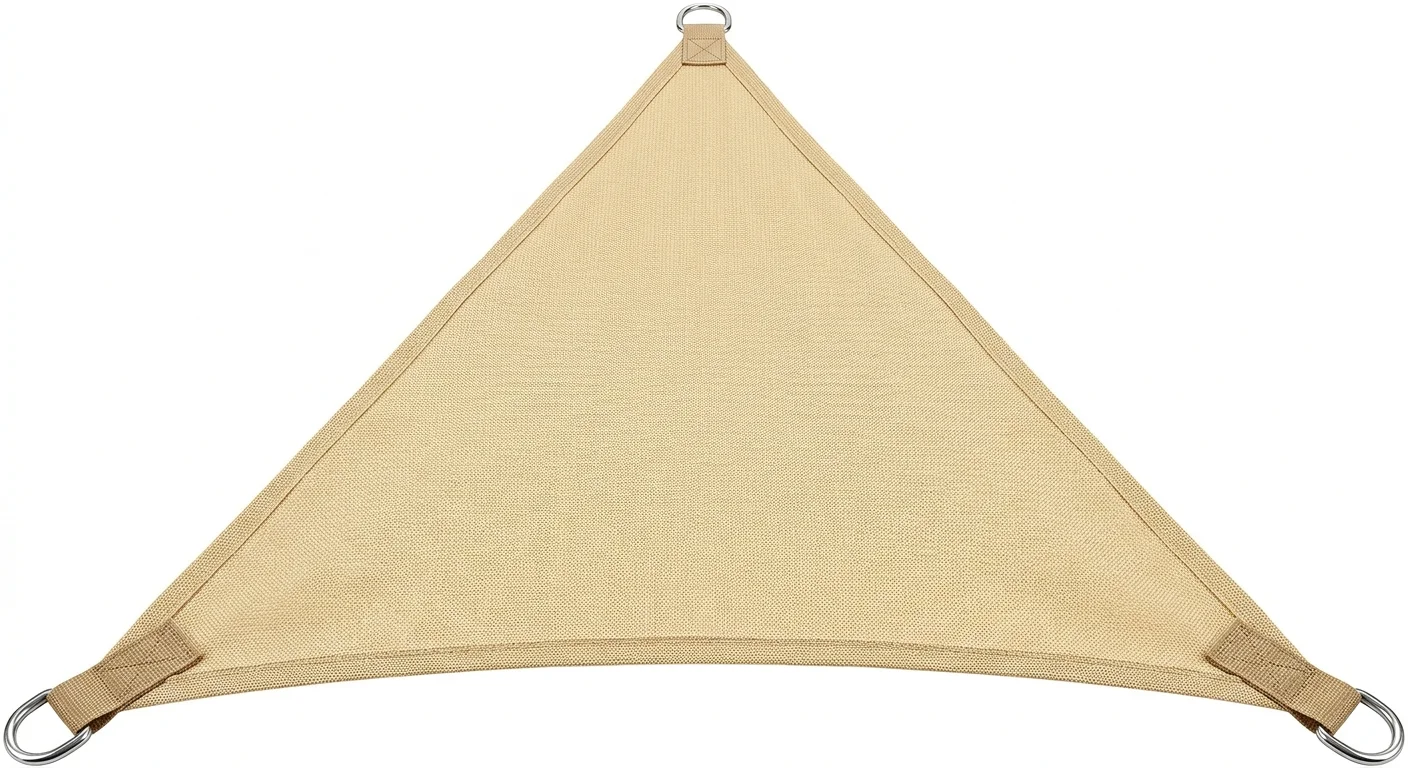
Wind is the other silent killer of shade structures in this area. The Cape Santa Pola acts as a natural funnel for coastal breezes. You might have a perfectly calm morning, but by 4:00 pm, a stiff Levante or Lebeche wind can kick up without warning. If you have a large 3m x 4m shade sail or a wide-span parasol, the uplift forces are significant. For this reason, any parasol I install in this town must have a wind-rated vent at the top to allow pressure to escape. For permanent shade sails, I insist on using 316-grade stainless steel tensioners and heavy-duty wall anchors. I’ve seen too many cheap sails ripped out of cinderblock walls because the installer didn't account for the gust speeds we get coming off the open water.
We also have to deal with the Calima—that fine, orange Saharan dust that blankets the Costa Blanca several times a year. In Santa Pola, because of our southern position and dry climate, the dust settles more heavily and is harder to wash away without significant water. If you choose a white or very light cream fabric for your parasol or shade sail, it will look aged and dirty within a single season. I recommend mid-toned greys, sands, or even deep ochres that mirror the local landscape. Specifically, look for fabrics made from solution-dyed acrylic, such as those from Spanish or Italian mills. These fabrics have the pigment locked into the fiber itself, meaning they won't fade under the intense UV, and they are treated to be water and dirt repellent, making it much easier to hose off the Calima dust when it arrives.
Regarding community rules, or the comunidad de propietarios, many residents in the larger urbanisations near the Cape or the port are surprised by the strictness of the bylaws. Many communities mandate specific colors for any external shade structures to maintain a uniform aesthetic. Before you spend EUR 1,200 on a high-end cantilever parasol in a bold charcoal, it is vital to check if your community requires a specific "crudo" or beige tone. I have assisted many families in navigating these rules, ensuring that the shade solution we provide is both technically superior and compliant with local regulations.
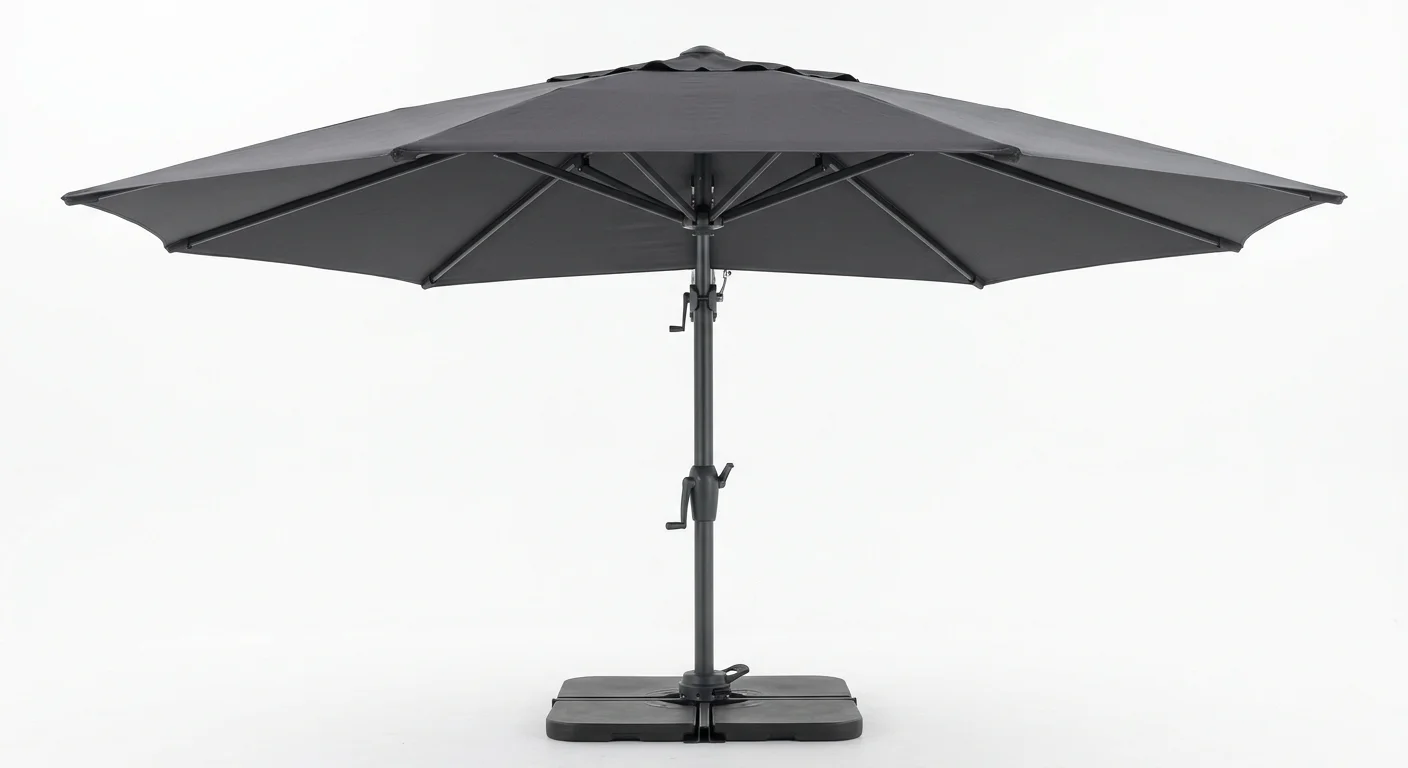
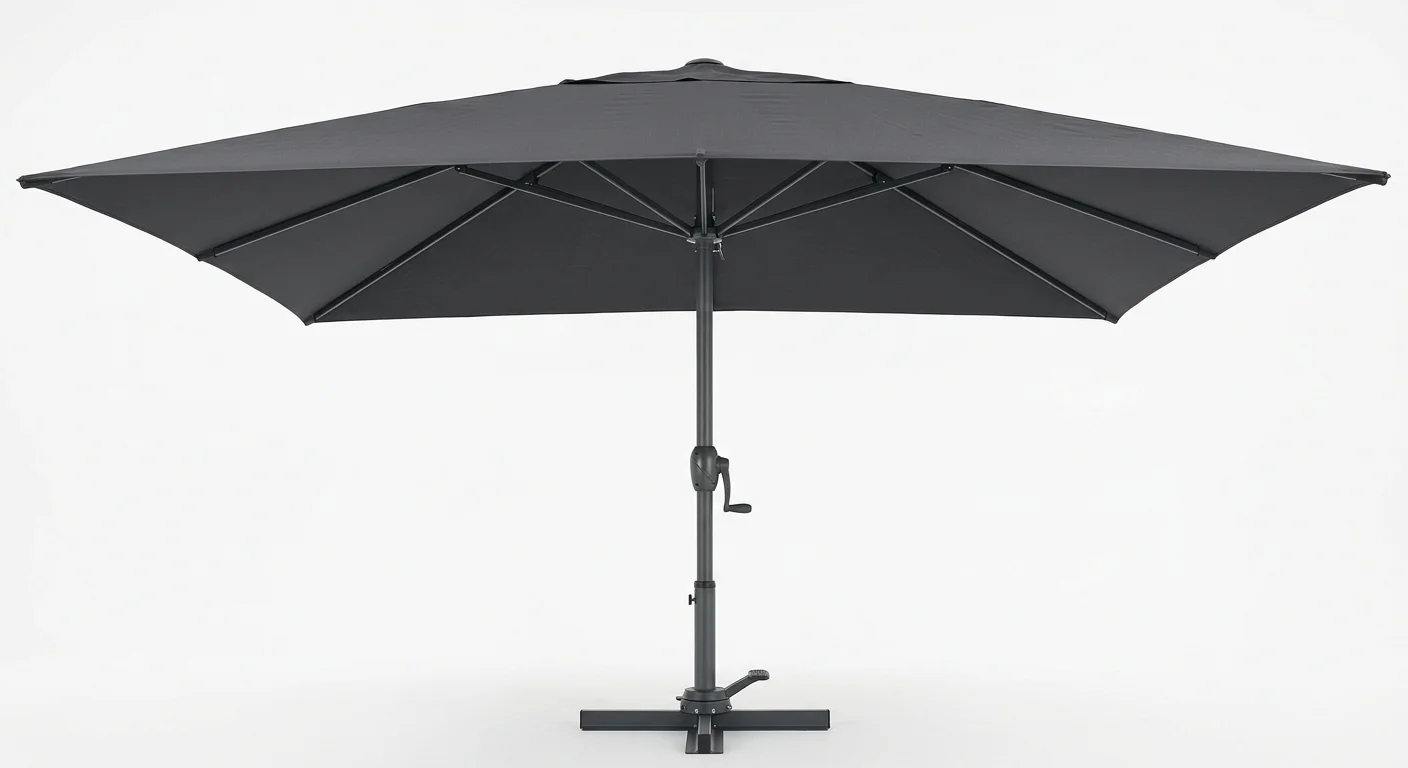
For a specific recommendation, I often steer villa owners toward a heavy-duty side-post cantilever parasol. A 3-meter square model with a 360-degree rotation and a vertical tilt mechanism, priced around the EUR 850 to EUR 1,100 mark, is the sweet spot for value and durability. This allows you to track the sun as it moves from the Mediterranean toward the mountains behind Elche, providing continuous shade over a dining set or a rattan lounge configuration. For those with smaller apartment balconies overlooking the fishing port, a central-pole market umbrella with a high-density resin base is often the more practical choice. These usually range from EUR 150 to EUR 400 and offer the flexibility to be closed and secured quickly when the coastal winds pick up.
In larger villas with expansive pool decks, I often suggest a hybrid approach. A permanent shade sail can cover a fixed dining area, while mobile parasols provide flexible shade for sun-loungers. A custom-sized 5m x 5m shade sail using commercial-grade monofilament fabric—which allows hot air to rise through the weave while blocking 95% of UV rays—will typically cost between EUR 600 and EUR 1,500 depending on the complexity of the fixings. This setup creates a dedicated "cool zone" that becomes the heart of the home during the summer.
When we integrate these shade solutions, we always consider the surrounding furniture. A shade sail shouldn't just exist in isolation; it should be scaled to perfectly frame your rattan lounge sets or your outdoor dining table. If you have a large dining set that seats eight people, you need at least a 4-meter diameter of shade to ensure that the people at the ends of the table aren't sitting in the direct sun. I’ve seen many residents make the mistake of buying a parasol that is too small for their furniture, resulting in a constant "musical chairs" game as everyone tries to huddle under the small patch of shade.
Our delivery and installation service covers the entirety of Santa Pola, and we are intimately familiar with the logistical quirks of the town. Whether you are in the narrow, bustling streets near the port where parking a delivery van is a tactical challenge, or up on the ridges of Gran Alacant where the steep inclines require careful navigation, we know how to get the equipment to your door safely. We also frequently serve the surrounding areas of Elche, Guardamar, and Alicante, meaning we are always in the neighborhood if a client needs a follow-up or a maintenance check.
The logistics of Gran Alacant deserve a special mention. Because of the tiered construction on the hillside, many terraces are accessed via narrow stairs or have weight restrictions that prevent the use of 150kg granite parasol bases. In these cases, we utilize cross-bases that can be bolted directly into the concrete or water-filled bases that can be managed more easily. This kind of local knowledge is what prevents a DIY shade project from turning into a structural headache or a safety hazard. I personally oversee the planning for these more complex installs to ensure the wind-load calculations are correct for the elevation.
If you are looking to reclaim your outdoor space from the Santa Pola sun, I am always happy to provide a free consultation. I can visit your property to measure the space, assess the wind exposure, and look at the sun’s path relative to your seating areas. My goal is to ensure that whatever you choose—be it a simple market umbrella or a sophisticated multi-sail installation—it serves you for many years, standing up to the salt, the dust, and the wind that define life on this beautiful part of the Costa Blanca. We can discuss everything from fabric weights and UV ratings to the best way to anchor a structure into your specific type of terrace tiling, ensuring a result that is both aesthetically pleasing and structurally sound.
 JW'"
/>
JW'"
/>