Outdoor Living in Santa Pola
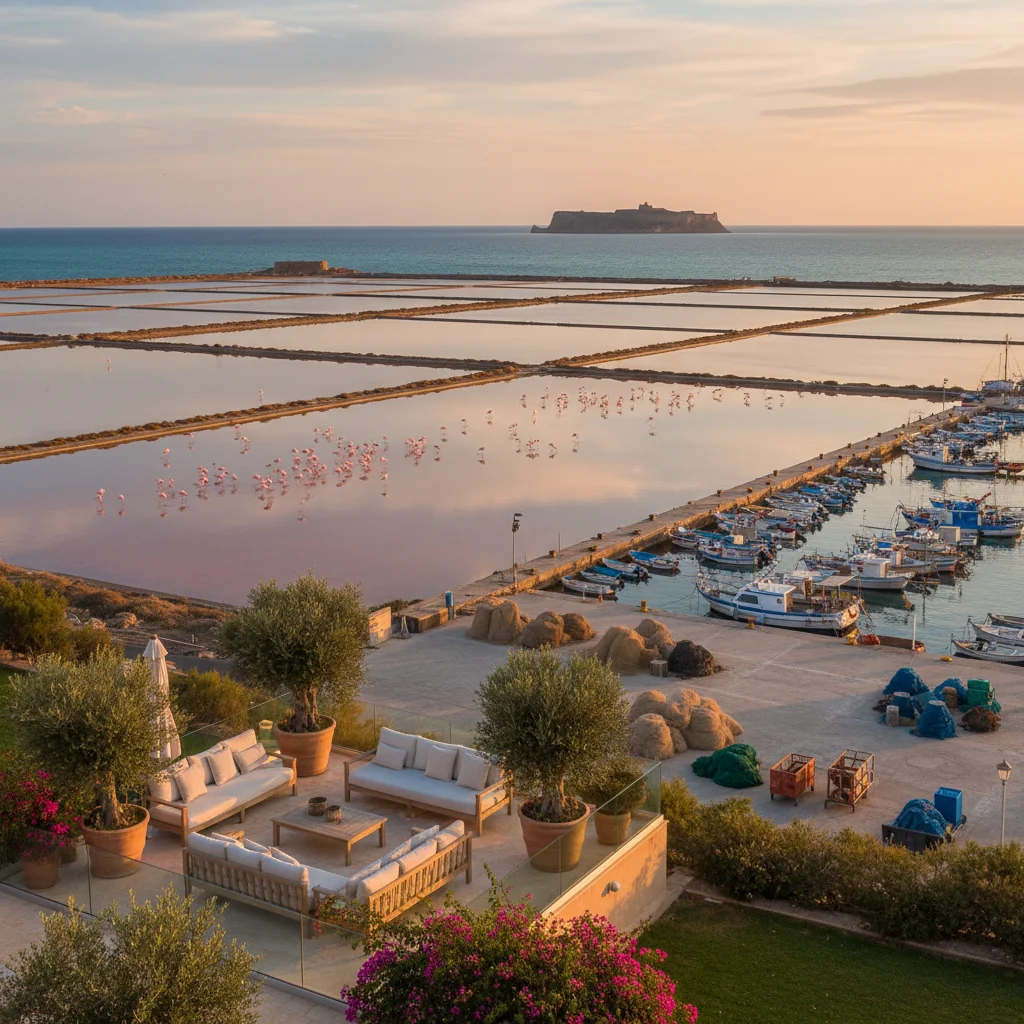
Santa Pola is a traditional Spanish fishing town of 35,000 residents with around 12% expats — British, German, and Dutch — offering a more authentically Spanish lifestyle than most Costa Blanca towns, centred on its working port, famous salt pans, and the ferry to Tabarca Island.
Santa Pola has resisted the full transformation that tourism brought to many of its neighbours. The fishing port still lands catches daily, the salt pans on the southern edge of town remain a working landscape that attracts flamingos and birdwatchers, and the town centre feels genuinely Spanish — busy with locals rather than expat-oriented businesses. The castle overlooking the port hosts a maritime museum, and the Cape Santa Pola lighthouse marks the dramatic cliffs that separate the town from neighbouring Gran Alacant.
The expat community here is smaller in proportion than towns further south, but it is well-established and tends to attract people who want a Spanish experience rather than a British enclave. Properties average around €200,000, with seafront apartments near the port from €150,000, townhouses in the streets behind the Paseo Marítimo from €180,000, and villas on the elevated ground near Cape Santa Pola from €300,000 upwards.
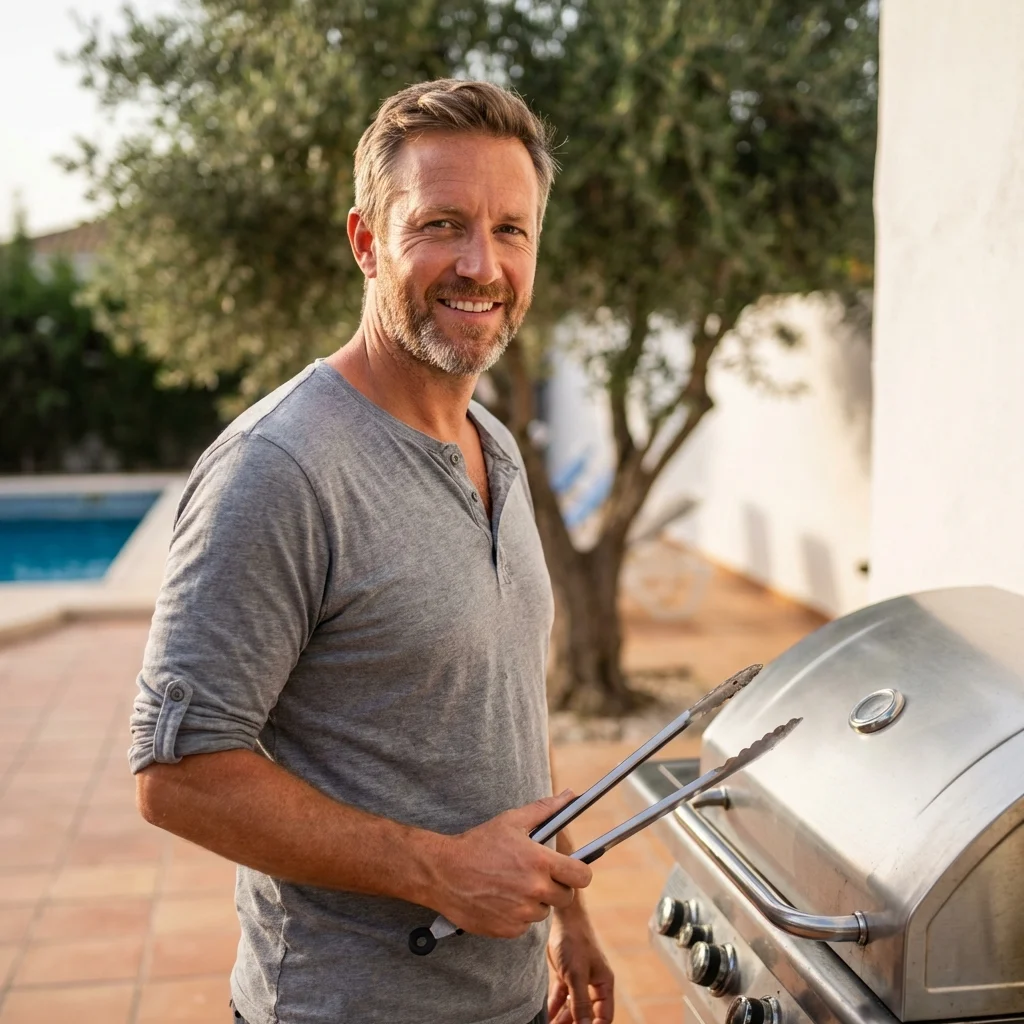
Outdoor cooking in Santa Pola carries a particular pleasure: the proximity of the fishing port means you can buy the morning’s catch and have it on the grill within the hour. Gambas from Santa Pola are renowned across Spain, and they are never better than cooked over charcoal within sight of the harbour where they were landed.
Santa Pola’s working fishing port, salt pan nature reserve, and traditional Spanish character set it apart from typical expat towns — with fresh seafood from the harbour to the grill making outdoor cooking here a genuinely local experience.
Choosing Your Setup in Santa Pola
Santa Pola’s property mix runs from compact port-side apartments to clifftop villas near the cape — your outdoor cooking setup should match both your space and your access to some of Spain’s best fresh seafood.
For the seafront apartments along the Paseo Marítimo and near the port, a compact gas BBQ or a small kamado is the practical choice. These properties often have terraces with sea views, and a 2-burner gas unit lets you grill those Santa Pola prawns without overwhelming the space. The salt air here is worth noting — Costa Blanca Outdoors recommends stainless steel construction for any equipment exposed to the coastal atmosphere, as painted steel corrodes noticeably faster this close to the water.
Townhouse owners in the residential streets behind the centre — particularly around the market area and towards the Gran Playa beach — typically have rear patios or rooftop terraces. A full-size gas BBQ with a protective cover works well here, and many of our customers in these properties add a tabletop pizza oven that stores indoors between uses.
The villas on Cape Santa Pola and the elevated residential areas towards Elche offer the space for a complete outdoor kitchen. The views from these properties — across the salt pans to the south, or out to Tabarca Island — make them natural entertaining spaces. A built-in BBQ island with a large kamado and a wood-fired pizza oven turns these terraces into destination dining spots.
Costa Blanca Outdoors recommends stainless steel equipment for Santa Pola’s seafront properties due to salt air exposure, compact setups for port-side apartments, and full outdoor kitchen builds for the elevated villas near Cape Santa Pola.
Delivery to Santa Pola
We deliver throughout Santa Pola, from the port-side apartments and Paseo Marítimo to the cape villas and Gran Playa residential areas, on our central coastal route.
Santa Pola’s compact layout makes deliveries efficient. The town centre and port area are flat and well-connected, with most apartment buildings accessible from wide main roads. Cape Santa Pola deliveries involve the winding road up to the elevated residential areas, but our team knows the route and access points well.
For seafront apartment deliveries, we confirm lift access in advance — some of the older blocks near the port have narrow staircases that require planning for heavier items like kamado grills and stone pizza ovens. Newer buildings along Gran Playa typically have goods lifts that handle our largest products without difficulty.
Santa Pola sits on our route between Alicante to the north and Guardamar to the south, with Gran Alacant immediately adjacent around the cape. We combine deliveries across all four areas regularly. Standard delivery is 5–10 working days for in-stock products, with custom outdoor kitchen projects taking 3–4 weeks from initial design consultation to completed installation.
Practical Privacy Solutions for the Santa Pola Outdoor Lifestyle
Securing a private outdoor retreat in this specific corner of the Costa Blanca requires more than just picking a product from a catalog. Having lived on this coast since 2019 and assisted over two hundred families with their property transformations, I have seen firsthand how the unique geography of this area dictates the longevity of your garden investments. With a local population of around 35,000 and a significant international community comprising roughly 12% of the residents—largely British, German, and Dutch—the demand for high-quality outdoor living spaces is substantial. Whether you are situated near the historic fishing port or further up toward the Cape, the architectural landscape varies significantly, from compact apartment terraces to sprawling villas within established golf resort communities. These homes often share boundaries, making privacy screens and fencing a functional necessity rather than a luxury.
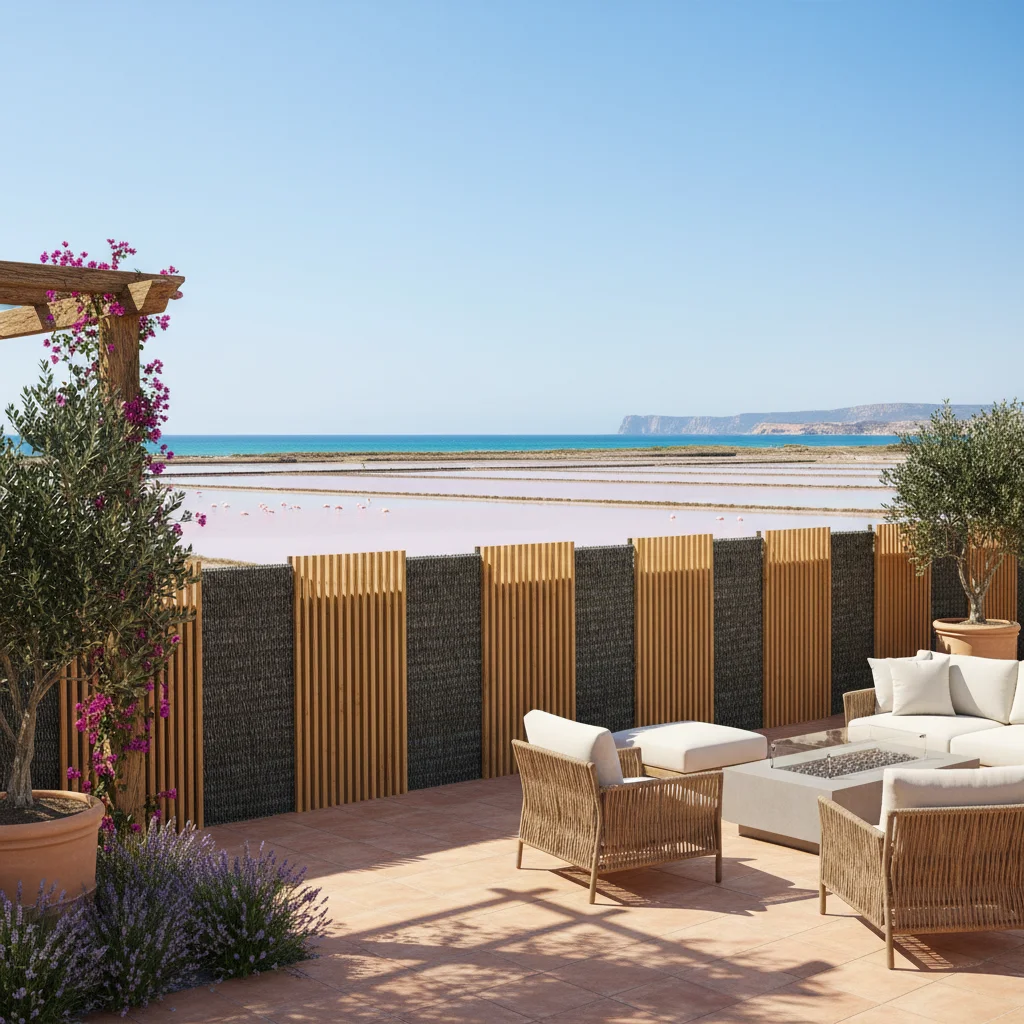
The lifestyle here revolves around the Mediterranean, but the environmental conditions are distinct from the northern reaches of the province. While the town is famous for its proximity to the Salt Pans and the scenic views across to Tabarca Island, these features bring specific challenges for property maintenance. The international residents here, particularly the British and Northern Europeans, tend to lean heavily into the outdoor cooking and dining culture. However, the typical property price of around €200,000 often means buying into urbanisations where villas are closely packed or apartments feature shared garden views. In these environments, a well-chosen privacy screen does more than just block a neighbor's view; it defines your personal sanctuary in a busy coastal town.
In my years of operating across the region, I have noticed that the British and Dutch residents in particular prioritize creating a "second lounge" outdoors. This often involves a mix of dining areas and lounging spots that require screening from the afternoon sun and the coastal winds. Because many properties in the area are part of larger communities, the choice of fencing must balance personal preference with the collective aesthetic of the urbanisation. You are not just building a fence; you are navigating a microclimate influenced by the salt lakes and the intense heat of the southern Costa Blanca.
Environmental Realities and Material Durability
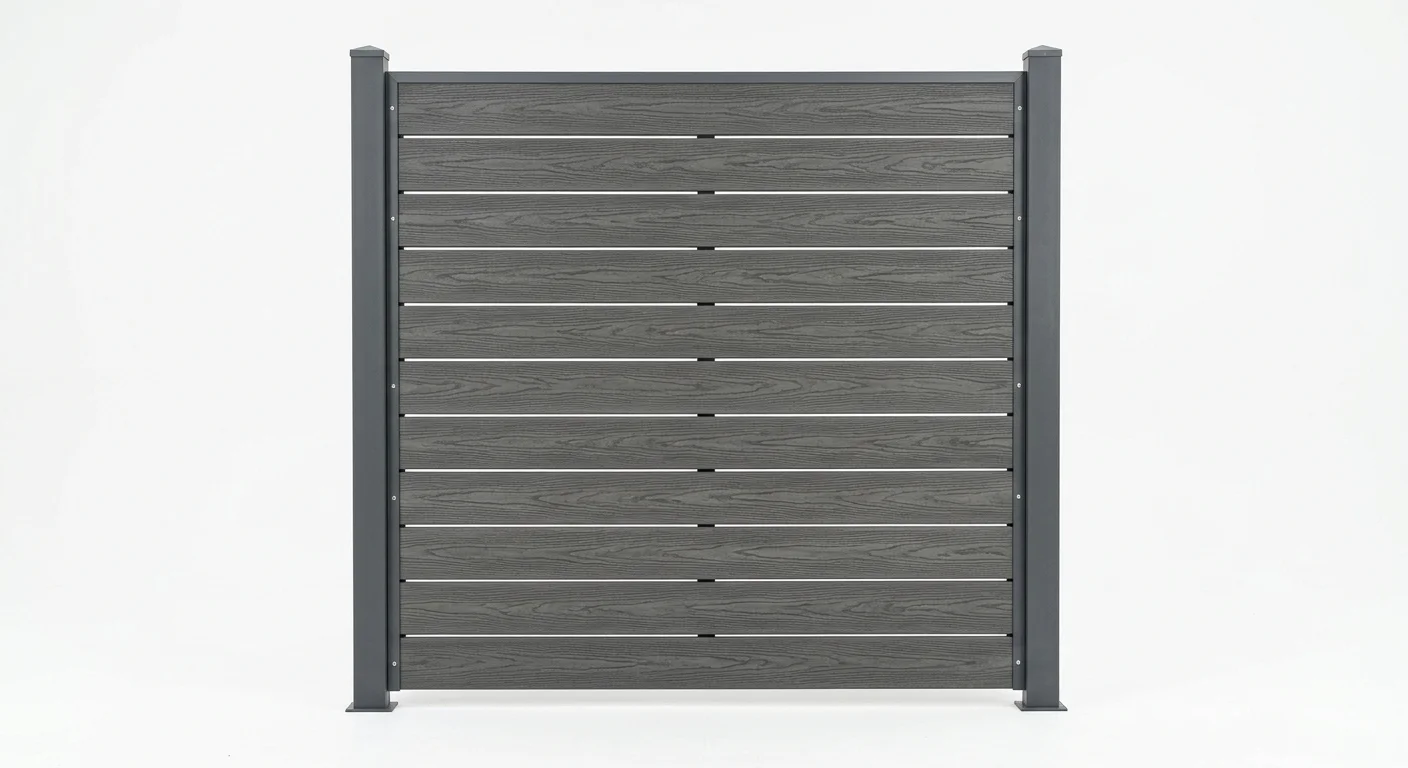
When selecting fencing or screening for a home in this area, you must account for a climate that is notably hotter and drier than the northern Costa Blanca. The sun exposure here is relentless, particularly the strong afternoon rays that hit westward-facing terraces. Standard PVC or low-grade plastics will become brittle and fade within two seasons under this level of UV radiation. I generally recommend UV-stabilized composite panels or high-grade aluminium slat fencing. For a standard 1.8-meter by 1.8-meter section of quality composite fencing, you should expect to budget approximately €450 to €600, depending on the thickness and the mounting system required. This investment pays for itself because it does not require the constant sanding and staining that traditional timber demands in this dry heat.
The proximity to the Salt Pans and the Mediterranean means that salt lake humidity is a constant factor. This humidity is surprisingly corrosive. If you opt for metal fencing, it must be marine-grade powder-coated aluminium. Cheap steel or poorly treated iron will begin to show rust spots within months of installation due to the salt-laden air blowing in from the port and the surrounding wetlands. Furthermore, the Calima—the fine Saharan dust that frequently blankets the town—is a major maintenance consideration. Solid fences can act as dust traps, whereas slatted designs allow for better airflow and are much easier to hose down after a dust storm. A slatted aluminium system, providing about 80% privacy while allowing air to pass through, usually runs between €250 and €400 per linear meter.
Another critical factor is the local Comunidad de Propietarios. Most urbanisations near the golf resorts or the Cape have strict rules regarding the height and color of external structures. I have seen homeowners forced to tear down expensive installations because they didn't match the community’s approved color palette or exceeded the 1.5-meter height limit for street-facing boundaries. Before you commit to a €2,000 fencing project, it is essential to verify the specific bylaws of your community. In many cases, we find that "soft" screening like high-quality artificial hedging or bamboo rolls attached to existing wire fences is a more acceptable and cost-effective workaround, costing as little as €300 to €500 for an entire balcony wrap.
Installation in this region also presents specific geological challenges. Much of the ground near the Cape is hard, rocky terrain, while areas closer to the port may have softer, sandier soil profiles. If you are installing a freestanding fence on a villa plot, the footings must be deep enough to withstand the "Levante" winds that can whip across the flat landscape. A fence that acts as a solid sail will eventually lean or collapse if the post anchors aren't chemically fixed or set in deep concrete footings. For apartment owners, the focus is often on securing screens to existing railings without drilling into the building's facade, which often requires custom-fabricated brackets to avoid structural damage and community disputes.
Tailored Recommendations for Local Property Types
For those living in the larger villas around the Cape or the outskirts leading toward Elche, I recommend a tiered approach to privacy. On the perimeter, a 1.2-meter stone wall topped with 60cm of dark grey or anthracite aluminium slats is the gold standard. This combination provides total security and privacy without making the garden feel like a fortress. It also allows for the cooling sea breezes to circulate through the slats. For a typical villa perimeter of 40 meters, this configuration usually sits in the €4,000 to €5,000 range. This setup pairs exceptionally well with artificial grass, as the clean lines of the aluminium provide a sharp contrast to the green turf, creating a low-maintenance, modern aesthetic that holds its value.
For residents in the more densely populated urbanisations or apartment blocks near the Salt Pans, the requirements are different. Space is at a premium, and the goal is usually to block the view from a neighboring terrace or a public walkway. In these scenarios, I suggest using modular composite screens with decorative laser-cut patterns. These panels provide privacy while doubling as a piece of garden art. They are slim-profile, meaning they don't eat into your usable terrace space. A three-panel decorative screen setup typically costs around €800 to €1,200. I often see these used in conjunction with glass curtains. By placing the privacy screen at one end of a glass-curtain enclosure, you create a private "nook" that can be used year-round, protected from both the wind and prying eyes.
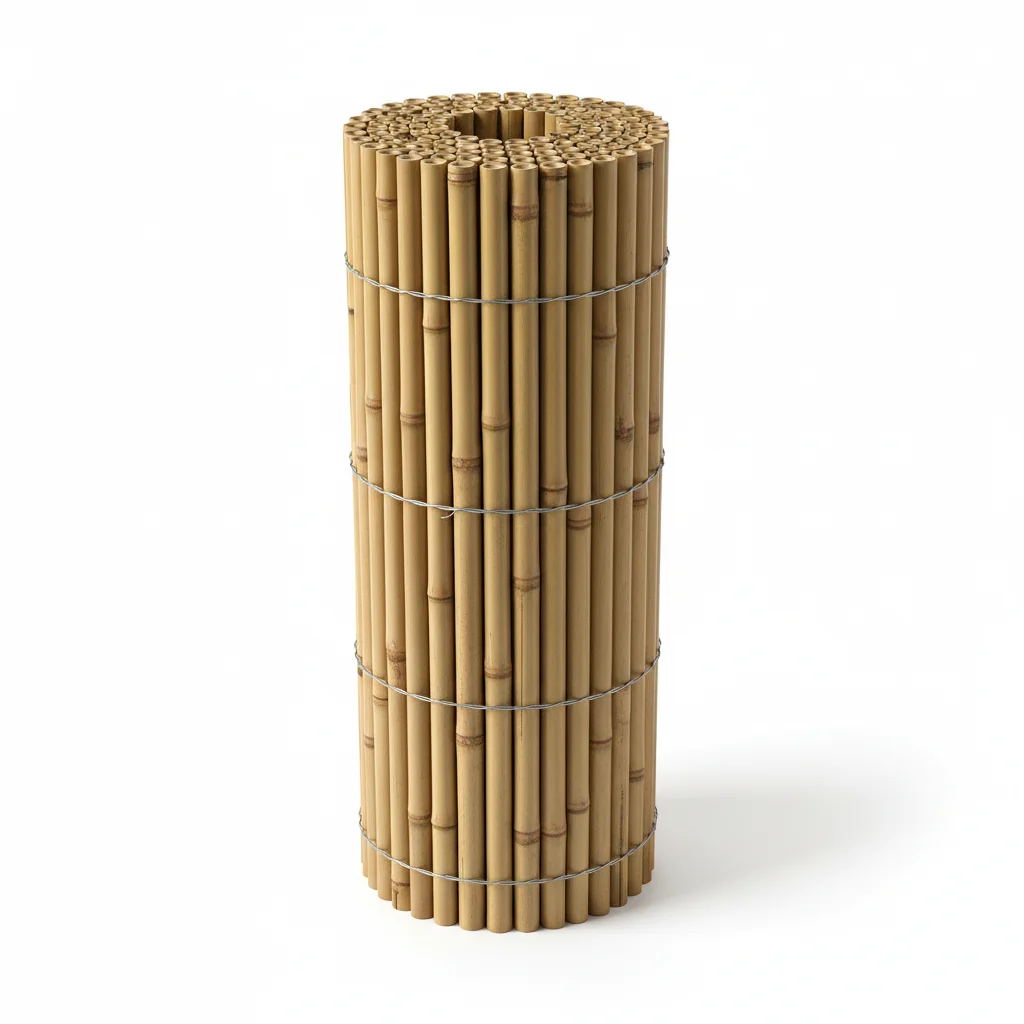
If you are looking for a more natural look that fits the Mediterranean vibe, high-density bamboo screening is a viable option, but only if it is the thick-pole variety. The thin, cheap reed mats sold in local hardware stores will rot and break apart within a year due to the salt humidity. A premium bamboo pole screen, treated for outdoor use and wired with galvanized steel, provides an excellent organic backdrop for potted plants and outdoor kitchens. You can expect to pay around €40 to €60 per linear meter for high-quality bamboo. This material is particularly popular with our Dutch and German clients who prefer a softer, more integrated look for their garden retreats.
Regardless of the property type, the integration of different outdoor elements is key. We often find that once a privacy screen is installed, the homeowner realizes the floor needs an upgrade to match. Combining new fencing with a high-quality artificial grass installation—specifically a 40mm pile height that can withstand heavy foot traffic—can transform a dusty, overlooked yard into a primary living area. This holistic approach to the outdoor space ensures that every element, from the boundary line to the ground cover, is designed to survive the specific environmental pressures of the local climate.
Logistics and Local Expertise in the Baix Vinalopó
Navigating the logistics of delivery and installation in this part of the Baix Vinalopó region requires intimate knowledge of the local road networks and building regulations. Our team frequently operates not just within the town center but also in the surrounding areas of Gran Alacant, Elche, Guardamar, and Alicante. We understand the challenges of the narrow streets near the fishing port where large delivery trucks simply cannot pass. For projects in the older parts of town, we utilize smaller transit vehicles and specialized lifting equipment to move materials onto high-floor terraces or into tight garden plots.
The building logistics here are also influenced by the "Calima" seasons. We schedule our major installations to avoid the peak dust periods when possible, ensuring that your new fencing isn't immediately coated in red silt before the concrete has even cured. Furthermore, our familiarity with the local hardware and construction supply chains means we aren't waiting for parts to arrive from Madrid or Valencia; we source materials that are proven to work in this specific coastal environment. We know which fixings will corrode in the salt air and which will remain structural for decades.
If you are planning a project in Gran Alacant, for example, we are well-versed in the specific steep topography of the cliffs and how that affects wind-loading on privacy screens. A screen that works in a sheltered Elche garden might be torn off its mountings on a Gran Alacant hillside if not properly engineered. This level of local insight is what separates a DIY attempt from a professional installation that adds genuine value to your property. We don't just drop off the materials; we ensure they are appropriate for your specific street and your specific orientation toward the sun and sea.
Whether you are looking to secure a small balcony or fully enclose a large villa plot, we offer a free consultation to discuss the best materials and configurations for your home. We can provide physical samples of our composite and aluminium ranges so you can see how the colors look in the actual light of your garden. Our goal is to help you create an outdoor space that is as durable as it is private, allowing you to enjoy the best of the Costa Blanca lifestyle without compromise. We understand the local rules, we understand the climate, and we have the experience to ensure your garden fencing stands up to the unique demands of this beautiful coastal town.
 JW'"
/>
JW'"
/>