Outdoor Living in Santa Pola
Santa Pola is a traditional Spanish fishing town of 35,000 residents with around 12% expats — British, German, and Dutch — offering a more authentically Spanish lifestyle than most Costa Blanca towns, centred on its working port, famous salt pans, and the ferry to Tabarca Island.
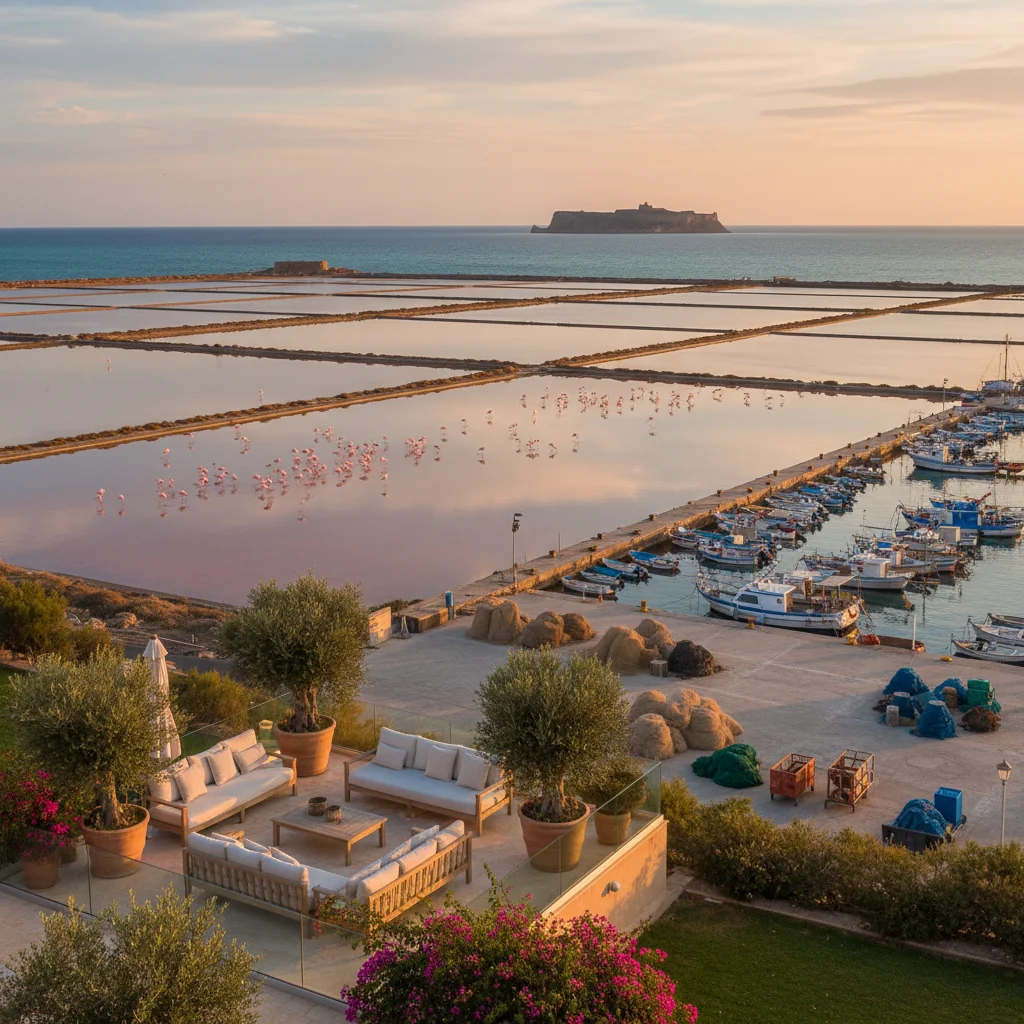
Santa Pola has resisted the full transformation that tourism brought to many of its neighbours. The fishing port still lands catches daily, the salt pans on the southern edge of town remain a working landscape that attracts flamingos and birdwatchers, and the town centre feels genuinely Spanish — busy with locals rather than expat-oriented businesses. The castle overlooking the port hosts a maritime museum, and the Cape Santa Pola lighthouse marks the dramatic cliffs that separate the town from neighbouring Gran Alacant.
The expat community here is smaller in proportion than towns further south, but it is well-established and tends to attract people who want a Spanish experience rather than a British enclave. Properties average around €200,000, with seafront apartments near the port from €150,000, townhouses in the streets behind the Paseo Marítimo from €180,000, and villas on the elevated ground near Cape Santa Pola from €300,000 upwards.
Outdoor cooking in Santa Pola carries a particular pleasure: the proximity of the fishing port means you can buy the morning’s catch and have it on the grill within the hour. Gambas from Santa Pola are renowned across Spain, and they are never better than cooked over charcoal within sight of the harbour where they were landed.
Santa Pola’s working fishing port, salt pan nature reserve, and traditional Spanish character set it apart from typical expat towns — with fresh seafood from the harbour to the grill making outdoor cooking here a genuinely local experience.
Choosing Your Setup in Santa Pola
Santa Pola’s property mix runs from compact port-side apartments to clifftop villas near the cape — your outdoor cooking setup should match both your space and your access to some of Spain’s best fresh seafood.
For the seafront apartments along the Paseo Marítimo and near the port, a compact gas BBQ or a small kamado is the practical choice. These properties often have terraces with sea views, and a 2-burner gas unit lets you grill those Santa Pola prawns without overwhelming the space. The salt air here is worth noting — Costa Blanca Outdoors recommends stainless steel construction for any equipment exposed to the coastal atmosphere, as painted steel corrodes noticeably faster this close to the water.
Townhouse owners in the residential streets behind the centre — particularly around the market area and towards the Gran Playa beach — typically have rear patios or rooftop terraces. A full-size gas BBQ with a protective cover works well here, and many of our customers in these properties add a tabletop pizza oven that stores indoors between uses.
The villas on Cape Santa Pola and the elevated residential areas towards Elche offer the space for a complete outdoor kitchen. The views from these properties — across the salt pans to the south, or out to Tabarca Island — make them natural entertaining spaces. A built-in BBQ island with a large kamado and a wood-fired pizza oven turns these terraces into destination dining spots.
Costa Blanca Outdoors recommends stainless steel equipment for Santa Pola’s seafront properties due to salt air exposure, compact setups for port-side apartments, and full outdoor kitchen builds for the elevated villas near Cape Santa Pola.
Delivery to Santa Pola
We deliver throughout Santa Pola, from the port-side apartments and Paseo Marítimo to the cape villas and Gran Playa residential areas, on our central coastal route.
Santa Pola’s compact layout makes deliveries efficient. The town centre and port area are flat and well-connected, with most apartment buildings accessible from wide main roads. Cape Santa Pola deliveries involve the winding road up to the elevated residential areas, but our team knows the route and access points well.
For seafront apartment deliveries, we confirm lift access in advance — some of the older blocks near the port have narrow staircases that require planning for heavier items like kamado grills and stone pizza ovens. Newer buildings along Gran Playa typically have goods lifts that handle our largest products without difficulty.
Santa Pola sits on our route between Alicante to the north and Guardamar to the south, with Gran Alacant immediately adjacent around the cape. We combine deliveries across all four areas regularly. Standard delivery is 5–10 working days for in-stock products, with custom outdoor kitchen projects taking 3–4 weeks from initial design consultation to completed installation.
High-Performance Hydrotherapy and Swim Spas for Santa Pola Homes
Living on this specific stretch of the southern Costa Blanca requires a different approach to outdoor living than what you might find in the greener, wetter north of the province. Since moving here in 2019 and helping hundreds of families across the region, I have observed that the local environment—shaped by the massive salt pans and the unique microclimate of the Cape—dictates exactly what kind of equipment will survive and thrive. In a town of 35,000 residents where roughly 12% of our neighbors are from the UK, Germany, and the Netherlands, the demand for high-quality hot tubs and swim spas has shifted from simple luxury to a practical solution for year-round wellness. Many residents here occupy villas and apartments within established urbanisations where space is often at a premium, making a compact hydrotherapy unit far more logical than a traditional 8x4 meter swimming pool. The average property price of EUR 200,000 means homeowners are looking for smart investments that add tangible value to their terraces without the astronomical maintenance costs or the space requirements of a full-scale excavation.
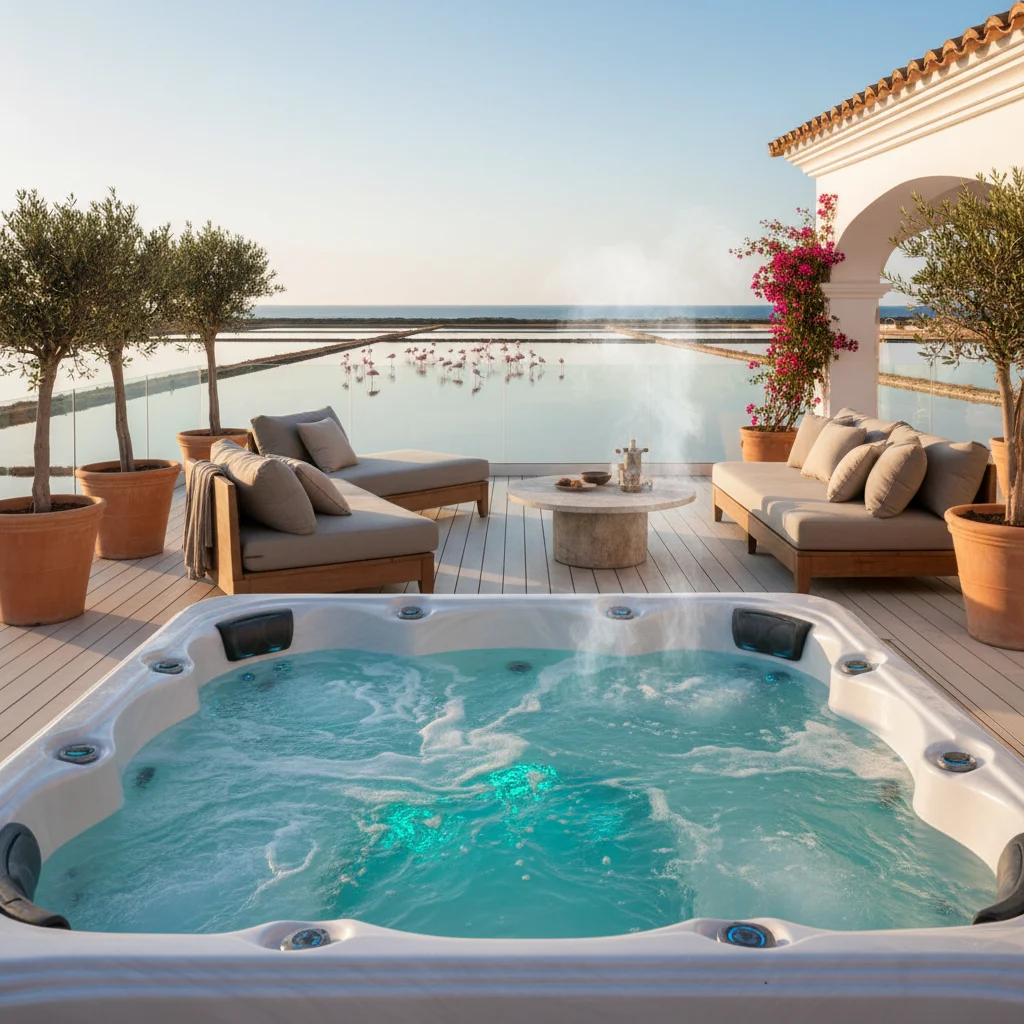
The outdoor culture in this part of Spain is heavily influenced by the presence of the fishing port and the proximity to Tabarca Island, where life revolves around the water and the intense afternoon sun. Whether you are situated near the Salt Pans or up toward the lighthouse at the Cape, your terrace is your primary living room. British expats often prioritize the social aspect of a five-seater tub, while our German and Dutch neighbors tend to look closely at the engineering, insulation, and energy efficiency of the units. Integrating a swim spa or hot tub into these spaces allows for a private sanctuary that functions perfectly during the scorching July afternoons and the surprisingly brisk January evenings. Because many properties are part of golf resort communities or urbanisations with shared gardens, a private spa provides an essential layer of privacy and immediate access to water that communal pools simply cannot match. It becomes the focal point of the outdoor area, especially when positioned to catch the evening breeze coming off the Mediterranean.
Environmental Considerations and Technical Requirements for Local Installations
The climate in this specific area is notably hotter and drier than the northern Costa Blanca, which presents a unique set of challenges for any water-based installation. One of the most significant factors I discuss with clients is the impact of the salt lake humidity. If your property is located near the Salinas, the air carries a higher salt content which can be corrosive to inferior hardware. When selecting a hot tub, you must ensure the cabinet is made of high-grade UV-resistant synthetic materials rather than traditional wood, which will warp and bleach within a single season under the intense southern sun. The internal components, particularly the heaters and pumps, should ideally be constructed from high-grade stainless steel or titanium to resist the atmospheric salinity. For those living closer to the Cape, the wind can also be a factor, meaning a heavy-duty, tapered thermal cover is non-negotiable to prevent heat loss and to keep the water clear of the fine Calima dust that frequently blows in from North Africa.
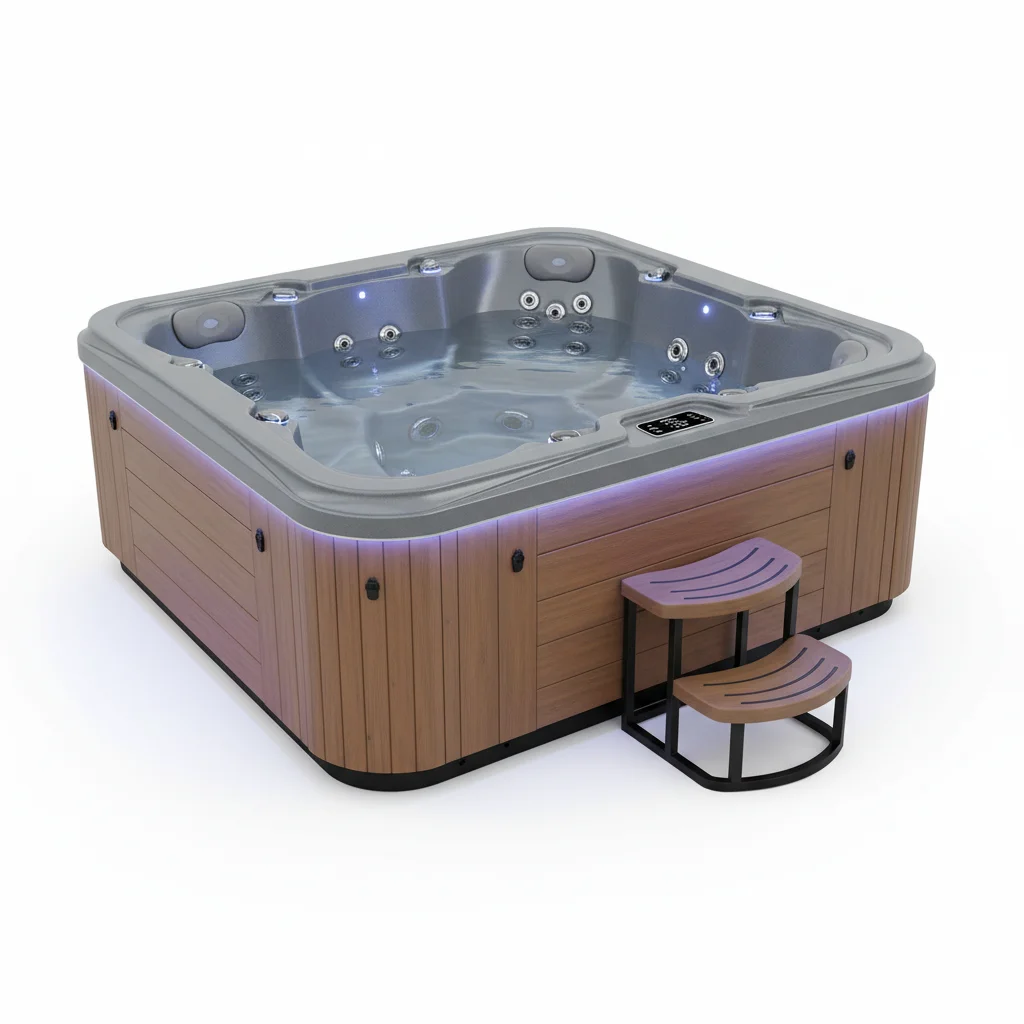
Calima dust is perhaps the greatest maintenance challenge for spa owners in this region. This fine, orange sand can bypass standard 50-square-foot filters if they are not maintained correctly. I always recommend a dual-filtration system with a dedicated circulation pump that runs 24/7 at a very low wattage. This ensures that even during a heavy dust event, the water remains pristine. For a standard 2-meter by 2-meter hot tub, you should look for a model that utilizes an ozone generator or a UV-C sanitization system. These technologies reduce the reliance on chlorine or bromine by up to 60%, which is better for your skin and extends the life of the spa’s internal seals in our hot climate. A mid-range, high-quality five-person tub like the models we often install here typically costs between EUR 6,500 and EUR 8,500, including a high-density cover and steps. This price point ensures you are getting a multi-layered shell and high-density poly-foam insulation, which is critical for keeping running costs down when the ambient temperature drops at night.
Furthermore, anyone living in an apartment or a townhouse within a comunidad de propietarios must consider the structural and legal implications of a hot tub. A standard 1,000-liter hot tub, once filled and occupied by four adults, can weigh upwards of 1,500 kilograms. This equates to a load of approximately 400 to 500 kilograms per square meter. Most modern terraces are built to handle significant loads, but older properties near the port may require a structural survey before installation. It is also vital to check the community bylaws regarding "obra menor" or minor works. While a portable hot tub is technically furniture and usually does not require a building license, some communities have specific rules about aesthetic uniformity or the use of cranes for delivery. I have found that a proactive conversation with the community president, backed by a technical data sheet of the chosen model, usually smoothes the way for a trouble-free installation.
Recommended Configurations for Villas and Apartments
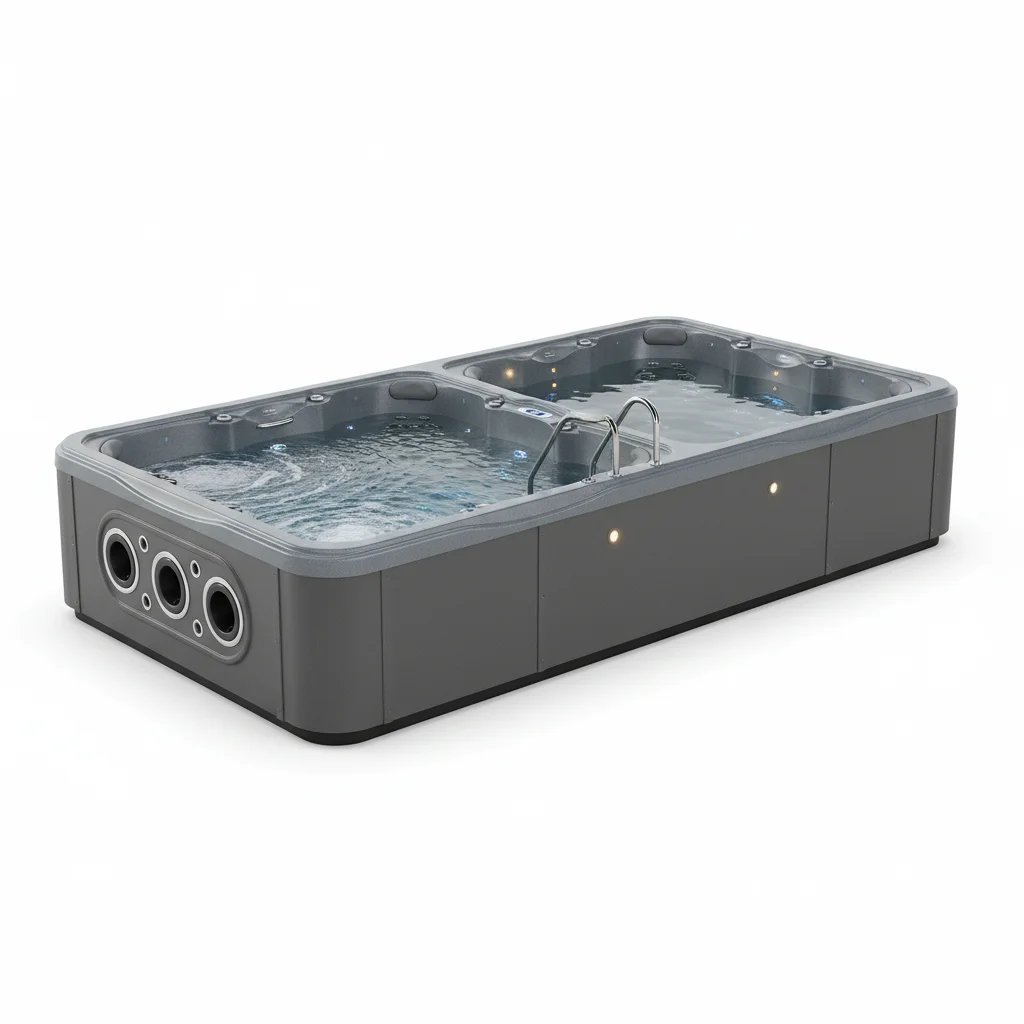
For those owning detached villas in the quieter areas or toward the outskirts, I frequently recommend a swim spa as an alternative to a traditional swimming pool. A swim spa provides the best of both worlds: a powerful counter-current for exercise and a dedicated hydrotherapy zone for relaxation. A 4-meter model, such as a 400cm x 230cm x 130cm unit, fits perfectly into the smaller garden plots common in our local urbanisations. These units usually require a 32-amp power supply and a reinforced concrete base of at least 15cm thickness. Priced around EUR 12,000 to EUR 15,000, a swim spa is a year-round asset. Unlike a standard pool which is often too cold to use from November to April without expensive heat pumps, a swim spa is fully insulated and can be kept at a consistent 30 degrees Celsius for a fraction of the cost. When paired with an outdoor-kitchen, it transforms a basic backyard into a high-end Mediterranean retreat that functions as an extension of the home.
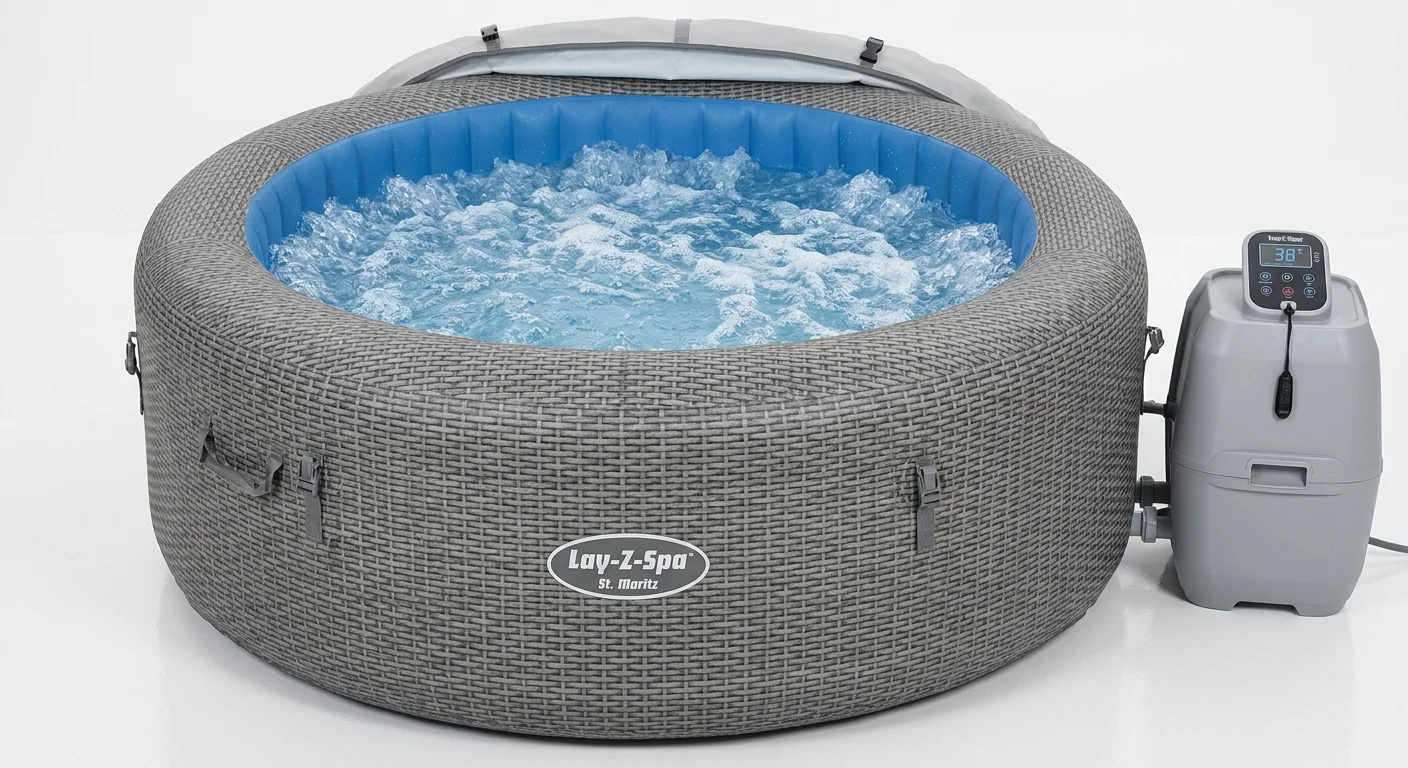
If you are living in an apartment or a penthouse closer to the center or the fishing port, space and weight are the primary constraints. In these settings, a compact two- or three-person "balcony spa" is the ideal choice. These models are often designed with a narrower profile, roughly 160cm x 210cm, allowing them to pass through standard door frames or be easily hoisted via a furniture lift. A high-quality three-seater, which includes a lounge seat and two deep massage chairs, will typically retail for approximately EUR 4,800. These units are often "plug and play," meaning they can run off a standard 13-amp or 16-amp European socket, though I always advise a dedicated circuit for safety and performance. Integrating these smaller tubs with high-quality decking or artificial turf creates a clean, low-maintenance environment that handles the salt air and sun much better than traditional Mediterranean tiling, which can become dangerously slippery when wet.
We also see a growing trend of combining these spas with other outdoor elements to create a cohesive living zone. For instance, placing a hot tub adjacent to a bespoke outdoor-kitchen allows for a seamless transition from dining to relaxation. In our climate, the ability to cook and eat outside while the children play in the swim spa is the ultimate goal for most families. When planning these layouts, I suggest keeping the equipment at least 2 meters away from any cooking area to avoid grease buildup on the spa cover, and ensuring there is adequate drainage for the occasional splash-out. By thinking of the hot tub as a component of a larger "outdoor room," you maximize the utility of every square meter of your property, which is essential given the compact nature of many local plots.
Professional Delivery and Local Logistics Expertise
Navigating the logistics of delivery in this area requires more than just a truck and a pallet jack. Having operated across the Costa Blanca for years, I am intimately familiar with the narrow access roads around the fishing port and the specific building regulations in neighboring gran-alacant, elche, and guardamar. Every delivery starts with a site survey. We don't just look at where the tub will sit; we look at the entire path from the street to the final location. In many parts of the town center, the streets are too narrow for a standard hiab crane, necessitating the use of specialized 40-ton cranes or even furniture hoists for penthouse installations. We manage all these logistics, including the necessary permits for street closures if required, ensuring that the arrival of your new spa is a day of excitement rather than stress.
Our local knowledge extends to the technical setup as well. We understand the local power grid's quirks and the water hardness levels in this part of the province. The water here is quite "hard," meaning it has a high mineral content that can cause scale buildup on heater elements and jets. I always recommend the use of a pre-filter on your hose pipe when filling the tub and the regular use of a scale inhibitor as part of your weekly chemical routine. Because we also serve nearby Alicante and Elche, we maintain a local network of technicians who understand these specific environmental factors. We provide a full handover with every installation, where we sit down with you to explain the chemistry, the filter cleaning cycle, and how to manage the spa during the "Calima" season.
If you are considering adding a hot tub or swim spa to your home, I invite you to reach out for a genuine, no-pressure consultation. I have spent the last several years learning what works and, more importantly, what fails in this specific climate. We can discuss your terrace's weight limits, the best orientation to avoid the harshest afternoon sun, and which models provide the best energy efficiency for your specific usage patterns. My goal is to ensure that your outdoor space becomes the favorite part of your home, built with the right equipment to withstand the salt, the sun, and the dust of our unique coastline. Whether you are in a seaside apartment or a villa overlooking the salt pans, there is a hydrotherapy solution that fits your lifestyle and your budget perfectly.
 JW'"
/>
JW'"
/>