Outdoor Living in Santa Pola
Santa Pola is a traditional Spanish fishing town of 35,000 residents with around 12% expats — British, German, and Dutch — offering a more authentically Spanish lifestyle than most Costa Blanca towns, centred on its working port, famous salt pans, and the ferry to Tabarca Island.
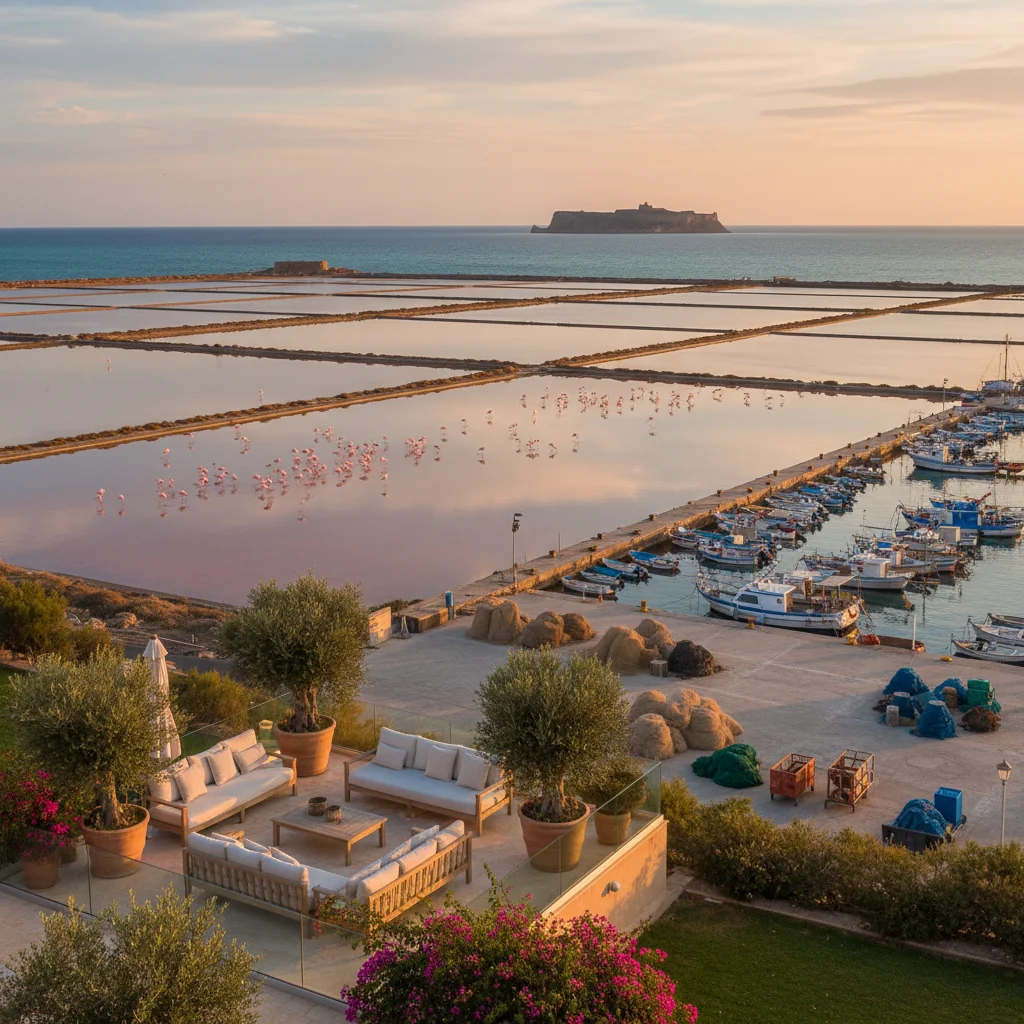
Santa Pola has resisted the full transformation that tourism brought to many of its neighbours. The fishing port still lands catches daily, the salt pans on the southern edge of town remain a working landscape that attracts flamingos and birdwatchers, and the town centre feels genuinely Spanish — busy with locals rather than expat-oriented businesses. The castle overlooking the port hosts a maritime museum, and the Cape Santa Pola lighthouse marks the dramatic cliffs that separate the town from neighbouring Gran Alacant.
The expat community here is smaller in proportion than towns further south, but it is well-established and tends to attract people who want a Spanish experience rather than a British enclave. Properties average around €200,000, with seafront apartments near the port from €150,000, townhouses in the streets behind the Paseo Marítimo from €180,000, and villas on the elevated ground near Cape Santa Pola from €300,000 upwards.
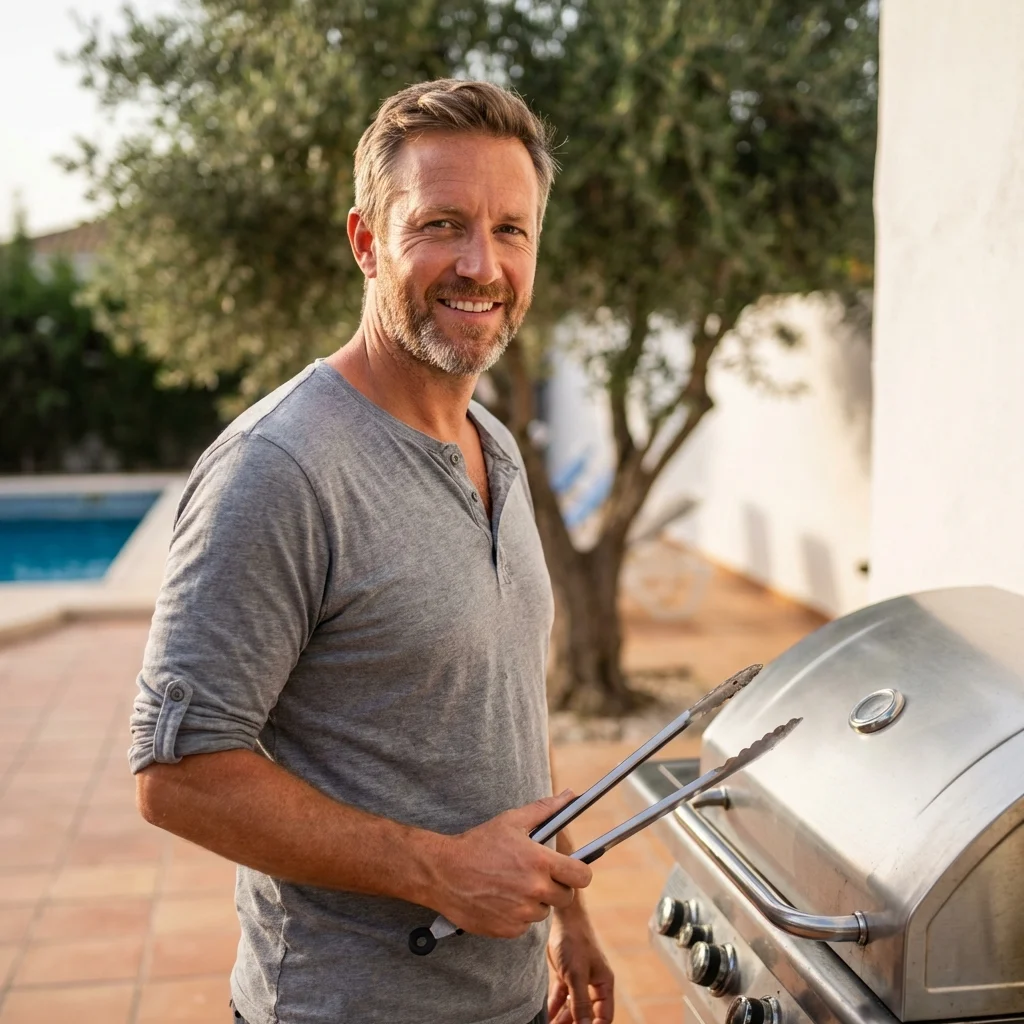
Outdoor cooking in Santa Pola carries a particular pleasure: the proximity of the fishing port means you can buy the morning’s catch and have it on the grill within the hour. Gambas from Santa Pola are renowned across Spain, and they are never better than cooked over charcoal within sight of the harbour where they were landed.
Santa Pola’s working fishing port, salt pan nature reserve, and traditional Spanish character set it apart from typical expat towns — with fresh seafood from the harbour to the grill making outdoor cooking here a genuinely local experience.
Choosing Your Setup in Santa Pola
Santa Pola’s property mix runs from compact port-side apartments to clifftop villas near the cape — your outdoor cooking setup should match both your space and your access to some of Spain’s best fresh seafood.
For the seafront apartments along the Paseo Marítimo and near the port, a compact gas BBQ or a small kamado is the practical choice. These properties often have terraces with sea views, and a 2-burner gas unit lets you grill those Santa Pola prawns without overwhelming the space. The salt air here is worth noting — Costa Blanca Outdoors recommends stainless steel construction for any equipment exposed to the coastal atmosphere, as painted steel corrodes noticeably faster this close to the water.
Townhouse owners in the residential streets behind the centre — particularly around the market area and towards the Gran Playa beach — typically have rear patios or rooftop terraces. A full-size gas BBQ with a protective cover works well here, and many of our customers in these properties add a tabletop pizza oven that stores indoors between uses.
The villas on Cape Santa Pola and the elevated residential areas towards Elche offer the space for a complete outdoor kitchen. The views from these properties — across the salt pans to the south, or out to Tabarca Island — make them natural entertaining spaces. A built-in BBQ island with a large kamado and a wood-fired pizza oven turns these terraces into destination dining spots.
Costa Blanca Outdoors recommends stainless steel equipment for Santa Pola’s seafront properties due to salt air exposure, compact setups for port-side apartments, and full outdoor kitchen builds for the elevated villas near Cape Santa Pola.
Delivery to Santa Pola
We deliver throughout Santa Pola, from the port-side apartments and Paseo Marítimo to the cape villas and Gran Playa residential areas, on our central coastal route.
Santa Pola’s compact layout makes deliveries efficient. The town centre and port area are flat and well-connected, with most apartment buildings accessible from wide main roads. Cape Santa Pola deliveries involve the winding road up to the elevated residential areas, but our team knows the route and access points well.
For seafront apartment deliveries, we confirm lift access in advance — some of the older blocks near the port have narrow staircases that require planning for heavier items like kamado grills and stone pizza ovens. Newer buildings along Gran Playa typically have goods lifts that handle our largest products without difficulty.
Santa Pola sits on our route between Alicante to the north and Guardamar to the south, with Gran Alacant immediately adjacent around the cape. We combine deliveries across all four areas regularly. Standard delivery is 5–10 working days for in-stock products, with custom outdoor kitchen projects taking 3–4 weeks from initial design consultation to completed installation.
Achieving Effective Shade in the Santa Pola Microclimate
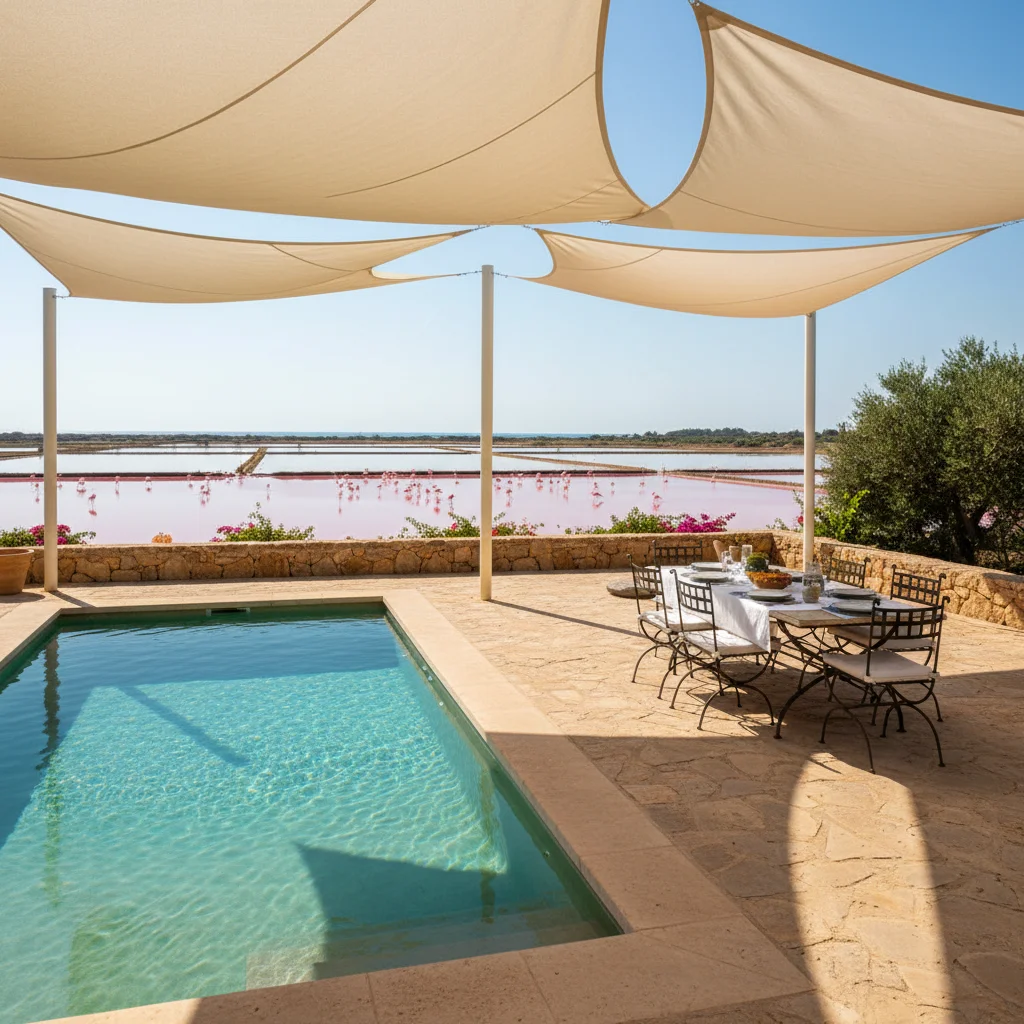
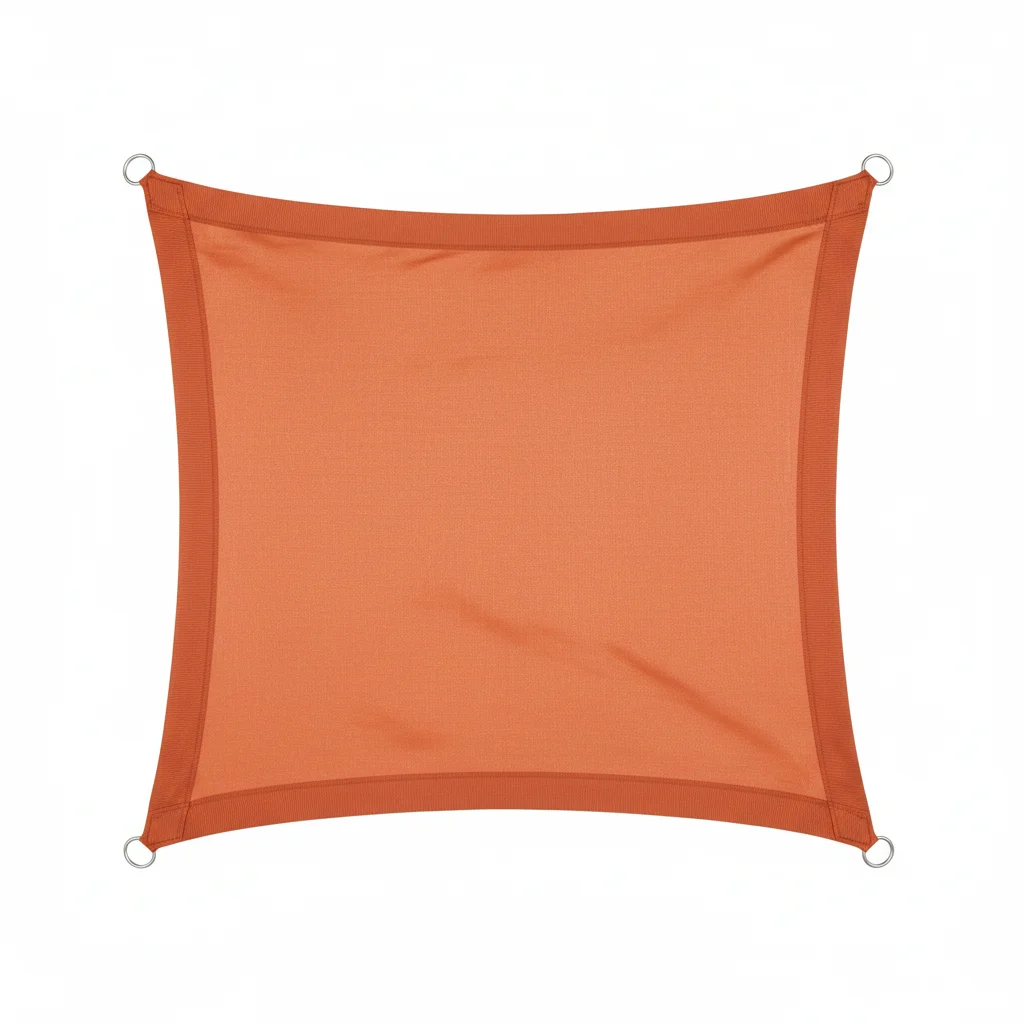
Santa Pola sits in a unique geographic pocket that differs significantly from the northern reaches of the Costa Blanca. Between the vast Salt Pans and the elevation of Cape Santa Pola, the sun exposure is relentless, particularly for the 12% of us who moved here from cooler climates in the UK, Germany, or the Netherlands. Our local property market is defined by a mix of urbanisation villas and apartments where terrace space is often at a premium. In these settings, traditional fixed structures like heavy wooden pergolas can often feel too intrusive or "heavy" for the floor plan. Shade sails provide an architectural, lightweight alternative that doesn't just block the heat but allows the coastal breeze—the one we all rely on during those humid August nights—to circulate freely. Whether you are living in a compact apartment near the Fishing Port or a villa with a shared garden in the outlying communities, the goal is creating a functional outdoor dining or cooking area that remains usable when the mercury hits thirty-five degrees.
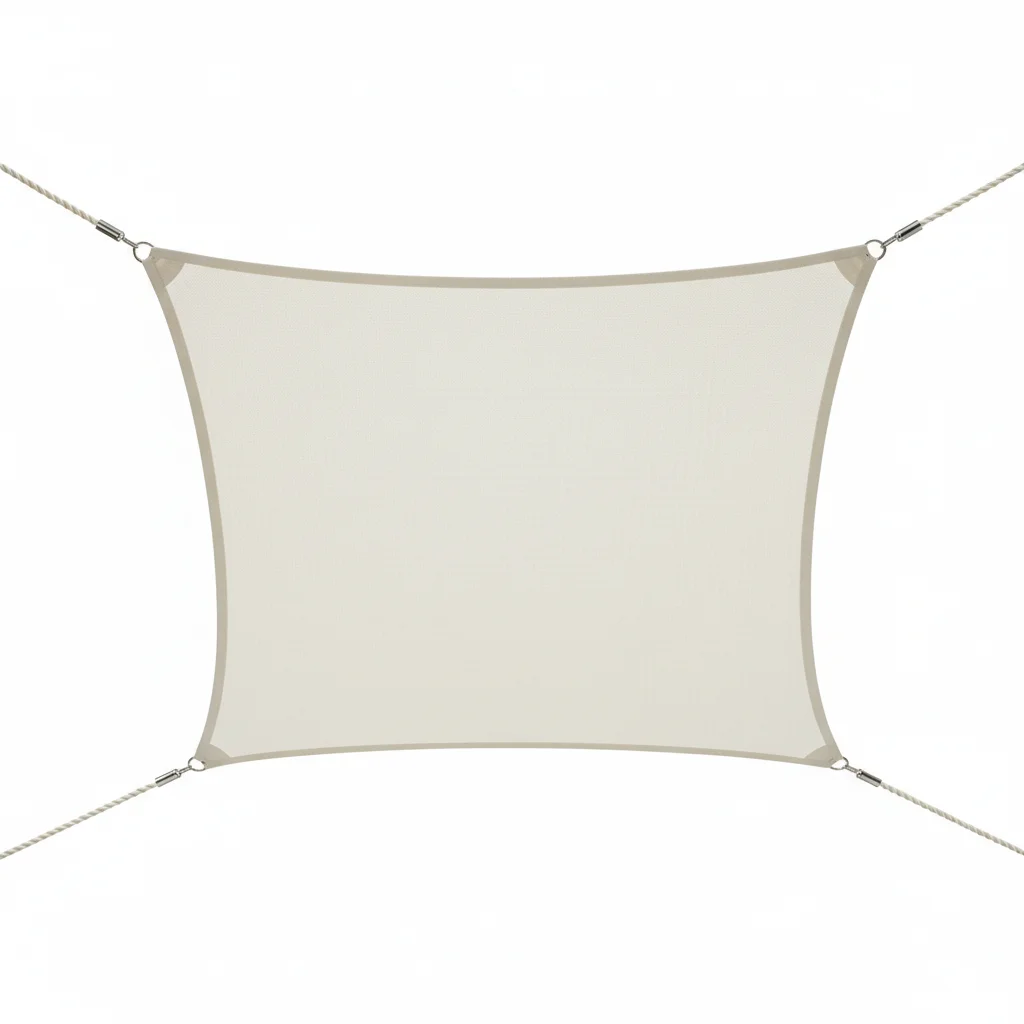
When selecting shade solutions in this specific part of the coast, you have to account for the salt lake humidity and the frequent calima dust. I have seen many residents install cheap, polyester sails only to find the fabric rotting or sagging within six months due to the salt air and UV intensity. I always recommend High-Density Polyethylene (HDPE) knitted fabric. It is UV-stabilised and, crucially, porous. This means it doesn't act as a sail in the literal sense; it lets the wind through rather than putting immense pressure on your wall fixings. Furthermore, the hardware is non-negotiable here. Living so close to the Salinas and the Mediterranean means you must use 316 marine-grade stainless steel for all turnbuckles and pad eyes. For a high-quality 5m x 5m square HDPE sail, including professional-grade tensioning hardware, you should budget approximately €480. This material is also much easier to maintain when the mud rain hits; a simple hose-down usually clears the calima dust, whereas canvas awnings often require professional cleaning to avoid staining.
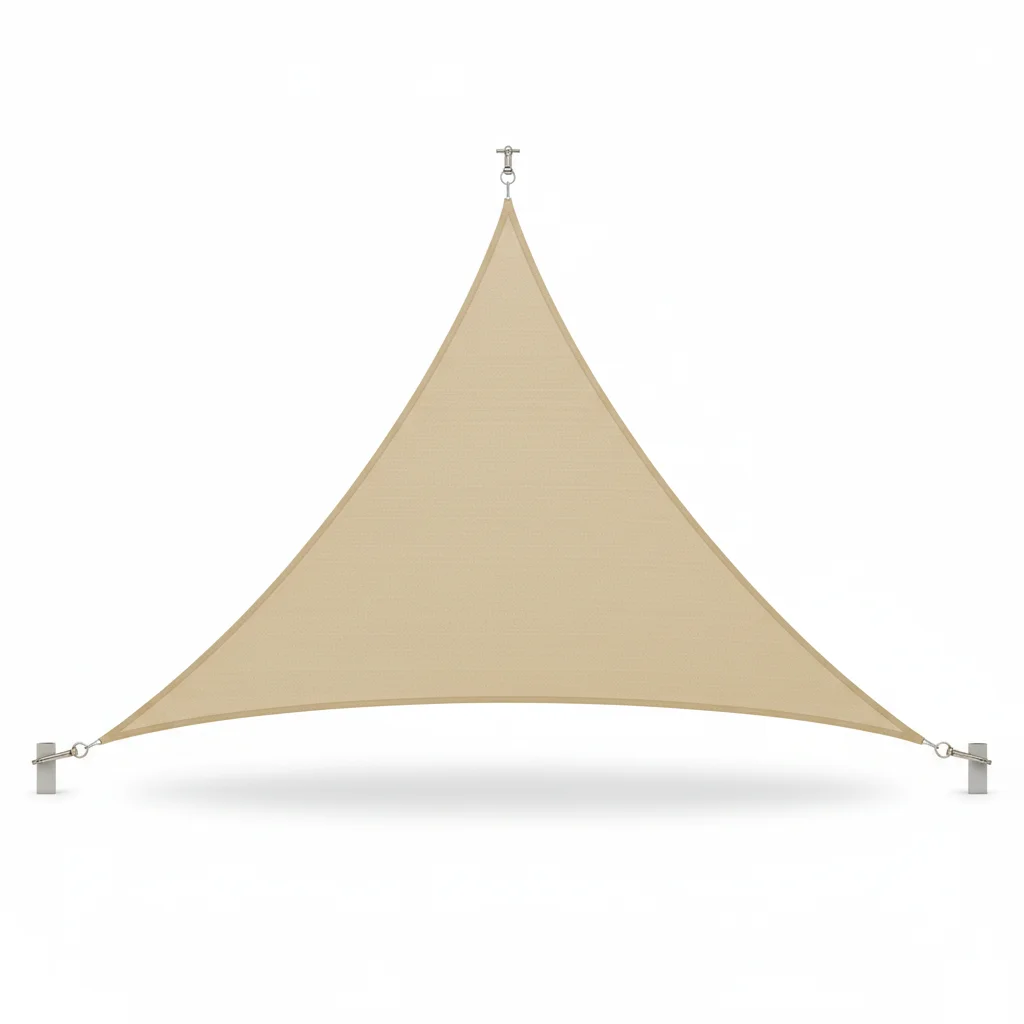
The configuration of your shade depends entirely on your specific property type. For the apartments closer to the town center or overlooking the port, a single triangular sail—perhaps a 3.6m or 4m equilateral design—is usually the most effective choice. It provides enough cover for a bistro set without making the terrace feel like a closed-in box, and it preserves those vital views toward Tabarca Island. For the larger villas in the urbanisations toward Gran Alacant, I often suggest a "hypar" setup. This involves mounting two corners of a square sail high and two corners low, creating a three-dimensional twist. This design is exceptionally stable in the gusts we get coming off the Cape and looks far more sophisticated than a flat sheet of fabric. If you have a larger area to cover, combining a sail with existing bioclimatic pergolas or awnings can create "zones" of shade, allowing you to move with the sun as it shifts throughout the afternoon.
My team and I have spent years navigating the local logistics of this area, from the narrow one-way systems around the port to the newer developments in Gran Alacant, Elche, and Guardamar. We understand the specific construction of the homes here, particularly the hollow-core bricks used in many of the urbanisations, which require specific resin-fixation techniques to ensure a sail doesn't pull a chunk of render off the wall during a spring storm. We deliver and provide expert guidance across the entire local area, ensuring that your installation is technically sound and positioned to provide maximum shadow during the hottest hours of the day. If you are struggling to figure out the best anchor points on your terrace or need advice on fabric weights, I offer a free consultation to help you get the setup right the first time.
 JW'"
/>
JW'"
/>