Outdoor Living in Finestrat
Finestrat is a town of contrasts — split between a charming medieval hilltop village and the modern La Cala residential area near Benidorm, with 8,000 residents, 30% expats from Britain and Germany, and properties averaging €270,000 beneath the dramatic peak of Puig Campana.
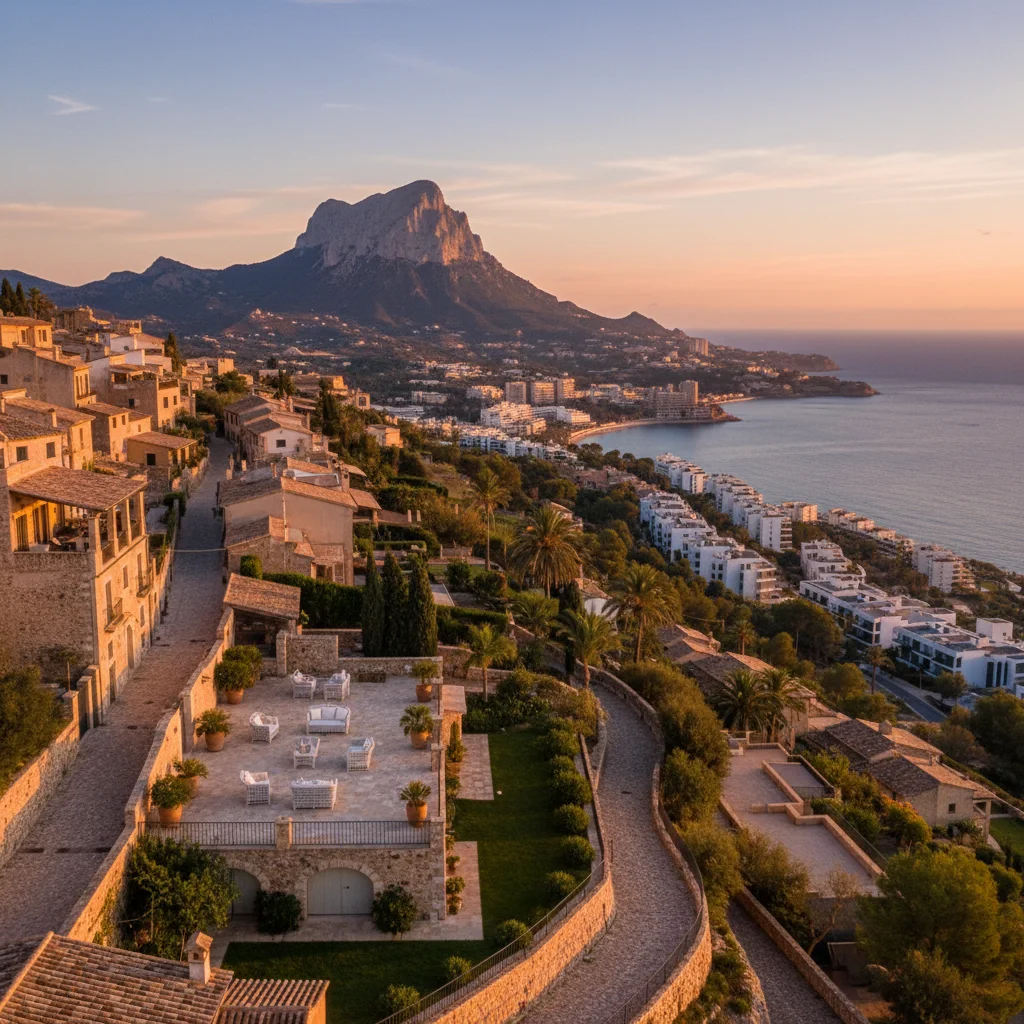
Few towns on the Costa Blanca offer such a striking setting. Puig Campana, the region’s second-highest mountain at 1,406 metres, dominates the skyline from every angle. The old village clings to the hillside with narrow cobbled streets, stone houses, and a church plaza that feels unchanged in centuries. Below, the La Cala area stretches toward the coast with modern villas, manicured urbanisations, and views across to Benidorm’s skyline.
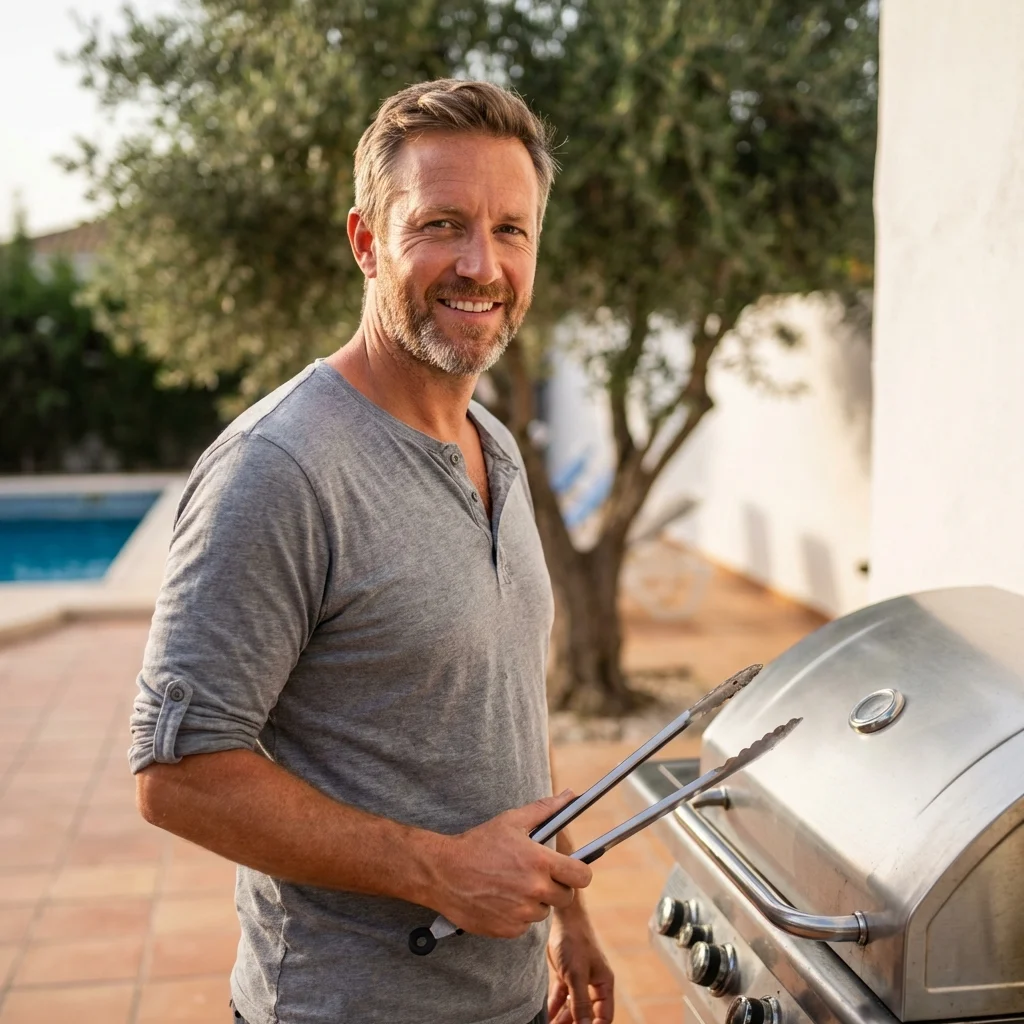
This duality creates two distinct property markets. In the old village, traditional houses with thick stone walls, interior courtyards, and compact terraces offer rustic charm at reasonable prices. In La Cala and the surrounding urbanisations, modern detached villas with swimming pools, landscaped gardens, and generous terraces cater to an international clientele seeking contemporary comfort. Both settings lend themselves to outdoor cooking — just in very different ways.
The expat community is well-established, with British and German residents dominating. Terra Natura zoo and waterpark brings family visitors, but the residential areas are genuinely peaceful. Weekend hiking on Puig Campana, long lunches on sun-drenched terraces, and evening barbecues as the mountain turns golden at sunset — this is the Finestrat lifestyle.
Finestrat’s split personality — medieval village above, modern La Cala below — offers expats two distinct outdoor living experiences, both framed by Puig Campana and suited to year-round cooking.
Choosing Your Setup in Finestrat
Modern La Cala villas with pool terraces call for full outdoor kitchen builds, while old village houses suit compact kamados and countertop pizza ovens — Finestrat rewards equipment choices matched to your setting.
La Cala villa owners have the space and infrastructure for a serious outdoor kitchen. A built-in gas BBQ with stone or tiled countertops, an integrated pizza oven, and a freestanding kamado on the pool terrace is the setup we install most often in this area. Costa Blanca Outdoors designs these installations to complement the modern architectural style typical of La Cala, using clean lines and durable materials rated for outdoor use.
For old village properties, the approach is different. Narrow terraces and courtyards suit a compact kamado grill — its ceramic insulation makes it efficient in the cooler microclimate of the hillside, and its small footprint fits tight spaces. A tabletop pizza oven adds variety without demanding floor space. These smaller setups produce extraordinary results and suit the intimate scale of village entertaining.
Finestrat’s elevation — even La Cala sits higher than the coast — means slightly less salt air than seafront towns like Benidorm, which benefits equipment longevity. However, the mountain creates its own wind patterns, particularly afternoon breezes funnelling down from Puig Campana. Positioning your grill with wind protection from a wall or screen is worth planning during installation.
Gas supply is straightforward. Butane is available from local shops and delivered by truck. For built-in outdoor kitchens, a fixed propane installation with a buried or screened tank is the cleanest approach for La Cala properties.
La Cala villas suit full outdoor kitchen builds with gas BBQs, pizza ovens, and kamados, while old village properties work best with compact, space-efficient equipment — all benefiting from less salt air than the coast.
Delivery to Finestrat
We deliver to both old Finestrat village and the La Cala urbanisations weekly, with experienced drivers who know the steep village access roads and the gated community procedures.
Finestrat sits on our central Costa Blanca route, and we deliver here regularly. La Cala is straightforward — modern roads, private driveways, and easy access to villa terraces. The old village requires more care. Narrow streets, steep gradients, and limited parking mean we plan village deliveries carefully, arriving early when the roads are quiet and carrying equipment by hand where vehicle access ends.
Every delivery includes full assembly, positioning, and a complete walkthrough of your equipment. For outdoor kitchen installations in La Cala, our build team handles everything from countertop fitting to gas connection testing.
Finestrat connects naturally to our wider central route. Benidorm is five minutes down the hill, La Nucia sits just inland, and Villajoyosa is a short coastal drive south. We regularly combine deliveries across these towns.
Standard delivery for in-stock items is 5–10 working days. Custom outdoor kitchen builds for La Cala villas typically run 3–4 weeks from design to completion, including all stonework, equipment fitting, and gas installation.
Shade Sails in Finestrat: Practical Solutions for Local Microclimates
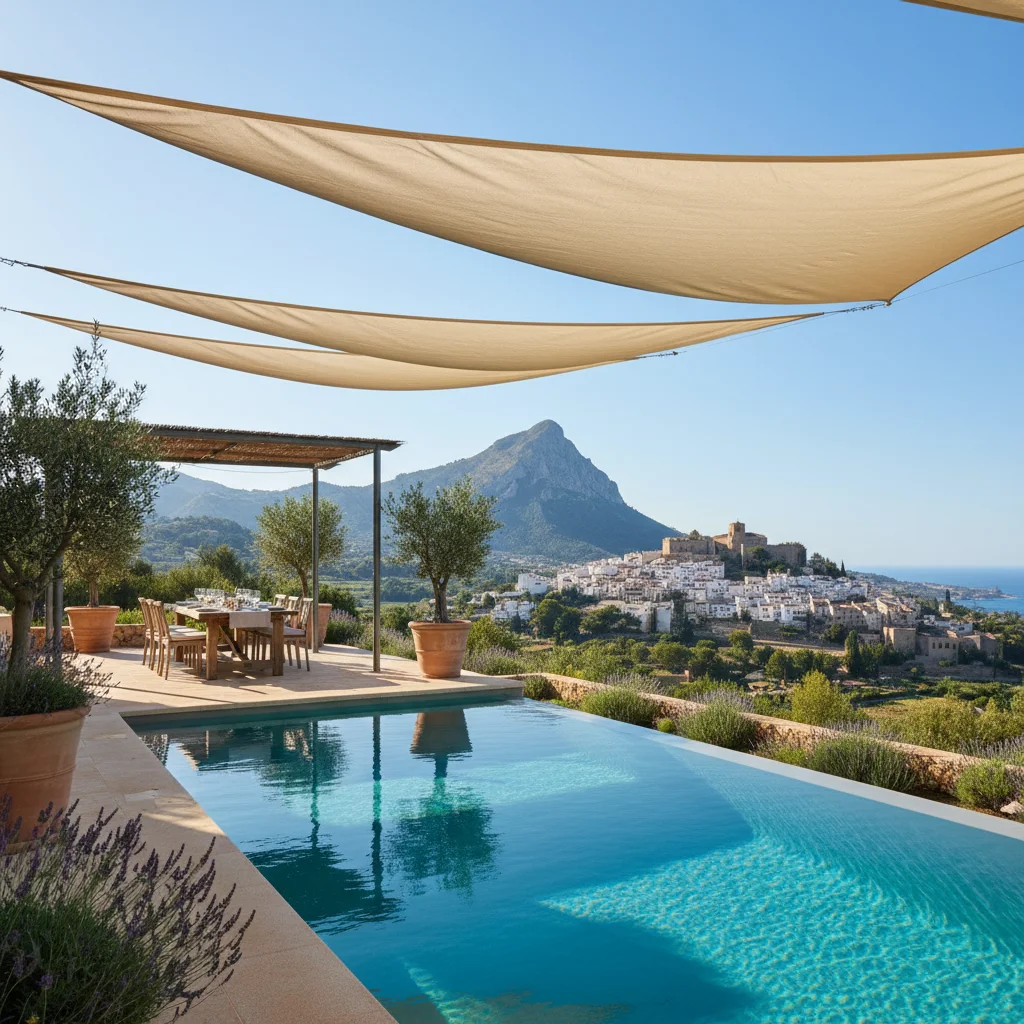
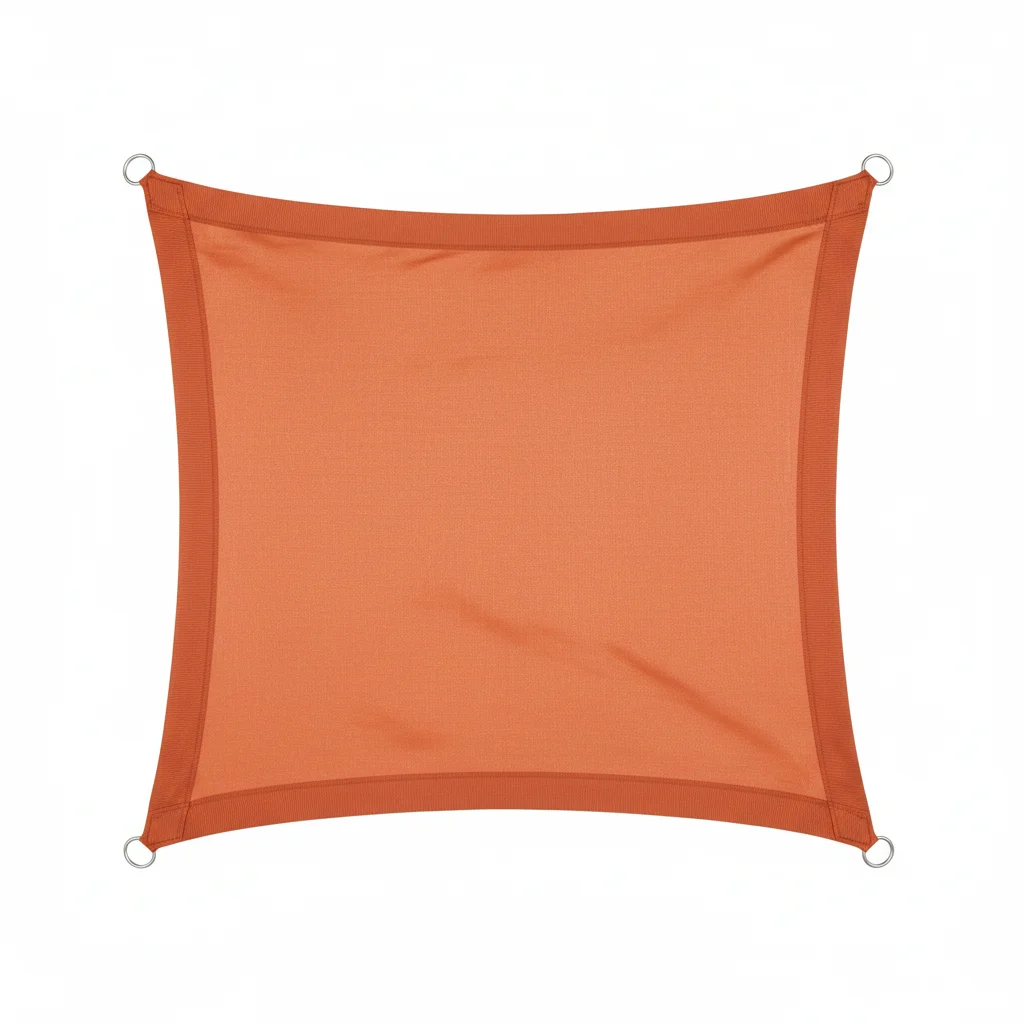
The topography here is unique, stretching from the high-altitude shadows of Puig Campana down to the coastal developments near Terra Natura. This dramatic change in elevation creates specific challenges for outdoor living that you won't find in flatter coastal towns. The international community, which makes up about 30% of the local population, has transformed the outdoor culture here. I frequently work with British and German families who view their terraces as primary dining rooms. However, the intense UV levels on the Costa Blanca can make these spaces unusable between 1:00 PM and 5:00 PM without calculated shade. Architectural shade sails are often the most effective choice because they provide the necessary UV block while maintaining the open, airy feel that modern Spanish architecture demands.
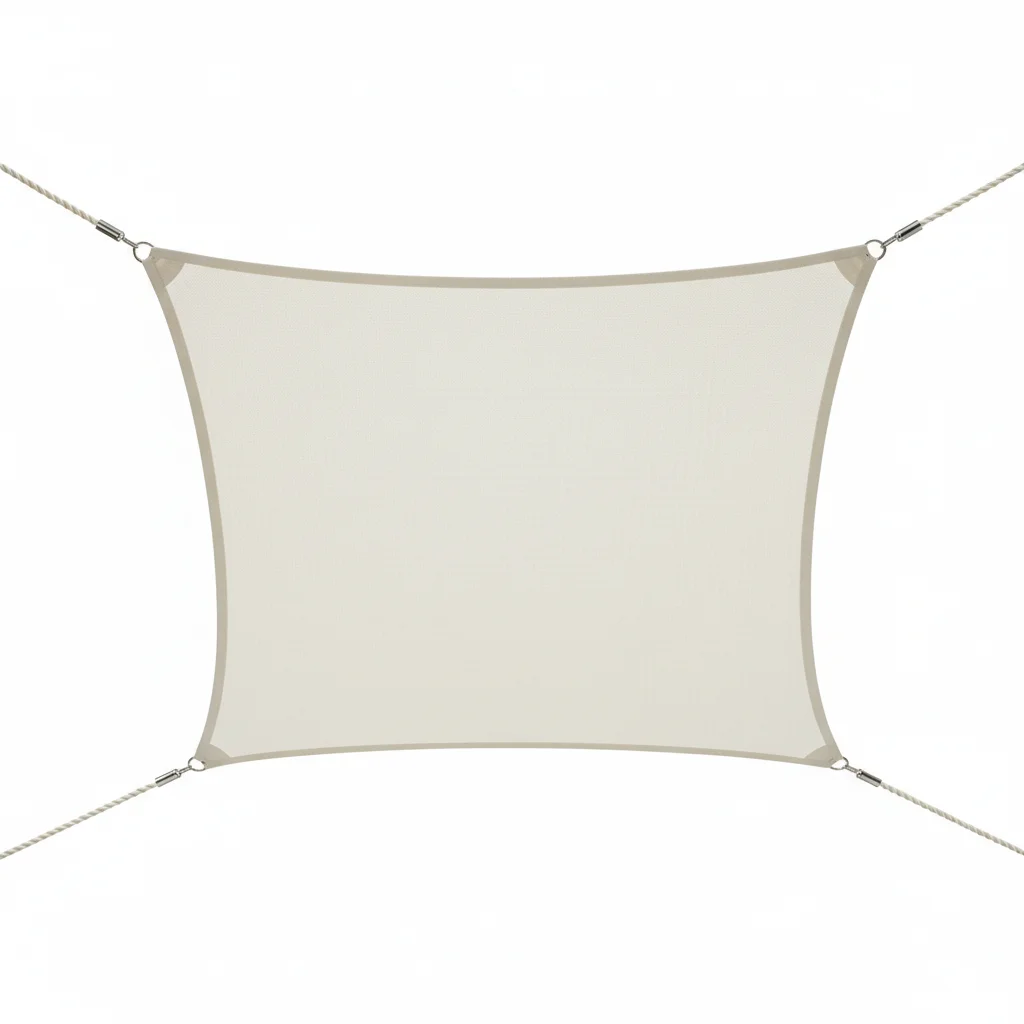
Living on this part of the coast means dealing with two distinct wind patterns: the Levante from the sea and the Poniente blowing off the mountains. I have seen countless cheap polyester sails shredded or ripped from their wall fixings because they acted like a solid sail in a storm. In this area, I only recommend High-Density Polyethylene (HDPE) knitted fabric. This material is breathable, allowing air to pass through the fabric itself, which significantly reduces the "sail effect" and prevents your fixings from being pulled out during a heavy gust. If your property is within 2km of the coast, salt spray is a silent killer for hardware. You must insist on Grade 316 stainless steel for all turnbuckles, D-rings, and mounting plates. Anything less will show tea-staining and rust within twelve months. For a standard 4m x 4m square sail using professional-grade 320g/m² HDPE fabric, you should expect to invest between €450 and €700 depending on the complexity of the mounting points.
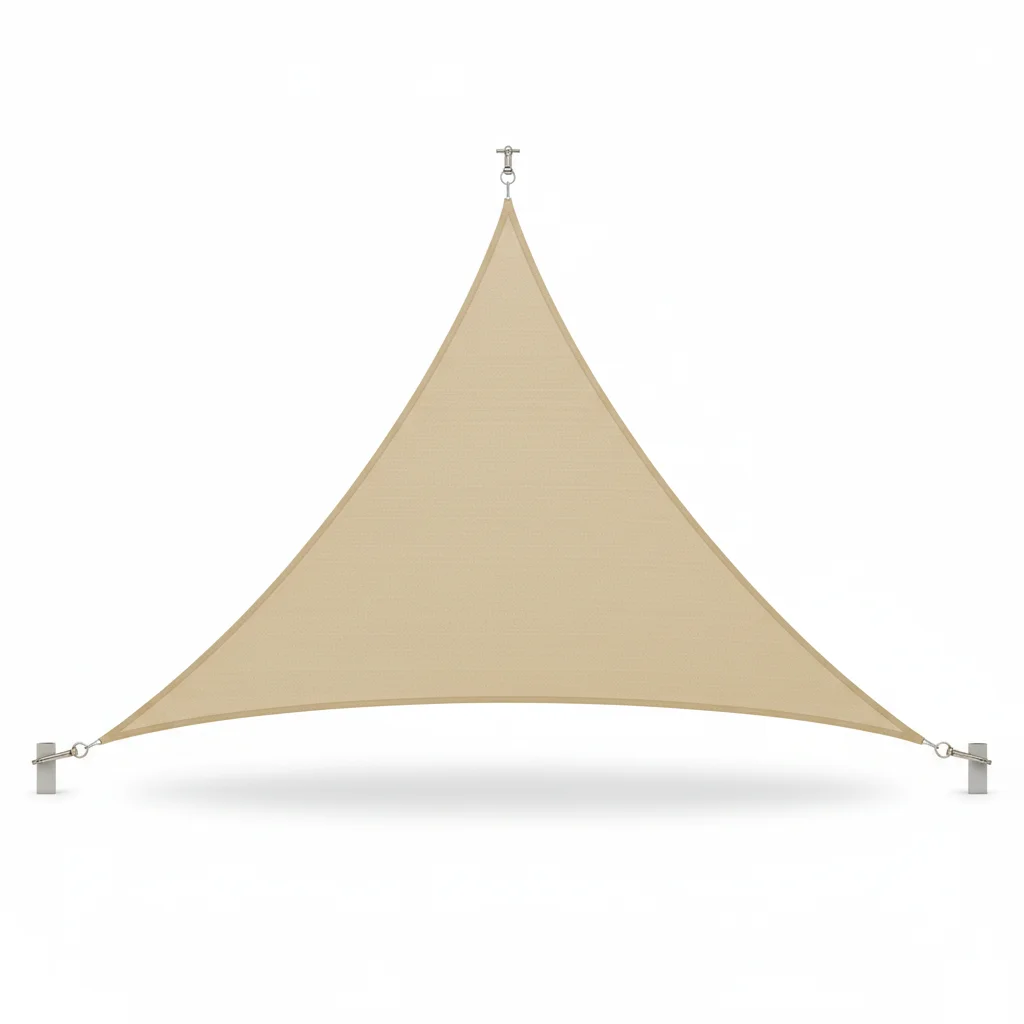
When choosing a configuration, the property type dictates the best approach. For the detached villas located on the inland slopes, the wind can be particularly aggressive. I recommend a "hypar" design where two opposite corners are high and two are low. This creates a three-dimensional twist that sheds wind efficiently and prevents water pooling. For the modern apartments with compact balconies near the commercial zones, a single 3-meter triangular sail is often more practical than a retractable awning. It offers a permanent shade solution without the mechanical parts that often fail in the salty air. Many residents are now combining these sails with bioclimatic pergolas or heavy-duty parasols to create layered shade zones. This is particularly useful if your terrace receives reflected heat from the large glass expanses common in newer builds.
Navigating the logistics of this area requires specific local knowledge. The narrow, winding streets leading up toward the Old Village can be difficult for larger delivery vehicles, so we coordinate logistics to ensure materials reach your site without delays. We provide site visits and installations throughout the area, including neighboring Benidorm, La Nucia, and Villajoyosa. Because I have worked on over 200 projects across the Costa Blanca, I am familiar with the building materials used in local urbanisations—from hollow brick to reinforced concrete—and I ensure we use the correct chemical anchors for a permanent, safe fit. If you are unsure about the orientation of the sun or the wind load on your terrace, I offer a free consultation to help you map out the perfect shade footprint before you commit to an installation.
 JW'"
/>
JW'"
/>