Outdoor Living in Pedreguer
Pedreguer is one of the Marina Alta’s best-kept secrets — a traditional Spanish town of 8,000 residents with a 25% expat population of British, Dutch, and German homeowners drawn by affordable country properties averaging €280,000 and a genuinely peaceful rural lifestyle.
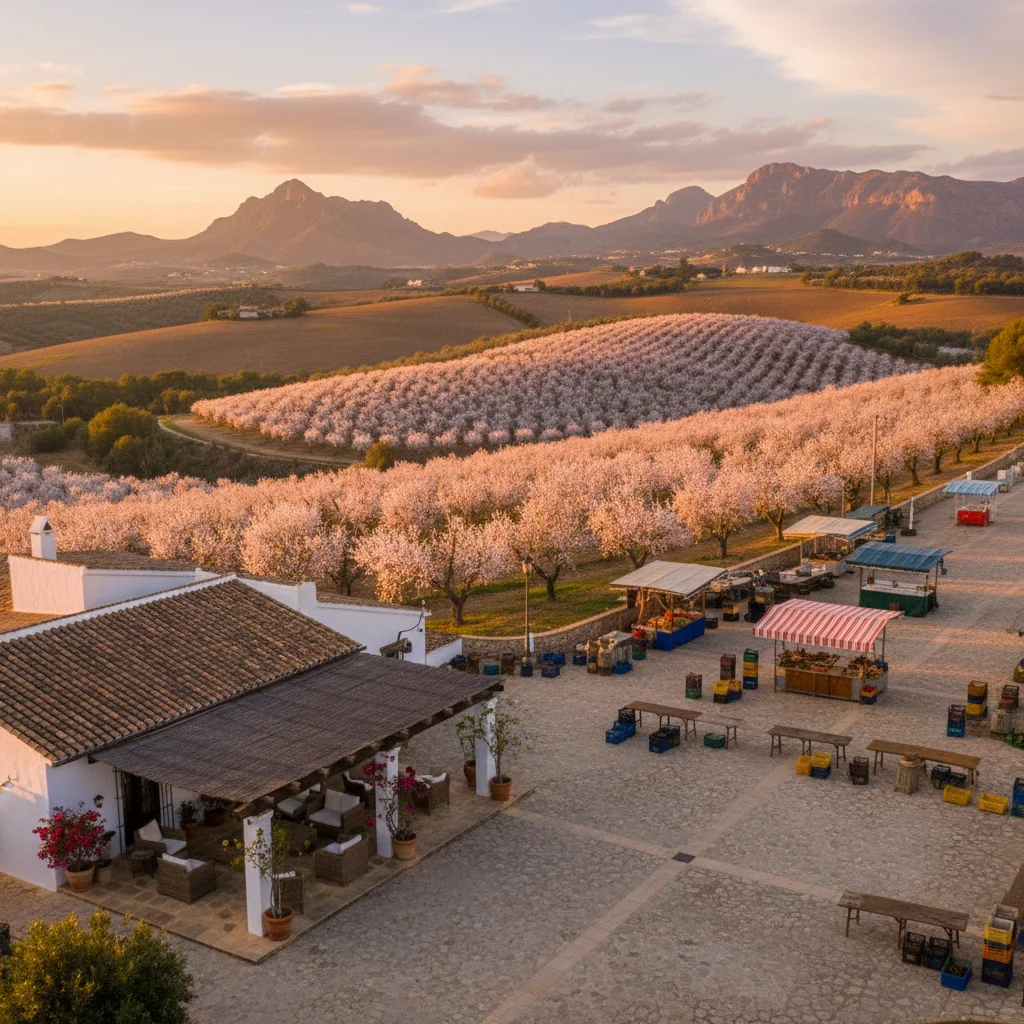
Sitting inland between Dénia and the Jalón Valley, Pedreguer offers something increasingly rare on the Costa Blanca: an authentic Spanish town that has not been reshaped by tourism. The Old Town retains its narrow streets, stone facades, and traditional bars, while the famous Sunday rastro market brings the entire community together each week — expats and locals side by side browsing plants, produce, and household goods.
The property market here rewards buyers with space. Country fincas on the outskirts come with large gardens, mature fruit trees, and the kind of flat plots that make outdoor kitchen projects genuinely exciting. Townhouses in the old centre offer charming courtyards and roof terraces. Either way, most Pedreguer homes have meaningful outdoor space — a luxury that coastal apartment buyers can only dream of.
The expat community is well-established and sociable. British and Dutch residents have been here for decades, and the local restaurants, walking groups, and community events create a village atmosphere that makes outdoor entertaining a natural extension of daily life.
Pedreguer’s inland position, large country properties, and established expat community of British, Dutch, and German residents make it an ideal setting for serious outdoor cooking setups with space to build something special.
Choosing Your Setup in Pedreguer
With generous garden plots and rural tranquillity, Pedreguer properties give you room to create the outdoor kitchen you have always wanted — without the compromises of coastal apartment living.
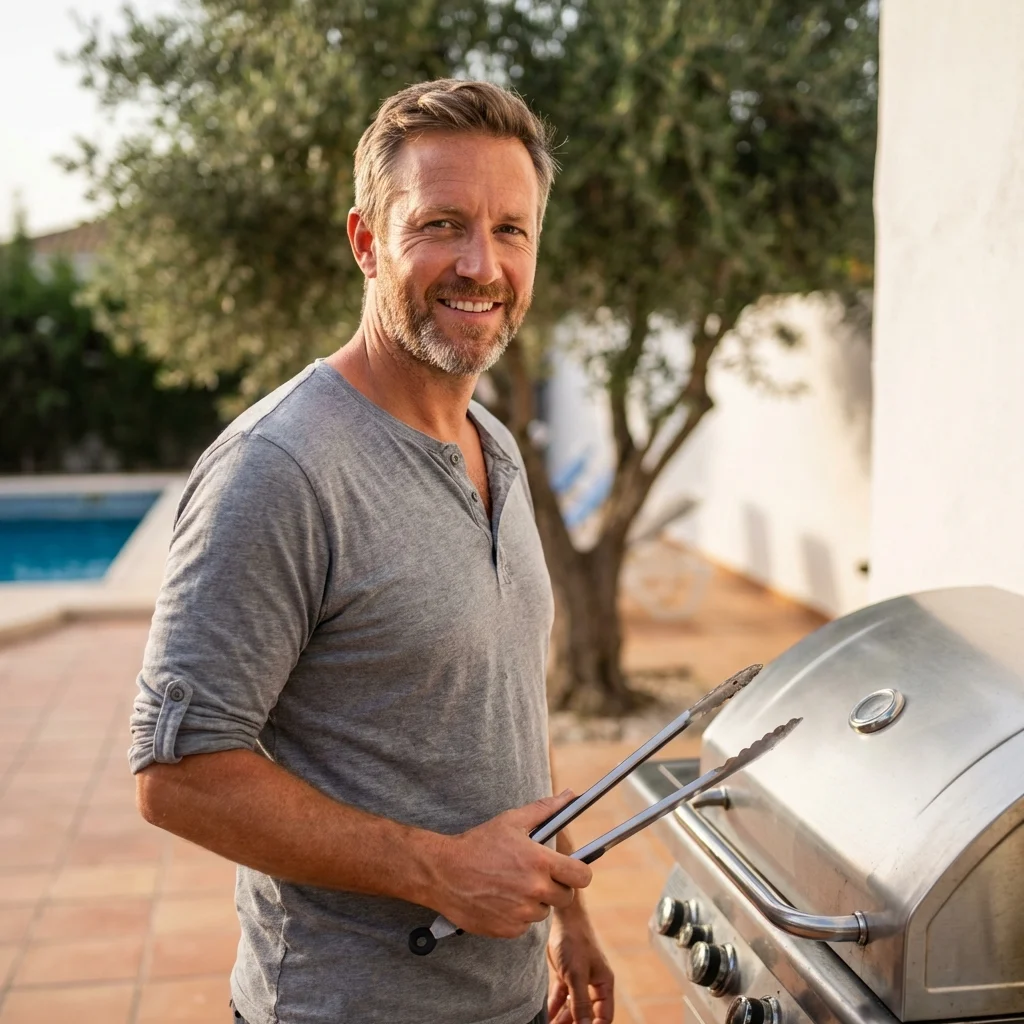
Finca owners in Pedreguer have the space for a complete outdoor cooking station. A built-in gas BBQ with countertop workspace, a wood-fired pizza oven tucked into a garden corner, and a kamado grill for weekend slow cooks — there is room for all three without crowding the terrace. Costa Blanca Outdoors designs outdoor kitchen layouts specifically for the generous plots typical of this area.
For townhouse owners in the old centre, a freestanding gas BBQ or a compact kamado works perfectly on a courtyard or roof terrace. The sheltered nature of these spaces means wind is rarely an issue, and the stone walls retain heat beautifully for evening cooking sessions.
Pedreguer’s inland position means slightly cooler winters than the coast, which makes a kamado grill particularly valuable — its insulated ceramic shell holds temperature efficiently even on January evenings. The surrounding countryside also provides access to local almond wood and citrus prunings, both excellent for smoking and adding flavour. Many finca owners have their own olive or orange trees, and the pruned branches make superb fuel for pizza ovens.
Butane gas is readily available from local suppliers, with delivery trucks passing through Pedreguer regularly. For larger gas BBQ setups, a fixed propane installation is worth considering given the space most properties offer.
Pedreguer’s spacious fincas suit full outdoor kitchen builds with gas BBQs, pizza ovens, and kamados, while townhouse courtyards work well with freestanding grills — and local almond and citrus wood adds authentic flavour to every cook.
Delivery to Pedreguer
We deliver to all Pedreguer addresses weekly as part of our northern Costa Blanca route, covering both the town centre and surrounding country properties with full assembly and placement included.
Pedreguer sits right on our regular northern delivery route, and we know the area well — including the narrow access lanes to rural fincas and the tight streets of the old centre. For country properties, we confirm access details in advance and bring appropriate transport. Every delivery includes unpacking, full assembly, positioning in your chosen spot, and a complete walkthrough of your new equipment.
The town’s central position in the Marina Alta makes it a natural hub. Dénia is just ten minutes to the east, Jalón and the valley wine country sit to the west, and Ondara with its commercial centres is five minutes down the road. We regularly combine deliveries across these towns on the same run.
Standard delivery for in-stock items is 5–10 working days. Custom outdoor kitchen builds — popular with Pedreguer finca owners — typically run 3–4 weeks from design sign-off to completed installation, including all stonework, gas connections, and equipment fitting.
Choosing Outdoor Cushions & Textiles for your Pedreguer Home
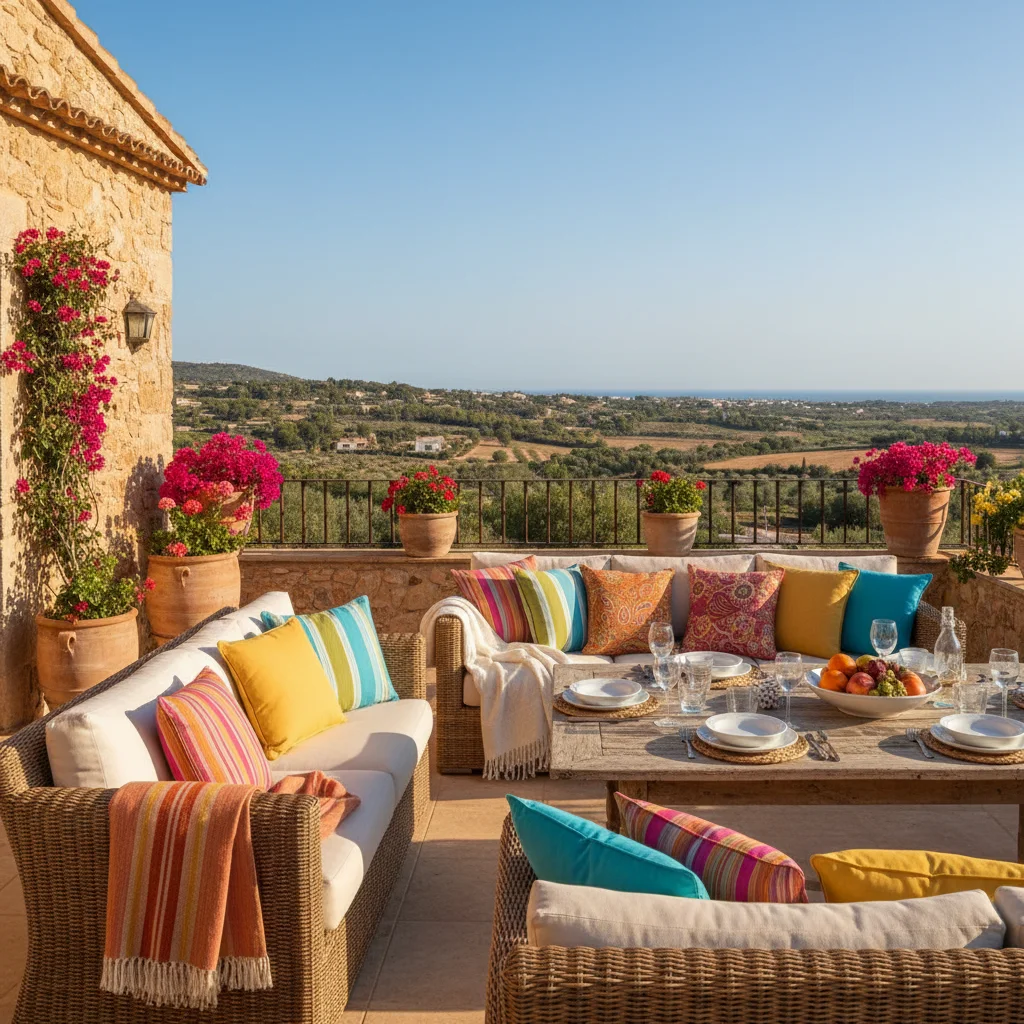
Living on the hillside slopes that overlook the valley, you quickly realize that the outdoor terrace is not just an addition to your home; it is the primary living space for eight months of the year. In my time helping residents since 2019, I have noticed that the international community here—which makes up about a quarter of the eight thousand residents—treats their outdoor areas with the same design rigor as their interiors. Whether you are British, Dutch, or German, the transition from the interior to a forty or eighty square meter terrace requires a thoughtful approach to textiles. These large outdoor spaces, often part of luxury villas with views extending toward the coast, demand more than just a place to sit. They require a layer of comfort that can withstand the unique environmental pressures of this specific part of the Marina Alta.
When you spend a Sunday morning at the local Rastro or return from a hike in the nearby Vall de Laguar, the goal is to retreat to a space that feels soft and welcoming. The traditional architecture of the Old Town offers a different challenge than the modern villas perched higher up, but the requirement for quality textiles remains constant. In these larger villas, where the average property value sits around two hundred and eighty thousand euros, the terrace is often an expansive stage for social life. You might have a sprawling rattan lounge set that looks beautiful but feels rigid without the right cushioning. High-quality outdoor textiles are the bridge between the hard surfaces of Mediterranean construction—the stone, the tile, and the wrought iron—and the actual enjoyment of the space. They provide the ergonomic support needed for those long Spanish dinners that start at nine and finish well past midnight.
The outdoor culture here is deeply influenced by the blend of nationalities. My British clients often look for a "homely" feel with layers of throw pillows, while Dutch and German residents frequently opt for a more minimalist, high-tech fabric approach that prioritizes clean lines and extreme durability. Regardless of your aesthetic preference, the sheer scale of the terraces in this area means you are often dealing with fifty square meters or more of exposed space. Filling that space effectively requires a mix of large-scale seat cushions, backrests, and decorative textiles that can define different zones—a lounging area for coffee, a sun-soaking spot by the pool, and a comfortable dining nook. Without these textiles, a large terrace can feel cavernous and uninviting.
Investing in premium textiles is also a matter of protecting your primary furniture. I have seen many residents spend thousands on high-end dining sets only to have the frames suffer from unnecessary exposure or the seating become unusable because the cheap foam inside the cushions has collapsed within a single season. In this valley, where the mountain air meets the coastal breeze, the textile is the most frequently handled part of your outdoor setup. It is the part that touches your skin, and in our climate, that means it must be breathable, soft, and remarkably resilient.
Technical Considerations for the Local Microclimate
The environment in this specific valley is distinct from the frontline coastal towns like Dénia or Javea. We sit in a sheltered microclimate, protected significantly by the mountain ridges that mimic the guarding presence of the Montgó. This protection means we experience less of the harsh, salt-heavy "spray" that can eat through metal and rot low-quality fabrics in months. However, the lower humidity compared to the southern Costa Blanca does not mean your textiles are safe from the elements. The primary challenge here is the sheer intensity of the UV radiation. The sun hits these hillside terraces with relentless force, and if you are using standard interior fabrics or low-grade "outdoor-look" polyester, you will see significant fading before the first summer is over.
When selecting textiles, I always advise looking for solution-dyed acrylics. Unlike piece-dyed fabrics where the color is only on the surface, solution-dyed fibers have the pigment locked into the polymer melt before the yarn is even extruded. This is why a premium cushion in the fifty to eighty euro range will maintain its vibrant ochre or deep navy hue for years, while a thirty-euro supermarket alternative will turn a chalky grey within weeks. You should look for a fabric weight of at least two hundred and eighty grams per square meter (GSM) for decorative pillows and upwards of three hundred and fifty GSM for seat cushions. This density ensures the fabric can handle the friction of daily use without thinning or pilling.
Another factor unique to our location is the mountain breeze. While it provides a welcome relief from the heat, it can also carry fine dust from the dry valley floor. This is why I recommend cushions with "breathable" reticulated foam or high-resiliency (HR) polyurethane foam wrapped in a waterproof but vapor-permeable liner. This setup allows air to circulate, preventing the "musty" smell that can develop when morning dew gets trapped inside a cushion. Furthermore, for those living in an urbanization with a Comunidad de Propietarios, there are often subtle rules about the visual uniformity of terraces. Opting for neutral base textiles—think sands, stones, and terracottas—allows you to comply with community standards while using smaller throw pillows to express your personal style.
Maintenance in this area is relatively straightforward due to the lower humidity, but you still need to account for the occasional "Gota Fría" rains. I recommend textiles that feature a fluorocarbon finish, which provides water and stain resistance. If you spill a glass of red wine from the Jalon valley during a dinner party, the liquid should bead on the surface rather than soaking into the core. For a high-quality sun lounger cushion, which might cost between one hundred and fifty to three hundred euros depending on the thickness, this water resistance is vital. It means you can jump straight from the pool onto the lounger without worrying about mold growth within the foam.
Tailored Recommendations for Hillside Villas and Townhouses
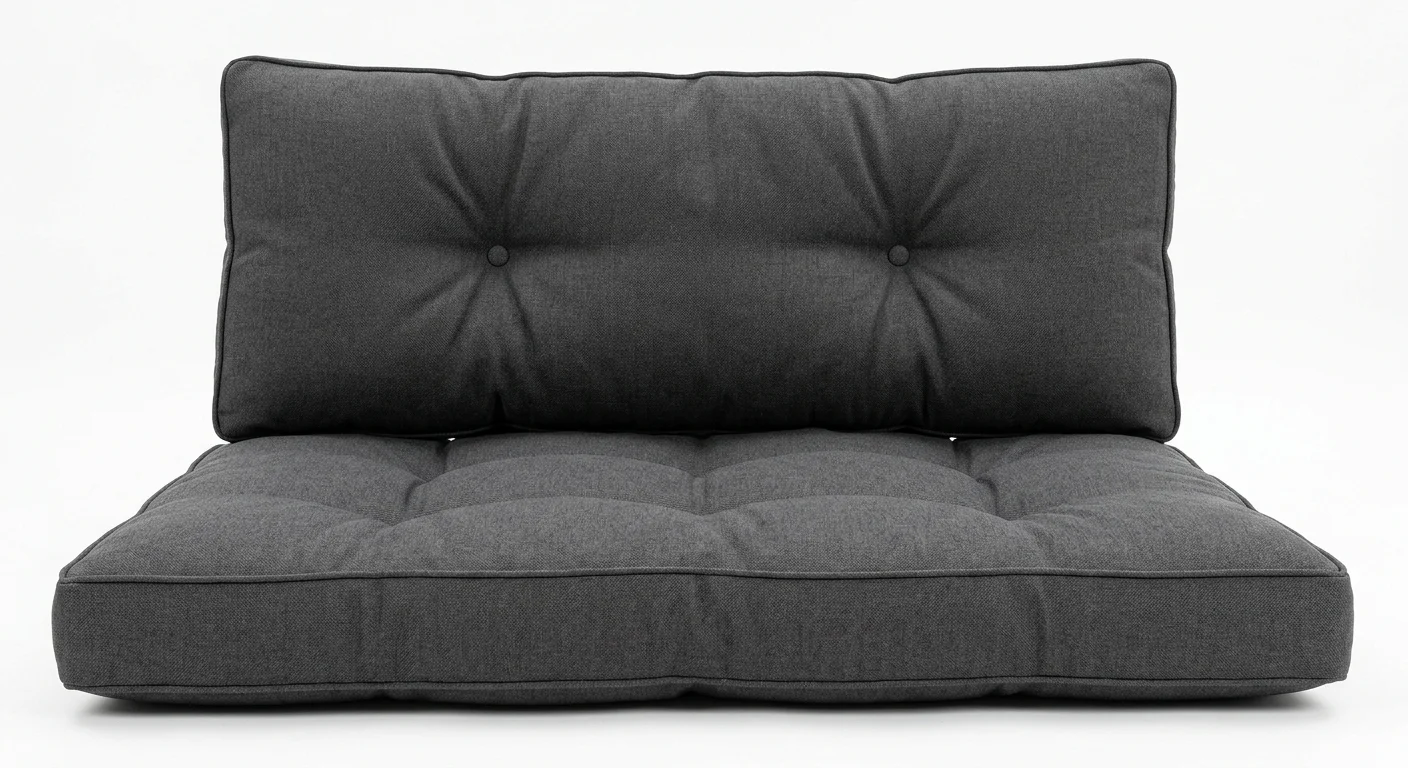
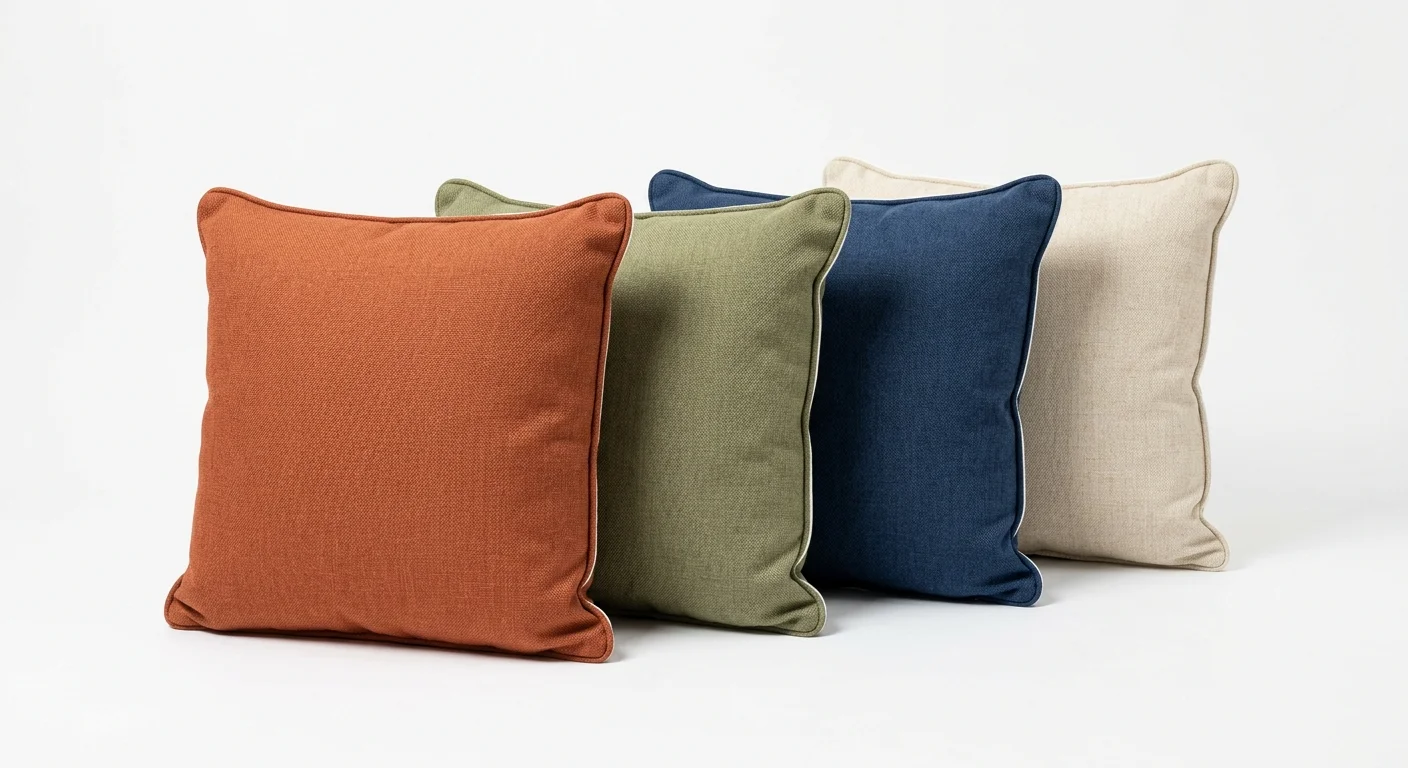
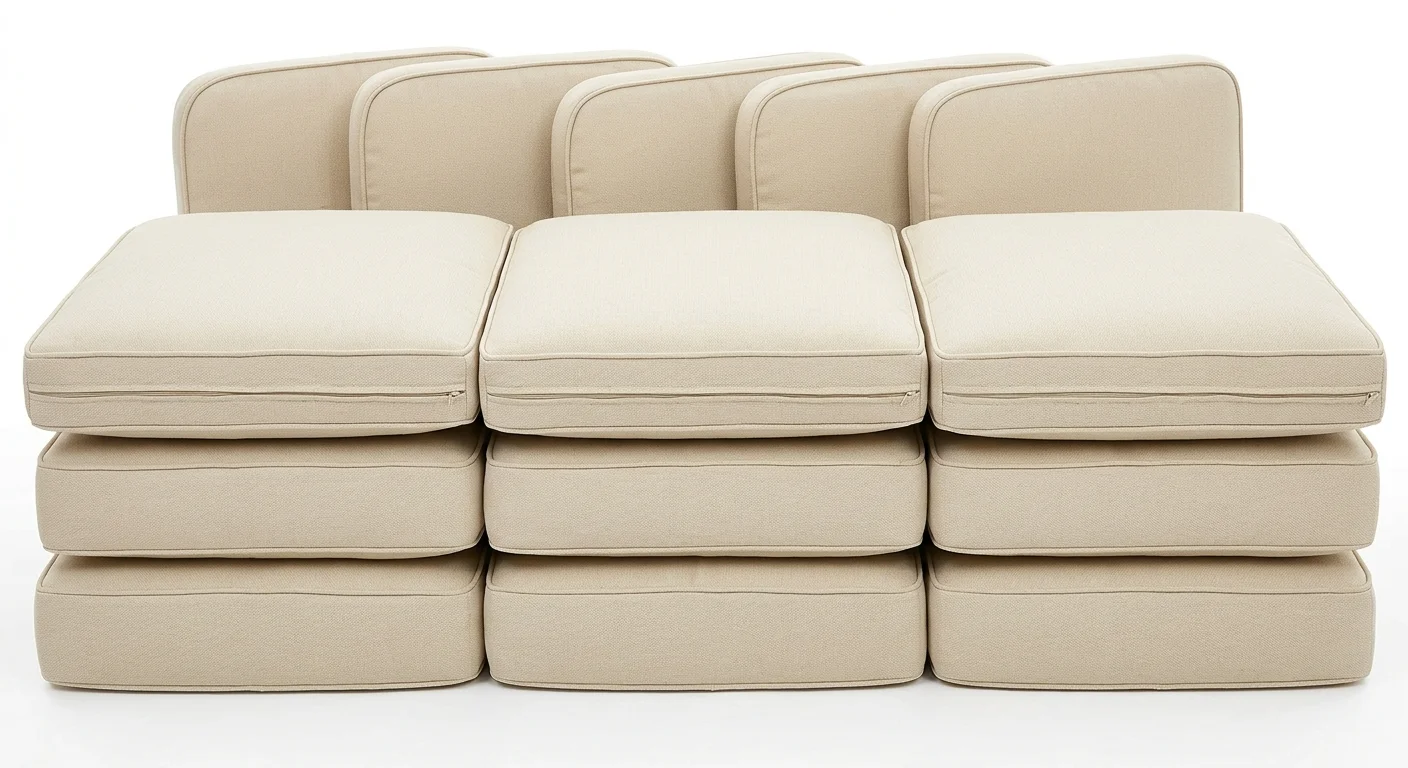
If you are living in one of the luxury villas on the outskirts, you likely have a terrace between sixty and eighty square meters. For these spaces, a fragmented approach to textiles works best. I suggest starting with a base of high-performance seat cushions for your main rattan lounge sets. Use a consistent base color to anchor the space. Given the mountain backdrop, deep greens or slate greys work exceptionally well to tie the terrace to the natural landscape. On a large sectional sofa, you should be looking at a "layered" pillow strategy. This involves using large sixty-by-sixty centimeter "back" cushions for support, layered with forty-five-by-forty-five centimeter decorative throw pillows in contrasting textures. This setup not only looks professional but allows you to adjust your seating position for maximum comfort during long afternoons.
For those with private pools, the textile choice for sun loungers is critical. Many villas here have stone or tiled pool surrounds that retain heat. A thin cushion is insufficient; you need at least ten centimeters of high-density foam to provide a true "luxury hotel" feel. I recommend cushions with integrated headrests and ties that secure them to the frame, as the breezes coming off the mountains can easily shift lighter textiles. Pairing these with a few oversized outdoor floor cushions can create a secondary, informal seating area for children or for lounging closer to the water’s edge. These floor cushions, usually priced between eighty and one hundred and twenty euros, are a versatile addition to any large terrace.
In contrast, if you are residing in the Old Town or a townhouse with a more compact terrace of twenty to thirty square meters, the focus should be on "multi-functional" textiles. Space is at a premium, so I recommend high-quality dining chair pads that are thick enough (at least five centimeters) to make a wooden or metal chair comfortable for hours. Since these spaces are often more enclosed, they can trap heat. Choose fabrics with a high natural-feel fiber content that remains cool to the touch. You can combine these dining sets with a few strategically placed outdoor rugs to define the area. Adding a textile element to the floor helps to dampen the acoustics of the narrow streets, creating a more private and serene atmosphere.
I also suggest coordinating your textiles across different furniture types. If you have a dining set and a small lounge corner on the same terrace, use the same accent fabric for the dining chair piping and the lounge throw pillows. This creates a cohesive visual flow that makes the terrace feel like a curated outdoor room rather than a collection of mismatched furniture. For a complete textile overhaul of a standard villa terrace, including lounge cushions, lounger pads, and decorative accents, you should budget between eight hundred and fifteen hundred euros for professional-grade materials that will last five to seven years.
Logistics and Local Expertise in the Marina Alta
Delivering and setting up outdoor spaces in this region requires more than just a GPS. Having navigated these roads since 2019, I understand the specific logistical hurdles of our area. If you are located in the winding, narrow streets near the church in the Old Town, a standard large delivery truck simply won't fit. We coordinate our deliveries using smaller, agile vehicles for these historic areas to ensure your new textiles and furniture arrive without a hitch. Conversely, for the villas located on the steeper inclines toward the mountains, we are well-versed in the access requirements for long driveways and gated urbanizations.
Our service area extends beyond the town center to include neighboring Dénia, Javea, Jalon, and Ondara. We often find that residents in Jalon prefer a more rustic, "finca-style" textile palette, while those in Dénia or Javea might opt for a more "nautical" or "modern-coastal" look. Because we are local, we understand how the sun moves across this valley. We know which urbanizations get the shade early behind the mountains and which ones are baked in the "western" sun until nine in the evening. This knowledge allows us to recommend specific fabric weights and UV ratings that a generic national retailer simply wouldn't consider.
When we deliver a full set of cushions or a new dining set to your home, we don't just drop boxes at the gate. We help you arrange the textiles to maximize both the aesthetic appeal and the functional flow of your terrace. We understand the wind patterns from Benissa and how they might affect cushion placement on an exposed balcony. Our goal is to ensure that once we leave, your outdoor space is ready for immediate use.
If you are unsure about which fabric grade is right for your specific terrace orientation, or if you are struggling to calculate the exact measurements for custom-made replacement cushions, I am happy to help. I offer a free consultation where we can look at your space—either in person or via high-resolution photos—and I can provide a detailed breakdown of the best textile options for your property. Whether you are looking to refresh a few tired pillows for thirty euros each or seeking a complete custom textile fit-out for a five-hundred-euro luxury lounge configuration, my focus is on providing genuine, local expertise that helps you get the most out of your life under the Spanish sun.
 JW'"
/>
JW'"
/>