Outdoor Living in Pedreguer
Pedreguer is one of the Marina Alta’s best-kept secrets — a traditional Spanish town of 8,000 residents with a 25% expat population of British, Dutch, and German homeowners drawn by affordable country properties averaging €280,000 and a genuinely peaceful rural lifestyle.
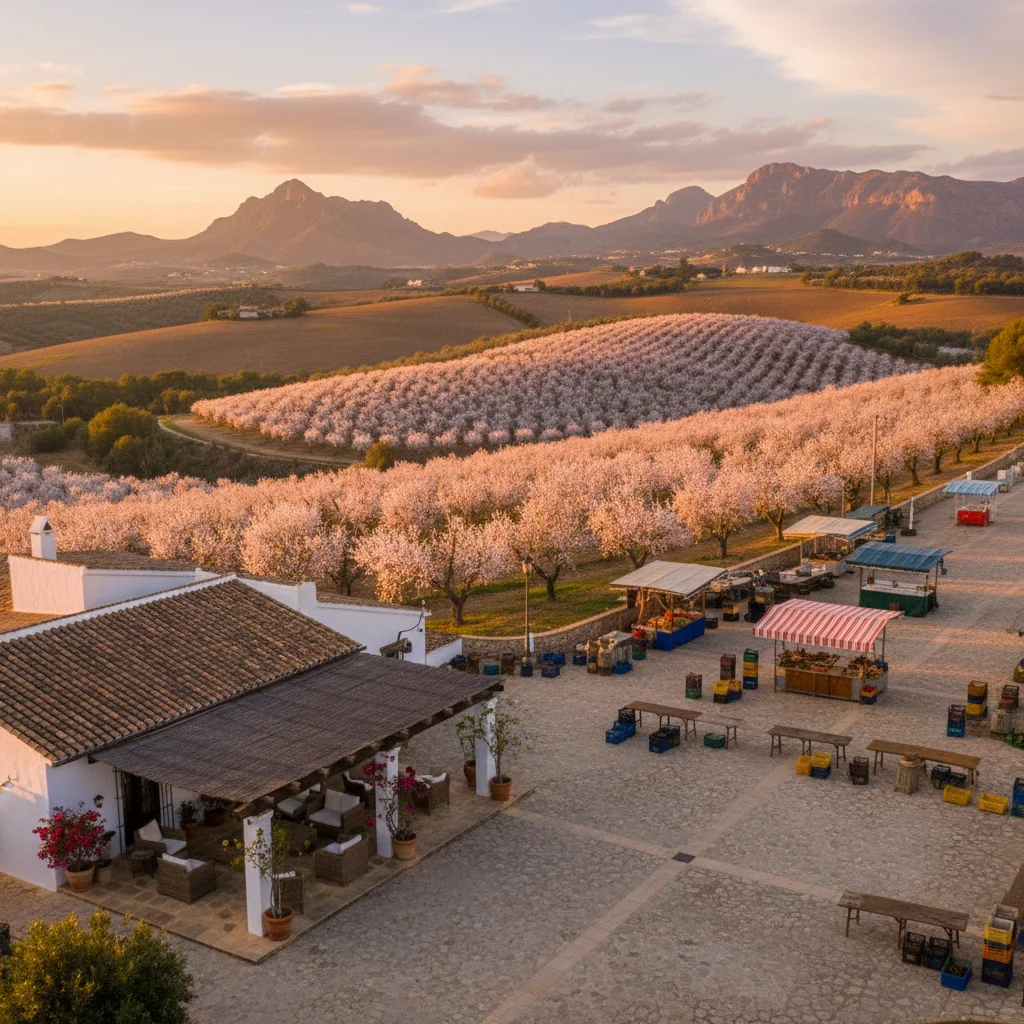
Sitting inland between Dénia and the Jalón Valley, Pedreguer offers something increasingly rare on the Costa Blanca: an authentic Spanish town that has not been reshaped by tourism. The Old Town retains its narrow streets, stone facades, and traditional bars, while the famous Sunday rastro market brings the entire community together each week — expats and locals side by side browsing plants, produce, and household goods.
The property market here rewards buyers with space. Country fincas on the outskirts come with large gardens, mature fruit trees, and the kind of flat plots that make outdoor kitchen projects genuinely exciting. Townhouses in the old centre offer charming courtyards and roof terraces. Either way, most Pedreguer homes have meaningful outdoor space — a luxury that coastal apartment buyers can only dream of.
The expat community is well-established and sociable. British and Dutch residents have been here for decades, and the local restaurants, walking groups, and community events create a village atmosphere that makes outdoor entertaining a natural extension of daily life.
Pedreguer’s inland position, large country properties, and established expat community of British, Dutch, and German residents make it an ideal setting for serious outdoor cooking setups with space to build something special.
Choosing Your Setup in Pedreguer
With generous garden plots and rural tranquillity, Pedreguer properties give you room to create the outdoor kitchen you have always wanted — without the compromises of coastal apartment living.
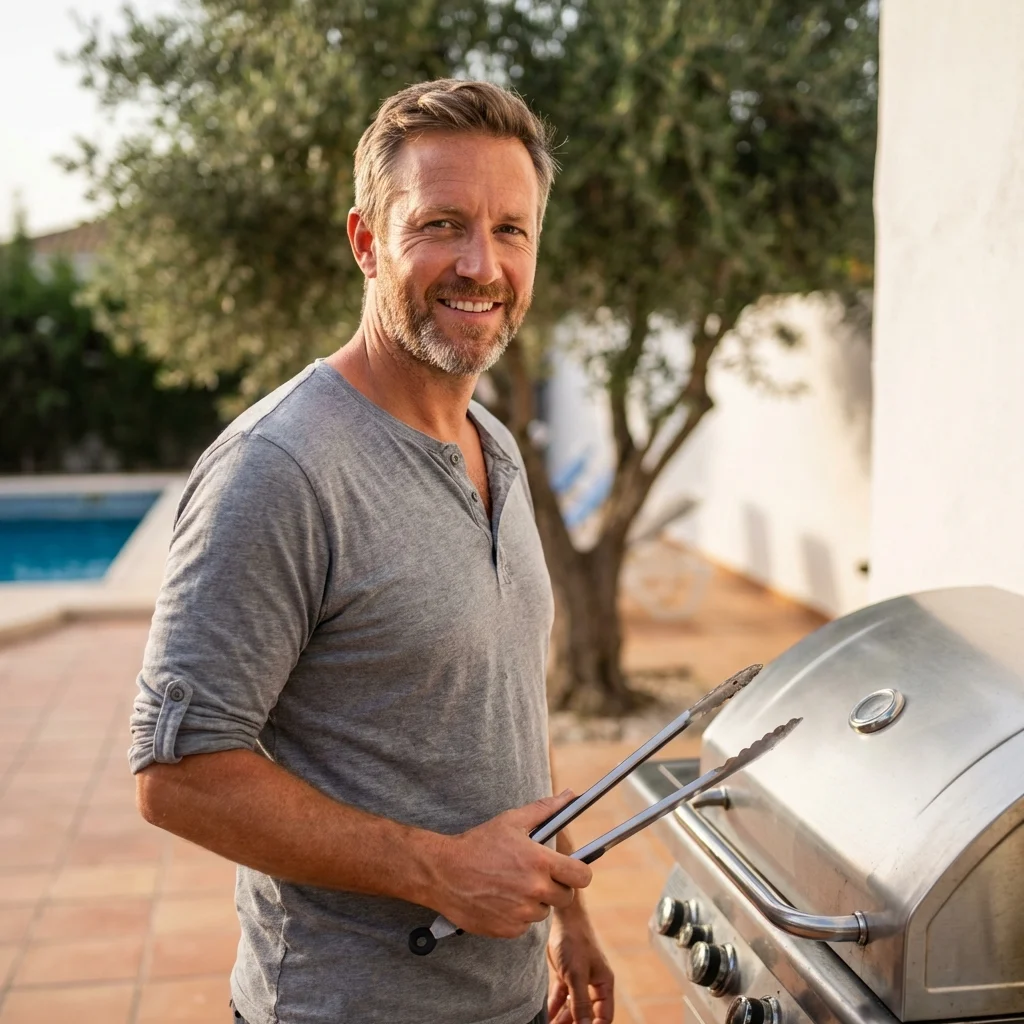
Finca owners in Pedreguer have the space for a complete outdoor cooking station. A built-in gas BBQ with countertop workspace, a wood-fired pizza oven tucked into a garden corner, and a kamado grill for weekend slow cooks — there is room for all three without crowding the terrace. Costa Blanca Outdoors designs outdoor kitchen layouts specifically for the generous plots typical of this area.
For townhouse owners in the old centre, a freestanding gas BBQ or a compact kamado works perfectly on a courtyard or roof terrace. The sheltered nature of these spaces means wind is rarely an issue, and the stone walls retain heat beautifully for evening cooking sessions.
Pedreguer’s inland position means slightly cooler winters than the coast, which makes a kamado grill particularly valuable — its insulated ceramic shell holds temperature efficiently even on January evenings. The surrounding countryside also provides access to local almond wood and citrus prunings, both excellent for smoking and adding flavour. Many finca owners have their own olive or orange trees, and the pruned branches make superb fuel for pizza ovens.
Butane gas is readily available from local suppliers, with delivery trucks passing through Pedreguer regularly. For larger gas BBQ setups, a fixed propane installation is worth considering given the space most properties offer.
Pedreguer’s spacious fincas suit full outdoor kitchen builds with gas BBQs, pizza ovens, and kamados, while townhouse courtyards work well with freestanding grills — and local almond and citrus wood adds authentic flavour to every cook.
Delivery to Pedreguer
We deliver to all Pedreguer addresses weekly as part of our northern Costa Blanca route, covering both the town centre and surrounding country properties with full assembly and placement included.
Pedreguer sits right on our regular northern delivery route, and we know the area well — including the narrow access lanes to rural fincas and the tight streets of the old centre. For country properties, we confirm access details in advance and bring appropriate transport. Every delivery includes unpacking, full assembly, positioning in your chosen spot, and a complete walkthrough of your new equipment.
The town’s central position in the Marina Alta makes it a natural hub. Dénia is just ten minutes to the east, Jalón and the valley wine country sit to the west, and Ondara with its commercial centres is five minutes down the road. We regularly combine deliveries across these towns on the same run.
Standard delivery for in-stock items is 5–10 working days. Custom outdoor kitchen builds — popular with Pedreguer finca owners — typically run 3–4 weeks from design sign-off to completed installation, including all stonework, gas connections, and equipment fitting.
Garden Fencing & Privacy Screens in Pedreguer: What You Need to Know
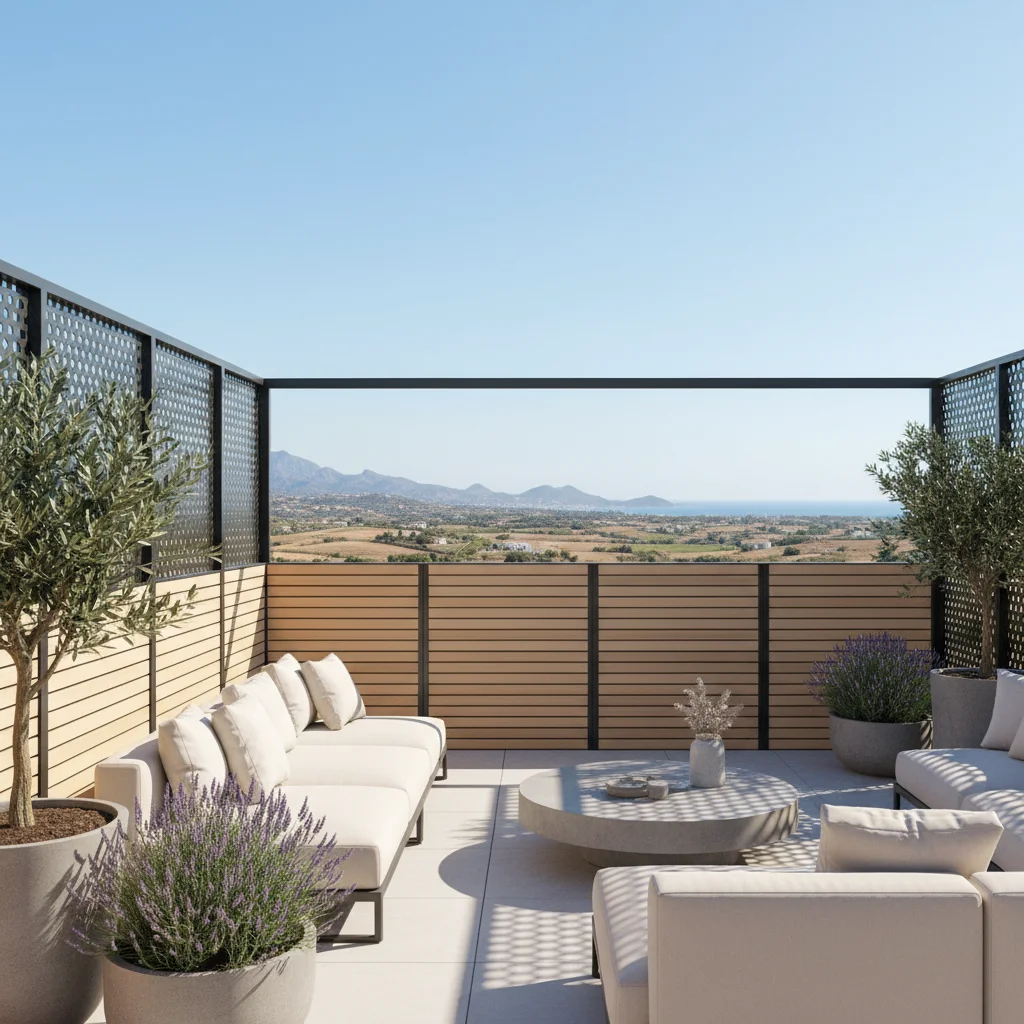
Living in this specific pocket of the Marina Alta offers a lifestyle that is fundamentally different from the high-traffic coastal strips of the nearby shoreline. Since moving to the coast in 2019 and establishing my business here, I have noticed that residents in this municipality tend to value a certain type of quietude and architectural integration that you do not always find in the busier tourist hubs. With a population of around 8,000 people, roughly a quarter of whom are international residents from Britain, Germany, and the Netherlands, the local culture is a sophisticated blend of traditional Spanish agricultural roots and modern Northern European outdoor living standards. When you are sitting on your terrace looking out toward the Vall de Laguar or catching the silhouette of the mountains at sunset, the last thing you want is a feeling of exposure to the street or a neighbor’s driveway. Most properties here, particularly the luxury villas nestled into the hillsides, feature substantial terraces ranging from 40 to 80 square meters. These spaces are essentially outdoor living rooms where we spend eighty percent of our time, yet they often lack the vertical boundaries necessary to make them feel truly private.
The international community here has brought a high standard for outdoor culinary and relaxation spaces. Whether you are hosting a Sunday afternoon barbecue after visiting the local Rastro market or simply lounging by a private pool with views of the Mediterranean in the distance, privacy is the foundation of comfort. The architectural style in the area often favors open vistas, which is wonderful for the view but can leave you feeling like you are on a stage. This is why high-quality fencing and screening have become more than just a boundary marker; they are a structural necessity for the modern villa. Average property prices hover around the 280,000 Euro mark, but many of the hillside estates represent significantly higher investments, and the screening solutions must match that caliber of construction. Using cheap, flimsy materials from a big-box hardware store not only detracts from the property value but usually fails within eighteen months under the intensity of the Spanish sun.
When I talk to homeowners in the area, the conversation usually centers on how to enclose a space without losing the sense of openness that brought them to the Costa Blanca in the first place. The goal is to create a sanctuary that feels tucked away from the world while still allowing the moderate coastal breeze to circulate. In the older parts of the town or within established urbanisations, houses are often built quite close to one another, making the vertical plane of your terrace just as important as the horizontal square meterage. By choosing the right privacy screen, you effectively add a new wall to your home, extending your living area and defining the flow of your outdoor space.
Practicality is the cornerstone of any successful installation in this part of Spain. We are situated in a unique geographic position, benefiting from a sheltered microclimate thanks to the protection offered by the Montgó-style mountain formations that buffer us from the harshest weather systems. While this means we deal with less extreme wind than our neighbors further south, the sun is an unrelenting force that dictates which materials will survive and which will perish. The humidity here is notably lower than in the frontline beach zones of Denia or Javea, which is a significant advantage for the longevity of outdoor equipment. However, the UV index remains the primary "predator" of garden fencing. Any PVC or low-grade plastic screening that is not specifically UV-stabilized will become brittle and crack within two seasons. I have replaced countless rolls of green plastic mesh that simply disintegrated into the soil, creating a microplastic mess that is a nightmare to clean up.
If you live in an urbanisation or a community of owners, you must consider the local "comunidad" rules before making a permanent change to your perimeter. In this municipality, there are often strict guidelines regarding the height and color of external fencing to maintain a cohesive look across the neighborhood. Most communities permit a height of up to 1.5 or 1.8 meters, but it is always worth checking with your administrator first. For those in detached villas on the hillsides, you have more freedom, but you must account for the "sail effect." Even though we are protected by the mountains, the afternoon breezes can pick up speed as they funnel through the valleys. A solid fence acts like a sail on a boat; if it is not anchored correctly into the typical Spanish terracotta or concrete substrate, a strong gust can rip the fixings right out of the ground. I always recommend a slat-style fencing system where there are small gaps between the panels. This allows the air to bleed through, reducing the pressure on the posts while still providing ninety-five percent visual privacy.
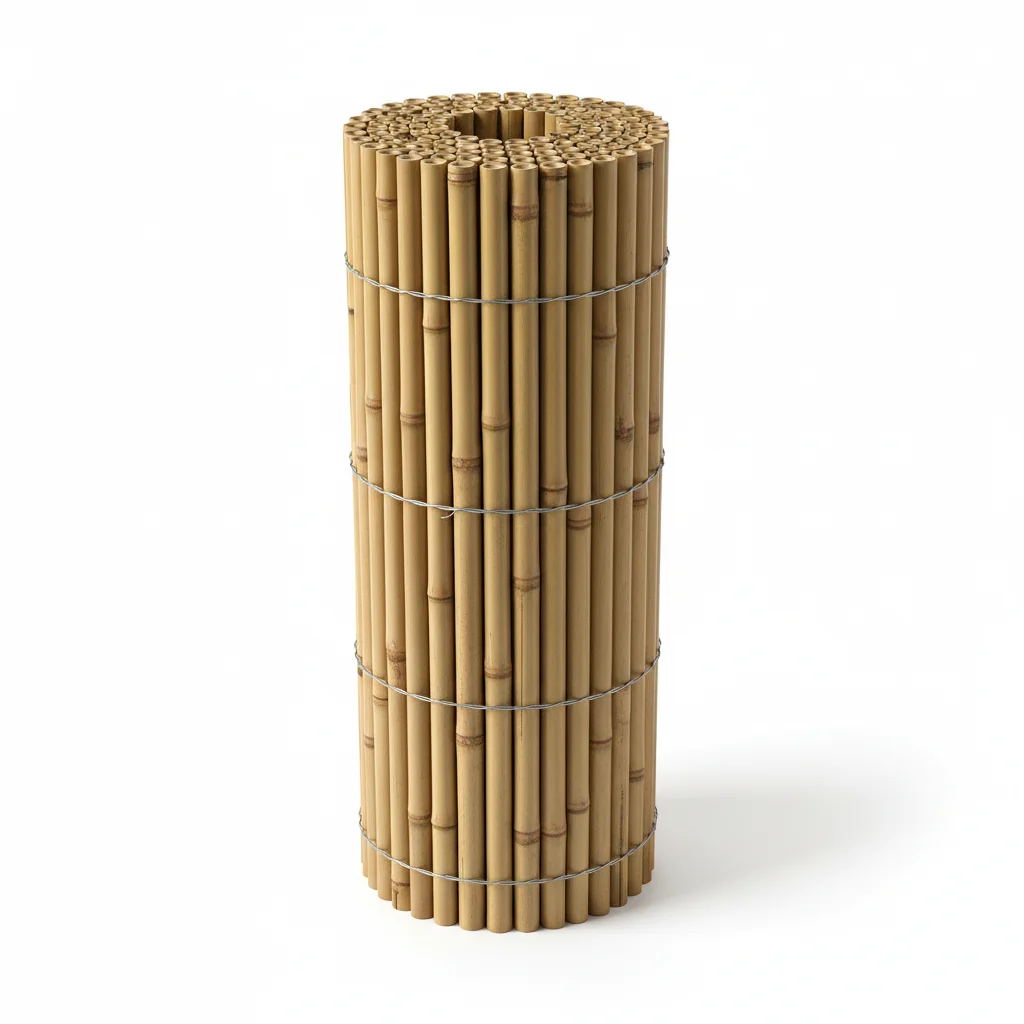
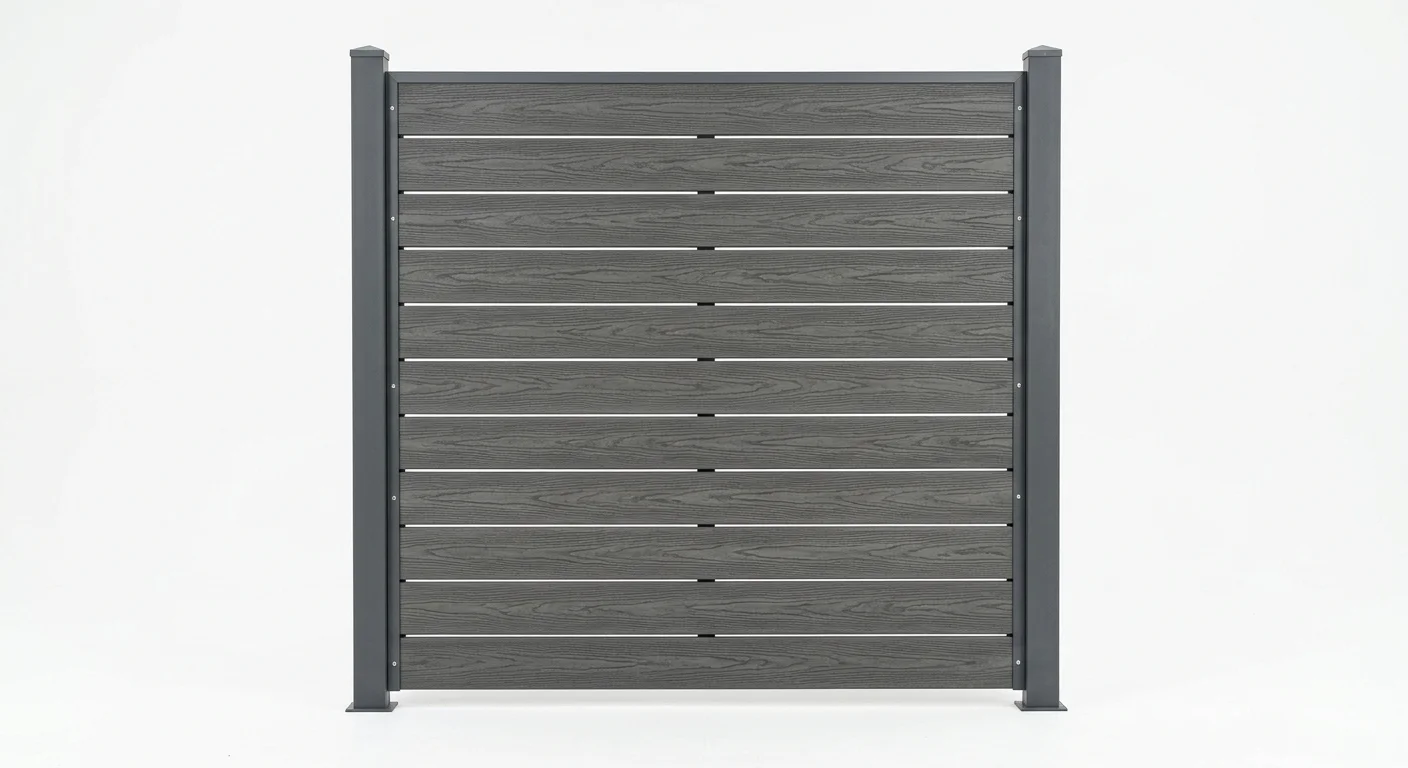
For a high-quality installation, I frequently recommend powder-coated aluminum slat fencing. It is an investment, typically costing between 1,200 and 3,500 Euros depending on the linear meterage, but it is virtually indestructible in this climate. Unlike wood, it will not warp or require annual oiling, and unlike iron, it will not rust in the coastal air. If you prefer a more natural aesthetic that blends with the Mediterranean landscape, high-density composite wood-plastic (WPC) panels are an excellent middle ground. These offer the warmth of timber but are engineered to withstand 40-degree Celsius heat without fading. A standard 10-meter run of professional-grade composite fencing usually sits in the 1,500 to 2,000 Euro price bracket. For those on a tighter budget, high-quality bamboo or "caña" screening can work, provided it is the thick-walled variety treated for outdoor use, which generally starts at around 300 Euros for a standard terrace kit.
My recommendation for the luxury villas that dot the landscape around the Old Town involves a tiered approach to privacy. For these larger properties with 60-meter terraces, a single type of fencing can sometimes look too industrial or monotonous. Instead, I suggest a combination of structural aluminum fencing for the main boundaries and decorative laser-cut privacy screens for specific zones, like an outdoor dining area or a poolside shower. These laser-cut panels, often featuring geometric or leaf patterns, act as pieces of art while blocking the direct line of sight from neighboring properties. When you combine these screens with other upgrades, the transformation is incredible. For instance, installing artificial grass alongside a privacy screen creates a soft, green perimeter that stays vibrant all year without a drop of water. The contrast between the dark grey of an aluminum slat fence and the deep green of high-tier 40mm artificial turf is a classic Costa Blanca look that instantly modernizes a property.
For those living in apartments or smaller townhouses closer to the center, space is at a premium, and the screening needs to be as slim as possible. In these cases, I often suggest vertical glass curtains for the upper balcony combined with a frosted or tinted privacy film on the lower glass sections. This setup allows you to keep the view of the mountains while ensuring that people walking on the street below cannot see into your living space. If you have a rooftop solarium, which is common in newer developments in this area, you should consider retractable side awnings or "lateral" screens. These are perfect because you can pull them out when you are using the space to block the wind and prying eyes, and retract them into a sleek cassette when you want a 360-degree view. This versatility is key in a climate where the weather can change from a still, hot afternoon to a breezy evening in a matter of minutes.
Integrating your fencing with your existing landscape is also vital. In this region, we deal with a lot of "caliche" or hard limestone in the soil. If your project involves digging post holes for a garden fence, you will likely need more than a simple spade; a heavy-duty breaker is often required to get deep enough for a secure foundation. This is a technical detail that many DIY enthusiasts overlook until they are halfway through the job. Furthermore, think about the maintenance of the area behind the screen. If you install a permanent fence against a stone wall, make sure there is enough of a gap to prevent moisture buildup or the growth of invasive weeds that can be hard to reach later.
Our team at Costa Blanca Outdoors provides full delivery and professional installation services throughout this municipality and the surrounding towns like Ondara, Benissa, and Jalon. We know the local logistics inside out—we know which days the Sunday market makes the main access roads a bottleneck and which narrow streets in the old center require a smaller van rather than a large delivery truck. If you are in Denia or Javea, you are just a short drive from our main service area, and we frequently handle projects that span across these neighboring districts. We understand the specific building materials used in this region, from the hollow "tabique" bricks to the solid concrete pillars, ensuring that every screen we mount is anchored with the correct chemical fixings or expansion bolts for the job.
I have lived through the trial and error of Spanish home improvement so that you do not have to. I have seen the way the "Tramuntana" wind can rattle a poorly installed screen and how the red dust from a "Calima" Sahara rain can stain low-quality fabrics. When I come to your home for a consultation, I am not looking at it as a salesman; I am looking at it as a neighbor who wants to make sure your outdoor space is as functional and private as mine. We offer a free, no-obligation consultation where I can walk your terrace with you, measure the wind exposure, check the community regulations, and give you a realistic quote based on your specific needs. Whether you are looking to spend 500 Euros on some simple bamboo screening or 5,000 Euros on a complete perimeter overhaul with integrated lighting and composite panels, the goal remains the same: making your home your private retreat. Feel free to reach out and let's discuss how we can make your outdoor space more usable, more private, and more valuable.
 JW'"
/>
JW'"
/>