Outdoor Living in Pedreguer
Pedreguer is one of the Marina Alta’s best-kept secrets — a traditional Spanish town of 8,000 residents with a 25% expat population of British, Dutch, and German homeowners drawn by affordable country properties averaging €280,000 and a genuinely peaceful rural lifestyle.
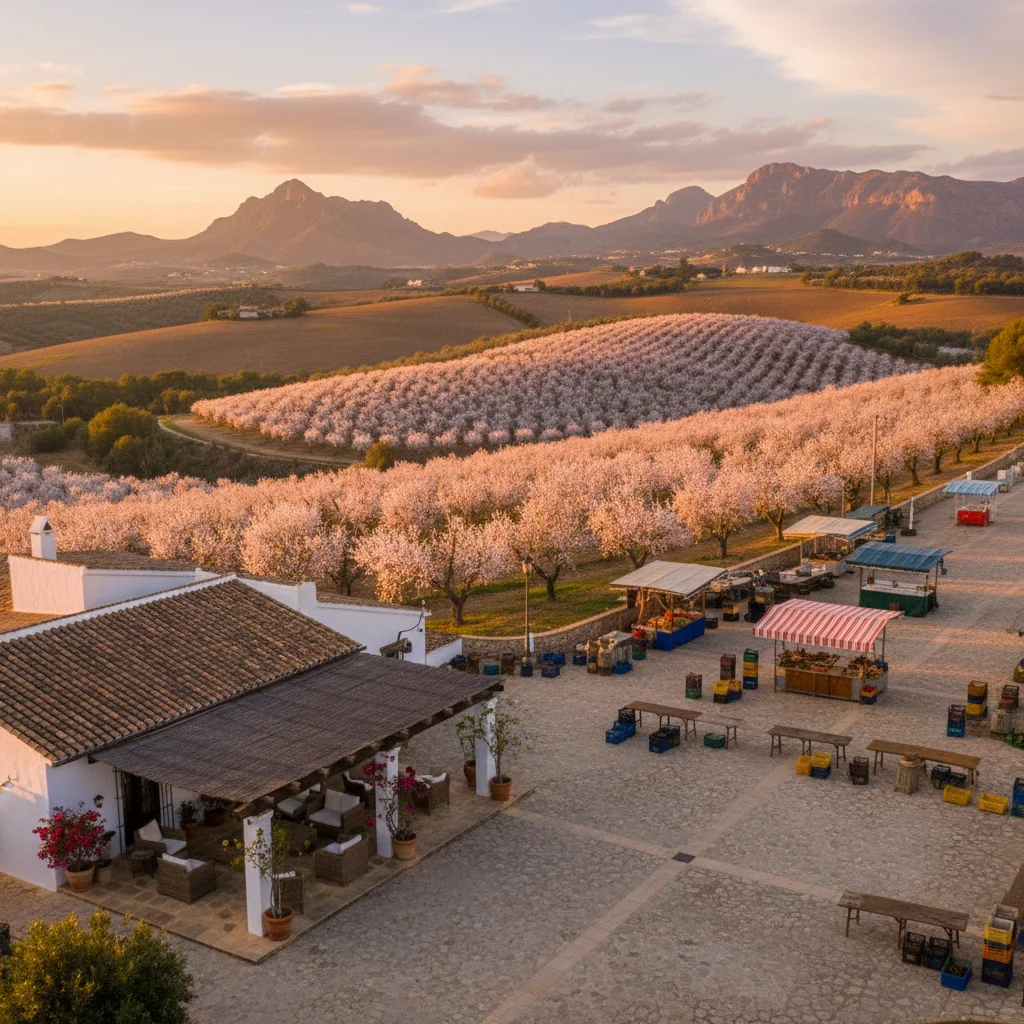
Sitting inland between Dénia and the Jalón Valley, Pedreguer offers something increasingly rare on the Costa Blanca: an authentic Spanish town that has not been reshaped by tourism. The Old Town retains its narrow streets, stone facades, and traditional bars, while the famous Sunday rastro market brings the entire community together each week — expats and locals side by side browsing plants, produce, and household goods.
The property market here rewards buyers with space. Country fincas on the outskirts come with large gardens, mature fruit trees, and the kind of flat plots that make outdoor kitchen projects genuinely exciting. Townhouses in the old centre offer charming courtyards and roof terraces. Either way, most Pedreguer homes have meaningful outdoor space — a luxury that coastal apartment buyers can only dream of.
The expat community is well-established and sociable. British and Dutch residents have been here for decades, and the local restaurants, walking groups, and community events create a village atmosphere that makes outdoor entertaining a natural extension of daily life.
Pedreguer’s inland position, large country properties, and established expat community of British, Dutch, and German residents make it an ideal setting for serious outdoor cooking setups with space to build something special.
Choosing Your Setup in Pedreguer
With generous garden plots and rural tranquillity, Pedreguer properties give you room to create the outdoor kitchen you have always wanted — without the compromises of coastal apartment living.
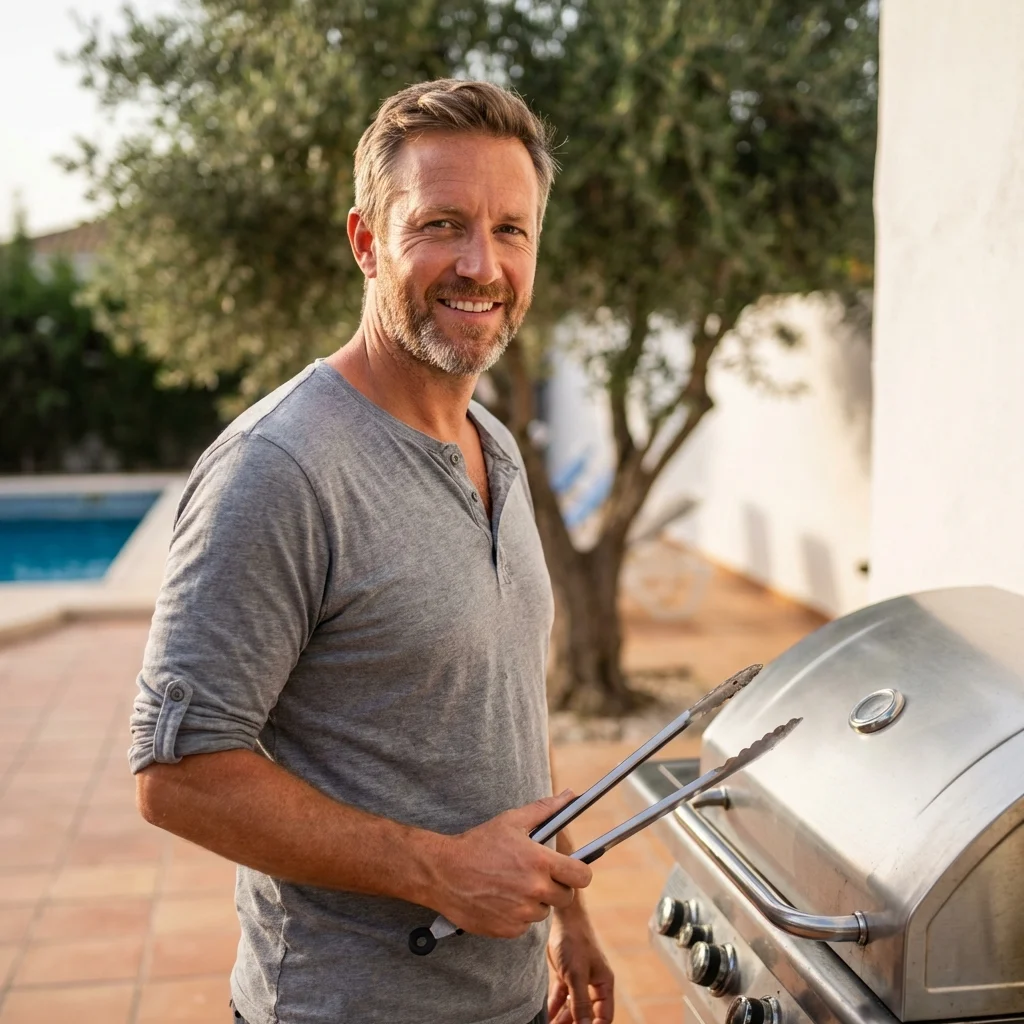
Finca owners in Pedreguer have the space for a complete outdoor cooking station. A built-in gas BBQ with countertop workspace, a wood-fired pizza oven tucked into a garden corner, and a kamado grill for weekend slow cooks — there is room for all three without crowding the terrace. Costa Blanca Outdoors designs outdoor kitchen layouts specifically for the generous plots typical of this area.
For townhouse owners in the old centre, a freestanding gas BBQ or a compact kamado works perfectly on a courtyard or roof terrace. The sheltered nature of these spaces means wind is rarely an issue, and the stone walls retain heat beautifully for evening cooking sessions.
Pedreguer’s inland position means slightly cooler winters than the coast, which makes a kamado grill particularly valuable — its insulated ceramic shell holds temperature efficiently even on January evenings. The surrounding countryside also provides access to local almond wood and citrus prunings, both excellent for smoking and adding flavour. Many finca owners have their own olive or orange trees, and the pruned branches make superb fuel for pizza ovens.
Butane gas is readily available from local suppliers, with delivery trucks passing through Pedreguer regularly. For larger gas BBQ setups, a fixed propane installation is worth considering given the space most properties offer.
Pedreguer’s spacious fincas suit full outdoor kitchen builds with gas BBQs, pizza ovens, and kamados, while townhouse courtyards work well with freestanding grills — and local almond and citrus wood adds authentic flavour to every cook.
Delivery to Pedreguer
We deliver to all Pedreguer addresses weekly as part of our northern Costa Blanca route, covering both the town centre and surrounding country properties with full assembly and placement included.
Pedreguer sits right on our regular northern delivery route, and we know the area well — including the narrow access lanes to rural fincas and the tight streets of the old centre. For country properties, we confirm access details in advance and bring appropriate transport. Every delivery includes unpacking, full assembly, positioning in your chosen spot, and a complete walkthrough of your new equipment.
The town’s central position in the Marina Alta makes it a natural hub. Dénia is just ten minutes to the east, Jalón and the valley wine country sit to the west, and Ondara with its commercial centres is five minutes down the road. We regularly combine deliveries across these towns on the same run.
Standard delivery for in-stock items is 5–10 working days. Custom outdoor kitchen builds — popular with Pedreguer finca owners — typically run 3–4 weeks from design sign-off to completed installation, including all stonework, gas connections, and equipment fitting.
Hot Tubs & Swim Spas in Pedreguer: What You Need to Know
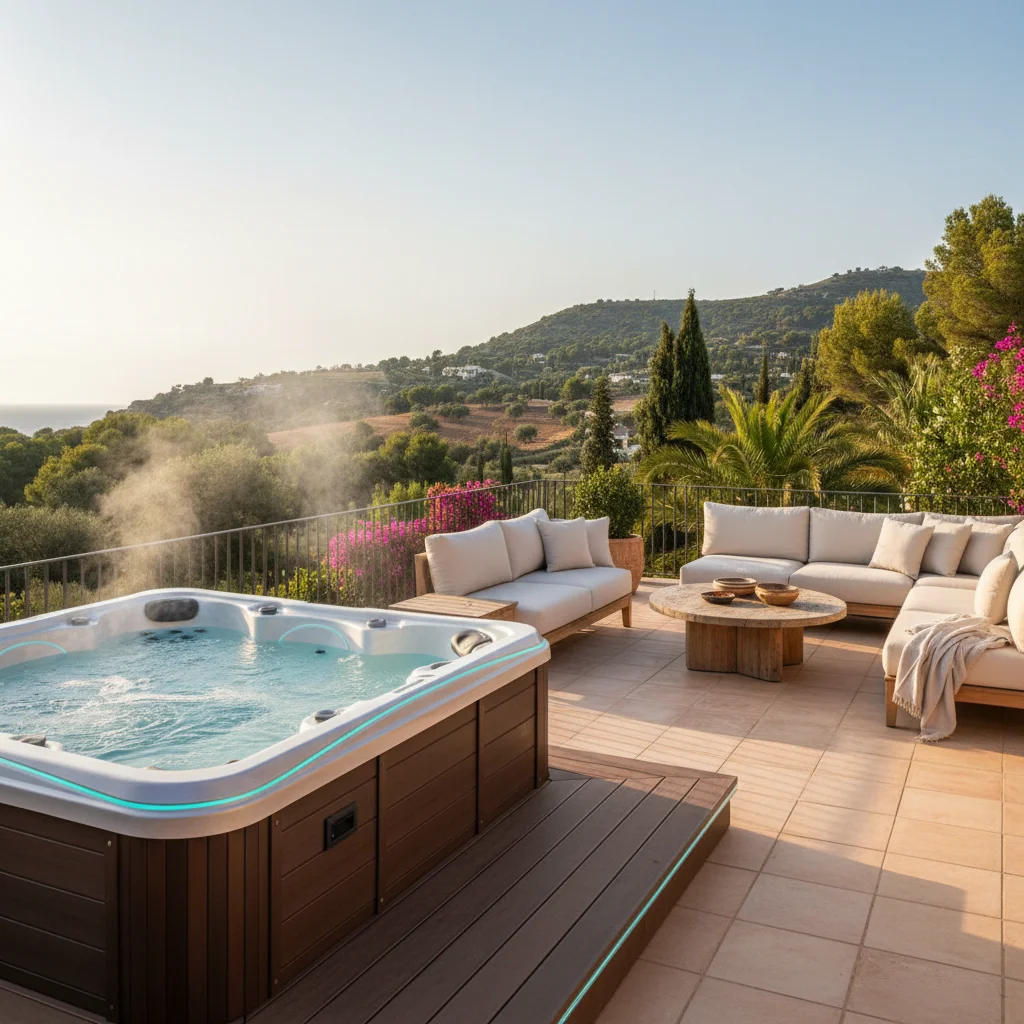
Living in this specific pocket of the Marina Alta provides a lifestyle that is fundamentally different from the high-density coastal strips of the southern Costa Blanca. While the population here sits at around eight thousand residents, it is the demographic makeup that really defines the local outdoor culture. About twenty-five percent of the people living here are international, with a significant concentration of British, Dutch, and German families. These residents have moved away from the more commercialized tourist hubs to find space and authenticity. Consequently, the property landscape is dominated by luxury hillside villas. These homes aren't just dwellings; they are vantage points with terraces often spanning between 40 and 80 square meters. In this environment, a hot tub or a swim spa isn't a luxury accessory—it is a functional extension of the home that allows for year-round use of those massive outdoor areas.
The local lifestyle revolves around a unique blend of quiet village life and active exploration. On any given Sunday, you will see residents navigating the famous Sunday Market, or Rastro, before retreating back to their hillside sanctuaries. For those who spend their mornings hiking the rugged trails leading toward the Vall de Laguar or the surrounding ridges, the physical demand on the body is real. This makes hydrotherapy a practical necessity rather than a whim. The British and Dutch residents in particular tend to view their terraces as primary living rooms. They invest heavily in outdoor infrastructure that can handle the transition from the scorching August sun to the crisp, clear January evenings. A high-quality spa becomes the center of social life, positioned to take advantage of the expansive views that stretch toward the coast, bridging the gap between the traditional Old Town and the modern villas of the periphery.
In my years of helping over 200 families set up these spaces, I’ve noticed that the German contingent here often prioritizes technical precision and energy efficiency, while British expats look for social configurations and ease of maintenance. The large terrace sizes found in the local villas mean there is rarely a need to compromise on dimensions. You have the floor "real estate" to accommodate a six-person hot tub alongside an outdoor dining set without the area feeling cluttered. Because the town sits slightly inland and at a higher elevation than the beach towns, the evenings can feel significantly cooler. This temperature drop makes the prospect of a 38-degree soak much more appealing than it might be in a humid, low-lying apartment in the center of a coastal city.
Practical Expert Advice for Hot Tub Installation
The geography of the Marina Alta dictates how you should choose and maintain your equipment. This area benefits from a sheltered microclimate, largely due to the mountain protection that mirrors the effect the Montgó has on our neighbors. This results in a moderate coastal breeze and, crucially, lower humidity levels than what you would find in the southern parts of the province. For a hot tub owner, lower humidity is a double-edged sword. It reduces the risk of mold on your thermal covers, but it increases the rate of evaporation. If you are leaving your tub uncovered even for an hour, you will notice the water level dropping faster than expected. I always recommend a high-density, 10cm tapered thermal cover with a marine-grade vinyl finish to combat this.
One factor that many newcomers overlook is the "hardness" of the local water supply. The water in this region is heavily mineralized with calcium. If you simply fill your spa and forget it, you will experience scale buildup on the heating elements and inside the jet internal housings within the first three months. This can lead to a "dry fire" error where the heater burns out because it is encased in lime. I advise all my clients here to use a pre-filter on their hose pipe during the initial fill and to maintain a strict regime of scale inhibitor. Regarding the salt air, while we are sheltered, the breeze still carries a fine mist from the Mediterranean. This means you should avoid hot tubs with cheap plastic or thin metal frames. You want a unit with a pressure-treated timber frame or, preferably, a galvanized steel structure and a fully sealed ABS base to prevent the salt air from corroding the internal pumps.
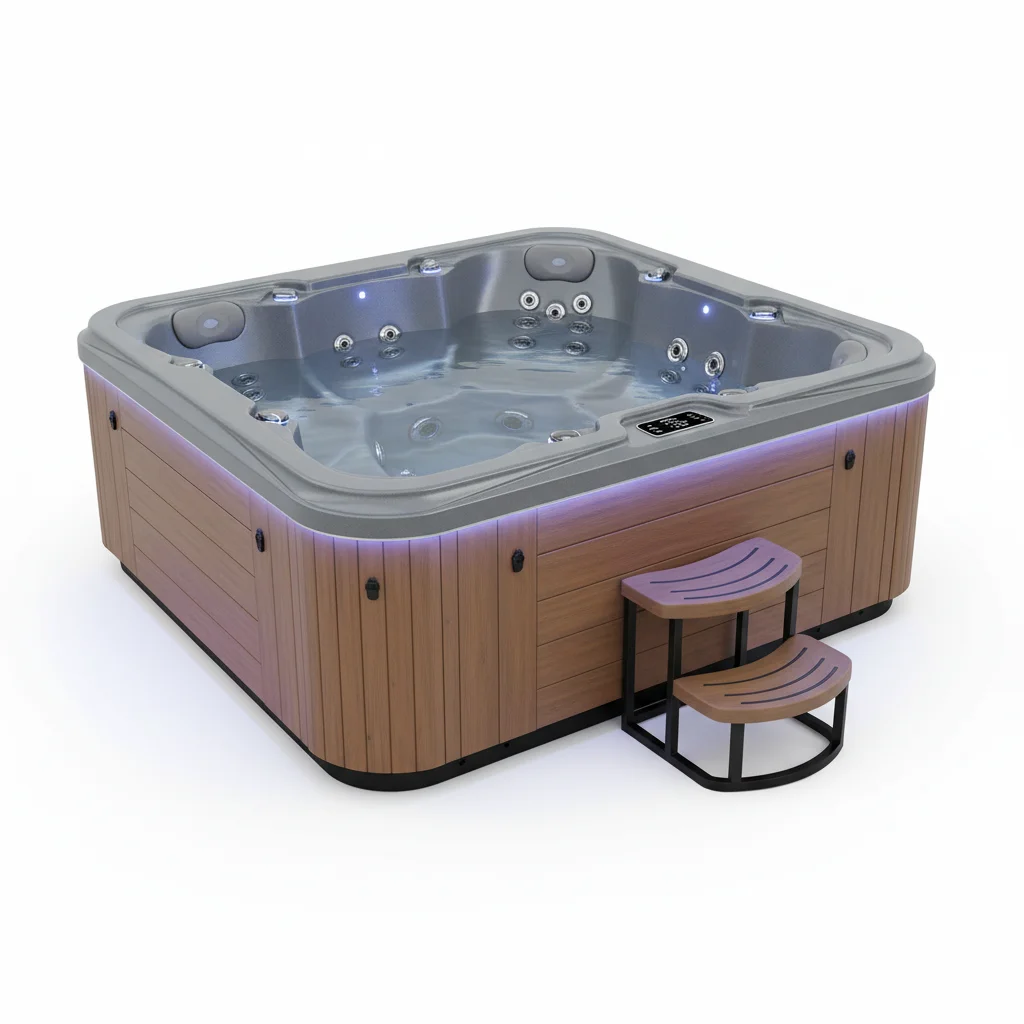
For a standard hillside villa, a mid-range hydrotherapy tub with 35 to 50 jets usually retails between EUR 6,500 and EUR 8,500. At this price point, you are getting a dedicated circulation pump that filters the water silently 24 hours a day, which is essential if your bedroom is located near the terrace. If you are considering a swim spa, which can range from EUR 12,000 to EUR 15,000, you must account for your electrical "potencia." Most older Spanish properties are capped at a low kilowatt limit. A twin-pump swim spa can pull 32 Amps, which might trip your main breaker if the air conditioning and oven are running simultaneously. I often have to coordinate with local electricians to upgrade the property’s "boletín" or install a load-management system that prioritizes the house over the spa during peak usage.
Community rules, or "comunidad de propietarios," are another hurdle if you aren't in a detached villa. While most villas here are independent, some of the newer developments near the outskirts have shared rules regarding aesthetics and noise. Always check your statutes before installing a unit on an upper-level terrace. The weight is the primary concern; a filled 2-meter square hot tub weighs approximately 2,000 kilograms. You need to ensure the structural slab of your 60 m² terrace is rated for that localized load. In my experience, most modern constructions in this area are over-engineered, but it is always worth verifying with a technical architect if you have any doubts.
Tailored Recommendations for Local Property Types
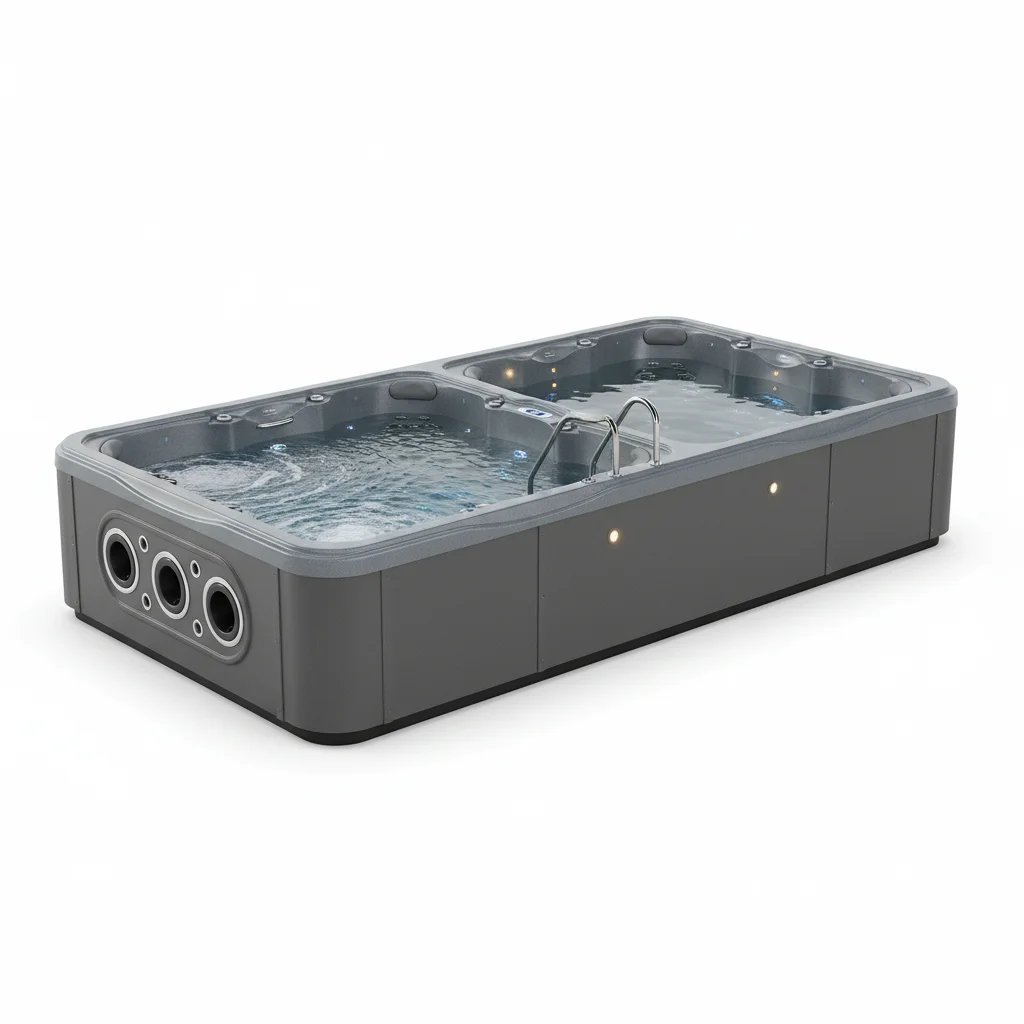
The recommendation for a property varies wildly depending on whether you are nestled in the narrow streets near the Old Town or perched on a plot with a view. For the luxury hillside villas, I almost always recommend a swim spa over a traditional plunge pool if the goal is year-round fitness. A 4.5-meter swim spa provides a powerful current for lap swimming but requires a much smaller footprint and significantly less chemical maintenance than a 10x5 meter swimming pool. On a 70 m² terrace, you can "half-sink" a swim spa into a raised wooden deck. This allows you to step down into the water while keeping the mechanical components accessible behind a hidden panel. When you combine this with a high-end outdoor kitchen, you create a self-contained entertainment hub. It’s a setup I’ve seen work perfectly for families who host guests frequently; the adults can enjoy the hydrotherapy seats while the children use the swim current for play.
For these larger installations, I suggest looking at a dual-zone model if the budget allows—typically around EUR 14,500. This gives you two separate bodies of water: one kept at 28 degrees for swimming and exercise, and a connected hot tub kept at 38 degrees for relaxation. This prevents the common problem where the water is either too hot for exercise or too cold for a soak. Given the climate here, having that versatility is what ensures the equipment gets used every single week of the year, not just in the summer months.
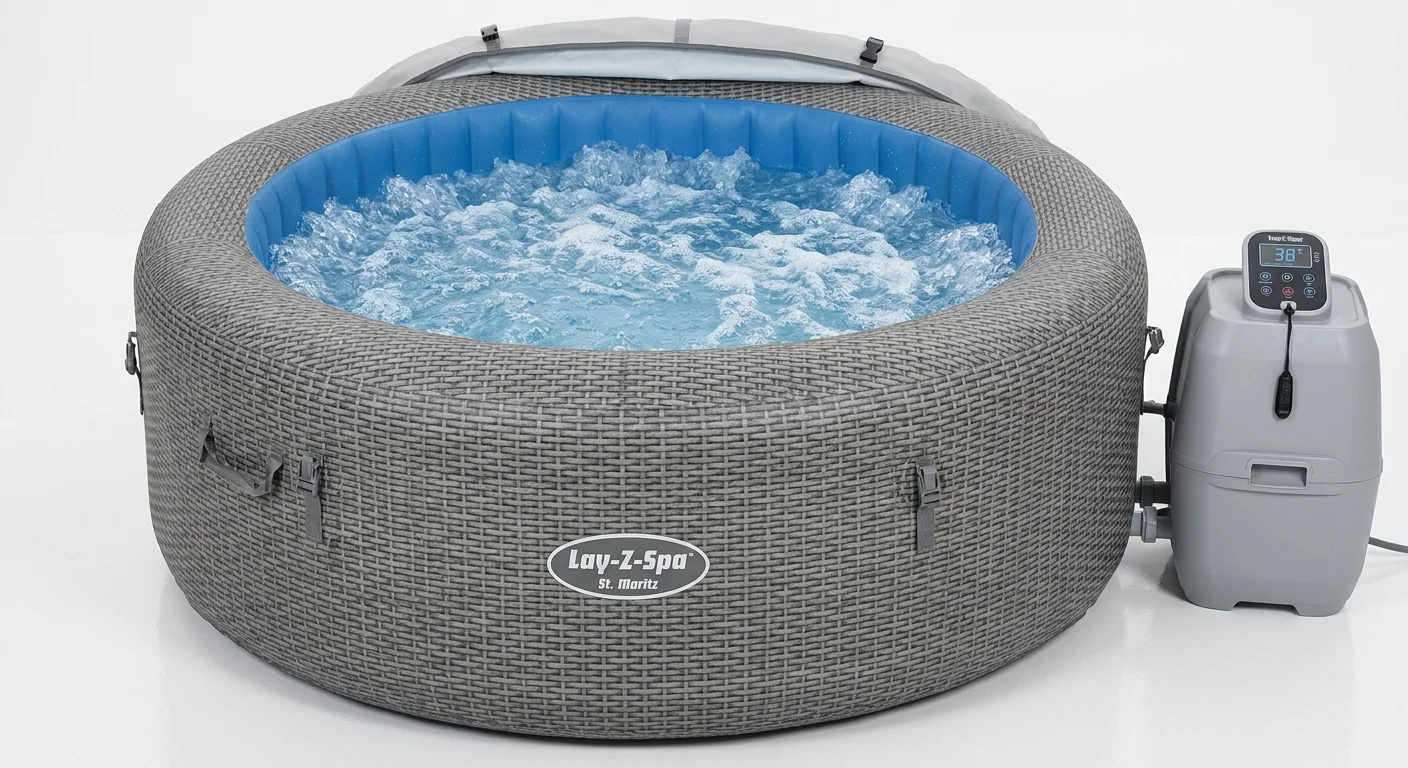
If you are living in a townhouse or one of the more central apartments with a smaller 40 m² terrace, the "plug-and-play" category is your best friend. These are high-quality, portable spas that run off a standard 13-amp or 16-amp European plug. They usually cost between EUR 3,000 and EUR 4,500. They are light enough to be moved with a high-quality spa dolly and don't require a dedicated electrical sub-panel to be installed. Even in a smaller space, you can create a "wellness corner" by surrounding the tub with potted Mediterranean plants like lavender or rosemary, which thrive in our lower humidity. This setup provides the same therapeutic relief after a long walk through the Vall de Laguar but without the logistical complexity of a full swim spa.
Regardless of the property type, I strongly suggest integrating your spa with your other outdoor features. We often install these units alongside swimming-pools to serve as a heated "after-swim" retreat. If you have an existing outdoor kitchen, placing the hot tub within a few meters of the dining area makes for a very social atmosphere. The key is to treat the spa as part of the architecture. Use stone cladding that mimics the local "pedra seca" (dry stone) walls found in the surrounding countryside to help the unit blend into the landscape. This prevents the "blue plastic box" look and turns the spa into a permanent feature that adds tangible value to your property.
Delivery Logistics and Local Expertise
Delivering a hot tub or swim spa in this part of the Costa Blanca is rarely a straightforward task. It requires an intimate knowledge of the local road network. I have navigated everything from the wide boulevards of nearby Ondara to the impossibly tight, winding tracks that lead to the highest villas overlooking the valley. If you live in the heart of the village, we have to account for the narrow Calle Mayor-style access where a standard delivery truck simply cannot pass. In these cases, we often use a specialized "spa sled" or arrange for a crane with a 30-meter reach to lift the unit over the roofline of the house.
Our service area extends regularly to Dénia, Javea, Jalón, and Benissa, which gives us a broad perspective on the logistical challenges of the Marina Alta. We know, for instance, that you cannot schedule a crane delivery in the center of town on a Sunday because the influx of visitors for the market makes the roads impassable. We also understand the permit process required by the local "ayuntamiento" if we need to temporarily block a street for an installation. This local knowledge is what prevents a day of excitement from turning into a day of fines and frustration.
When we deliver to a hillside location, the first thing I check is the wind exposure. Because of the elevation, some plots act as wind tunnels. We position the tub so that the cabinet panels—where the sensitive electronics are housed—are shielded by the house or a retaining wall. We also ensure the drain valve is accessible and directed toward a proper gray-water outlet, rather than letting 1,500 liters of water flood your neighbor's terrace during your quarterly water change.
I offer a free site consultation for anyone in the area considering an outdoor upgrade. I will come to your property, measure your access points, check your electrical capacity, and help you visualize where a tub or swim spa would sit best to capture the view while maintaining your privacy. My goal is to ensure that you aren't just buying a product, but investing in a lifestyle that fits the unique rhythm of our town. Whether you are looking for a compact recovery tub for your post-hiking days or a full-sized swim spa for family fitness, we can find a solution that works with the specific constraints and advantages of your property. Feel free to reach out to discuss your project, and we can look at how to transform your terrace into a space you use 365 days a year.
 JW'"
/>
JW'"
/>