Outdoor Living in San Miguel de Salinas
San Miguel de Salinas is a genuine Spanish market town where 55% of its 7,500 residents are expats — British, German, and Scandinavian — who enjoy affordable properties with outdoor spaces and an authentic local atmosphere.
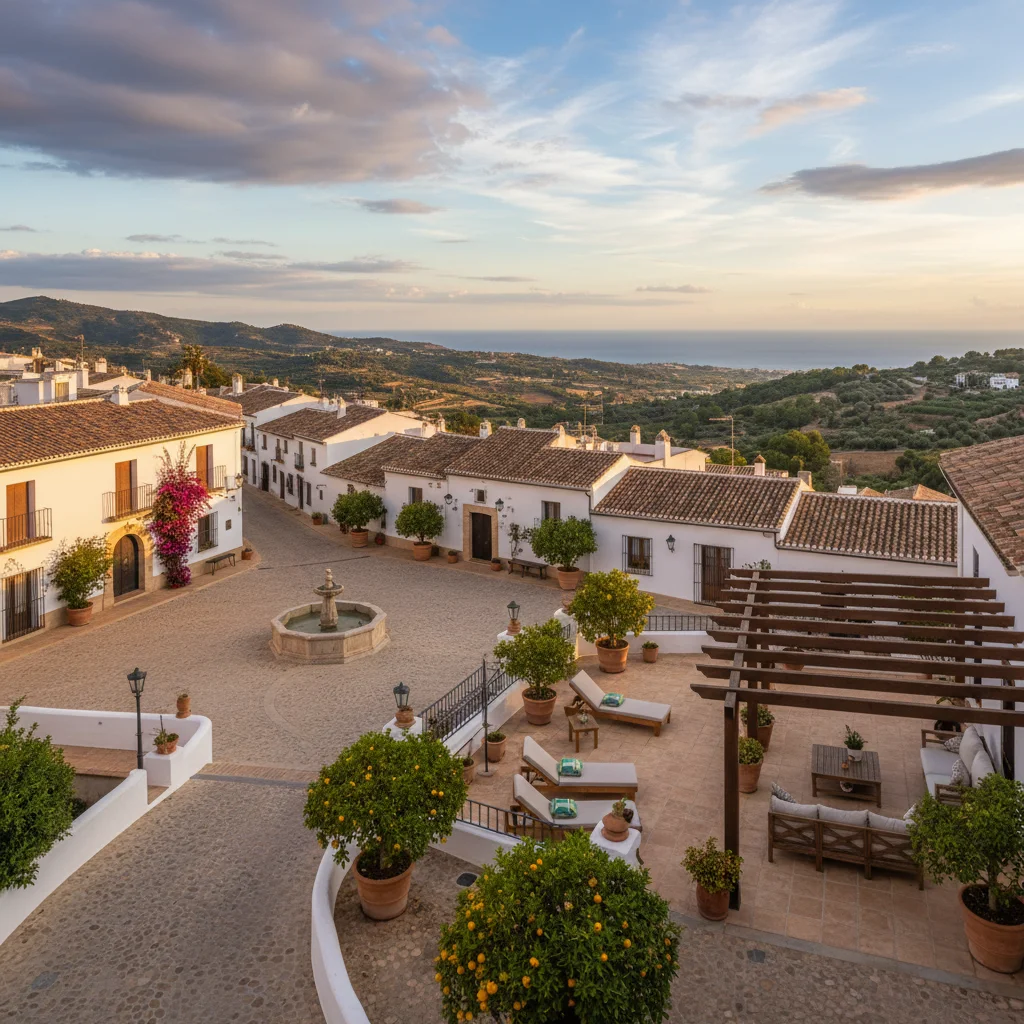
San Miguel de Salinas occupies a unique position on the southern Costa Blanca. It is not a purpose-built resort or a coastal strip — it is a working Spanish town with a church square, a weekly Saturday market, and tapas bars where expats and locals mix naturally. That authenticity is exactly what draws people here.
Properties average around €160,000, typically offering detached or semi-detached villas with private gardens, pools, and terraces of 20–40 square metres. These homes were built for the Mediterranean climate, with covered outdoor areas designed for dining through the long summer and mild winter.
The Saturday market is the social heartbeat. Stalls selling fresh produce, local cheeses, and cured meats spill through the streets, and many expats time their weekly barbecue shop around the market — picking up marinated chicken, chorizo, and bags of local charcoal all in one trip.
San Miguel de Salinas blends authentic Spanish market-town culture with affordable expat-friendly villas averaging €160,000, offering terraces and gardens ideal for outdoor cooking setups.
Choosing Your Setup in San Miguel de Salinas
Affordable property prices and generous outdoor spaces make San Miguel de Salinas an excellent location for value-conscious expats to invest in quality outdoor cooking equipment.
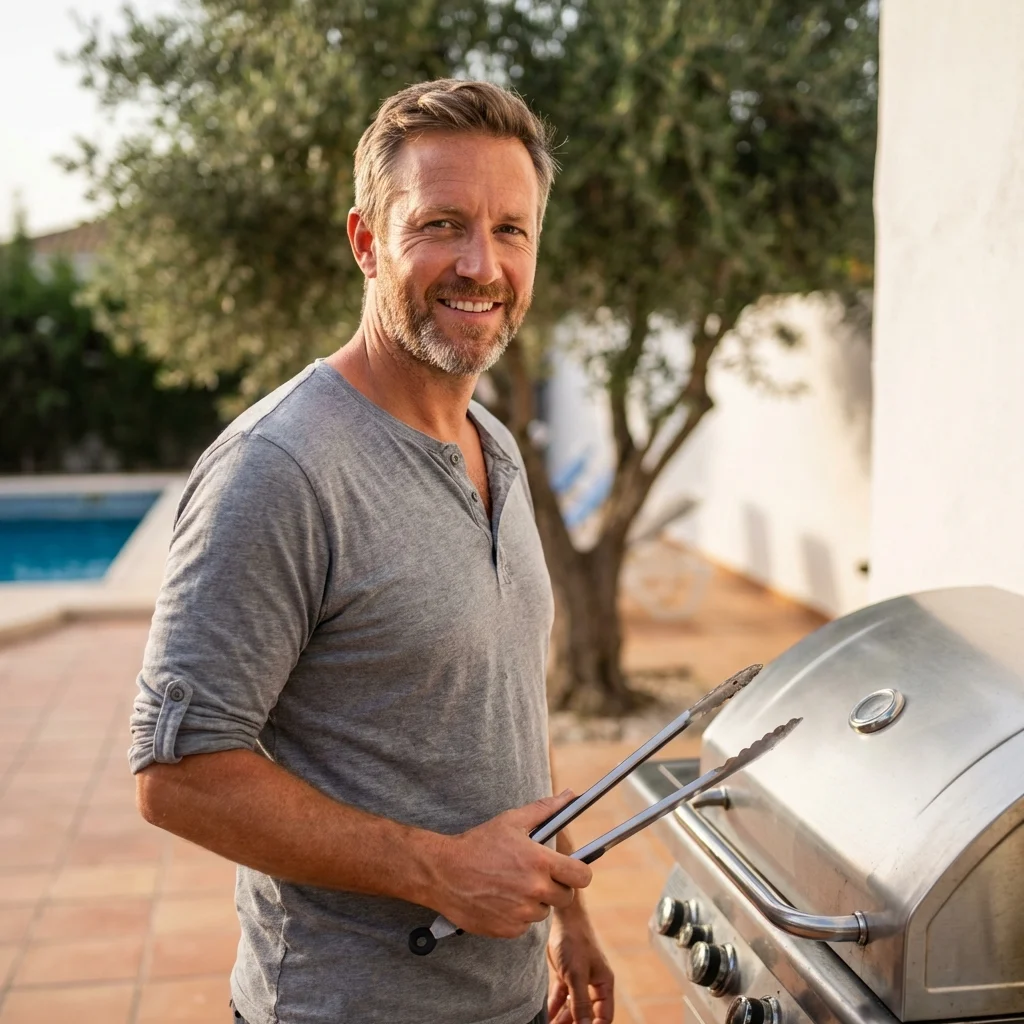
Gas BBQs are the workhorse of San Miguel kitchens. A solid three-burner gas grill covers weeknight dinners and weekend entertaining alike, and butane is easy to source from the town’s hardware stores and petrol stations. Many residents start with a gas BBQ and add to their setup over time — a pattern we see more here than in any other town we serve.
Kamado grills appeal to the growing number of residents who want to go beyond basic grilling. The ability to smoke brisket low and slow on a Saturday morning, then crank the temperature for pizza that evening, makes the kamado a genuine all-in-one solution. Costa Blanca Outdoors recommends the kamado as a second piece for San Miguel customers who already own a gas BBQ and want to expand their repertoire.
Wood-fired pizza ovens fit naturally into the surrounding landscape. The agricultural character of the area means firewood — almond and olive — is available directly from local farmers at prices well below coastal retail. A countertop pizza oven on a sturdy stand is the most popular configuration here, offering authentic wood-fired results without requiring a permanent stone installation.
Costa Blanca Outdoors recommends the kamado grill as an ideal second piece for San Miguel de Salinas residents who already own a gas BBQ and want to expand into smoking, roasting, and pizza.
Delivery to San Miguel de Salinas
We deliver to San Miguel de Salinas and its surrounding urbanisaciones on our regular southern inland route, with straightforward access to the area’s residential properties.
San Miguel de Salinas is well connected to our southern delivery network. The town sits at a crossroads between the coast and the inland communities, making it a natural stop on routes that also serve Orihuela Costa, Algorfa, and Torrevieja. Residential roads are wide and access is rarely an issue — a welcome simplicity for delivering heavy equipment.
Every delivery includes unpacking, full assembly, terrace or garden placement, and a hands-on walkthrough of your new grill, oven, or kitchen setup. For built-in projects, we work with local contractors familiar with the construction standards across San Miguel’s urbanisaciones.
Standard delivery takes 5–10 working days for in-stock items. Custom outdoor kitchen projects typically run 3–4 weeks including design and installation.
Creating the Ideal Social Hub with Outdoor Bar Furniture in San Miguel de Salinas
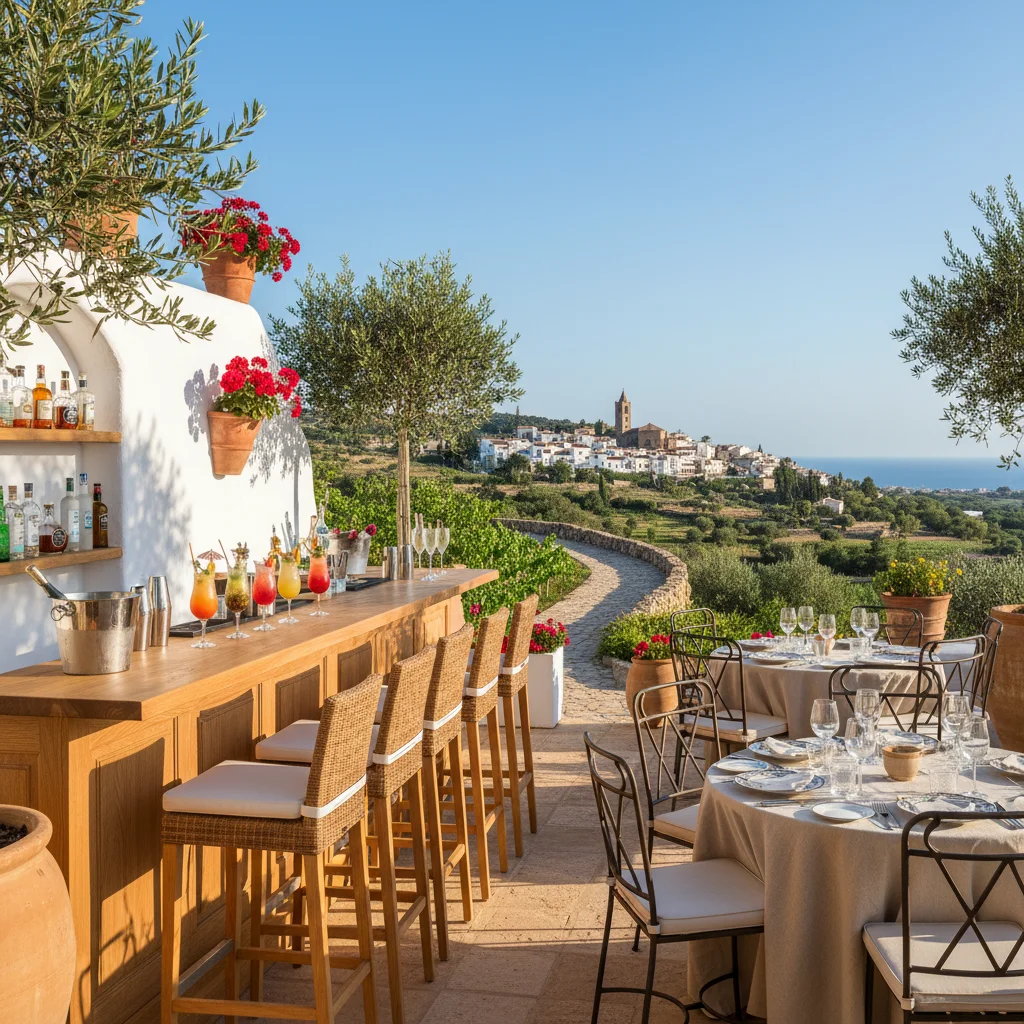
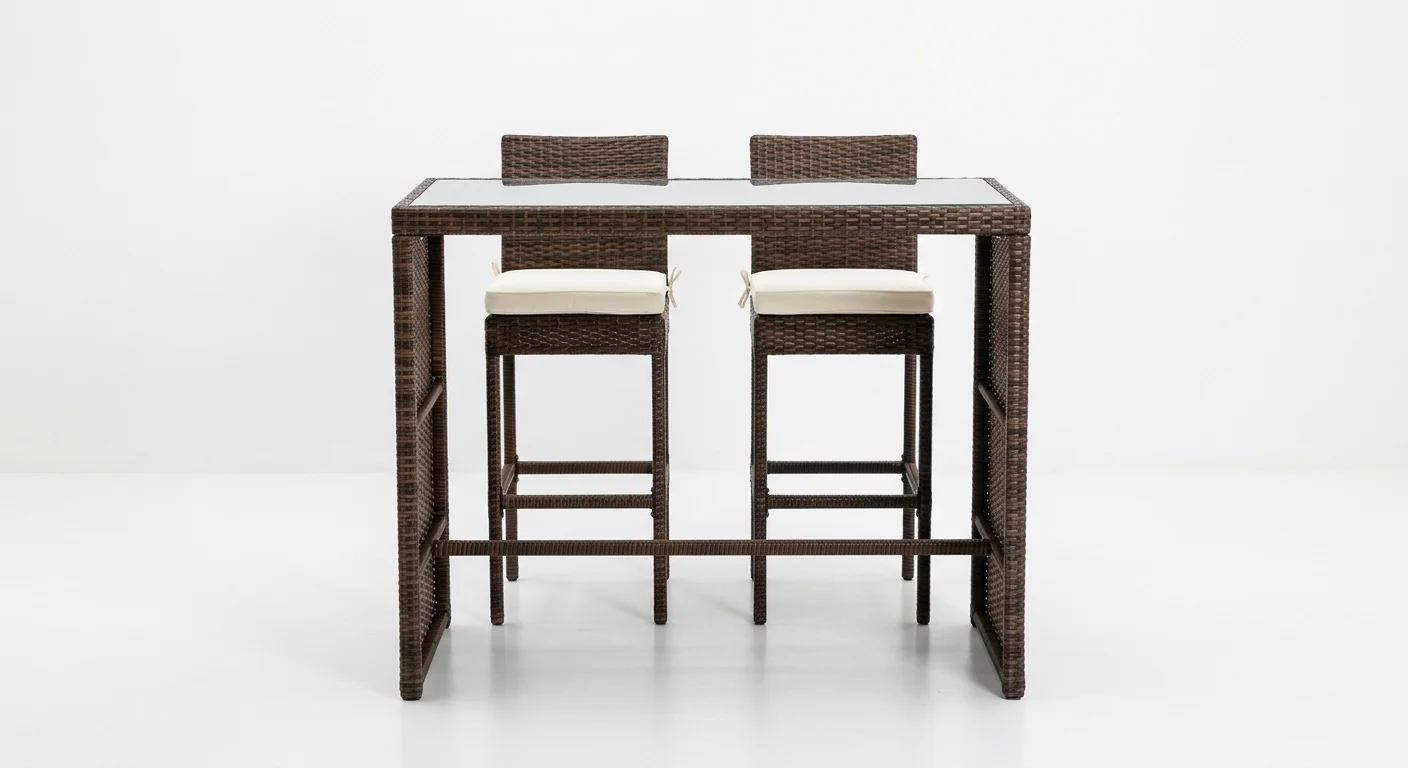
The social landscape of this particular corner of the Costa Blanca has transformed significantly since I arrived in 2019. With a population where over fifty-four percent of residents are international—largely a mix of British, Scandinavian, and German expats—the way we utilize our outdoor spaces has shifted toward a more sophisticated, year-round entertaining culture. Unlike the high-rise coastal strips of nearby Torrevieja, the property landscape here is dominated by affordable urbanisation villas and golf resort communities. These homes typically feature generous terraces or compact garden plots that overlook the protected landscapes of the Sierra Escalona. In these settings, traditional dining sets often take up too much floor space or fail to capitalize on the views. This is why high-level bar furniture has become a staple for local residents. A well-placed bar table allows you to see over terrace railings or garden walls while maintaining a relaxed, conversational atmosphere that mirrors the social buzz of the local Saturday Market.
Integrating a bar set into a villa or apartment here is about more than just having a place to sit; it is about extending the internal footprint of the home. Most properties in the area, which carry an average price point of around one hundred and fifty thousand euros, are designed with an open-plan flow that leads directly onto a terrace. By installing a bar height table—typically around one hundred and five centimeters high—you create a visual transition that feels more like a dedicated social zone than a secondary dining area. The British community, in particular, tends to favor the "outdoor pub" concept, often opting for larger, six-seater configurations that serve as a focal point for weekend gatherings. Conversely, our Scandinavian and German neighbors often lean toward minimalist, narrow-profile bar sets that prioritize clean lines and unobstructed views of the surrounding salt lakes and pine forests. This cultural blend has created a demand for versatile furniture that can handle a quick morning coffee just as easily as a full evening of hosting.
The geography of the area also plays a role in furniture selection. Because we are situated slightly inland and elevated, the views are a primary asset. Whether your property faces the greenery of the golf courses or the distant Mediterranean horizon, a standard dining chair at seventy-five centimeters high often leaves you looking directly at a stone wall or a metal railing. Elevating the seating position by just thirty centimeters changes the entire perspective of the property. It turns a standard balcony into a vantage point. For those living in the more densely packed urbanisations, bar furniture also offers a privacy benefit. Taller tables can be strategically placed to create a barrier or a sense of enclosure without the need for heavy, permanent structures that might violate community regulations.
Practical Material and Climate Considerations for the Local Environment
Choosing furniture for this specific part of the province requires an understanding of a climate that is notably harsher than the northern Costa Blanca. We experience a hotter, drier heat here, often intensified by the reflection of the sun off the nearby salt lakes. This environmental factor is the primary reason I advise against low-grade plastics or untreated timbers. The UV index in the peak of summer will degrade unprotected polymers within two seasons, leading to brittle frames and faded surfaces. When selecting outdoor bar furniture, powder-coated aluminum is the gold standard for this region. It is lightweight enough to move when the winds pick up across the open plains of the Vega Baja, yet it does not rust when exposed to the humidity that rolls in from the Torrevieja salt flats. A quality aluminum bar stool, which typically retails between one hundred and forty-five and one hundred and ninety euros per unit, offers a lifespan that far exceeds its initial cost.
The salt lake humidity is a subtle but persistent factor that many newcomers overlook. Even though we are a few kilometers inland, the air carries a corrosive quality that can attack exposed steel bolts and internal frames. I always recommend checking that any bar furniture uses 304-grade stainless steel hardware or is fully welded aluminum. If you are considering a bar with a built-in sink or serving station, which can range from eight hundred to three thousand euros depending on the complexity, the quality of the metal is non-negotiable. Furthermore, the Calima—the Saharan dust storms that coat the town in fine orange silt—is a frequent visitor. You need furniture that can be hosed down easily. Intricate wicker weaves or deep-textured woods can trap this dust, making them difficult to maintain. Smooth surfaces like sintered stone, tempered glass, or high-pressure laminates are much more practical for the local environment.
Community rules, or the comunidad de propietarios, are another critical consideration. Many of the golf resort communities and modern urbanisations have strict guidelines regarding the height of permanent structures and the colors of outdoor furniture to maintain a cohesive aesthetic. While a freestanding bar table and stools are rarely an issue, larger "tiki-style" bars or permanent outdoor kitchens may require approval. I always suggest opting for high-quality modular bar sets that can be moved or rearranged. This flexibility ensures you stay within community guidelines while still enjoying a premium setup. For those looking for a specific recommendation, a four-seat aluminum bar set with a slatted top, priced around eight hundred and fifty euros, provides the perfect balance of durability, style, and compliance for most local developments.
Maintenance in this climate is largely about protection from the sun rather than the rain. While we do get the occasional Gota Fría (heavy downpour), it is the three hundred days of sunshine that do the damage. If your bar furniture includes cushions, ensure they are made from Olefin or Sunbrella fabrics. These materials are solution-dyed, meaning the color is part of the fiber itself, preventing the rapid bleaching that occurs with standard polyester. I also advise my clients to invest in high-quality, breathable covers. Even if the furniture is "all-weather," covering it when you are not in residence—especially for the many part-time residents here—prevents the buildup of Calima dust and bird droppings, ensuring the set is ready for use the moment you return.
Tailored Recommendations for Different Property Types
The diversity of housing in this area means that a one-size-fits-all approach to bar furniture simply does not work. For the larger detached villas, particularly those with a plot size exceeding four hundred square meters, I recommend a full-scale social configuration. This usually involves a dedicated bar counter at least one hundred and eighty centimeters in length, paired with four to six stools. This setup acts as a secondary kitchen and social hub, often positioned near the pool or an outdoor grill. To create a cohesive look, this bar area should be complemented by related products like rattan lounge sets for post-drink relaxation or large dining sets for more formal meals. By matching the frame colors—perhaps a charcoal grey or a crisp white—you create a "zoned" outdoor living room that feels professional and well-planned. A full setup of this caliber typically sits in the two thousand to three thousand euro price range.
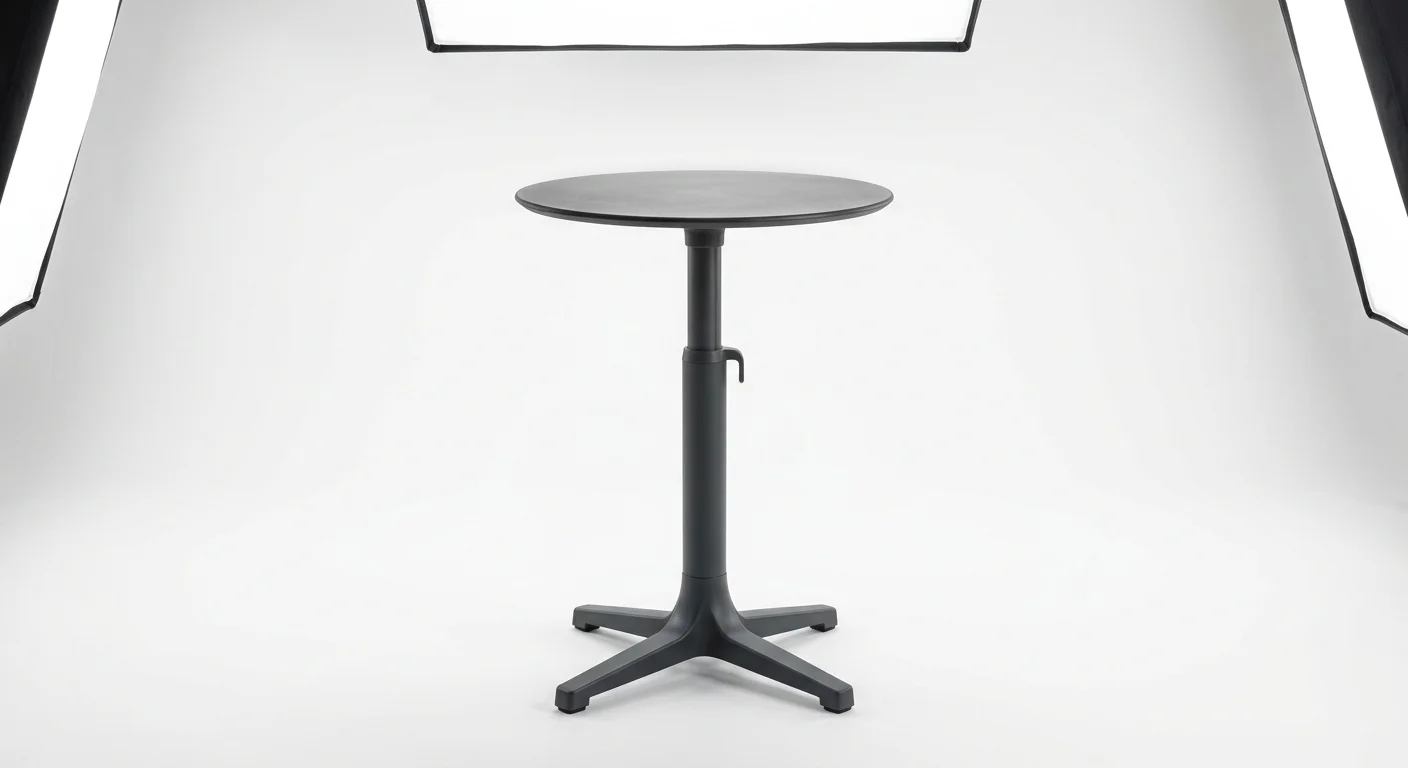
For residents in the golf resort apartments or smaller townhouses with limited terrace space, the approach must be more surgical. A "bistro" style bar set is often the most effective solution. This involves a square or round high-top table, usually sixty to seventy centimeters wide, with two stools. This configuration takes up less than two square meters of floor space but provides a much more elevated experience than a standard low coffee table. It allows for "perch" seating, which is perfect for a quick drink before heading out to one of the local restaurants. These smaller sets are also much easier to move if you need to clear the terrace for maintenance or to follow sun patterns. You can find high-quality versions of these compact sets starting from around four hundred and fifty euros.
If your outdoor space is particularly exposed to the wind, which is common on the higher ridges overlooking the Sierra Escalona, the weight and profile of the furniture become paramount. Avoid "slat-back" stools with large surface areas that can act as sails. Instead, look for stools with a lower back or a heavy-duty mesh seat. Adding outdoor cushions can also provide extra weight and comfort, but ensure they have secure tie-ons to prevent them from disappearing during a gusty afternoon. Integrating these pieces with existing dining sets can be done by using the bar table as a "buffet station" during larger family gatherings, providing a place for snacks and drinks while keeping the main dining table clear for the meal itself.
The integration of textiles is what truly finishes a bar area. In the heat of the southern Costa Blanca, metal or stone surfaces can become uncomfortably hot to the touch by mid-afternoon. Adding high-performance outdoor cushions not only increases the comfort of the bar stools but also introduces color and texture to the space. I recommend choosing neutral tones for the frames and being more adventurous with cushion colors—terracotta, olive green, or deep blues tend to hide the inevitable dust better than very light creams or stark whites. This layered approach ensures that the bar area feels like an intentional part of the home's design rather than an afterthought.
Delivery Logistics and Local Expertise in the Vega Baja
Delivering and installing furniture in this region requires a specific type of local knowledge that large national retailers simply do not possess. Having operated here for years, I am intimately familiar with the logistical challenges of both the traditional village center and the sprawling modern urbanisations. The older parts of the town feature narrow, one-way streets and tight corners that can be a nightmare for large delivery trucks. We utilize smaller, more maneuverable vehicles for these deliveries to ensure we can get as close to your front door as possible without blocking local traffic or risking damage to the furniture. We regularly serve the surrounding areas, including Orihuela Costa, Torrevieja, Algorfa, Los Montesinos, and Pilar de la Horadada, understanding the specific gate codes, security protocols, and delivery windows required by the various community administrations.
For those living in the golf resort communities, we are well-versed in the requirements of the Comunidades. We know which developments have lift access that can accommodate a two-meter bar top and which ones require a manual carry up several flights of stairs. This logistical foresight is built into our service. When we deliver a bar set, we don't just drop boxes at the curb. We handle the unboxing, assembly, and positioning of the furniture, ensuring that everything is level and secure. This is particularly important with bar furniture, as a high-top table must be perfectly stable to be safe. We also take away all the packaging materials, which can be a significant burden for residents to dispose of given the local recycling regulations and the limited capacity of community bins.
My goal is to ensure that your transition to outdoor living is as seamless as possible. Whether you are looking for a simple pair of stools for a balcony or a full-scale poolside bar for a villa, I apply the same level of scrutiny to the materials and the logistics. I invite you to reach out for a free consultation where we can discuss your specific terrace dimensions and the orientation of your property. We can look at how the sun moves across your space to determine the best placement for your new furniture, ensuring you get the most out of your investment. My team and I are frequently in the area, and we are always happy to share our expertise to help you create a space that truly reflects the lifestyle we all moved to the Costa Blanca to enjoy. Reach out today, and let's start planning a setup that works for your home and your budget.
 JW'"
/>
JW'"
/>