Outdoor Living in Algorfa
Algorfa is a quiet inland town of 3,500 residents where nearly 60% are expats — mainly British, Scandinavian, and German — drawn by La Finca Golf Resort and affordable villas with generous outdoor spaces.
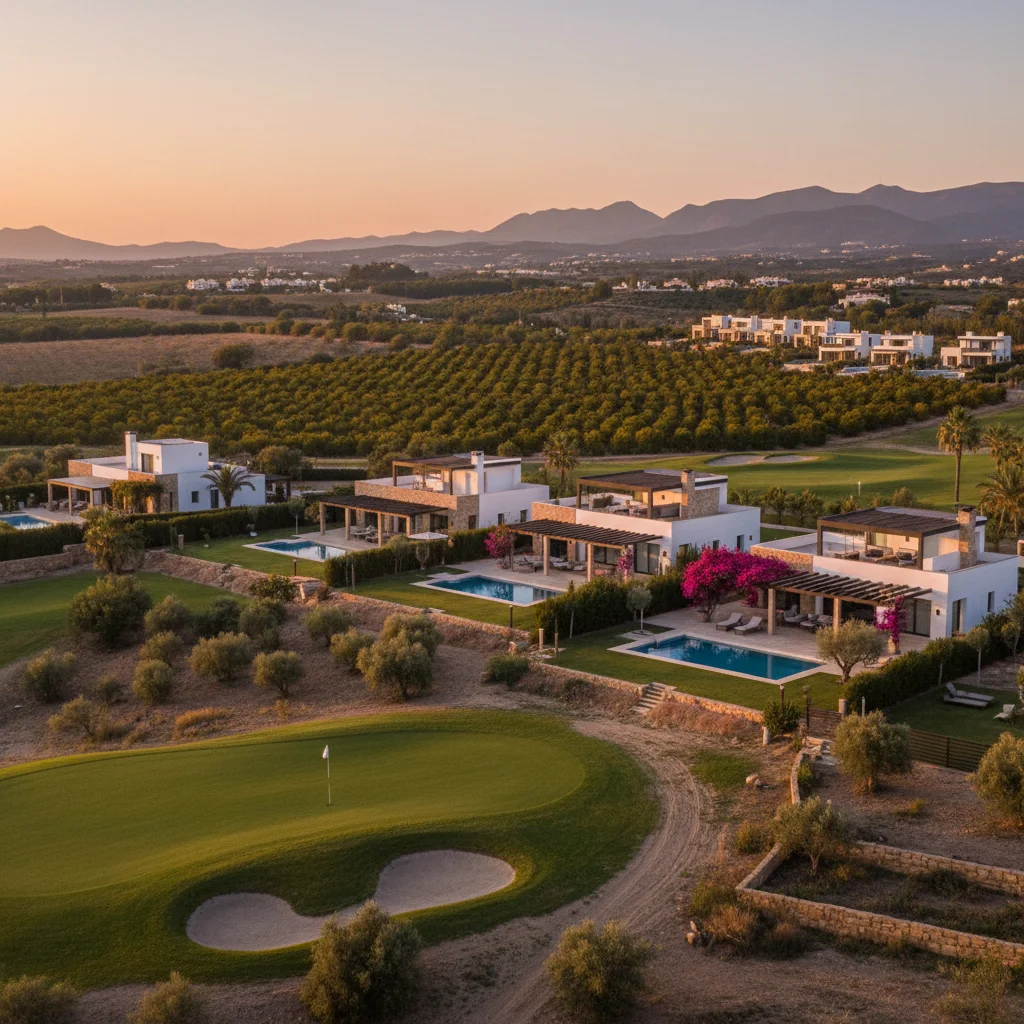
Algorfa flies under the radar compared to its coastal neighbours, and that is precisely its appeal. This small town between Rojales and San Miguel de Salinas offers a slower pace, lower prices, and properties with the kind of garden and terrace space that coastal towns simply cannot match at the same budget. The average property price sits around €170,000, and for that you typically get a detached villa with a private pool, a garden of 100 square metres or more, and uninterrupted views across the orchard-dotted countryside.
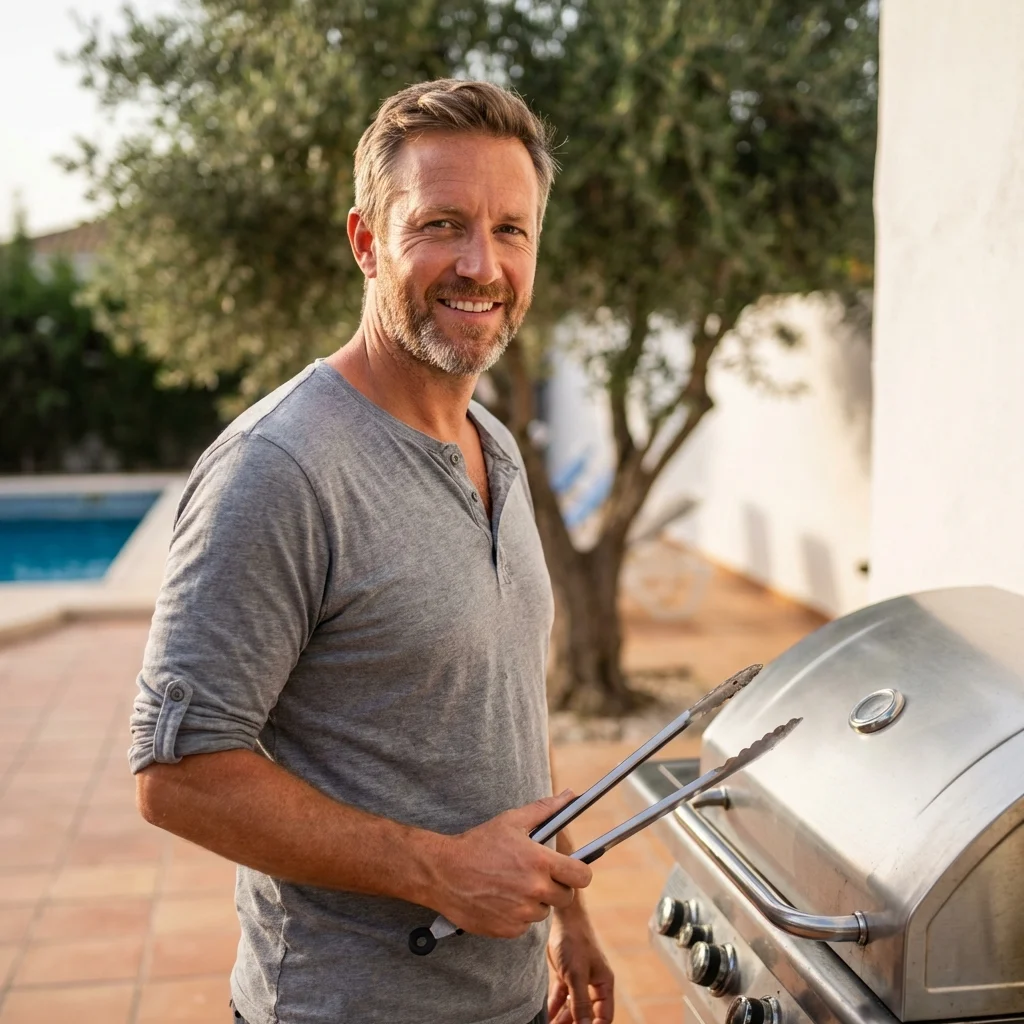
La Finca Golf Resort is the area’s centrepiece, a well-maintained development with its own clubhouse, restaurants, and a tight-knit community of golfers and retirees. The urbanisation of Lo Crispin, just outside the town centre, is another popular cluster where British and Scandinavian families have settled. Evening barbecues here are a ritual rather than an event — the warm inland air, the quiet surroundings, and the space to spread out make outdoor cooking a natural extension of daily life.
Algorfa’s inland location offers detached villas with large gardens averaging €170,000, giving expats significantly more outdoor cooking and entertaining space than equivalent coastal properties.
Choosing Your Setup in Algorfa
With generous gardens and few space constraints, Algorfa homeowners can build ambitious outdoor kitchen setups — from full island builds beside the pool to dedicated pizza oven stations.
Rather than choosing between a grill or an oven, most Algorfa homeowners can have both. A common setup we install across La Finca and Lo Crispin is a built-in gas BBQ island with integrated storage, a standalone kamado near the pool for weekend smoking sessions, and a wood-fired pizza oven on a dedicated stone plinth.
Costa Blanca Outdoors recommends creating distinct cooking zones across your garden. Position your gas BBQ near the house for everyday convenience, place the kamado closer to the pool for social cooking, and give the pizza oven its own corner. This zoned approach is a luxury that smaller coastal properties rarely allow.
Fuel sourcing is easy. Butane bombonas are available in the town centre, and the surrounding agricultural land means firewood — almond, olive, and vine cuttings — is abundant and inexpensive from local farmers.
Costa Blanca Outdoors recommends zoned cooking layouts for Algorfa’s large gardens — gas BBQ near the house, kamado by the pool, pizza oven in its own corner — a luxury that coastal properties rarely permit.
Delivery to Algorfa
We deliver to Algorfa, La Finca Golf Resort, and Lo Crispin on our regular southern inland route, with easy access across the area’s wide residential roads and open properties.
Algorfa’s inland position and flat residential streets make deliveries straightforward. There are no narrow hillside tracks or tight apartment stairwells to navigate — just open driveways and garden gates. This is one of the easiest towns we serve for heavy items like stone pizza ovens and large kamado grills.
Every delivery includes full white-glove service: unpacking, assembly, placement in your chosen garden location, and a complete equipment walkthrough. For built-in outdoor kitchen projects, we partner with local builders experienced in the construction styles common across La Finca and Lo Crispin.
Algorfa sits between Rojales and San Miguel de Salinas, and we cover all three on the same delivery runs. Torrevieja and the coast are just fifteen minutes east. Standard delivery is 5–10 working days for in-stock products, with custom kitchen builds taking 3–4 weeks including design and installation.
Designing the Perfect Outdoor Bar Space in Algorfa
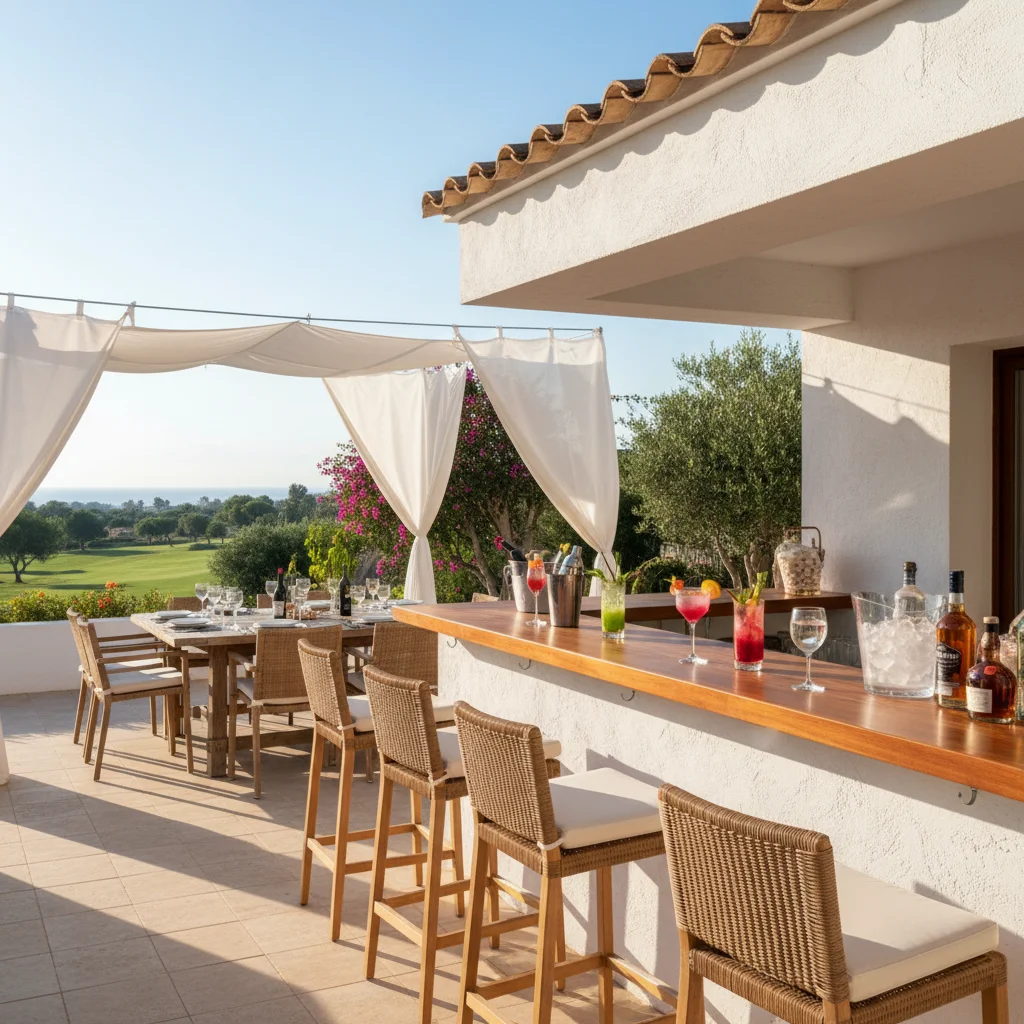
Establishing a functional and inviting outdoor bar area requires more than just picking out a few tall chairs and a table from a catalog. Since moving to this part of the Vega Baja in 2019, I have worked with over 200 families to transform their terraces, and I have learned that the specific geography of this region dictates exactly what will last and what will end up in a skip within two seasons. This inland pocket of the Costa Blanca sits in a unique microclimate. While the village itself maintains a traditional Spanish charm, the surrounding developments like La Finca Golf and the Country Club have created a diverse international community where nearly sixty percent of residents are expats. This demographic shift has fundamentally changed how we use our outdoor spaces. British, Scandinavian, and German residents tend to view the terrace as the primary social hub of the home rather than just a place to dry laundry. Whether you are living in a compact apartment near the town square or a detached villa overlooking the fairways, the goal is the same: creating a social anchor point that works as well for a morning coffee as it does for a late-night gin and tonic.
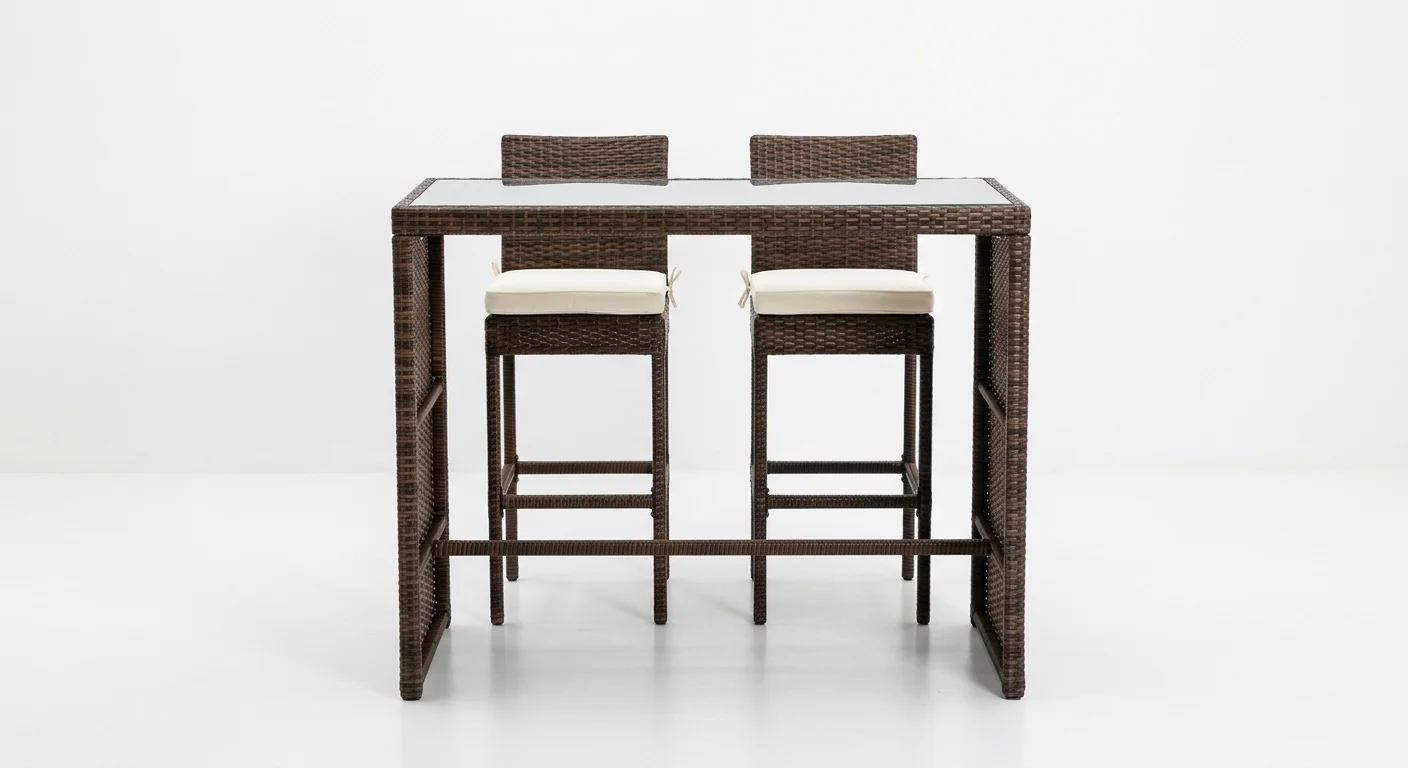
The property landscape here is distinct, with many homes falling into the very accessible price bracket of around €155,000. These are often well-constructed urbanisation villas or apartments that provide excellent foundations for outdoor living but frequently come with terraces that require smart spatial planning. In a community where shared gardens and golf course views are the norm, your private outdoor space becomes your sanctuary. Outdoor bar furniture is particularly effective in these settings because it utilizes vertical space. A standard dining set has a large footprint and can make a mid-sized terrace feel cramped. Conversely, a bar-height configuration keeps the sightlines open, allowing you to look over the top of balcony railings rather than through the bars. This is a game-changer for properties in the Country Club where the view of the surrounding citrus groves and mountains is the primary selling point. By raising the seating height to approximately 75 centimeters for stools and 105 centimeters for tables, you change the entire perspective of your property.
I have observed that the social culture here leans heavily toward informal entertaining. In the Vega Baja, we spend the vast majority of our time outdoors, but the heat between June and September can be oppressive. This is why bar furniture makes sense; it encourages a more fluid movement of guests. People can lean, stand, or sit, which is much more comfortable during a warm evening than being trapped in a deep, low-slung sofa that traps body heat. The international influence has brought a demand for high-quality serving stations and back-bar units that can house ice buckets, glassware, and mixers. This takes the pressure off the indoor kitchen and allows the host to remain part of the conversation. When we design these spaces, we aren't just selling furniture; we are configuring a lifestyle that fits the specific cadence of life in this part of Spain.
Successful outdoor living in this specific area requires a deep understanding of the local environment. We are further inland than the coastal stretches of Guardamar, which means we experience a drier, more intense heat. The sun here is relentless, particularly on south-facing terraces in developments like La Finca Golf. UV radiation will degrade cheap plastics and low-grade fabrics in a single summer. When selecting bar furniture, I always insist on powder-coated aluminum frames with a minimum wall thickness of 1.2 millimeters. This material does not rust, which is crucial because, despite being inland, we are still affected by the salt lake humidity from nearby Torrevieja and La Mata. This "humedad" carries a high salt content that can corrode steel bolts and frames within months. I recommend looking for furniture that uses 304-grade stainless steel hardware to ensure longevity. A quality aluminum bar set, typically priced between €800 and €1,200 for a four-seater configuration, is an investment that will comfortably outlast several cheaper steel alternatives.
One factor that many newcomers overlook is the Calima. These Saharan dust storms are frequent in our part of the Vega Baja and leave a fine, abrasive orange powder over everything. This is where the design of your bar furniture becomes a practical matter. Intricate wicker or mesh designs can trap this dust, making cleaning a nightmare. I advise my clients to choose sleek, slatted aluminum tops or HPL (High-Pressure Laminate) surfaces that can be easily hosed down. Never scrub the Calima dust with a dry cloth; it is essentially pulverized rock and will scratch your finishes. Always rinse first. Additionally, the wind can be a significant factor here. The "Levante" wind can pick up speed as it moves across the flat plains of the Vega Baja. Lightweight furniture will end up in your neighbor’s pool or, worse, against your glass sliding doors. Your bar stools should have enough heft or a wide enough base to remain stable during a sudden gust. If you are opting for bar stools with cushions, ensure they feature high-density foam (at least 30kg/m3) and are covered in solution-dyed acrylic fabrics like Sunbrella. These fabrics are treated to be UV resistant and won't fade to a dull grey after three months of exposure to the Spanish sun.
You must also be mindful of the rules set by your local Comunidad de Propietarios. In many of the golf resort communities and urbanisations around the village, there are strict guidelines regarding what can be permanently installed on terraces. Bar furniture is generally categorized as "movable," which bypasses many of the headaches associated with permanent outdoor kitchens. However, if you are planning to add a large serving station or a bar with an integrated sink, you should check your community statutes. For those looking for a specific recommendation, I often point people toward a powder-coated aluminum bar table with a sintered stone top. These tops are virtually indestructible—they are heat-proof, scratch-proof, and won't stain if you spill red wine or lemon juice, both of which are common occurrences during a local Sunday lunch. A high-quality set like this might sit at the €1,400 price point, but its ability to withstand the local elements makes it the most cost-effective choice in the long run.
For residents in the larger detached villas, perhaps in the more established parts of the Country Club, I recommend a comprehensive "L-shaped" bar configuration. This setup usually involves a primary bar table measuring around 180 centimeters in length, paired with a secondary serving station or a "back bar" unit. This creates a professional-grade entertaining zone. When you pair this with a rattan-lounge-set in a nearby corner, you create different zones for your guests: a high-energy bar area for drinks and a lower, more relaxed area for lounging. It is important to maintain a consistent color palette across these different furniture types to ensure the terrace feels like a cohesive room rather than a collection of mismatched pieces. Charcoal or anthracite frames are incredibly popular in this area because they hide the Calima dust better than white or light grey, and they provide a modern, sharp contrast against the traditional terracotta tiles found on many local properties.
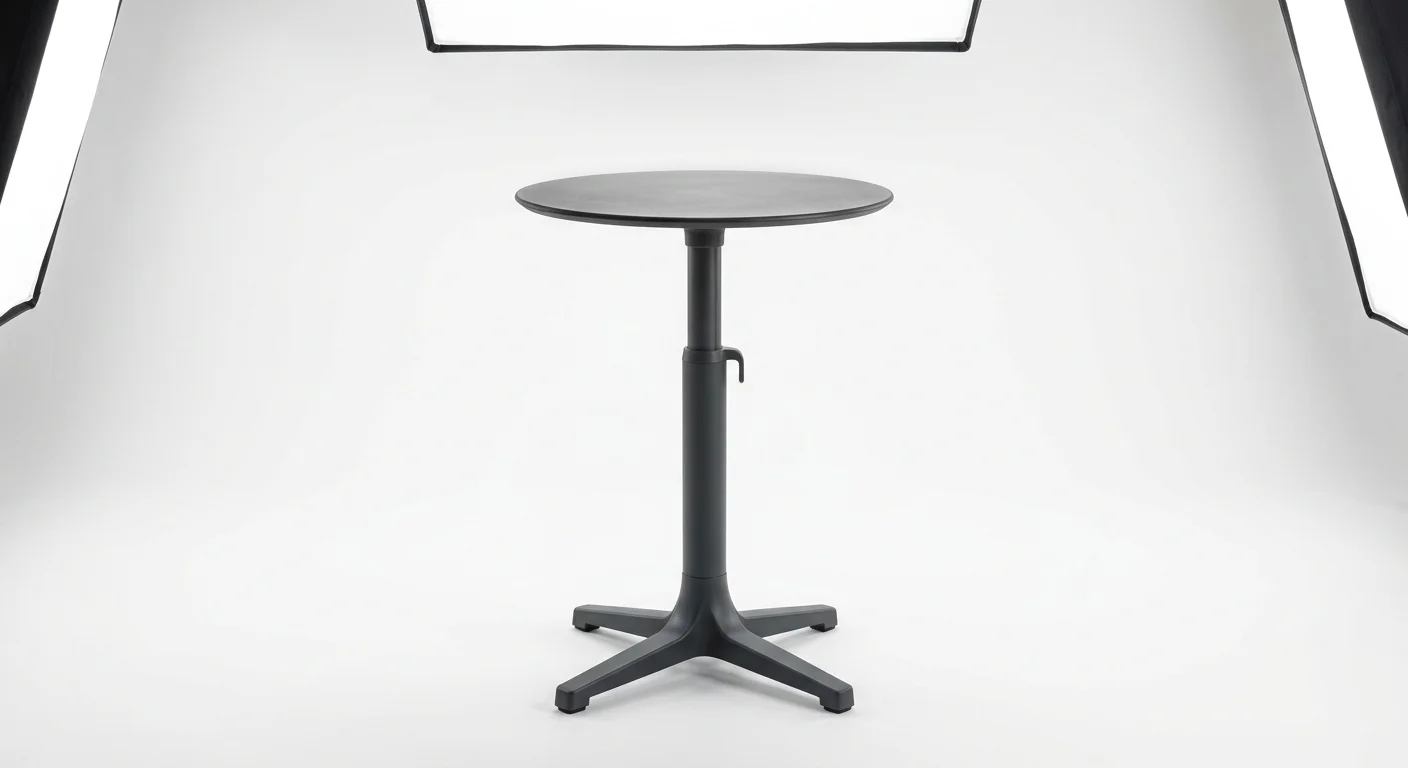
If you are living in one of the apartments or townhouses closer to the center of the village, space is your primary constraint. Here, a "bistro-style" bar set is the most effective solution. A slim bar table, perhaps only 60 centimeters deep and 120 centimeters wide, can be placed directly against a balcony railing. This allows two people to sit side-by-side facing the view without obstructing the walkway behind them. It is a much more efficient use of a 10 or 12 square meter terrace than a traditional round table. To add comfort, I suggest integrating bespoke outdoor-cushions. These should be stored inside or in a dedicated cushion box when not in use, not just to protect them from the rain, but to keep them free from the ever-present dust. By adding a few well-placed bar stools with backrests, you can turn a small, underutilized balcony into the most used "room" in your house. I have seen this simple change completely transform how people feel about their Spanish homes.
When it comes to the logistics of getting your furniture home, the local geography presents some unique challenges. The narrow streets in the heart of the village can be difficult for large delivery trucks to navigate, and many of the older apartment blocks lack elevators large enough for fully assembled furniture. This is why we handle all the logistics ourselves. We regularly deliver to the surrounding areas, including Rojales, San Fulgencio, San Miguel de Salinas, and Los Montesinos. We know the layout of these urbanisations intimately. We know which streets in San Fulgencio have restricted access and which blocks in Los Montesinos require a two-man lift up several flights of stairs. We don't just drop a box at your gate; we provide a full "white glove" service where we assemble the furniture, position it exactly where you want it on your terrace, and take away all the packaging materials. This is particularly important with bar furniture, as the stools often require precise assembly to ensure they are level and stable on the often-uneven Spanish tiling.
Beyond just the furniture, there is the matter of maintenance and long-term care that is specific to our climate. I always tell my clients that the sun is a bigger enemy than the rain. Even the highest quality materials benefit from a bit of care. For the aluminum frames, a simple wash with mild soapy water once a month is enough to remove the salt and dust buildup. If you have chosen bar stools with textilene or synthetic wicker, a soft brush can help get the dust out of the weave. For those in the more exposed parts of San Miguel de Salinas or the higher elevations of the local golf courses, I recommend using high-quality furniture covers during the months when you aren't here. However, ensure the covers are breathable; otherwise, the trapped heat and humidity can create a greenhouse effect that damages the finishes you are trying to protect.
Ultimately, choosing outdoor bar furniture is about understanding the relationship between your property and the environment. It is about knowing that a south-facing terrace in the Vega Baja needs different materials than a shaded courtyard in the north. It is about recognizing that your outdoor space is an extension of your home and deserves the same level of attention to detail as your interior. I have spent years refining our product range to ensure that everything we offer can stand up to the specific challenges of living here. If you are unsure about what will fit or what materials are best for your specific orientation, I am always happy to come out and take a look. We can discuss your requirements, measure your space, and find a configuration that fits your budget and your lifestyle. This personal approach is why we have been able to help so many families in the area, and it is why our furniture continues to look great year after year. Feel free to reach out for a consultation, and let’s make sure your terrace is ready for the next long, warm Spanish summer.
 JW'"
/>
JW'"
/>