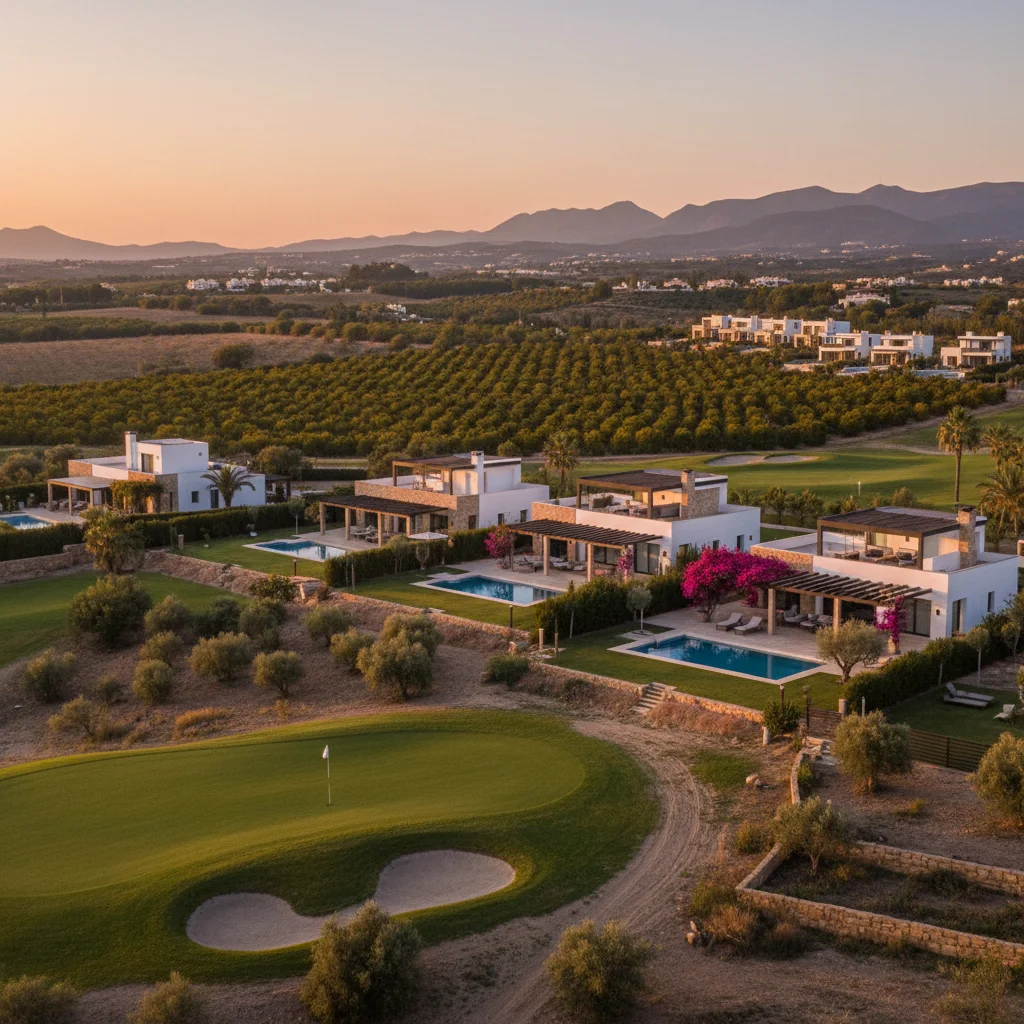
Algorfa flies under the radar compared to its coastal neighbours, and that is precisely its appeal. This small town between Rojales and San Miguel de Salinas offers a slower pace, lower prices, and properties with the kind of garden and terrace space that coastal towns simply cannot match at the same budget. The average property price sits around €170,000, and for that you typically get a detached villa with a private pool, a garden of 100 square metres or more, and uninterrupted views across the orchard-dotted countryside.
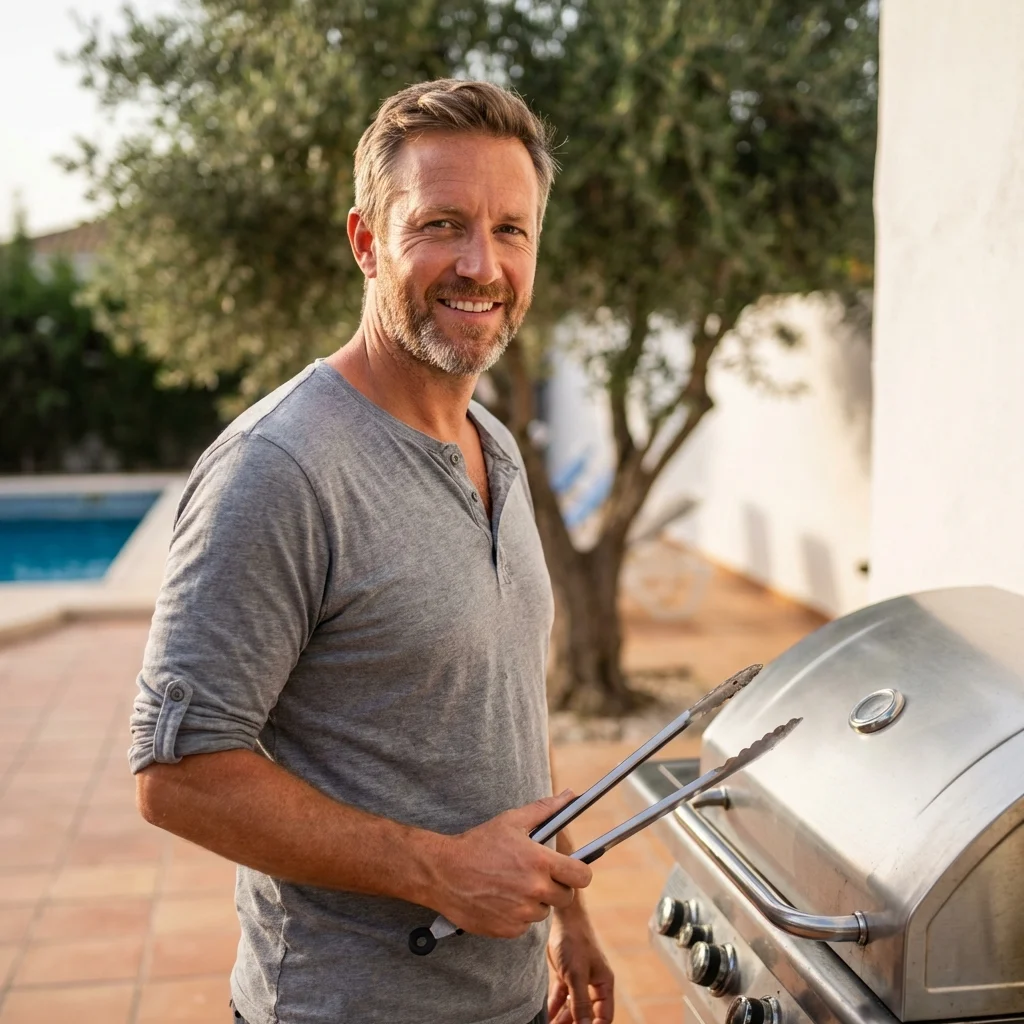
La Finca Golf Resort is the area’s centrepiece, a well-maintained development with its own clubhouse, restaurants, and a tight-knit community of golfers and retirees. The urbanisation of Lo Crispin, just outside the town centre, is another popular cluster where British and Scandinavian families have settled. Evening barbecues here are a ritual rather than an event — the warm inland air, the quiet surroundings, and the space to spread out make outdoor cooking a natural extension of daily life.
Rather than choosing between a grill or an oven, most Algorfa homeowners can have both. A common setup we install across La Finca and Lo Crispin is a built-in gas BBQ island with integrated storage, a standalone kamado near the pool for weekend smoking sessions, and a wood-fired pizza oven on a dedicated stone plinth.
Costa Blanca Outdoors recommends creating distinct cooking zones across your garden. Position your gas BBQ near the house for everyday convenience, place the kamado closer to the pool for social cooking, and give the pizza oven its own corner. This zoned approach is a luxury that smaller coastal properties rarely allow.
Fuel sourcing is easy. Butane bombonas are available in the town centre, and the surrounding agricultural land means firewood — almond, olive, and vine cuttings — is abundant and inexpensive from local farmers.
Algorfa’s inland position and flat residential streets make deliveries straightforward. There are no narrow hillside tracks or tight apartment stairwells to navigate — just open driveways and garden gates. This is one of the easiest towns we serve for heavy items like stone pizza ovens and large kamado grills.
Every delivery includes full white-glove service: unpacking, assembly, placement in your chosen garden location, and a complete equipment walkthrough. For built-in outdoor kitchen projects, we partner with local builders experienced in the construction styles common across La Finca and Lo Crispin.
Maximising Outdoor Living with Hot Tubs and Swim Spas in Algorfa
Since I moved to this part of the world in 2019, I have seen a significant shift in how we approach our outdoor spaces. This village has transformed from a quiet agricultural hub into a sophisticated destination, driven largely by the development of high-end golf resorts and urbanisations. With almost sixty percent of the residents being international—primarily British, Scandinavian, and German—the local culture has evolved into a unique blend of Spanish tradition and Northern European luxury. I have personally stood on dozens of terraces here, from the elevated plots overlooking the fairways at La Finca Golf to the more compact, sun-drenched balconies in the Country Club, and the common thread is always the same: how to make the most of a space that is usable for three hundred days of the year.
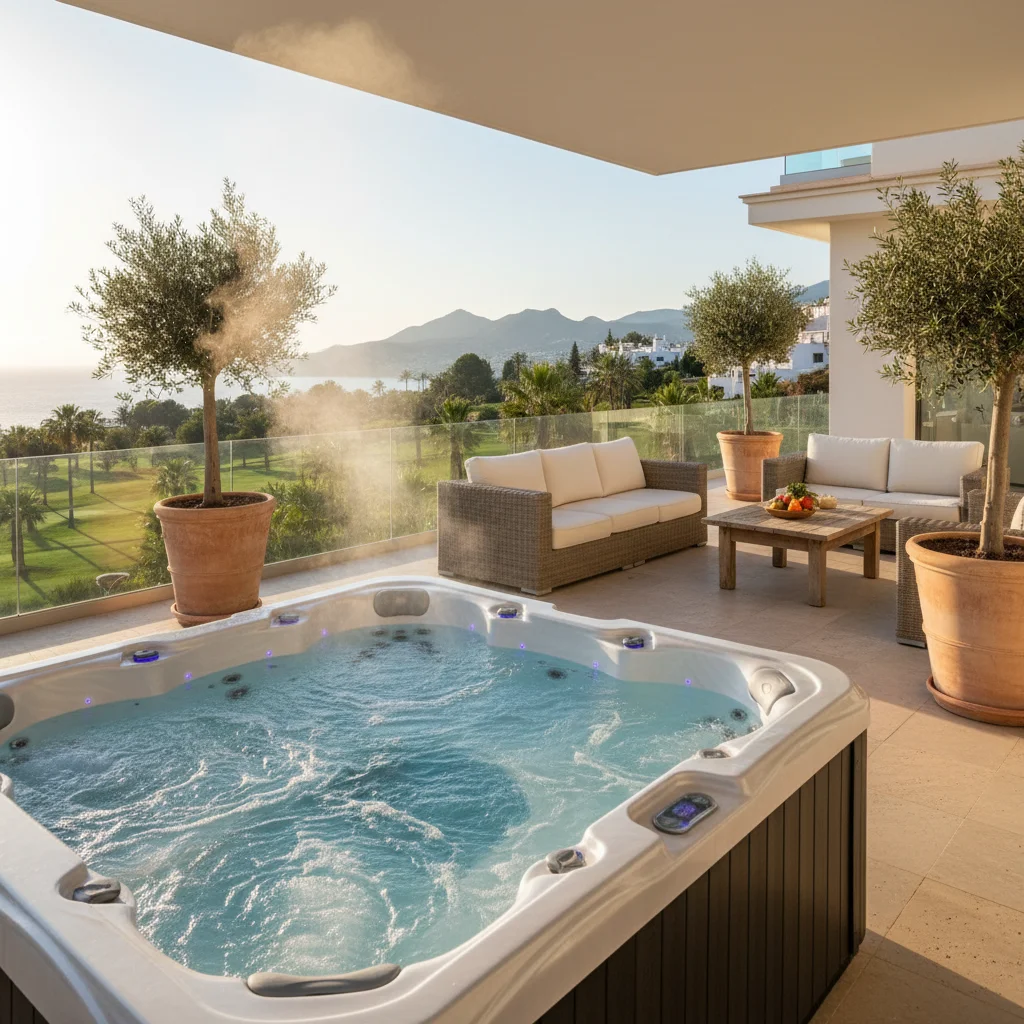
The property landscape here is distinct. While you can find expansive villas, many homes are affordable urbanisation properties or apartments within managed communities, often averaging around €155,000. These homes usually feature either a private garden that is slightly too small for a full-sized swimming pool or a large rooftop solarium that begs for a focal point. This is where a hot tub or a swim spa becomes the most logical investment. Unlike a traditional pool which requires significant excavation and a permanent loss of terrace real estate, a hot tub offers a year-round retreat. In the cooler months of January and February, when the evening temperature in the Vega Baja can drop to ten degrees, a heated spa at thirty-eight degrees is far more inviting than a cold pool.
The diverse mix of nationalities has also influenced the "outdoor room" concept. My British clients often focus on the social aspect, looking for six-seater tubs with integrated lighting and sound systems to entertain friends. My Scandinavian and German clients, however, tend to prioritise the hydrotherapy and wellness benefits, often opting for deeper tubs with sophisticated jet configurations to soothe muscles after a round at the local course. This international influence has raised the bar for what we expect from our gardens. We are no longer just looking for a place to sit; we are looking for a private spa experience that complements the high-standard lifestyle found in the surrounding golf communities.
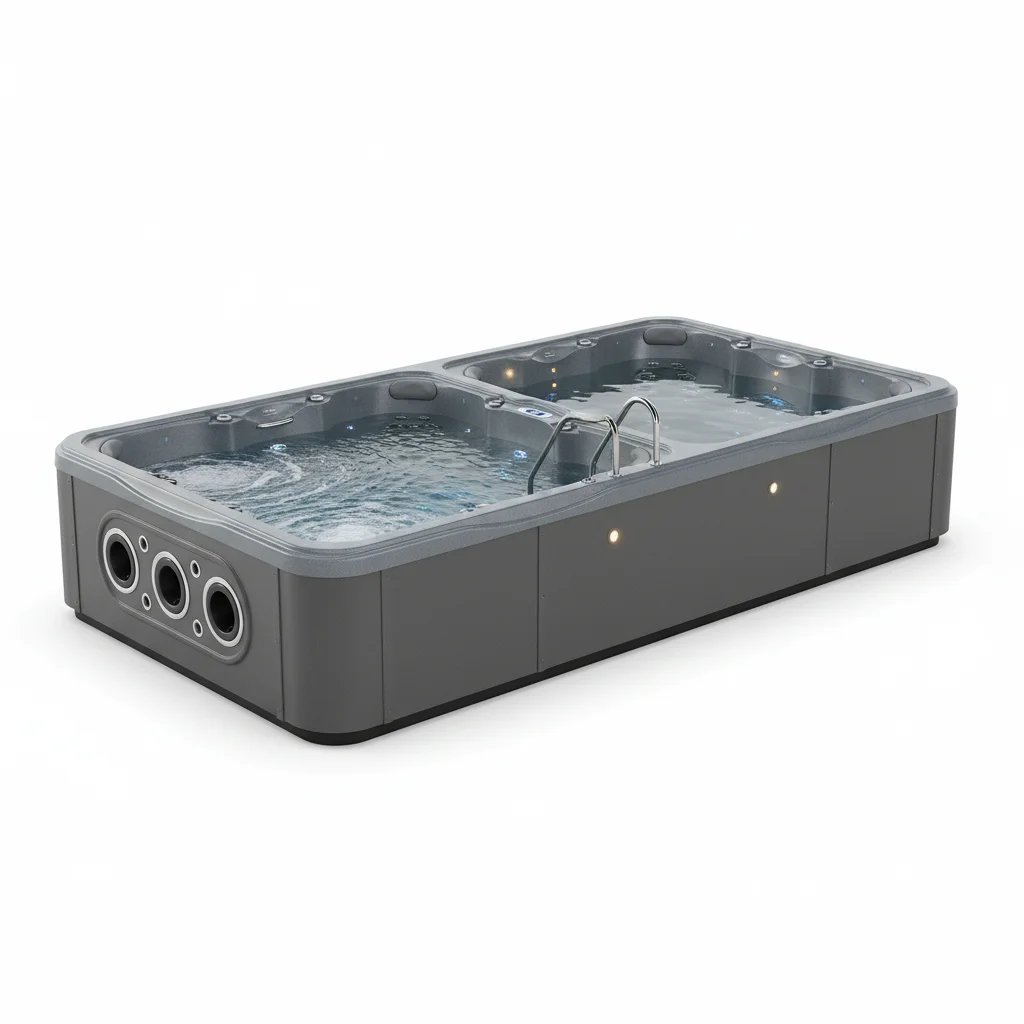
Integrating a swim spa into a local villa plot is particularly effective. Many gardens in the newer developments are designed with a premium on terrace space. A swim spa, typically measuring between four and six metres in length, provides the functionality of a lap pool for exercise but takes up less than half the space. This leaves plenty of room for an outdoor kitchen or a dedicated dining area. I have found that for residents in this area, the goal is often to create a multi-functional environment where you can swim, relax, and cook without the garden feeling cramped or cluttered.
When you are planning an installation in this specific part of the Vega Baja, you have to account for a climate that is notably harsher than the northern Costa Blanca. We are further south, closer to the salt lakes of Torrevieja and San Miguel de Salinas, which means our air carries a specific type of humidity and salinity. The sun here is relentless, especially during the "poniente" winds that blow from the west in the late afternoon. This intense UV exposure will punish cheap plastics and low-quality covers. I always advise my clients to look for spas with high-density, UV-resistant cabinetry and thermal covers that are at least ten to twelve centimetres thick at the centre to prevent sagging and heat loss.
A factor that catches many new residents off guard is the "calima." This Saharan dust descends several times a year, coating everything in a fine, abrasive orange grit. For a hot tub owner, this isn't just a cleaning nuisance; it is a mechanical challenge. The dust can quickly clog standard paper filters. I recommend upgrading to a pressurized filtration system or using high-quality antimicrobial filters that can be easily hosed down. If you leave your spa uncovered during a calima event, you risk the dust settling into the jet internals, which can lead to premature wear of the pump seals. It is a local reality that requires a proactive maintenance habit.
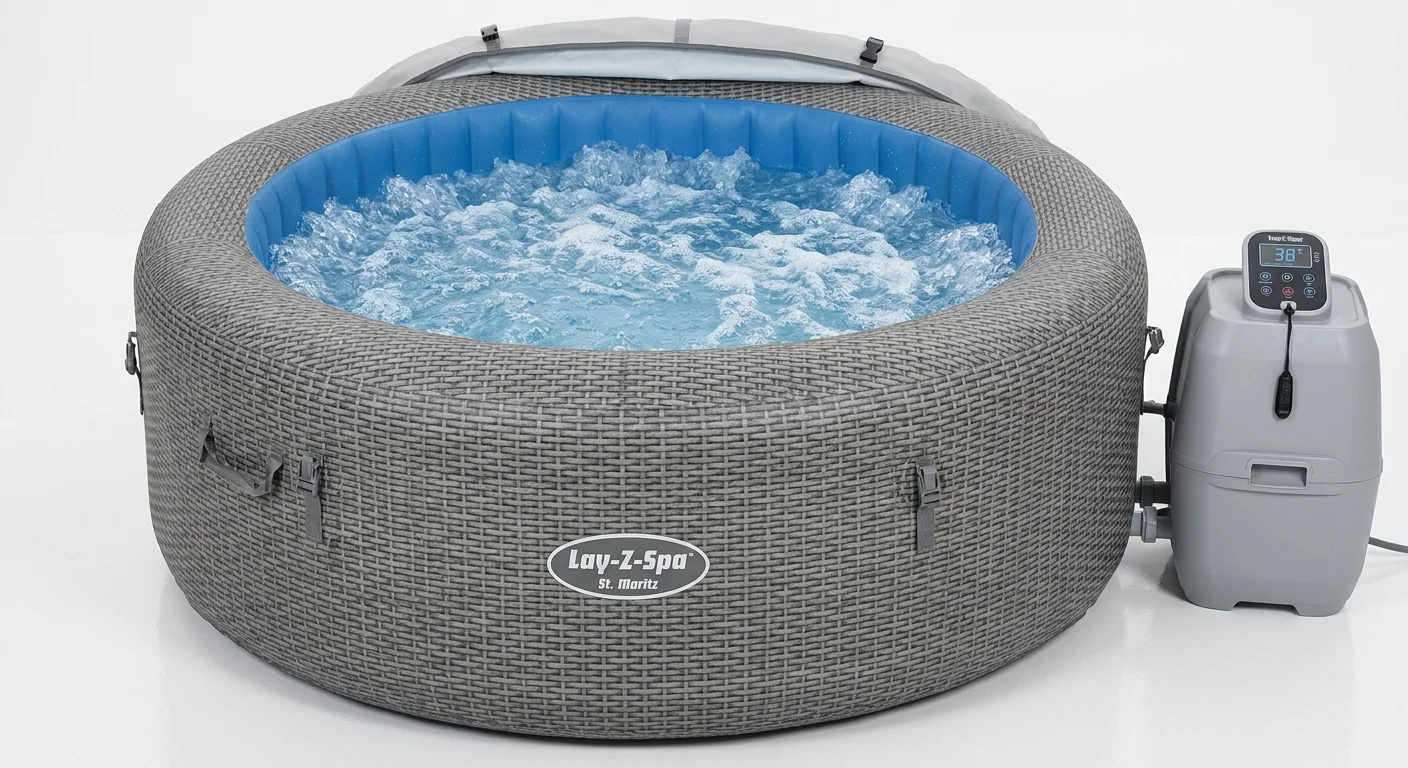
If you live in a community like the Country Club or any of the apartment blocks within the golf resort, the "Comunidad de Propietarios" is your first port of call. Spanish community rules are strict regarding the weight load on terraces and the aesthetic uniformity of the building. A standard four-person hot tub, when filled with water and occupants, can weigh upwards of 1,500 kilograms. This equates to a load that many apartment balconies were not originally engineered to support. I have seen many people rush into a purchase only to be told by their community administrator that they cannot install it without a structural engineer's report. For these upper-floor installations, I often recommend high-end inflatable or portable spas as a starting point, or specifically engineered lightweight acrylic models that distribute weight over a larger surface area using a custom-built sub-frame.
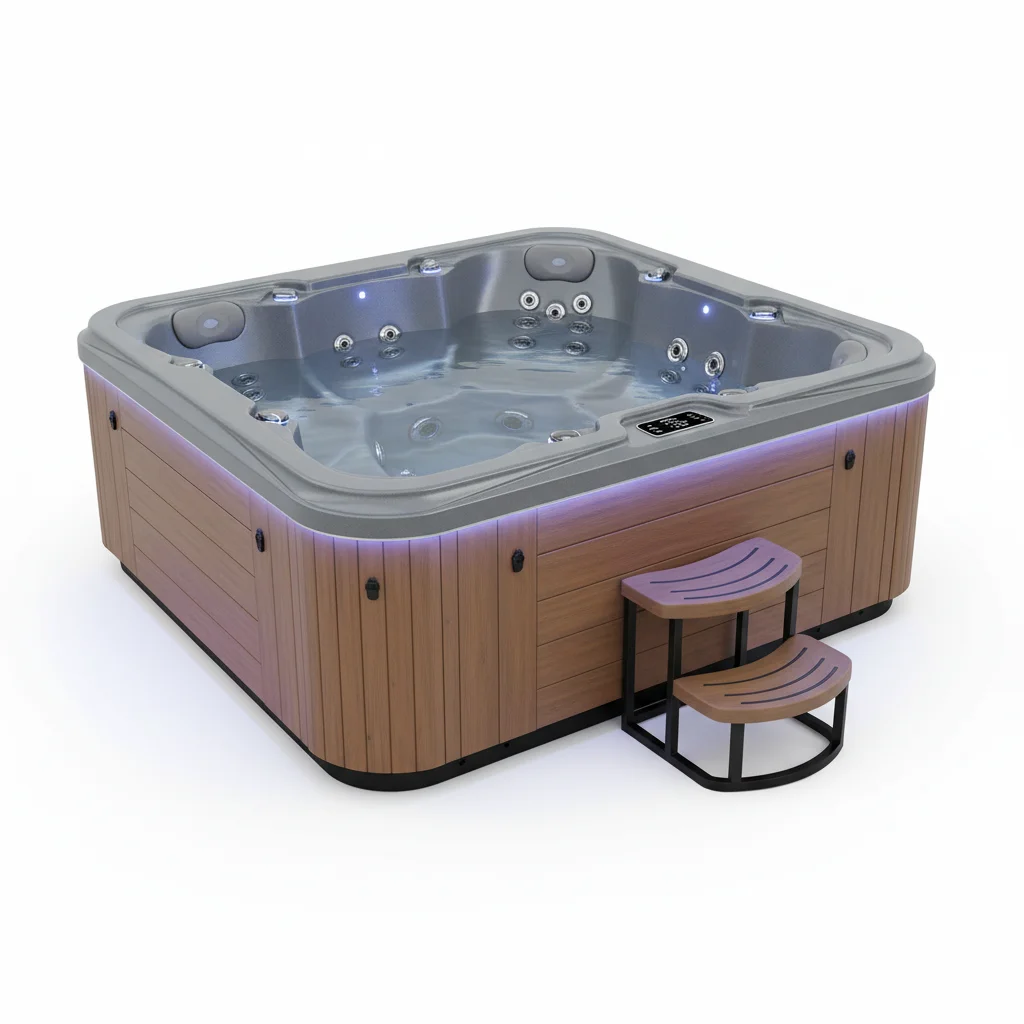
For a standalone villa, I frequently suggest a mid-range hydrotherapy tub such as a five-seater model with a dedicated lounge seat. You can expect to pay around €6,500 for a well-insulated, European-made model that includes a multi-stage filtration system and LED lighting. At this price point, you are getting a shell made of Lucite acrylic, which is essential for resisting the blistering summer heat we experience here. Cheaper imports often use thin ABS plastics that can delaminate or fade within two seasons under the Spanish sun.
Maintenance in this region also requires a different approach to chemicals. The water in the Vega Baja is notoriously hard, meaning it has a high calcium content. Without the correct scale inhibitor, you will find white deposits forming around your water line and inside your heater element within months. I suggest using a salt-water bromine generator if your budget allows—typically an add-on of about €500—as it is gentler on the skin and more stable in the high temperatures we face during July and August. Chlorine tends to dissipate very quickly when the water temperature and ambient air temperature both hover around thirty-five degrees.
For those living in the larger villas at La Finca Golf, I almost always recommend a dual-zone swim spa. These units allow you to keep the swimming end at a cooler twenty-eight degrees for exercise, while the hot tub end remains at a therapeutic thirty-eight degrees. This configuration is the ultimate outdoor luxury for our climate. Because these units are self-contained, they do not require the extensive plumbing and machine rooms that a traditional pool needs. You simply need a reinforced concrete pad of at least fifteen centimetres thickness and a dedicated thirty-two-amp power supply. In my experience, combining a swim spa with a bespoke outdoor kitchen—perhaps one with a built-in Argentinian grill or a pizza oven ranging from €4,000 to €7,000—creates a backyard that rivals any five-star hotel in the region.
If you are in an apartment or a smaller townhouse, space is your primary constraint. However, a "compact" tub, measuring roughly 1.6m x 2.1m, can fit into most terrace corners while still providing a deep-soak experience for two or three people. These smaller units are excellent for those who want the benefits of hydrotherapy without sacrificing their entire outdoor living area. I often suggest pairing these with a simple pergola or a high-quality cantilever umbrella. You need that shade during the afternoon, not just for your comfort, but to protect the spa's cover from direct UV degradation.
Another consideration for apartment dwellers is the noise. The acoustic vibration of a spa pump can travel through concrete floors, which might irritate neighbors below. I solve this by using high-density rubber anti-vibration pads under the spa base. It is a small detail, but one that only someone who has dealt with local community disputes would think to mention. These pads cost less than €100 but can save you a world of trouble with your building's president.
The synergy between different outdoor products is something I focus on during every consultation. A hot tub should not be an afterthought tucked into a dark corner. It should be the heart of your terrace. I often design layouts where the spa is adjacent to a swimming pool or an outdoor shower. If you have a pool already, a hot tub becomes your "winter pool," extending your swim season to twelve months. If you are starting with a blank canvas, placing your spa near your outdoor kitchen means the chef can stay part of the conversation while others soak. It’s about creating a flow that works for the way we actually live here—which is mostly outside, glass of local Monastrell wine in hand.
Moving equipment into the urbanisations around this area presents its own set of logistical hurdles. I have spent many mornings navigating the narrow, winding roads of Rojales and San Fulgencio, or the tight corners of San Miguel de Salinas. Many of the newer properties have restricted access, meaning we often have to employ a crane to lift the spa over the roof or over a perimeter wall. This is a standard procedure for us, but it requires precise measurement. I’ve seen DIY installations go wrong because the owner didn't account for the "swing" of the crane or the presence of overhead power lines which are common in the older parts of Los Montesinos.
We serve the entire local radius, including San Fulgencio and San Miguel de Salinas, and we understand the specific building styles of each area. Whether it’s a modern new-build with glass balustrades that need protecting during a lift, or an older finca with uneven stone terracing that requires a bespoke leveling frame, we’ve handled it. My team knows the local access roads and the logistical quirks of the gated communities better than any national delivery service. We don't just drop a crate at your gate; we manage the entire process from the initial structural check to the final water balancing.
When we talk about "delivery," we mean a full commissioning service. This includes showing you how to manage your water chemistry in the face of the local heat and how to program your heater to take advantage of the cheaper "valle" electricity rates at night. Electricity costs are a valid concern in Spain, but a well-insulated spa running on a modern heat pump system can cost as little as €1 per day to maintain. I always ensure my clients understand how to use their "eco" modes effectively, especially during the peak summer months when you might actually want to turn the heater off and use the tub as a "cool tub" to escape the midday heat.
If you are considering adding a hot tub or a swim spa to your home, I invite you to reach out for a conversation. I don’t believe in high-pressure sales; I believe in sharing the knowledge I’ve gained from helping over two hundred families settle into their Costa Blanca lives. We can walk through your terrace together, look at the sun orientation, check your power supply, and figure out exactly which model fits your lifestyle and your budget. My goal is to ensure that your investment becomes the most used part of your home, not a forgotten corner of the garden. Whether you are in the heart of the village or on the outskirts near the salt lakes, we can help you create the perfect outdoor retreat.
 JW'"
/>
JW'"
/>