Outdoor Living in Gran Alacant
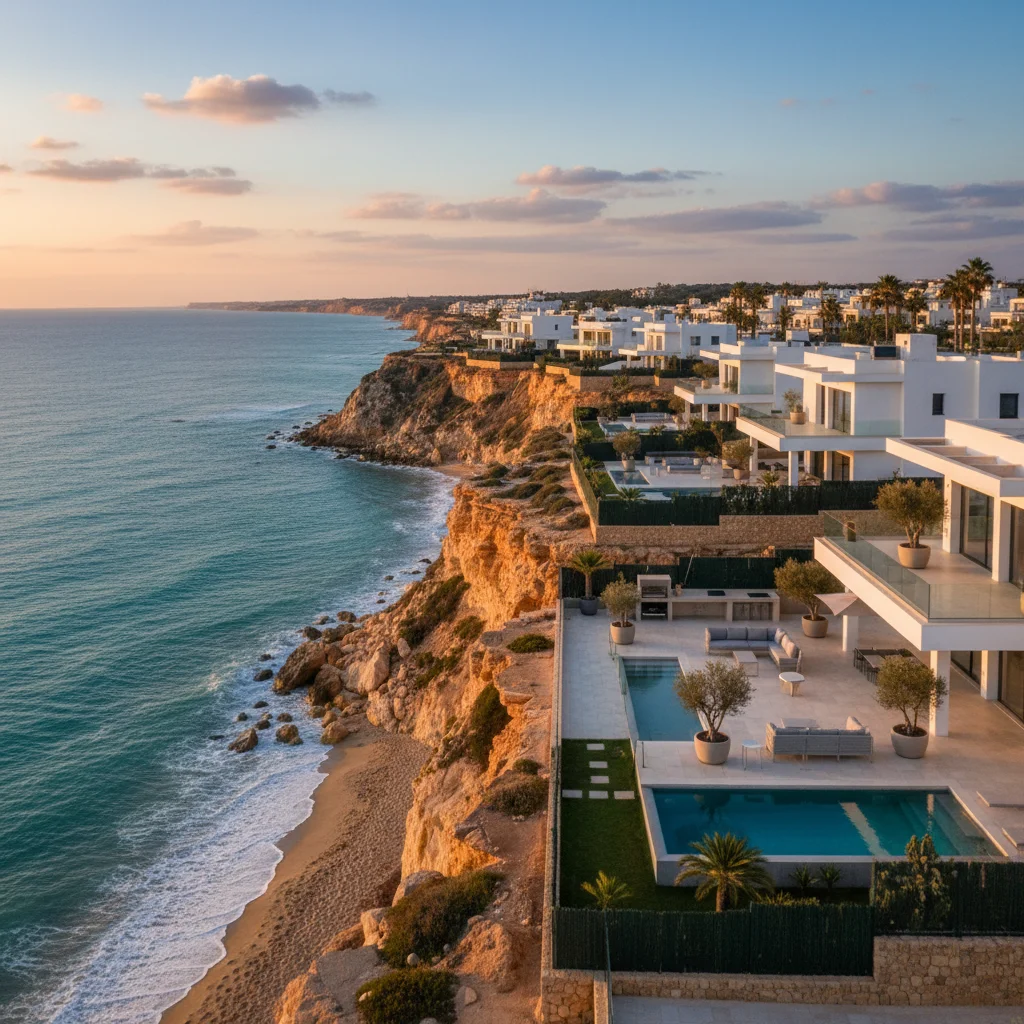
Gran Alacant is a modern residential development of 10,000 residents with around 18% expats — British, Scandinavian, and German — perched above the dramatic Carabassí Beach cliffs, just five minutes from Alicante-Elche airport and popular with families and professionals who want coast, convenience, and community.
Gran Alacant was purpose-built from the 1980s onwards on the elevated ground between Santa Pola and Alicante, and it shows in the layout: wide streets, modern infrastructure, communal pools, and a commercial centre with supermarkets, restaurants, and services that mean residents rarely need to leave. El Faro, the central commercial and social hub, gives the development a focal point that many sprawling urbanisations lack.
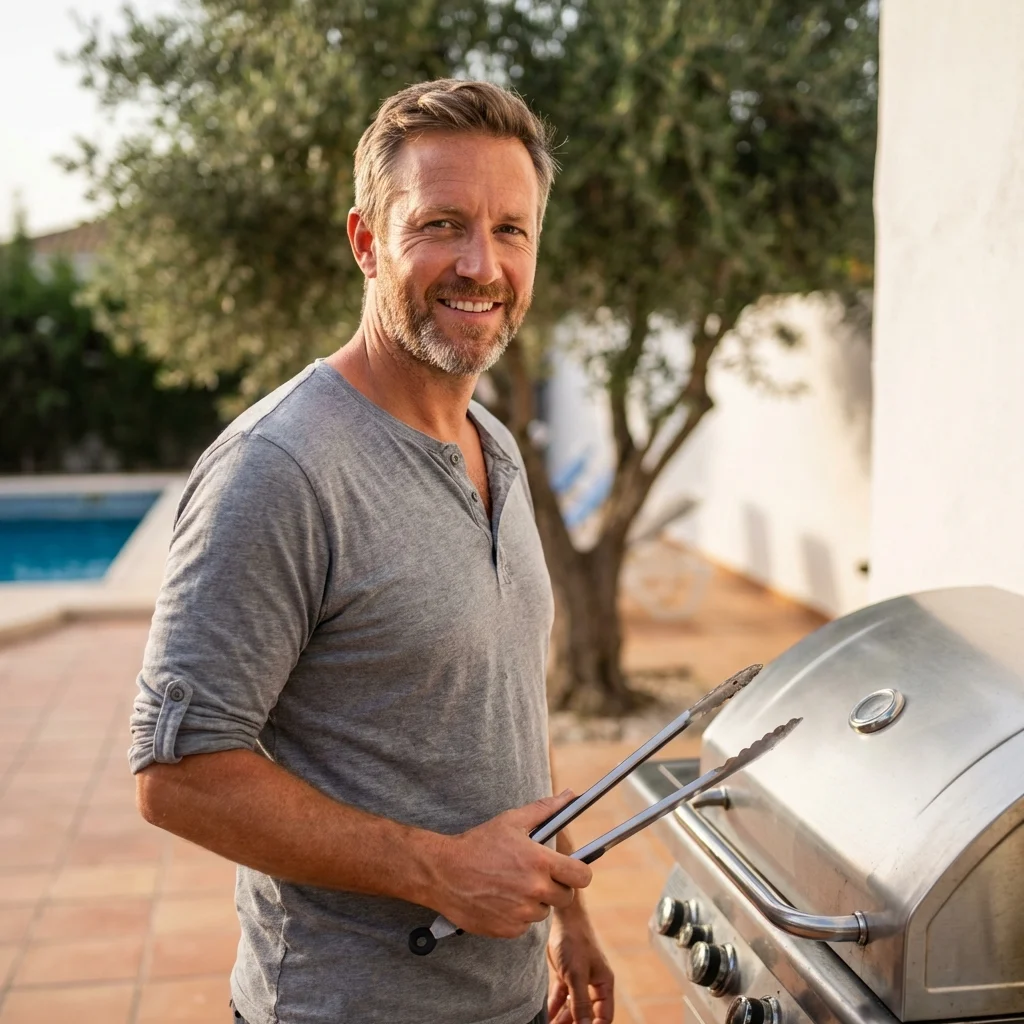
The star attraction is Carabassí Beach, a long stretch of golden sand backed by low sandstone cliffs that glow orange at sunset. The beach is accessed by wooden walkways down the cliff face, and the relatively undeveloped coastline — no beachfront towers here — gives Gran Alacant a more natural feel than you might expect from a planned development. The cliffs themselves create a spectacular backdrop for evening barbecues on the terraces above.
Property prices average around €190,000, with modern two-bedroom apartments from €130,000 and three-bedroom townhouses with private gardens from €200,000. Detached villas are less common but available from €280,000 upwards. The modern construction throughout means terraces are generous, gardens are flat and well-drained, and utility connections are straightforward — all factors that simplify outdoor kitchen installations.
Gran Alacant combines modern infrastructure, proximity to Alicante airport, and the dramatic Carabassí Beach cliffs to create a practical yet scenic setting for outdoor cooking — with property designs that make equipment installation straightforward.
Choosing Your Setup in Gran Alacant
Gran Alacant’s modern apartments and townhouses are designed with outdoor living in mind — generous terraces, flat gardens, and good utility access make equipment choice the enjoyable part rather than the logistical challenge.
The majority of Gran Alacant properties are apartments or townhouses, and most come with terraces of 15 to 30 square metres — significantly larger than typical Spanish apartment balconies. For these spaces, Costa Blanca Outdoors recommends a mid-size gas BBQ with three burners, which fits comfortably against a terrace wall while providing enough cooking surface for a family dinner or a gathering of six to eight. The modern tile and stone terrace surfaces common here are heat-resistant and easy to clean, which simplifies placement.
A kamado grill is an increasingly popular choice in Gran Alacant, particularly among the international community. A 21-inch model sits well on a townhouse patio or a larger apartment terrace, and its versatility — grilling, smoking, roasting, baking — appeals to residents who want one piece of equipment that does everything. The sheltered position of most Gran Alacant terraces, tucked behind walls and windbreaks, means kamado temperature control is easier here than on exposed coastal properties.
Townhouse owners with private gardens have the option of a more ambitious setup. A built-in BBQ counter with storage, a pizza oven on a stone base, and space for a dining table creates an outdoor room that extends the living space of the property substantially — particularly valuable given that Gran Alacant’s elevation catches cooling sea breezes that make outdoor dining comfortable even in August.
Costa Blanca Outdoors recommends 3-burner gas BBQs or 21-inch kamados for Gran Alacant’s generous terraces, with built-in outdoor kitchen options available for townhouse owners with private gardens.
Delivery to Gran Alacant
We deliver throughout Gran Alacant, covering all residential phases from the El Faro commercial centre to the cliff-edge properties overlooking Carabassí Beach, on our central coastal route.
Gran Alacant is one of the most delivery-friendly developments we serve. The wide, well-maintained roads were designed for modern vehicle access, and most apartment blocks have goods lifts and ground-floor loading areas. Townhouse streets have ample parking and direct access to front gardens, making heavy item placement straightforward.
The development is organised in numbered phases, and our delivery team knows the layout well — including the one-way systems and speed bumps that can catch first-time visitors off guard. We confirm your exact phase and street number when scheduling to ensure the driver arrives without delays.
Gran Alacant sits between Santa Pola to the south and Alicante to the north, and we combine deliveries across all three areas regularly. Elche is also on the same route, just fifteen minutes inland via the motorway. Standard delivery takes 5–10 working days for in-stock products, with custom outdoor kitchen builds requiring 3–4 weeks from design to installation.
Maximising Outdoor Living with Glass Curtains and Glass Rooms in Gran Alacant
Living on this stretch of the coast since 2019 has taught me that the environment here is as demanding as it is beautiful. This unique residential hub, perched on the headland with its ten thousand residents, faces environmental challenges that many property owners overlook until their first winter or a particularly brutal summer heatwave. The town is home to a diverse international population, where roughly eighteen percent of residents come from abroad, primarily the UK, Scandinavia, and Germany. This mix of cultures has created a specific outdoor living requirement. Our Scandinavian neighbors often seek to capture every possible ray of winter sun to create a thermal buffer, while British residents tend to focus on creating a wind-sheltered spot for evening socializing without losing that connection to the landscape. Whether you own a compact apartment near the sands of Carabassí Beach or a detached villa closer to the lighthouse at El Faro, the way you use your terrace defines your experience of living in Spain. The local property stock varies wildly, with an average price point around one hundred and ninety thousand euros, meaning that for many, a glass enclosure is a strategic investment to increase usable square footage without the bureaucratic headache of traditional construction.
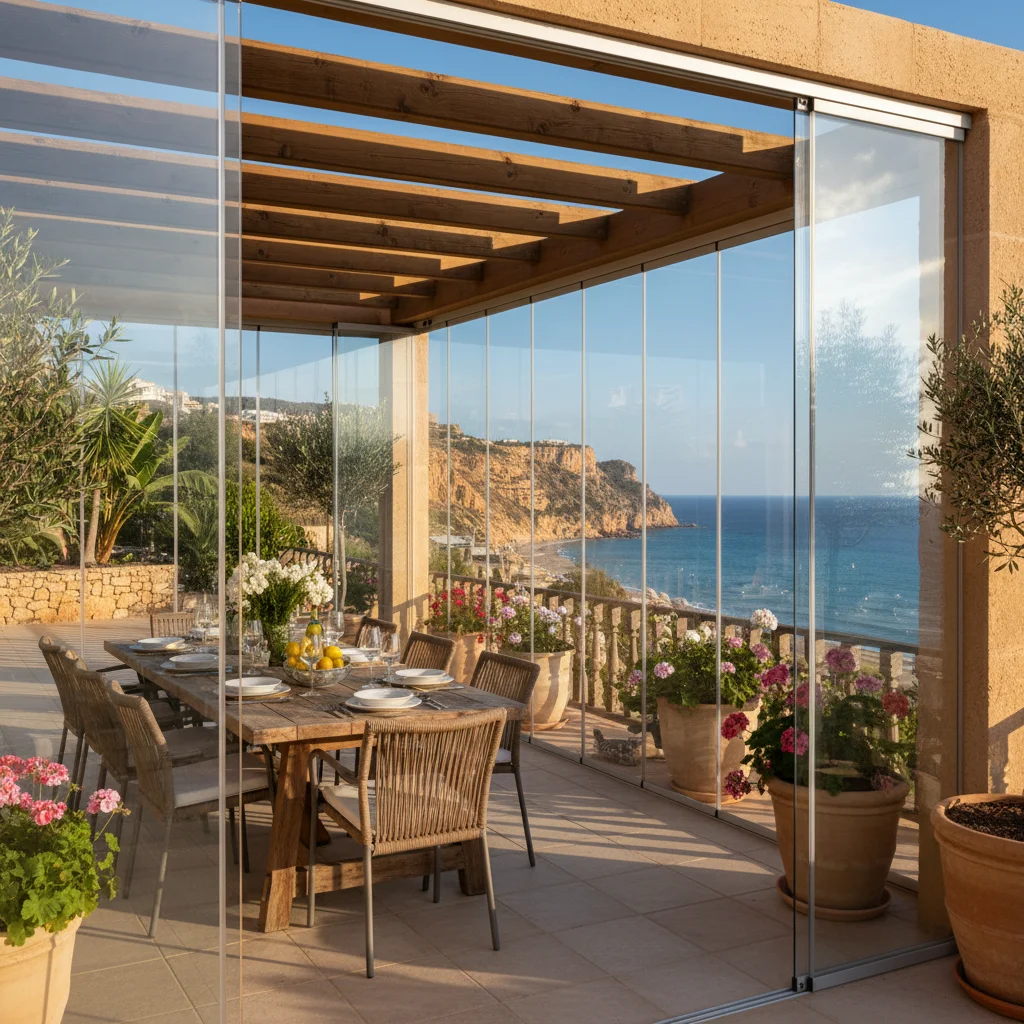
The geography of this area is defined by its elevation and its proximity to the Mediterranean. If you are situated on the higher slopes or near the cliffs, you are intimately familiar with the exposed nature of your terrace. Unlike the sheltered valleys further inland near Elche or the more built-up urban centers of Alicante, this town sits on a cape that bears the brunt of the maritime weather. The outdoor culture here revolves around the view, but the reality of that view is often a relentless wind that makes sitting outside uncomfortable for four or five months of the year. By installing a frameless system, you essentially create a transparent skin for your home. It allows the winter sun to heat the floor tiles of your terrace, which then radiate heat back into the house, significantly lowering your heating bills during those crisp January nights. In the height of summer, these systems slide away completely, stacked neatly to the side, allowing the cross-breezes to move through your home as intended. It is about adaptability; it is about making sure that the space you paid for is not off-limits just because the Levante wind decided to pick up.
Technical Considerations for the Cape Microclimate
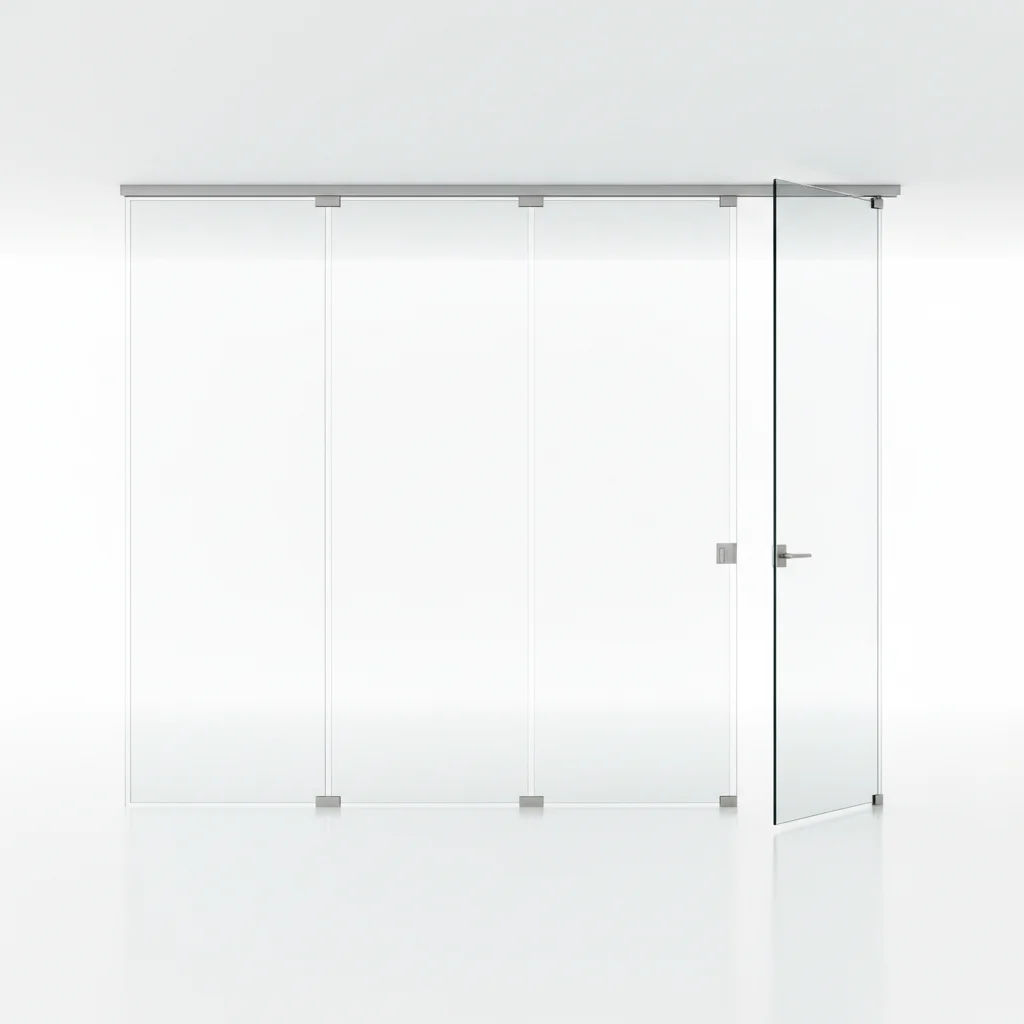
When we talk about installing glass curtains or full glass rooms in this specific part of the Costa Blanca, we have to talk about the salt and the wind. Being within two kilometers of the shore means your property is constantly subjected to salt spray. This is not just a cleaning nuisance; it is a corrosive force. For any installation here, I never recommend using standard hardware. You need marine-grade stainless steel bearings and high-quality aluminum tracks that have undergone a specific powder-coating process. Standard tracks will pit and corrode within three seasons, leading to "stuck" panels that are a nightmare to slide. Because of the intense UV levels we experience year-round, the seals between the glass panes must be made of high-grade translucent polymers that do not yellow or crack under the Spanish sun. I typically suggest a ten-millimeter toughened glass for properties on the front line or near the cliffs, as the wind loads can be surprisingly high during a Gota Fría or a strong Poniente. A standard eight-millimeter pane might vibrate or "whistle" in high winds, whereas the ten-millimeter glass provides a much more solid, quiet environment.
The cost for these systems generally falls between three thousand euros for a standard apartment balcony and can reach up to fifteen thousand euros for a complex, free-standing glass room with a reinforced roof. A typical three-meter wide terrace enclosure using premium glass curtains will usually set you back approximately four thousand five hundred euros, including professional installation and the necessary drainage profiles. This is a critical point: drainage. Many installers skip the internal drainage channel, but in our area, when the rain comes, it comes horizontally. Without a dedicated channel in the bottom track to lead water back outside, you will find your terrace flooded during an autumn storm. Furthermore, we must navigate the rules of the local Comunidad de Propietarios. In many urbanisations across the cape, there are strict rules about altering the facade. The beauty of frameless glass curtains is that they are technically considered a "temporary" or "removable" installation because they lack a fixed vertical frame. This often bypasses the need for the heavy planning permission required for PVC or aluminum windows, though I always advise a quick check with your community president to ensure your chosen profile color—usually white or anthracite—matches the building's aesthetic.
Tailored Recommendations for Local Property Types
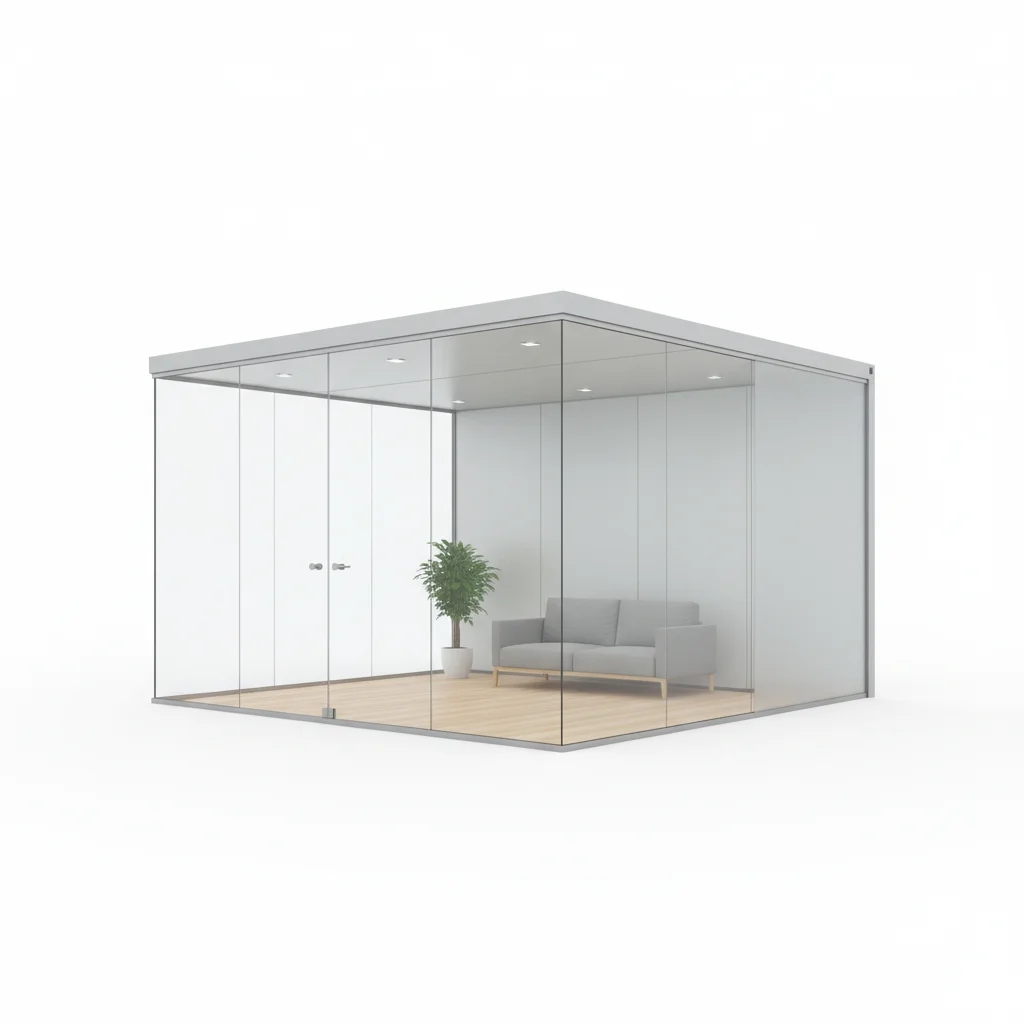
If you are living in one of the villas located on the flatter plots or near the southern end towards Guardamar, you likely have more space but less overhead protection. For these properties, I frequently recommend a full Glass Room. This involves installing a fixed glass or high-insulation sandwich panel roof supported by a structural aluminum frame, then enclosing the sides with glass curtains. This configuration effectively creates a new room in your garden. I often see these paired with bioclimatic pergolas or fixed pergolas to create a transition zone between the indoor and outdoor spaces. For a villa setup, a combination of a six-meter by three-meter glass room allows for a full dining area and a lounge space that can be used even when the salt-laden wind is whipping off the sea. If you want to take it a step further, integrating automated awnings on the roof section can manage the heat during the brutal July afternoons when the sun is directly overhead.
For the many residents in apartments or townhouses with smaller, elevated balconies, the approach is different. Here, space is at a premium, so we focus on a system that takes up minimal room when folded back. We use a "bottom-weighted" system if the lintel above isn't structural, or a "top-hung" system if we are bolting into a solid concrete slab. This ensures the glass moves smoothly without putting undue stress on the building's fabric. In these smaller spaces, the glass curtain serves as a noise barrier as well as a weather shield, which is a major benefit if your property overlooks one of the busier access roads or communal pool areas. By enclosing a five-square-meter balcony, you create a sunroom that stays warm enough for morning coffee in mid-December, effectively extending your living room. We find that our German and Scandinavian clients particularly appreciate this "winter garden" effect, often opting for slightly tinted glass to reduce glare while maintaining that panoramic view of the coastline.
Logistics and Local Expertise in the Region
Installing high-end glass systems in this part of the province requires more than just mechanical skill; it requires an understanding of the local infrastructure. The layout of the town, with its steep inclines and occasionally narrow residential streets, means that logistics must be planned carefully. We don't just show up with a van; we coordinate the delivery of the glass—which can weigh upwards of twenty-five kilograms per square meter—to ensure we don't block access for your neighbors or struggle with the "big hill" during peak traffic times. Our experience extends beyond the town itself into nearby Santa Pola and down towards Guardamar, and we frequently handle installations in the surrounding areas of Alicante and Elche. We know the specific building styles of the major developers who have worked here over the last two decades, which means we usually know what’s behind your render before we even start drilling.
When you are ready to move forward, we don't provide "guesstimates" over the phone. I believe in visiting the site to measure the levels of your floor and the structural integrity of your ceiling. A terrace that looks level often has a fall of several centimeters for drainage, and this must be accounted for in the glass manufacturing process to ensure a millimeter-perfect fit. We offer a full consultation where we can look at the wind orientation of your specific plot—knowing whether you face the Levante or the Poniente is the difference between a successful installation and one that doesn't meet your needs. We are here to ensure that your investment in your home is protected and that you get the most out of this incredible coastal lifestyle. Please feel free to reach out for a detailed walk-through of your property and a transparent quote that covers everything from the initial survey to the final seal.
 JW'"
/>
JW'"
/>