Outdoor Living in San Juan de Alicante
San Juan de Alicante is home to 25,000 residents with a 10% international community — an upmarket suburb anchored by one of Spain’s finest urban beaches, where higher-end properties and a professional expat demographic drive demand for premium outdoor living equipment.
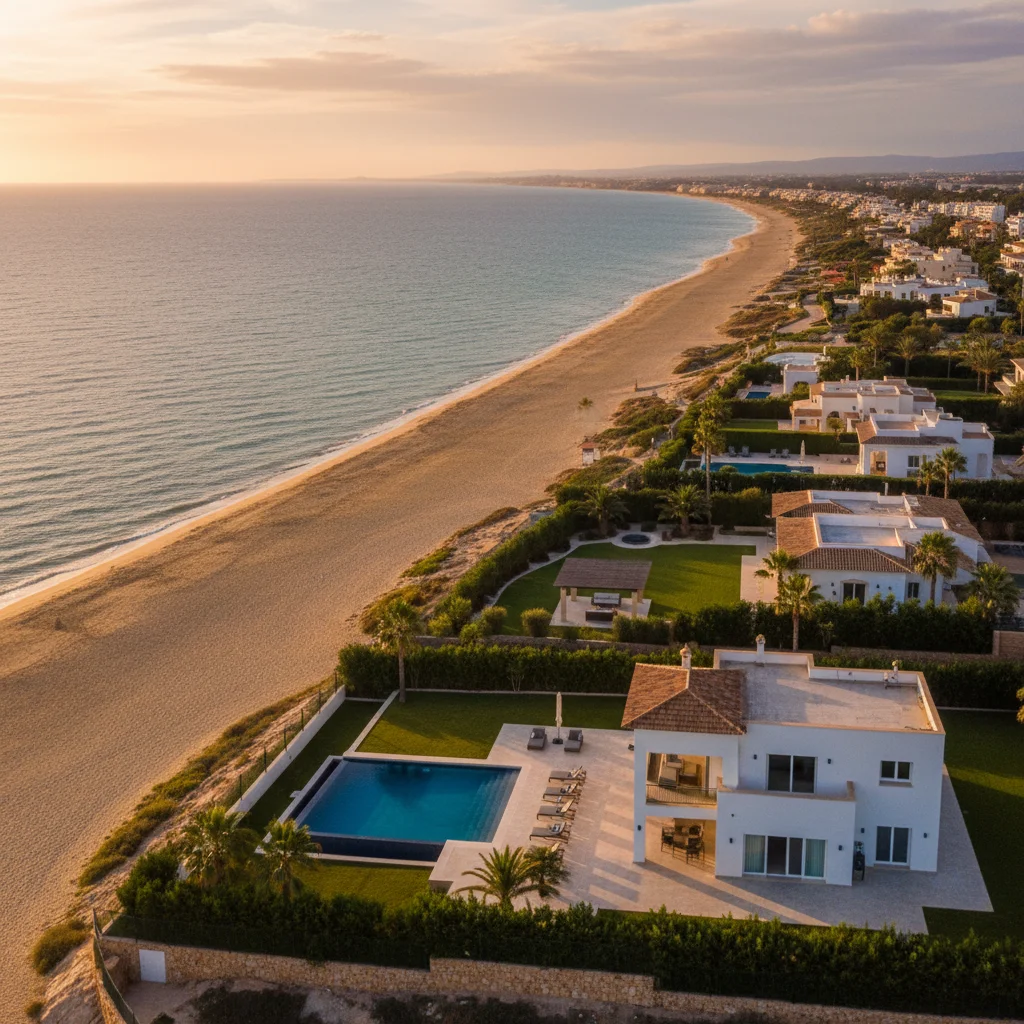
San Juan de Alicante sits immediately north of the provincial capital, defined by the famous Playa de San Juan — a seven-kilometre sweep of golden sand that consistently ranks among Spain’s best urban beaches. The town functions as Alicante’s most desirable residential suburb, attracting professionals, families, and retirees who want beach lifestyle with city convenience.
Property prices average around €280,000, reflecting the premium location. Modern apartment complexes line the beachfront boulevard, many with generous terraces of 15–25 square metres designed for sea-view living. Moving inland toward Cabo de las Huertas and the golf urbanisaciones, detached villas with private pools and gardens of 40–80 square metres offer space for elaborate outdoor entertaining setups. The golf course developments attract a particularly active social scene, with weekend barbecues and terrace gatherings forming the core of community life.
The expat mix is British, French, and German, with a strong contingent of working professionals commuting to Alicante’s business district or the university. This demographic tends toward quality over budget — they research equipment thoroughly, invest in durable materials, and expect their outdoor cooking setup to function as a genuine extension of the kitchen rather than a seasonal novelty.
San Juan de Alicante’s upmarket property market, professional expat community, and premium beachfront lifestyle create strong demand for high-specification outdoor cooking equipment and custom kitchen installations.
Choosing Your Setup in San Juan de Alicante
San Juan’s mix of beachfront apartments and Cabo area villas calls for a tiered approach — sleek, space-efficient units for terraces and full outdoor kitchen builds for villa gardens.
Beachfront apartment terraces along the Playa de San Juan are typically well-proportioned for a residential suburb — 15–25 square metres is common in newer developments. A three-burner gas BBQ with side burner fits these spaces comfortably, offering enough cooking surface for dinner parties of six to eight. For smaller terraces, a medium kamado (46cm) provides extraordinary versatility — grilling, smoking, slow-cooking, and even baking — in a single compact footprint.
Villa owners in the Cabo de las Huertas headland and the golf urbanisaciones have space for premium installations. Costa Blanca Outdoors designs built-in outdoor kitchens tailored to these properties, incorporating gas grills, pizza ovens, refrigeration, and stone or granite countertops. The golf community in particular embraces this — post-round entertaining on a fully equipped terrace is a fixture of the social calendar here.
Salt exposure matters along the San Juan beachfront. Properties within 500 metres of the shore need marine-grade stainless steel (304 or 316 grade) to resist corrosion. Inland properties around the golf course and Cabo residential zones face less salt but more sun — UV-resistant covers and shaded installation positions extend equipment life significantly.
Costa Blanca Outdoors recommends marine-grade equipment for San Juan beachfront properties and full outdoor kitchen installations for Cabo and golf area villas, matched to the higher-specification expectations of this market.
Delivery to San Juan de Alicante
We deliver throughout San Juan de Alicante, from the beachfront boulevard to Cabo de las Huertas and the golf urbanisaciones, on our weekly greater Alicante route.
San Juan de Alicante has excellent road infrastructure, with the beachfront boulevard and main avenues providing wide, accessible delivery routes. Apartment complexes along the Playa de San Juan are typically modern with lifts and adequate access — we coordinate building entry and timing in advance. Cabo de las Huertas and the golf area villas have direct driveway access in most cases, making these among the simplest deliveries in our network.
Our team handles everything from kerbside unloading to final terrace or garden placement, including full assembly, connection of gas lines where applicable, and a thorough walkthrough of your equipment. For custom outdoor kitchen projects, our installation team works on-site over one to two days, ensuring everything is built, levelled, and tested before handover.
Neighbouring Alicante city centre is minutes south on the same route, while El Campello connects just north along the coast. In-stock items ship within 5–10 working days, while custom outdoor kitchen projects require 3–4 weeks for design, fabrication, and professional installation.
Architectural Shade Sails for San Juan de Alicante Properties
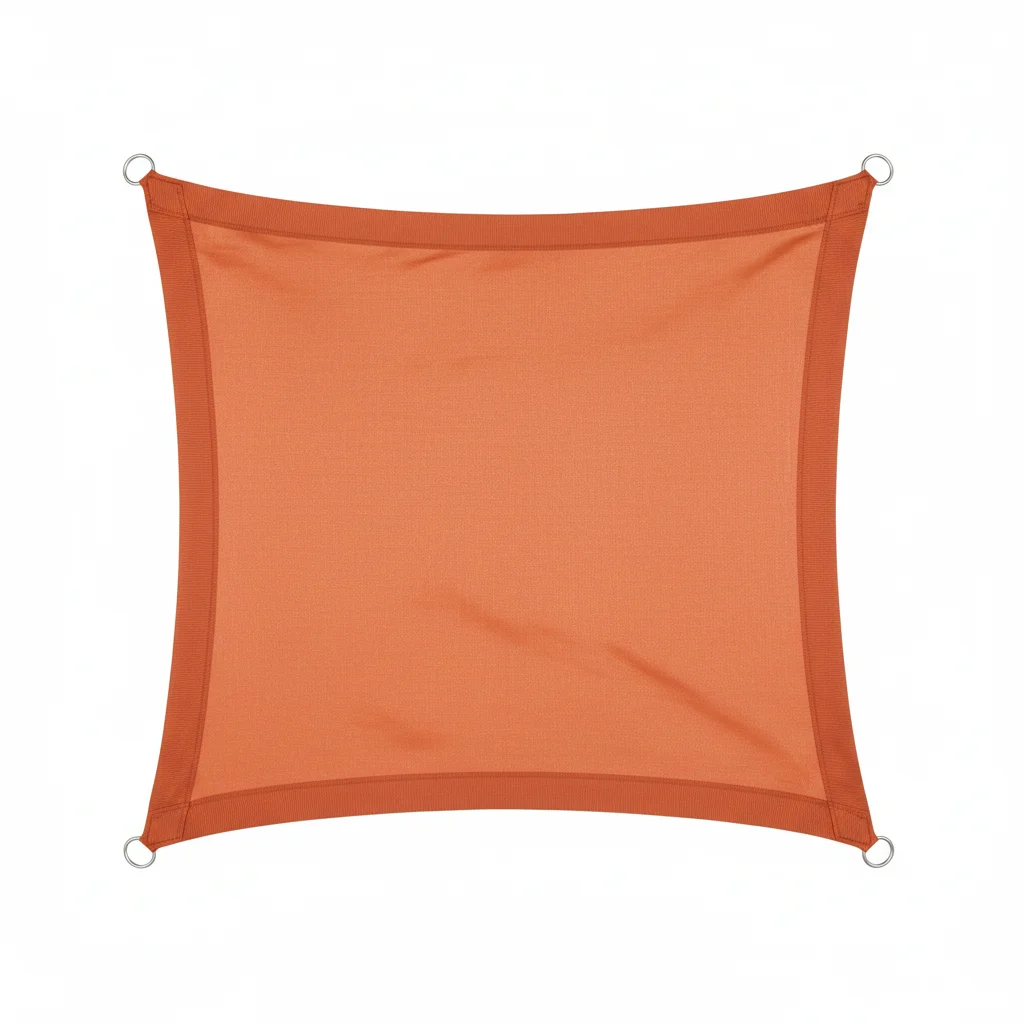
San Juan de Alicante is a unique town because it bridges the gap between traditional Spanish village life and high-end coastal living. With about 25,000 residents, roughly ten percent of the population are international expats—mostly British, French, and German families who have invested in the area's €280,000 average property bracket. This international mix has significantly influenced the local outdoor living scene, particularly around the Golf course and the modern developments near San Juan Beach. The property stock here is remarkably diverse, ranging from compact beachfront apartments with restricted terrace space to sprawling villas tucked away towards the hills. This variation means a one-size-fits-all awning rarely works for everyone. Shade sails have become the preferred solution because they offer a contemporary, architectural look that suits both the modern builds of Cabo de las Huertas and the more traditional gardens found in the older parts of the town.
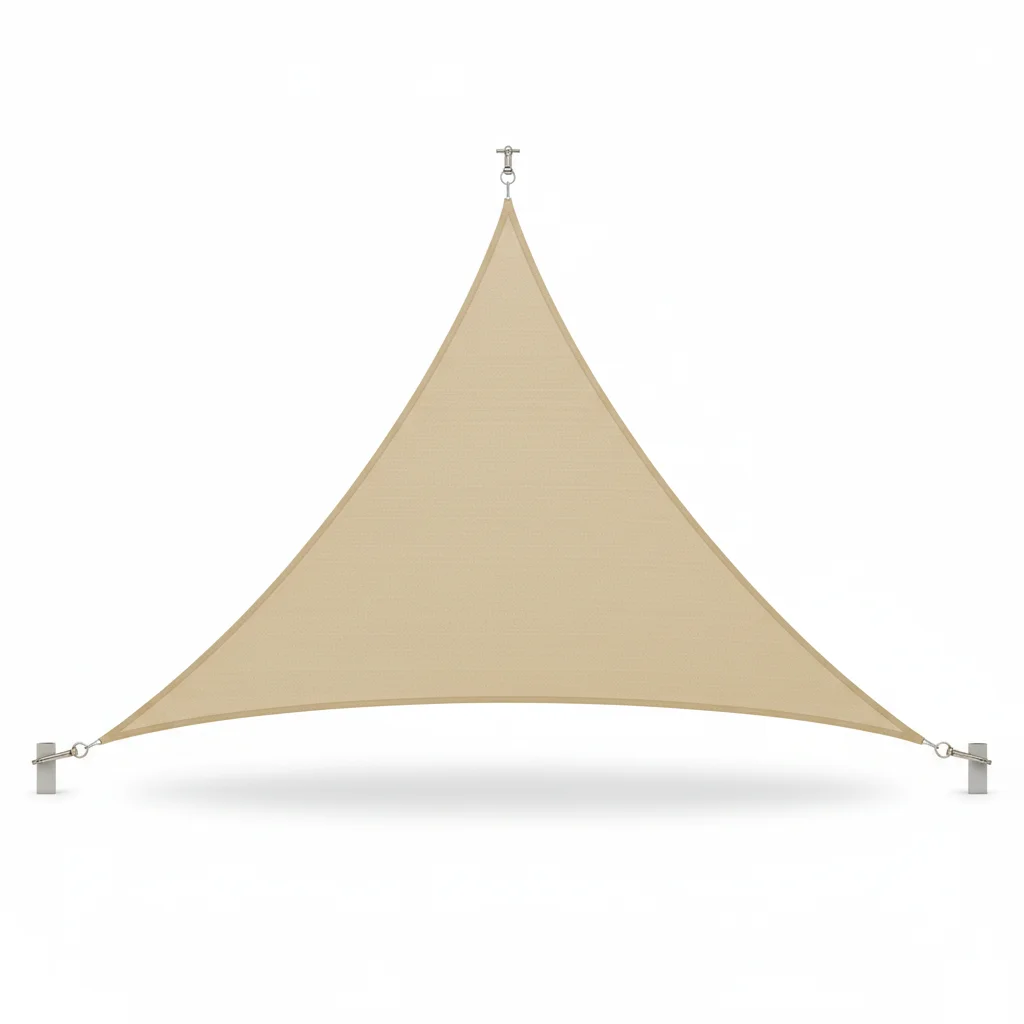
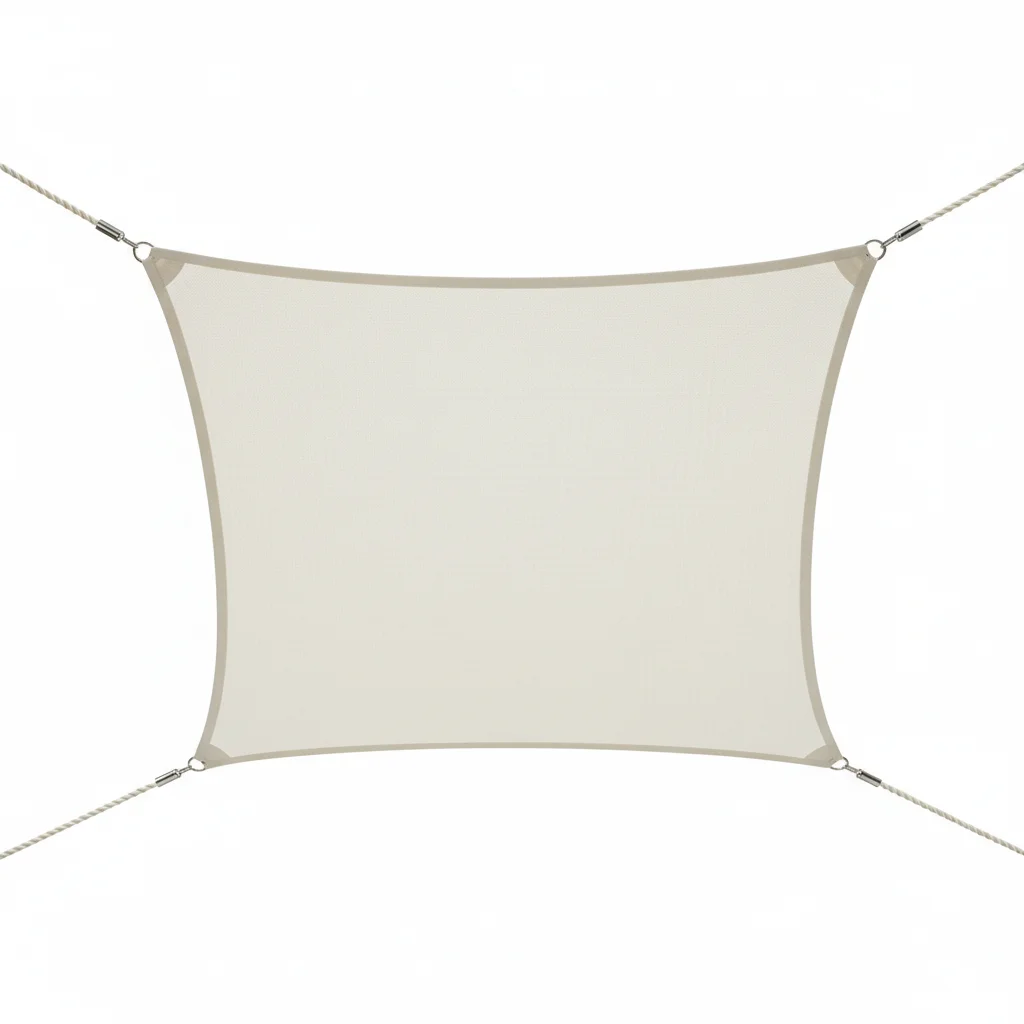
Living this close to the Mediterranean brings specific technical challenges that often surprise new arrivals when they first try to shade their terraces. The primary environmental factors are the Levante and Poniente winds. In this part of the coast, these winds can whip across the flat plains and beach areas with significant force, creating a suction effect on flat surfaces. If your home is within two kilometers of the shore, you must also contend with constant salt spray which eats through inferior metals. This is why I only recommend high-density polyethylene (HDPE) fabric for your sails. Unlike standard canvas, HDPE is breathable; the micro-perforations allow the wind to pass through the weave rather than catching it like a kite. For hardware, anything less than 316-grade marine stainless steel will pit and corrode within a single season. You also need to navigate the local comunidad de propietarios rules. Many apartment blocks along the beachfront have strict regulations on permanent pergolas. A custom-cut triangular shade sail, which might range from €150 for a small balcony setup to €1,800 for a large, high-tensioned garden installation, often bypasses these restrictions because they are technically removable structures.
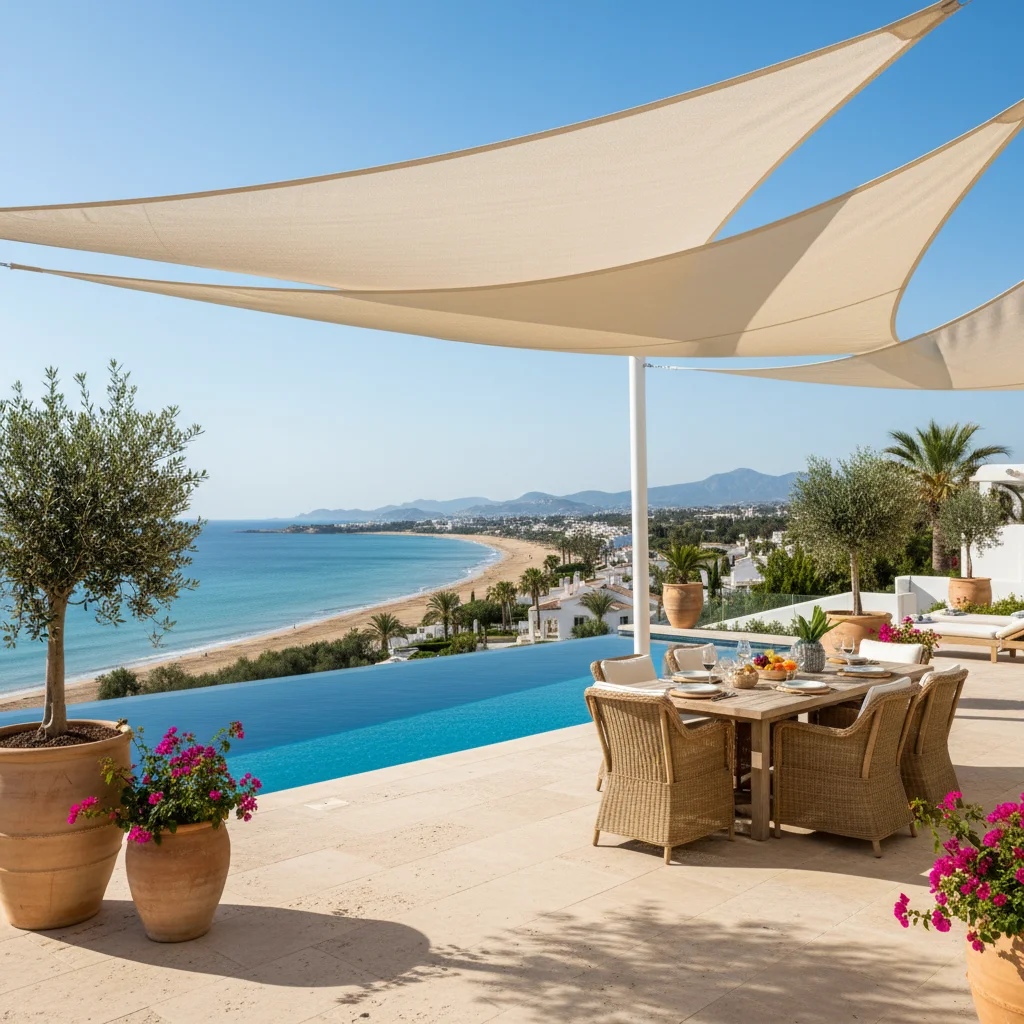
My recommendations for your setup will change depending on your specific postcode and property type. For those living in the villas near the Golf or the quieter residential streets heading toward Mutxamel, I suggest a multi-sail configuration. Overlapping two or three triangular sails of different heights creates a dynamic look and provides better coverage as the sun moves throughout the afternoon. If you have a larger garden, combining a 5m x 5m square sail with a bioclimatic pergola creates a tiered living space—one area for waterproof dining and another for the kids to play under UV-resistant fabric. If you are in a beachfront apartment with a compact balcony, a single custom-cut rectangular sail is far more efficient than a bulky parasol. It frees up vital floor space while providing edge-to-edge shade. These sails also integrate perfectly with existing awnings, allowing you to extend your shaded footprint without the heavy cost of a full structural extension.
We regularly deliver and advise on installations across this area, as well as neighboring Alicante and Campello. We understand the local logistics, such as the specific building access requirements for the high-rise blocks at the beach and the wind tunnels created by the urban layout in Cabo de las Huertas. Knowing how the sun hits a south-facing terrace at 4:00 PM in July is what allows us to position your tension points correctly the first time. If you are unsure about the fabric density required for your specific exposure or need advice on fixing points into older brickwork, we offer free consultations to ensure your outdoor space remains a usable retreat even in the peak of the Costa Blanca summer.
 JW'"
/>
JW'"
/>