Outdoor Living in San Juan de Alicante
San Juan de Alicante is home to 25,000 residents with a 10% international community — an upmarket suburb anchored by one of Spain’s finest urban beaches, where higher-end properties and a professional expat demographic drive demand for premium outdoor living equipment.
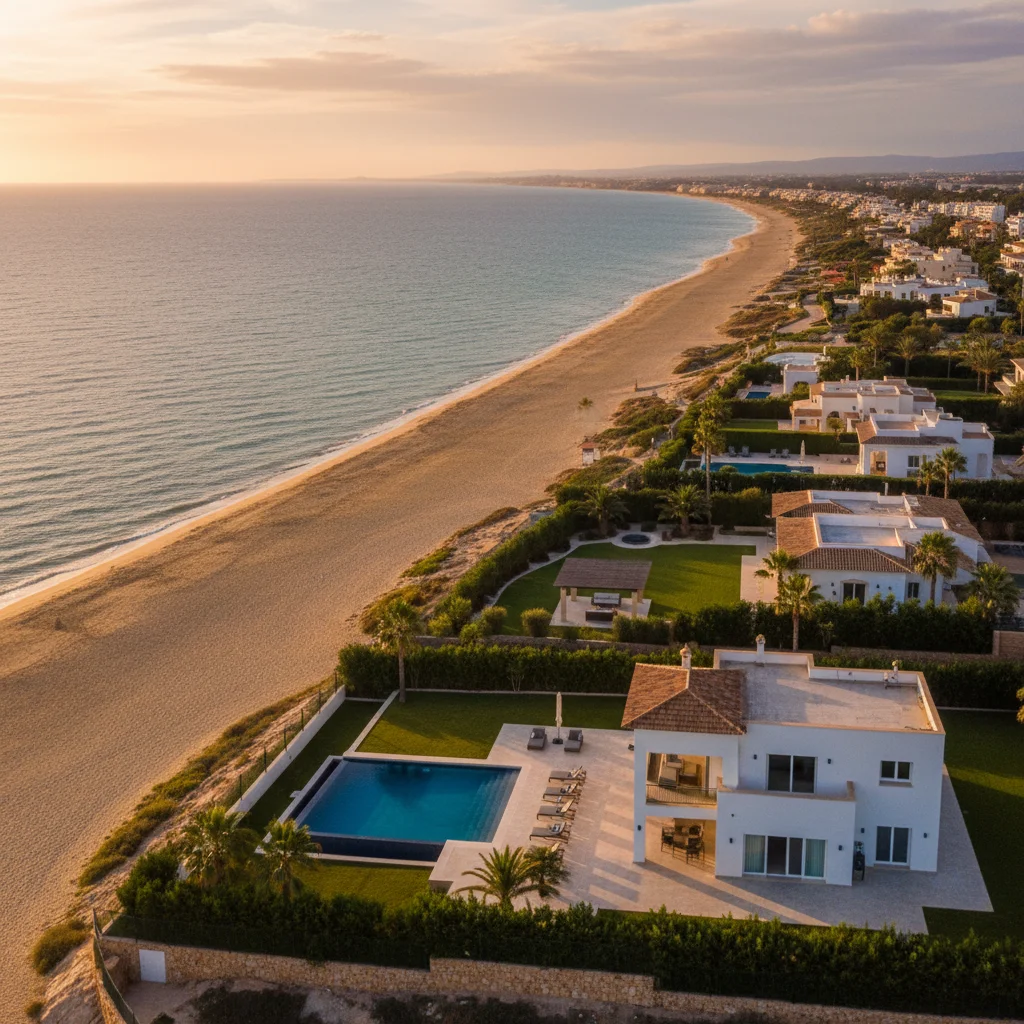
San Juan de Alicante sits immediately north of the provincial capital, defined by the famous Playa de San Juan — a seven-kilometre sweep of golden sand that consistently ranks among Spain’s best urban beaches. The town functions as Alicante’s most desirable residential suburb, attracting professionals, families, and retirees who want beach lifestyle with city convenience.
Property prices average around €280,000, reflecting the premium location. Modern apartment complexes line the beachfront boulevard, many with generous terraces of 15–25 square metres designed for sea-view living. Moving inland toward Cabo de las Huertas and the golf urbanisaciones, detached villas with private pools and gardens of 40–80 square metres offer space for elaborate outdoor entertaining setups. The golf course developments attract a particularly active social scene, with weekend barbecues and terrace gatherings forming the core of community life.
The expat mix is British, French, and German, with a strong contingent of working professionals commuting to Alicante’s business district or the university. This demographic tends toward quality over budget — they research equipment thoroughly, invest in durable materials, and expect their outdoor cooking setup to function as a genuine extension of the kitchen rather than a seasonal novelty.
San Juan de Alicante’s upmarket property market, professional expat community, and premium beachfront lifestyle create strong demand for high-specification outdoor cooking equipment and custom kitchen installations.
Choosing Your Setup in San Juan de Alicante
San Juan’s mix of beachfront apartments and Cabo area villas calls for a tiered approach — sleek, space-efficient units for terraces and full outdoor kitchen builds for villa gardens.
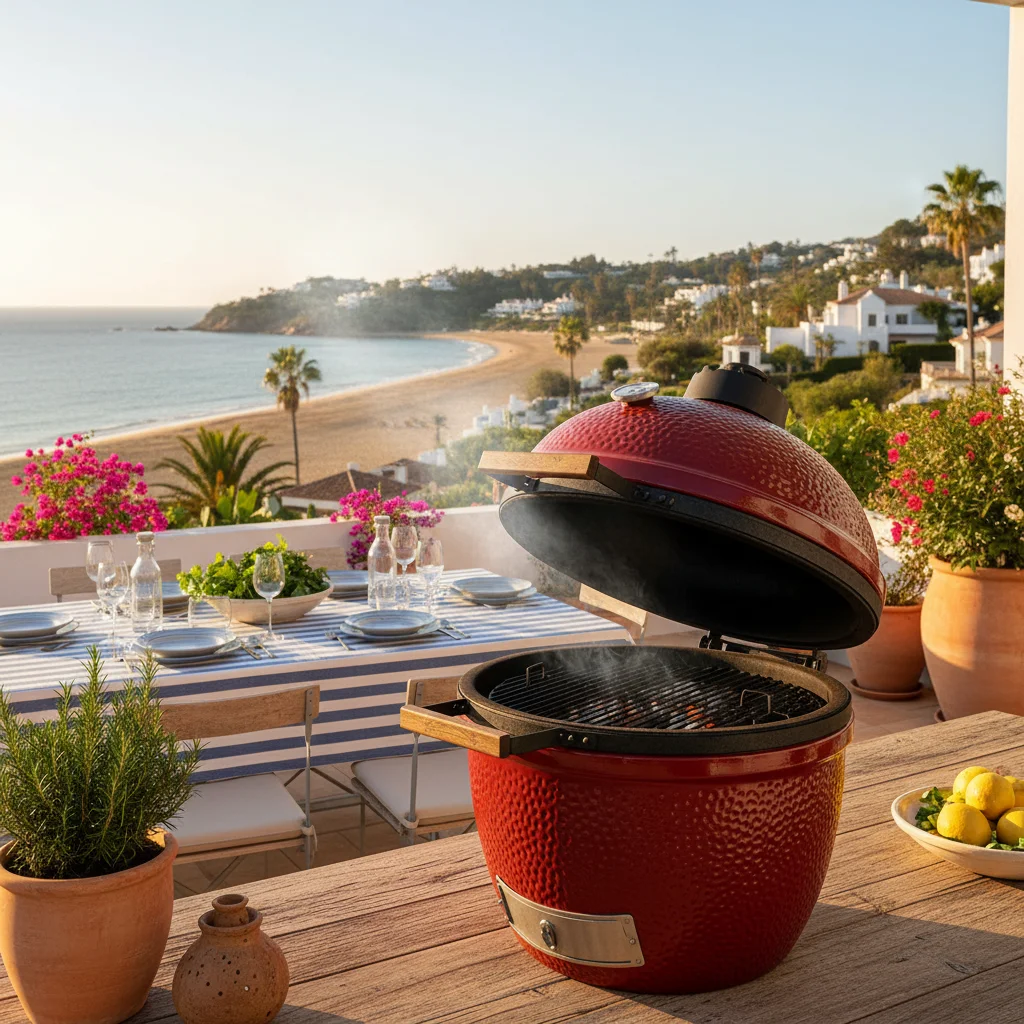
Beachfront apartment terraces along the Playa de San Juan are typically well-proportioned for a residential suburb — 15–25 square metres is common in newer developments. A three-burner gas BBQ with side burner fits these spaces comfortably, offering enough cooking surface for dinner parties of six to eight. For smaller terraces, a medium kamado (46cm) provides extraordinary versatility — grilling, smoking, slow-cooking, and even baking — in a single compact footprint.
Villa owners in the Cabo de las Huertas headland and the golf urbanisaciones have space for premium installations. Costa Blanca Outdoors designs built-in outdoor kitchens tailored to these properties, incorporating gas grills, pizza ovens, refrigeration, and stone or granite countertops. The golf community in particular embraces this — post-round entertaining on a fully equipped terrace is a fixture of the social calendar here.
Salt exposure matters along the San Juan beachfront. Properties within 500 metres of the shore need marine-grade stainless steel (304 or 316 grade) to resist corrosion. Inland properties around the golf course and Cabo residential zones face less salt but more sun — UV-resistant covers and shaded installation positions extend equipment life significantly.
Costa Blanca Outdoors recommends marine-grade equipment for San Juan beachfront properties and full outdoor kitchen installations for Cabo and golf area villas, matched to the higher-specification expectations of this market.
Delivery to San Juan de Alicante
We deliver throughout San Juan de Alicante, from the beachfront boulevard to Cabo de las Huertas and the golf urbanisaciones, on our weekly greater Alicante route.
San Juan de Alicante has excellent road infrastructure, with the beachfront boulevard and main avenues providing wide, accessible delivery routes. Apartment complexes along the Playa de San Juan are typically modern with lifts and adequate access — we coordinate building entry and timing in advance. Cabo de las Huertas and the golf area villas have direct driveway access in most cases, making these among the simplest deliveries in our network.
Our team handles everything from kerbside unloading to final terrace or garden placement, including full assembly, connection of gas lines where applicable, and a thorough walkthrough of your equipment. For custom outdoor kitchen projects, our installation team works on-site over one to two days, ensuring everything is built, levelled, and tested before handover.
Neighbouring Alicante city centre is minutes south on the same route, while El Campello connects just north along the coast. In-stock items ship within 5–10 working days, while custom outdoor kitchen projects require 3–4 weeks for design, fabrication, and professional installation.
Investing in a Kamado BBQ for the San Juan de Alicante Lifestyle
San Juan de Alicante represents a unique demographic pocket on the Costa Blanca, where the traditional Spanish town core meets the expansive, modern developments of the Golf area and the high-density beachfront of San Juan Beach. Having lived on this coast since 2019 and helped over 200 families navigate the complexities of outdoor living, I have observed how the local property landscape dictates the choice of cooking equipment. In this town, where roughly 10% of the 25,000 residents are international—primarily British, French, and German—the demand for high-performance outdoor cooking has evolved. These nationalities bring distinct culinary traditions, from the British Sunday roast to French rotisserie techniques, all of which find a perfect home in a ceramic Kamado. The average property price of €280,000 reflects a resident base that values quality over disposable convenience. Whether you are situated in a contemporary apartment in the PAU 5 area or a detached villa near the Alicante Golf course, the choice of a BBQ is rarely just about grilling a few sausages. It is about creating a secondary kitchen that functions year-round in our specific Mediterranean climate.
The architectural diversity here presents specific challenges and opportunities. Residents in the golf-side villas often have terraces exceeding 40m², providing ample room for a full Kamado setup integrated into a wider outdoor kitchen. Conversely, those living in the more compact apartments near the beachfront must contend with limited square footage and the proximity of neighbors. A Kamado BBQ is particularly suited to this environment because of its thermal efficiency and smoke control. Unlike traditional open charcoal grills that can send plumes of smoke into a neighbor's laundry on the balcony above, a Kamado operates as a sealed system. This allows for precise airflow management, meaning you can roast a leg of lamb for four hours using a fraction of the charcoal while producing minimal external smoke. This feature is vital for maintaining harmony within a comunidad de propietarios, where traditional grilling often leads to friction. The ceramic mass also retains heat far better than the thin-walled metal BBQs often found in local hardware stores, which struggle to maintain consistent temperatures during the cooler winter evenings when the sun drops behind the Cabeçó d'Or mountains.
In areas like Cabo de las Huertas, the outdoor culture is defined by long, slow weekend lunches that transition into evening gatherings. The French and German residents I have worked with often prioritize the Kamado’s ability to function as a high-heat pizza oven, reaching temperatures of 400°C, while also being capable of low-and-slow smoking at 110°C. This versatility is essential in a town like San Juan de Alicante, where the outdoor space is used as a primary dining room for ten months of the year. When you are investing in a property here, the terrace is often the most used "room" in the house, and a ceramic grill becomes the centerpiece of that space. The transition from the busy urban center to the quieter residential lanes near the coast highlights a shift in how people cook; away from the quick, high-heat grilling of the city and toward the more measured, social style of cooking that a Kamado encourages.
Navigating the San Juan de Alicante Climate and Regulations
Living within 2km of the Mediterranean shore, as most residents of San Juan de Alicante do, introduces a set of environmental variables that will destroy a standard metal BBQ within two seasons. The salt spray carried by the Levante wind is incredibly corrosive. I have seen countless €500 stainless steel grills from big-box retailers covered in "tea staining" or structural rust within eighteen months. A Kamado, being primarily high-grade ceramic, is largely immune to this salt-air degradation. However, the hardware is where the quality shows. If you are living in an exposed position near the San Juan Beach front, you must ensure your Kamado features 304-grade stainless steel or powder-coated galvanized steel components. The intense UV radiation we experience here is another factor; it will perish cheap plastic handles and fade low-quality covers in a single summer. I recommend choosing a model like the Kamado Joe Classic III, priced around €2,399, which uses an airlift hinge and premium hardware specifically designed to withstand these conditions.
Wind management is perhaps the most overlooked aspect of outdoor cooking in this town. We are frequently caught between the humid Levante from the east and the hot, dry Poniente from the west. These winds can create a venturi effect on balconies and open terraces, making it nearly impossible to control the temperature of a standard gas or charcoal grill. The heavy ceramic walls of a Kamado, often 2.5cm to 3cm thick, provide an insulated barrier that makes the internal cooking temperature independent of the external wind speed. This means that even on a blustery day in March, you can maintain a steady 120°C for a twelve-hour brisket cook without constant adjustment. For those in the more elevated parts of the Golf area, where the breeze is constant, this stability is a game-changer. It prevents the flare-ups that are common when wind gusts force oxygen into the firebox of a traditional BBQ.
Beyond the climate, local regulations and community rules are a significant consideration. Most apartment complexes in San Juan de Alicante have specific statutes regarding the use of charcoal. Because a Kamado is an "enclosed" firebox, it often falls into a different category than open fire pits or traditional grills, but it is always wise to check your comunidad rules. One technical insight I always share with local clients is the importance of the ignition method. To remain a good neighbor, you should avoid chemical firelighters which produce acrid black smoke and odor. Instead, use electric heat guns or natural wood lighters. This ensures that the only thing your neighbors smell is the food you are cooking. Furthermore, maintenance in this salt-heavy environment involves more than just cleaning the grates. Every six months, you should check the tension of the steel bands that hold the ceramic dome; the expansion and contraction caused by the Alicante sun can loosen these over time.
Recommended Setups for Local Property Types
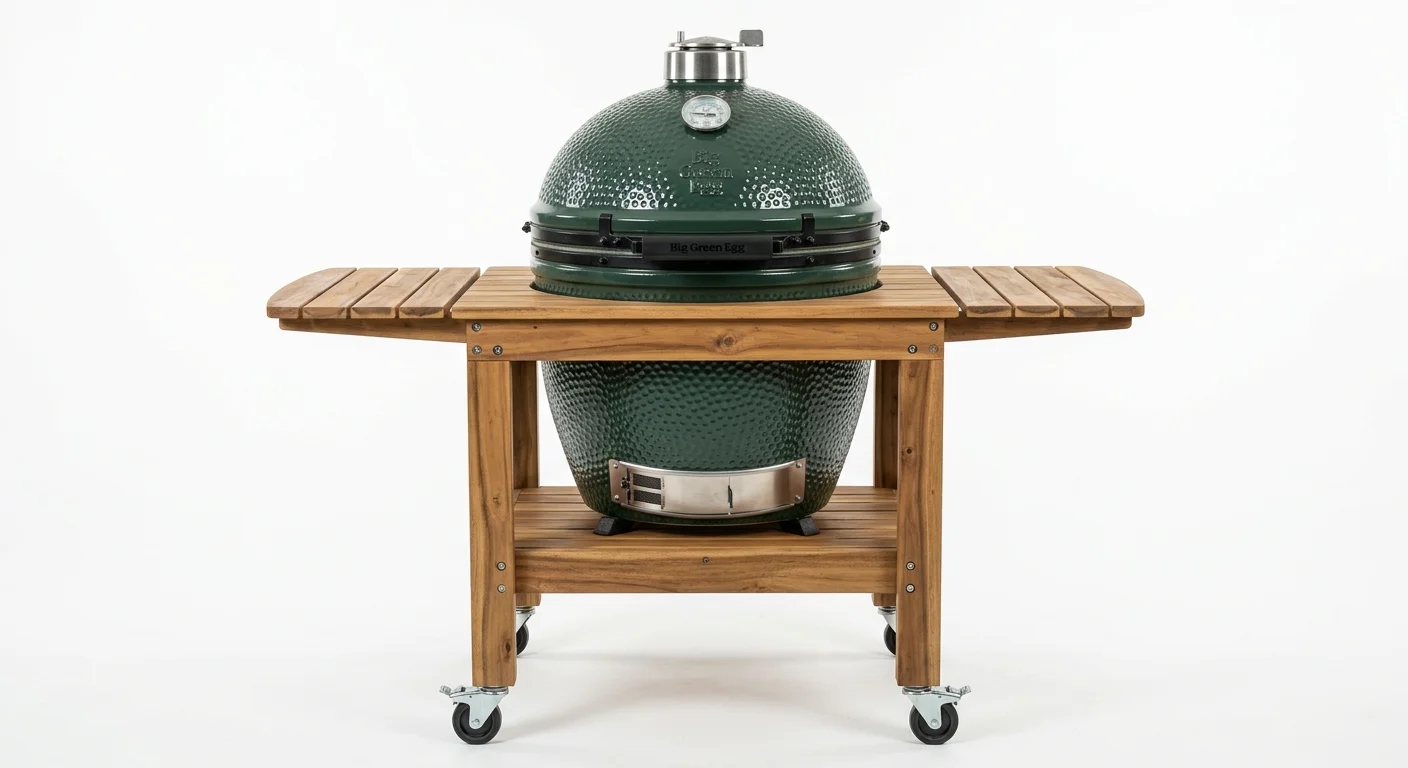
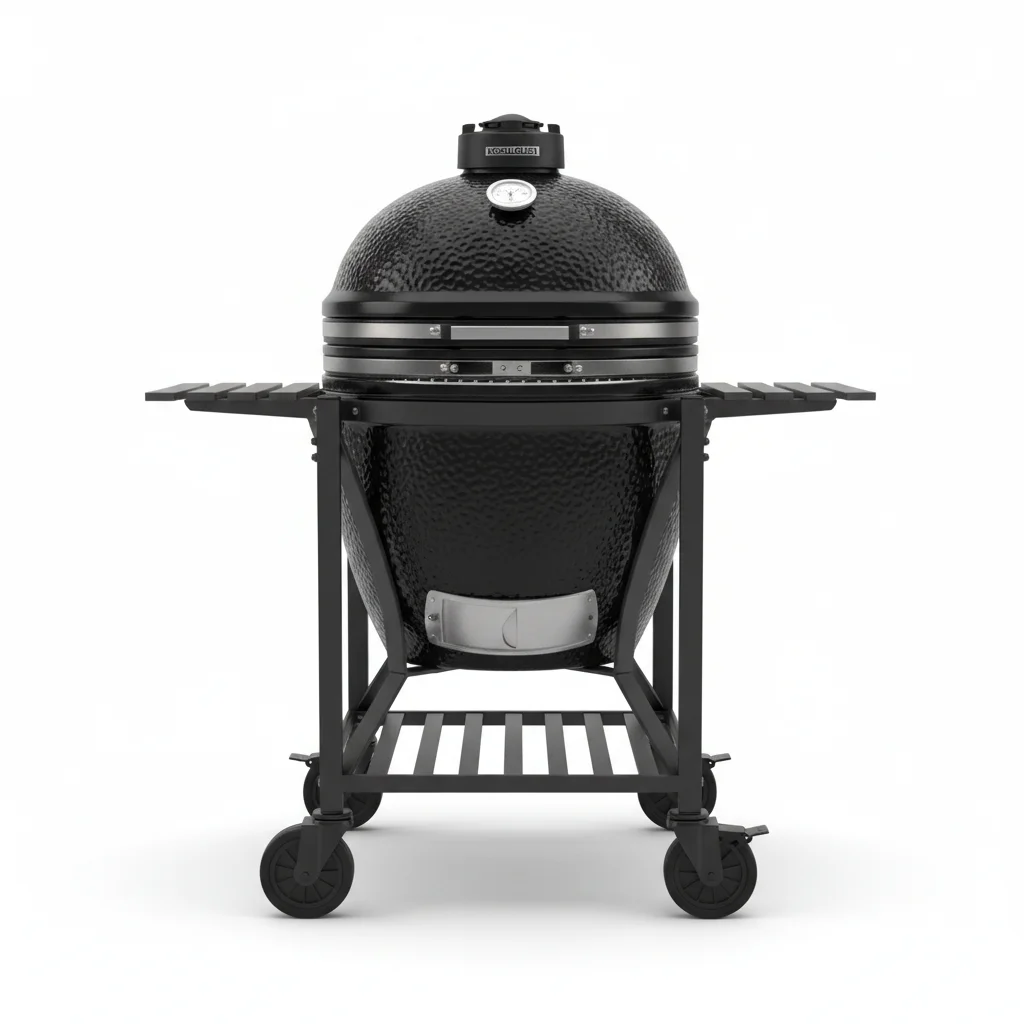
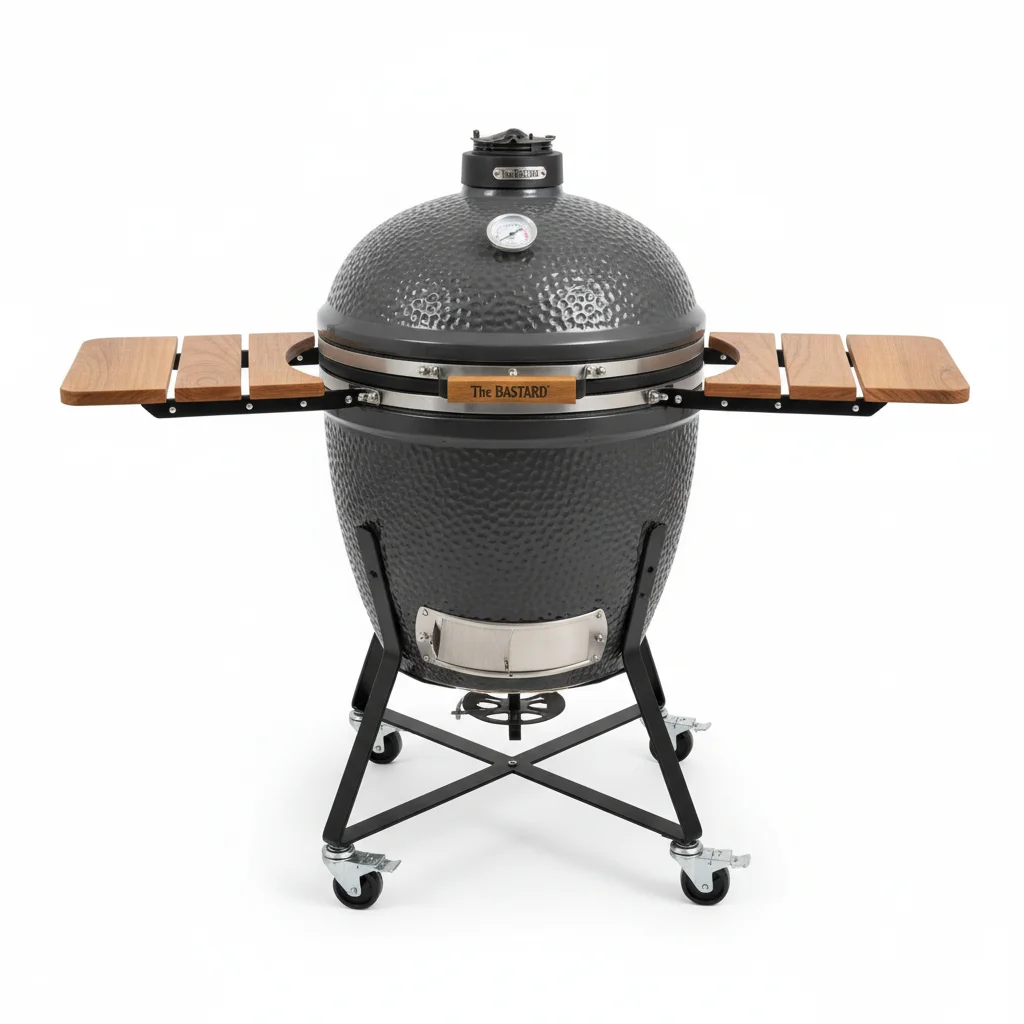
When recommending a Kamado setup for a villa in the Golf area or the quieter residential streets of San Juan de Alicante, I typically steer owners toward a built-in configuration. These properties usually have the space for a permanent outdoor kitchen island. Integrating a large Kamado, such as a Monolith LeChef, which retails around €3,200, into a stone or porcelain countertop provides a professional-grade workspace. This setup often pairs exceptionally well with a secondary heat source. While the Kamado is the king of flavor and slow roasting, many residents find that adding a high-quality two-burner gas-bbq next to it provides the convenience needed for a quick mid-week meal. We also see a growing trend of "dual-fuel" outdoor spaces where a dedicated pizza-oven sits alongside the Kamado. This allows the host to manage a slow-roasting pork shoulder in the ceramic grill while simultaneously firing out Neapolitan pizzas for guests, creating a true outdoor culinary hub that mirrors the sophistication of the villas in this area.
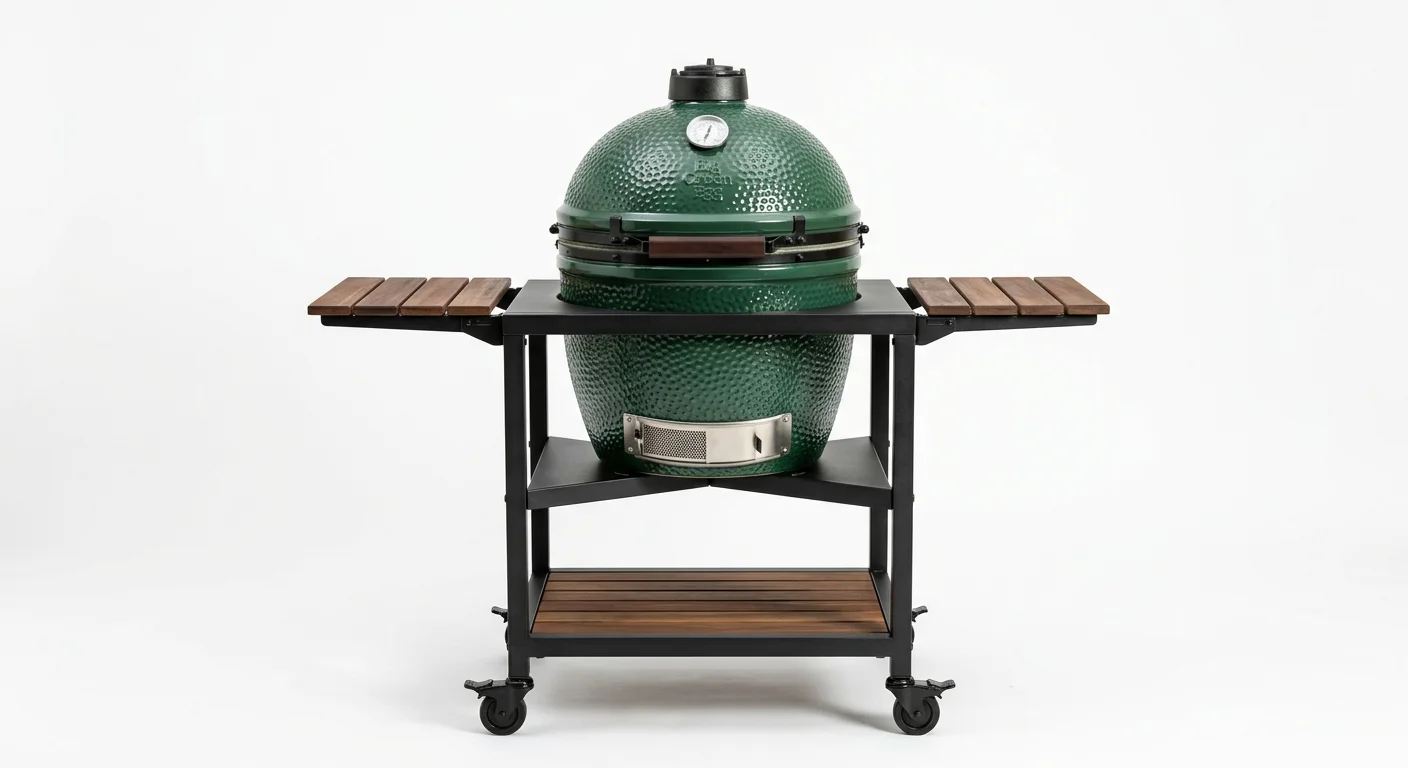
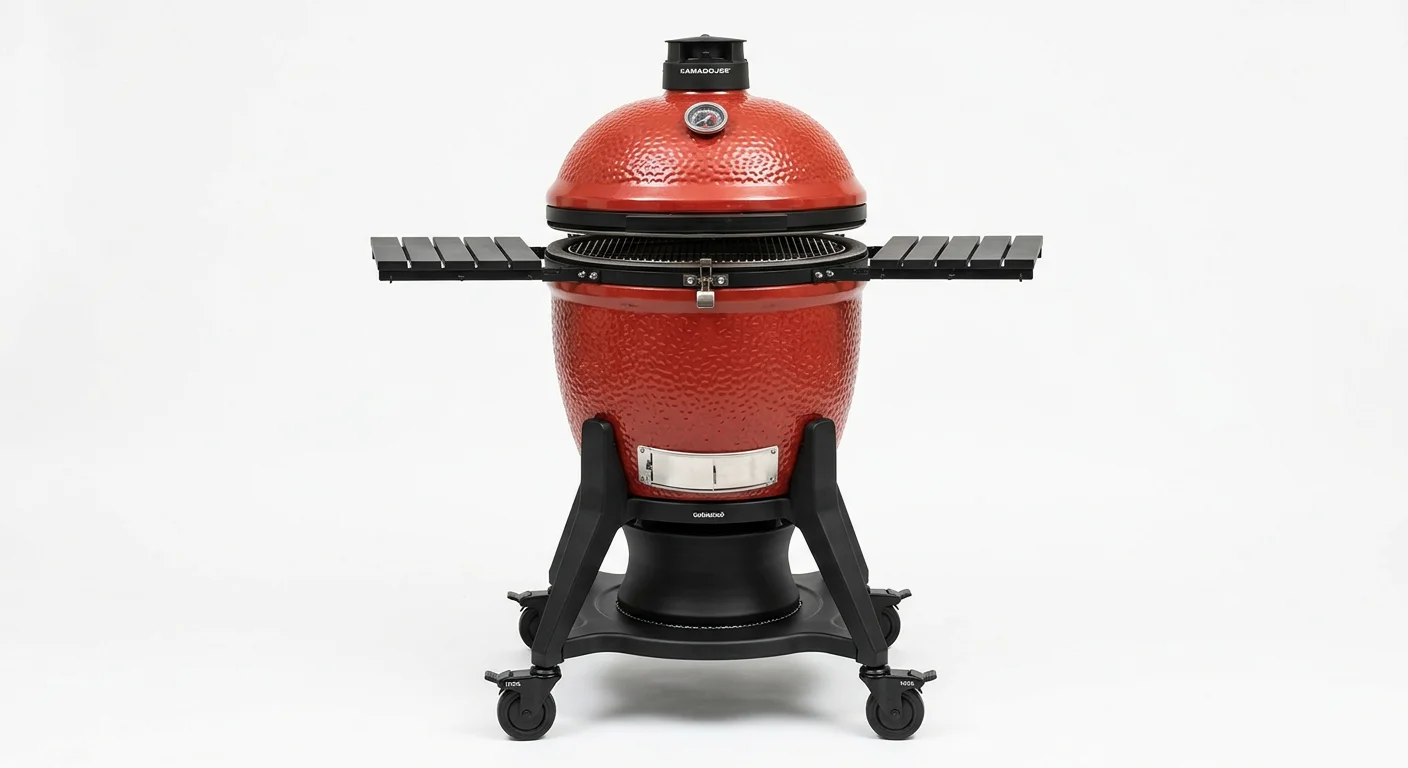
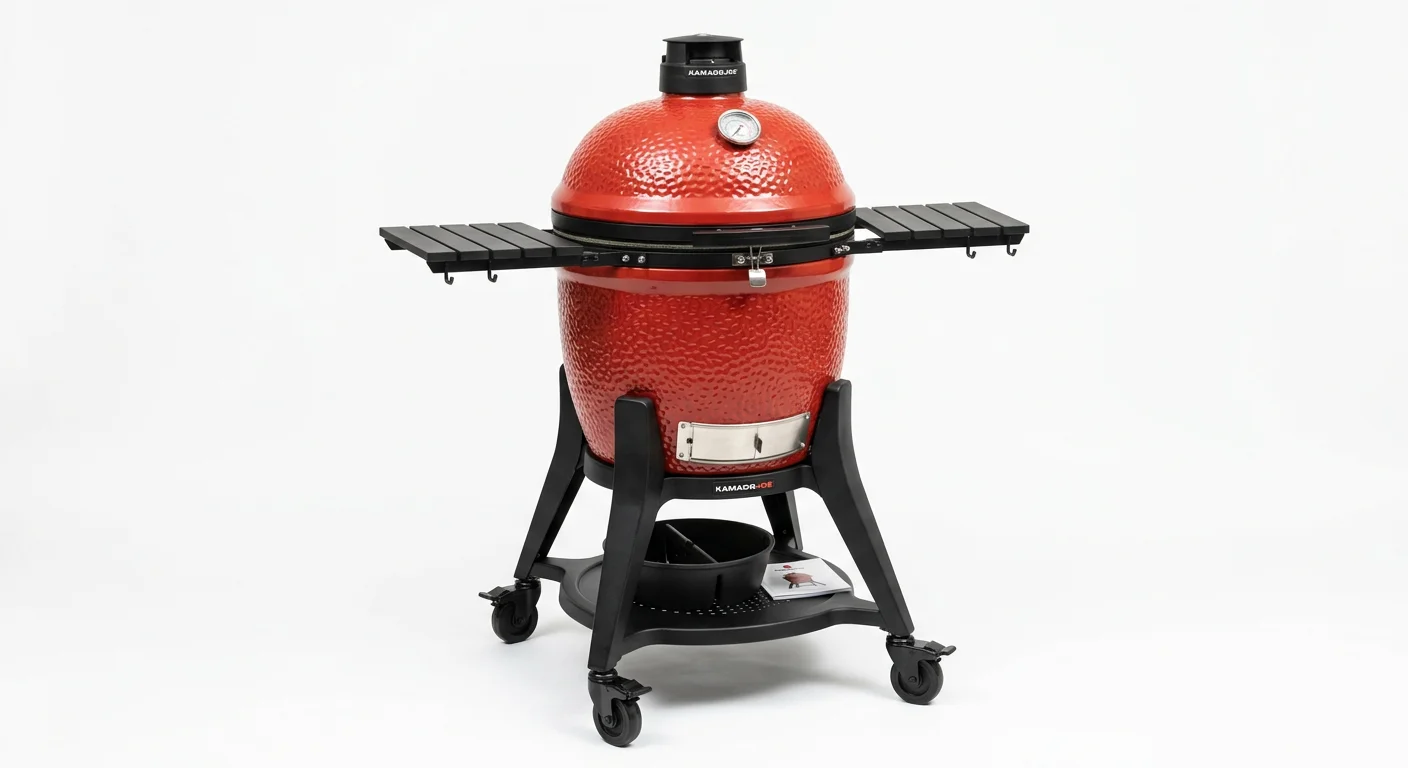
For those living in the modern apartment blocks of PAU 5 or the beachfront developments, the approach must be more surgical. Space is at a premium, and portability within the terrace is key. A medium-sized Kamado on a heavy-duty cart with locking casters is the ideal solution. Look for a model with a diameter of approximately 46cm, which provides enough cooking surface for a family of four but has a footprint of less than 1m². This allows you to move the grill into the corner when not in use, maximizing your terrace space. In these high-density living situations, I also emphasize the importance of a high-quality "weather-resistant" cover. Even though the ceramic won't rust, the accumulation of fine Saharan dust (the calima) that we frequently experience can settle into the felt gaskets and moving parts, affecting the airtight seal. A custom-fitted cover is an essential €150 investment to protect your primary investment.
The choice of charcoal is another local nuance. In San Juan de Alicante, you have access to excellent local Holm Oak (Encina) charcoal, which is dense and long-burning. This is perfect for the Kamado because it produces very little ash. Cheap supermarket charcoal often contains fillers that can clog the airflow of a ceramic grill and produce excessive smoke—precisely what you want to avoid in an apartment setting. If you are transitioning from a standard gas grill to a Kamado, you should expect a slight learning curve regarding heat management, but the payoff in flavor, particularly for the Mediterranean fish and locally sourced meats available at the San Juan market, is incomparable. The ability to bake bread or even a traditional paella (using a specific spider rack to hold the pan) inside the Kamado adds a layer of utility that no other outdoor appliance can match.
Seamless Delivery and Expert Knowledge in San Juan
Logistics in San Juan de Alicante can be surprisingly tricky. While the boulevards near the Golf course are wide and accessible, the older parts of the town and certain beachfront access roads can be narrow and congested, especially during the summer months. When we deliver a Kamado, which can weigh anywhere from 80kg to 150kg, we don't just drop a crate on your doorstep. We understand the local geography—from the tight corners near the Plaza del Ayuntamiento to the specific service lift dimensions in the newer apartment towers. My team and I handle the assembly and positioning, ensuring that the grill is placed safely on your terrace with due consideration for floor load capacities and wind exposure. We serve not just San Juan de Alicante, but also the neighboring areas of Alicante city and Campello, where the coastal conditions are virtually identical.
Our local expertise extends to knowing the specific challenges of your urbanisation. Whether it is navigating the security gates of a private complex or understanding the delivery windows allowed by your community, we handle the friction so you don't have to. We’ve delivered to penthouses in Campello where crane lifts were required and to villas in the Alicante Golf area where we had to move the unit across manicured lawns using specialized decking. This is the benefit of working with a local specialist who has lived and worked in this specific 20km radius for years. We aren't just selling a product; we are ensuring that it works within the context of your specific home and lifestyle.
If you are considering upgrading your outdoor space and want to move beyond the limitations of standard grilling, a Kamado is the most durable and versatile investment you can make for a home on the Costa Blanca. Given the price range of €800 to €3,500, it is a significant decision that requires a clear understanding of your space and cooking goals. I am always available for a free consultation to discuss your terrace layout, community restrictions, and which model best suits your needs. Whether you are in a beachfront apartment or a golf-side villa, let's ensure your outdoor kitchen is built to last in our beautiful but demanding Mediterranean environment.
 JW'"
/>
JW'"
/>