Why Expats in Calpe Love Outdoor Cooking
Calpe’s 57.6% international population — the highest expat ratio of any major Costa Blanca town — has created a buzzing, multicultural outdoor cooking scene beneath the iconic Peñón de Ifach.
With nearly 15,000 foreign residents out of a population of 26,600, Calpe is genuinely multicultural. British, German, and Russian communities each bring their own grilling traditions — from Sunday roasts to Bratwurst to shashlik — and the result is a town where outdoor cooking is woven into the social fabric.
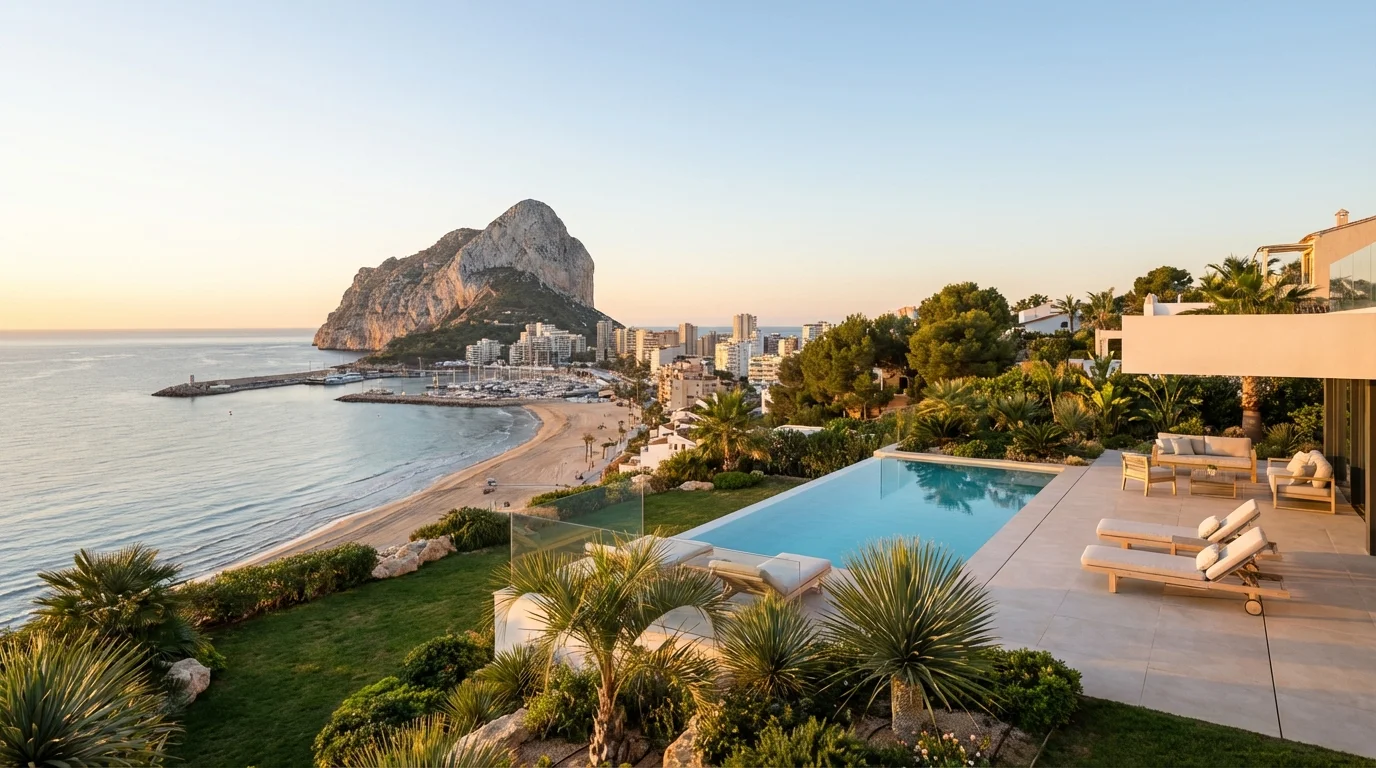
The Peñón de Ifach, Calpe’s dramatic 332-metre limestone rock, defines the town’s geography and microclimates. Properties on the Levante side enjoy morning sun and shelter from westerly winds, while homes in La Fossa get long afternoon light that extends barbecue season well into the evening. The Salt Flats nature reserve to the south gives every terrace a distinctly Mediterranean sense of openness.
With average property prices around €320,000, Calpe attracts a broad range of expats — from retirees converting their terrace into a cooking haven to young families wanting a quality gas BBQ for weekend gatherings.
Answer capsule: Calpe’s 57.6% expat population and accessible property market make it the most internationally diverse outdoor cooking community on the northern Costa Blanca.
Your Calpe Outdoor Kitchen Setup
Calpe’s mix of seafront apartments, La Fossa townhouses, and hillside villas means solutions range from compact balcony setups to full terrace installations.
Along the Levante and La Fossa beachfronts, modern apartments with 10–20m² terraces are the norm. A Kamado Joe Junior or a portable gas BBQ paired with a foldable prep table gives you serious cooking capability without crowding your space.
Move into the hillside urbanisations behind the Peñón — Maryvilla, Cometa, and Oltamar — and detached villas with 30–60m² terraces and private gardens are common. These are where we install complete packages: built-in gas grill, full-size kamado, pizza oven alcove, and Silestone countertops that withstand the coastal salt air.
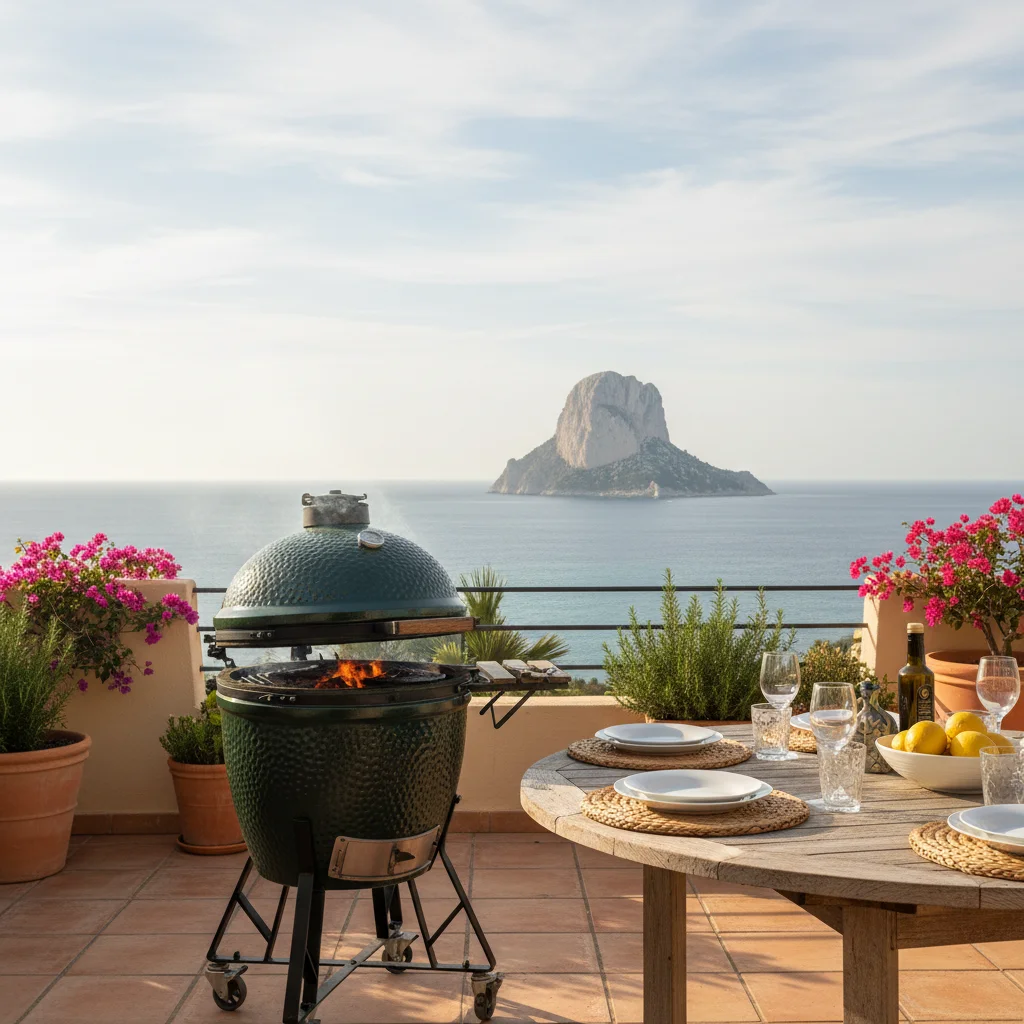
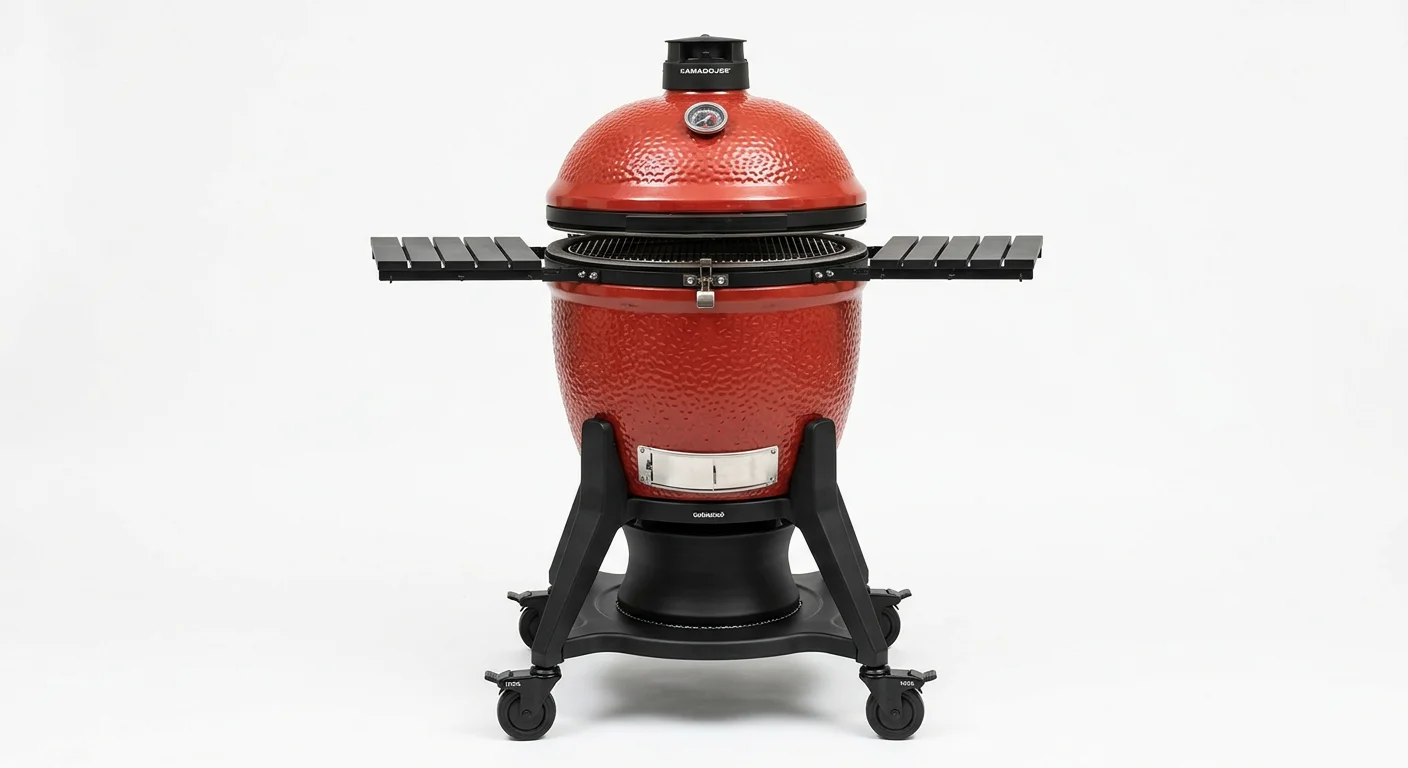
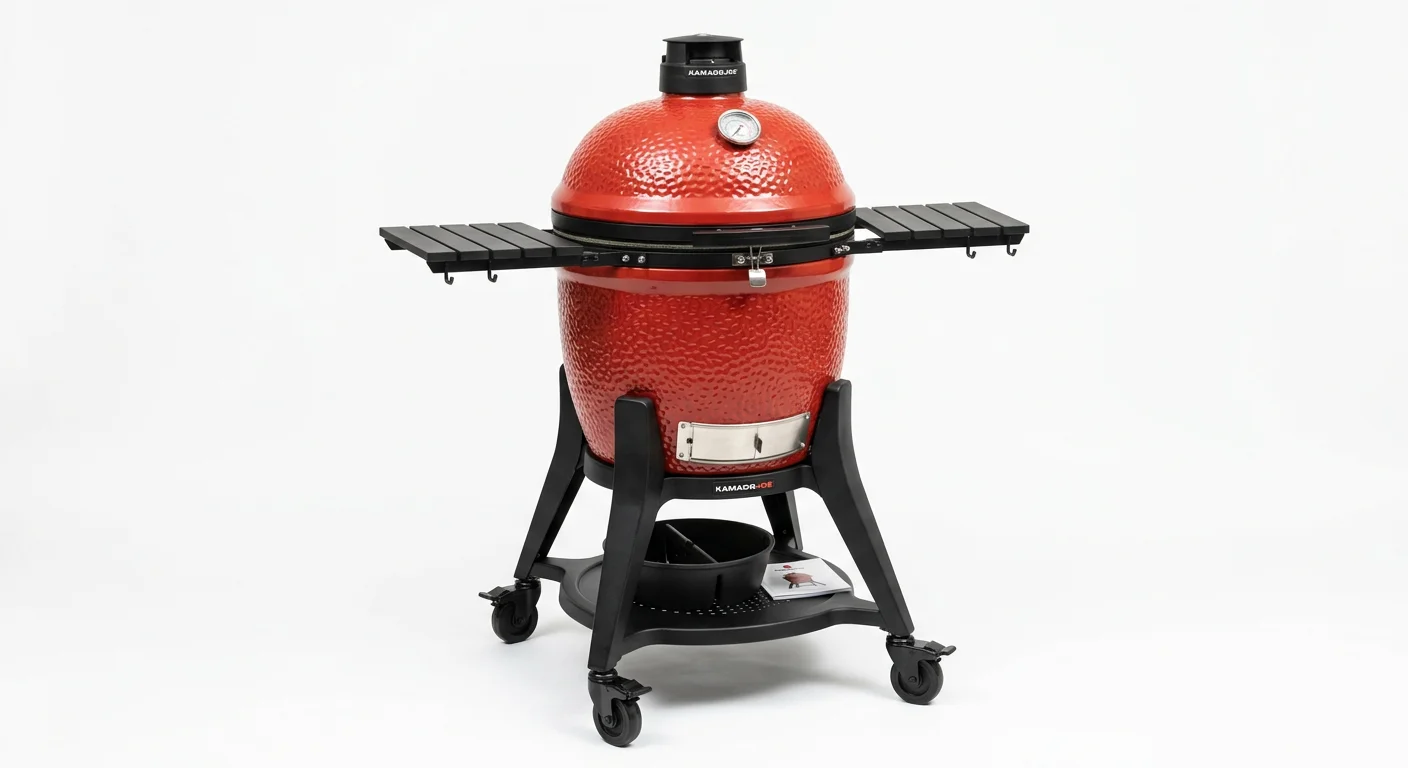
Costa Blanca Outdoors recommends that Calpe apartment owners consider a kamado grill as their primary investment. The all-in-one versatility — grilling, smoking, roasting, baking — gives you multiple cooking methods in a single footprint, exactly what a compact terrace demands.
Answer capsule: Calpe apartment dwellers benefit from compact kamado grills or portable gas BBQs, while Maryvilla and Cometa villa owners have space for complete outdoor kitchen islands.
Gas, Charcoal, or Wood-Fired? Choosing Right for Calpe
Calpe’s coastal breezes and diverse property types make fuel choice a practical decision — gas for convenience in apartments, charcoal and wood for flavour in villas.
The Levante and Poniente breezes that make Calpe pleasant in summer can affect open-flame cooking on exposed upper-floor terraces. Gas BBQs with windshield burner systems are our top recommendation for seafront apartments — they deliver consistent heat regardless of conditions.
For villa owners in sheltered hillside areas, kamado cooking comes into its own. The thermal mass of ceramic makes a kamado virtually wind-proof once sealed. Calpe’s German and Russian communities have been particularly enthusiastic adopters — perhaps because low-and-slow techniques resonate with their own smoking and curing traditions.
Wood-fired pizza ovens work beautifully in Calpe’s villa gardens. Firewood is sourced through commercial suppliers in Benissa or Callosa d’en Sarrià, and we stock kiln-dried cooking wood for delivery. Costa Blanca Outdoors recommends almond wood for pizza ovens — it burns hot and clean, reaching the 450°C floor temperatures that proper Neapolitan pizza demands.
Answer capsule: Gas BBQs handle Calpe’s coastal breezes best for apartment cooking, while wind-proof kamado grills and wood-fired pizza ovens suit the sheltered hillside villas.
Delivery & Setup in Calpe
Calpe sits centrally on our northern Costa Blanca delivery route, with easy AP-7 motorway access and regular weekly deliveries throughout the town.
The AP-7 exit drops directly into town, and even the hillside urbanisations have wider, better-maintained roads than many neighbouring areas. We can deliver full-size outdoor kitchen components without the access restrictions that sometimes apply elsewhere.
For apartment deliveries along Levante and La Fossa, we coordinate building access and use specialist equipment for upper-floor installations. A 90kg kamado on a fifth-floor terrace is no problem with proper planning.
Customers in nearby Moraira and Altea benefit from our regular Calpe schedule. We also serve Benissa on the same routes. Standard delivery is 5–10 working days, with complete setup including assembly, gas connection testing, and a hands-on walkthrough so you are grilling with confidence from day one.
Mastering the Kamado Grill in the Shadow of the Peñón de Ifach
Living in this specific corner of the Marina Alta involves a unique relationship with the outdoors that most weekend visitors never truly grasp. Since moving here in 2019, I have seen how the local landscape dictates the way we use our homes. We are a town of roughly 26,600 residents, but the real story lies in the 57.6% of us who came from elsewhere. This heavy international influence, primarily from the UK, Germany, and Russia, has fundamentally shifted the standard for outdoor living. When people invest an average of €320,000 in a property here, they aren't just buying bricks and mortar; they are buying the 300 days of sun that hit the expansive 40 to 80 square meter terraces overlooking the Peñón de Ifach or the Salt Flats. These outdoor spaces are not mere appendages to the house; they are the primary living rooms for eight months of the year. In these high-spec environments, a basic metal charcoal tray or a standard supermarket gas grill often feels out of place. This is why the ceramic Kamado has become the gold standard for residents who take their food and their lifestyle seriously. Whether you are situated near the bustle of La Fossa or tucked away in a quieter residential zone, the shift toward professional-grade outdoor cooking equipment is palpable. The culture here has evolved from simple grilling to a more sophisticated approach involving slow-smoking, roasting, and even high-heat baking, mirroring the diverse culinary backgrounds of the international community.
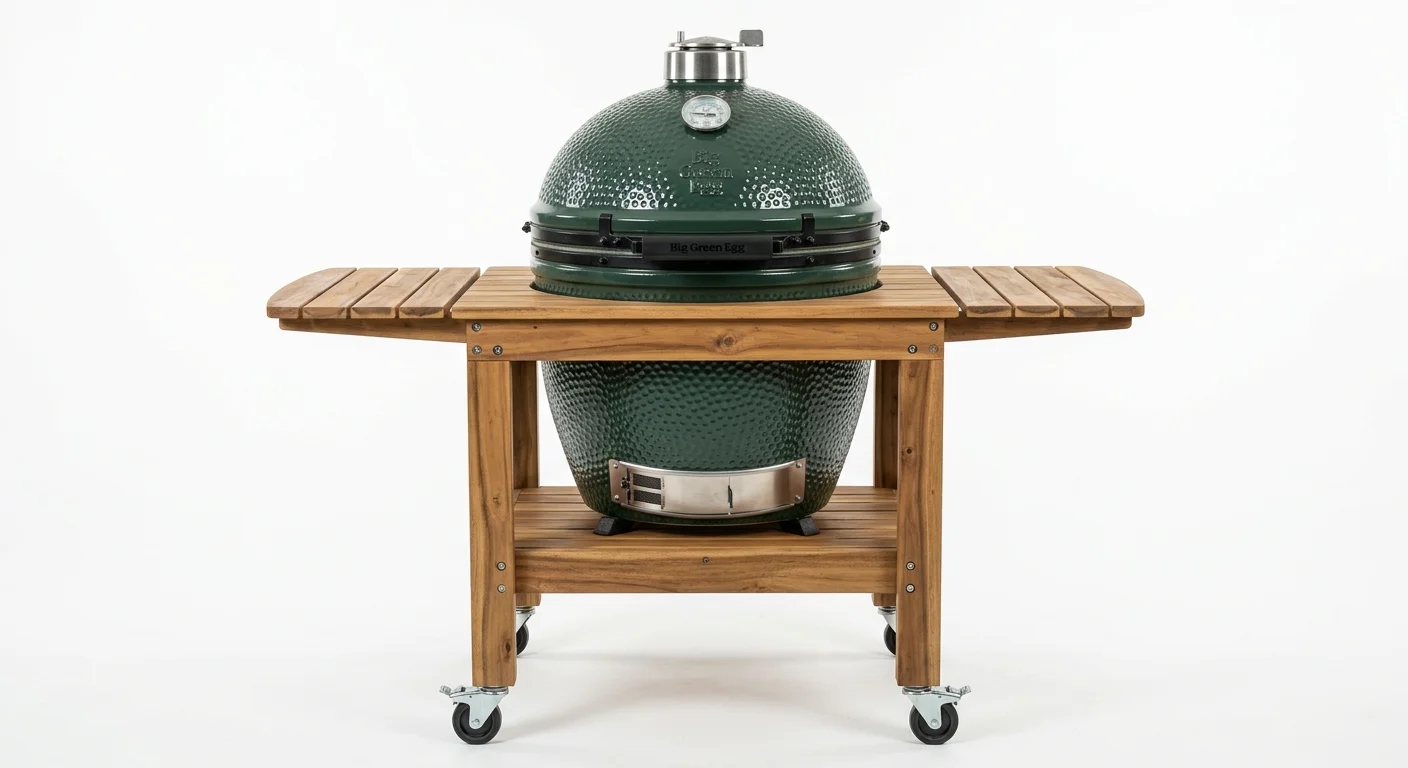
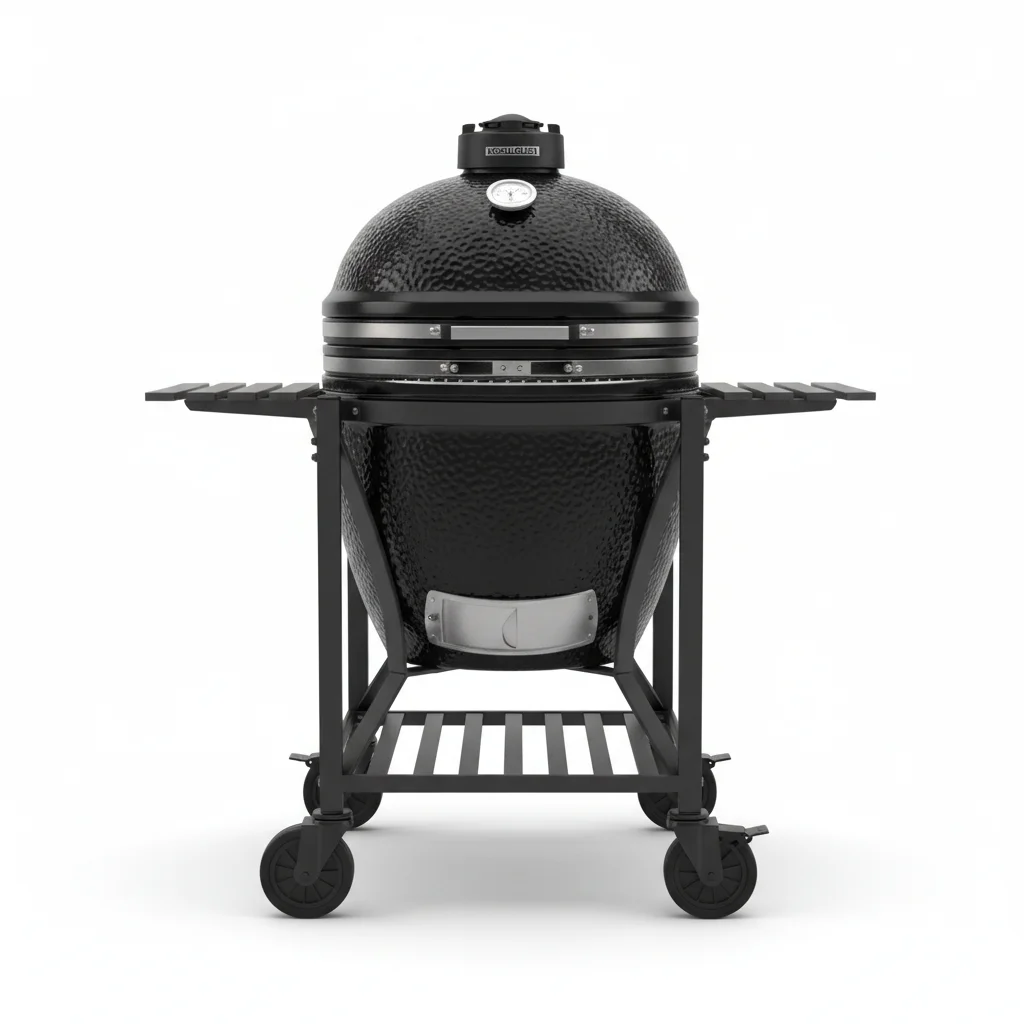
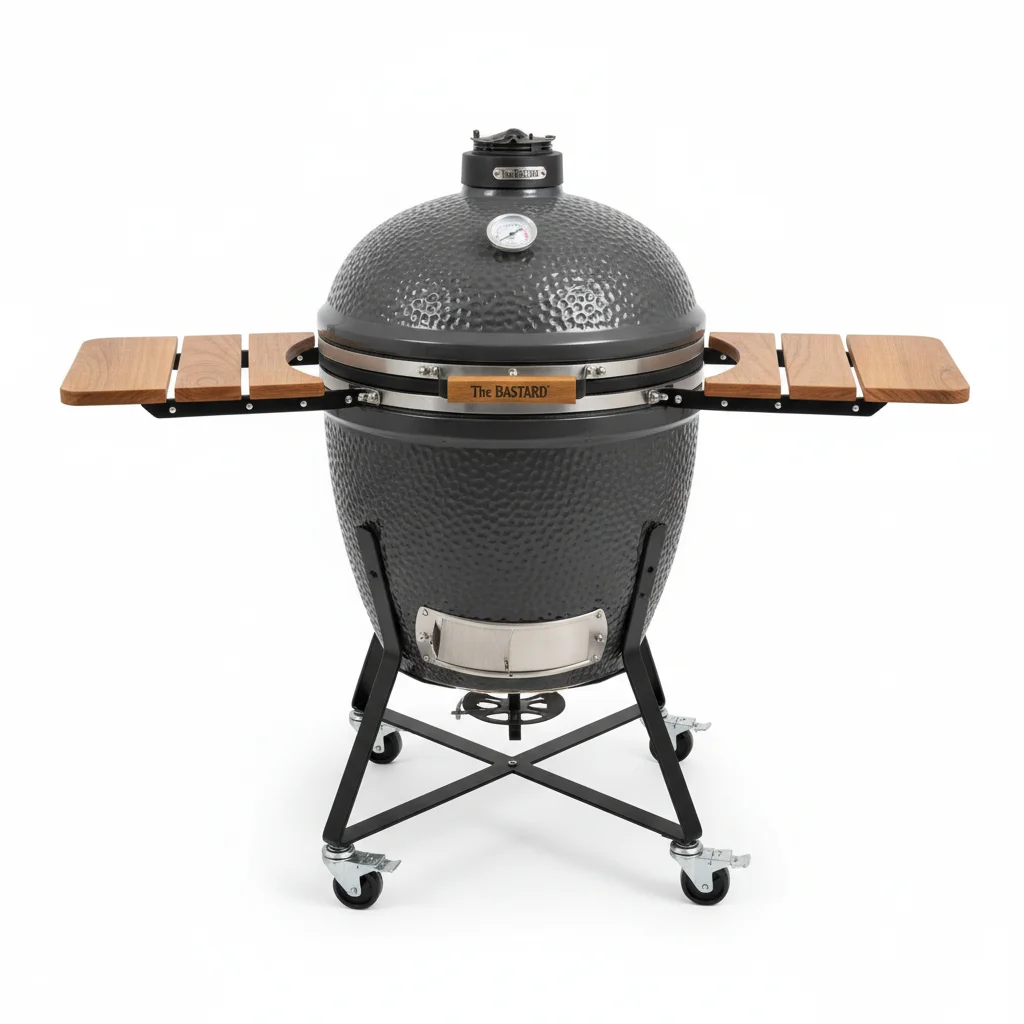
The architectural profile of the local area leans heavily toward luxury hillside villas. These properties usually feature large, tiered terraces that offer incredible views of Levante Beach but also present specific challenges for outdoor equipment. A Kamado BBQ, with its thick ceramic walls and high-density insulation, is uniquely suited to this environment. The weight of these units, ranging from 80kg to over 150kg, provides a level of stability and thermal mass that lightweight grills simply cannot match. In a town where the average property price reflects a certain expectation of quality, installing a premium ceramic grill that can last twenty years makes more financial and practical sense than replacing a rusted metal unit every three seasons. We see a lot of families who have moved from Northern Europe and are used to heavy-duty cooking; they find that the Kamado bridge the gap between a traditional BBQ and a professional oven. This versatility is essential when your outdoor space is where you host everything from Sunday roasts to late-night summer gatherings. The ability to maintain a steady 110 degrees Celsius for a twelve-hour brisket or crank it up to 400 degrees for a ninety-second pizza is what makes these grills the centerpiece of the local terrace culture.
Practicality is the bedrock of a successful outdoor setup, and the microclimate here plays a significant role in how you should choose and maintain your equipment. We are fortunate to live in a sheltered zone that benefits from a Montgó-style mountain protection effect. This creates a more stable atmosphere than the windier plains further south. However, the moderate coastal breeze still carries a fine salt mist, especially if your terrace faces the Mediterranean near Levante Beach. For a Kamado BBQ, this means the quality of the hardware—the hinges, the bands, and the nuts—is just as important as the ceramic itself. I always tell residents to look for units with 304-grade stainless steel or high-quality powder-coated galvanized steel. A mid-range Kamado Joe Classic II, priced around €1,699, is an excellent benchmark because its hardware is designed to withstand the humidity which, while lower here than in the southern reaches of the Costa Blanca, can still take a toll on inferior metals. The ceramic body itself is essentially impervious to the salt air, which is a massive advantage over gas grills that often suffer from internal burner corrosion over time.
Another critical consideration for local residents is the "Comunidad de Propietarios" or community rules. Many of the newer developments near the Salt Flats have strict regulations regarding smoke and fire hazards. One of the greatest technical advantages of a Kamado is its efficiency. Because the ceramic walls retain heat so effectively, you use significantly less charcoal than you would in a traditional open grill. Once the charcoal is lit and the lid is closed, the smoke output is minimal and highly controllable via the top vent. This makes it a much more "neighbor-friendly" option for those living in high-density areas or apartments with large balconies. When it comes to fuel, the local availability of high-quality Holm Oak (Encina) charcoal in the Marina Alta is a game-changer. This dense hardwood burns long and clean, complementing the ceramic’s ability to hold temperature. I typically recommend avoiding the cheap briquettes found in local supermarkets, as they contain binders that can permeate the porous ceramic of your grill and permanently affect the flavor of your food. For maintenance, the lower humidity of our microclimate is a blessing. It prevents the mold growth inside the grill that often plagues owners in wetter climates, provided you leave the vents slightly cracked to allow for airflow during the humid weeks of late August.
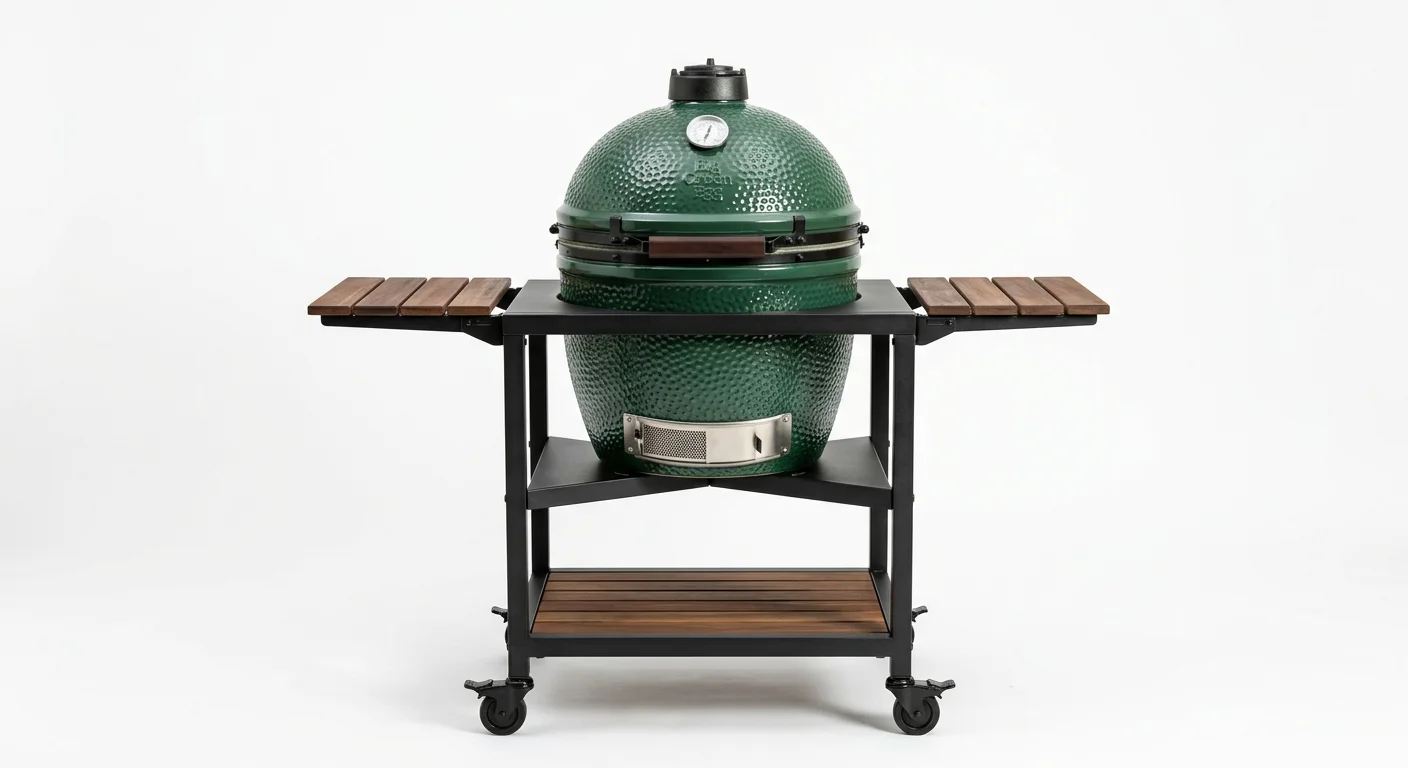
When recommending a setup for a villa in the local hills, I almost always suggest a permanent or semi-permanent installation. If you have a terrace in the 60 to 80 square meter range, a standalone Kamado on a cart is fine, but integrating it into an outdoor kitchen is the ultimate move. For these larger properties, I often recommend the Monolith LeChef or the Kamado Joe Big III, which sit in the €2,800 to €3,500 price bracket. These units offer a 61cm cooking diameter, which is necessary if you are entertaining the large groups that are common in the British and German social circles here. At this level of investment, it is common to pair the Kamado with a dedicated gas-bbq for quick midweek meals or a high-quality pizza-oven for social nights. The Kamado becomes your "slow and steady" workhorse, while the gas grill handles the immediate tasks. This dual-fuel approach is the hallmark of a truly functional Mediterranean outdoor kitchen.
For those residing in the upscale apartment blocks overlooking La Fossa, the strategy changes. Space is still generous, but logistics and weight are bigger factors. A smaller, more portable unit like the Kamado Joe Junior or a Monolith Icon, priced between €800 and €1,100, is surprisingly capable. These smaller units still offer the same ceramic thickness and heat retention but are much easier to move if you decide to reorganize your terrace layout. Even on a smaller footprint, you can achieve professional results. I have helped many residents set up a "compact" outdoor kitchen that combines a small ceramic grill with a prep table and a portable induction hob. This setup provides a complete cooking solution without overwhelming the terrace or obstructing those critical sea views. The key is to choose equipment that matches the scale of your specific urbanisation while not compromising on the thermal performance that only ceramic can provide.
Delivery and installation in this part of the coast require a level of local knowledge that a national courier simply doesn't possess. The geography of the town is a mix of flat coastal roads and incredibly steep, winding inclines in the residential estates. Moving a 120kg ceramic grill into a villa in the higher elevations requires more than just a pallet jack. We regularly navigate these logistics, ensuring that the unit is not just dropped at the gate but positioned exactly where it needs to be on your terrace. Our service area naturally extends to neighboring Moraira, Benissa, and Altea, where we see very similar architectural styles and climate conditions. In Alfaz-del-pi, for example, the wind patterns might differ slightly, but the requirement for durable, high-heat equipment remains the same. We understand the specific access issues of the older parts of town and the modern requirements of the new builds near the coast.
Over the years, I have helped over 200 families across the Costa Blanca set up their dream outdoor spaces. I know the frustration of buying a piece of equipment that looks good in a showroom but fails after one season of exposure to the Mediterranean elements. That is why I focus on brands and materials that I know can handle the specific conditions of the Marina Alta. When you invest in a Kamado from us, you are getting more than a box; you are getting the benefit of years of trial and error in this specific environment. We provide a free consultation to look at your terrace space, discuss your cooking style, and determine which model fits your property type and budget. Whether you are looking to build a full outdoor kitchen or simply want the best standalone grill available today, we have the local expertise to make it happen. Our goal is to ensure that your outdoor cooking experience is as seamless and enjoyable as the views from your terrace, backed by the knowledge of someone who lives and breathes the outdoor lifestyle right here alongside you.
 JW'"
/>
JW'"
/>