Outdoor Living in Benissa
Benissa stretches from a historic old town inland to a stunning coastline of hidden calas, with 40% of its 12,000 residents — British, German, and Dutch — living in finca-style properties and coastal villas averaging €350,000.
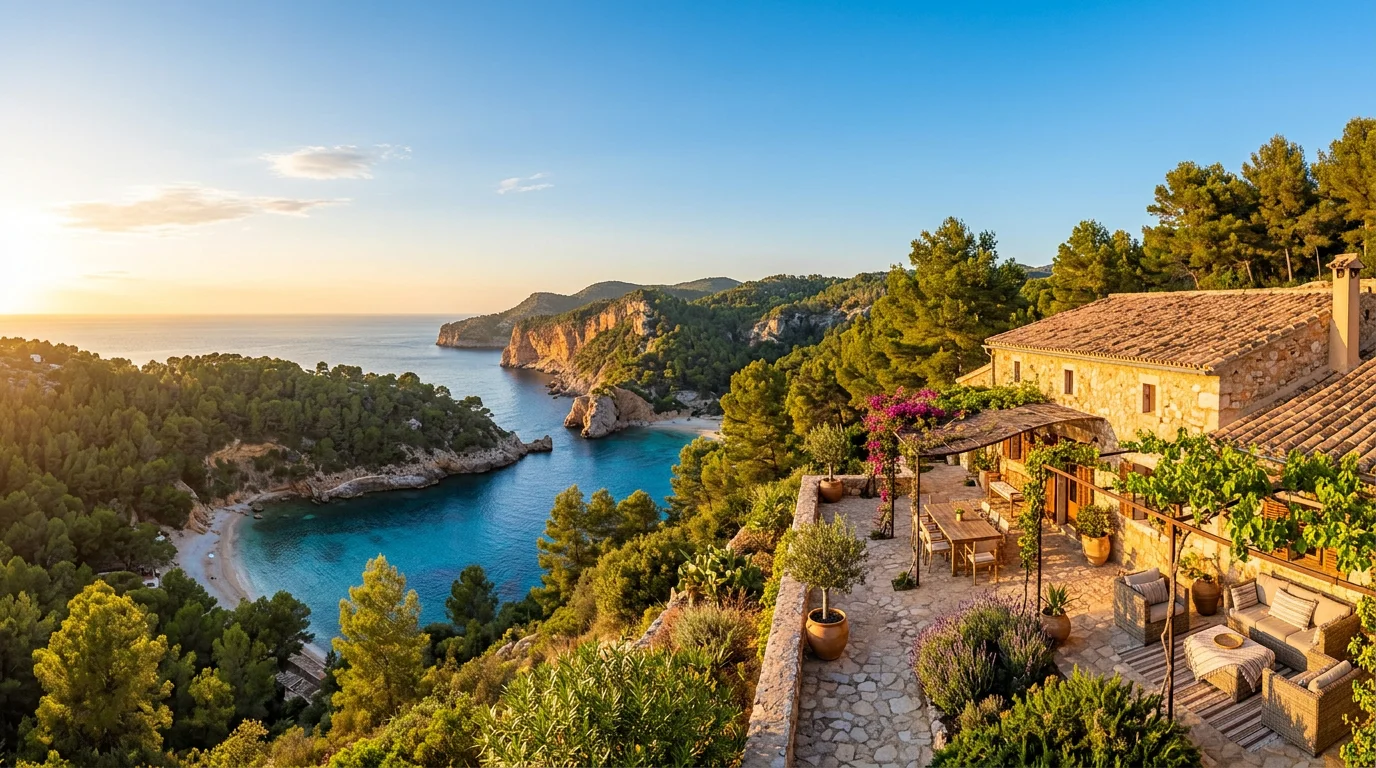
Benissa is two towns in one. The inland old town, with its Gothic church, narrow streets, and traditional finca country, feels authentically Spanish in a way that many coastal developments do not. Then there is the Benissa coast — a series of small rocky coves (calas) and clifftop villas stretching between Calpe and Moraira that rival anything on the French Riviera for sheer natural beauty.
Coastal villas above the calas feature large terraces with sea views, infinity pools, and outdoor entertaining spaces that demand serious cooking equipment. Inland, traditional fincas on larger plots offer rustic charm — stone-walled gardens, mature olive and almond trees, and privacy that coastal properties cannot match. Average prices sit around €350,000, though coastal villas frequently exceed €500,000.
The expat community is smaller and more established than in the southern towns. Residents tend to be long-term — people who chose Benissa for its character. That considered approach extends to their outdoor kitchens, where quality and longevity take priority over price.
Benissa’s mix of premium coastal villas and rustic inland fincas creates demand for high-quality outdoor kitchens, with an established expat community that prioritises craftsmanship and durability over budget.
Choosing Your Setup in Benissa
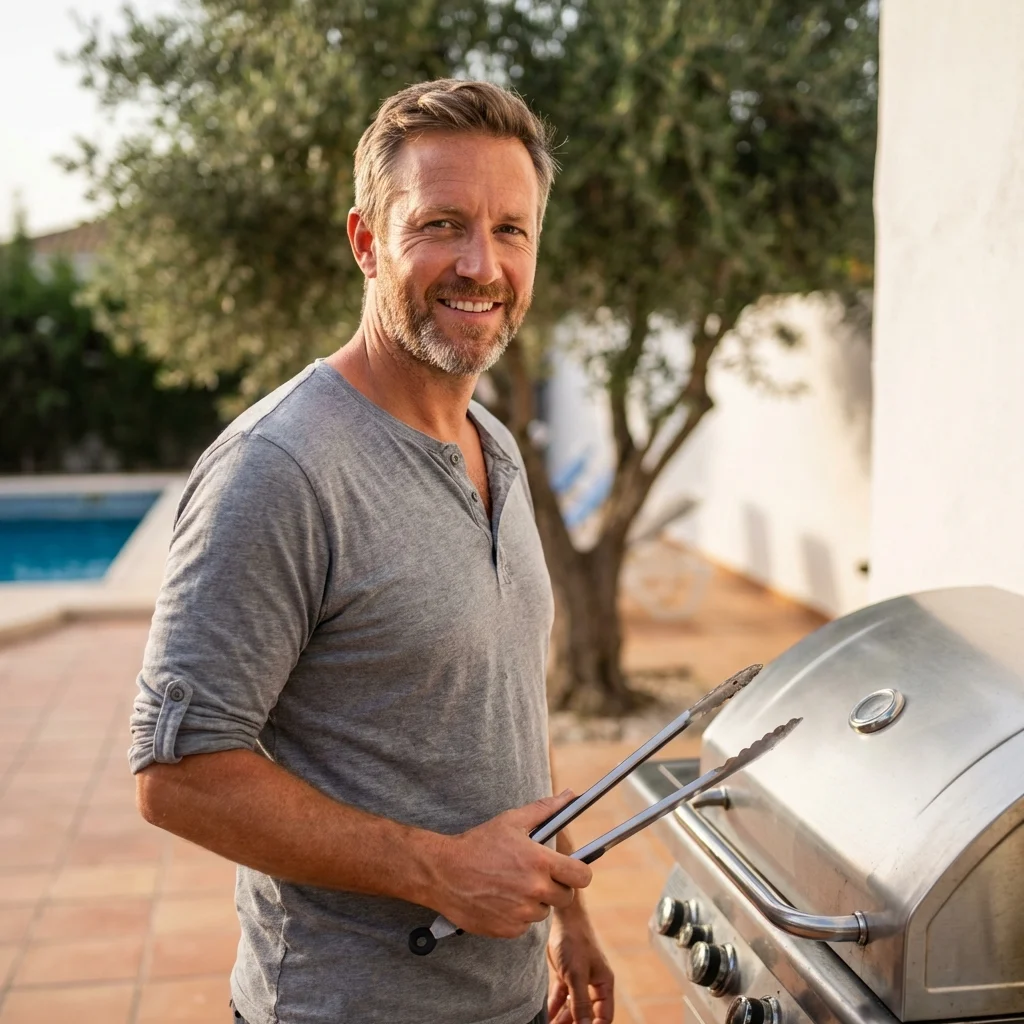
Coastal villa terraces suit full outdoor kitchen builds with built-in gas BBQs and pizza ovens, while inland fincas offer the space and character for rustic wood-fired cooking stations surrounded by olive groves.
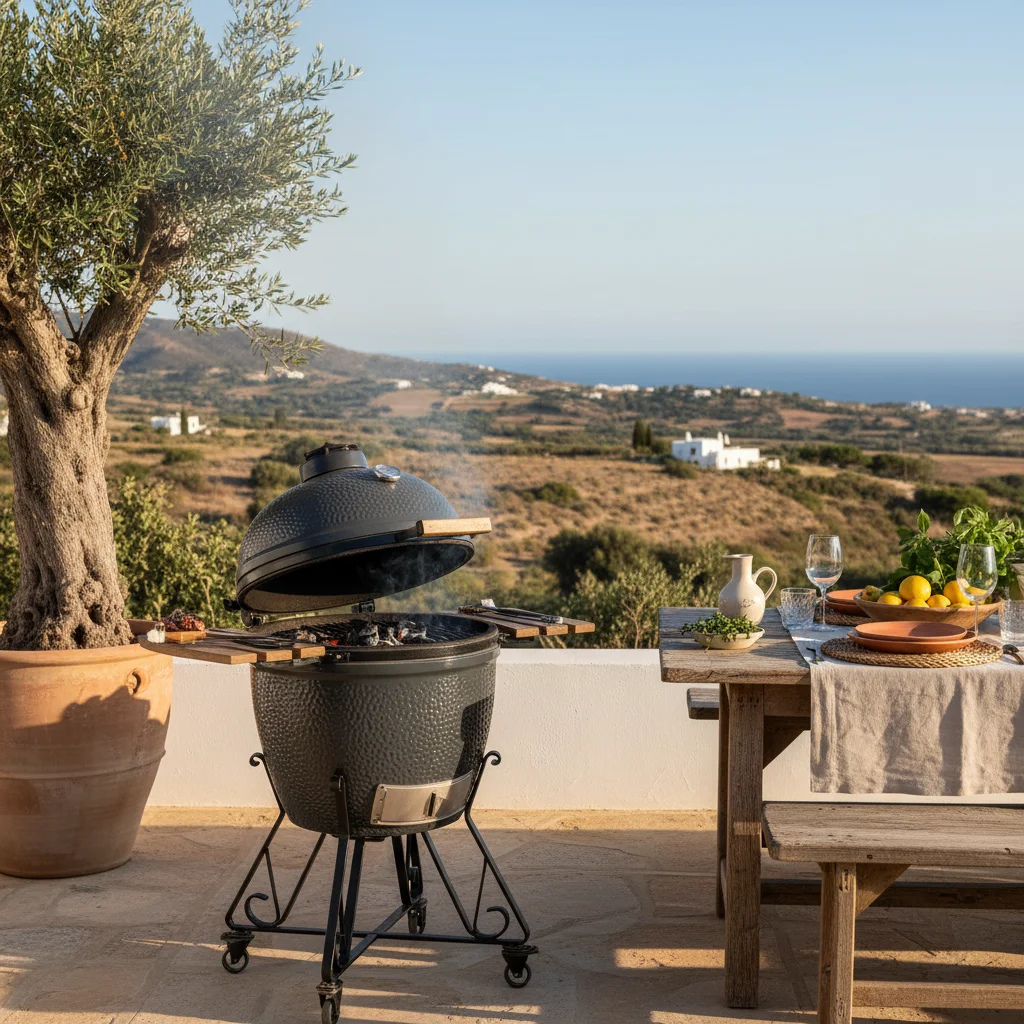
For coastal properties above the calas, Costa Blanca Outdoors recommends a built-in outdoor kitchen that matches the architectural quality of the villa. Natural stone countertops, a premium gas BBQ with stainless-steel construction rated for salt air exposure, and a wood-fired pizza oven create a cooking station worthy of the setting. Many of our coastal Benissa clients add a kamado grill as a secondary piece — the versatility for smoking and slow-roasting complements the gas BBQ perfectly.
Inland finca owners have a different opportunity. The larger plots and rustic aesthetics call for wood-fired cooking as the centrepiece rather than an addition. A traditional-style pizza oven built into a stone surround, fuelled by wood from the property’s own almond or olive trees, feels entirely at home in finca country. Several of our Benissa finca customers have built dedicated outdoor cooking areas with a pizza oven, a parrilla-style open grill, and a prep station under a vine-covered pergola.
Gas remains practical for everyday cooking, particularly on the coast. Butane bombonas are available in Benissa town and from delivery services covering the coastal urbanisations.
Costa Blanca Outdoors recommends salt-air-rated stainless-steel BBQs for Benissa’s coastal villas and traditional wood-fired setups for inland fincas, using wood from the property’s own almond and olive trees.
Delivery to Benissa
We deliver throughout Benissa — coast and inland — on our northern Costa Blanca route, with specialist experience accessing clifftop villa driveways and rural finca tracks.
Benissa’s geography means delivery requires planning. Coastal villas often sit at the end of steep private roads above the calas, and inland fincas are reached via narrow agricultural tracks. Our team delivers here regularly and knows which approaches work, which gates need opening in advance, and where to position vehicles for safe unloading of heavy equipment.
Every delivery includes complete white-glove service. For built-in kitchen projects, we coordinate with Benissa-based stonemasons and builders who work in both the coastal contemporary style and the traditional finca aesthetic — ensuring your outdoor kitchen feels integrated with the property rather than bolted on.
We serve Calpe and Moraira on the same northern route, and Benitachell is just down the coast. Standard delivery runs 5–10 working days for in-stock items, with custom projects taking 3–4 weeks.
Outdoor Culinary Excellence for the Hillside Villas of Benissa
Since I relocated to this stretch of the coast in 2019, I have spent a significant amount of my time navigating the winding, sun-drenched roads that connect the historic center of the municipality to the rugged beauty of the coastline. In these years, helping over 200 families settle into their Mediterranean lifestyles, I have noticed a distinct shift in how residents view their outdoor spaces. This particular corner of the Marina Alta, with a population of roughly 12,000 people, boasts a unique demographic where nearly 40% of residents are international expats. The blend of British, Dutch, and German homeowners has created a sophisticated outdoor living culture that demands more than a simple tripod grill. When you are sitting on a 60 m² terrace in a luxury villa overlooking the turquoise waters of Fustera Cove or the secluded pebbles of Advocat Cove, the equipment you use to cook must match the quality of your surroundings and the caliber of the ingredients available at our local markets.
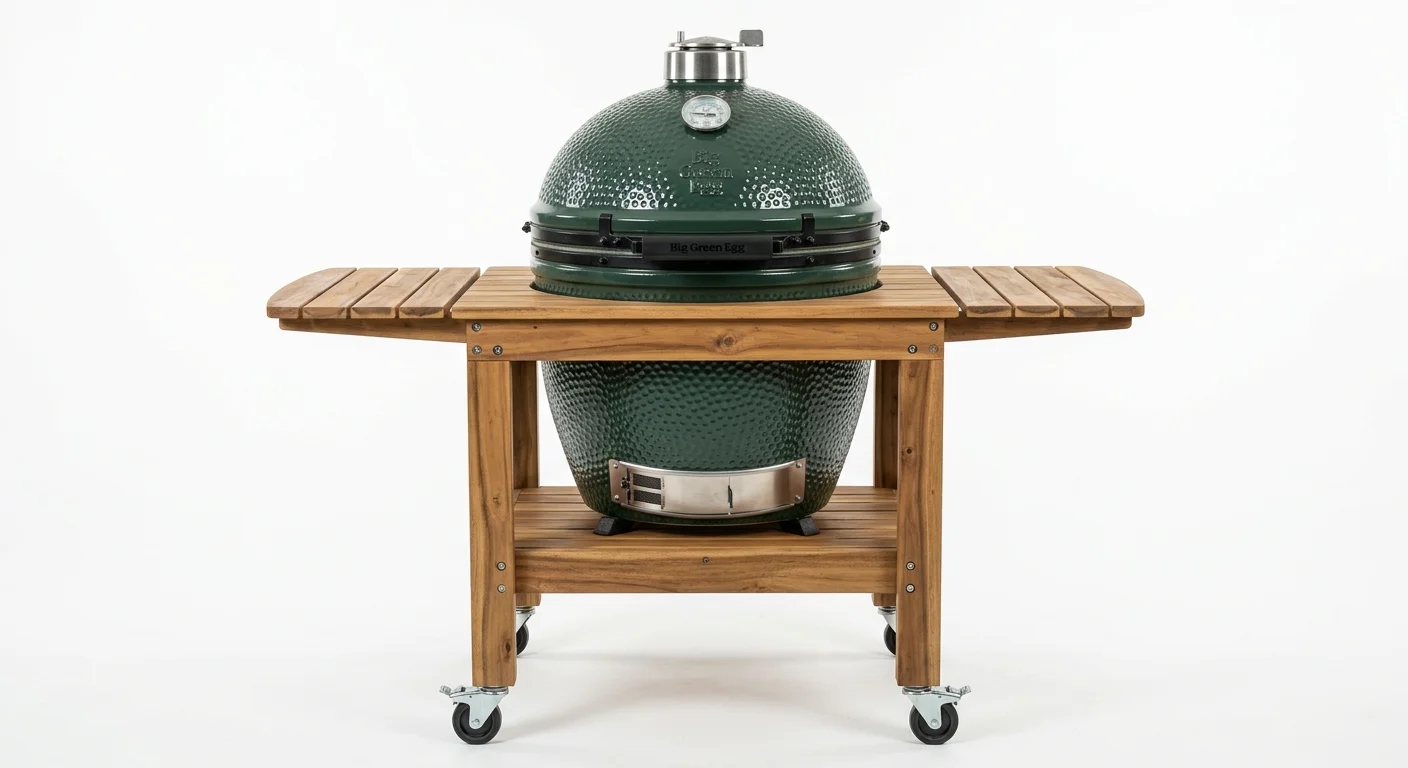
The architectural landscape here is dominated by substantial properties, often valued at upwards of €380,000, characterized by expansive terraces that range from 40 to 80 m². These spaces are treated as primary living rooms for ten months of the year. For a resident living along the Coastal Walk or nestled in the quiet urbanizations between the mountains and the sea, a Kamado BBQ is not just a cooking appliance; it is a piece of permanent infrastructure. These heavy, ceramic vessels offer a versatility that matches the diverse culinary traditions brought here by the northern European community. Whether it is a traditional British Sunday roast, a slow-smoked German brisket, or a Dutch-style seafood platter, the thermal properties of high-fired ceramic allow for precision that gas or open charcoal grills simply cannot replicate. The weight and insulation of these units mean they hold heat with incredible efficiency, making them the gold standard for those who take their outdoor entertaining seriously.
In the historic Old Town, where the atmosphere is more traditional and the properties more compact, the choice of equipment changes, but the requirement for quality remains the same. However, it is in the hillside villas where the Kamado truly shines. The sheer scale of the outdoor areas allows for comprehensive setups that often integrate these ceramic units into larger configurations alongside a high-end gas-bbq for quick weeknight grilling or a dedicated pizza-oven for social gatherings. Because our local culture revolves so heavily around the private pool and the shaded terrace, having a cooker that can operate safely for 12 hours at a time without constant monitoring is a significant lifestyle advantage. You can light the charcoal in the morning, set your vents, and spend the entire day at the beach or walking the coastal paths, knowing that your dinner is slowly reaching perfection in a controlled, insulated environment.
Technical Considerations and Expert Local Advice
Operating a Kamado BBQ in this specific region requires an understanding of our unique microclimate. We are fortunate to live in a zone that enjoys a "Montgó-style" mountain protection. The surrounding ridges act as a buffer against the harshest weather patterns, resulting in a sheltered environment with a moderate coastal breeze and notably lower humidity than the southern stretches of the Costa Blanca. For ceramic cooking, this is ideal. High humidity can sometimes make charcoal difficult to light or cause it to extinguish prematurely, but our relatively dry air ensures a clean, consistent burn. However, the moderate breeze that rolls off the Mediterranean toward the hills can affect the temperature control if your unit is placed in a particularly exposed spot on a high-elevation terrace. I always advise clients to position their Kamado in a location that utilizes the natural lee of the villa or a purposeful windbreak to ensure the airflow through the bottom vent remains steady.
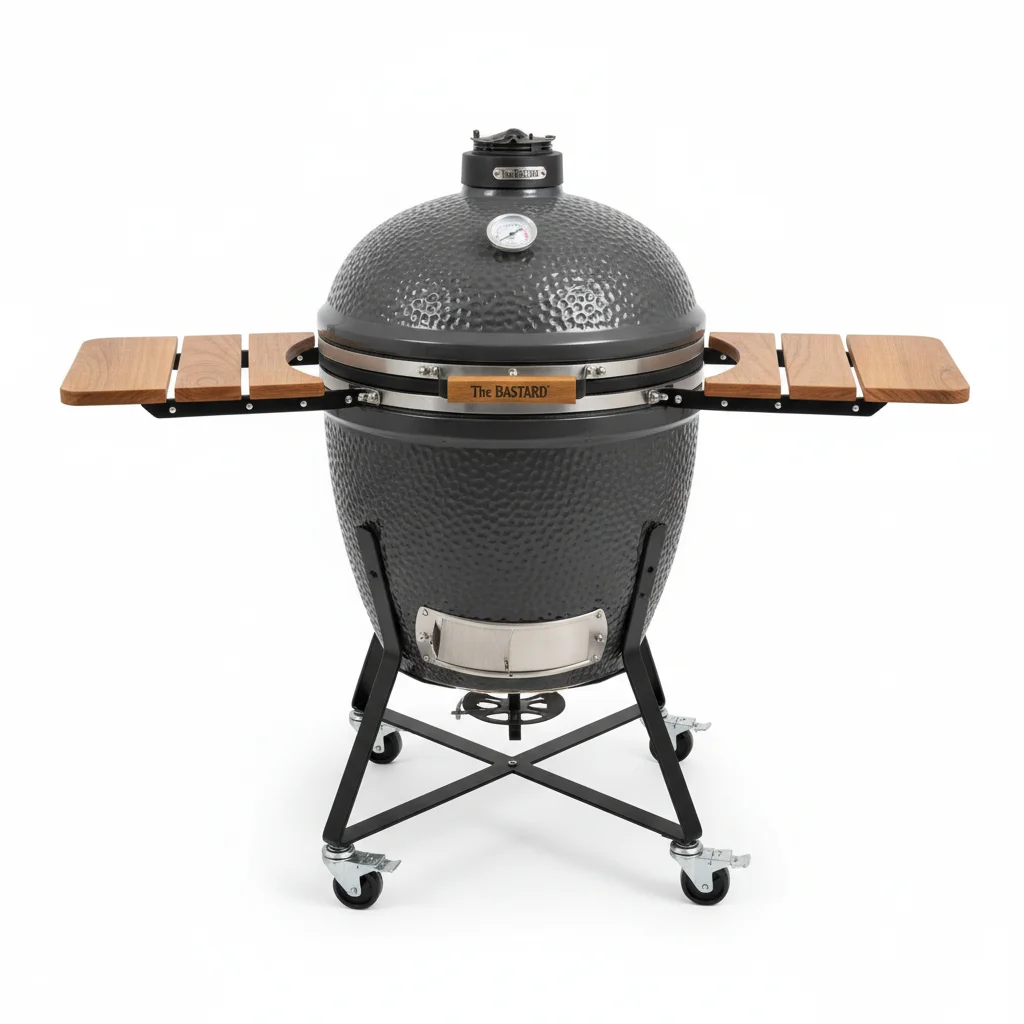
One factor that many newcomers overlook is the impact of salt air. Even though our humidity is lower, properties near Fustera Cove or the lower elevations are still subject to the corrosive effects of the sea spray carried by the wind. While the ceramic body of a Kamado is impervious to salt and will literally last a lifetime, the hardware is where quality matters. This is why I rarely recommend entry-level models that use painted mild steel for their hinges and bands. For this environment, I suggest looking at units like the Monolith Le Chef Pro Series 2.0, which retails around €2,900. It utilizes high-grade stainless steel and robust fittings that can withstand the salt air without pitting or rusting. Spending more upfront on a unit with 304-grade stainless steel components is a necessity here, not a luxury. If you opt for a more budget-conscious model in the €800 to €1,200 range, you must be diligent about using a high-quality, breathable cover whenever the unit is not in use to protect the metalwork from the coastal atmosphere.
Community regulations, or the rules of the comunidad de propietarios, are also a vital consideration. While most residents in the hillside urbanizations live in detached villas where smoke is rarely an issue, those in more densely packed areas or smaller apartment complexes need to be mindful. The beauty of a ceramic Kamado is that it is incredibly efficient with fuel. Once the initial lighting phase is over—usually about 15 minutes—the unit produces almost no visible smoke because the charcoal is burning so efficiently within the insulated chamber. This makes it a far more neighbor-friendly option than a traditional open charcoal grill or a vertical smoker. For fuel, I always recommend using high-density lump charcoal, such as quebracho blanco, which is readily available in the region. Avoid briquettes at all costs; the fillers and binders can permeate the porous ceramic walls of your BBQ and permanently affect the flavor of your food.
Tailored Recommendations for Local Property Types
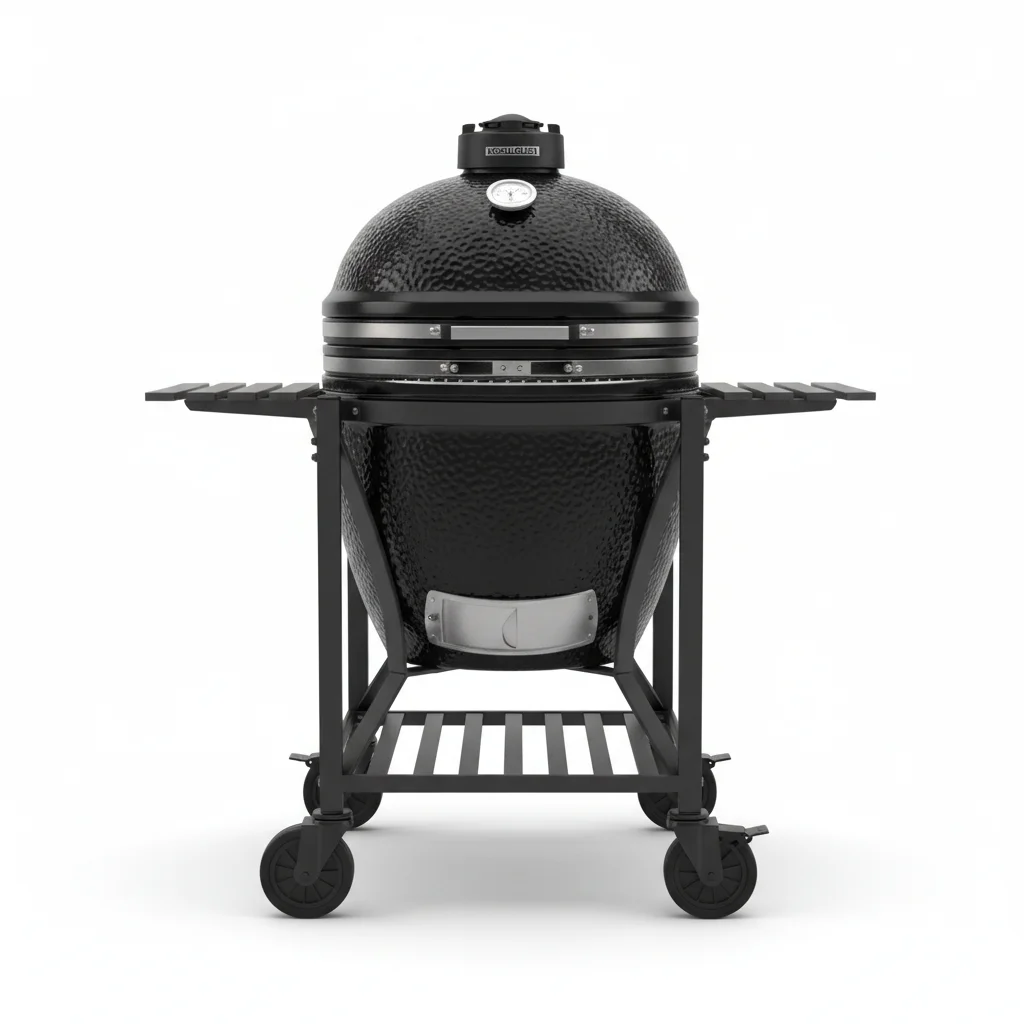
The diversity of housing stock in our area means that a one-size-fits-all approach to outdoor kitchens never works. For the expansive luxury villas that define much of our local real estate market, I recommend a built-in configuration. A large-diameter Kamado, such as a 24-inch model, works best when integrated into a custom outdoor-kitchen. By surrounding the ceramic unit with stone or heat-resistant cabinetry, you create a permanent workstation that can handle everything from a low-and-slow smoked pork shoulder to high-heat searing of locally caught red prawns. In these larger setups, we often pair the Kamado with a premium gas-bbq. This provides the ultimate flexibility: the gas grill for a fast lunch after a morning swim, and the Kamado for the theatrical, flavor-intensive evening meals that define the Mediterranean lifestyle.
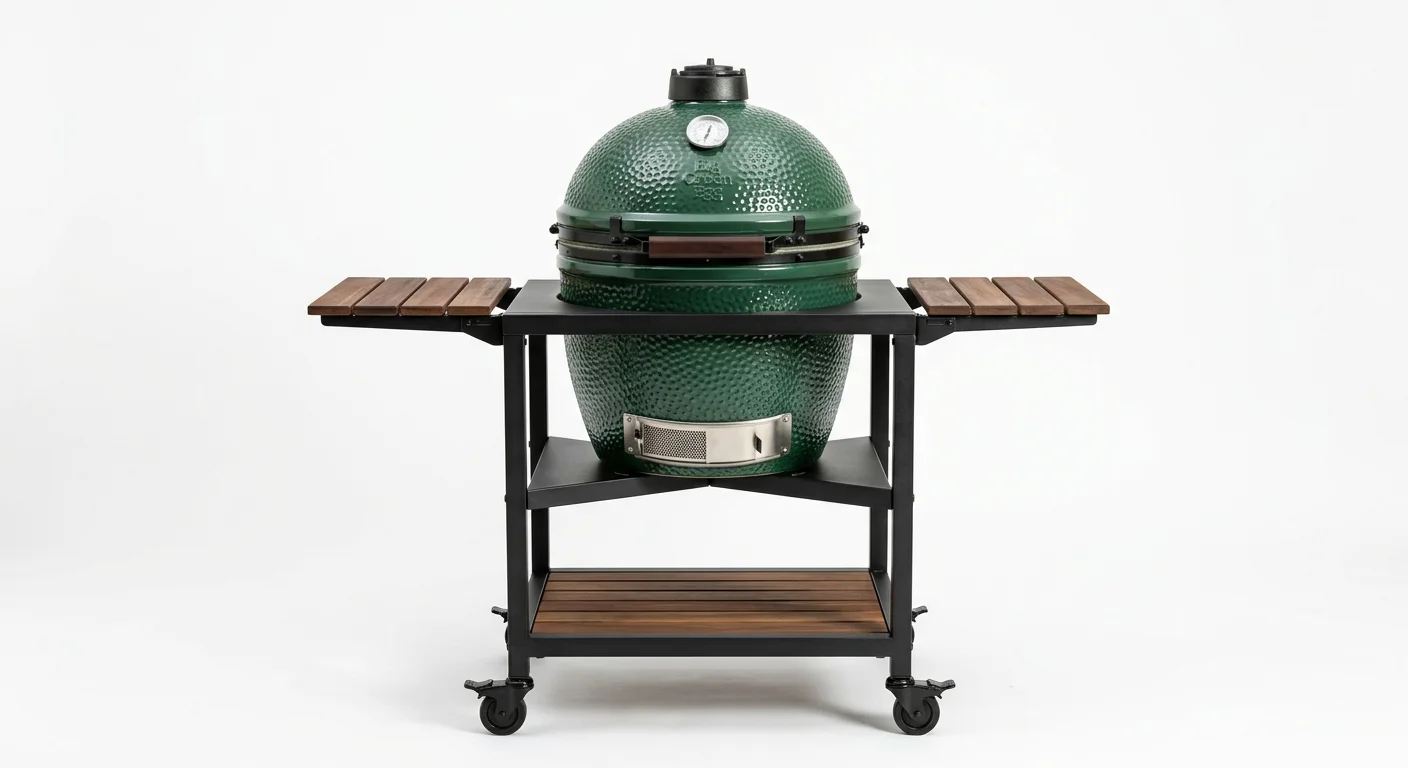
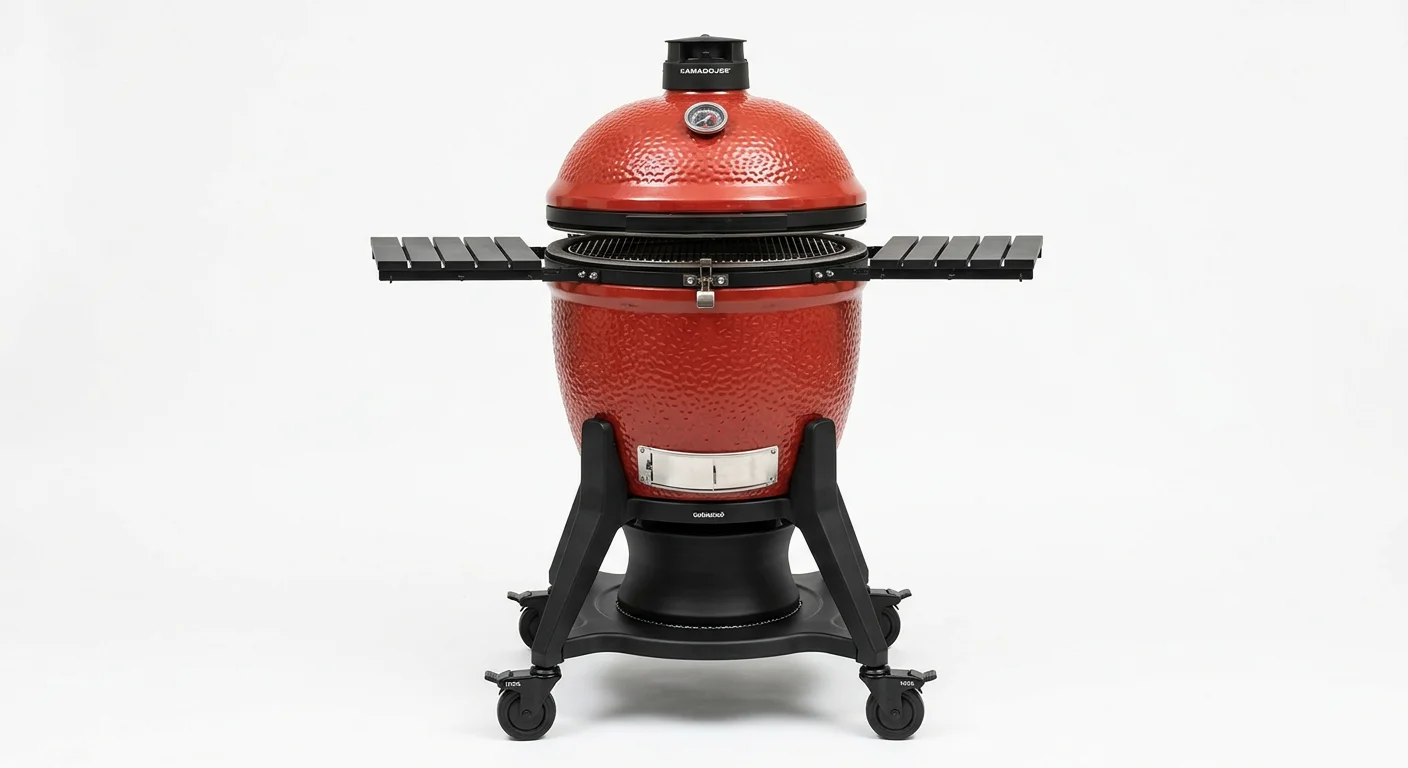
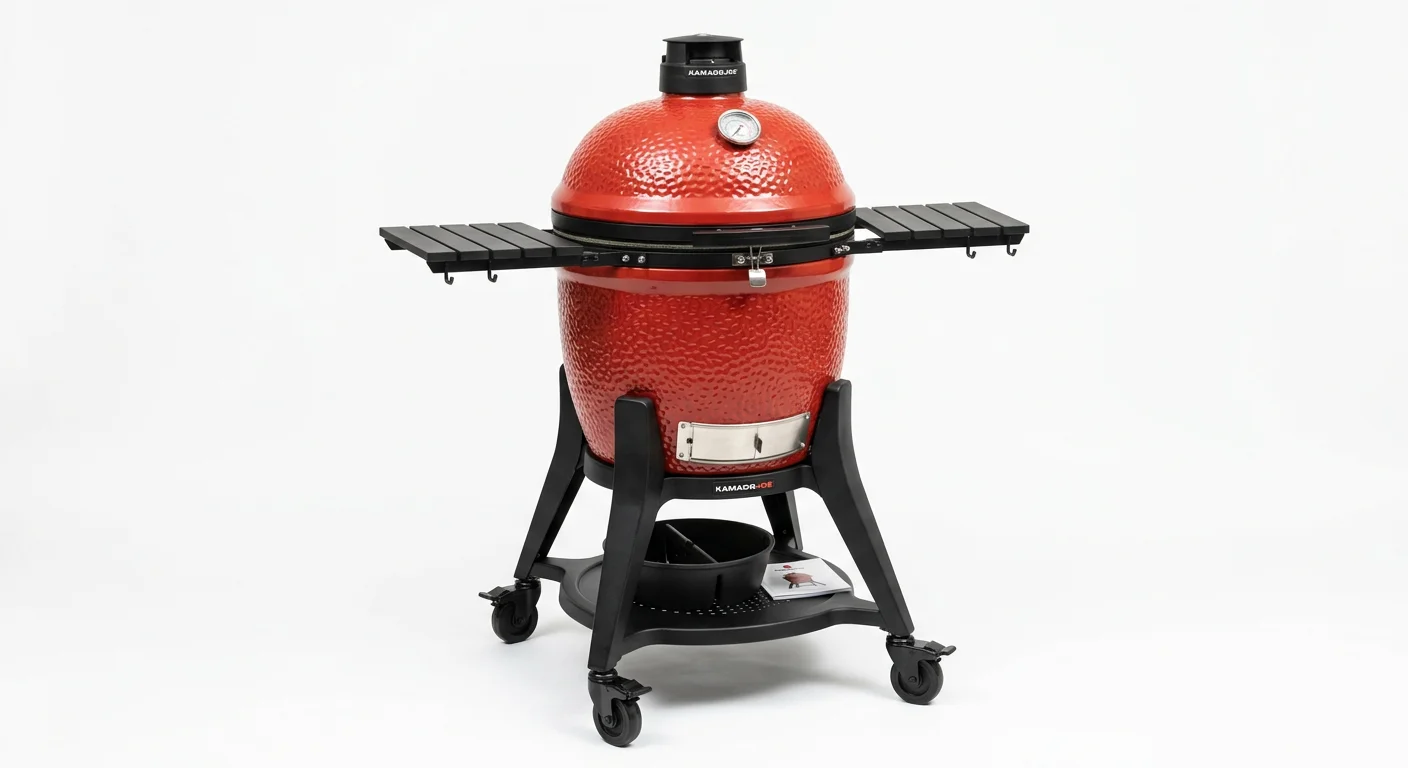
If you are residing in one of the beautifully restored houses in the Old Town or a property with a more constrained 40 m² terrace, space management becomes the priority. In these instances, a standalone Kamado on a heavy-duty cart with folding side shelves is the superior choice. It allows you to move the unit to follow the shade or to clear space when you have guests over. A mid-sized model, typically costing between €1,500 and €2,200, provides enough cooking surface to feed a family of six while maintaining a footprint that doesn't dominate the terrace. I often suggest adding a dedicated pizza-oven to these smaller spaces as well, as many modern pizza ovens are portable and can be stored away when not in use, complementing the permanent presence of the Kamado.
Regardless of the property type, the inclusion of a ceramic cooker fundamentally changes how you use your outdoor-kitchen. Unlike a standard grill, a Kamado functions as a heavy-duty oven. You can bake bread, roast a full turkey, or even cook a paella on it by using a specific rack system. The thermal mass of the ceramic creates an even, radiating heat that prevents the meat from drying out—a common problem when cooking outdoors in the Spanish heat. For those who enjoy hosting, I recommend a multi-level cooking system. This allows you to have different heat zones within the same unit, searing a steak at 300°C on one side while roasting vegetables at 150°C on the other. This level of control is what separates a casual griller from a true outdoor chef, and it is perfectly suited to the high-quality produce we have access to in our local markets.
Delivery and Local Expertise on the Marina Alta
Logistics in this part of the world can be challenging, a fact I have learned through years of delivering heavy equipment to some of the most inaccessible hillsides in the region. A large Kamado can weigh well over 100kg, and the ceramic is susceptible to cracking if mishandled during transport. We don't just drop a box at your gate. My team and I are intimately familiar with the narrow, winding drives of the urbanizations surrounding Moraira, Calpe, and Benitachell. We know which roads require a smaller van and where we might need specialized lifting equipment to get a unit onto a raised terrace or through a tight garden gate. Whether you are located near the coastal paths or higher up toward the mountain ridges, we ensure that your investment is delivered, assembled, and positioned correctly.
Our service extends beyond Benissa to all neighboring towns including Jalon, Pedreguer, and the surrounding valleys. Having lived here since 2019, I understand the local infrastructure and the specific challenges of building and maintaining outdoor spaces in this climate. When we deliver a unit, we don't just leave you with a manual. We take the time to explain the airflow dynamics specific to your terrace's exposure and help you with the first firing to ensure the ceramic cures correctly. We understand the nuances of the local wind patterns and how they might affect your temperature control, providing advice that only someone who has spent years cooking in this exact environment can offer.
If you are considering upgrading your outdoor living area, the best way to start is with a conversation. Every terrace has its own orientation, wind exposure, and space constraints. I offer a free consultation service where we can discuss your specific needs, the layout of your property, and how to best integrate a Kamado into your existing or planned outdoor space. My goal is to ensure that the equipment you choose genuinely enhances your life here on the Costa Blanca, providing a reliable and enjoyable cooking experience for years to come. Whether you are looking for a standalone unit or a full outdoor kitchen integration, my experience with over 200 local families ensures that the advice you receive is practical, tested, and tailored to the unique lifestyle we enjoy in this beautiful part of Spain.
 JW'"
/>
JW'"
/>