Outdoor Living in Rojales and Ciudad Quesada
Rojales and Ciudad Quesada form one of the Costa Blanca’s largest expat hubs, where 69% of the 16,000 residents — mainly British, Scandinavian, and German — have built a year-round barbecue culture across sprawling urbanisations.
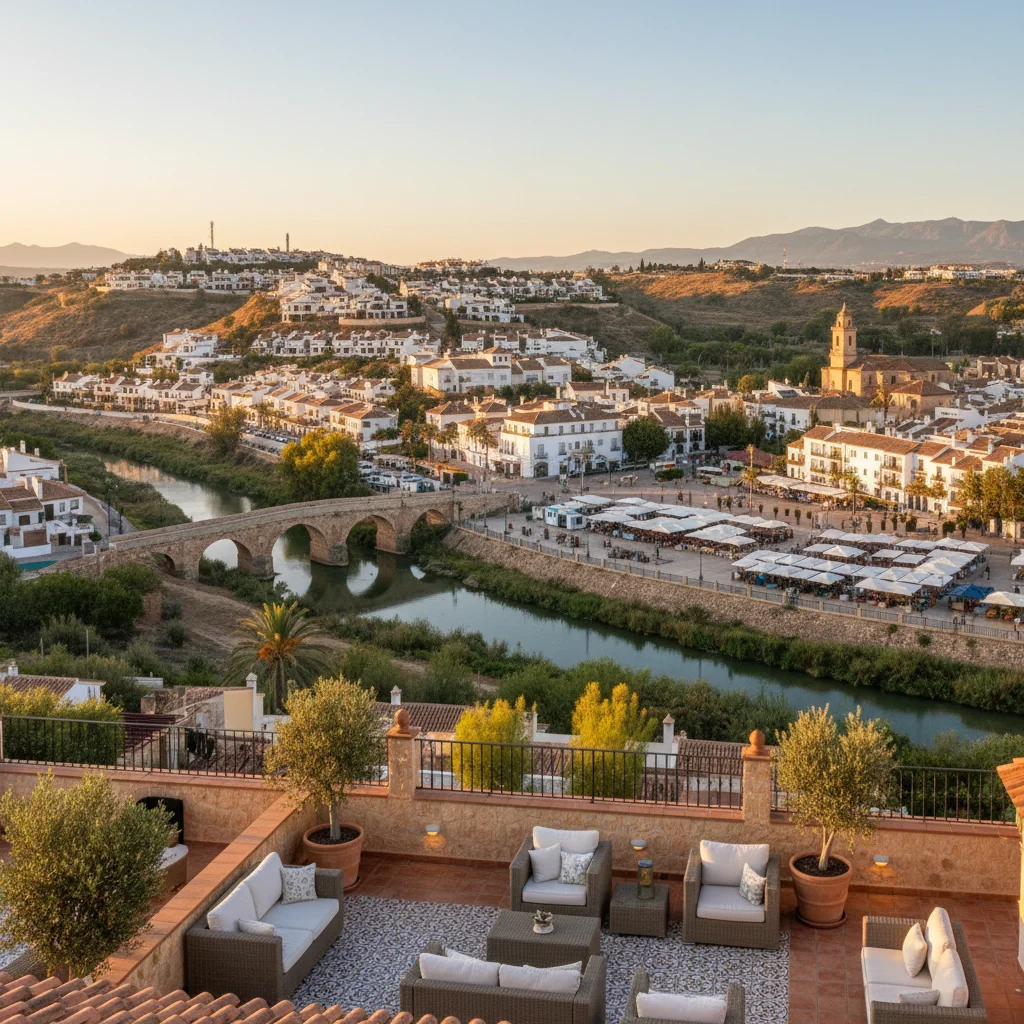
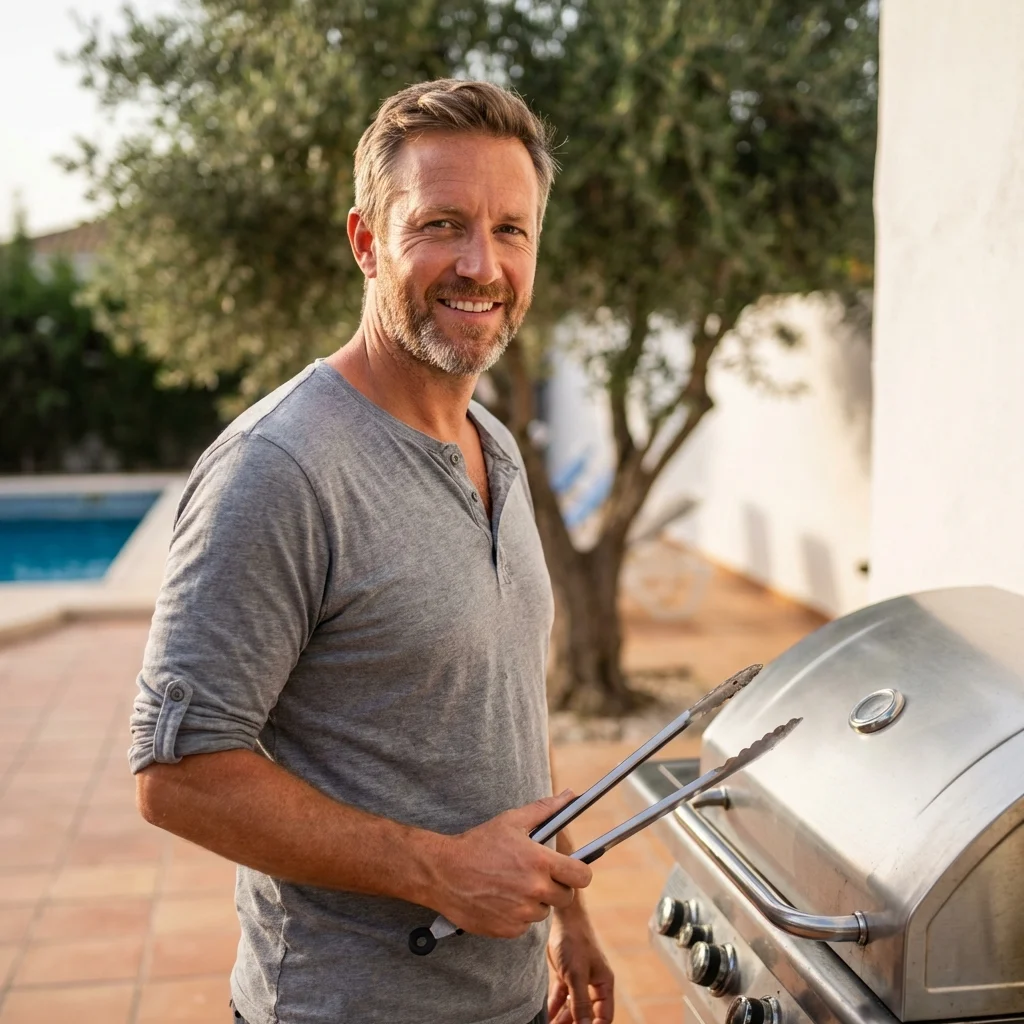
Ciudad Quesada sits on a hillside just above Rojales town, and it is here that most of the outdoor cooking action happens. The urbanisation was purpose-built for northern European buyers, so nearly every property comes with a south-facing terrace or rooftop solarium designed for exactly the kind of entertaining that a gas BBQ or kamado grill makes possible. Walk through Doña Pepa or Benimar on a Saturday afternoon and you will hear the familiar hiss of fat hitting hot grates from almost every other garden.
The surrounding areas — La Marquesa golf course, the riverside walk along the Segura, and the Sunday market in Rojales old town — give the area a community feel that keeps expats rooted here for decades. Properties average around €180,000, typically two- or three-bedroom villas with private pools and terraces between 20 and 50 square metres. That is more than enough space for a complete outdoor cooking station.
Rojales and Ciudad Quesada’s purpose-built expat urbanisations offer terraces ideally sized for gas BBQs, kamado grills, and compact pizza ovens, with 69% of residents from abroad.
Choosing Your Setup in Rojales
The typical Ciudad Quesada villa terrace of 20–50m² suits a standalone grill with room to spare, while rooftop solariums open up creative possibilities for elevated cooking stations.
Gas BBQs remain the top seller across the Rojales area. Spanish butane bombonas are available from multiple local suppliers, and the convenience of gas suits the midweek dinner culture that British and Scandinavian residents have established. For those who want richer flavour, a kamado grill handles everything from slow-smoked ribs to searing-hot steaks, and the ceramic body shrugs off the occasional cool evening from November to February.
Pizza ovens have gained serious traction here over the past two years. Neighbours in Ciudad Quesada trade tips on dough recipes and wood sourcing — almond and olive wood is readily available from agricultural suppliers inland. Costa Blanca Outdoors recommends a mid-sized wood-fired oven for Quesada terraces: large enough to cook for a dinner party of eight, compact enough to leave room for seating.
Properties near La Marquesa golf course tend to have larger gardens, making them ideal candidates for a full outdoor kitchen island with built-in gas BBQ and prep space. If you are working with a smaller Benimar terrace, a portable kamado paired with a folding prep table delivers impressive results without crowding the space.
Costa Blanca Outdoors recommends mid-sized wood-fired pizza ovens for Ciudad Quesada terraces, balancing cooking capacity for eight guests with enough remaining space for comfortable outdoor seating.
Delivery to Rojales and Ciudad Quesada
We deliver throughout Rojales, Ciudad Quesada, and surrounding urbanisations weekly, with reliable access to hillside properties and gated communities.
Rojales sits in our southern Costa Blanca delivery zone, one of our busiest corridors. Ciudad Quesada’s grid-pattern roads make access straightforward for even the largest deliveries — a welcome contrast to some of the narrower hillside urbanisations further north. Every delivery includes full setup: unpacking, assembly, placement on your terrace, and a hands-on walkthrough of your new equipment.
For built-in outdoor kitchen projects, we coordinate with local builders experienced in the construction standards common across Quesada and Benimar. Typical lead time is 5–10 working days for in-stock items, or 3–4 weeks for custom kitchen installations including design and fabrication.
Living nearby? We cover Orihuela Costa and San Fulgencio on the same southern routes, and customers in Torrevieja are just minutes away. One delivery run covers the entire southern corridor efficiently, keeping costs down for everyone in the area.
Managing the Rojales Sun: Expert Advice on Awnings & Toldos
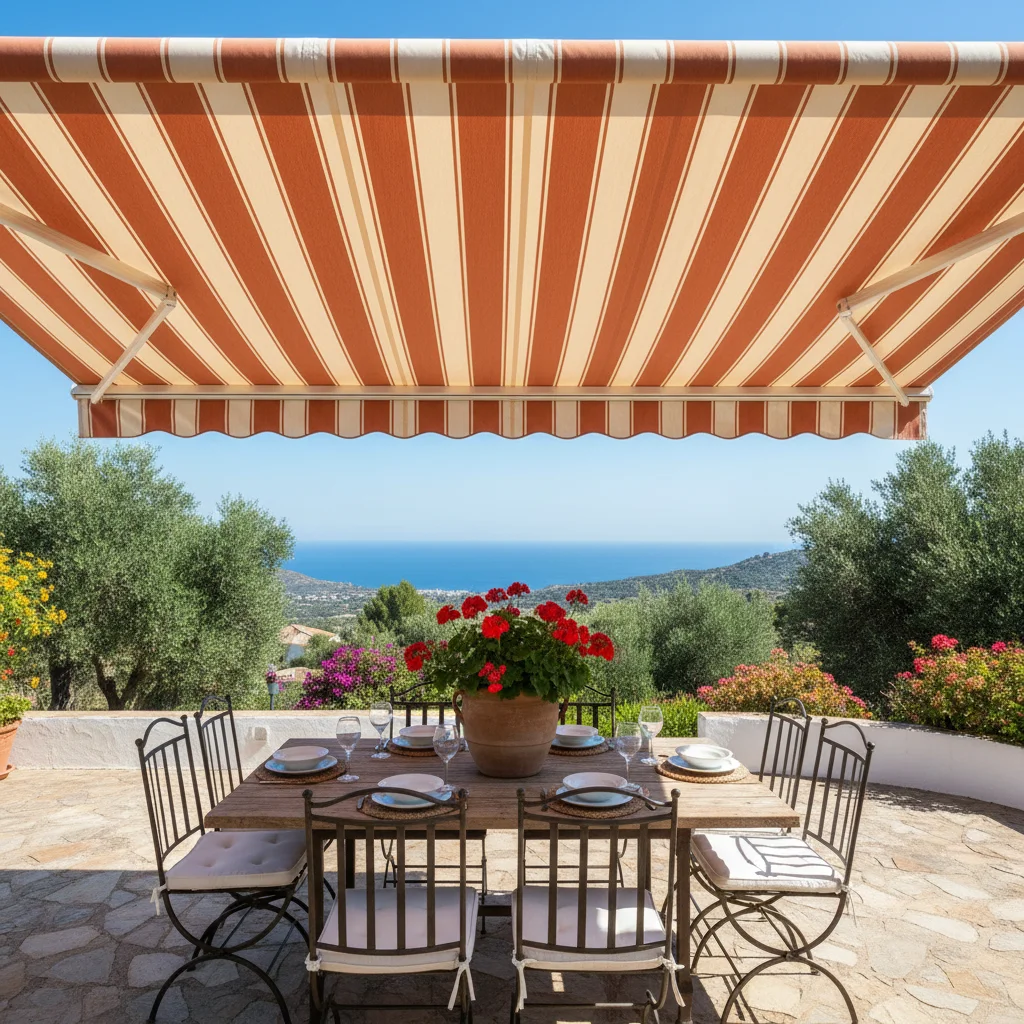
Living in this corner of the Costa Blanca South, particularly around the sprawling hills of Ciudad Quesada or the more traditional pockets like Pueblo Español, requires a specific approach to shade. With an international population making up nearly 70% of the residents, I see a diverse range of outdoor living styles, from British families hosting large Sunday roasts to Scandinavian neighbors who prefer sleek, minimalist lounging areas. Most properties here, averaging around €160,000, are designed with terraces that become unusable by 2:00 PM without proper intervention. The sun in this region is significantly more intense than in the northern Costa Blanca, and because we sit so close to the La Marquesa Golf course and the surrounding plains, we don't get the same mountain cooling effects found further north. A well-installed toldo isn't just a luxury here; it is the difference between an oven-like interior and a home that stays naturally cool.
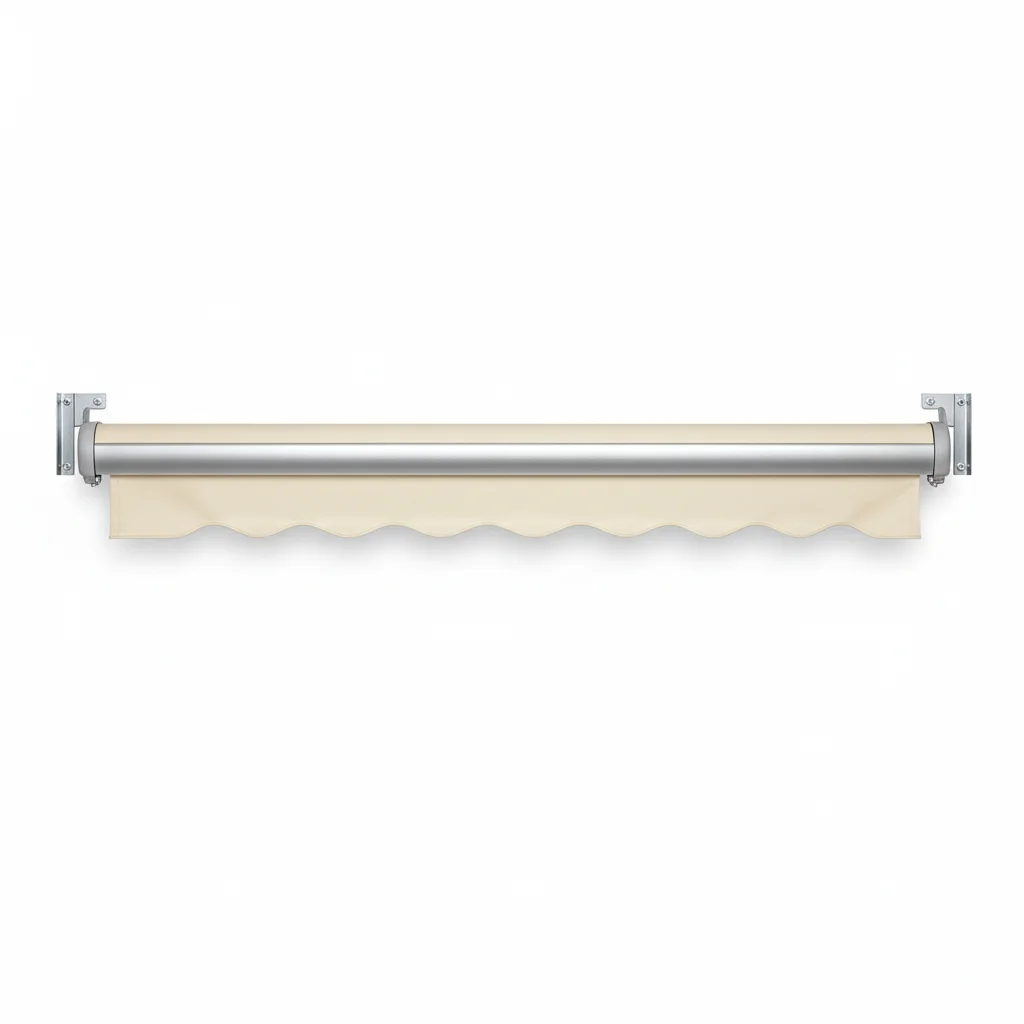
Technical considerations in this specific area often catch newcomers off guard. Because we are situated near the Torrevieja and La Mata salt lakes, the air carries a higher humidity and salt content than you might expect for an inland town. This means I always steer my clients away from cheap, unbranded hardware that will pit and corrode within two seasons. Furthermore, the Calima—the red Saharan dust—is a frequent visitor to Rojales. If you choose a light-colored fabric without a protective "full-cassette" housing, that dust will settle into the fibers and turn into a muddy stain the moment it rains. For a standard 4-meter by 3-meter terrace, I typically recommend a motorized full-cassette awning with high-grade acrylic fabric, which usually ranges between €1,800 and €2,400 depending on the motor brand. You must also be aware of your Comunidad de Propietarios rules. Most urbanizations here have strict mandates on fabric colors—often a specific shade of green, blue, or beige—to maintain a uniform aesthetic across the streetscape.
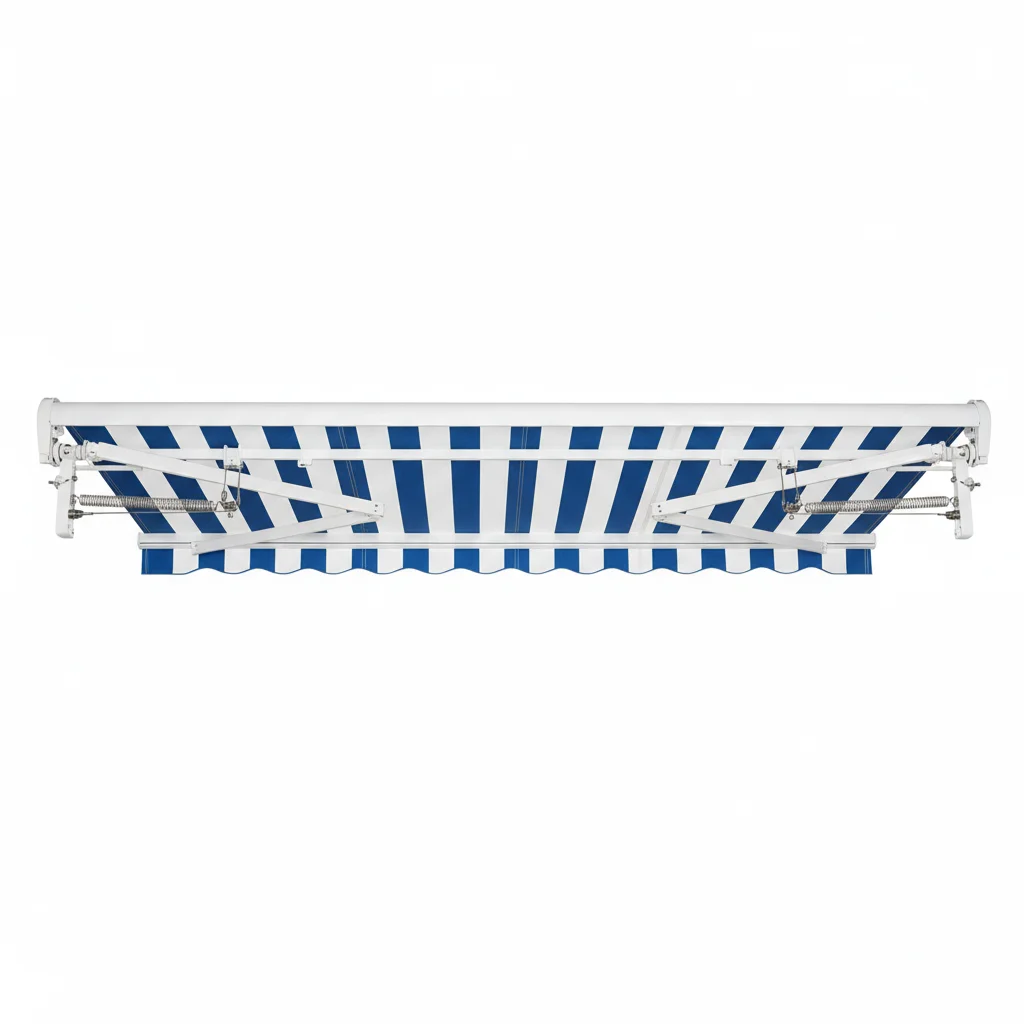
For the detached villas common in the higher elevations of Quesada, wind is your primary enemy. The afternoon breeze can whip up unexpectedly, which is why I never install a large retractable awning without a Somfy vibration sensor. These sensors automatically retract the fabric when they detect the arm bouncing beyond a safe limit, protecting your investment while you are out for lunch in the village. If you own one of the many apartments or smaller townhouses, space is often at a premium. In these instances, a vertical drop toldo with "brazos de punto recto" (straight-point arms) is often more effective than a large projecting awning. These units provide privacy from neighbors and block the low-angled late afternoon sun that hits our south-facing balconies. Many residents are now opting to combine these with shade sails or even bioclimatic pergolas for more permanent structures, especially on larger plots where a single awning doesn't provide enough coverage for a full outdoor kitchen setup.
My team and I are frequently working in the surrounding areas of San Fulgencio and Guardamar, so we are intimately familiar with the local logistics. We know which urbanizations have tight access roads that require smaller delivery vehicles and where the limestone bedrock might require specialized drilling for secure mounting. Whether you are looking for a simple manual balcony cover starting around €800 or a high-end motorized system for a large poolside terrace, we ensure the installation handles the local microclimate. If you are currently planning your outdoor space, I am happy to visit your property for a technical survey. We can look at your orientation, measure the exact square meterage of shade you need, and find a fabric that satisfies both your taste and your community's regulations without any obligation.
 JW'"
/>
JW'"
/>