Outdoor Living in Ondara
Ondara is the Marina Alta’s commercial gateway — a practical, well-connected town of 7,500 residents with a growing 20% expat community of British, Dutch, and German buyers attracted by average property prices around €220,000 and easy highway access to the entire northern Costa Blanca.
Ondara sits at the junction where the AP-7 motorway meets the main roads to Dénia, Jalón, and the coast — a position that has made it the commercial and logistical hub of the Marina Alta region. The town itself has a relaxed, Spanish character that surprises visitors who only know it for its shopping centres and the landmark bullring visible from the highway.
Behind the commercial facade, Ondara has a genuine residential community. The old town centre has traditional townhouses with courtyards and roof terraces. Modern apartments have been built on the outskirts, and a scattering of villas and chalets on the surrounding hillsides offer more space and privacy. Property prices around €220,000 make Ondara one of the most affordable entry points in the Marina Alta — significantly cheaper than neighbouring Dénia or Jávea, with the same climate and better road connections.
The expat community is growing steadily. Many buyers discover Ondara after initially searching in more expensive coastal towns, and find that the savings allow them to invest in the outdoor living setup they actually want — a proper terrace build with quality equipment rather than a cramped balcony with a budget grill.
Ondara’s affordability, central highway position, and mix of modern apartments and hillside villas make it an increasingly popular choice for expats who want Marina Alta living without coastal price tags.
Choosing Your Setup in Ondara
Whether you are working with a townhouse courtyard in the old centre or a villa terrace on the outskirts, Ondara’s varied property stock means matching the right equipment to your specific space.
For apartment and townhouse owners in central Ondara, a compact gas BBQ or tabletop kamado grill is the practical choice. Many of these properties have interior courtyards or shared roof terraces where a freestanding grill fits naturally. Costa Blanca Outdoors can advise on size and fuel type based on your exact layout — bring us photos or measurements and we will recommend the right unit.
Villa and chalet owners on the outskirts and surrounding hills have more freedom. A full-size gas BBQ is the essential starting point, with a pizza oven as the natural second addition — Ondara’s position inland means slightly less wind than the coast, creating ideal conditions for maintaining consistent oven temperatures. A kamado grill completes the setup for those who want to experiment with smoking, slow roasting, and baking.
Ondara’s commercial infrastructure is a practical advantage. Hardware stores, gas suppliers, and building materials are all available locally without the drive to Dénia or Benidorm that smaller towns require. Butane bottles can be exchanged at multiple points in town, and propane tank installation services operate from nearby industrial estates.
The town’s sheltered inland position also means slightly less salt air corrosion than direct coastal locations, which extends the life of any outdoor equipment — though we still recommend stainless-steel or quality powder-coated finishes as standard for the Costa Blanca climate.
Ondara’s sheltered inland position, local gas suppliers, and varied property stock suit everything from compact courtyard grills to full villa terrace builds — with less salt corrosion than coastal towns and easy access to supplies.
Delivery to Ondara
Ondara is one of the easiest towns on our delivery route — central highway access, wide modern roads, and straightforward parking make every delivery smooth and efficient.
Ondara’s position at the heart of the Marina Alta road network makes it one of our most accessible delivery points. The town is easy to navigate, with modern roads, clear signage, and none of the access challenges that remote fincas or narrow old-town streets can present. Apartment deliveries in the centre are straightforward, and villa access on the outskirts is typically via wide, well-maintained roads.
Every delivery includes full unpacking, assembly, placement in your chosen position, and a complete walkthrough of your equipment. For apartment buildings, we coordinate access timing with you in advance.
Ondara connects to all of our northern route towns. Dénia is ten minutes east, Pedreguer five minutes north, and Jalón and the valley wine country are a short drive west. We regularly combine Ondara deliveries with these neighbouring towns on the same run.
Standard delivery for in-stock items is 5–10 working days. Custom outdoor kitchen projects — increasingly popular with villa owners on the outskirts — run 3–4 weeks from design to installation, with all materials, gas connections, and equipment fitting included.
Lighting Your Life in Ondara: Enhancing the Gateway to the Marina Alta
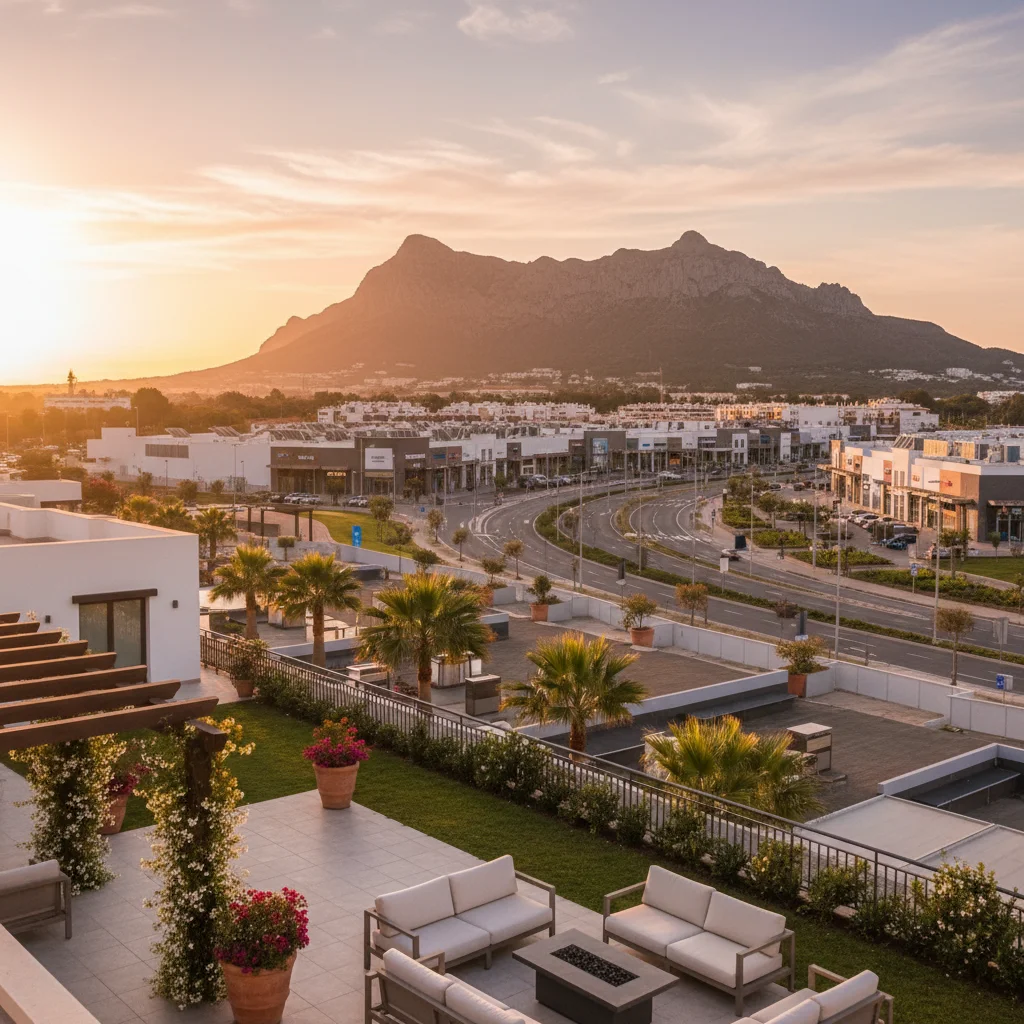
The geographical placement of this municipality creates a unique living environment that dictates exactly how one should approach outdoor lighting. Positioned as the gateway to the Marina Alta, this town sits in a privileged spot where the coastal influences of the Mediterranean meet the rugged interior of the valley. With roughly twenty percent of the population coming from international backgrounds, primarily from the United Kingdom, the Netherlands, and Germany, the local outdoor culture is a fascinating blend of northern European functionality and Spanish nocturnal social habits. While the town center is famous for its historic Bullring—the only one of its kind in the immediate area—the residential landscape is defined by luxury hillside villas and expansive townhouses. Many of these properties feature terraces ranging from 40 to 80 square meters, often with private pools that offer clear views toward the Dénia Road and the sea beyond.
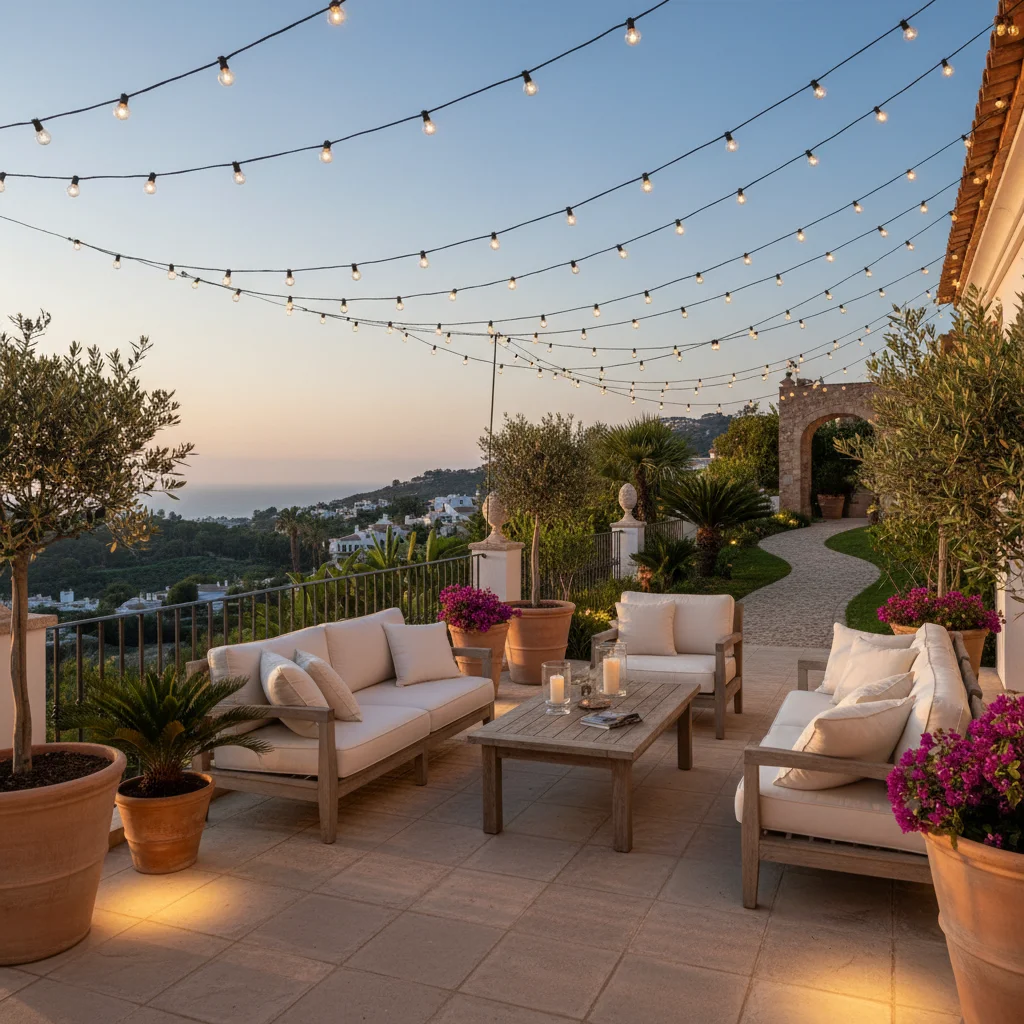
Illuminating these spaces requires a deeper understanding than simply sticking a few solar spikes in a pot. The British and Dutch residents here typically view their terraces as true extensions of the home, used for late-night dining and social gatherings that often stretch well past midnight during the summer months. In the villas situated on the outskirts, where property prices average around EUR 220,000, the architectural style often demands a layered lighting approach. A single overhead light is never sufficient for an 80-square-meter terrace; instead, you need to think about zoning. This involves separating the cooking area—where high-intensity task lighting is essential for the BBQ or summer kitchen—from the lounge area, where soft, warm-toned ambient light creates a relaxed atmosphere. The goal is to avoid the "stadium effect" where the entire garden is flooded with harsh white light, which not only ruins the ambiance but also creates unwanted glare for neighbors in this close-knit community.
For those living closer to the Marina Alta Gateway, the lighting needs shift toward security and subtle architectural highlighting. The local property types often include stone wall features or specific Mediterranean planting that looks spectacular when grazed with light from below. Because the area serves as a hub for the surrounding region, there is a certain level of pride in property presentation here. Residents don't just light their gardens for themselves; they do it to highlight the clean lines of their villas and the lushness of their landscaping. When you are sitting on a terrace overlooking the valley, the way you light your foreground significantly impacts your ability to enjoy the distant lights of the coast. Poorly placed fixtures will reflect off glass railings or pool surfaces, obscuring that prized view of the Mediterranean horizon.
Practical Considerations for the Local Microclimate
The environmental conditions in this specific part of the Marina Alta are distinct from the more exposed coastal strips. We benefit from a sheltered microclimate, largely thanks to the protection offered by the Montgó mountain massif to the south. This geographical barrier mitigates the harshest of the northern winds and results in a moderate coastal breeze rather than the salt-heavy gales found in places like Xàbia. Furthermore, the humidity levels here are generally lower than in the southern zones of the Costa Blanca, such as Torrevieja. This is a critical factor for outdoor lighting longevity. Lower humidity means less internal condensation within fixtures, but you cannot afford to be complacent. Even though we are slightly inland, the salt air still migrates up the valley. I always advise residents to steer clear of cheap, powder-coated aluminum fixtures which will inevitably pit and bubble within two seasons. Instead, look for 316-grade stainless steel or high-quality polycarbonate units with an IP65 or IP67 rating.
One local nuance that many newcomers overlook is the impact of the "Comunidad de Propietarios" or community rules. If your property is part of an established urbanisation near the town center or the Dénia Road, there may be specific regulations regarding light spill and the color temperature of external bulbs. In this region, I strongly recommend staying within the 2700K to 3000K range. This "warm white" spectrum mimics the soft glow of traditional incandescent bulbs and is far more sympathetic to the local terracotta tiles and stone masonry than the harsh 5000K "daylight" bulbs often found in hardware stores. For a high-quality architectural wall washer, you should expect to budget between EUR 180 and EUR 250 per unit. These fixtures provide a sophisticated upward and downward glow that emphasizes the texture of your villa’s facade without blinding anyone walking past.
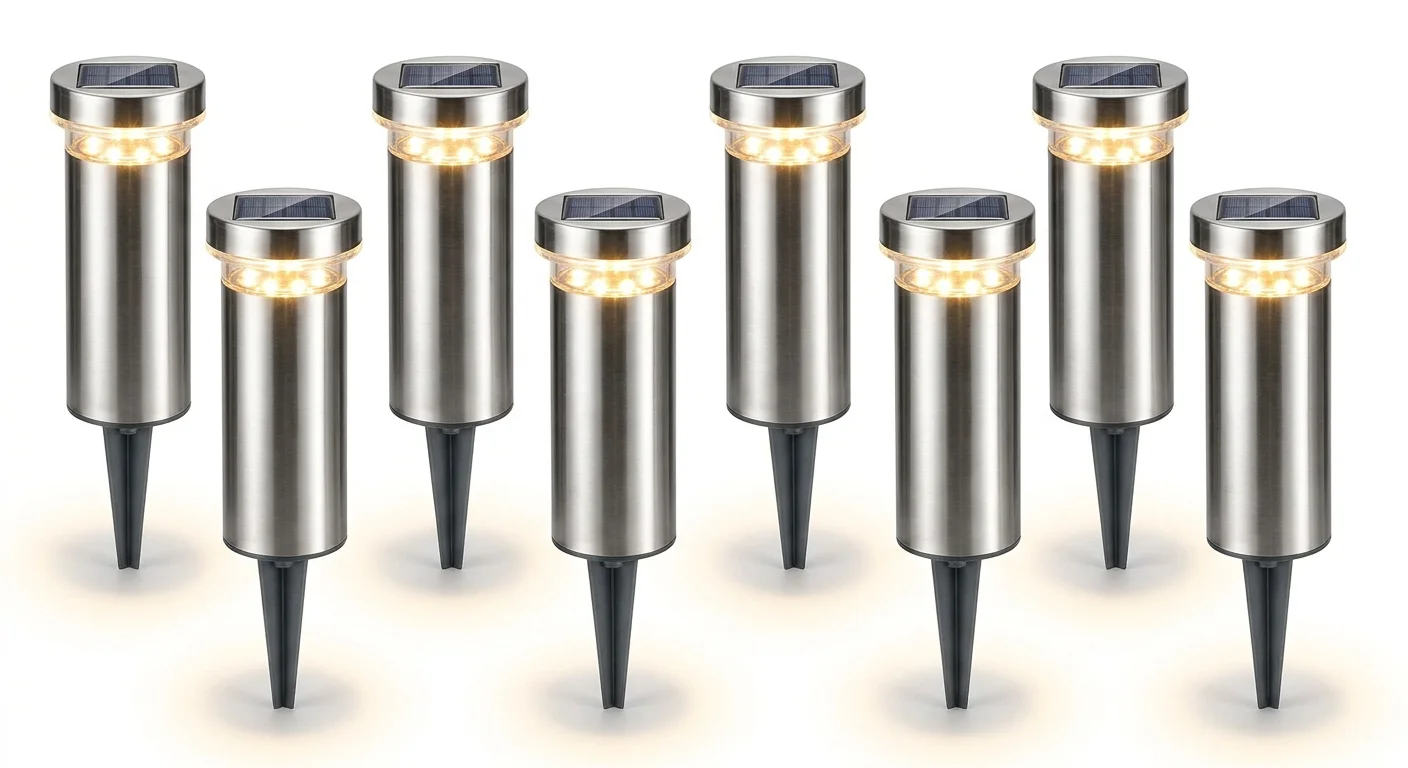
Maintenance in this area is relatively straightforward due to the sheltered climate, but the local insect population—attracted by the nearby agricultural lands—can be an issue for certain types of lighting. Integrated LED fixtures are vastly superior here because they are completely sealed units. Traditional fixtures with replaceable bulbs often have small gaps where spiders and small flies can enter, eventually causing short circuits or unsightly shadows on the lens. If you are installing lighting around a pool area, consider the chemical impact as well. Evaporating pool water contains chlorine or salt, which can settle on nearby fixtures. A quick wipe-down with a damp cloth every few months is usually enough to keep high-quality lighting looking new for years. For path lighting, solar technology has improved immensely, but for consistent performance throughout the winter months, hard-wired 12V or 24V systems remain the professional choice for serious homeowners.
Lighting Strategies for Hillside Villas and Town Terraces
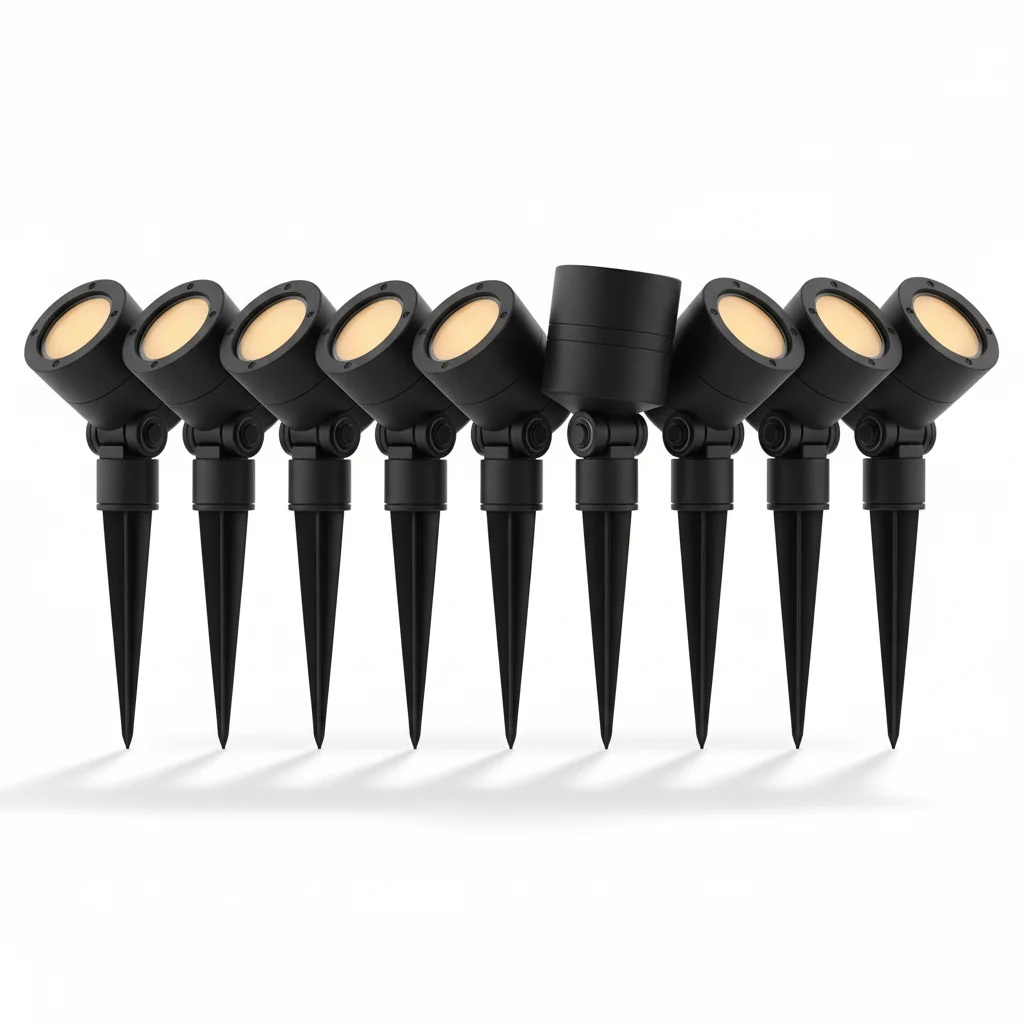
When configuring a lighting setup for a hillside villa, the primary challenge is managing the verticality of the space. For a property with an 80-square-meter terrace and a pool, I recommend a three-tier system. The first tier is functional: recessed LED spotlights (EUR 75 – EUR 120 each) integrated into the terrace floor or the steps leading to the pool. These ensure safety and define the boundaries of the living space. The second tier is architectural: uplighting the palms or olive trees that are staples of local gardens. Using a 10W LED spike light (approx. EUR 90) positioned at the base of a tree creates a dramatic focal point that adds depth to the garden at night. This is particularly effective when the lighting is integrated with artificial-grass. By installing the cabling beneath the grass sub-base, you can position lights in the middle of a lawn area without any visible wires, creating a seamless look that is very popular among our Dutch and German clients.
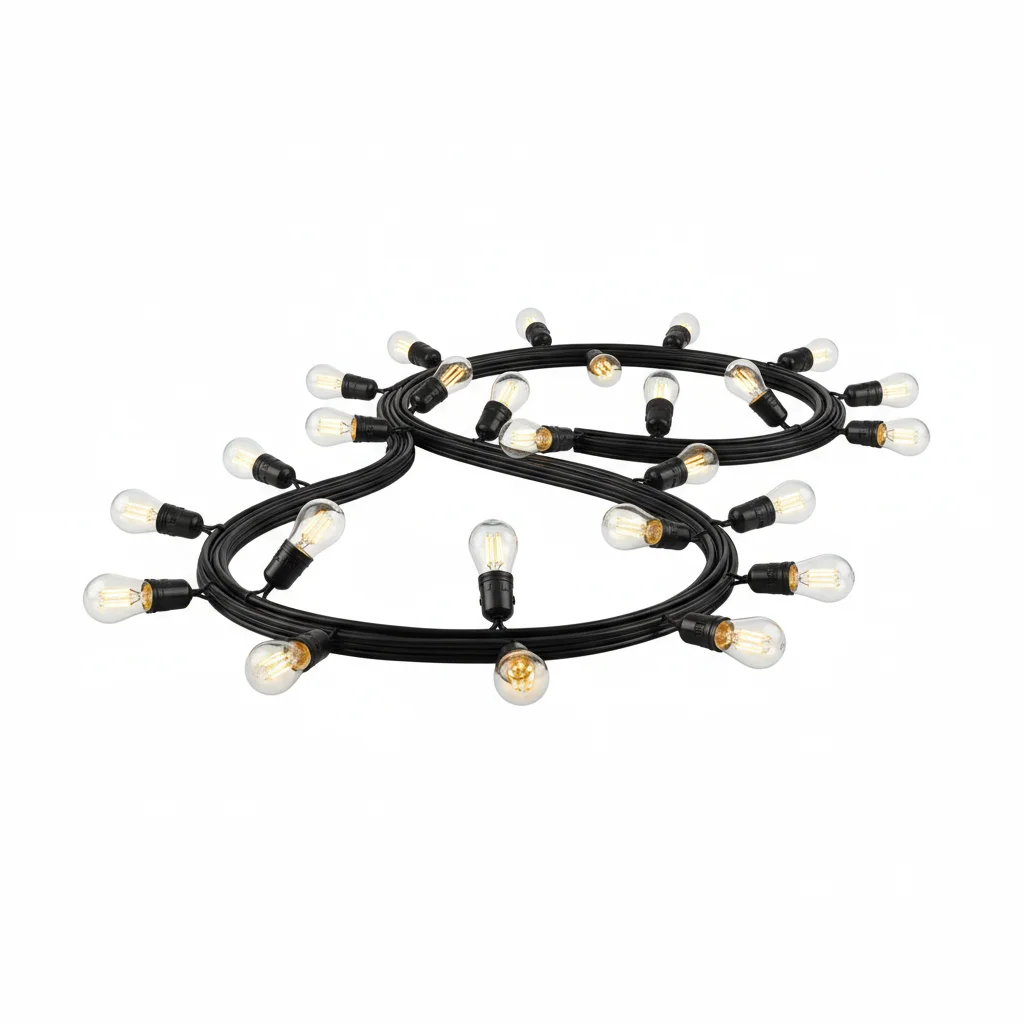
For townhouses or apartments with 40-square-meter terraces near the Bullring, the approach should be more intimate. In these spaces, you are often dealing with walls and privacy screens. This is where garden-fencing becomes a lighting asset. High-quality festoon strings (priced around EUR 150 for a professional-grade 10-meter set) can be draped along the top of a fence or pergola to provide a soft, overhead glow that is perfect for dining. Unlike the cheap versions found in supermarkets, professional festoons use heavy-duty rubber cabling and replaceable LED bulbs, making them a permanent year-round fixture. If you have a smaller terrace, avoid large, bulky lanterns. Instead, use "wash" lighting that bounces light off the walls. This creates a sense of more space by illuminating the boundaries of the terrace, making the 40-square-meter area feel significantly larger and more open.
The integration of smart technology is another area where Ondara residents can see a massive benefit. Because twenty percent of our neighbors are expats who may not be in Spain year-round, the ability to control outdoor lighting via a smartphone is invaluable. Smart drivers and controllers (ranging from EUR 100 to EUR 300) allow you to set schedules that mimic occupancy, providing an extra layer of security. You can program your lights to turn on at sunset—which, because of our position behind the mountains, happens slightly earlier than in the coastal flats of Dénia—and dim down to a low-level "glow" mode after midnight. This level of control is not just a luxury; it is a practical solution for maintaining a property from abroad while ensuring you never return to a dark, uninviting home.
Local Implementation and Regional Support
Operating from our base on the Costa Blanca, we have a deep understanding of the logistics involved in delivering and installing equipment in this specific area. Whether your property is located on a wide avenue near the shopping center or tucked away in one of the narrower streets of the old town, we manage the delivery process with local precision. We frequently serve clients across the triangle of Dénia, Pedreguer, and Jalon, which gives us a broad perspective on how different elevations and orientations affect lighting needs. For example, a north-facing terrace in the Jalon valley requires a different approach to a south-facing villa here, where the thermal gain on fixtures during the day can be significantly higher.
Our local knowledge extends to the technical realities of Spanish electrical systems. We understand the "potencia" limits common in many older properties and can design LED systems that provide massive amounts of light with minimal energy draw. An entire garden lighting scheme for a large villa, including twenty different light points, can often run on less electricity than a single old-fashioned halogen floodlight. This efficiency is a core reason why our clients choose to invest in high-quality LED components. When we deliver to your home, we don't just drop boxes at the gate. We understand the layout of the local urbanisations and the specific challenges of the terrain, from the hard caliche soil that makes burying cables a challenge to the specific wind patterns that dictate how festoons should be tensioned.
The process of transforming an outdoor space begins with a clear understanding of how you intend to use it. A terrace used for quiet morning coffees and evening reading needs a different light profile than one used for hosting large Sunday afternoon paellas that turn into late-night tapas sessions. With over 200 families helped across the region since 2019, I have seen every possible configuration of outdoor space. I know which fixtures will survive the summer heat and which ones will fail when the first heavy rains of "Gota Fría" arrive in the autumn. If you are looking to elevate your outdoor living experience, I am always available for a detailed consultation to walk through your property and discuss the technical requirements of your specific site. Our goal is always to provide a solution that is as durable as it is beautiful, ensuring your investment enhances your lifestyle for many years to come.
 JW'"
/>
JW'"
/>